ITL-8a035ced95e1
Juan Li, MD · Updated November 18, 2026
Key points
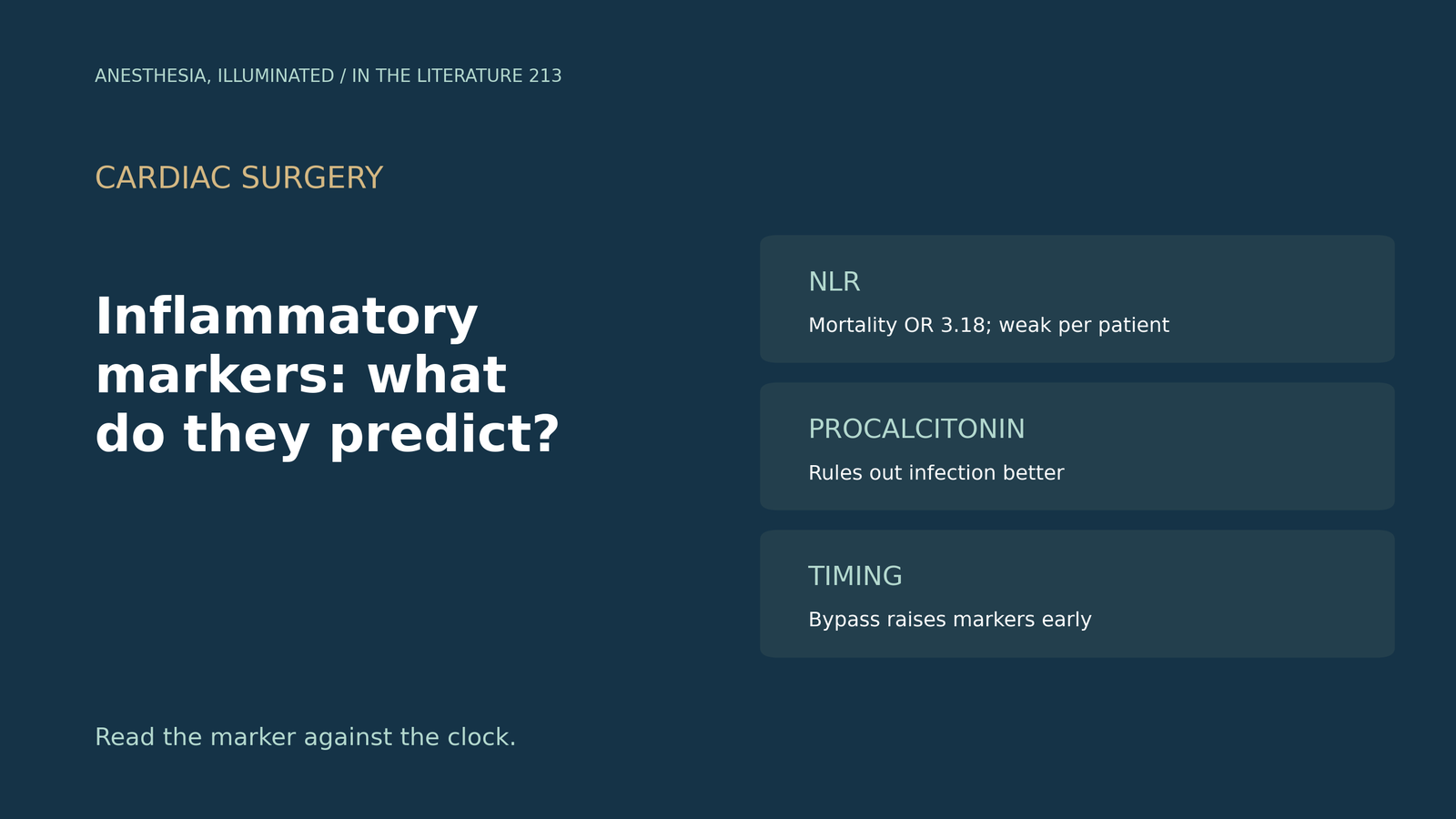
- NLR tracks mortality. Across 12 studies with 13,262 patients, elevated preoperative NLR was associated with short-term mortality (OR 3.18).[1]
- The signal is real but blunt. In 3249 valve patients, NLR above 3.5 was linked to 30-day death (5.3% vs 1.2%), but it predicted AKI only weakly (AUC 0.556).[2]
- No single marker discriminates well. Among 10 markers in 820 patients, the best C-index for survival was 0.619.[3]
- Procalcitonin helps rule out infection. At 3 ng/mL, sensitivity was 0.67 and specificity 0.73, with NPV above 90% at low prevalence.[4]
- Timing matters. Heparin and bypass raise HBP early, whereas CRP, IL-6 and IL-8 peak later.[5]
On the second day after valve surgery, a patient has a fever and a rising CRP, and the preoperative NLR was high. Which outcomes do these numbers actually predict, and do they mean infection?[1], [4]
Preoperative NLR and outcomes
Perry and colleagues pooled 12 studies with 13,262 patients: elevated preoperative NLR was associated with short-term mortality (OR 3.18), and long-term mortality rose with each unit of NLR (HR 1.09). Thresholds varied from 2.4 to 10, and publication bias could not be assessed formally.[1] Tian and colleagues studied 3249 valve surgery patients: NLR above 3.5 was linked to higher 30-day mortality (5.3% vs 1.2%; relative risk 3.236), but NLR predicted AKI only weakly (AUC 0.556), and the study was single-centre and retrospective.[2] Liu and colleagues compared 10 markers in 820 patients, measured once before surgery; the best C-index for survival was only 0.619.[3] Other blood-count markers behave similarly: in a meta-analysis (Frentiu et al., J Cardiothorac Vasc Anesth 2023), elevated preoperative RDW was associated with long-term mortality (HR 1.63) and short-term mortality (OR 2.16), but heterogeneity between studies was considerable.[6]
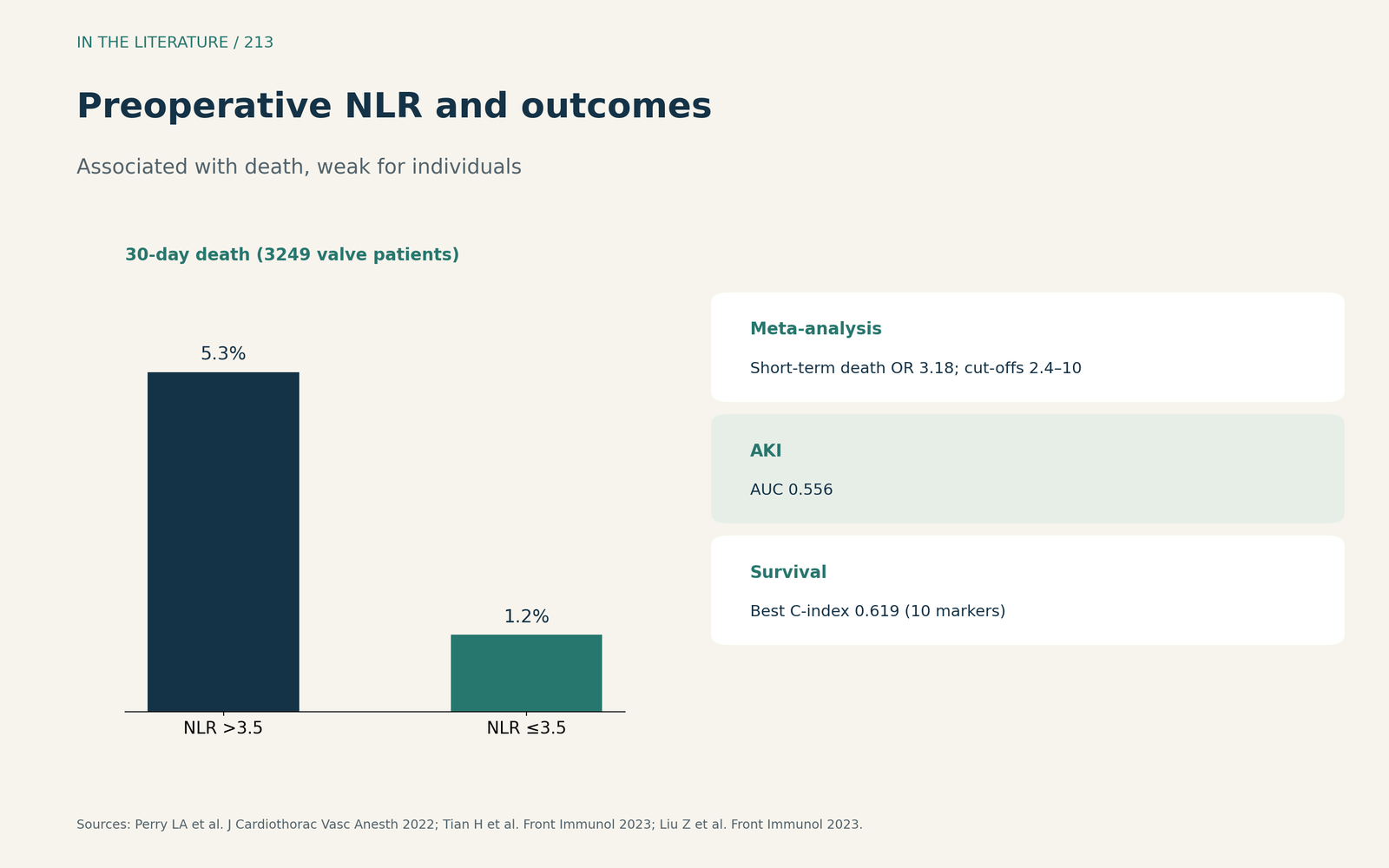
Figure 1. Associated with death, weak for individuals. Redrawn from Perry et al., Tian et al. and Liu et al.[1], [2], [3] View larger.

Procalcitonin and infection
Nicolotti and colleagues found an optimal procalcitonin threshold of 3 ng/mL after cardiac surgery, higher than the usual 0.5 to 1.0 ng/mL, with sensitivity 0.67, specificity 0.73 and AUC 0.75. NPV exceeded 90% when prevalence was below 20%, so procalcitonin may help rule out infection, but no study prespecified a threshold.[4] In children after bypass (Silvetti et al., J Cardiothorac Vasc Anesth 2021), procalcitonin at 48 hours predicted early infection only moderately (AUC 0.63).[7]
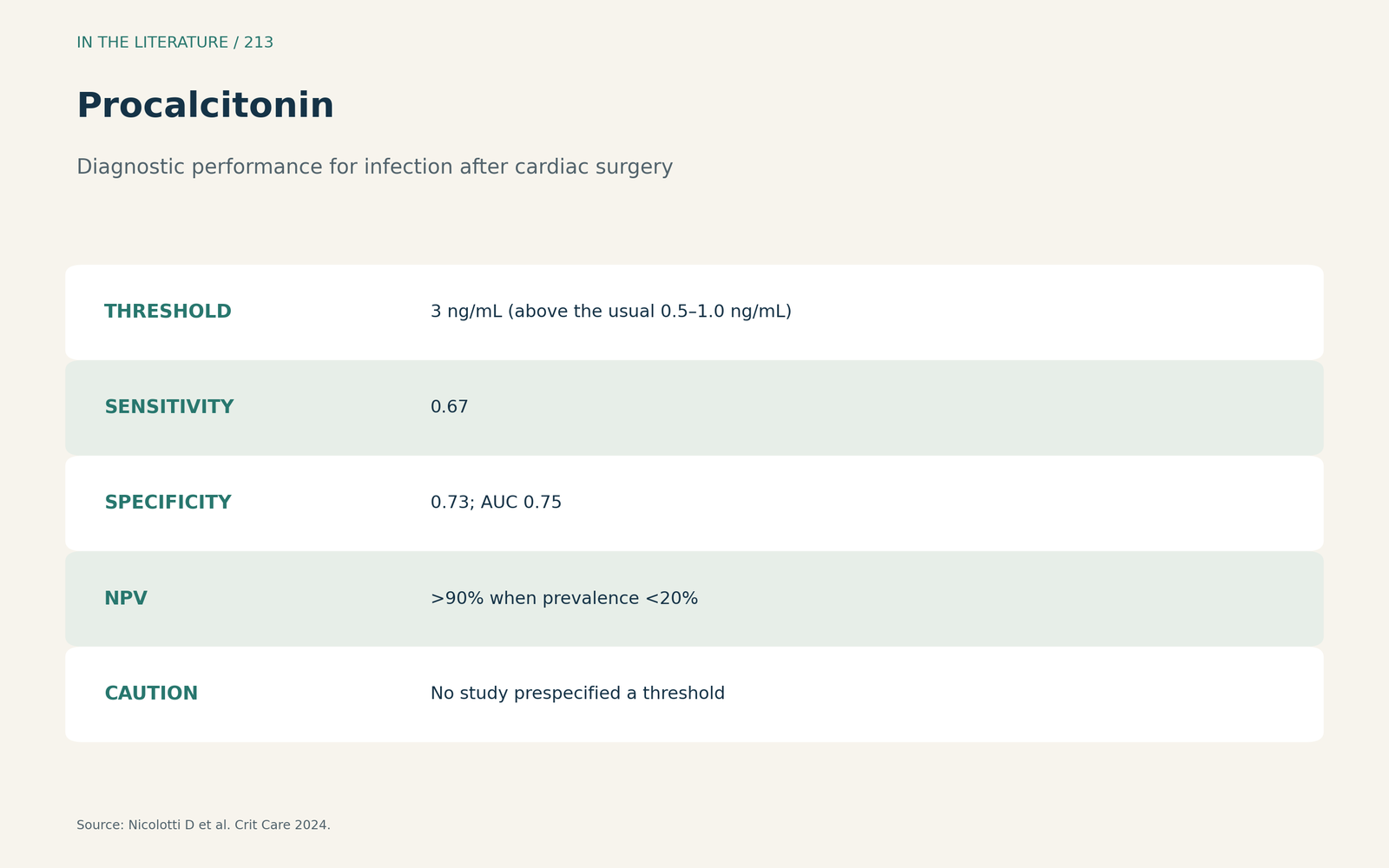
Figure 2. Better at ruling out than ruling in. Redrawn from Nicolotti et al.[4] View larger.

Why timing and setting matter
Sterner and colleagues found that heparin-binding protein rose immediately after heparin and further during bypass, while CRP, white cell count, IL-6 and IL-8 all peaked later; the pilot sample was small.[5] Belletti and colleagues found pancreatic stone protein high even in mechanically supported patients without sepsis and suggest a different cut-off may be needed in cardiogenic shock.[8]
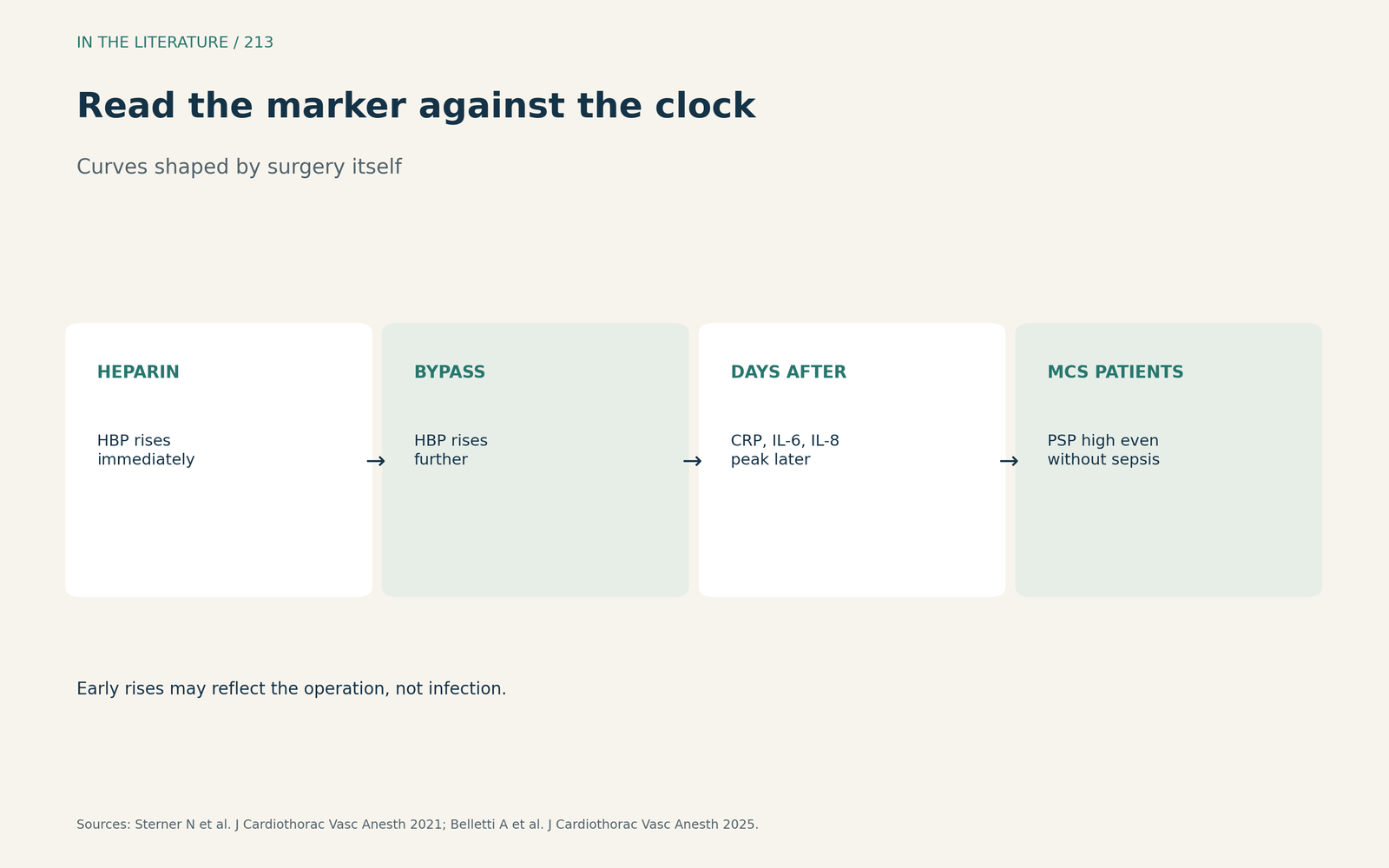
Figure 3. Read the marker against the clock. Synthesized from Sterner et al. and Belletti et al.[5], [8] View larger.

Three takeaways
- High preoperative NLR flags higher mortality risk but does not predict individual complications well.[1], [2], [3]
- Procalcitonin is more useful to rule out infection than to confirm it.[4]
- Interpret any marker against the time since bypass and the clinical setting.[5], [8]
References
- Perry LA, Liu Z, Loth J, et al. Perioperative neutrophil-lymphocyte ratio predicts mortality after cardiac surgery: systematic review and meta-analysis. J Cardiothorac Vasc Anesth. 2022;36(5):1296–1303. doi:10.1053/j.jvca.2021.07.001
- Tian H, Jiang X, Duan G, et al. Preoperative inflammatory markers predict postoperative clinical outcomes in patients undergoing heart valve surgery: a large-sample retrospective study. Front Immunol. 2023;14:1159089. doi:10.3389/fimmu.2023.1159089
- Liu Z, Zhu G, Zhang Y, et al. Comprehensive comparative analysis of the prognostic impact of systemic inflammation biomarkers for patients underwent cardiac surgery. Front Immunol. 2023;14:1190380. doi:10.3389/fimmu.2023.1190380
- Nicolotti D, Grossi S, Palermo V, et al. Procalcitonin for the diagnosis of postoperative bacterial infection after adult cardiac surgery: a systematic review and meta-analysis. Crit Care. 2024;28(1):44. doi:10.1186/s13054-024-04824-3
- Sterner N, Fisher J, Thelaus L, et al. The dynamics of heparin-binding protein in cardiothoracic surgery—a pilot study. J Cardiothorac Vasc Anesth. 2021;35(9):2640–2650. doi:10.1053/j.jvca.2020.12.033
- Frentiu AA, Mao K, Borg Caruana C, et al. The prognostic significance of red cell distribution width in cardiac surgery: a systematic review and meta-analysis. J Cardiothorac Vasc Anesth. 2023;37(3):471–479. doi:10.1053/j.jvca.2022.11.015
- Silvetti S, Lembo R, Mesini A, et al. Procalcitonin and early postoperative infection after pediatric cardiopulmonary bypass surgery. J Cardiothorac Vasc Anesth. 2021;35(12):3688–3693. doi:10.1053/j.jvca.2021.04.036
- Belletti A, Bonizzoni MA, Labanca R, et al. Pancreatic stone protein as sepsis biomarker in patients requiring mechanical circulatory support: a pilot observational study. J Cardiothorac Vasc Anesth. 2025;39(5):1229–1235. doi:10.1053/j.jvca.2025.01.037