ITL-755c66e576d4
Juan Li, MD · Updated November 18, 2026
Key points
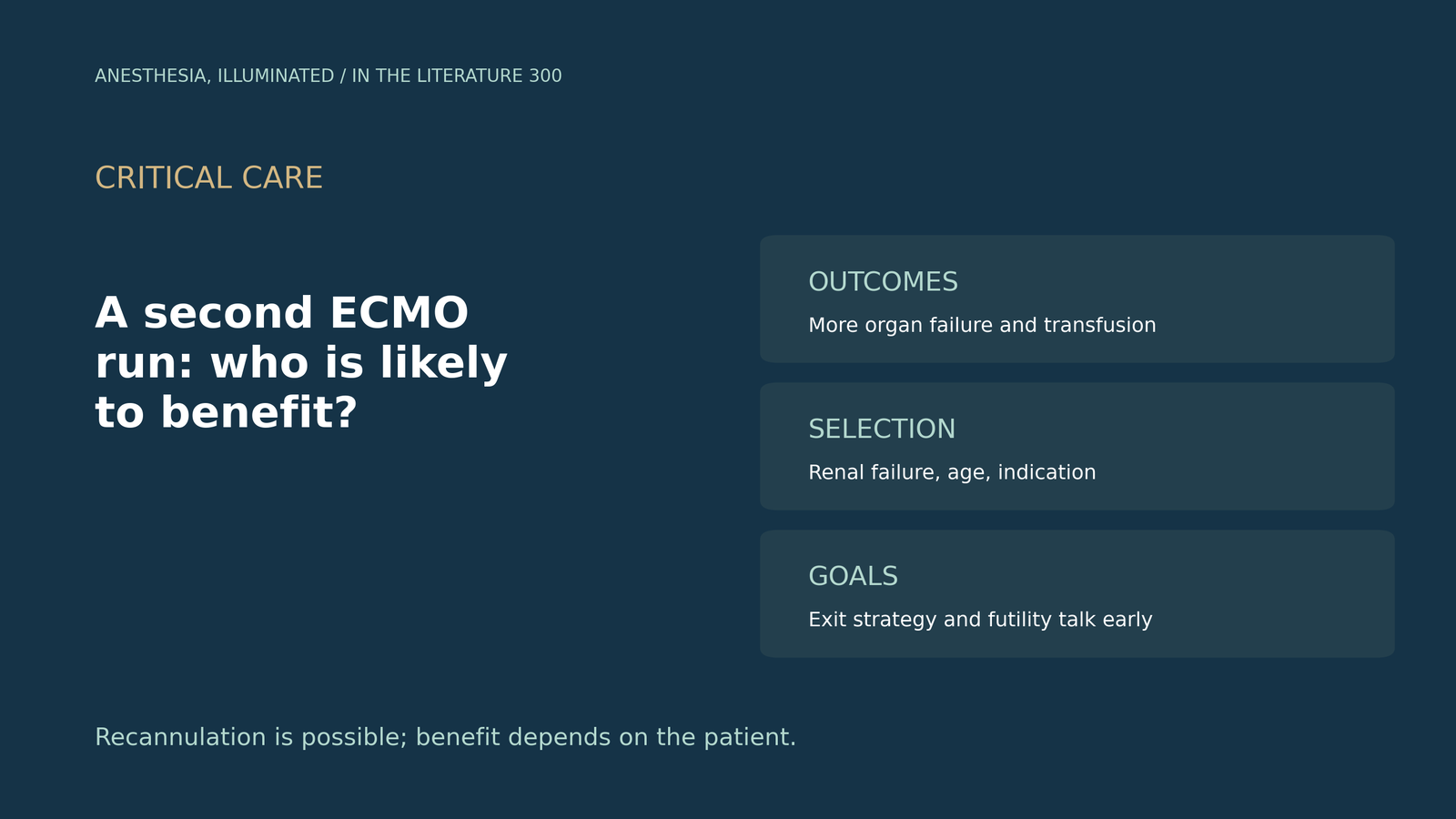
- A second run is not rare. In two large centres, 2.0% and 10.1% of ECMO patients needed support again.[1], [2]
- Survival after multiple runs was low in one cohort. About one in five patients was alive at one year, and complications rose with each run.[1]
- Matched data show more harm, not clearly more deaths. A second VA-ECMO run brought more multiorgan failure and transfusion, while survival did not differ significantly.[2]
- Some features predict poor survival. Renal failure in the first run and older age predicted poor survival; young patients with congenital heart disease did better.[1]
- Plan the exit before recannulating. Agree on recovery, device or transplant, and discuss futility and withdrawal early.[2], [3], [4]
A patient decannulated from VA-ECMO five days after cardiac surgery is in shock again. The surgeon asks whether to put them back on. What does the evidence say about who benefits from a second run?
How often, and why
In one centre, of 451 patients, 46 (10.1%) needed more than one ECMO run in the same hospitalisation. Complications rose with each run: renal failure from 43% to 65% to 100%, and neurologic complications from 2% to 16% to 50%. Both patients who needed three runs had their care withdrawn (Peffley et al., J Cardiothorac Vasc Anesth 2025).[1]
In a larger series of 1496 adults on VA-ECMO, 30 (2.0%) needed a second run. Low cardiac output was the commonest reason for re-initiation (17 patients, 56.7%), followed by graft failure after heart transplant (20.0%) (Kozakov et al., J Clin Med 2026).[2]
Outcomes
In the first cohort, ten patients (21.7%) survived to hospital discharge and nine (19.5%) to one year. By comparison, 405 single-run patients at the same centre had in-hospital mortality of 52% and one-year survival of 42%.[1]
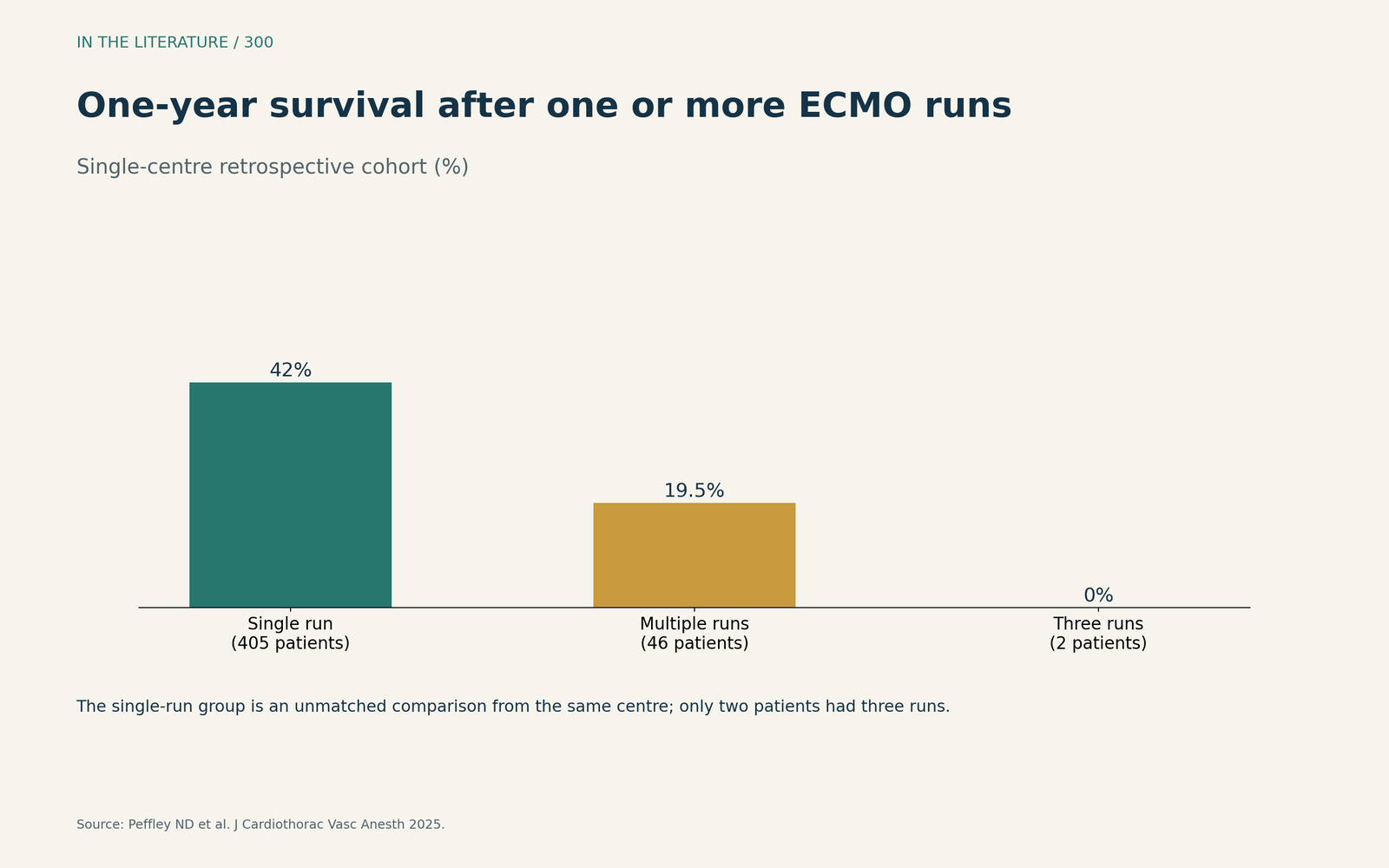
Figure 1. Survival fell with repeated runs; the single-run group was not matched. Data from Peffley et al.[1] View larger.

Who might benefit
Acute renal failure during the first run was linked to one-year survival of only 5%. Age over 40 at the first run was linked to one-year survival of 11.7%, and no patient over 65 survived to discharge. Patients 35 or younger with congenital heart disease had lower in-hospital mortality than all others (29% vs 87%) and 71.4% one-year survival. In-hospital mortality in the high-risk group (84.4%) did not differ significantly from the low-risk group (64%), so a simple risk split was not enough. Patients over 40 are likely to need a durable device or transplant as an exit strategy, and multiple runs should be reserved for patients with a reasonable chance of survival and quality of life.[1]
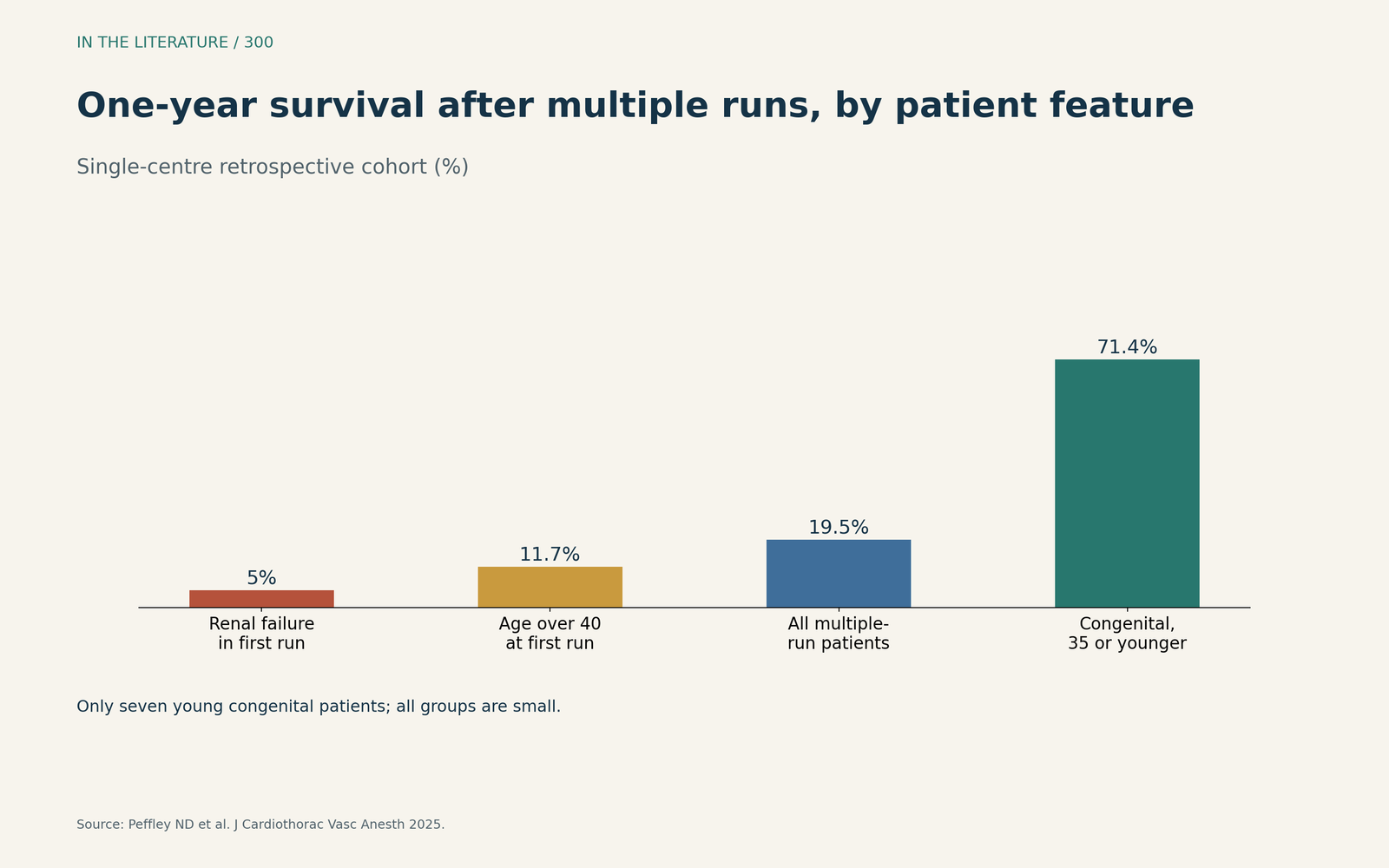
Figure 2. Renal failure and age marked poor survival; young congenital patients did better. Data from Peffley et al.[1] View larger.

A matched comparison
The matched study gives a more nuanced picture. Repeat support lasted longer (median 6 vs 4 days) and needed more red cells (median 7.5 vs 2 units), but survival did not differ significantly between second-run and single-run patients. After matching, multiorgan failure remained more common with a second run (23.3% vs 5.6%), and all seven second-run patients who developed multiorgan failure died in hospital. Same-admission second-run survivors had numerically worse functional status (median ECOG 2 vs 1; p = 0.057); with about 41.3% power, the lack of significance should not be read as equivalent recovery. Patients who reach a second run have already survived the first, a selection bias that matching cannot fully remove.[2]
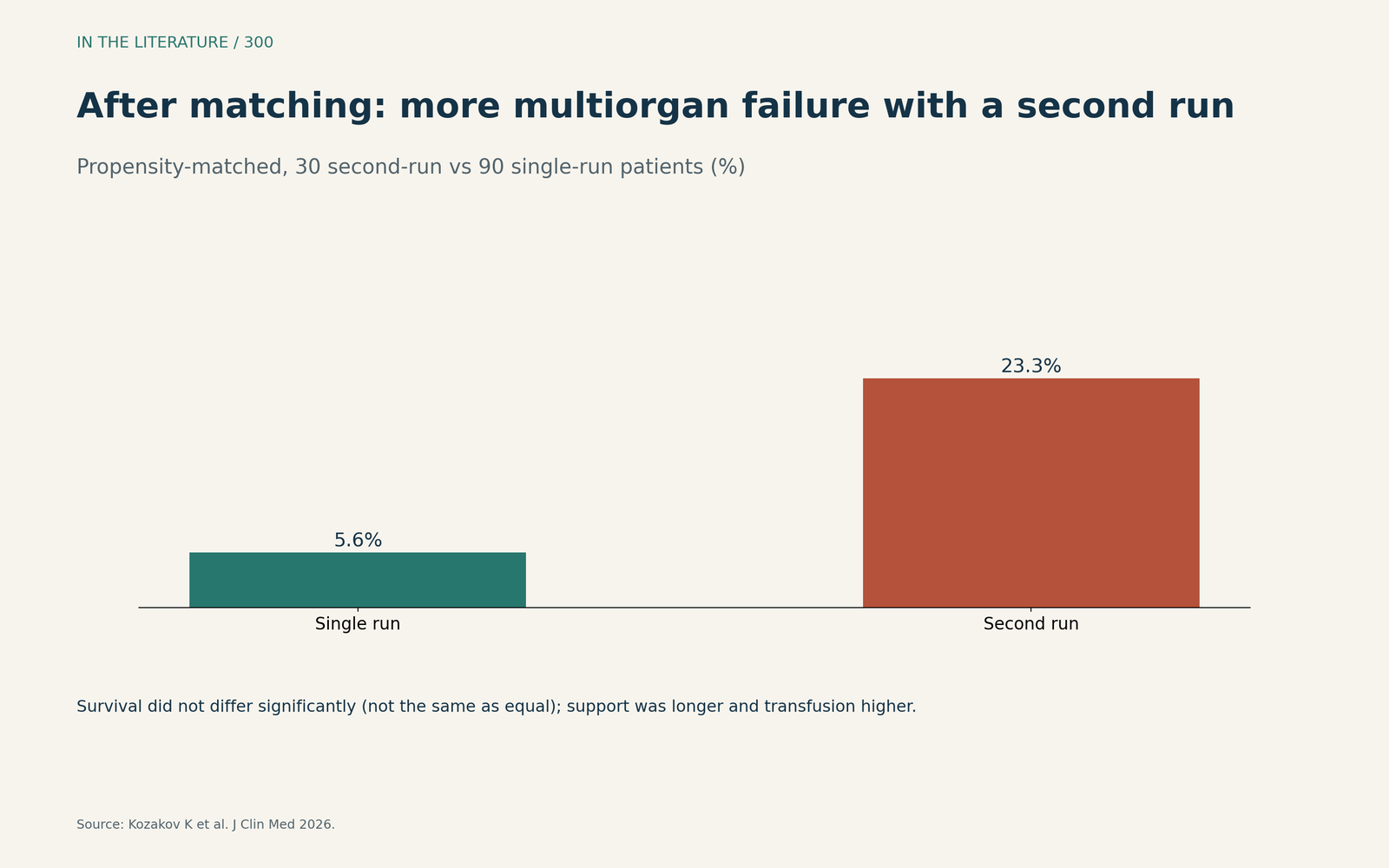
Figure 3. More multiorgan failure with a second run; survival did not differ significantly. Data from Kozakov et al.[2] View larger.

Goals of care and the exit strategy
With persistently poor prognostic signs, timely interdisciplinary goals-of-care discussions are encouraged, including de-escalation in selected cases.[2] For postcardiotomy support, if a patient is not a candidate for long-term support or transplant and futility is established, support should be stopped promptly after family discussion; most centres consider three to five days of inadequate cardiac function futile in patients who are not device or transplant candidates (Welker et al., J Cardiothorac Vasc Anesth 2022).[3] For VV-ECMO, a UK consensus says the concept of futility and withdrawal should be introduced at consent and documented, and information about ECMO outcomes, such as a bridge to nowhere, should be documented from initiation (Lewis et al., Br J Anaesth 2025).[4]
Three takeaways
- A second run is possible, but expect longer support, more transfusion and more multiorgan failure; survival data are mixed.[1], [2]
- Before recannulating, weigh first-run renal failure, age and the reason for failure, and name the exit strategy.[1]
- Set goals of care and discuss futility early, and revisit them if organs fail on the second run.[2], [3], [4]
References
- Peffley ND, Lee J, Patch RK III, Seelhammer TG. Outcomes in adult patients requiring multiple runs of extracorporeal membrane oxygenation. J Cardiothorac Vasc Anesth. 2025 (article in press). doi:10.1053/j.jvca.2025.08.001
- Kozakov K, Philipp A, Foltan M, et al. Clinical and functional outcomes following repeat VA-ECMO in adults: a propensity score-matched comparative study. J Clin Med. 2026;15(17):6627. doi:10.3390/jcm15176627
- Welker C, Huang J, Ramakrishna H. Analysis of the 2020 EACTS/ELSO/STS/AATS expert guidelines on the management of adult postcardiotomy extracorporeal life support. J Cardiothorac Vasc Anesth. 2022;36:2207–2219. doi:10.1053/j.jvca.2021.06.022
- Lewis R, Jackson E, Collins P, et al. UK consensus statement on priorities to support the process of withdrawal of veno-venous extracorporeal membrane oxygenation. Br J Anaesth. 2025;135(5):1223–1230. doi:10.1016/j.bja.2025.07.091