Distinguishing clinical care, family investigation and publication through retrospective sources.
Reading Library · Anesthesia Epochs · 中文版
Watch the companion film
1960: Denborough — A Family History · Watch on YouTube
Historical anchor: 1960. Date details and source qualifications are explained below.
The investigation followed the emergency. In his 1986 recollection, Michael Denborough described a young patient arriving at the Royal Melbourne Hospital in 1960 with a fractured leg and a family history of deaths after anesthesia. The patient became seriously ill during halothane anesthesia and survived after anesthesia was stopped and cooling applied.[1] This account was written more than two decades later.
Denborough distinguished the work of the anesthetists, Villiers and Maplestone, from his subsequent investigation. Lovell asked him to examine the case because of his interest in genetics. He recalled interpreting the relatives’ records as suggesting a dominantly inherited abnormality.[1]
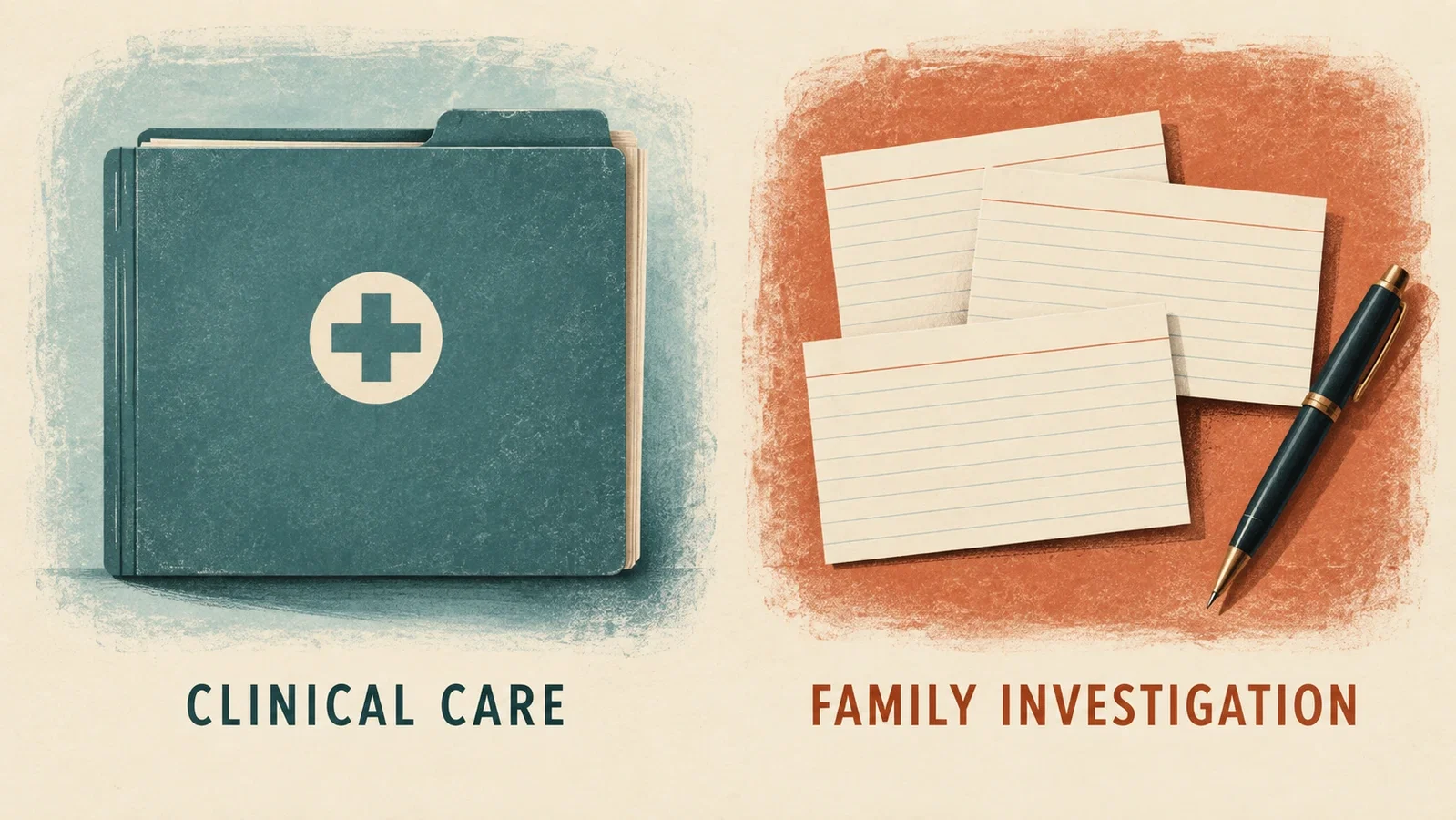
The family also participated. Christine Ball’s 2007 historical article drew on interviews with the patient, relatives and doctors, describing an enduring exchange of information between the family and researchers.[2, pp.28, 31] Oral history adds participants’ perspectives. It also needs to retain its own date and standpoint; recollections cannot simply be assembled into an authenticated contemporary medical chart.
Two publications belong to the earlier record: a Lancet communication in 1960 and a British Journal of Anaesthesia report in 1962. The RCP biography and MHANZ historical introduction connect both to the family investigation.[3–4] Their sequence is useful, but the later accounts do not give this article access to every statement in those original reports.
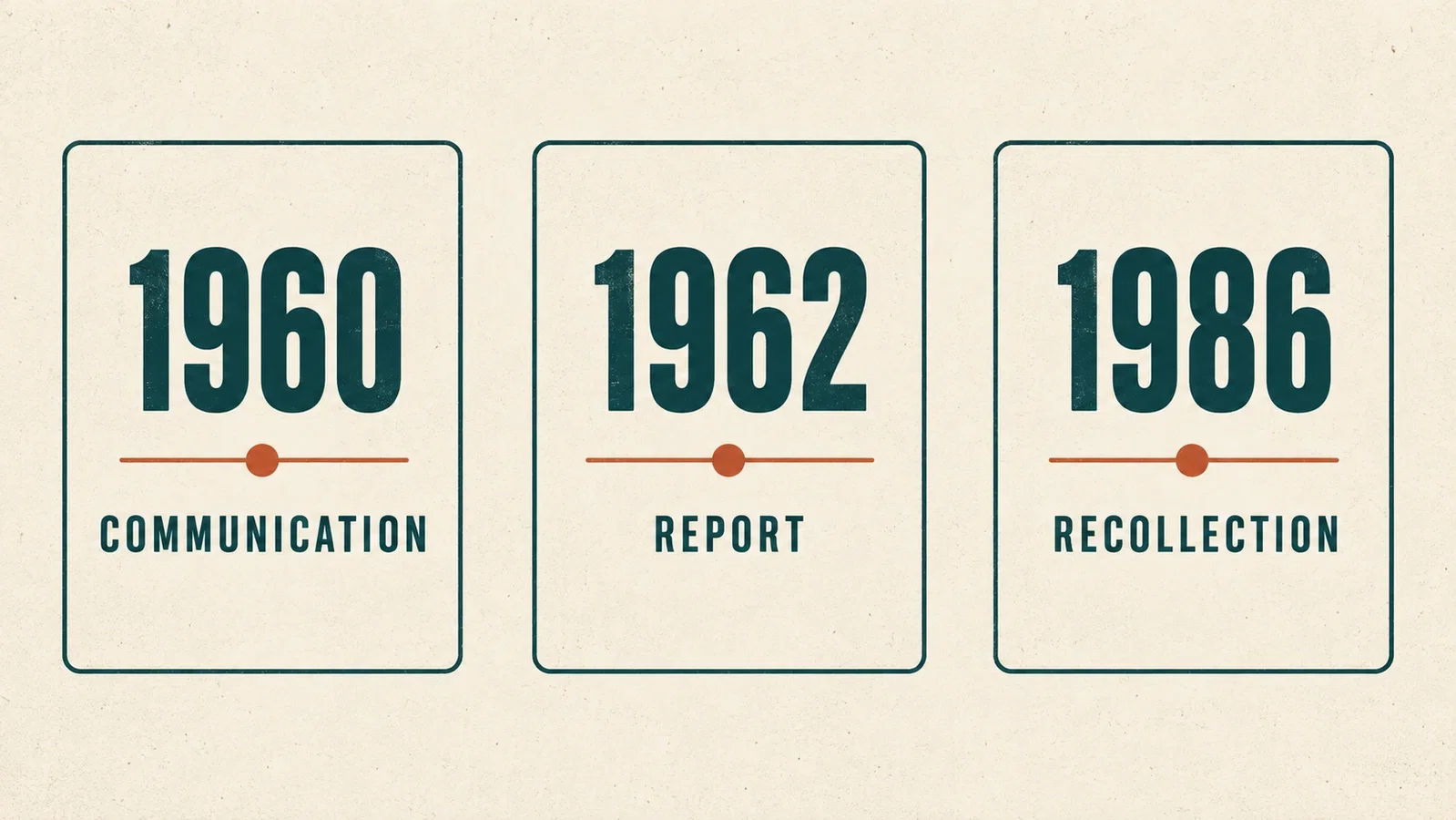
The historical question here is how an anesthetic event became a reason to investigate a family. Reading the event alongside relatives’ histories changed the question being asked. That is the bounded account these sources support. Naming priority, the original pedigree and the development of a mechanistic explanation require their own evidence.
The 1979: Intravenous Dantrolene Approved for Malignant Hyperthermia Crisis poses a different question about the same syndrome: how to intervene in a crisis. FDA’s later regulatory history dates approval of injectable dantrolene for malignant hyperthermia crisis to 1979, alongside supportive measures.[5] This is an editorial comparison between recognition and intervention, without attributing the regulatory decision directly to Denborough.
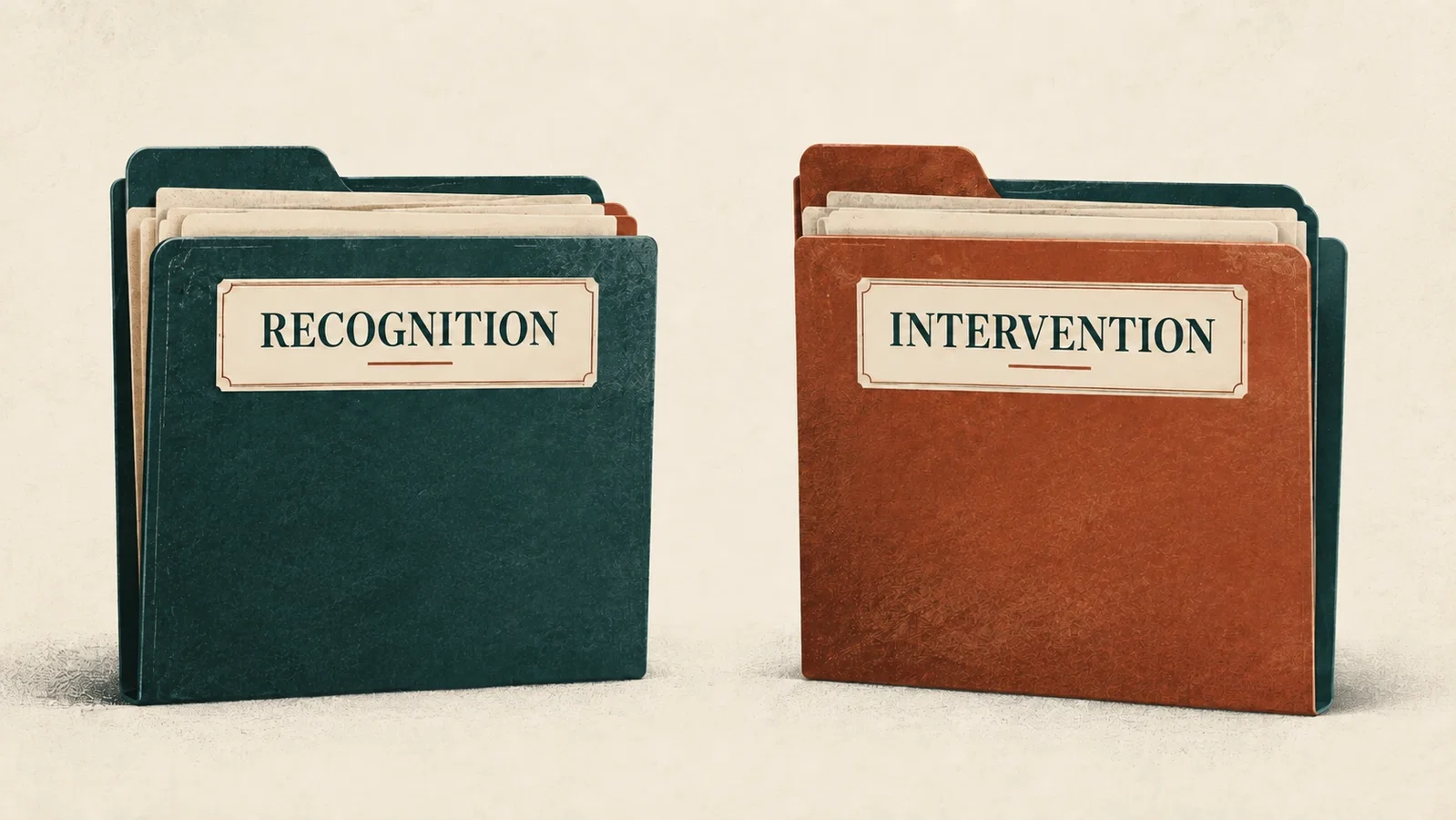
These are modern editorial illustrations. Documents, figures and people are conceptual, not facsimiles of original records, a real pedigree or a reconstruction of the clinical scene. This article concerns history, not current treatment.
Sources and reading limits
- Denborough M. This Week’s Citation Classic: Anaesthetic deaths in a family. Current Contents. 1986;(45):18, November 10; commentary dated August 22. Complete one-page participant retrospective and its page image read.
- Ball C. Unravelling the mystery of malignant hyperthermia. Anaesth Intensive Care. 2007;35 Suppl 1:26–31. All six pages of publisher-extracted text read. The original PDF download was blocked; the reproduced chart on p.27 was not visually verified and its details are not used.
- Gillies R. Michael Antony Denborough. RCP biography, reproduced from ANZCA Bulletin, March 2014. Biographical text read.
- MHANZ. Information for anaesthetists. Historical introduction and references 1–3 read for publication chronology.
- FDA. NDA 205579, Other Reviews, 2014. PDF p.14, Pharmacovigilance Review printed p.2, §1.1 Regulatory History. This page was read; it is not the original 1979 label.
The original 1960 communication and 1962 report are not covered. This article therefore does not claim to verify their case data or naming priority. The retrospective, interviews and institutional accounts also share references; they are not wholly independent confirmations.
Continue exploring
Related reading connects shared questions and contexts; it does not by itself establish historical influence.
The Source Room · About & Editorial Method
Sources and reading limits are stated above. Illustrations are labelled as original source images or AI-made. Historical accounts are educational; they are not current treatment instructions.