A 1974 timeline entry and a developer recollection from 1991.
Reading Library · Anesthesia Epochs · 中文版
Watch the companion film
1974: Sufentanil — The Duration of Surgery · Watch on YouTube
Historical anchor: 1974. Date details and source qualifications are explained below.
Different operations called for different choices. In a one-page recollection published in 1991, Paul A.J. Janssen and Carlos J.E. Niemegeers explained why alfentanil and sufentanil had been developed. They associated alfentanil with shorter, minor operations and sufentanil with longer, major surgery.[1] They were describing the aims of their development work.
The year attached to this article comes from a later institutional timeline. The Australian Society of Anaesthetists’ HALMA timeline places the synthesis of sufentanil in 1974 and names Janssen Pharmaceutica.[2, PDF p.76] The entry provides no original experimental reference. The date is therefore retained as the society’s historical attribution.
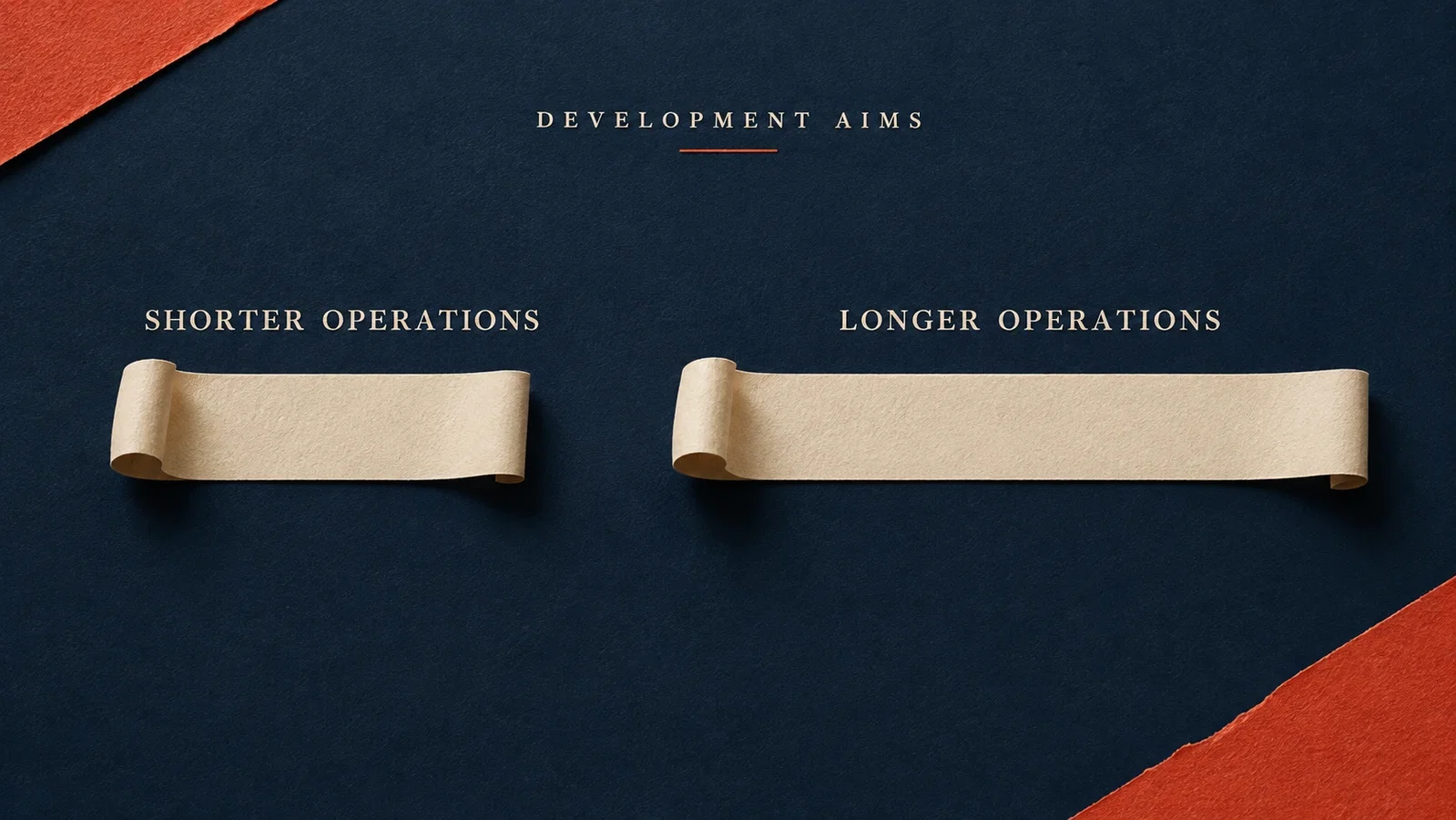
In the developers’ account, the duration of surgery helped define the need for a broader choice of analgesics. Their stated aim was greater flexibility across different operations.[1] That explanation gives us access to their reasoning. Whether a development goal produced a particular clinical benefit is a separate question for clinical studies.
The 1991 commentary looked back at an analgesic assessment method published in 1963. Its references include the 1976 experimental report on sufentanil.[1] These dates describe different records. The commentary is evidence of how the developers later explained their work; the six-page 1976 article remains unavailable to this site. Its methods, results and potency estimates have not been verified here.

A later regulatory document offers a concrete connection to the 1996: Remifentanil Brings Rapid Offset to Analgesia. Table 6 in FDA’s archived 2004 Ultiva label lists adverse events for Ultiva, fentanyl and sufentanil groups during the induction/intubation and maintenance phases of cardiac surgery studies.[3, printed p.20]
The accompanying text describes a temporal association with drug administration. It also warns that an event can occur outside the phase under which it is listed.[3] The table establishes the presence of sufentanil in those comparative records. This article does not use its percentages to rank drugs or infer drug causation, and the cross-article link does not assert that sufentanil directly caused the development of remifentanil.
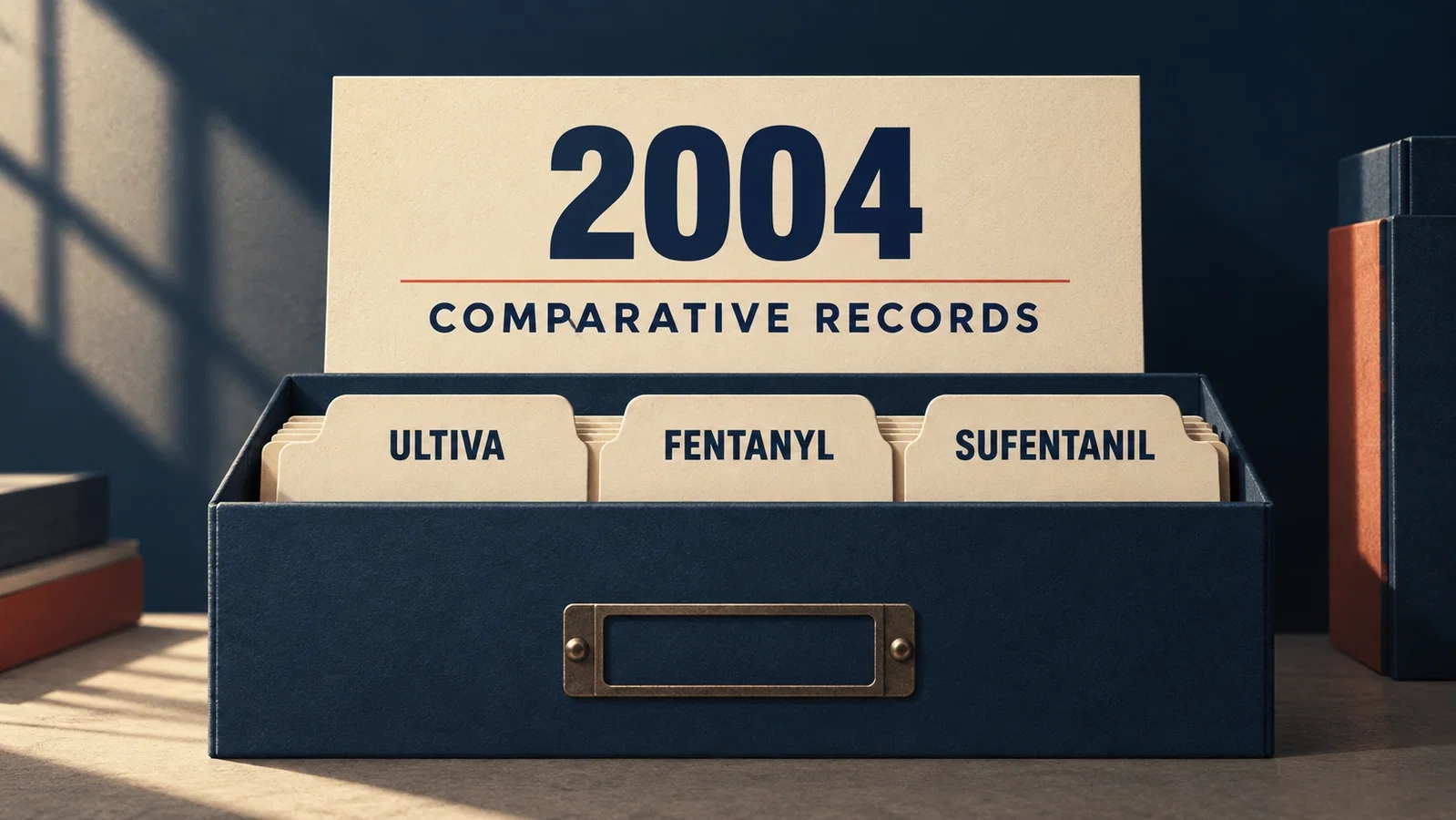
These are modern editorial illustrations, not experimental records, drug packaging or reconstructed historical scenes. This article concerns development history, not current prescribing.
Sources and reading limits
- Janssen PAJ, Niemegeers CJE. New Assay for the Most Popular Narcotic Analgesic. Current Contents/Life Sciences. 1991;34(34):11, August 26; received October 30, 1990. The complete one-page commentary, including its heading, author names, references and page image, was read. A developer retrospective, not the 1976 experimental article.
- Australian Society of Anaesthetists, HALMA. Timeline of Significant Events in the Evolution/History of Anaesthesia, 2024 version. The identity page and the relevant entry on PDF p.76 were read from the 186-page file. The date of 1974 is an institutional historical attribution, without verification of a contemporary laboratory record.
- FDA. Ultiva label, NDA20-630/S-005, 2004. PDF p.18, printed p.20, Table 6 and its introductory paragraph read. The remaining study methods were not part of this reading.
The three sources address different questions: development aims, chronology and later comparative records. They do not provide three independent confirmations of each claim. The original 1976 report by Niemegeers and colleagues (Arzneimittelforschung 26:1551–1556, PMID12772) is not covered. Its animal results, compound code and unqualified safety claims are not used.
Continue exploring
Related reading connects shared questions and contexts; it does not by itself establish historical influence.
The Source Room · About & Editorial Method
Sources and reading limits are stated above. Illustrations are labelled as original source images or AI-made. Historical accounts are educational; they are not current treatment instructions.