ITL-9e079a7b5e52
Juan Li, MD · 更新于2026年11月18日
核心要点
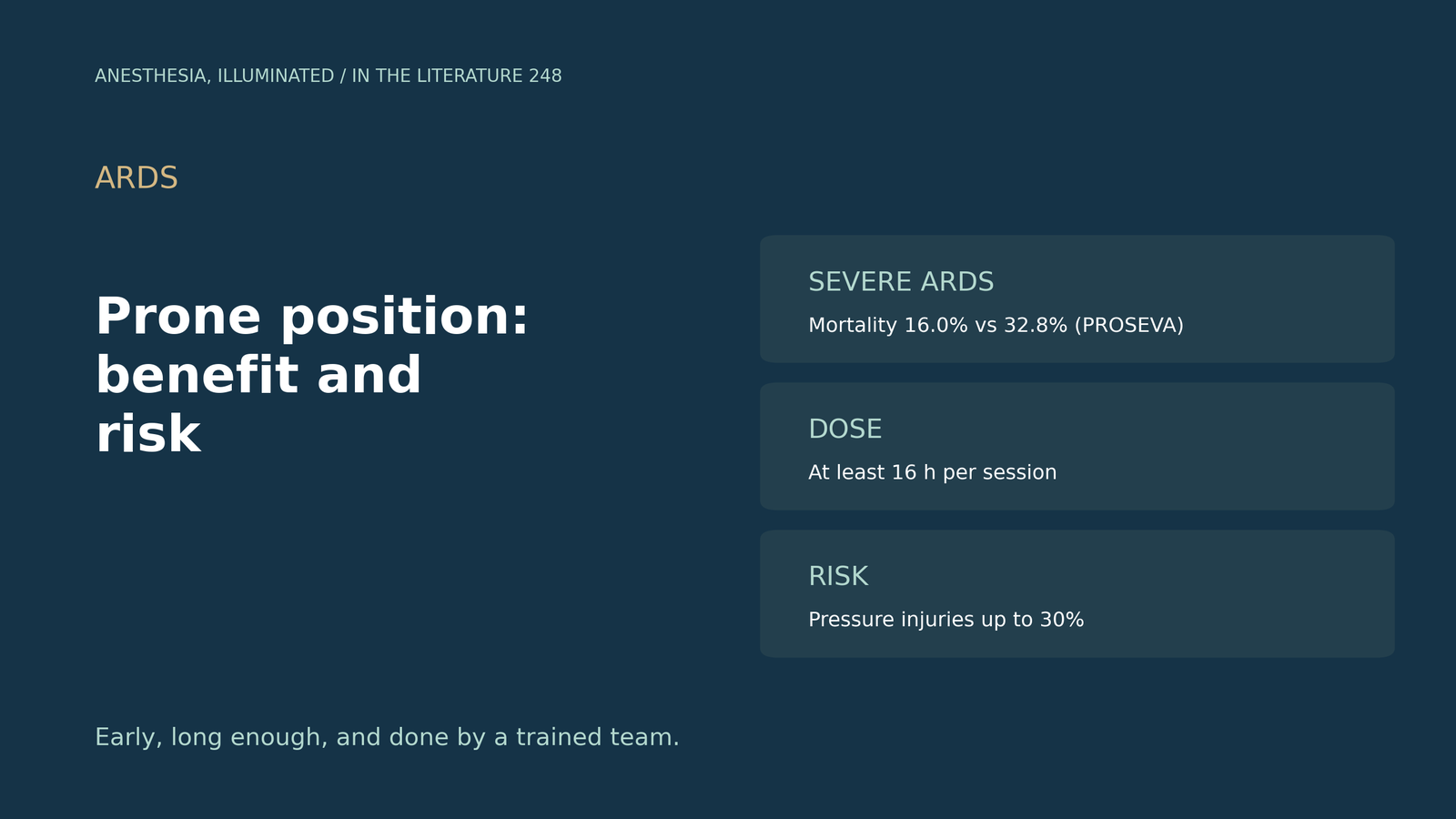
- 重度ARDS获益明显。PROSEVA中,俯卧位组28天死亡率为16.0%,仰卧位组为32.8%。[1]
- 时间够长即可,不必更长。证据支持每次至少16小时;更长时间的俯卧对90天死亡率无显著影响(HR 0.72)。[2]
- 经验很重要。俯卧位技术要求高,结果可能不适用于缺乏经验的中心。[1]
- 主要危害:压力性损伤,在治疗性俯卧位中可达30%。[3]
- ECMO期间未经证实。PRONECMO中,VV-ECMO期间俯卧位并未提高第60天的撤机成功率。[4]
一位ARDS患者在肺保护性通气12小时后PaO2/FiO2仍为120 mmHg,夜班人手不多。现在应该俯卧吗?如何把风险降到最低?[1], [3]
获益
在PROSEVA试验中(Guérin等,N Engl J Med 2013),俯卧位组28天死亡率为16.0%,仰卧位组为32.8%;平均每次持续17小时,两组并发症差异无统计学意义。[1] 作者承认俯卧位技术要求高,结果可能不适用于没有经验的中心。[1] Jung等(Crit Care 2025)汇总9项研究、1,045例患者,发现延长俯卧时间对90天死亡率无显著影响(HR 0.72);在证据确定性低至极低的情况下,他们支持指南推荐的每次至少16小时,不支持在研究之外常规延长俯卧。[2] 反应因人而异:在30例新冠ARDS患者中,9例(30%)为俯卧位无反应者(Zarantonello等,Anesthesiology 2022)。[5] 动物研究提示另一获益:俯卧位时自主呼吸努力更温和,肺损伤更轻(Yoshida等,Anesthesiology 2022)。[6]
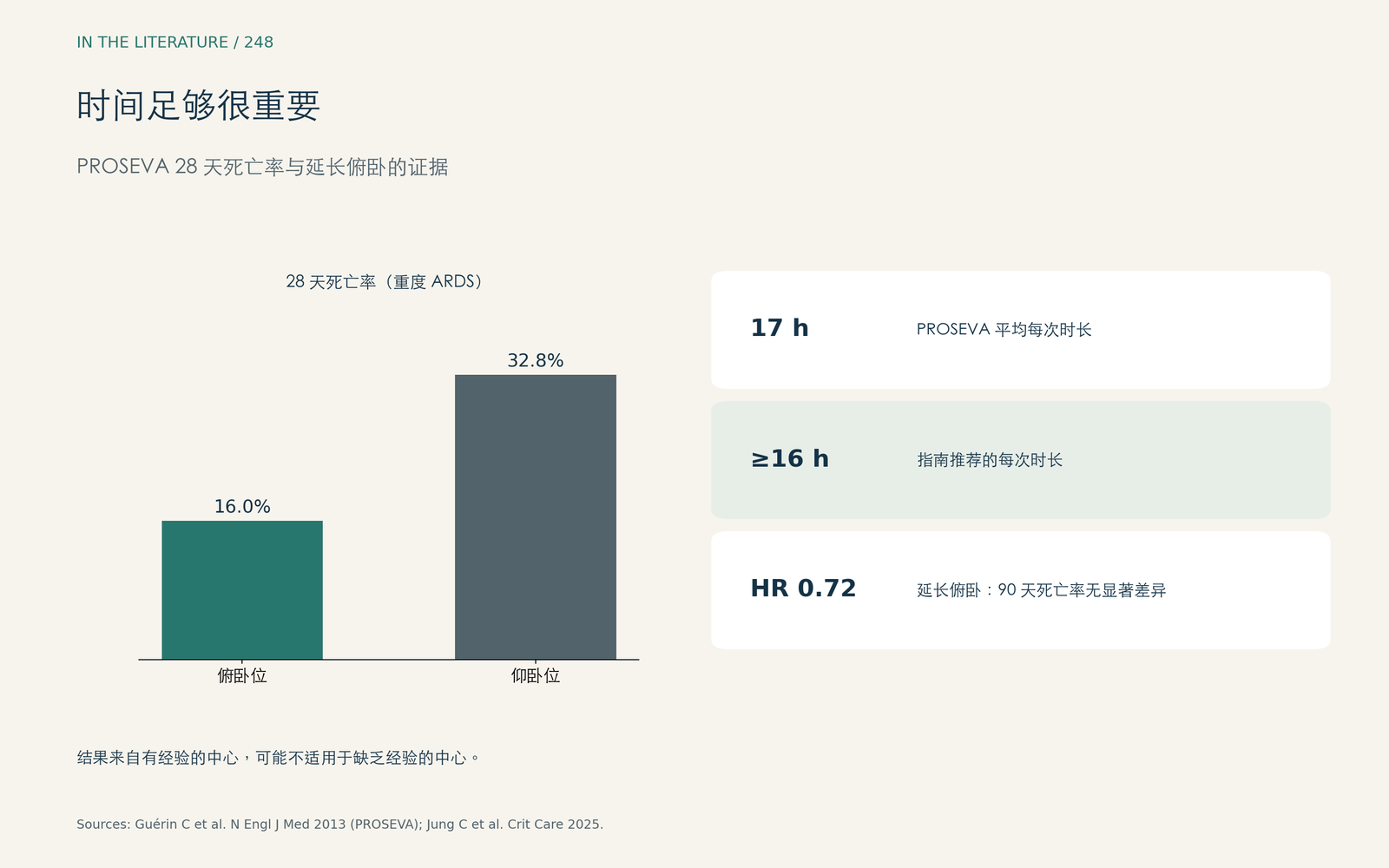
图1. 时间足够很重要;更长时间未经证实。数据来自Guérin等与Jung等。[1], [2] 查看大图。

风险
治疗性俯卧位的压力性损伤可达30%,在有规范流程和人员培训的情况下预防效果最好;俯卧位也会带来面部水肿等轻微但有临床意义的并发症。[3] Santarpino等(J Cardiothorac Vasc Anesth 2022)引用的一项多中心试验在718次翻身中记录了28次并发症。[7] 在ECMO期间,俯卧位可导致压疮、出血、气道脱出、ECMO流量下降和低氧。[4]
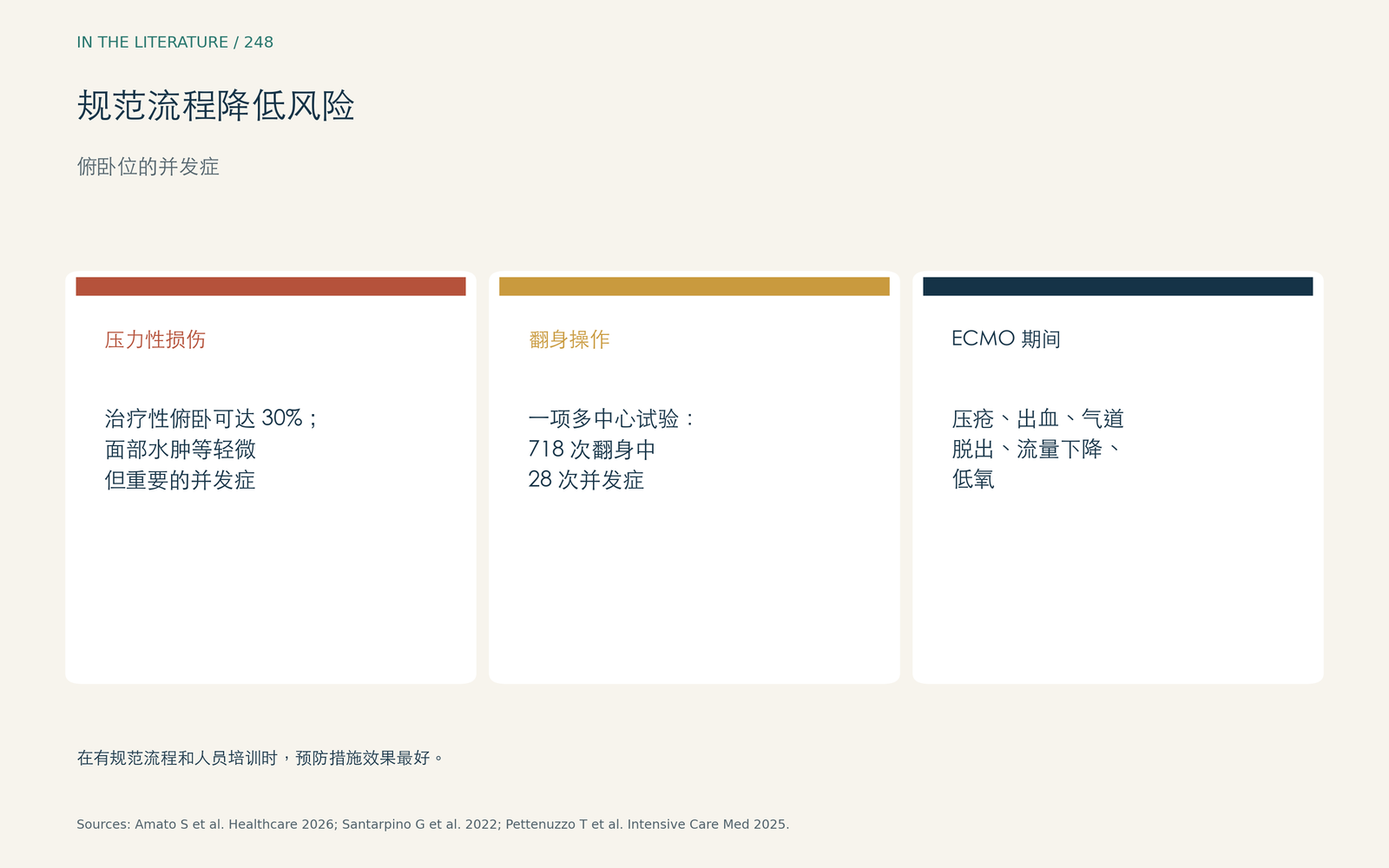
图2. 规范流程和训练有素的团队可降低风险。综合自Amato等、Santarpino等与Pettenuzzo等。[3], [7], [4] 查看大图。

特殊情况
在VV-ECMO期间,PRONECMO中俯卧位未提高第60天撤机成功率,汇总数据也未显示额外俯卧位能改善结局(Pettenuzzo等,Intensive Care Med 2025)。[4] 在清醒的COVID患者中,一项纳入17项试验、2931例患者的荟萃分析(Weatherald等,BMJ 2022)显示插管减少(24.2%对29.8%,RR 0.83),但死亡率无显著变化(15.6%对17.2%,RR 0.90),且许多试验依从性低;[8] 一项个体患者数据分析显示无需插管的生存增加(OR 1.42)。[9] 心脏术后的顾虑包括胸骨切口感染和血流动力学不稳定,[7] 但一个24例的病例系列报告俯卧位可安全实施,即使在胸骨切开后。[10]
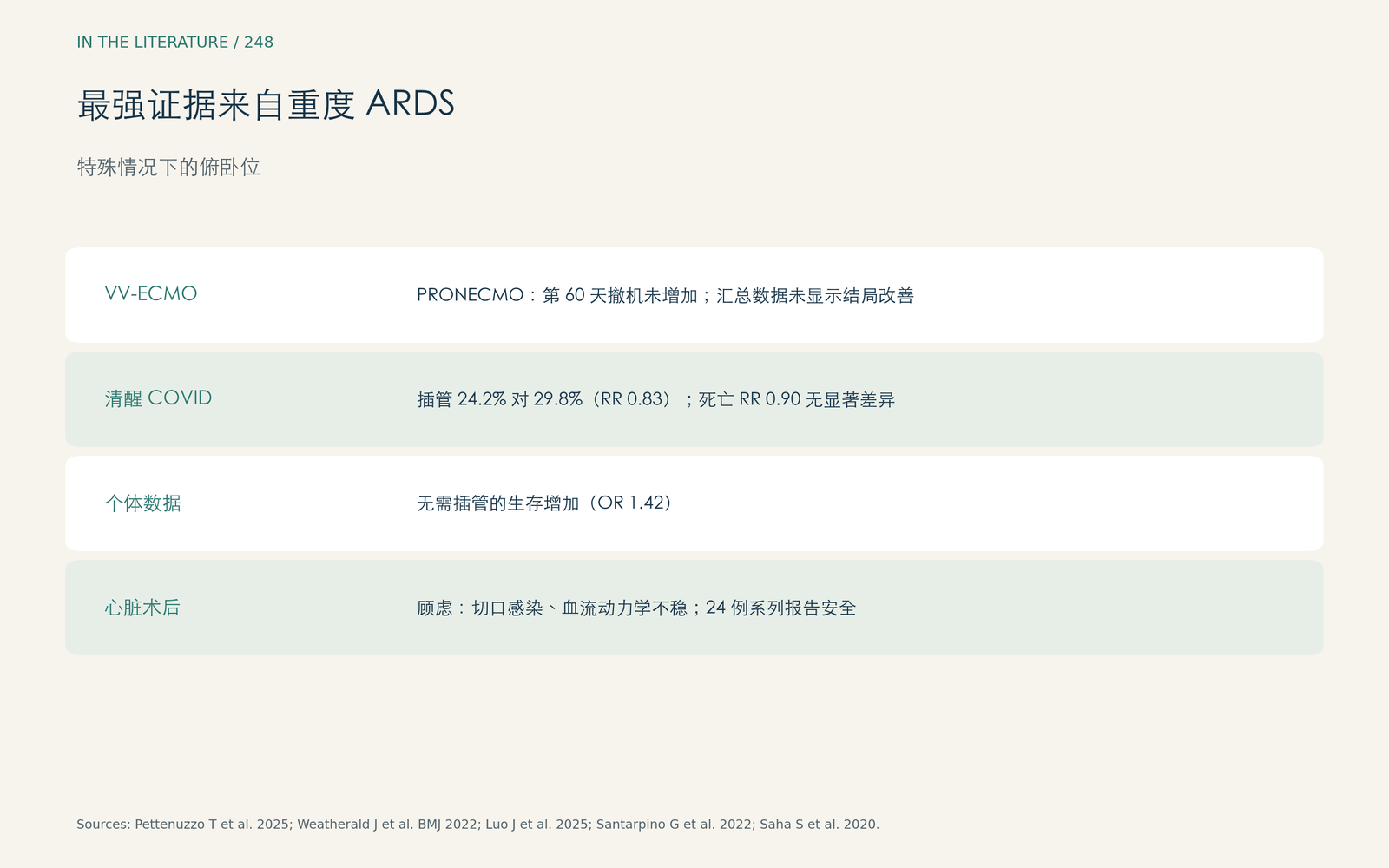
图3. 最强的证据来自镇静、机械通气的重度ARDS。数据来自Pettenuzzo等、Weatherald等、Luo等、Santarpino等与Saha等。[4], [8], [9], [7], [10] 查看大图。

临床带走的三点
- 重度ARDS应尽早俯卧,每次至少16小时。[1], [2]
- 由训练有素的团队实施,并配合压力性损伤预防流程;这项技术并不简单。[1], [3]
- 不要想当然地认为获益可延伸到ECMO、清醒患者或超长时间俯卧。[2], [4], [8]
参考文献
- Guérin C, Reignier J, Richard JC, et al. Prone positioning in severe acute respiratory distress syndrome. N Engl J Med. 2013;368(23):2159–2168. doi:10.1056/NEJMoa1214103
- Jung C, Gillmann HJ, Stueber T. Effectiveness and safety of prolonged prone positioning in adult patients with acute respiratory distress syndrome (ARDS): a systematic review and meta-analysis. Crit Care. 2025;29(1):475. doi:10.1186/s13054-025-05712-0
- Amato S, Napolitano D, Lo Cascio A, et al. Evidence on measures for the prevention of pressure injuries in mechanically ventilated patients in prone positioning: a systematic review. Healthcare (Basel). 2026;14(4):443. doi:10.3390/healthcare14040443
- Pettenuzzo T, Balzani E, Sella N, et al. Prone positioning during veno-venous extracorporeal membrane oxygenation: a systematic review and meta-analysis. Intensive Care Med. 2025;51(5):930–941. doi:10.1007/s00134-025-07877-2
- Zarantonello F, Sella N, Pettenuzzo T, et al. Early physiologic effects of prone positioning in COVID-19 acute respiratory distress syndrome. Anesthesiology. 2022;137(3):327–339. doi:10.1097/ALN.0000000000004296
- Yoshida T, Engelberts D, Chen H, et al. Prone position minimizes the exacerbation of effort-dependent lung injury: exploring the mechanism in pigs and evaluating injury in rabbits. Anesthesiology. 2022;136(5):779–791. doi:10.1097/ALN.0000000000004165
- Santarpino G, Bonifazi R, Albanese M, et al. Prone positioning in postoperative cardiac surgery patients: a narrative review. J Cardiothorac Vasc Anesth. 2022;36(8):2636–2642. doi:10.1053/j.jvca.2021.07.045
- Weatherald J, Parhar KKS, Al Duhailib Z, et al. Efficacy of awake prone positioning in patients with covid-19 related hypoxemic respiratory failure: systematic review and meta-analysis of randomized trials. BMJ. 2022;379:e071966. doi:10.1136/bmj-2022-071966
- Luo J, Pavlov I, Tavernier E, et al. Awake prone positioning in adults with COVID-19 and acute hypoxemic respiratory failure: an individual participant data meta-analysis. JAMA Intern Med. 2025;185(5):572. doi:10.1001/jamainternmed.2025.0011
- Saha S, Jebran AF, Leistner M, et al. Turning things around: the role of prone positioning in the management of acute respiratory failure after cardiac surgery. J Cardiothorac Vasc Anesth. 2020;34(6):1434–1438. doi:10.1053/j.jvca.2019.10.055