ITL-2d62125edeeb
Juan Li, MD · 更新于2026年11月18日
核心要点
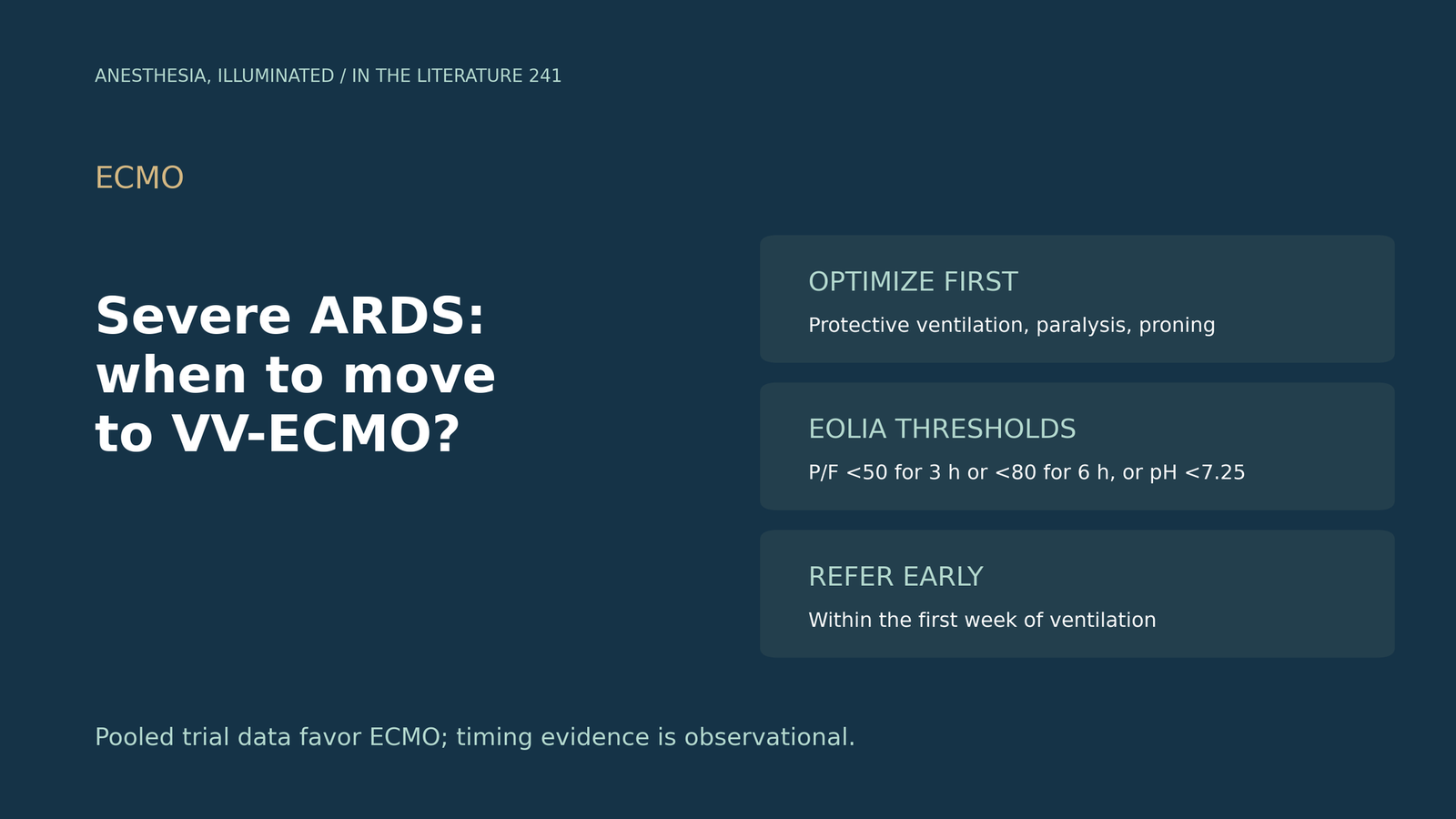
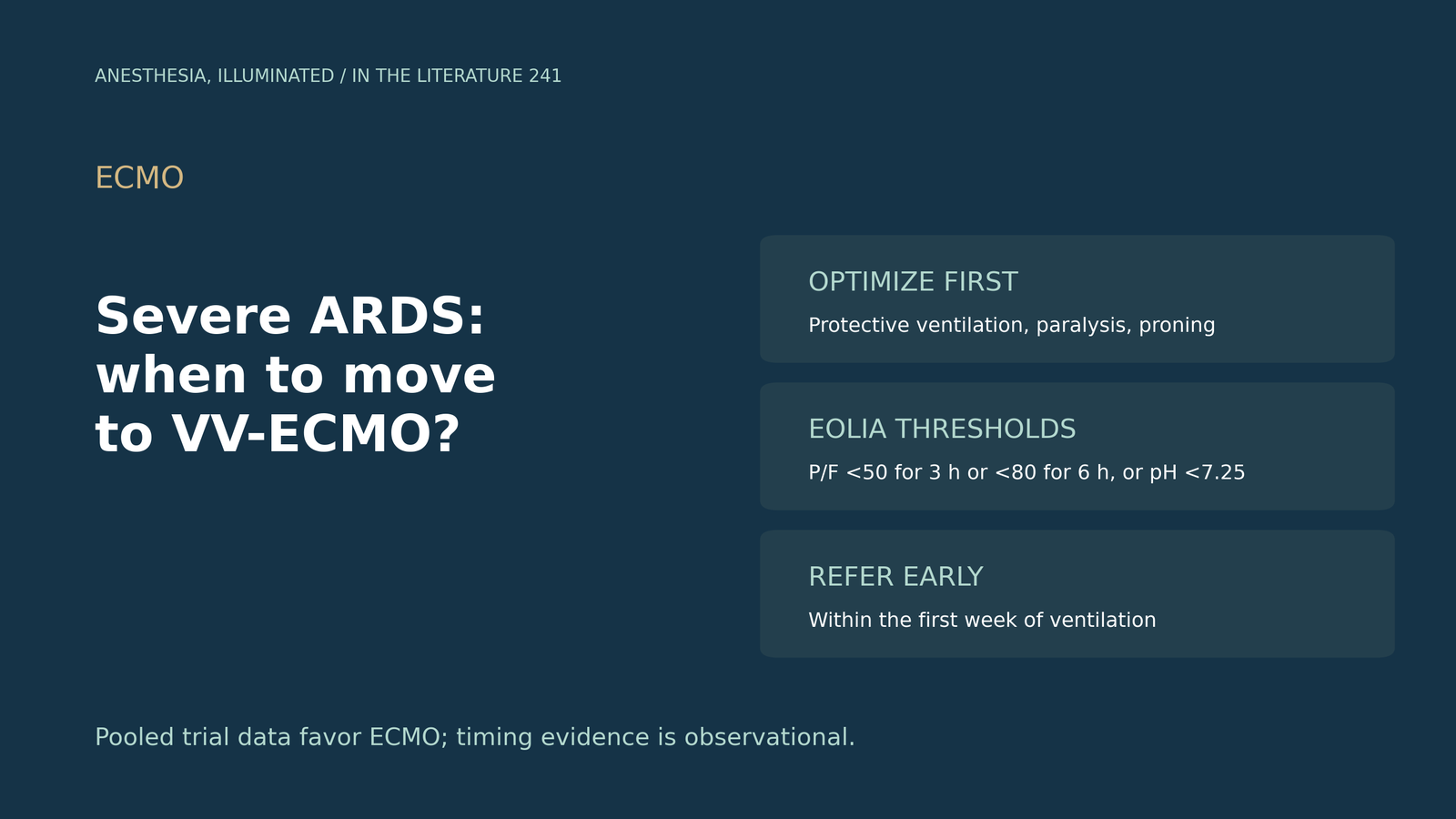
- 常用阈值来自EOLIA:PaO2/FiO2低于50 mmHg超过3小时、低于80 mmHg超过6小时,或pH低于7.25且PaCO2至少60 mmHg。[1]
- 先优化。随机化前鼓励使用神经肌肉阻滞剂和俯卧位,俯卧位应在符合标准后36小时内开始。[1], [2]
- 试验证据不一。EOLIA差异无统计学意义(60天死亡率35%对46%),但CESAR与EOLIA汇总数据显示90天死亡率为36%对48%。[1], [3]
- 早一些似乎更好。机械通气超过约5–7天才启动与较差生存相关,但因果关系未证实。[4], [5]
- 尽早转诊。没有ECMO的中心应提前规划转运。[6]
一位重度ARDS患者已机械通气3天,使用了肌松药并俯卧位两次,但PaO2/FiO2仍在70 mmHg左右。现在是联系ECMO中心的时候吗?[1], [2]
阈值
EOLIA试验(Combes等,N Engl J Med 2018)纳入PaO2/FiO2低于50 mmHg超过3小时、或低于80 mmHg超过6小时、或pH低于7.25且PaCO2至少60 mmHg超过6小时的患者,且机械通气少于7天;入组前鼓励先使用神经肌肉阻滞剂和俯卧位。[1] Gorman等(Lancet 2022)指出,俯卧位通气应尽早开始,最好在36小时内;所引用的一项指南建议在PaO2/FiO2低于80 mmHg或无法实施肺保护性通气时使用ECMO;ECMO候选者应采用类似EOLIA的整体管理策略。[2]
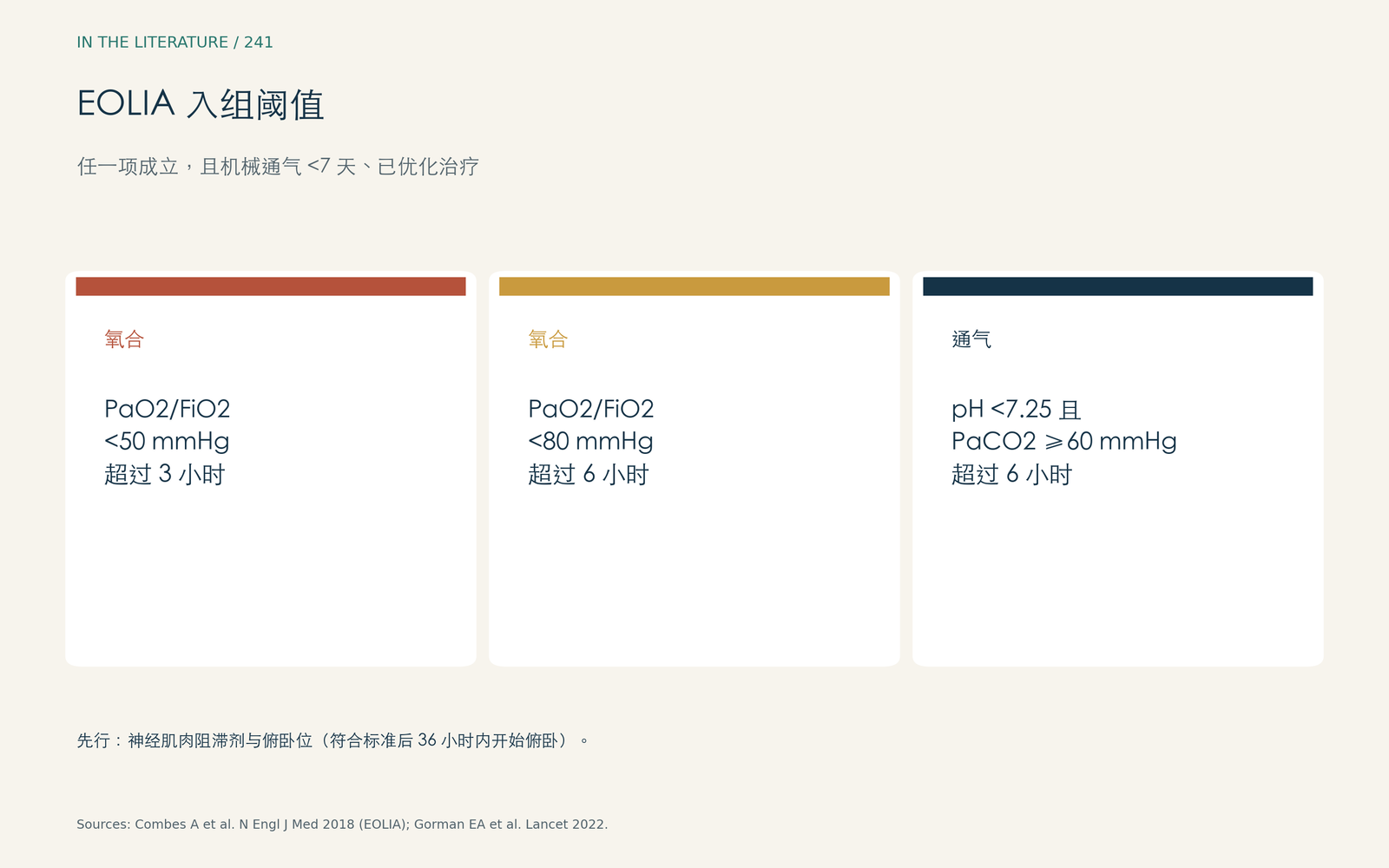
图1. 在优化治疗后应用EOLIA阈值。据Combes等(EOLIA)与Gorman等重绘。[1], [2] 查看大图。

试验显示了什么
在EOLIA中,ECMO组60天死亡率为35%,常规治疗组为46%,差异无统计学意义;28%的对照组患者交叉接受ECMO。[1] 在CESAR与EOLIA的个体患者数据荟萃分析中(Combes等,Intensive Care Med 2020),ECMO组90天死亡率为36%,对照组为48%,器官衰竭不超过两个的患者死亡率更低;除非低氧血症立即危及生命或无法安全俯卧位,ECMO应在经证实有效的常规治疗失败后使用。[3]
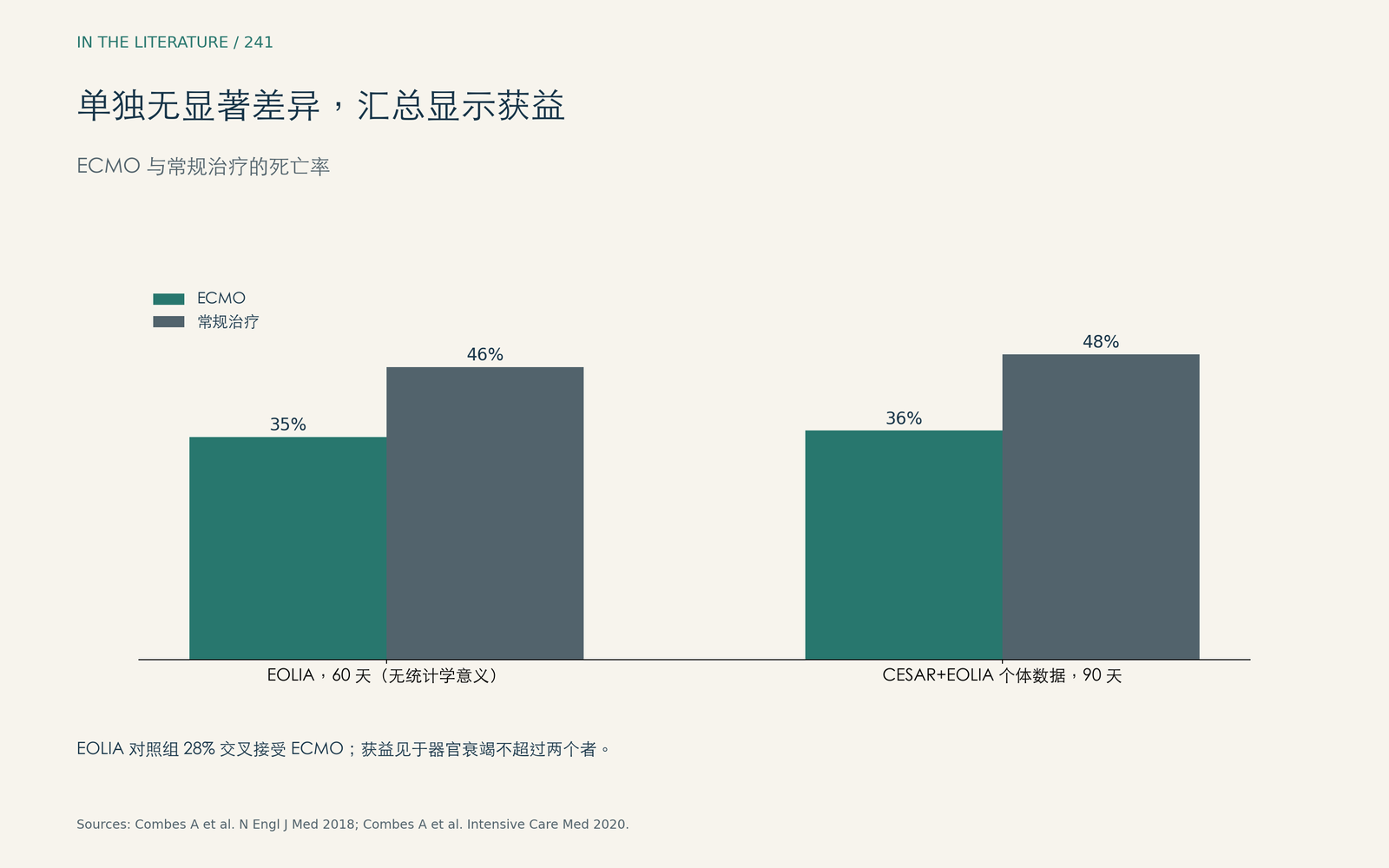
图2. 单独无统计学意义,汇总显示获益。数据来自Combes等(2018与2020)。[1], [3] 查看大图。

时机与转诊
观察性证据显示,VV-ECMO前机械通气超过约5–7天与较差生存相关,但按通气时间划分的汇总效应无统计学意义,结果仅为探索性(Zhang等,BMC Cardiovasc Disord 2026)。[4] 在COVID队列中,死亡者从插管到ECMO的时间更长,但证据不足以认定较长的ECMO前时间导致生存下降,因果关系无法推断(Tan等,J Clin Med 2024)。[5] 创伤指南建议无ECMO能力的中心尽早规划转运;[6] 在一个国家转诊中心,作者呼吁尽早转诊,100例转诊患者的ICU生存率为55%(Pieri等,2022)。[7]
气体交换之外
指南仅依据通气参数和气体交换确定VV-ECMO指征,但ECMO植入2小时后61%的患者血流动力学改善(Labanca等,J Cardiothorac Vasc Anesth 2025)。[8]
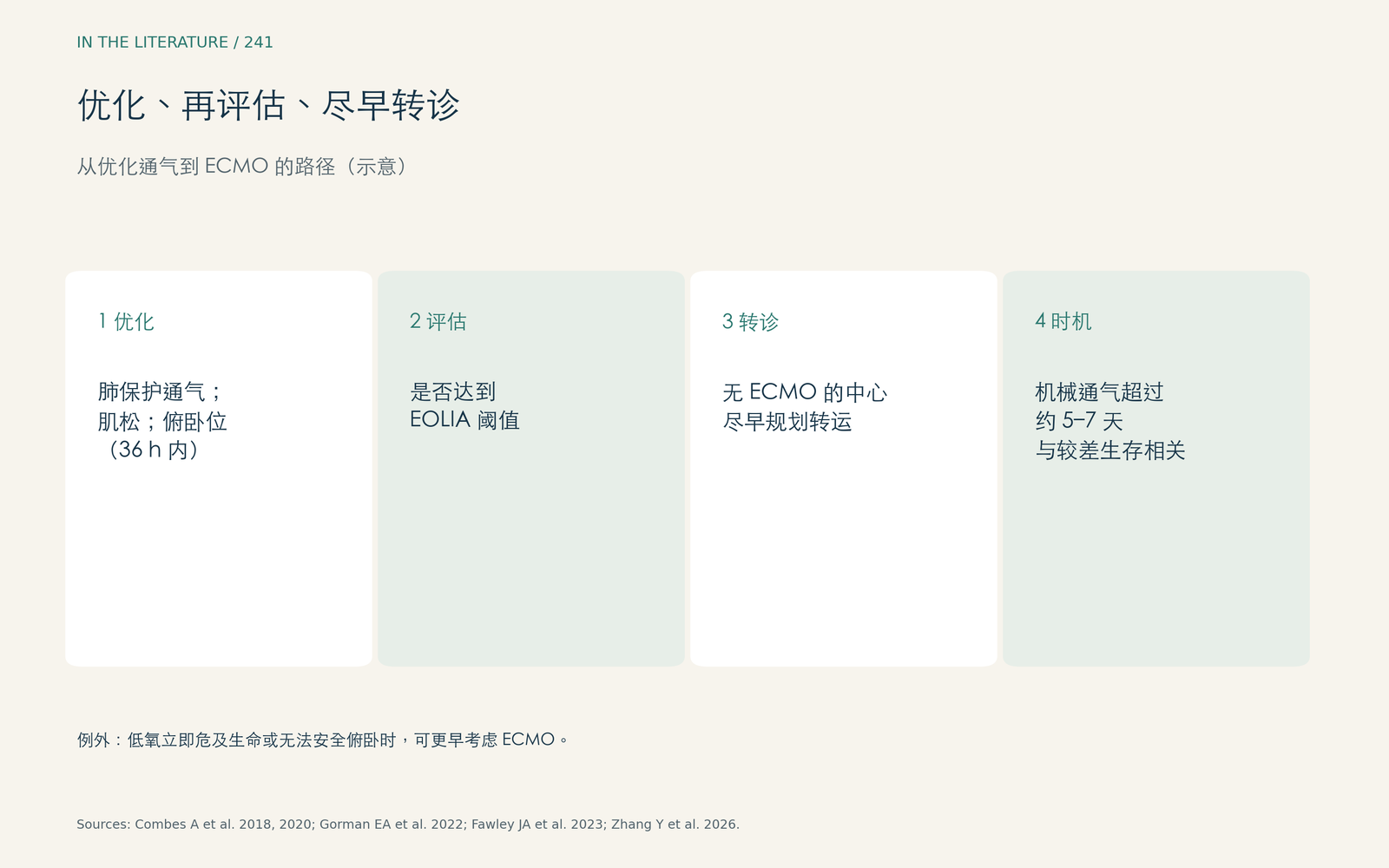
图3. 优化、再评估、尽早转诊。综合自Combes等、Gorman等、Fawley等与Zhang等。[1], [2], [6], [4] 查看大图。

临床带走的三点
参考文献
- Combes A, Hajage D, Capellier G, et al. Extracorporeal membrane oxygenation for severe acute respiratory distress syndrome. N Engl J Med. 2018;378(21):1965–1975. doi:10.1056/NEJMoa1800385
- Gorman EA, O'Kane CM, McAuley DF. Acute respiratory distress syndrome in adults: diagnosis, outcomes, long-term sequelae, and management. Lancet. 2022;400(10358):1157–1170. doi:10.1016/S0140-6736(22)01439-8
- Combes A, Peek GJ, Hajage D, et al. ECMO for severe ARDS: systematic review and individual patient data meta-analysis. Intensive Care Med. 2020;46(11):2048–2057. doi:10.1007/s00134-020-06248-3
- Zhang Y, Li Z, Song Q, et al. Extracorporeal membrane oxygenation initiation timing and prognosis: a systematic review and meta-analysis. BMC Cardiovasc Disord. 2026;26(1):879. doi:10.1186/s12872-026-06256-z
- Tan Z, Su L, Chen X, et al. Relationship between the pre-ECMO and ECMO time and survival of severe COVID-19 patients: a systematic review and meta-analysis. J Clin Med. 2024;13(3):868. doi:10.3390/jcm13030868
- Fawley JA, Tignanelli CJ, Werner NL, et al. American Association for the Surgery of Trauma/American College of Surgeons Committee on Trauma clinical protocol for management of acute respiratory distress syndrome and severe hypoxemia. J Trauma Acute Care Surg. 2023;95(4):592–602. doi:10.1097/TA.0000000000004046
- Pieri M, Vettorello F, Calabrò MG, et al. Trend and pattern of 100 acute respiratory distress syndrome patients referred for venovenous extracorporeal membrane oxygenation treatment in a national referral center in North Italy during the last decade. J Cardiothorac Vasc Anesth. 2022;36(2):529–533. doi:10.1053/j.jvca.2021.04.037
- Labanca R, Pieri M, Monti G, et al. Hemodynamic improvement in acute respiratory distress syndrome patients after venovenous extracorporeal membrane oxygenation implantation. J Cardiothorac Vasc Anesth. 2025;39(5):1221–1228. doi:10.1053/j.jvca.2025.01.011