ITL-fe985fa6ed13
Juan Li, MD · 更新于2026年11月17日
观看视频
核心要点
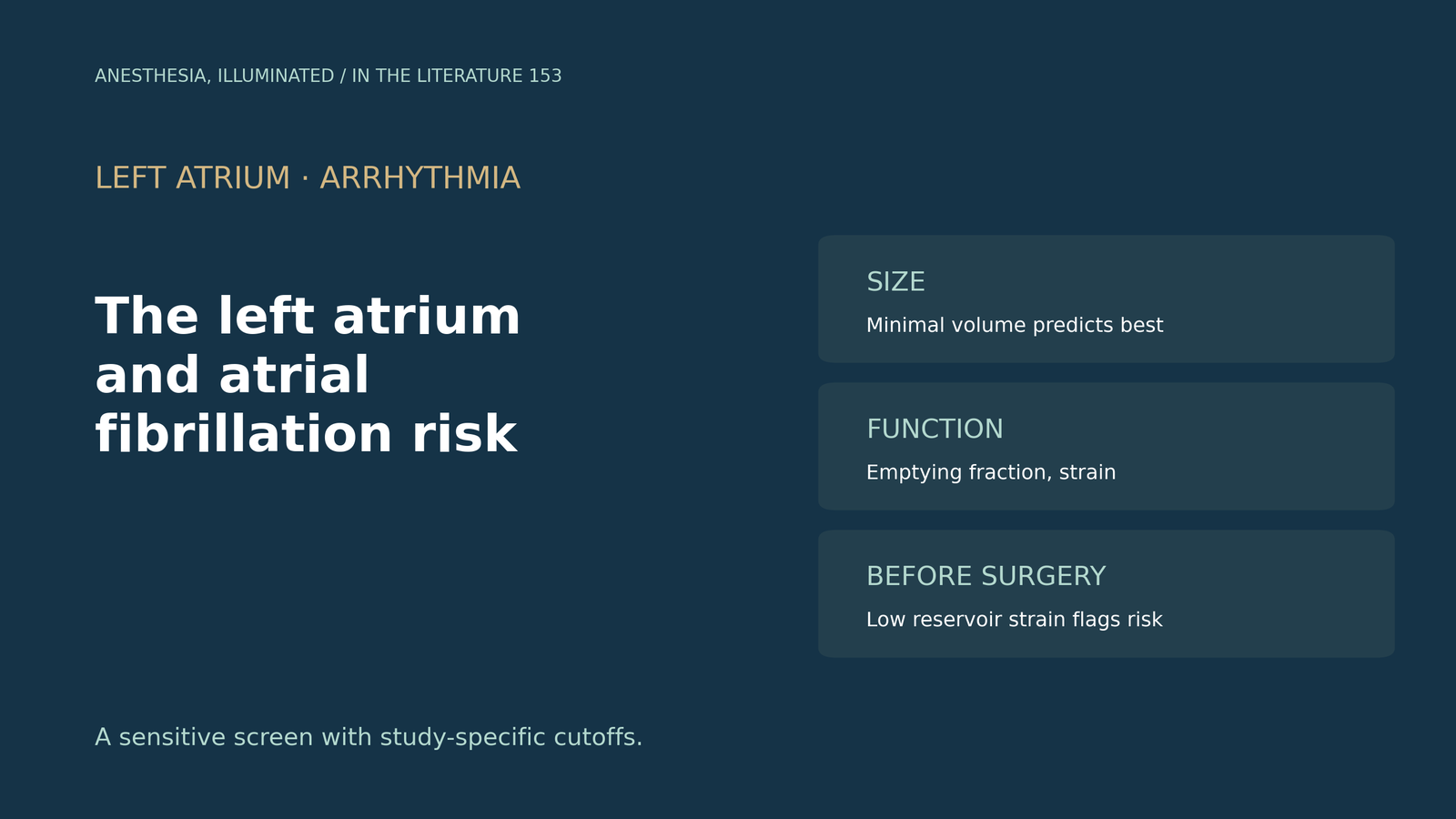
- 最小容积比最大容积更重要。在一项人群队列中,左心房最小容积异常者发生房颤的风险比为 6.33,且只有最小容积改善了既有风险模型。[1]
- 功能补充大小。左心房排空分数独立预测房颤再住院,作者强调功能比大小更敏感。[2], [3]
- 应变可发现隐匿性心律失常。隐源性卒中后,储存应变和助推泵应变率预测房颤的曲线下面积分别为 0.74 和 0.77。[4]
- 也适用于手术。非体外循环冠脉搭桥术前,储存应变以 23% 为界,预测术后房颤的敏感度 95.8%,特异度仅 49.4%。[5]
- 汇总数据支持 22% 至 25% 的界值,但准确性一般,证据确定性低。[6]
一名窦性心律患者拟行冠脉搭桥,术前超声左心房容积指数正常,但储存应变降低。左心房能预测谁会发生房颤吗?应该相信哪个指标?[5], [6]
大小:测哪个容积
Olsen 等在哥本哈根城市心脏研究中将左心房容积按身高指数化;验证队列中 41 人(8%)在中位 14.7 年内发生房颤。最大容积异常的风险比为 4.65,最小容积异常的风险比更高,为 6.33,且只有最小容积改善了既有风险模型。[1]
功能:排空分数、耦合与应变
Bhat 等研究了 594 名因房颤住院后的患者:250 人(42%)再次住院;左心房排空分数(储存功能指标)独立预测再住院(每单位风险比 0.967),作者强调功能比大小更敏感。[2] 在与 Olsen 相同的人群队列中,Benfari 等发现 16.1 年内 8.9% 发生房颤,容积与力学耦合指数可独立预测房颤,提示功能可能是更敏感的风险指标。[3]
隐源性卒中后,Deferm 等发现 15%(191 人中 28 人)有隐匿性房颤。储存应变和助推泵应变率的曲线下面积分别为 0.74 和 0.77,助推泵应变率受损是独立预测因素;但心律随访仅 30 天。[4]
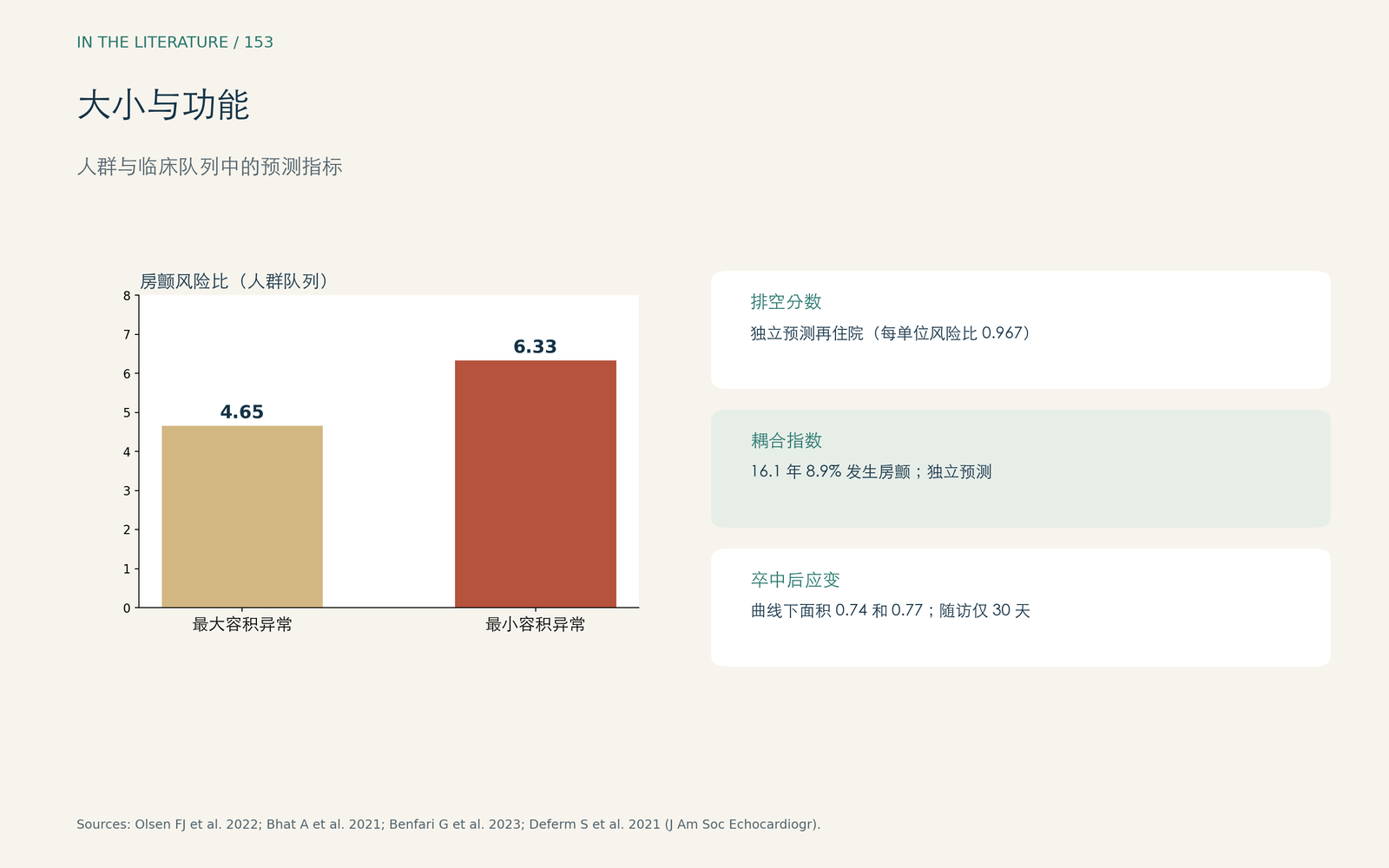
图1. 大小与功能。依据 Olsen 等、Bhat 等、Benfari 等和 Deferm 等重绘。[1], [2], [3], [4] 查看大图。

心脏手术前
Borde 等在 103 名非体外循环冠脉搭桥患者术前测量储存应变:术后房颤 24 例(23.3%),多见于术后第 2 天。以 23% 为界,敏感度 95.8%、特异度 49.4%;低于该值者房颤发生率为 36.5%。[5] 一项纳入 2242 名患者的荟萃分析中,术后房颤发生率为 33.05%,储存应变界值为 22% 至 25%;敏感度和特异度一般,证据确定性被降为低。[6]
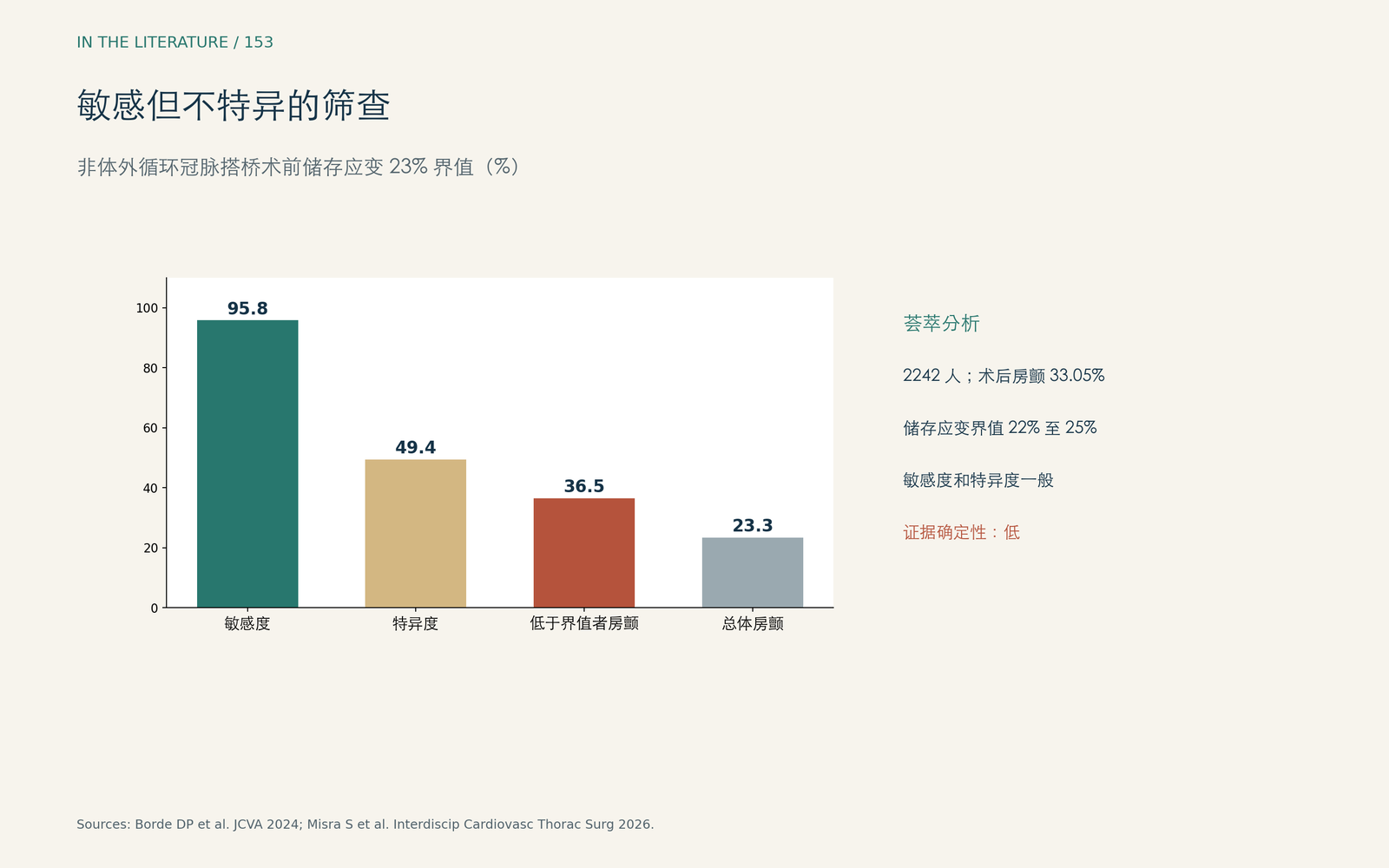
图2. 敏感但不特异的筛查。依据 Borde 等和 Misra 等重绘。[5], [6] 查看大图。

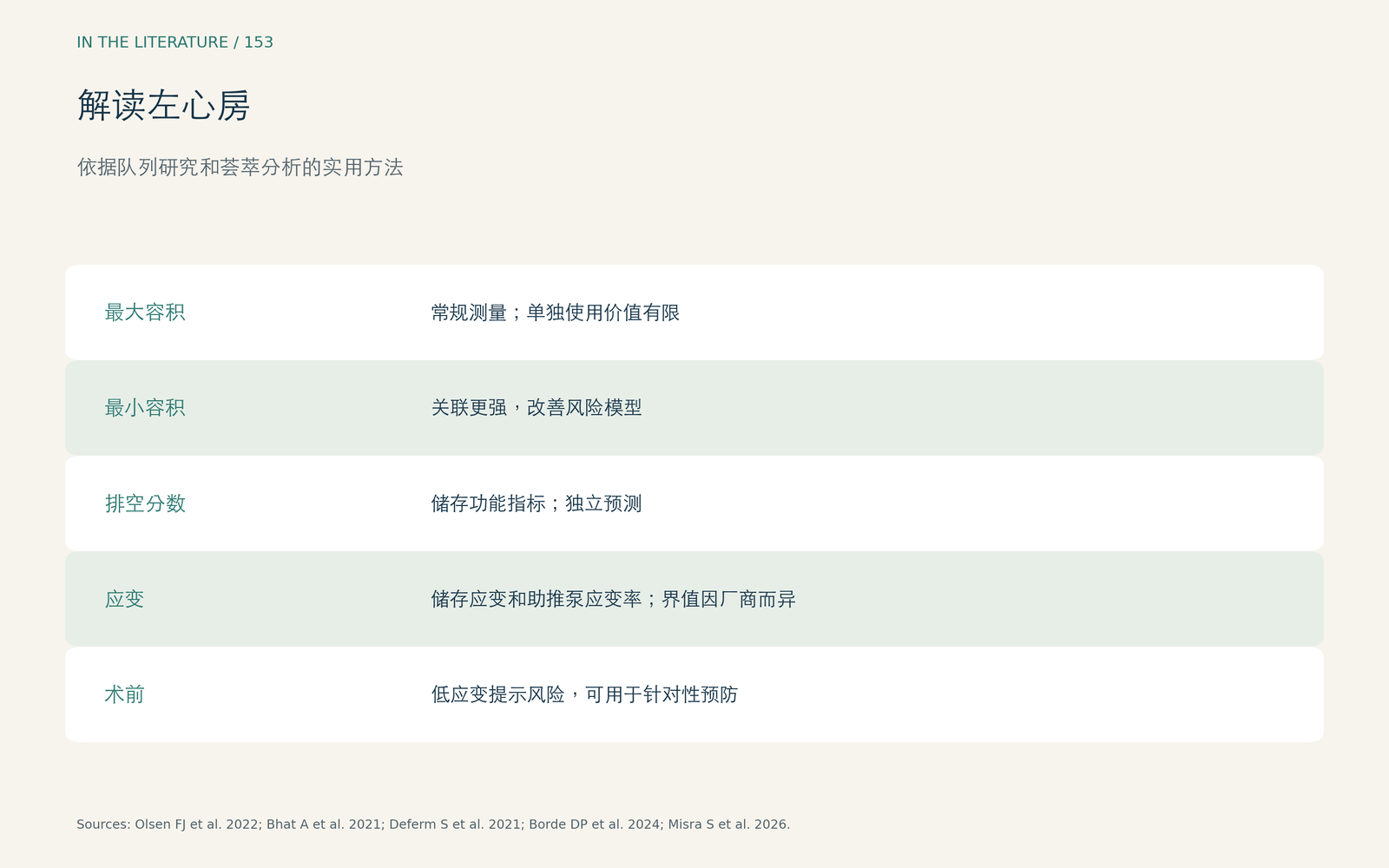
图3. 解读左心房。依据 Olsen 等、Bhat 等、Deferm 等、Borde 等和 Misra 等归纳。[1], [2], [4], [5], [6] 查看大图。

临床带走的三点
- 测最小容积,而不只是最大容积。 它与房颤的关联最强,并能改善风险模型。[1]
- 加上功能指标。 排空分数和应变能发现大小遗漏的风险。[2], [4]
- 术前把应变当筛查。 储存应变低提示风险,但正常值不能完全排除,界值也因研究而异。[5], [6]
参考文献
- Olsen FJ, Møgelvang R, Modin D, et al. Association between isometric and allometric height-indexed left atrial size and atrial fibrillation. J Am Soc Echocardiogr. 2022;35(2):141–150.e4. doi:10.1016/j.echo.2021.10.010
- Bhat A, Gan GCH, Chen HHL, et al. Association of left atrial metrics with atrial fibrillation rehospitalization and adverse cardiovascular outcomes in patients with nonvalvular atrial fibrillation following index hospitalization. J Am Soc Echocardiogr. 2021;34(10):1046–1055.e3. doi:10.1016/j.echo.2021.06.015
- Benfari G, Skaarup KG, Johansen ND, et al. Left atrial volumetric/mechanical coupling index in the general population: distribution and prediction of incident atrial fibrillation: from the Copenhagen City Heart Study. J Am Soc Echocardiogr. 2023;36(3):339–341. doi:10.1016/j.echo.2022.11.013
- Deferm S, Bertrand PB, Churchill TW, et al. Left atrial mechanics assessed early during hospitalization for cryptogenic stroke are associated with occult atrial fibrillation: a speckle-tracking strain echocardiography study. J Am Soc Echocardiogr. 2021;34(2):156–165. doi:10.1016/j.echo.2020.09.009
- Borde DP, Joshi S, Agrawal A, et al. Left atrial strain to predict postoperative atrial fibrillation in patients undergoing off-pump coronary artery bypass graft. J Cardiothorac Vasc Anesth. 2024;38(11):2582–2591. doi:10.1053/j.jvca.2024.07.047
- Misra S, Das D, Patra TK, Borde DP, Srinivasan A. Predictive value of preoperative left atrial strain parameters on postoperative atrial fibrillation in adults undergoing cardiac surgery: a systematic review and meta-analysis. Interdiscip Cardiovasc Thorac Surg. 2026;41(2):ivag035. doi:10.1093/icvts/ivag035