John Snow's accounts of Hannah Greener's death under chloroform in 1848 show both the limits of the witness reports and an explanation that changed over ten years.
Reading Library · Anesthesia Epochs · 中文版
Watch the education video (for clinicians)
1848: Hannah Greener — A Death and a Changing Explanation · Anesthesia Epochs Education Series
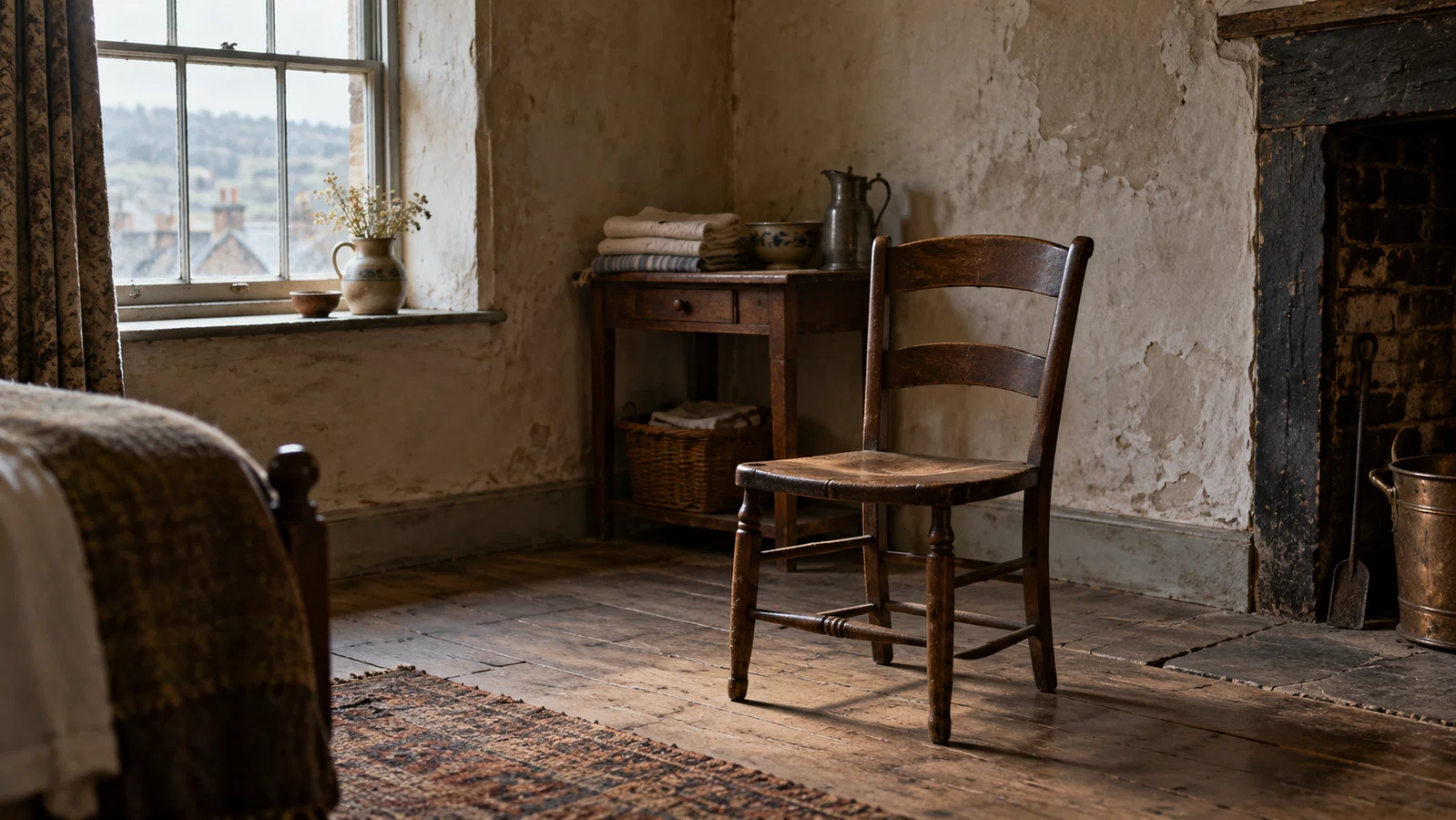
Hannah Greener was fifteen. John Snow's 1858 account places the death at Winlaton, near Newcastle, on January 28, 1848, during chloroform anesthesia for removal of a toenail. Snow also records an earlier operation on the other foot under ether, placing it in the previous November; the Newcastle surgeon Potter, writing to The Lancet in 1848, dated that operation 26 October 1847.[1, pp.123–124][4, p.214] The detail preserves something of an individual patient's history; it does not turn the two operations into a reliable comparison of anesthetic safety.
Snow placed the case first in a list of fatal chloroform cases. That is the scope of Snow's historical claim. Calling this the first death from anesthesia of any kind would go beyond that claim.
Who saw what?
Snow was analyzing reports, not describing a case Snow had anesthetized. The 1858 book reproduces an account by Dr. Meggison, who administered the chloroform. Meggison's account describes a rapid sequence: inhalation, apparent insensibility, the start of the operation, a movement, sudden pallor and unsuccessful attempts at revival.[1, p.124]

The earlier record is revealing. In February 1848, Snow published additional explanations obtained by writing to Meggison. In the reply Snow quoted, Meggison acknowledged agitation and uncertainty about the final breaths: the watch had been put away, and Meggison could not confidently state how long breathing continued.[2, p.1]
That admission should remain part of the history. A later diagram giving a precise second-by-second sequence would look more certain than the witness's account. Likewise, the amount of liquid placed on a cloth was not a measurement of the concentration Hannah inhaled.
Snow's explanation changed
In the 1848 text, Snow argued that chloroform had acted on the nervous centers sufficiently to stop respiration. Snow disputed an explanation based on congestion of the lungs, treating the congestion as a consequence of the manner of death, and also criticized rapid administration and sought a more controllable way of delivering vapor.[2, pp.1–2]
Ten years later, Snow interpreted the reported sudden pallor as evidence that the heart had been abruptly paralyzed. Snow's calculation of a possible vapor concentration depended on assumptions about how much of the liquid entered the lungs; it was not a recovered measurement from the case.[1, p.126]
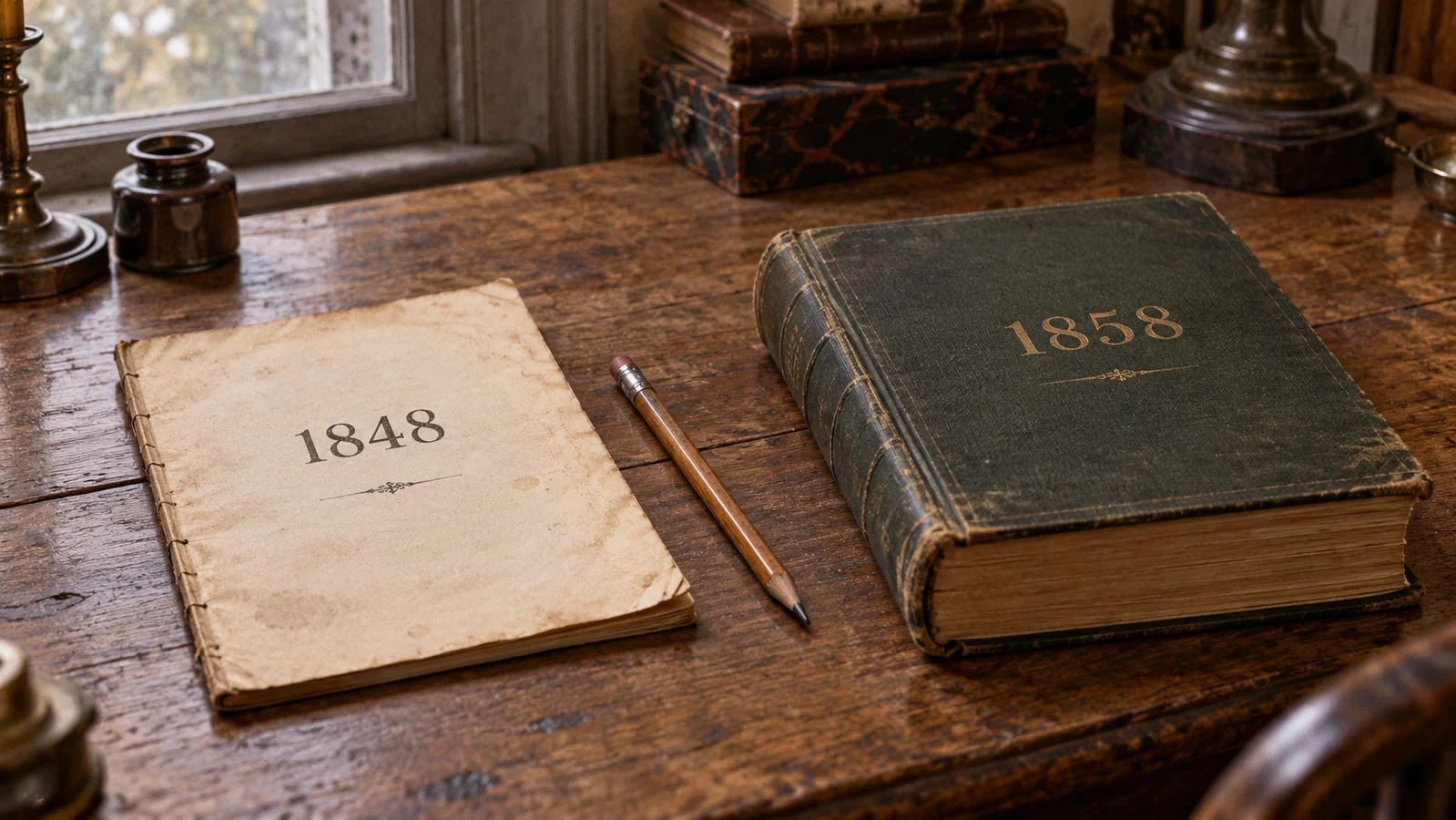
These are two explanations at different times by the same physician. They are not two independent bedside observations confirming a modern diagnosis. Preserving the change makes Snow's work more intelligible: interpretation developed, even while the underlying witness record remained incomplete.
A dispute that the available records cannot close
The 1858 narrative also recounts disagreement about lung congestion and about brandy administered during attempts at revival. Snow reported both Simpson's suggestion about the brandy and Meggison's response that the girl was already without a pulse when it was given.[1, pp.125–126] Here those positions are known through Snow's account; the inquest report and Simpson's original reply in The Lancet are read in this site's article on the Winlaton inquest.
A present-day label such as a particular arrhythmia, aspiration or allergic reaction would require evidence these pages do not provide. The historical question can be handled without pretending to make a retrospective diagnosis. What can be followed is the effort to ask better questions of a witness and to revise an explanation.
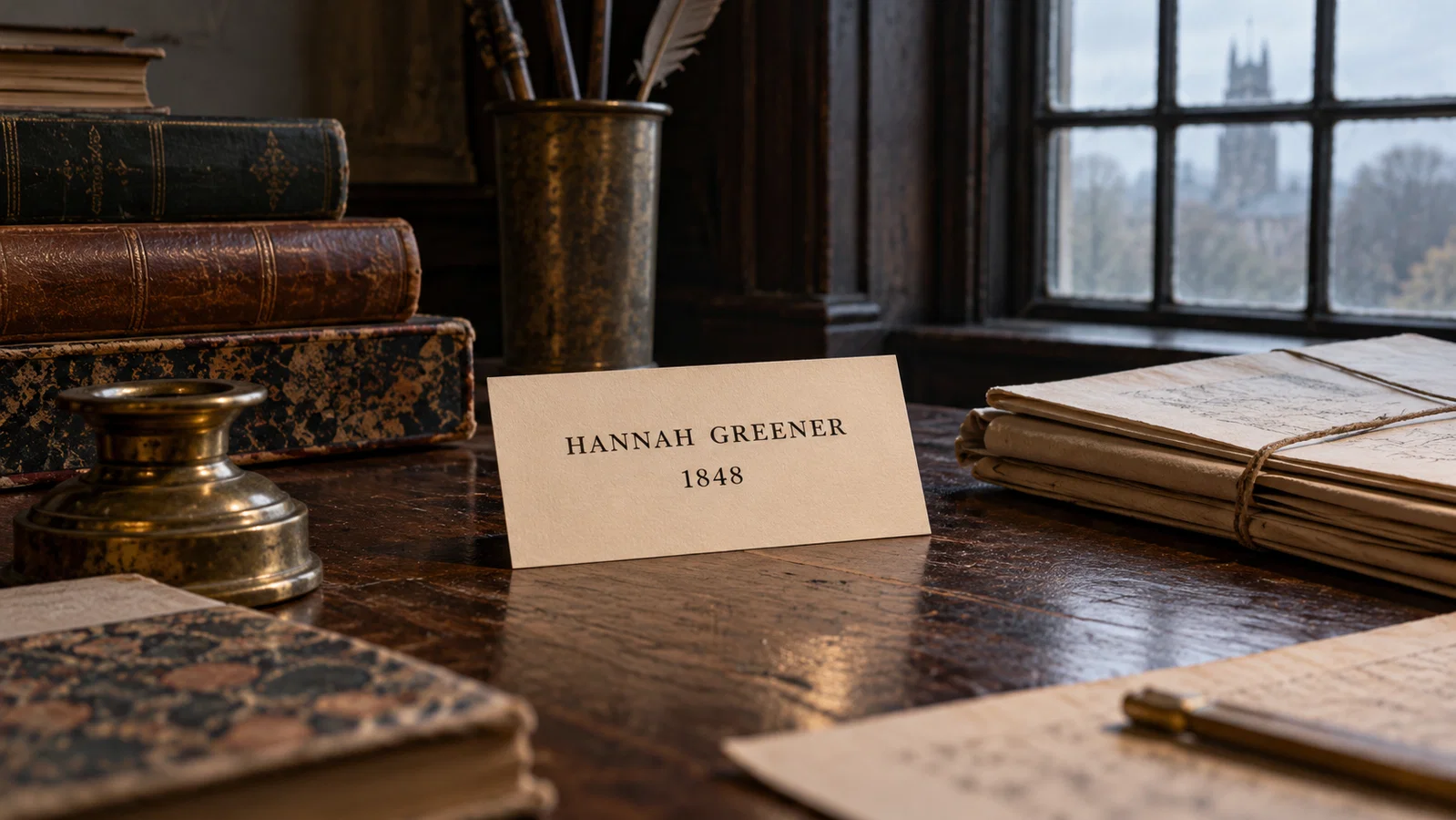
Read beside this site's account of Simpson's 1847 chloroform report, this case shows how early enthusiasm and the investigation of harm occupied the same developing field. The link does not place Simpson at Hannah's bedside. Nor does the case justify treating every early practitioner as sharing a single explanation.
Hannah's name remains more than a marker on a timeline. The incompleteness of the record is a reason to handle it carefully, not a space to fill with a more dramatic story.
Image note: four AI-generated modern historical illustrations. No image depicts Hannah's actual appearance, the death or an authenticated room. Documents and people are reconstructed; no invented measurements are shown.
Sources and reading limits
Read: Snow's 1858 book, Case 1 (pp. 123-127) with its footnotes; Snow's 1848 two-page reprint with Meggison's additional explanations; the UCLA John Snow site's transcription of the same letter; Potter's letter in The Lancet, 1848.
Not covered: the rest of the 1858 book; the original layout of the London Medical Gazette; the full text of the 2002 Knight–Bacon reassessment, which was not used to settle the cause of death.
- Snow J. On Chloroform and Other Anaesthetics: Their Action and Administration. London: John Churchill;1858. Case 1, pp.123–127. Internet Archive. UCLA publication guide.
- Snow J. Remarks on the fatal case of inhalation of chloroform; including additional explanations from Dr. Meggison. 1848, two-page reprint. Wellcome catalogue and facsimile. The catalogue dates the reprint to [1848], and the text is signed February 1848.
- UCLA John Snow site. Publications, Group 2, item 30. Transcription of the same letter, identifying London Medical Gazette 41, February 18, 1848:277–278; another presentation of source 2, not independent testimony.
- Potter. The late fatal case at Newcastle. The Lancet. 1848;1:214. Internet Archive
Continue exploring
Related reading connects shared questions and contexts; it does not by itself establish historical influence.
- 1848: A Winlaton Girl Dies Under Chloroform, and Simpson Disputes Why
- 1847: Chloroform, from Self-Experiment to a Public Report
Anesthesia Epochs · The Source Room · About & Editorial Method
Updated October 30, 2026. Sources and reading limits are stated above. Illustrations are labelled as original source images or AI-made. Historical accounts are educational; they are not current treatment instructions.