From compounds to clinical use
Follow anesthetic agents, formulations, mechanisms and reversal. Discovery, testing, approval and practice are different milestones.
Reading Library · Explore the Connections
Explore this topic
Topics overlap. An essay may appear in more than one collection.
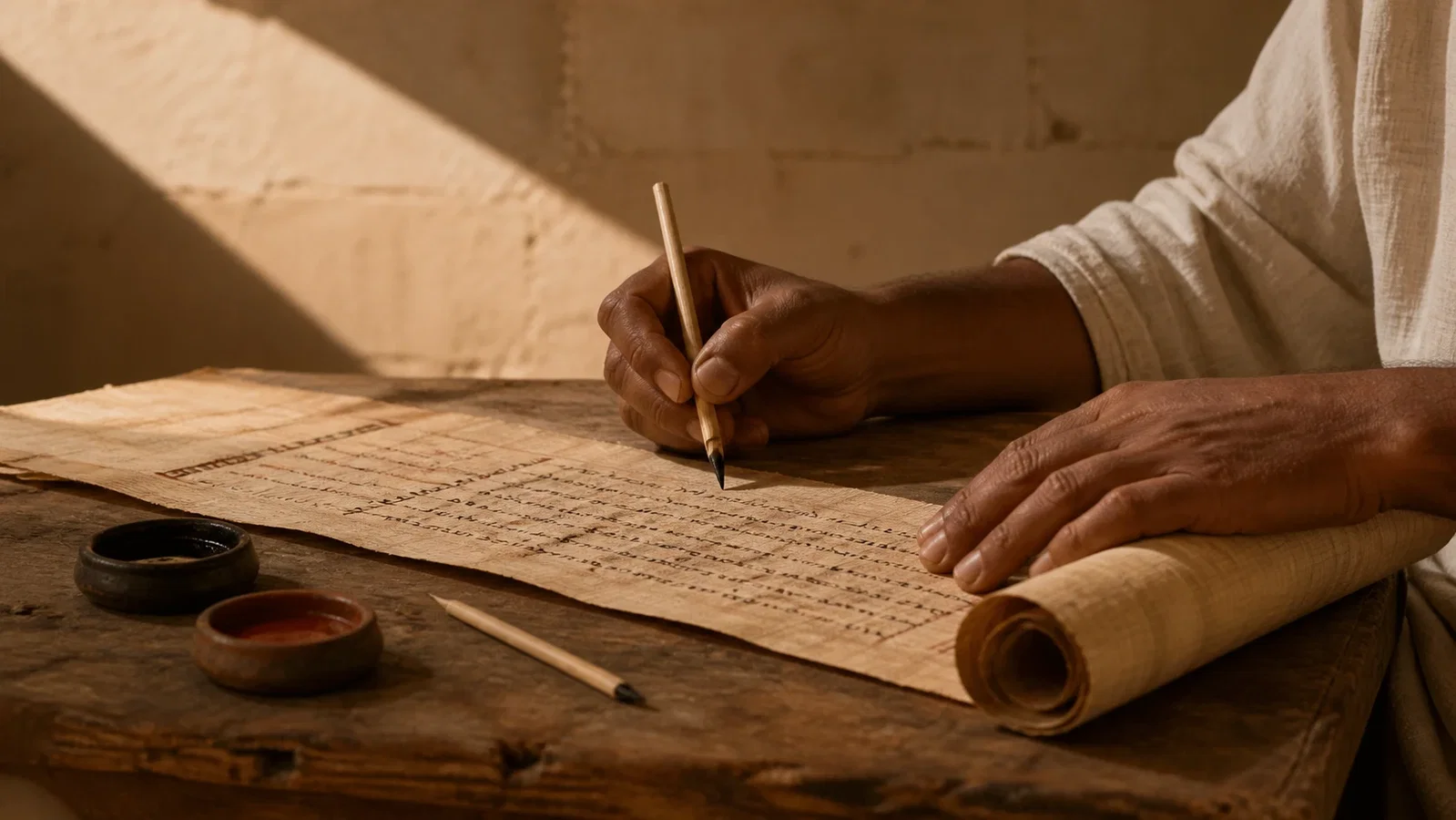
A sixteenth-century BCE medical compilation records therapeutic intentions, not proof of poppy anesthesia
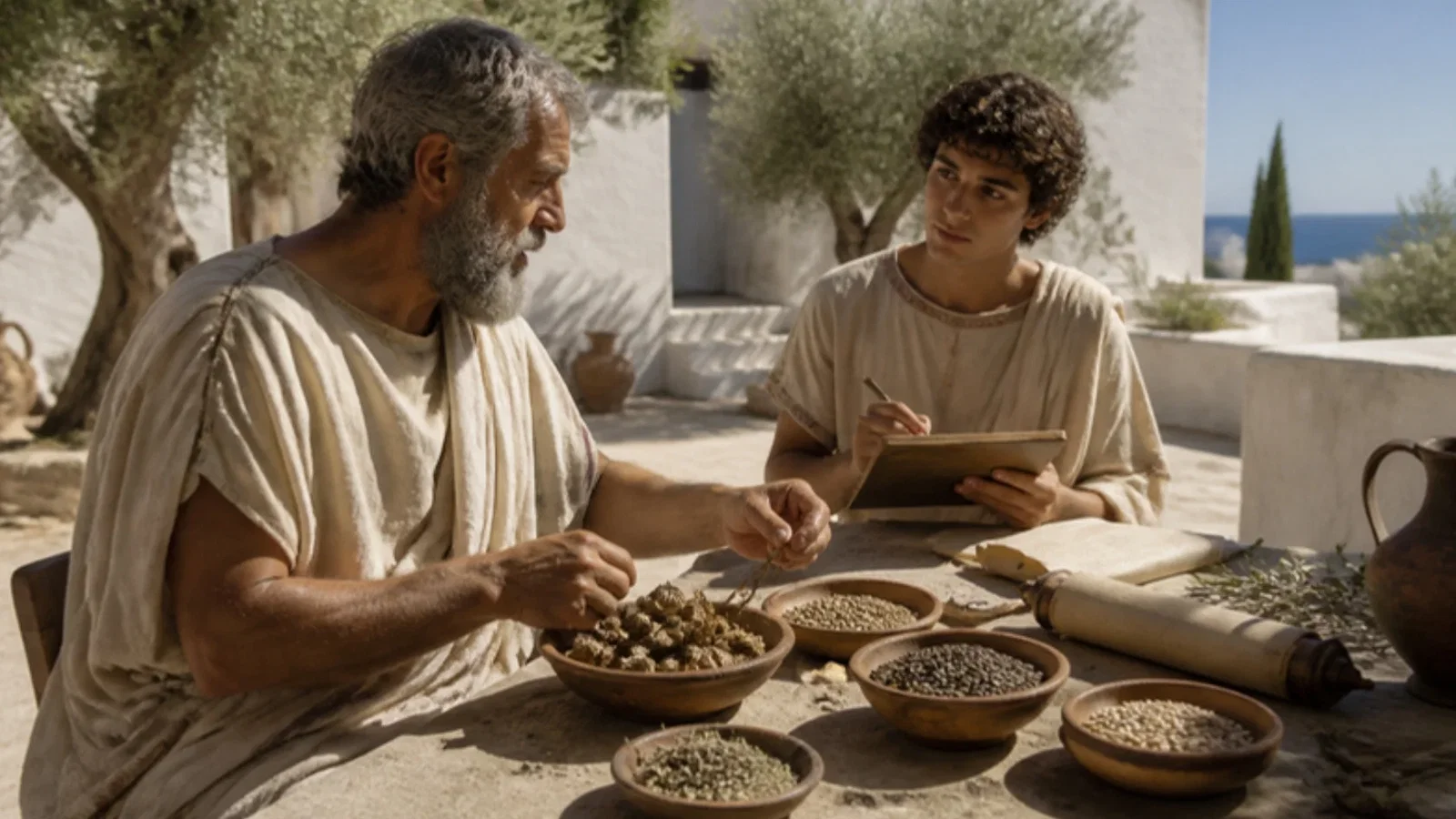
In Regimen II the poppy is a nourishing seed; a 1998 study concluded that its power against pain was not yet recognised.
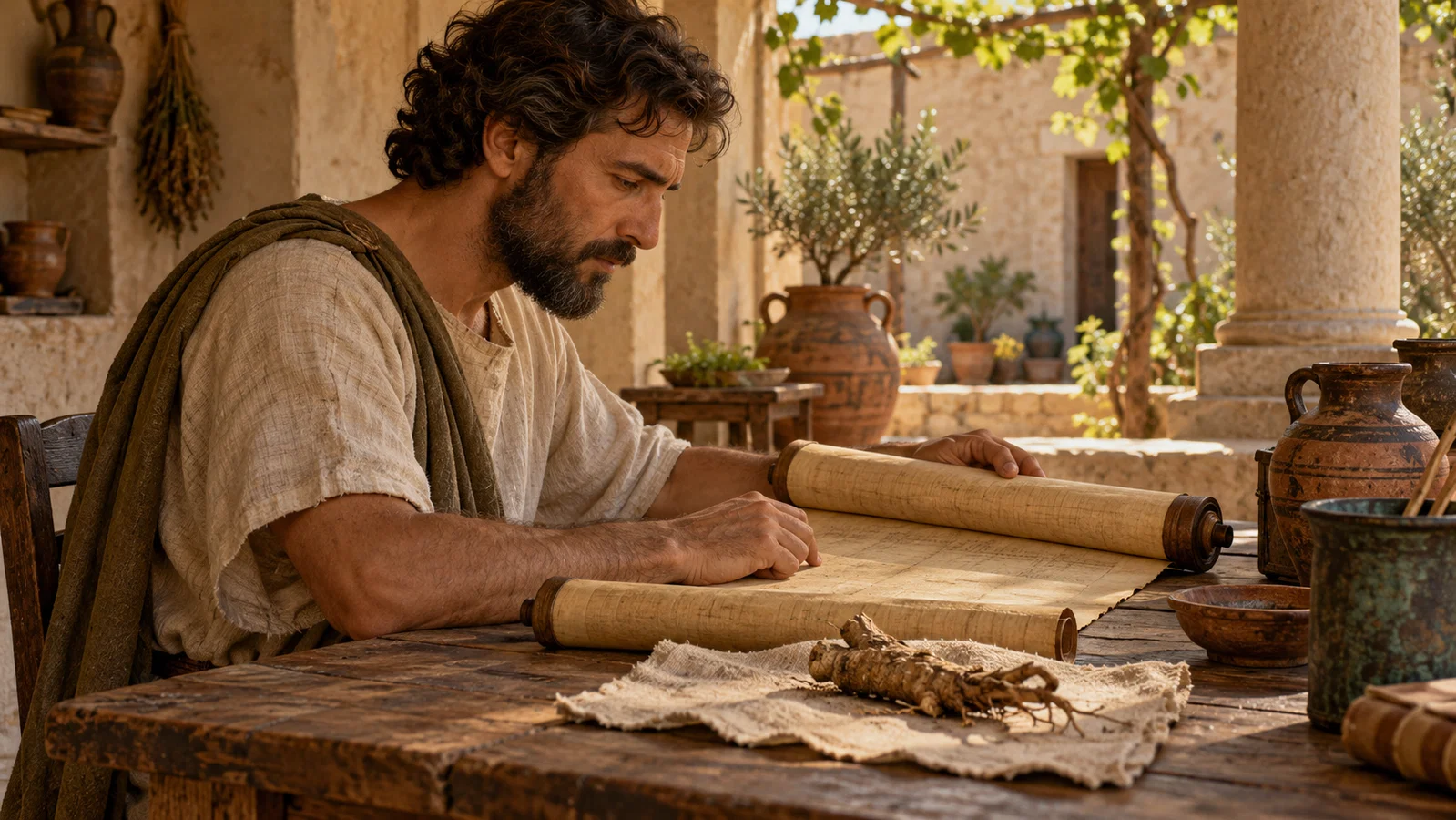
In De materia medica 4.75, Dioscorides reports that some people prepare mandragora root in wine for those about to be cut or cauterized, while warning that a larger amount of the juice can kill.
In De medicina 5.25, Celsus calls pills that relieve pain through sleep anodyna, but says they should be used only under strong necessity, because their ingredients are powerful and bad for the stomach.

Two histories, the Records of the Three Kingdoms and the History of the Later Han, say that Hua Tuo's patients drank mafeisan and lost awareness before surgery, but neither records its ingredients, a dated operation or a checkable outcome.

A 1907 English translation of the Sushruta Samhita advises giving strong wine before an operation, if the patient is used to it, so that pain is not felt; the passage is a textual instruction, not a record of a first anesthetic.
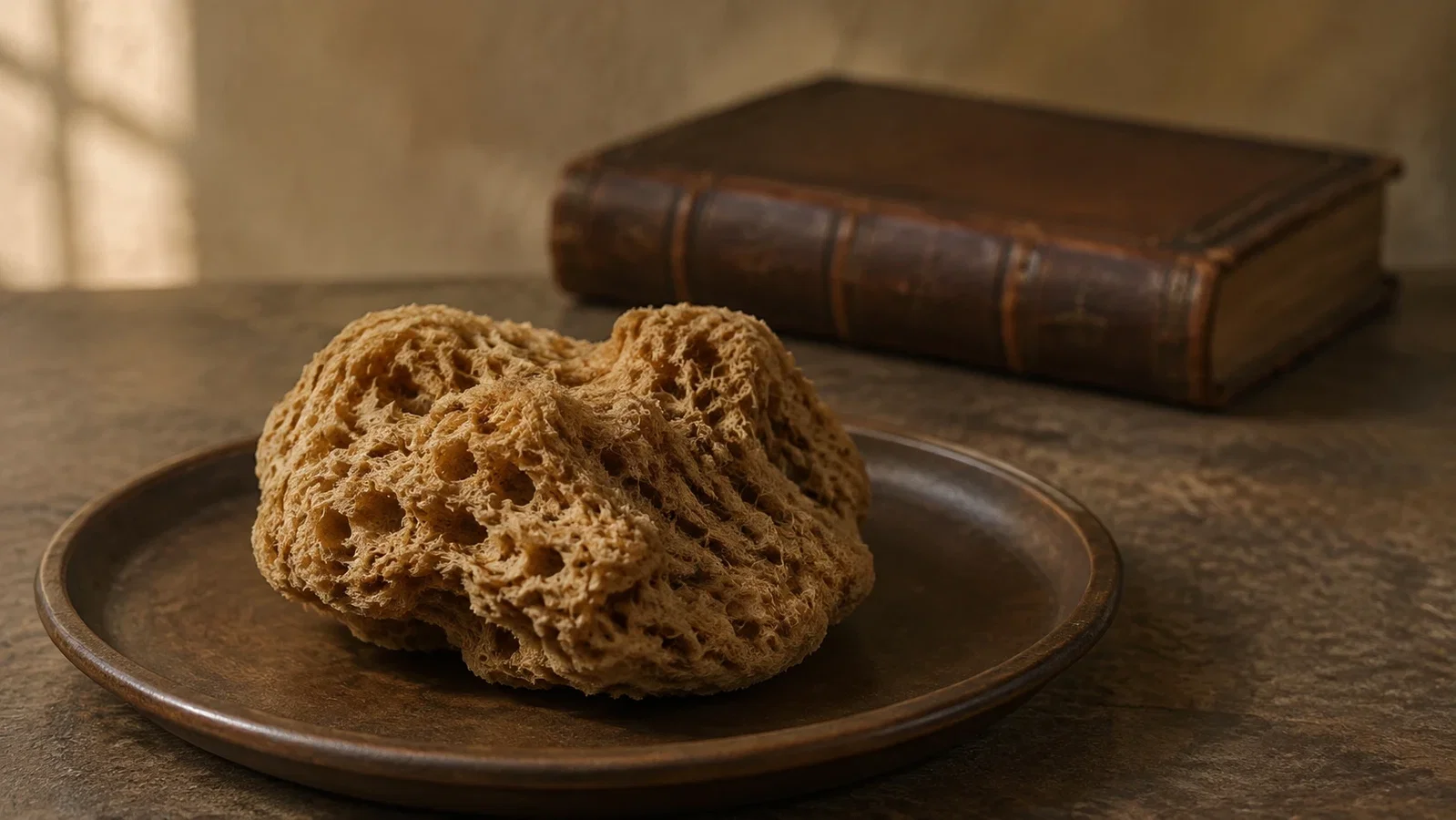
Recipes for a soporific sponge or drink, a tradition that surgical texts carry into the thirteenth century, promise sleep through an operation, but the surviving texts record prescriptions and routes, not patients or outcomes.

In Paracelsus' writings the word laudanum could name ladanum resin or a compound remedy containing pearls, so, as Sigerist showed in 1941, it cannot simply be read as the later opium tincture.
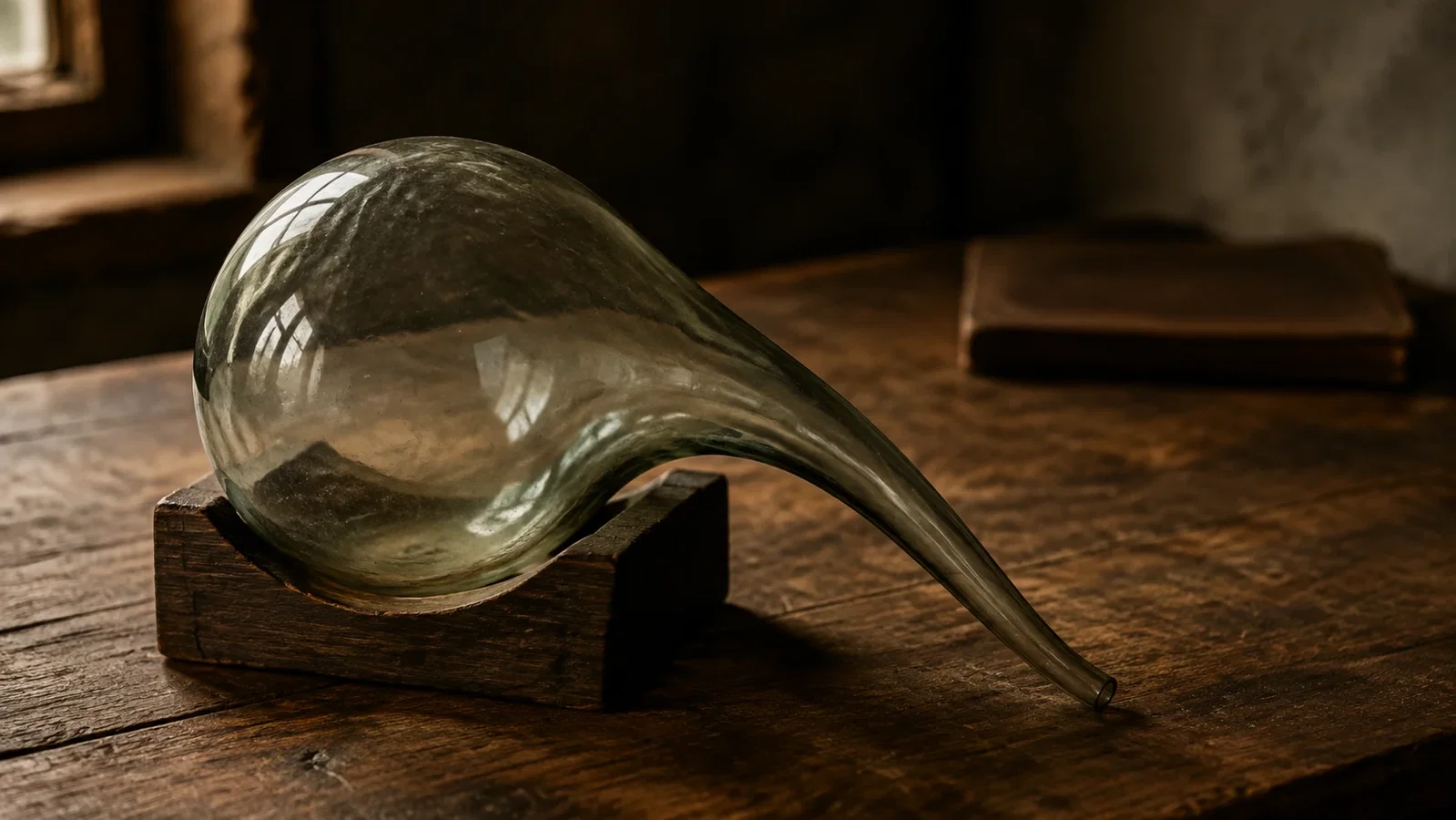
Valerius Cordus's account of preparing sweet oil of vitriol, later read as ether, is conventionally dated to about 1540, but the version that can be inspected was printed after his death, in Strasbourg in 1561.

Ralegh's 1596 Discoverie of Guiana describes arrow poison causing torment and madness, with a cure kept by priests; the symptoms do not match curare's quiet paralysis.

Garcilasso's Royal Commentaries of 1609 preserve Blas Valera's note that doctors applied pounded coca to sores and broken bones; it mentions no pain or surgery, so an Inca local anaesthetic is a modern inference.

A recipe for a drink 'to cause a man to sleepe till hee bee ript' survives in Jane Jackson's handwritten book dated 1642, showing that a medieval recipe tradition was still being copied, though the book records no patient who took it.
In Oxford around 1656, Christopher Wren helped inject opium dissolved in wine into a dog's vein; Boyle's 1663 account describes deep stupor and recovery, which opened a route into the blood but did not yet amount to a surgical anesthetic.

In 1664 the Hamburg physician Johann Daniel Major published a short Latin book proposing to infuse medicines into a vein; he called it a conjecture awaiting experiments, and the claim of a successful operation in 1662 remains unverified.
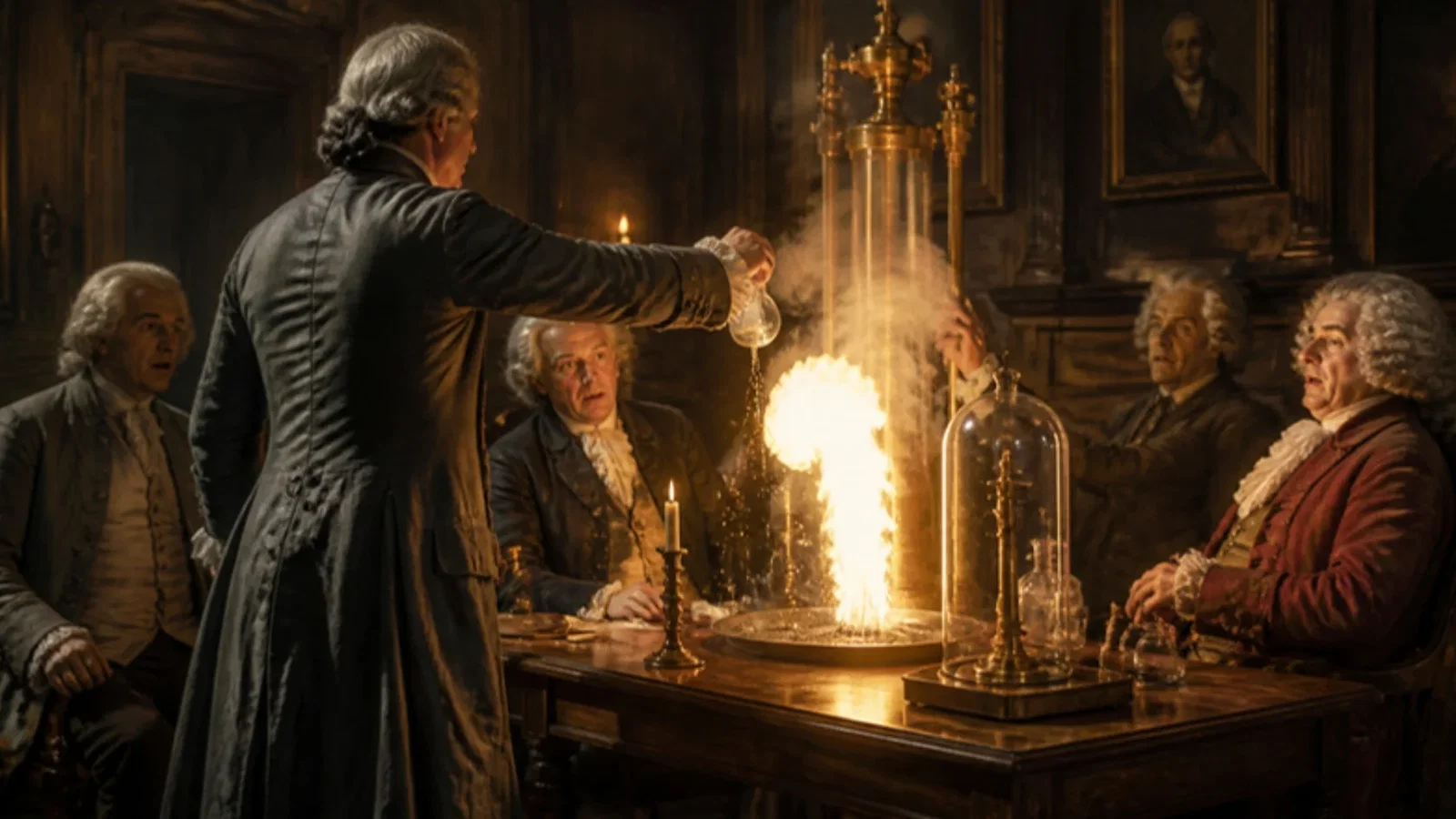
Frobenius's paper in the Philosophical Transactions described a cold, volatile, flammable liquid that dissolved fats, the ethereal spirit of wine, but left out the full recipe.
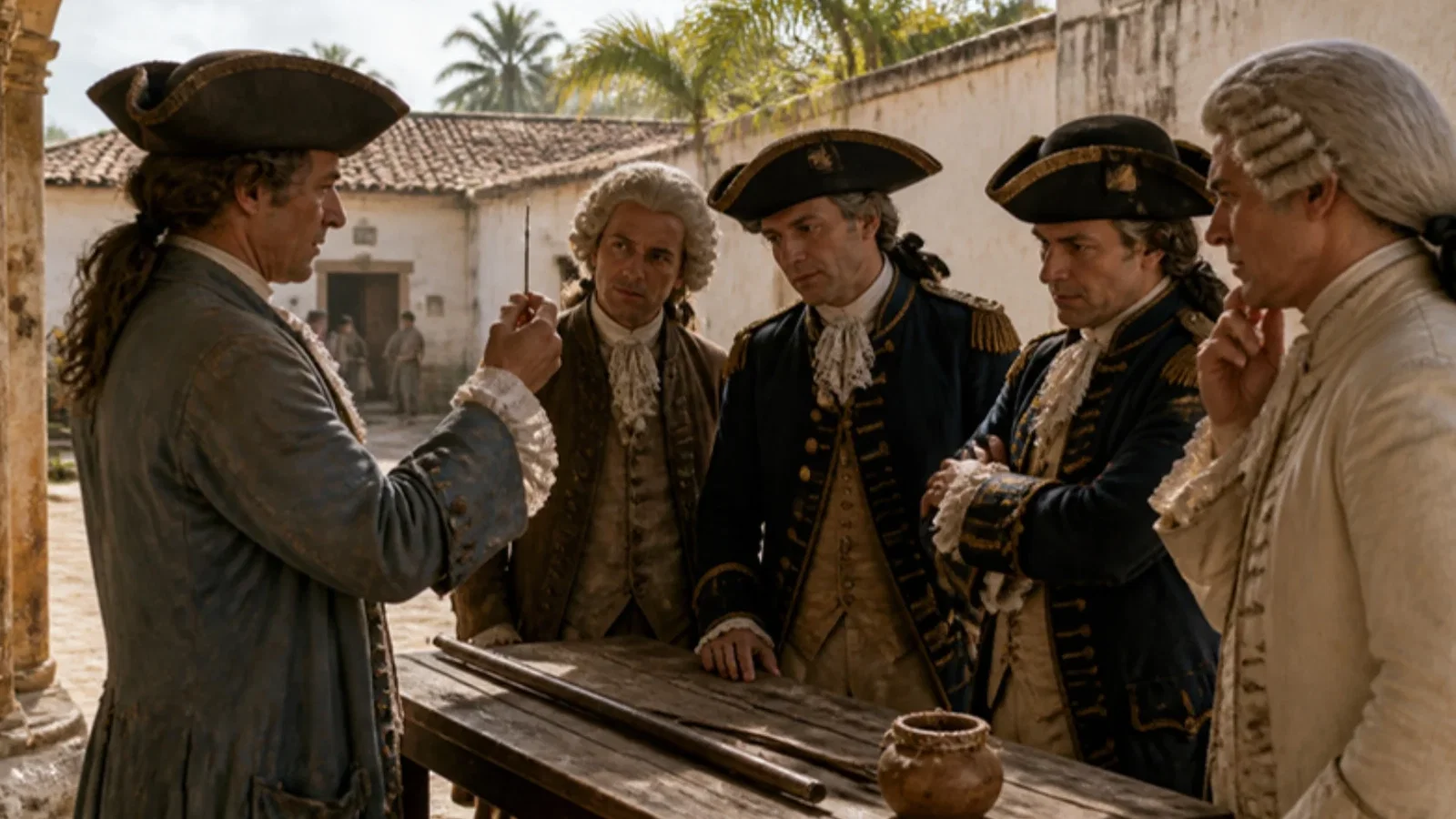
La Condamine told the Académie des Sciences of a blowpipe dart poison that killed within a minute yet left game safe to eat, and tested it on hens.

In a letter read to the Royal Society in 1763, Edward Stone reported giving willow bark to about fifty people with agues, noting the stubborn cases in which he added Peruvian bark.
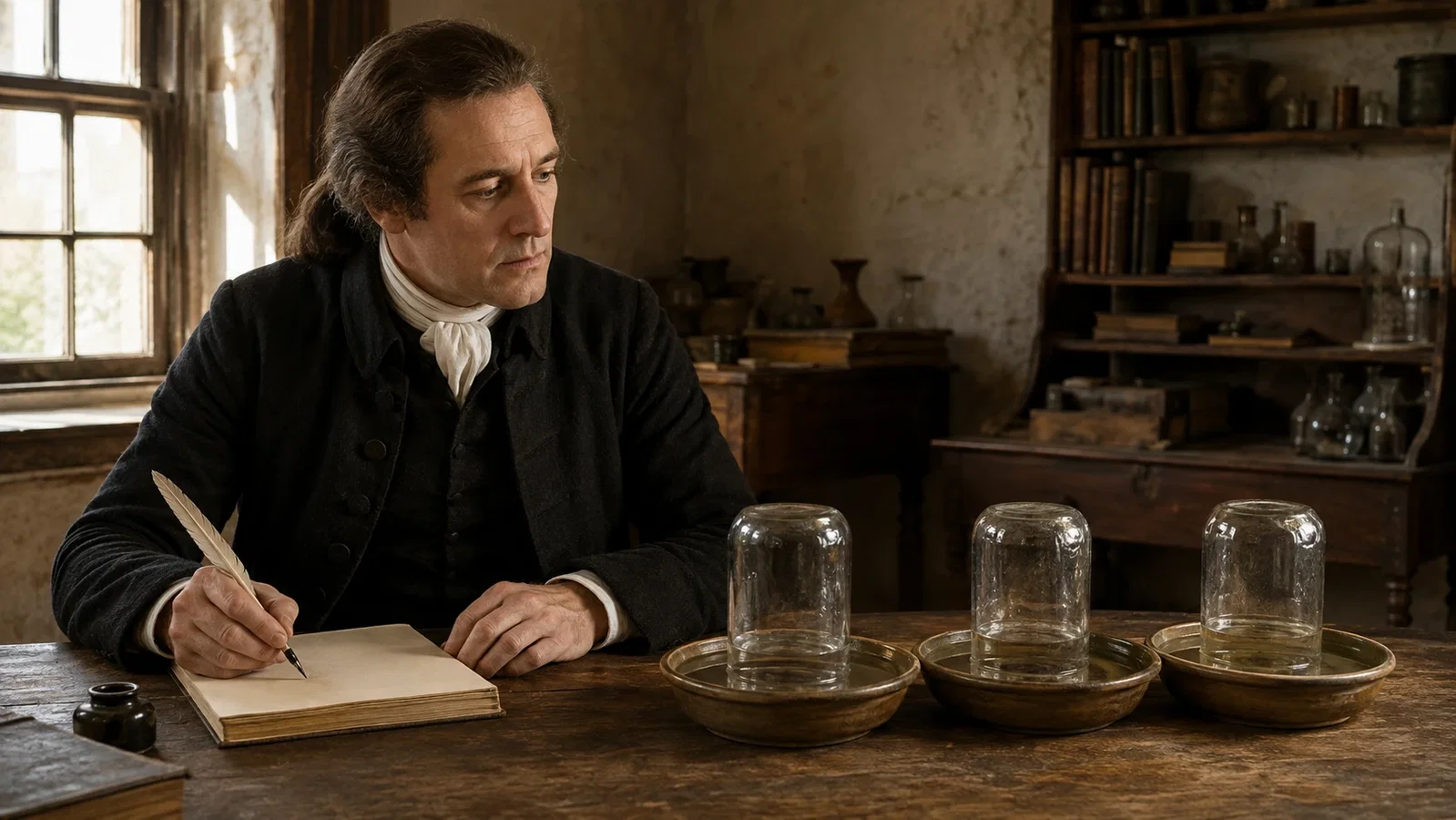
In experiments reported between 1772 and 1774, Priestley turned nitrous air (nitric oxide) into a new gas, later identified as nitrous oxide, that kept a candle burning but did not sustain an animal; he imagined medical uses but described no anaesthesia.
In a letter dated 24 December 1793, Thomas Beddoes asked for a dedicated hospital where pneumatic medicine could be tested; by 29 May 1799 he was writing to James Watt about nitrous oxide work under way at the Pneumatic Institution.
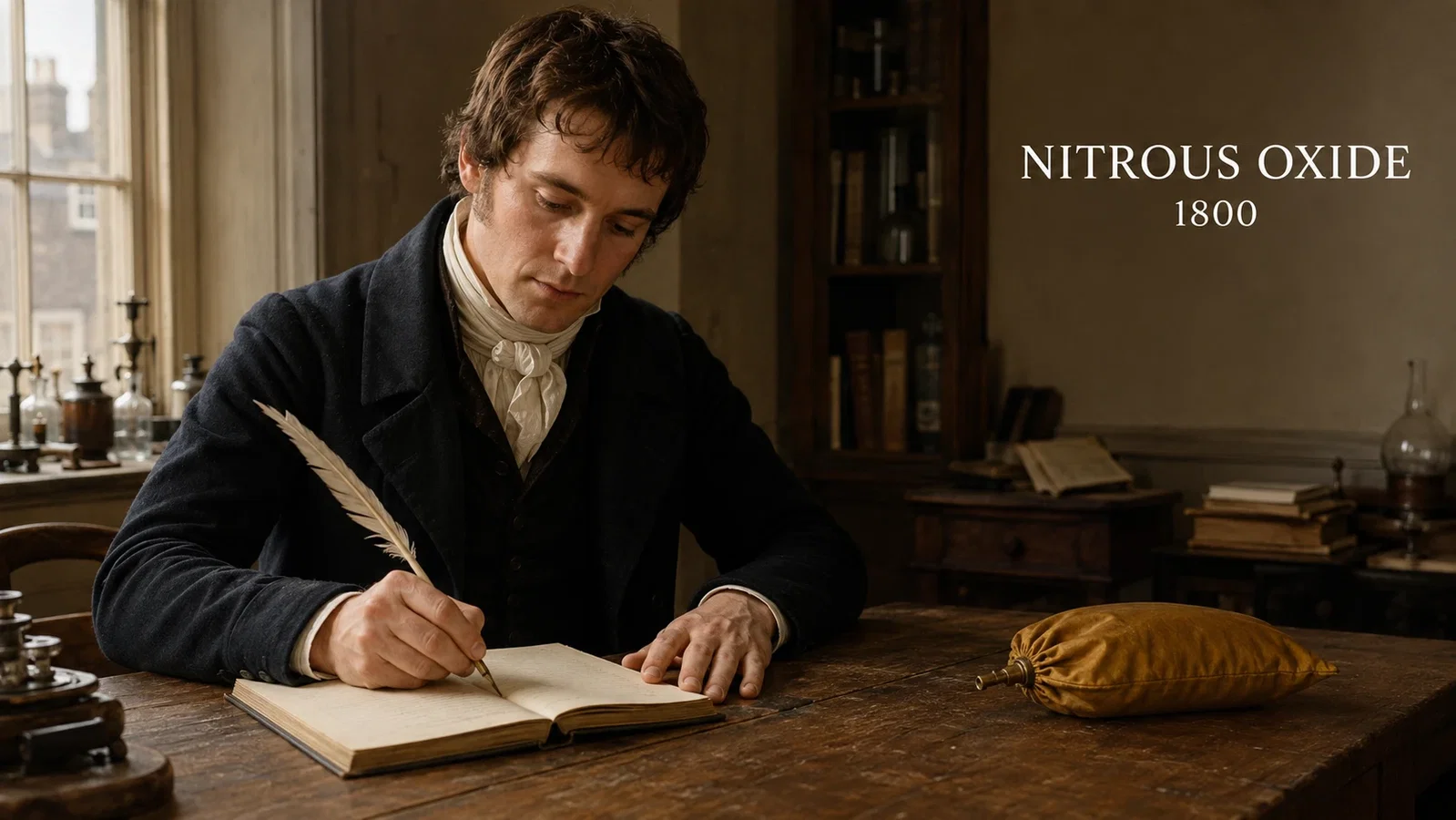
In his 1800 book on nitrous oxide, Humphry Davy recorded that the gas only briefly eased the pain of an inflamed gum, and wrote that it might probably be used in surgical operations without great blood loss, a proposal he did not test.
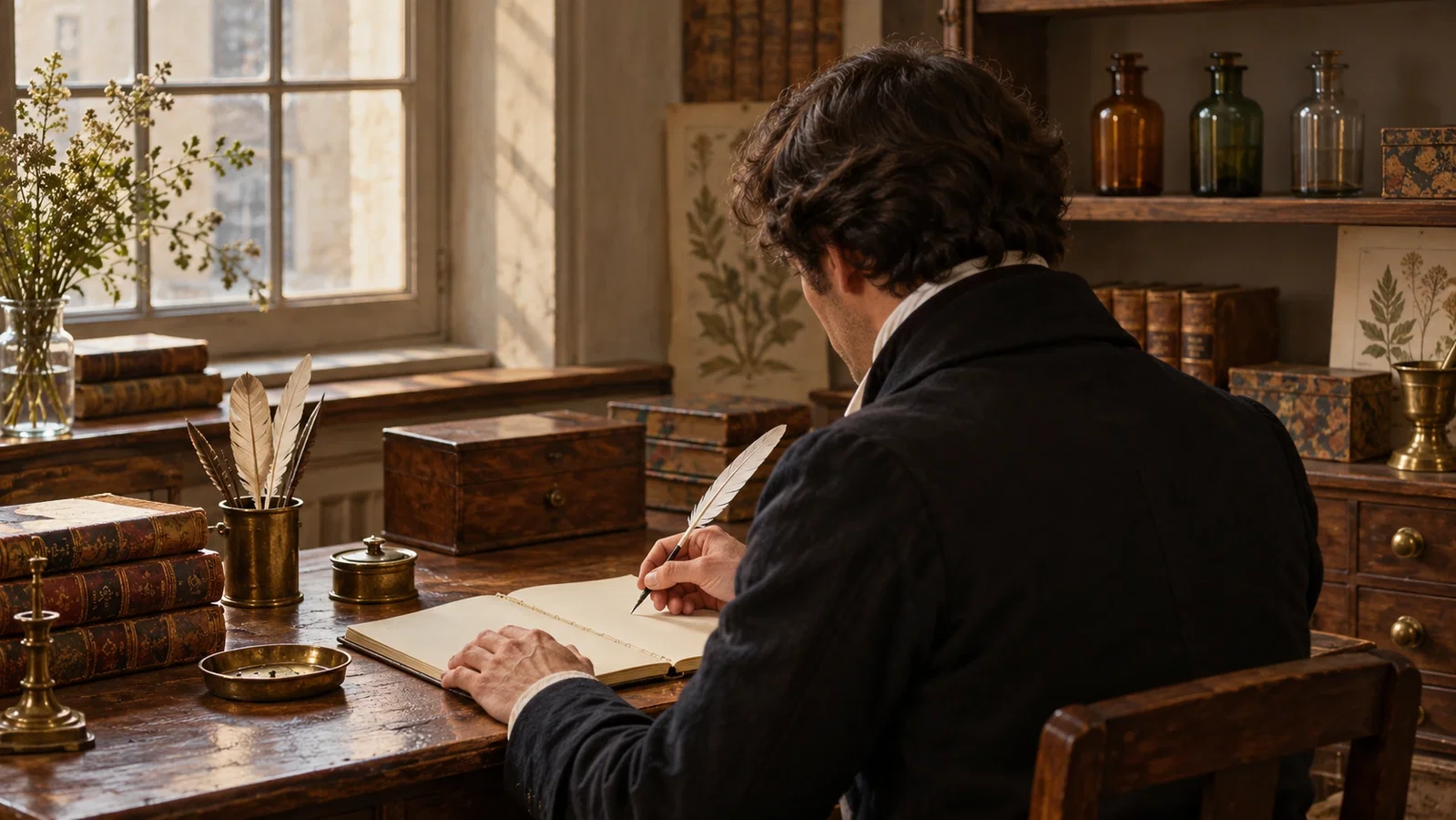
In his 1803 memoir on opium, the Paris pharmacist Derosne described crystals he provisionally called a ‘salt’, reported that the material made dogs ill, and said more comparison was needed before its medicinal action could be judged.
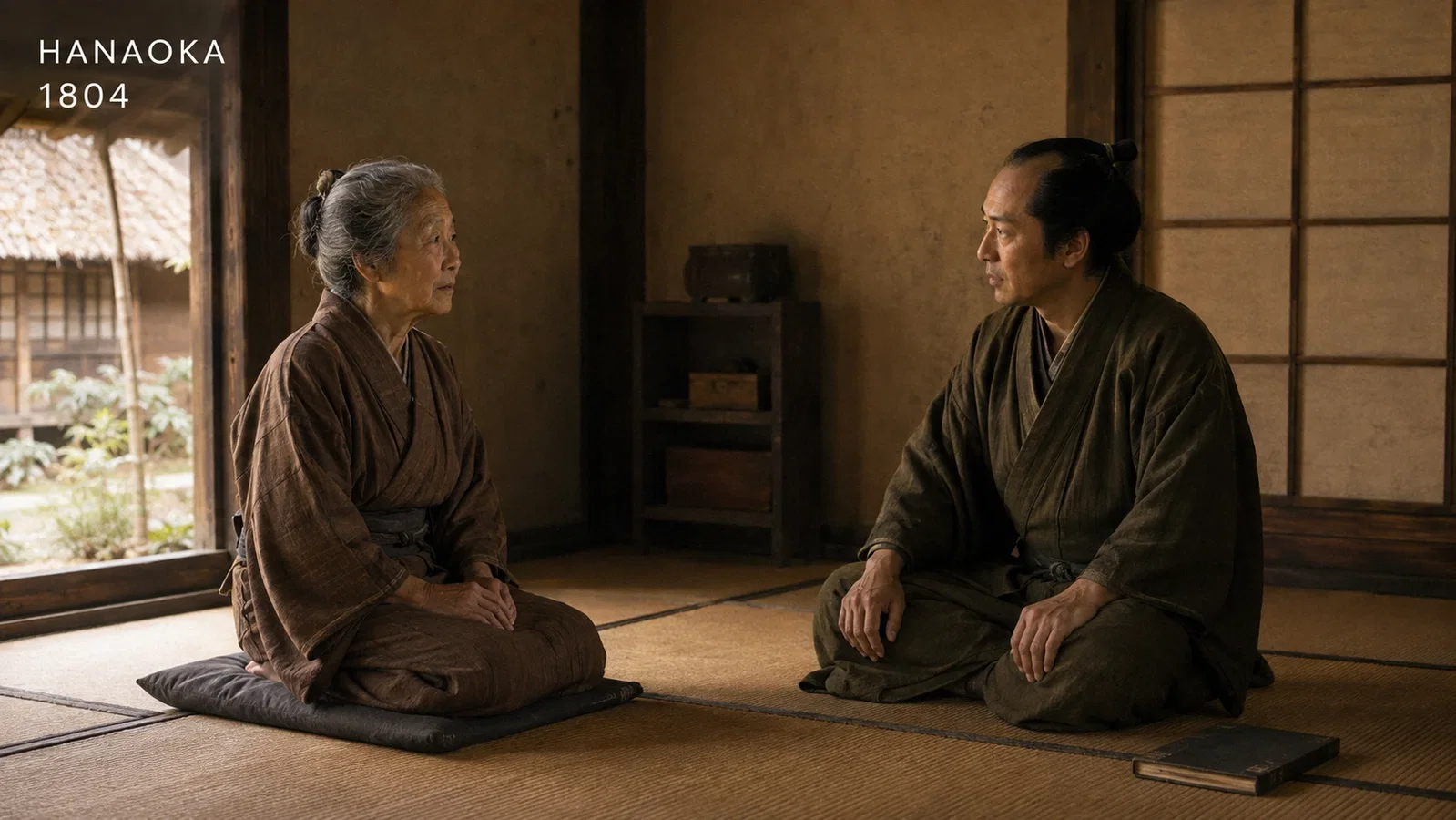
In 1804 Hanaoka Seishu gave a woman named Kan the oral preparation Mafutsusan and removed a mass from her left breast; his case record also follows her decision beforehand and the weeks of care until she went home.

In 1809 Vauquelin looked in belladonna for the acrid principle he had found in tobacco, a plant of the same family; he did not find it, and turned instead to the material behind its narcotic action, calling his results very rough.

Brodie kept a cat poisoned with woorara alive by inflating its lungs for three hours; in 1825 Waterton kept a poisoned she-ass alive with bellows.
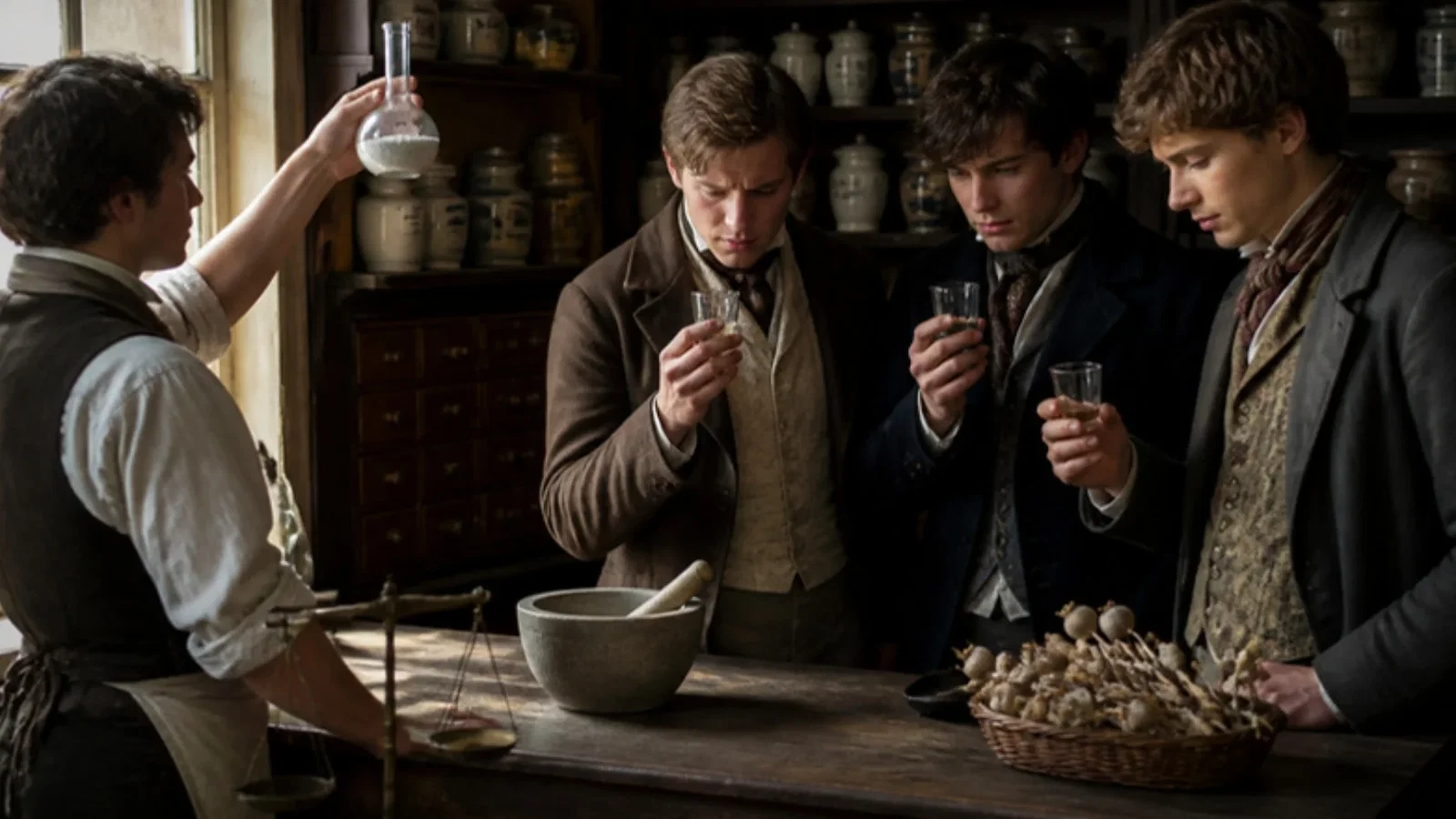
Sertürner of Einbeck called opium's active principle a salt-forming base, and recorded that Sertürner and three youths nearly fainted after taking it.
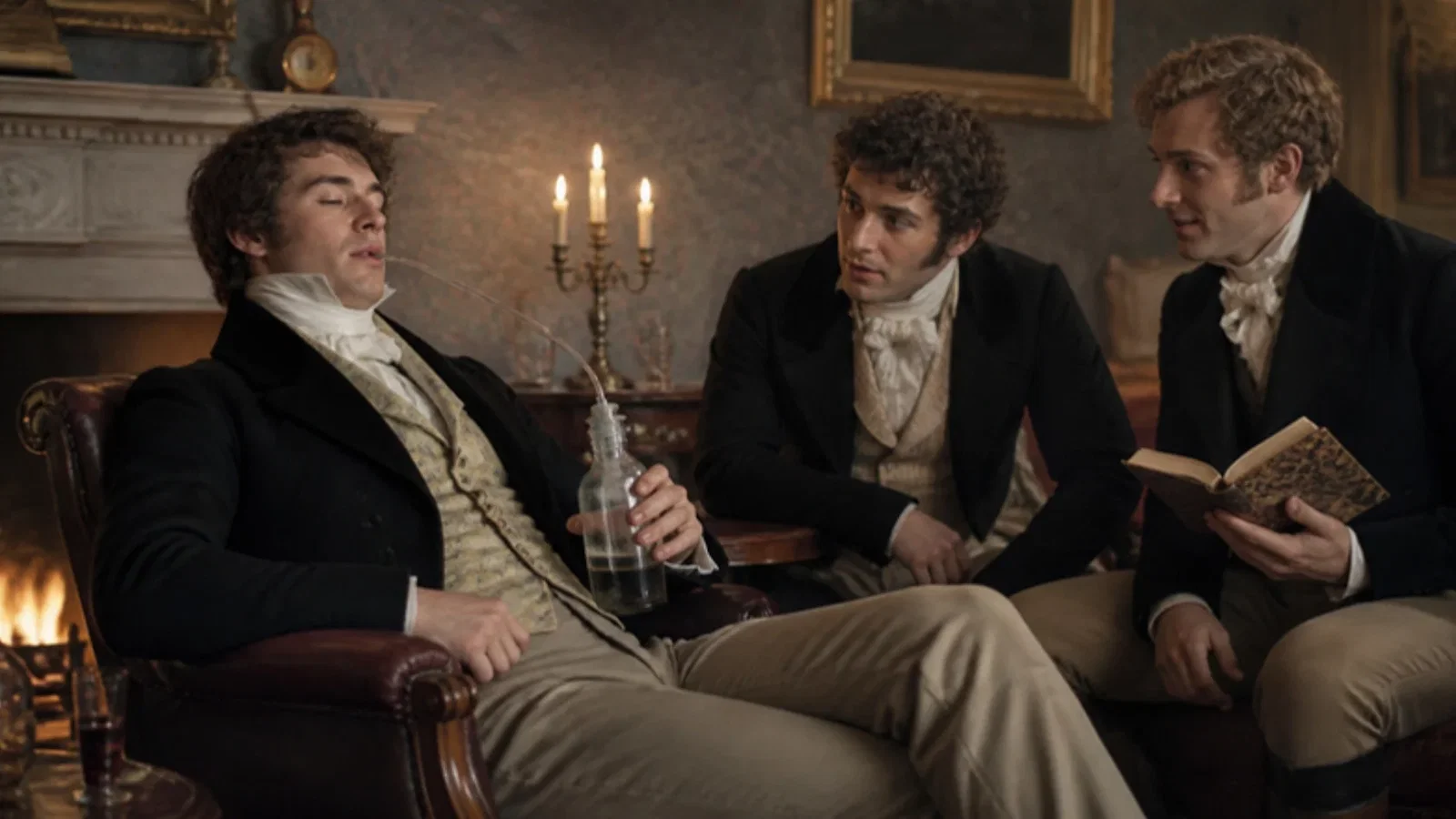
A note in the Royal Institution's journal said inhaled ether vapour acts much like nitrous oxide, and that one man stayed lethargic for thirty hours.
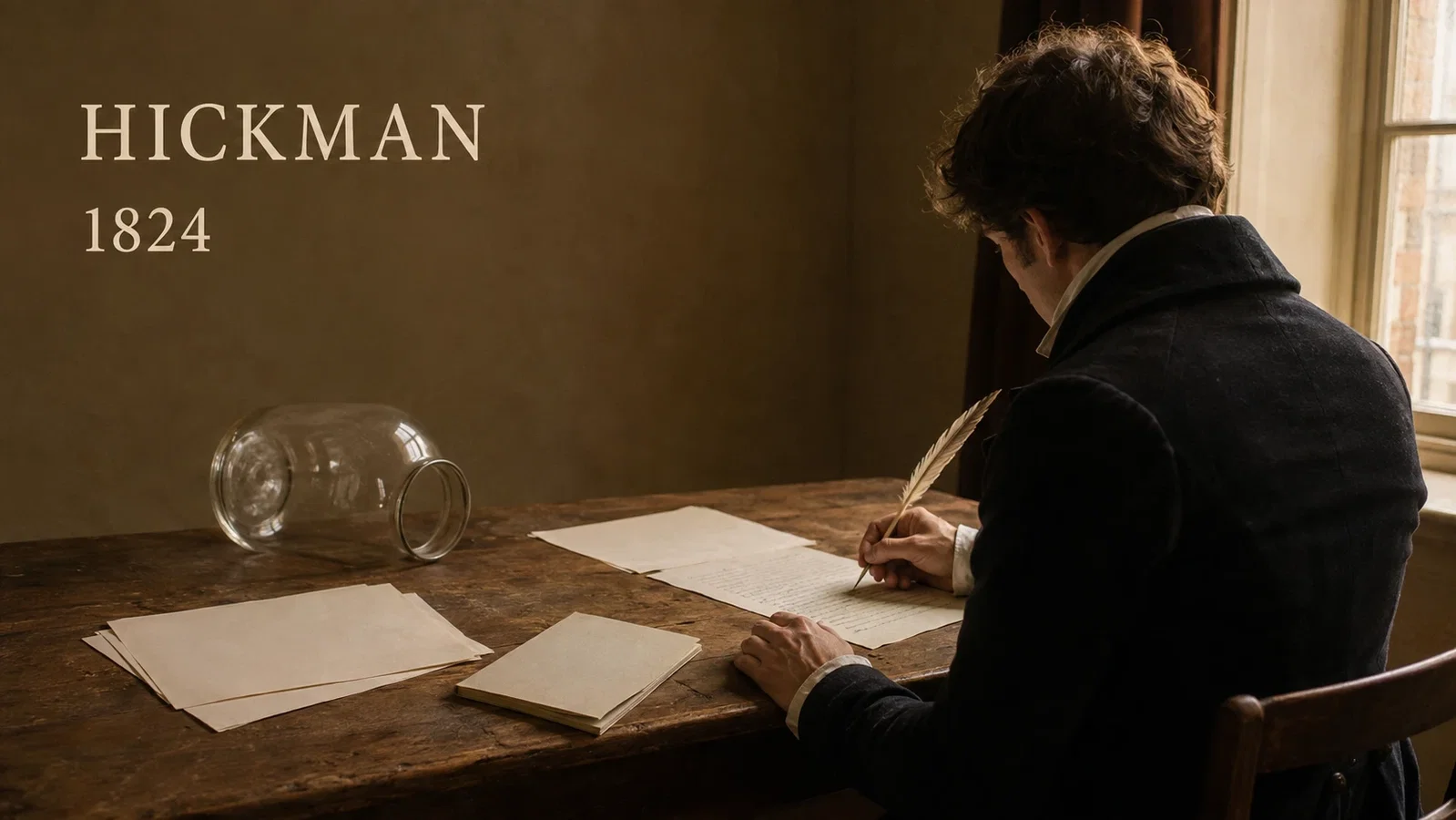
In 1824 Hickman published six animal experiments using confined air or carbon dioxide, argued that operations could be made painless, yet would not recommend that a patient risk it.
The pharmacist Mein had a small sample of crystalline atropine by August 1831, but his method appeared only in 1833, with an editor crediting him with the first pure atropine.
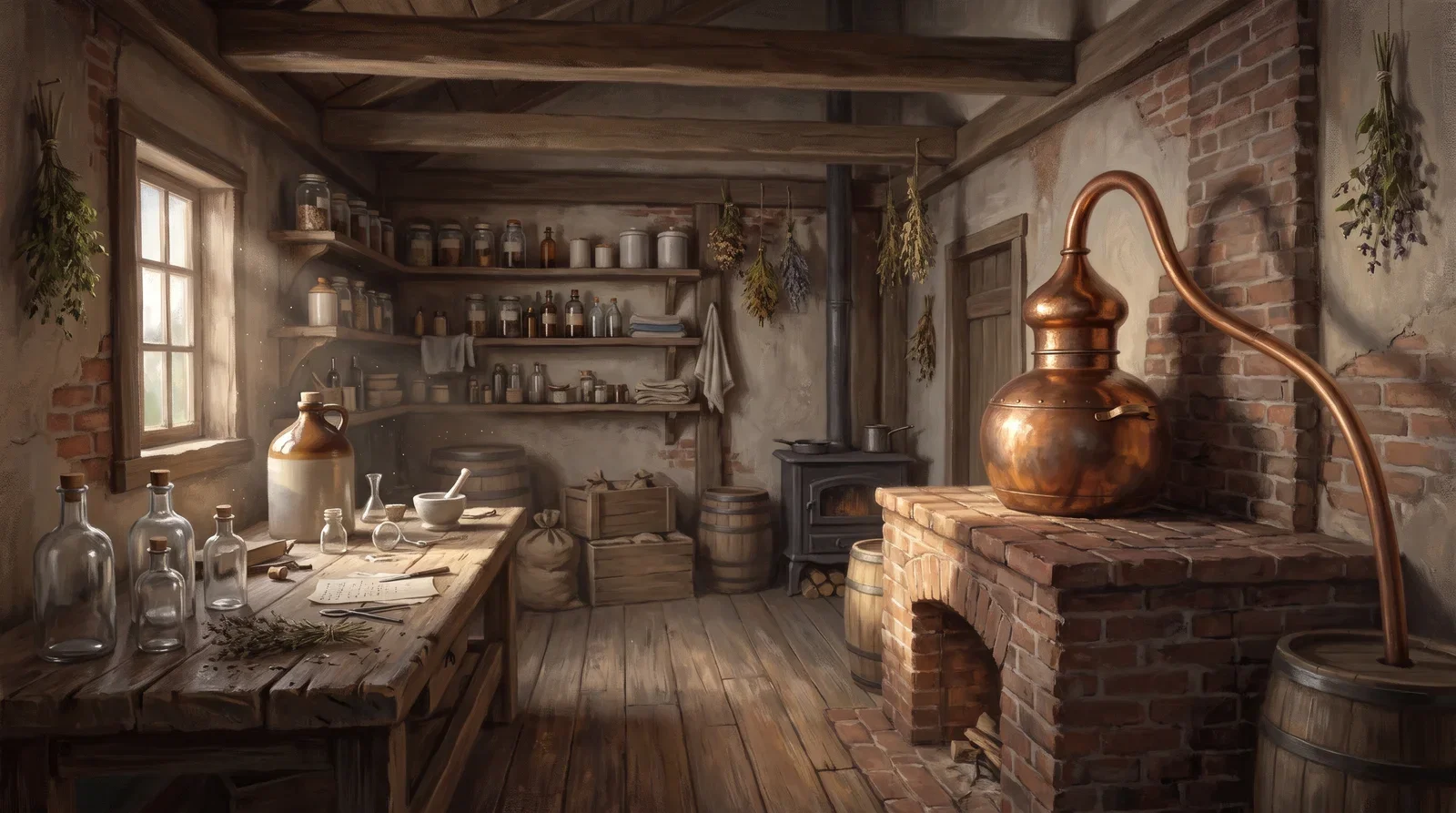
Guthrie of Sackett's Harbor distilled chloride of lime with alcohol to make a sweet chloric ether, freely drunk in the laboratory; the journal's editor sent it to physicians.
In 1832 Robiquet traced a shortfall in the morphine from Gregory's method to a new alkaline material, which he named codeine.
In 1832 Liebig named a product of chlorine and alcohol 'Chloral' for the time being, and admitted in a longer paper that he still did not know its true composition.
Between 1835 and 1848 Liebig, Fehling and Weidenbusch recorded crystals and liquids forming from aldehyde in storage and under acid, without yet using the name paraldehyde.
A country doctor slipped morphine under the epidermis with a vaccination lancet to treat neuralgia; the Academy's reporter repeated the tests and warned against half-proofs.
In 1838 Piria, working in Dumas's laboratory, kept an oily hydrure de salicyle apart from the crystalline salicylic acid he made from it, and said plainly what he could not yet settle.

In 1881 Lyman wrote that student William E. Clarke gave ether on a towel while a dentist drew a tooth; Buxton in 1925 called it 'said to have been performed'.
Crawford Long removed two small tumours from James Venable under ether in 1842, the second not quite painlessly, but published the cases only in December 1849.

In 1844 Rynd ran a morphia solution under the skin of two neuralgia patients at Dublin's Meath Hospital; both got relief, but only one was seen again afterwards.
In Hartford in late 1844 the dentist Horace Wells became the patient: Colton gave him nitrous oxide, Riggs pulled his tooth, and Wells said he felt no pain.

In January 1845 Wells gave nitrous oxide in Boston while a tooth was pulled; the patient reported some pain, and observers called it an imposition.
In Paris in December 1846 F. Willis Fisher's first trial of ether on a patient of Jobert's failed; on 23 January 1847, with a Boston inhaler, Fisher gave ether at the Hôtel-Dieu with perfect success.
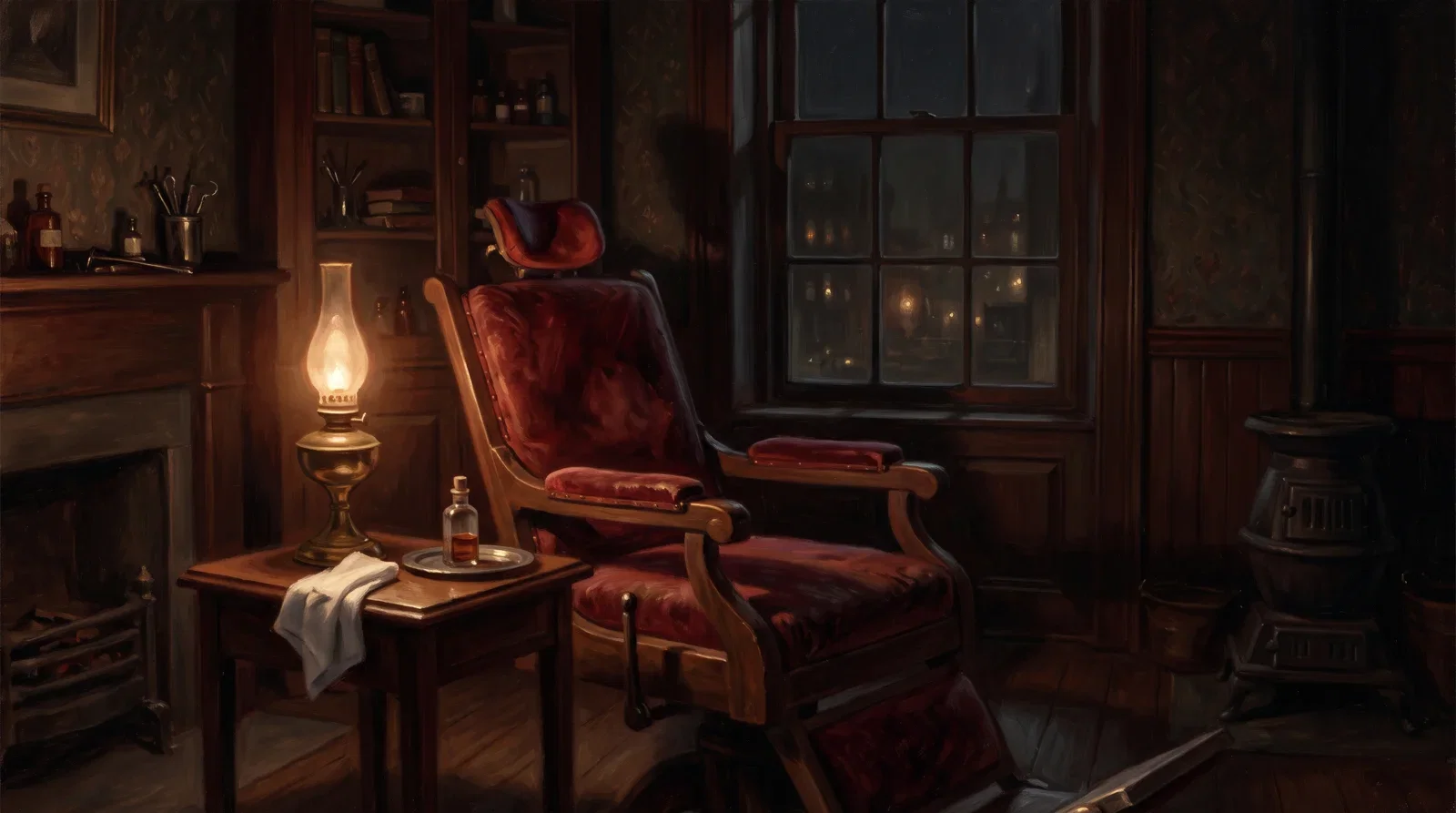
On 30 September 1846 Morton gave Eben Frost a preparation on a handkerchief; Frost woke to find the tooth out and signed a certificate with two witnesses that night.
In US patent 4,848, dated 12 November 1846, Jackson and Morton claimed the combination of ether or its vapour with surgical operations to relieve pain, not the substance itself.
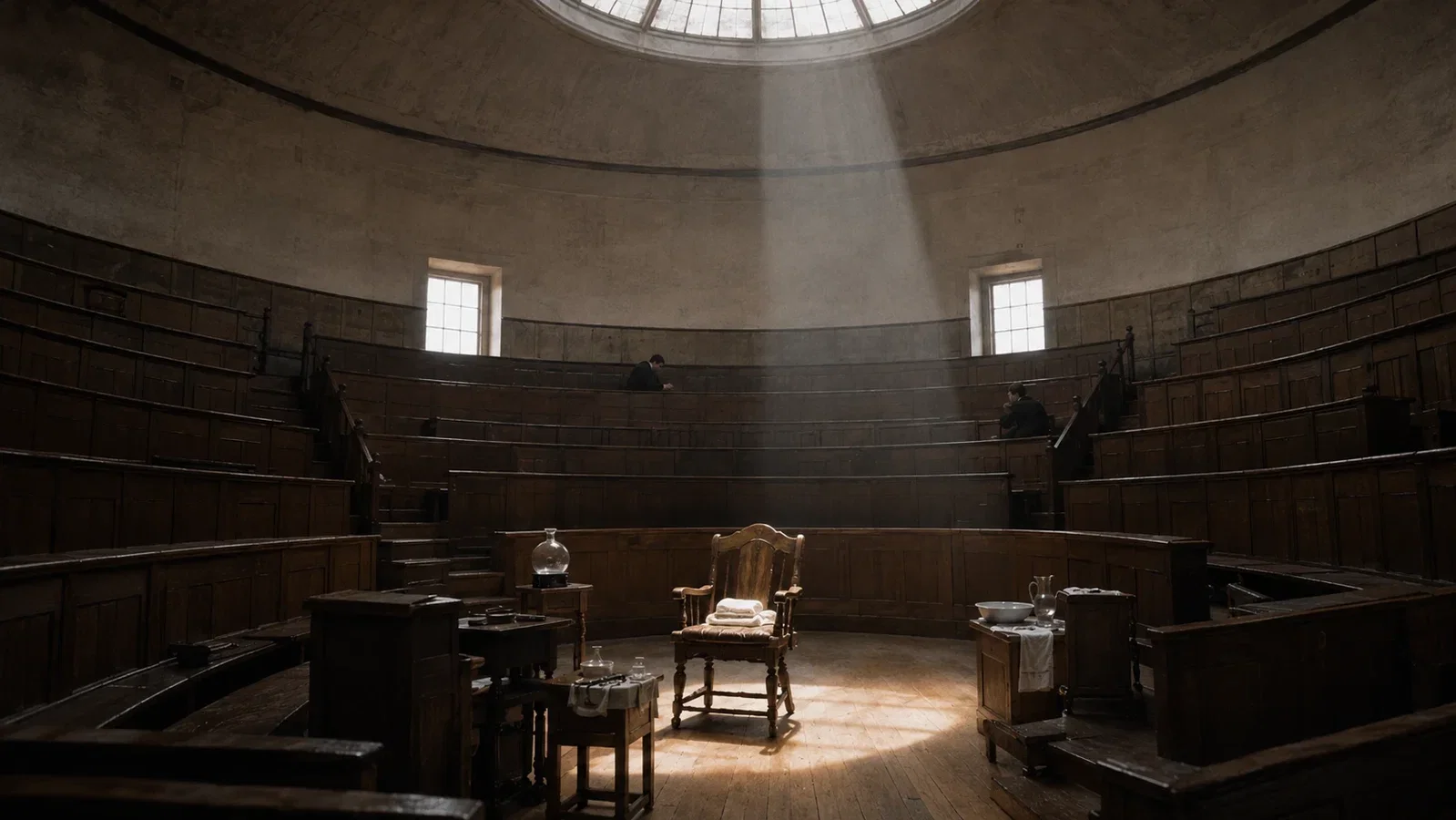
On 16 October 1846 Morton gave ether at Massachusetts General Hospital while Warren operated on Edward Gilbert Abbott, and the records give differing accounts of the pain.

After deaths at Colchester and Grantham and an inquest blaming the vapour, the journal called for statistical evidence on whether ether raised operative mortality.
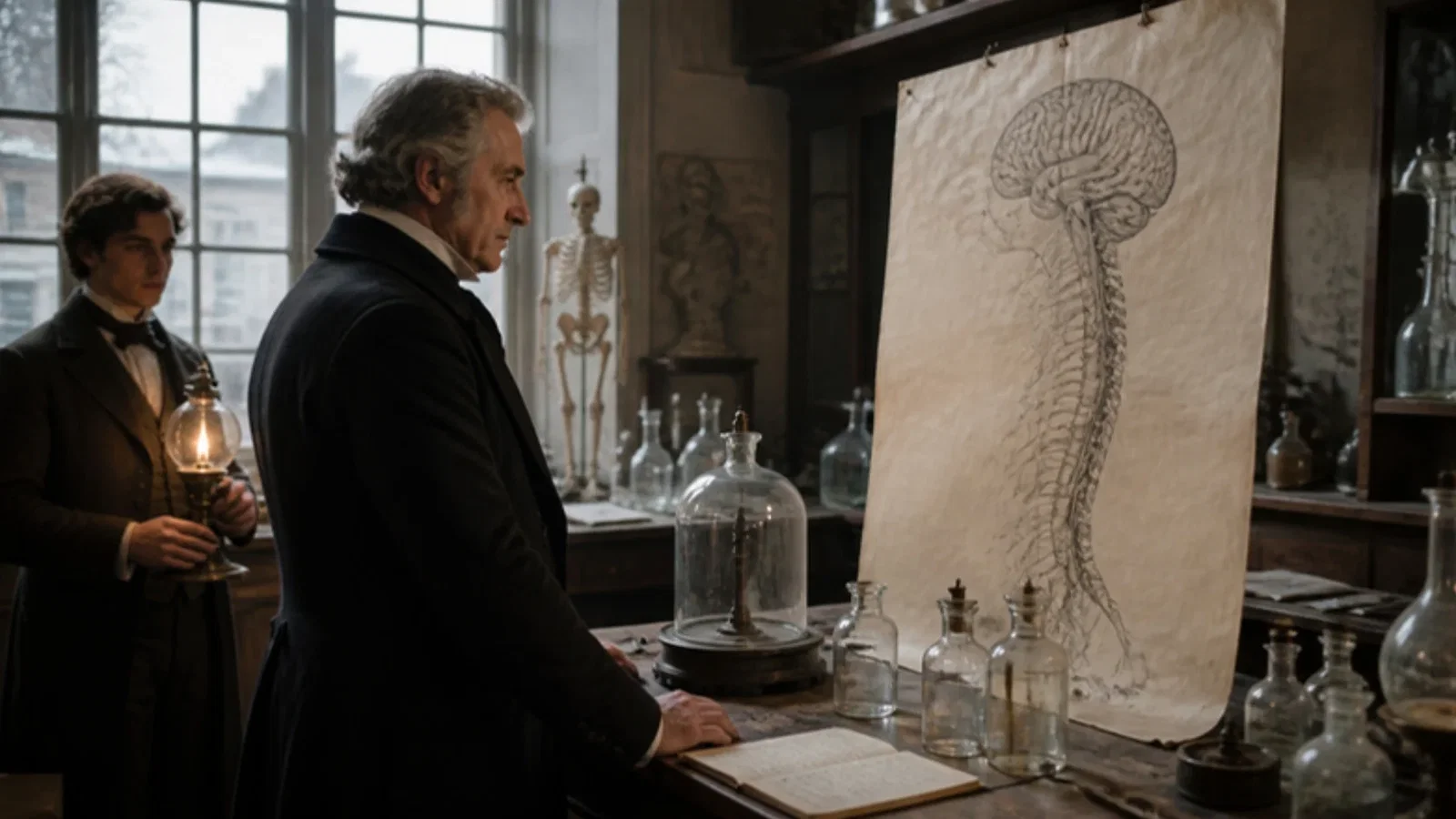
In dogs, Flourens found ether abolished brain function, then spinal sensation and movement, while the medulla held out last; Flourens also tried chloroform.
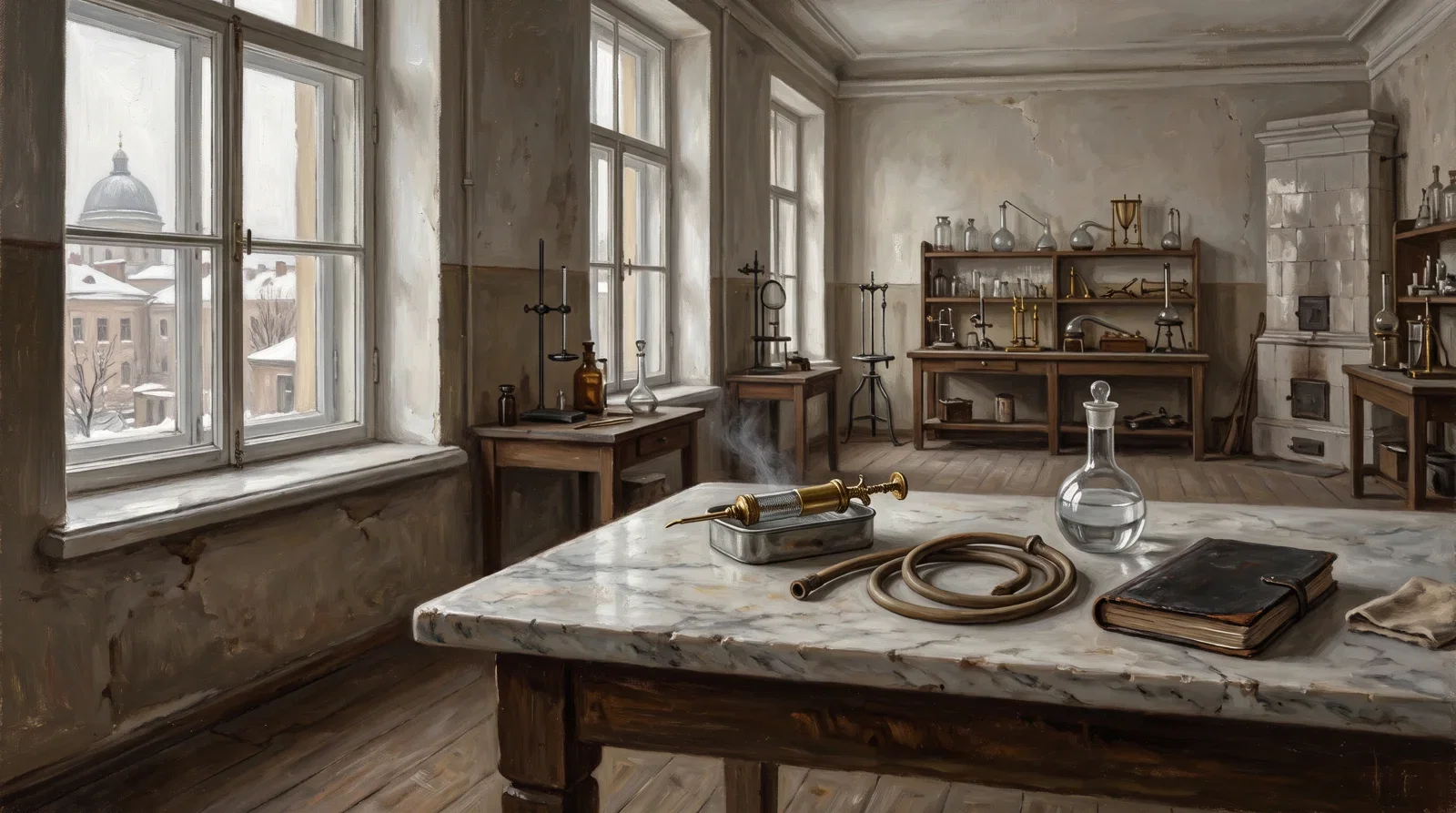
Pirogoff wrote from St Petersburg to the Paris Academy proposing rectal ether vapour for surgery, while animal reports that year disagreed about its safety.
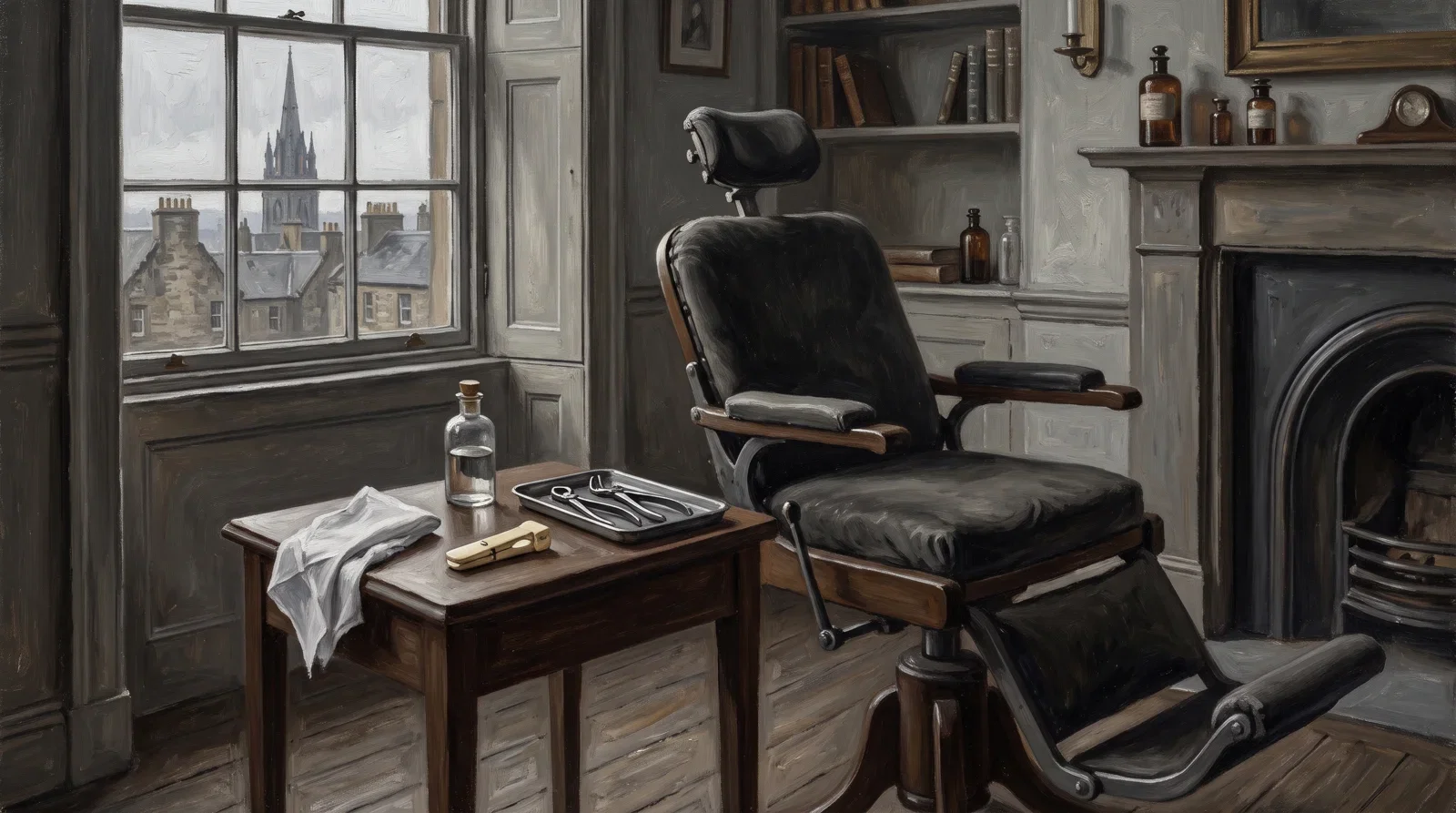
The Edinburgh dentist Imlach gave chloroform on a handkerchief with a gag placed beforehand, and in 1848 reported more than three hundred extractions.
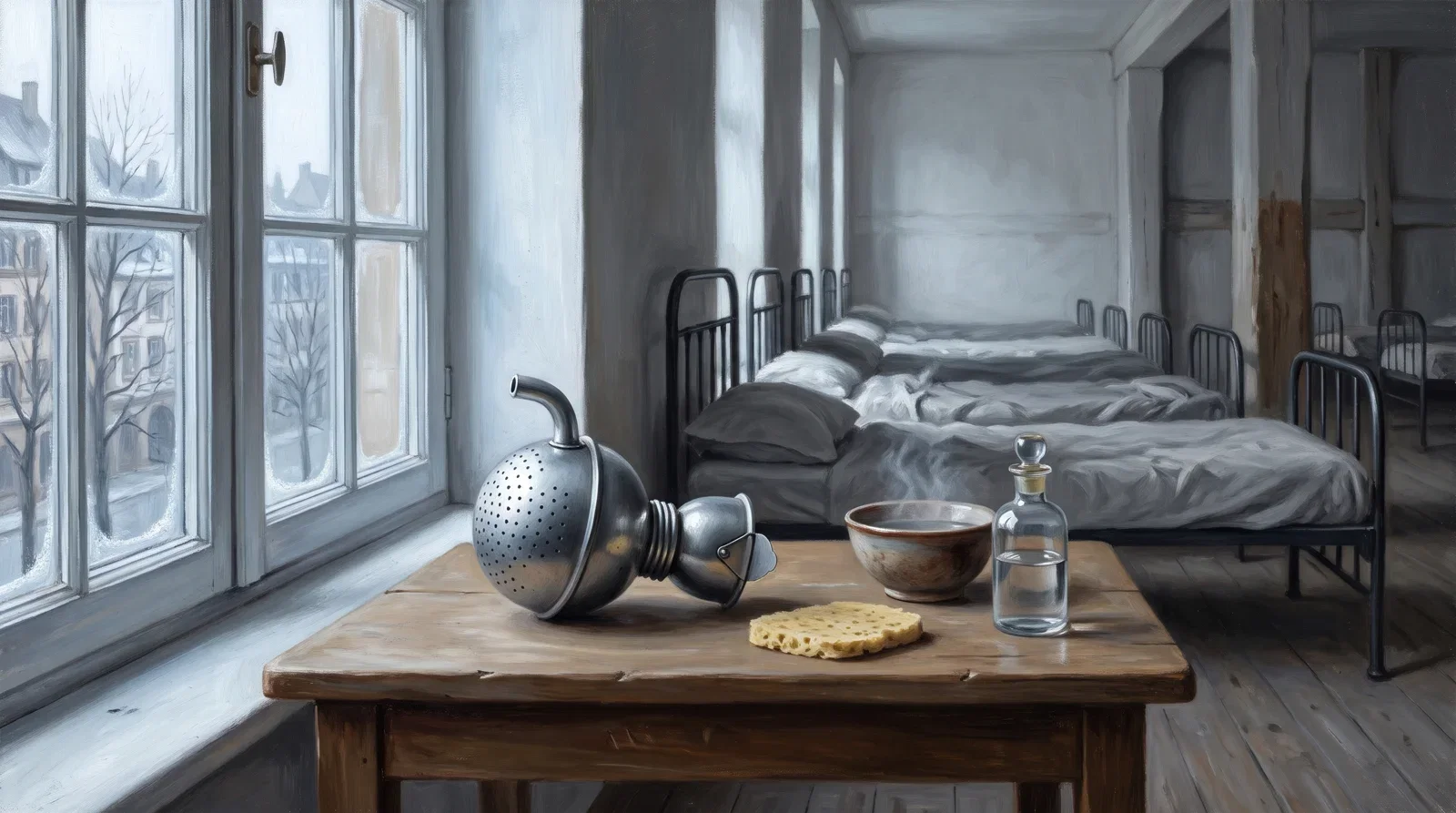
After trying other devices, Sédillot's Strasbourg clinic adopted a chloroform inhaler by the instrument maker Elser that covered both mouth and nose.
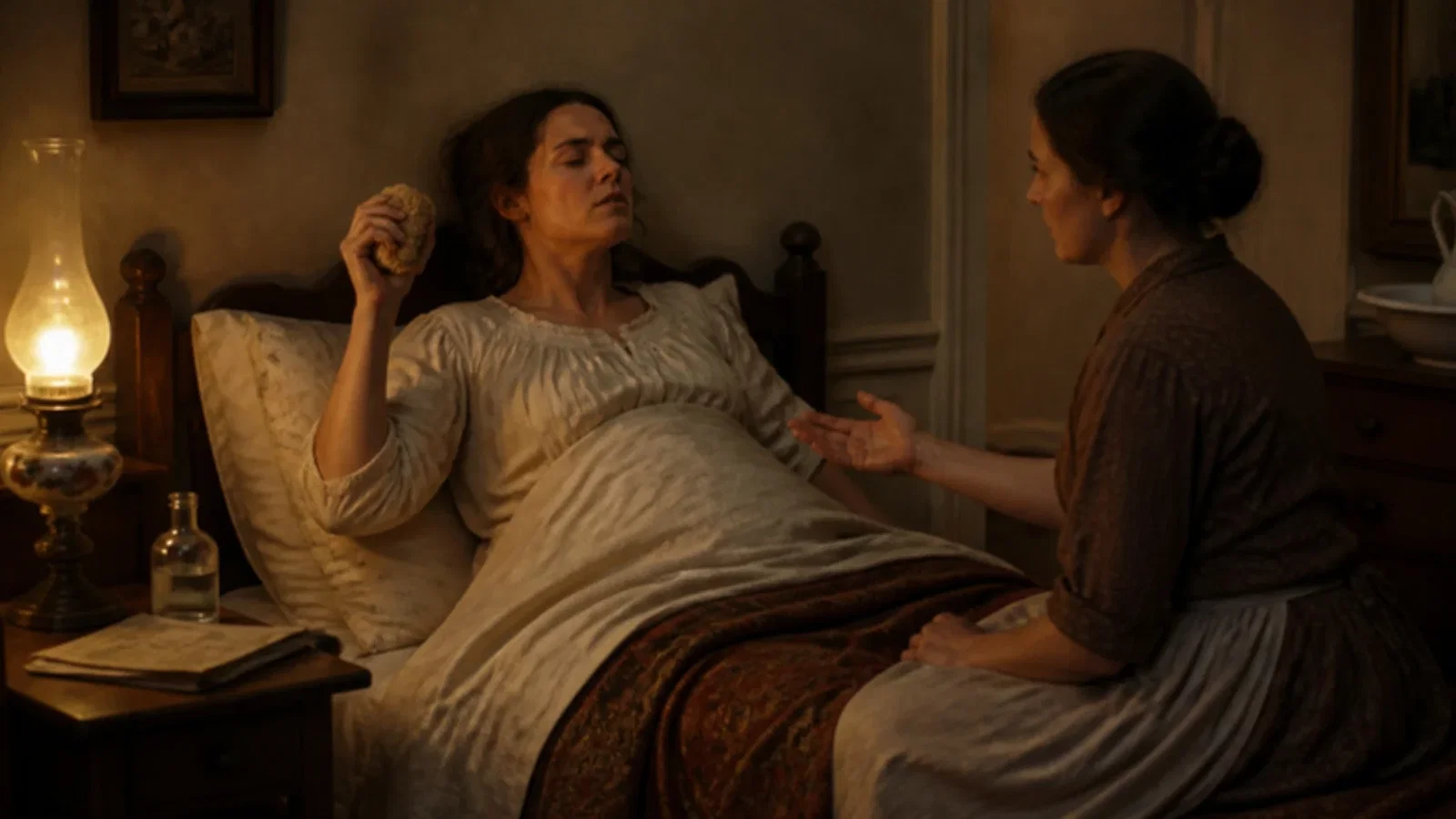
An 1847 Boston pamphlet under Morton's name advised letting the woman in labour hold the ether sponge, because the raised hand drops once enough ether has been inhaled.
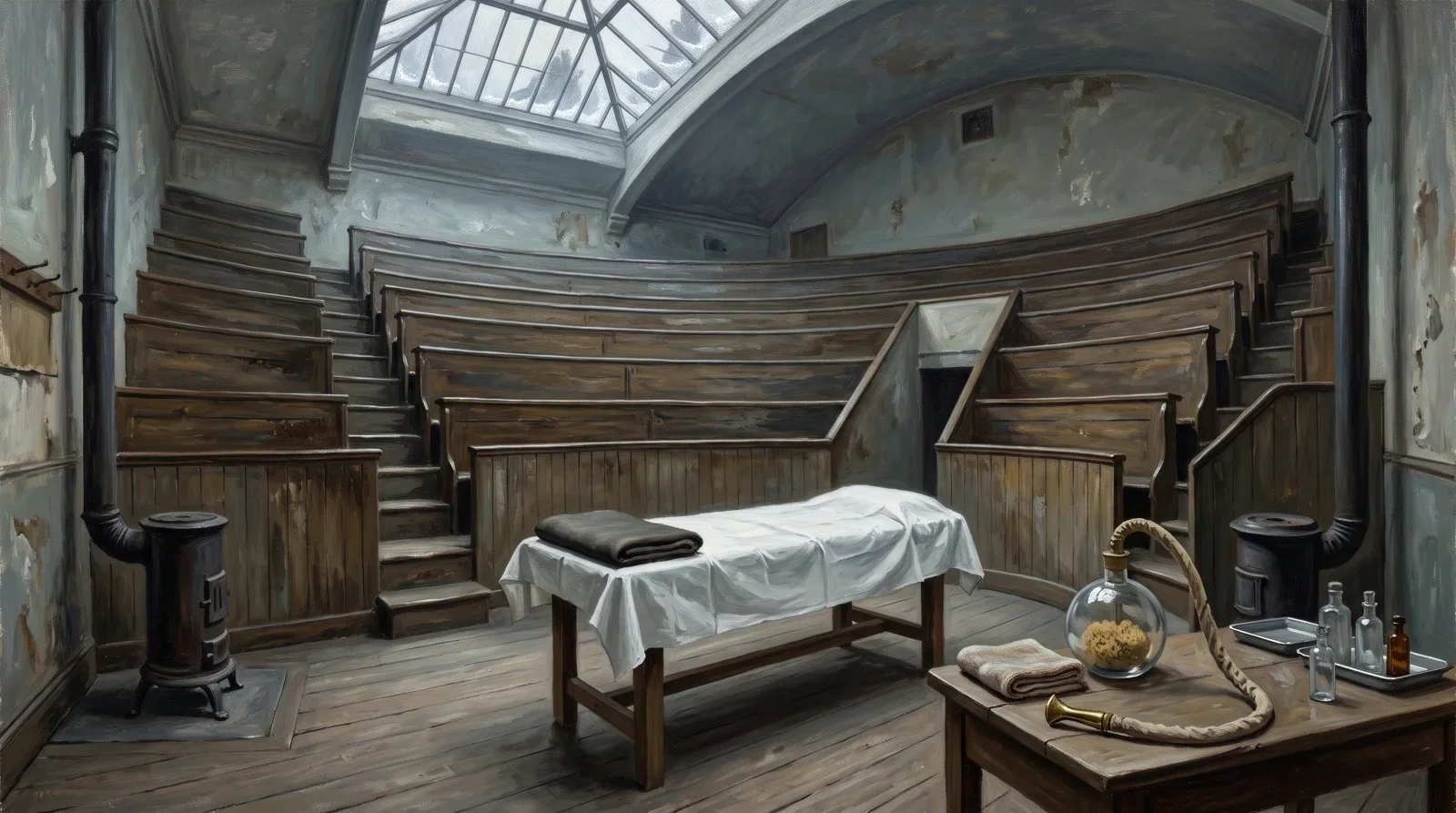
On 25 January 1847 Skey performed a caesarean section at St Bartholomew's while Tracy gave ether; the child lived, the mother died, and the ether never took full effect.
Topic guide updated October 30, 2026.