
Supporting life through crisis
Read the history of resuscitation, critical illness and organ support. Laboratory observations, clinical reports and organized systems of care each have their own evidentiary limits.
Reading Library · Explore the Connections
Explore this topic
Topics overlap. An essay may appear in more than one collection. Open an article for its sources, images and reading limits.
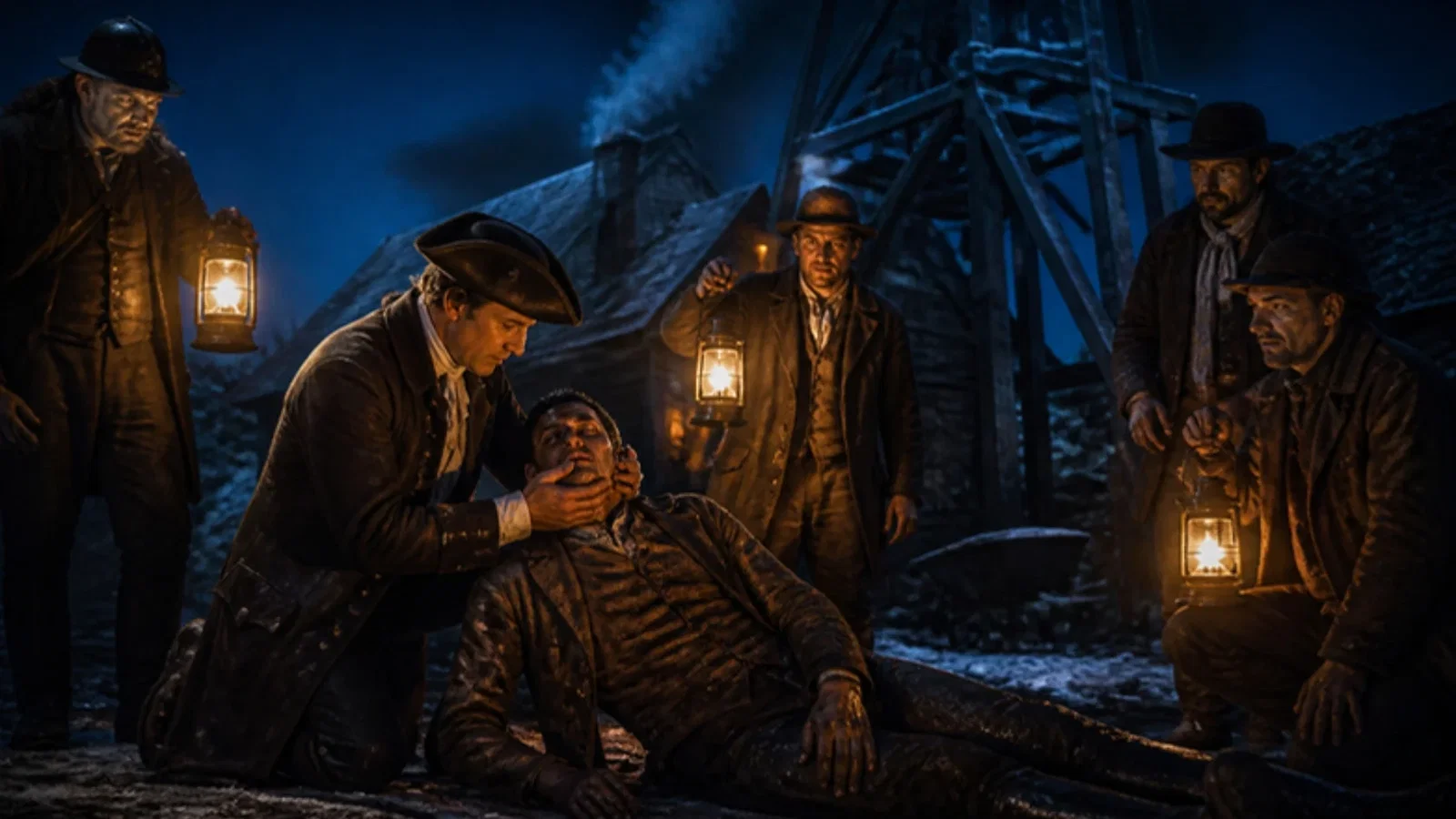
The Alloa surgeon Tossach blew into the mouth of a pulseless miner pulled from a burning pit, and the man recovered; rescue societies later adopted the method.
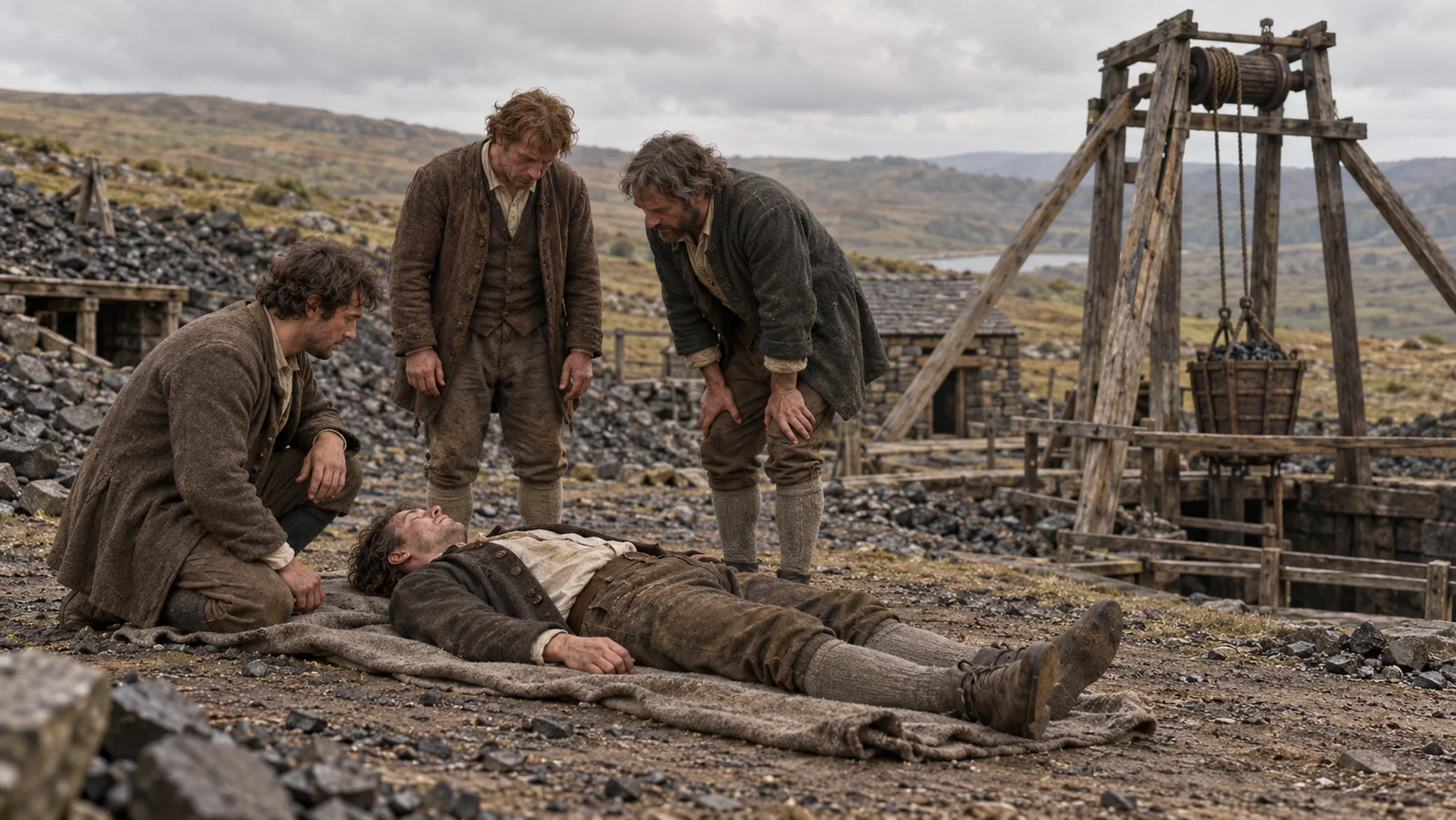
In a paper read at the Royal Society in February 1745, Fothergill summarized Tossach's rescue of a miner by blowing into his mouth and asked readers to try the method and report the results.

In his 1788 essay on recovering the apparently drowned, Charles Kite described electrical shocks that made a drowned man's muscles contract for two hours without bringing him back, and proposed electricity as a test of whether life remained.
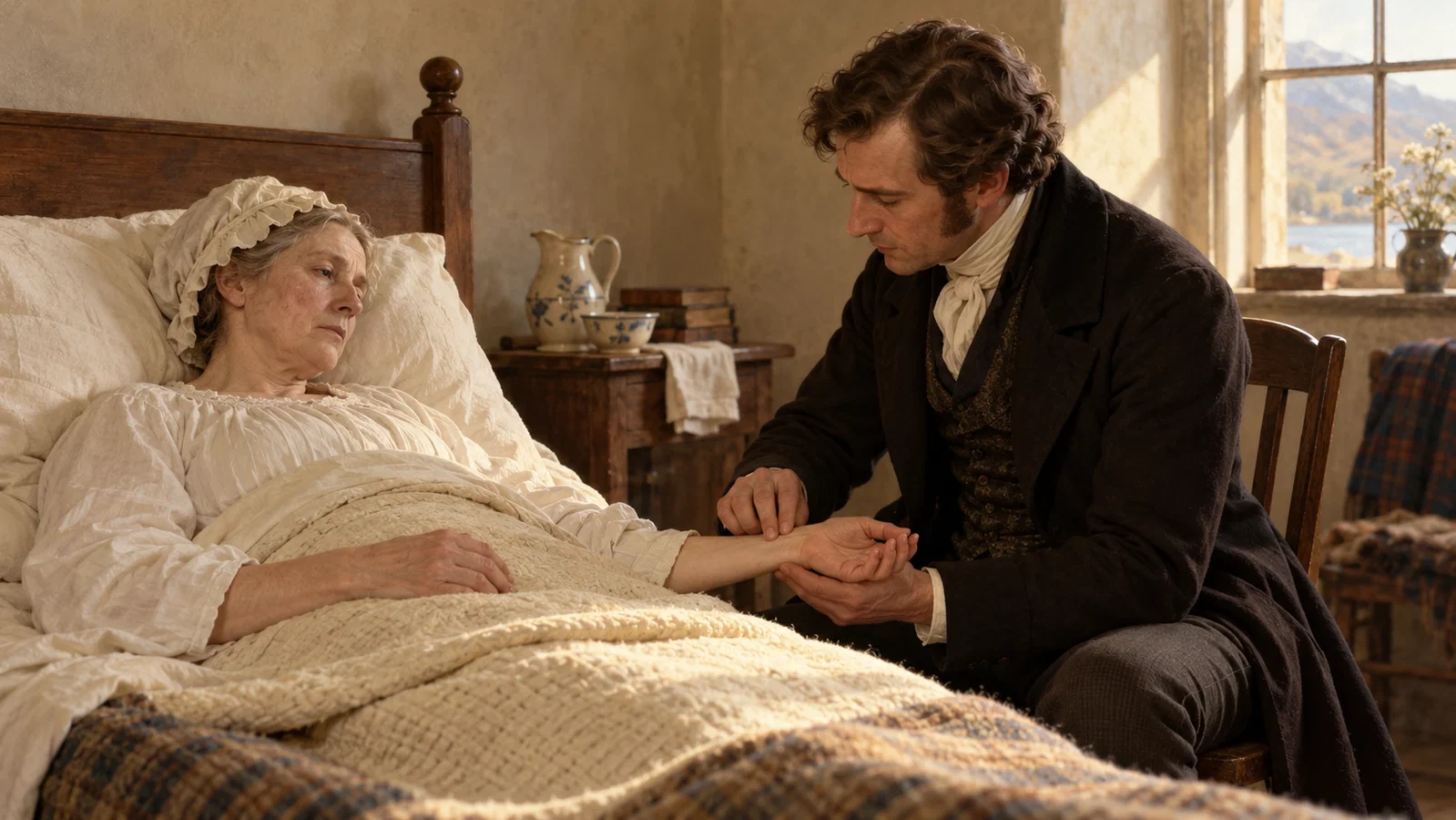
In May 1832 Latta reported that saline injected into a vein brought back a dying cholera patient's pulse, but she relapsed and died hours later.

Marshall Hall argued that lying supine lets the tongue and epiglottis close the glottis, so a drowned patient should be laid prone and then rolled to the side.
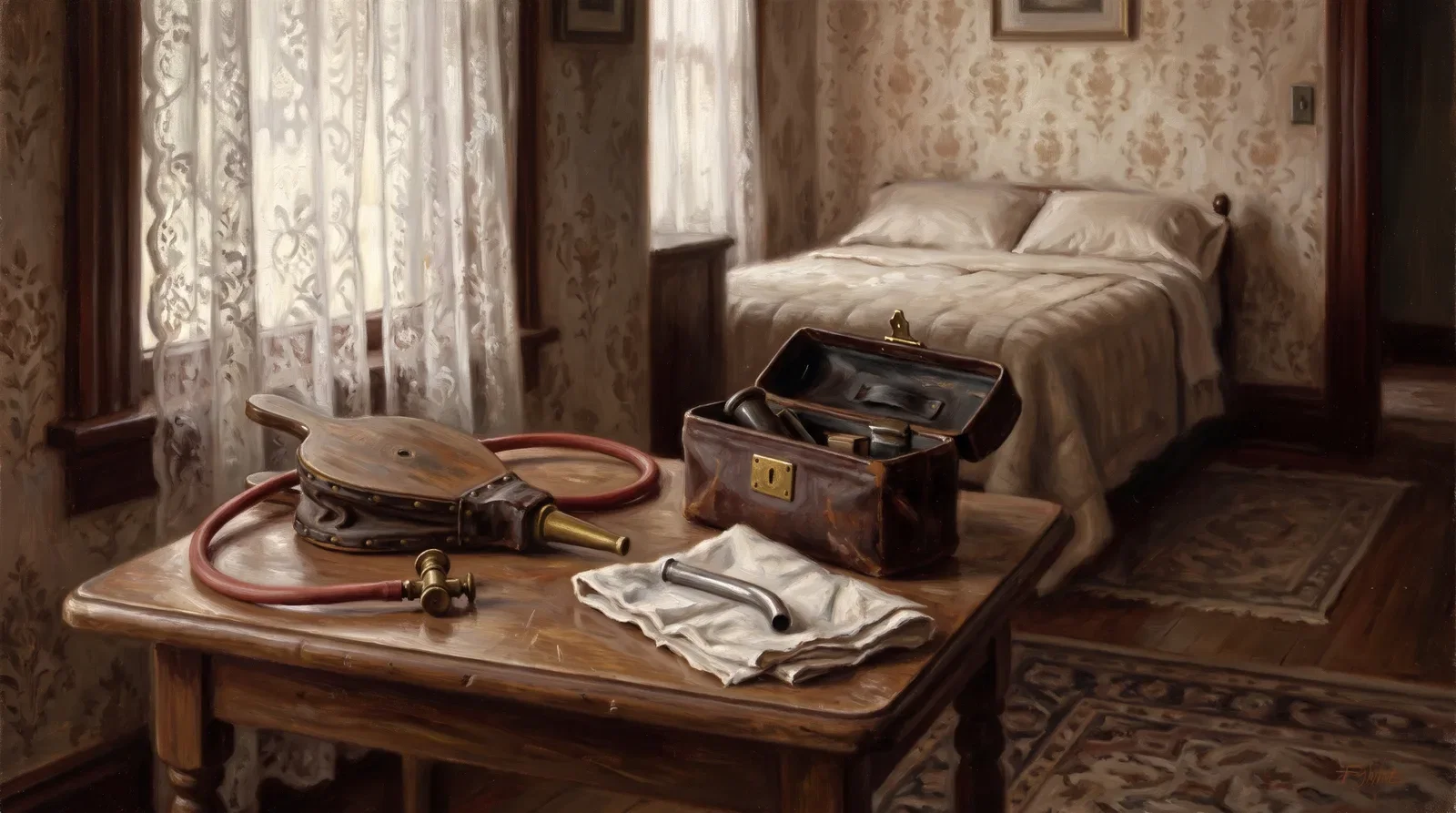
Fell opened the trachea of a patient breathing less than once a minute and, with a laboratory bellows, forced air in and out for two and a half hours.

Wynter’s 1891 report describes four children whose spinal fluid was drained to relieve pressure; some improved briefly, and all four died.
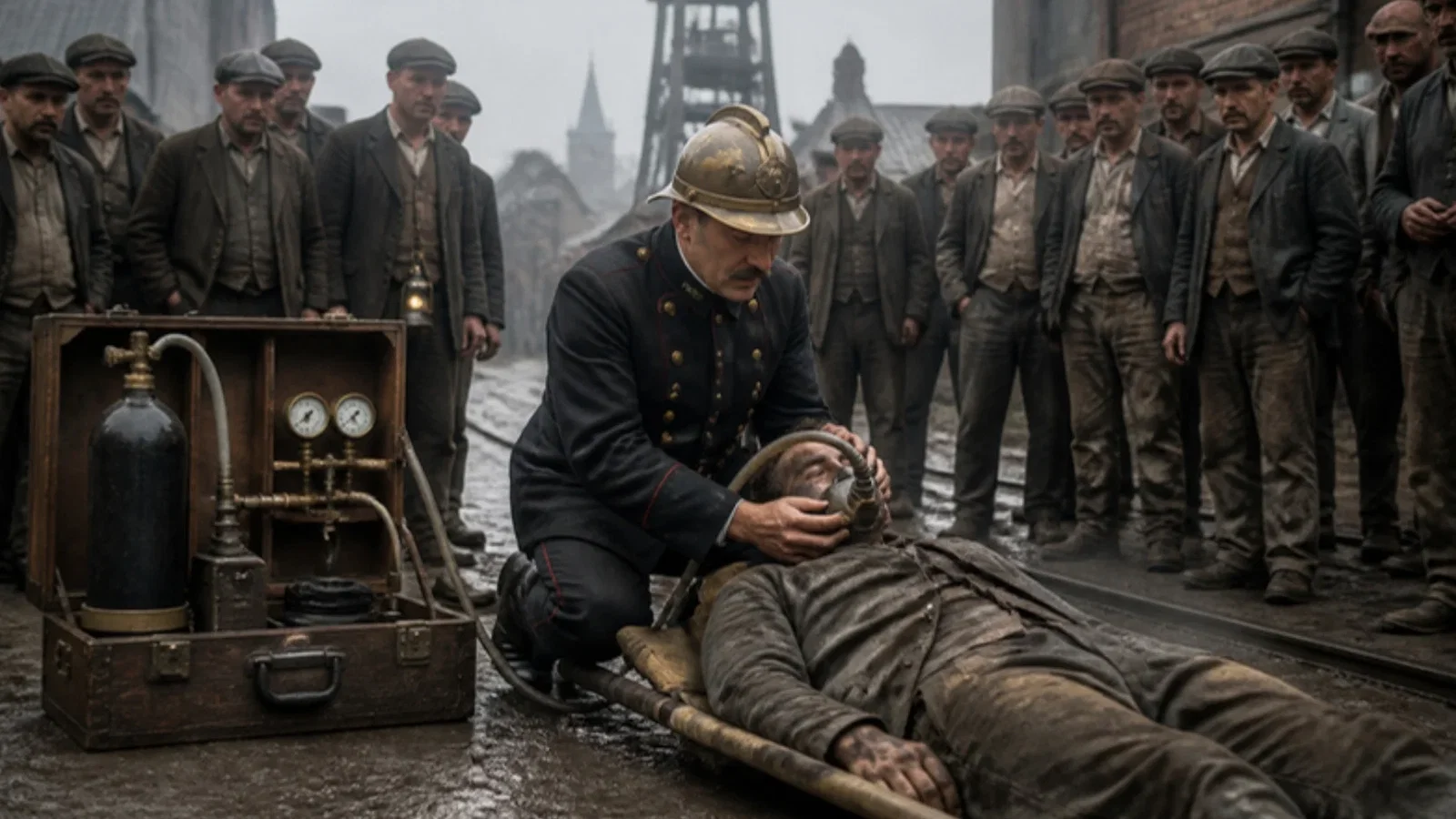
An oxygen cylinder drove the Pulmotor to blow oxygen-rich air into the lungs through a face mask, then reversed automatically to draw it out.
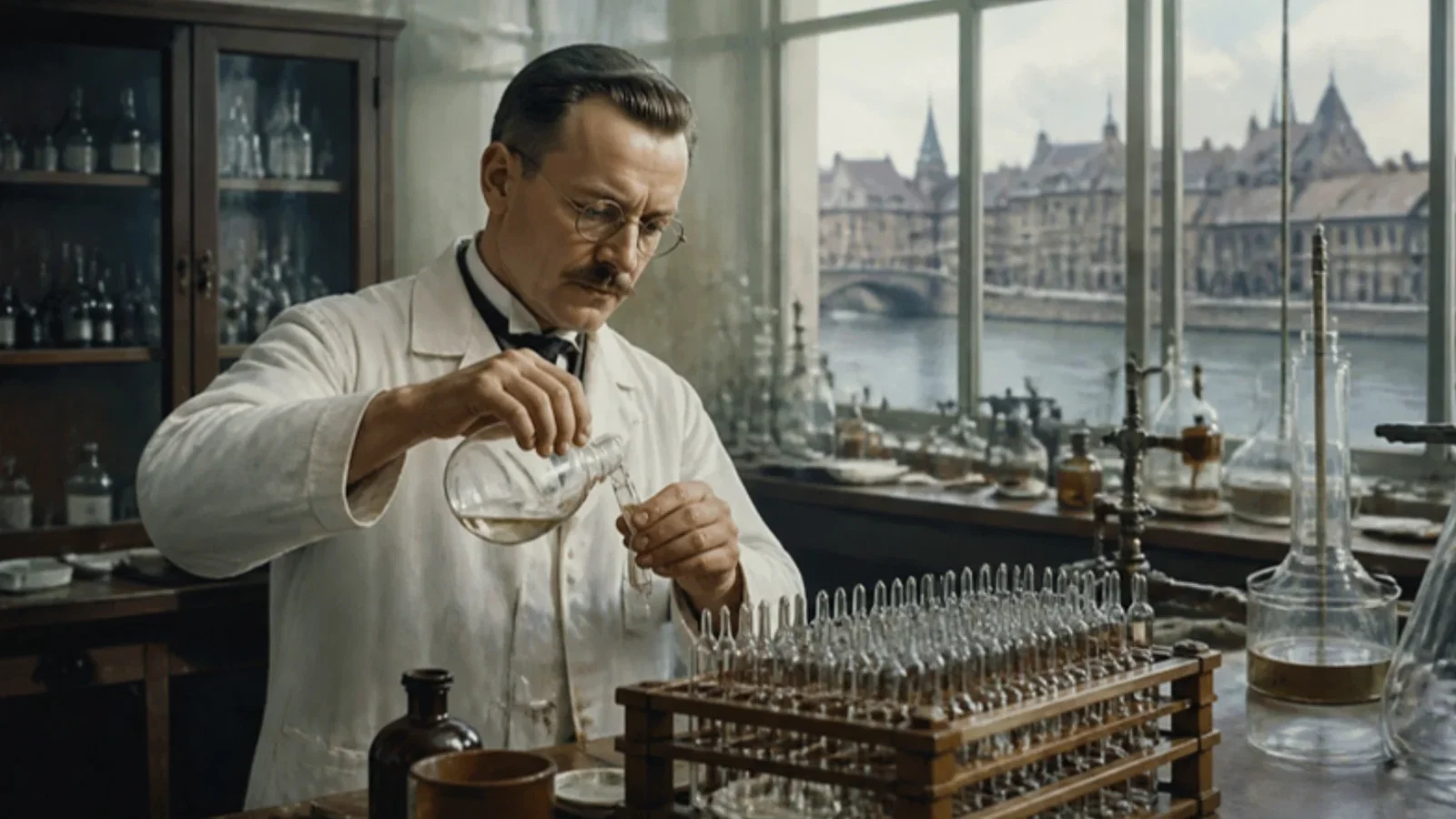
Uhlmann of Basel described nikethamide, an injectable substitute for camphor that made rabbits breathe faster and deeper and reversed morphine's respiratory depression.

John Haven Emerson built a quieter, cheaper iron lung driven by a leather diaphragm, and was sued by the makers of the Drinker respirator.
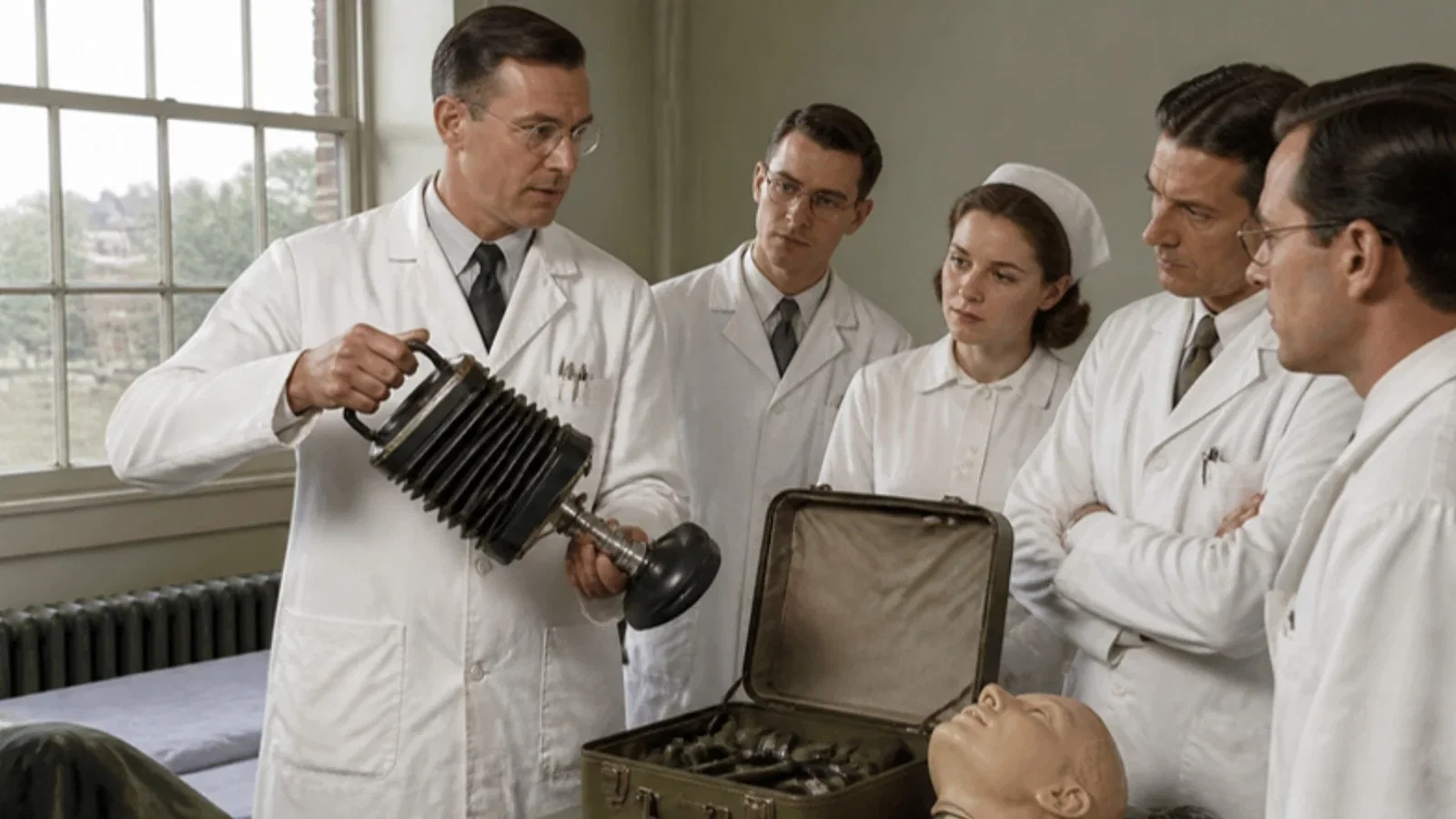
The AMA Council accepted Kreiselman's bellows resuscitator for use by physicians in hospitals, but not by police and fire squads.
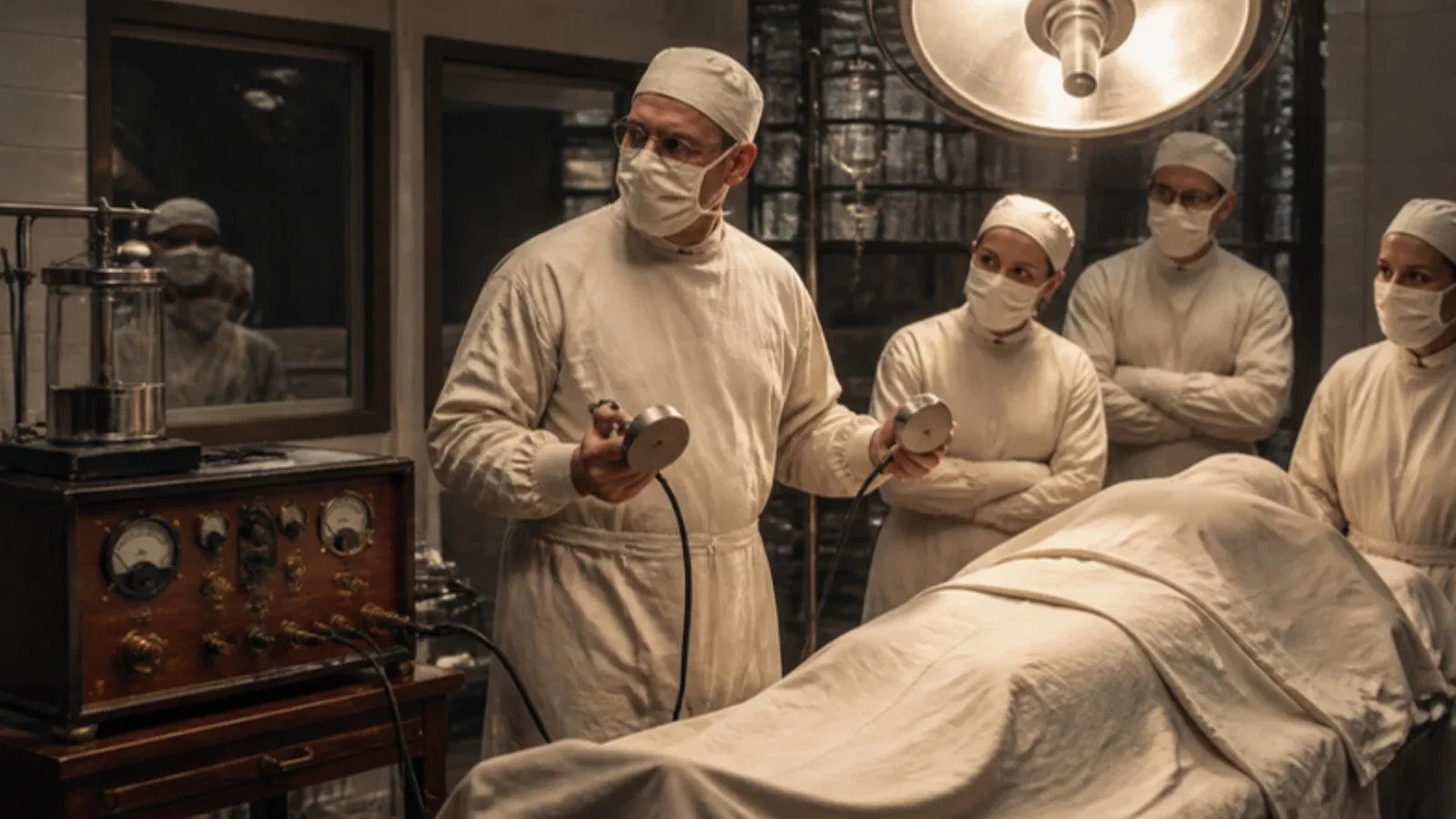
Beck and colleagues reported a boy who fibrillated during chest surgery and recovered after 35 minutes of open-chest massage, procaine and an electric shock.
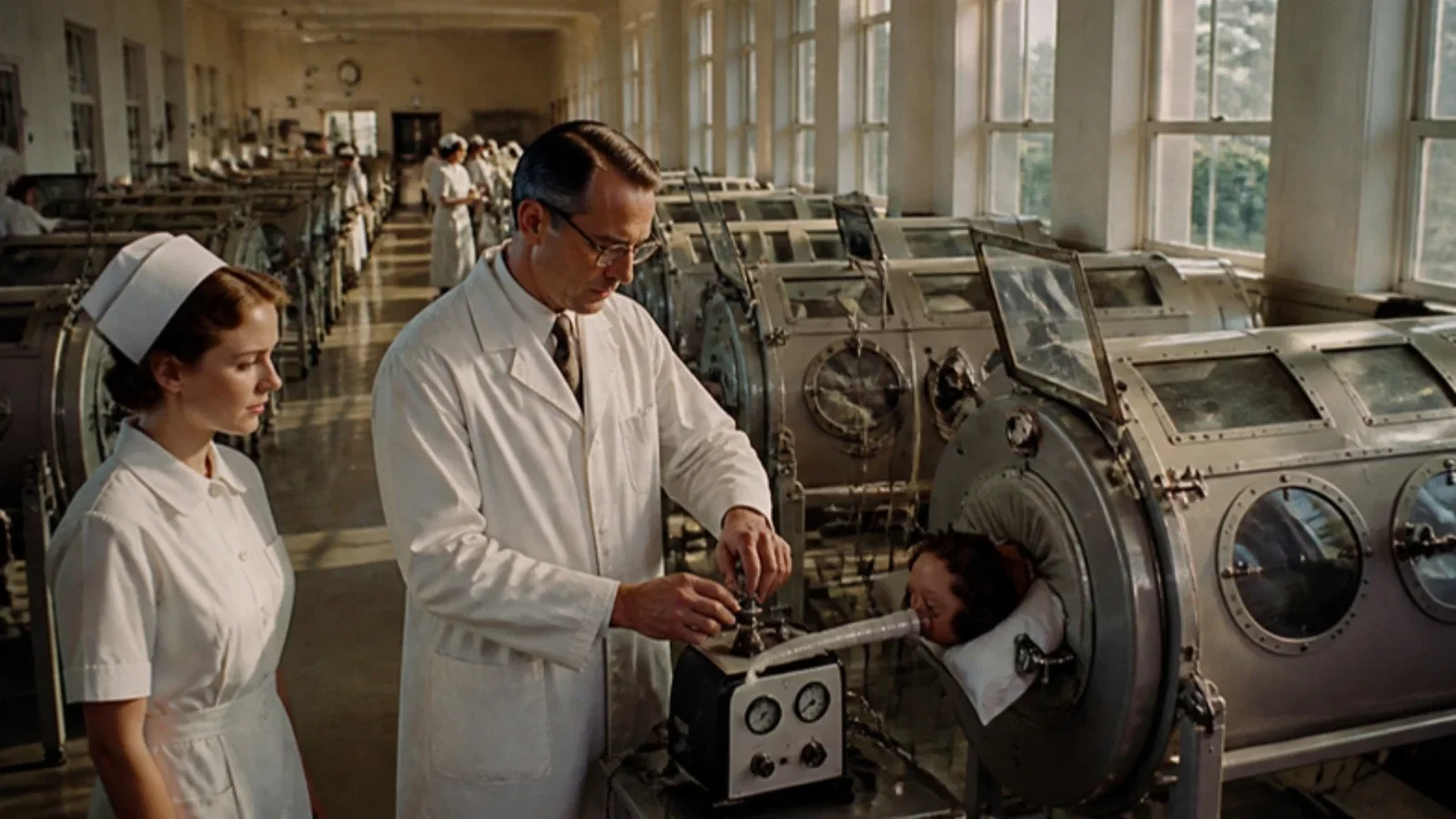
At the Los Angeles County General Hospital, polio patients in iron lungs received added positive pressure through the tracheotomy during inspiration.
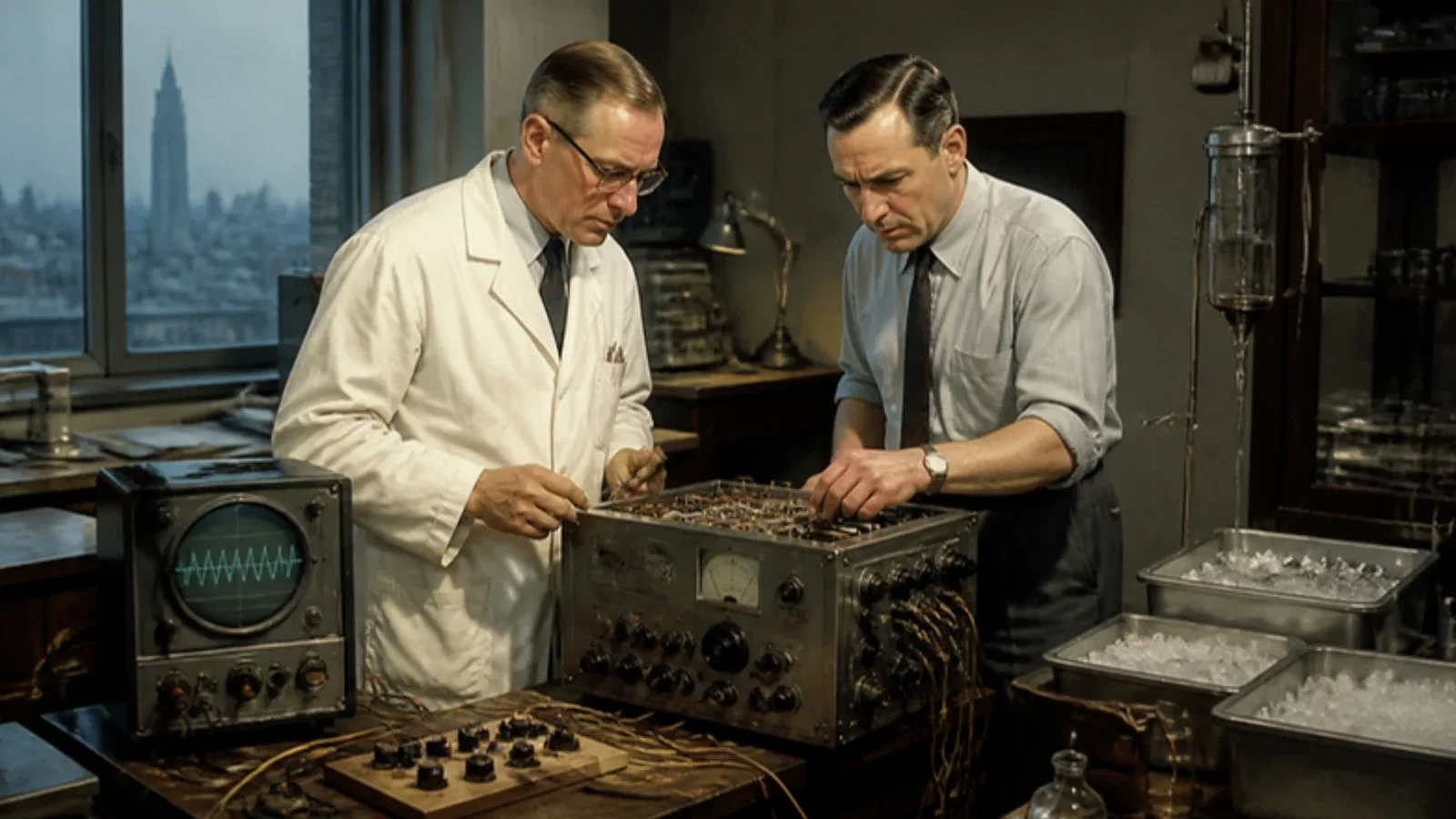
Bigelow, Callaghan and the engineer Hopps paced the S-A node region and restarted four arrested, cooled dog hearts
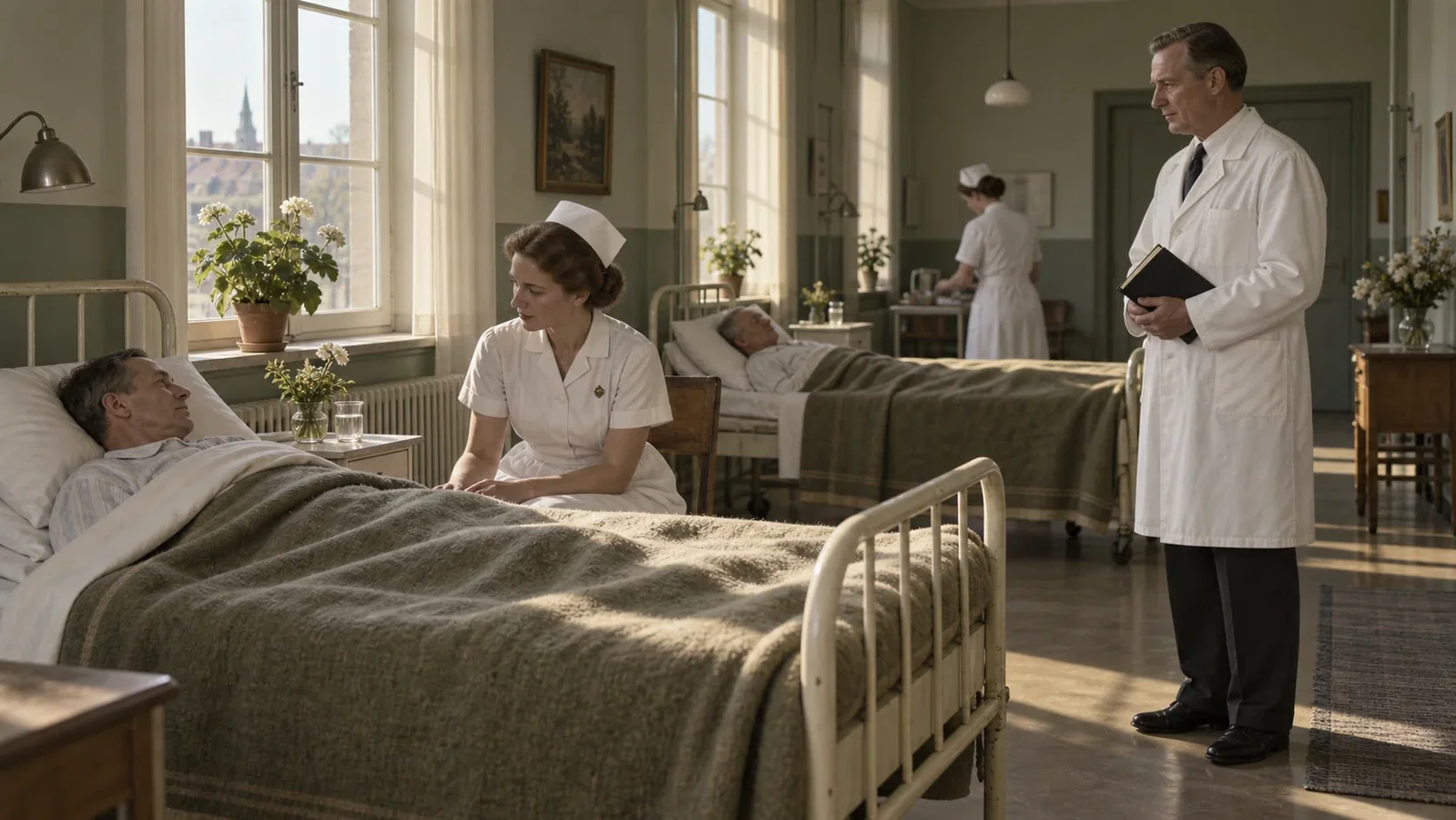
Bedside ventilation sustained by observation, staffing and shared care
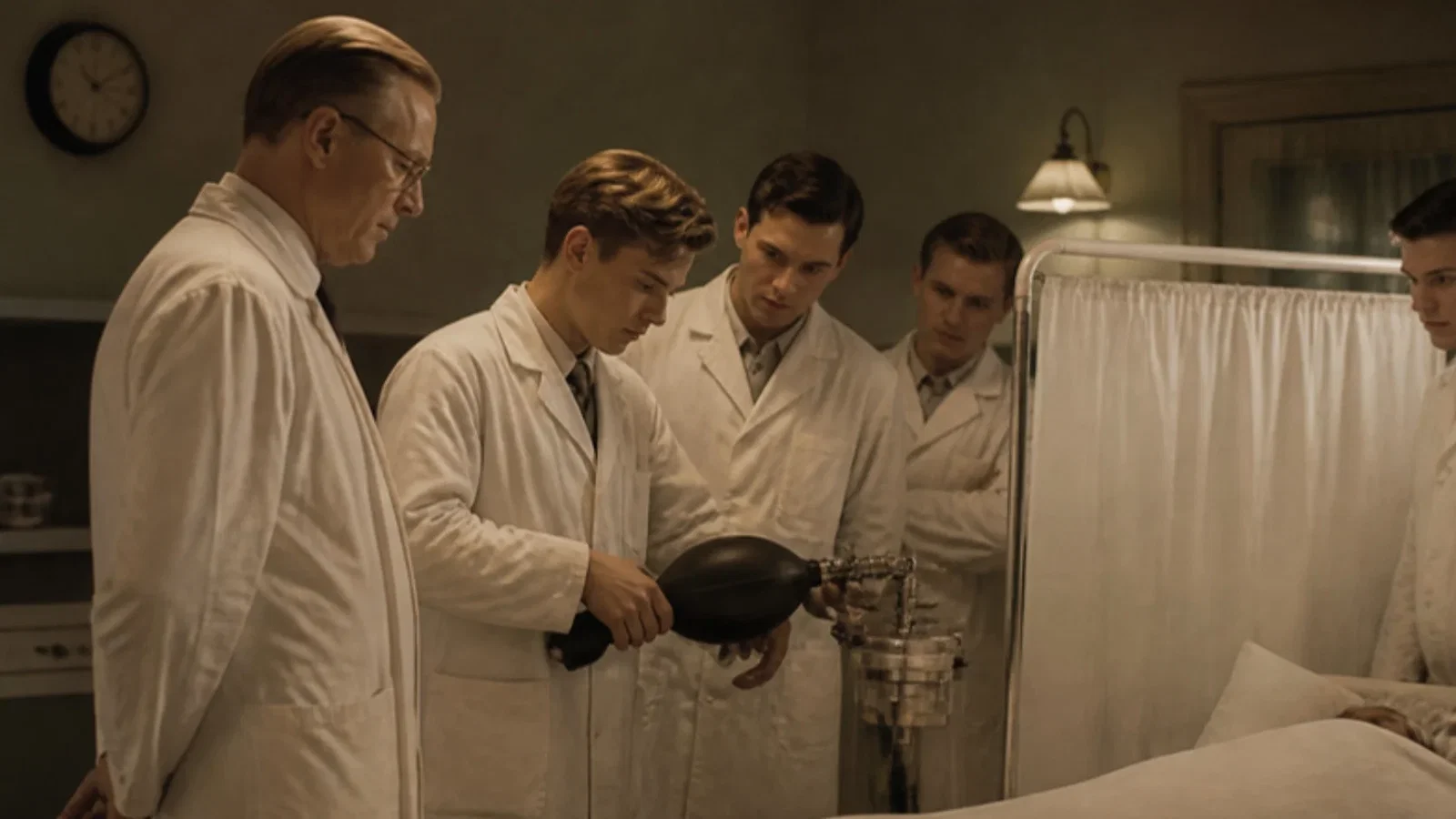
After the 1952 polio epidemic, Copenhagen's Blegdam Hospital fully curarised a boy with severe tetanus and ventilated the boy by hand through a tracheotomy.
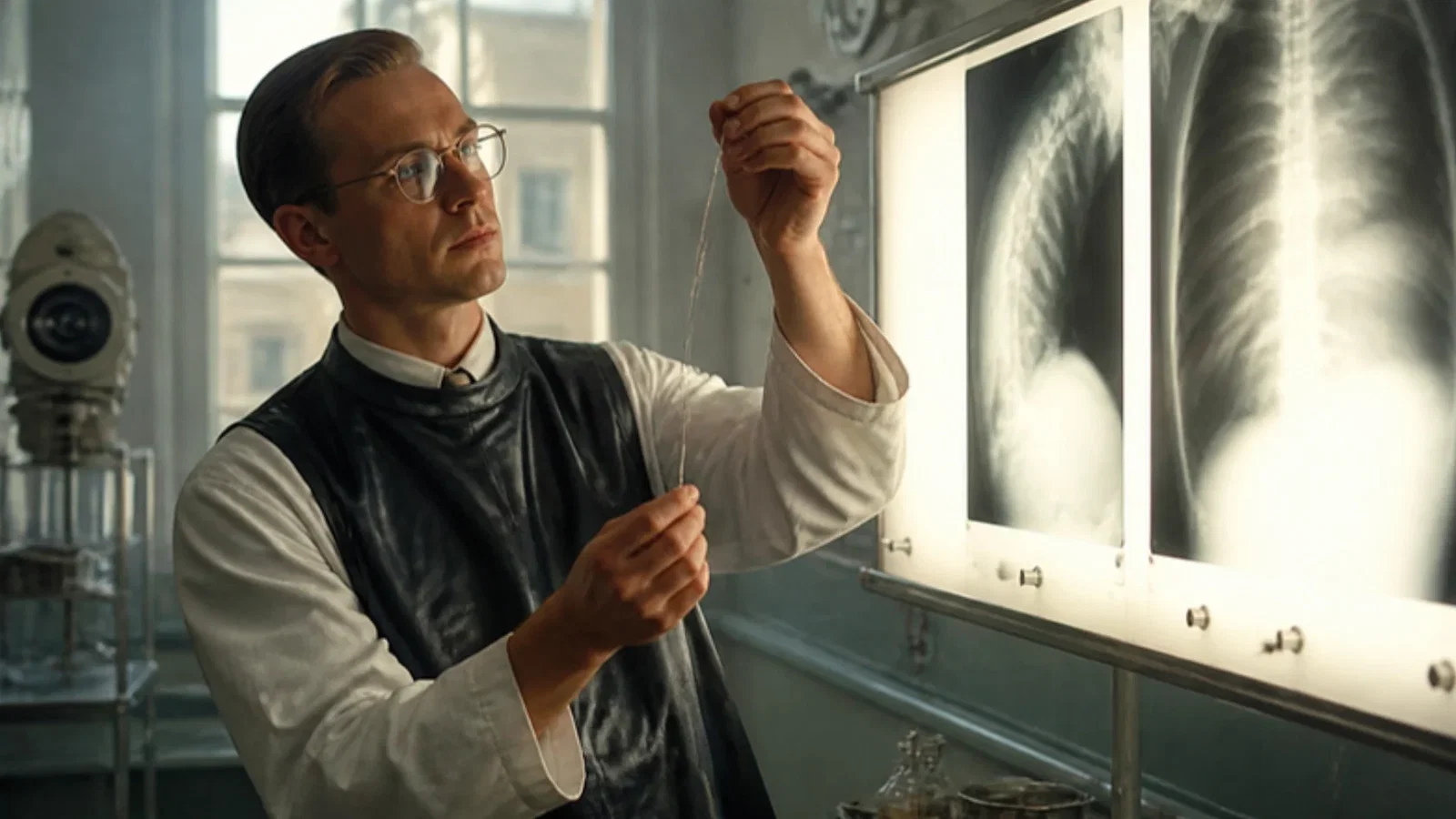
Seldinger used a puncture needle, a flexible metal leader and a polyethylene catheter as wide as the needle for 40 arterial catheterizations.
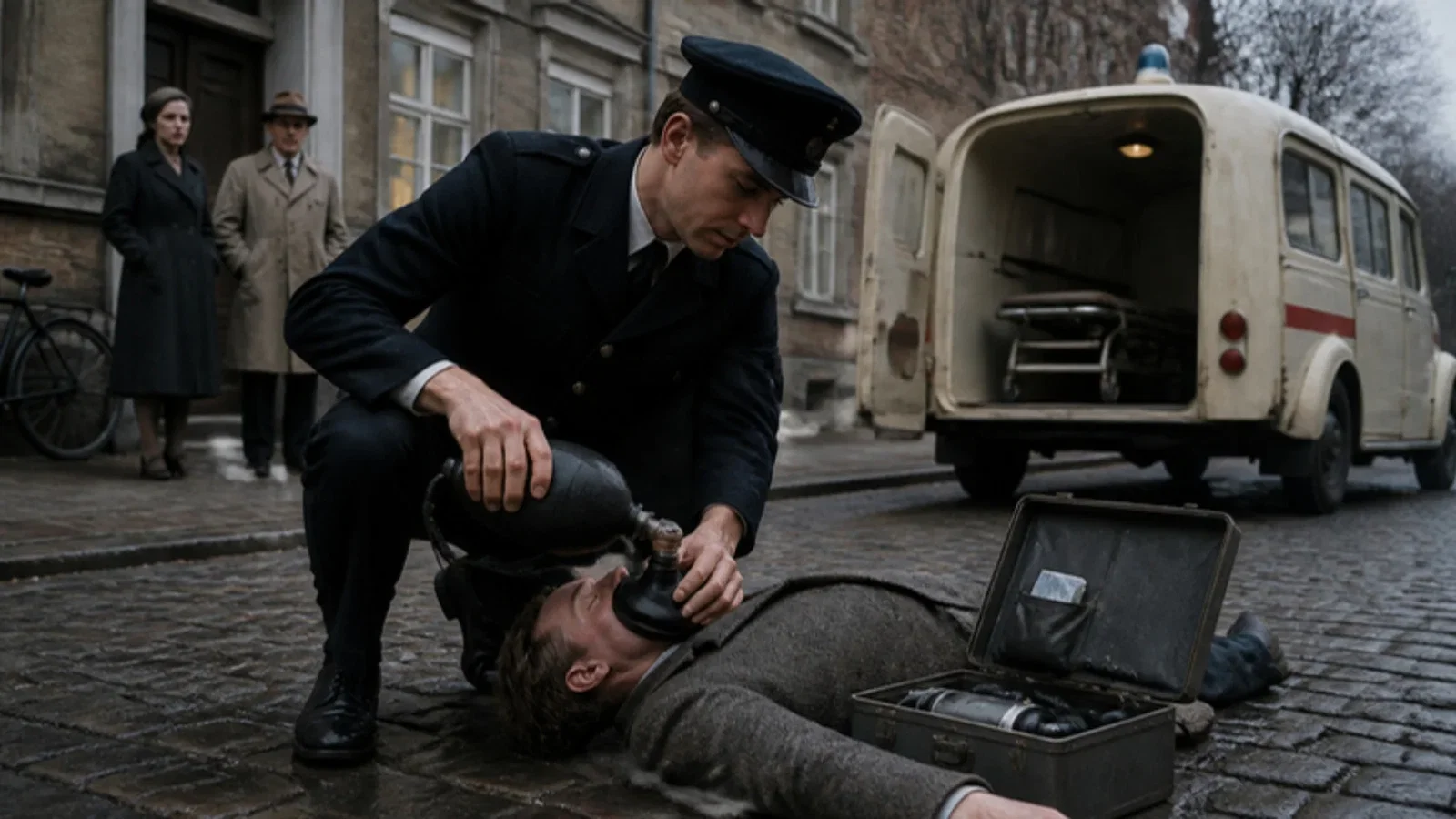
The ASA timeline credits Ruben with a 1954 bag that re-expanded by itself on sprung bicycle spokes, marketed from 1957 as the Ambu resuscitator.
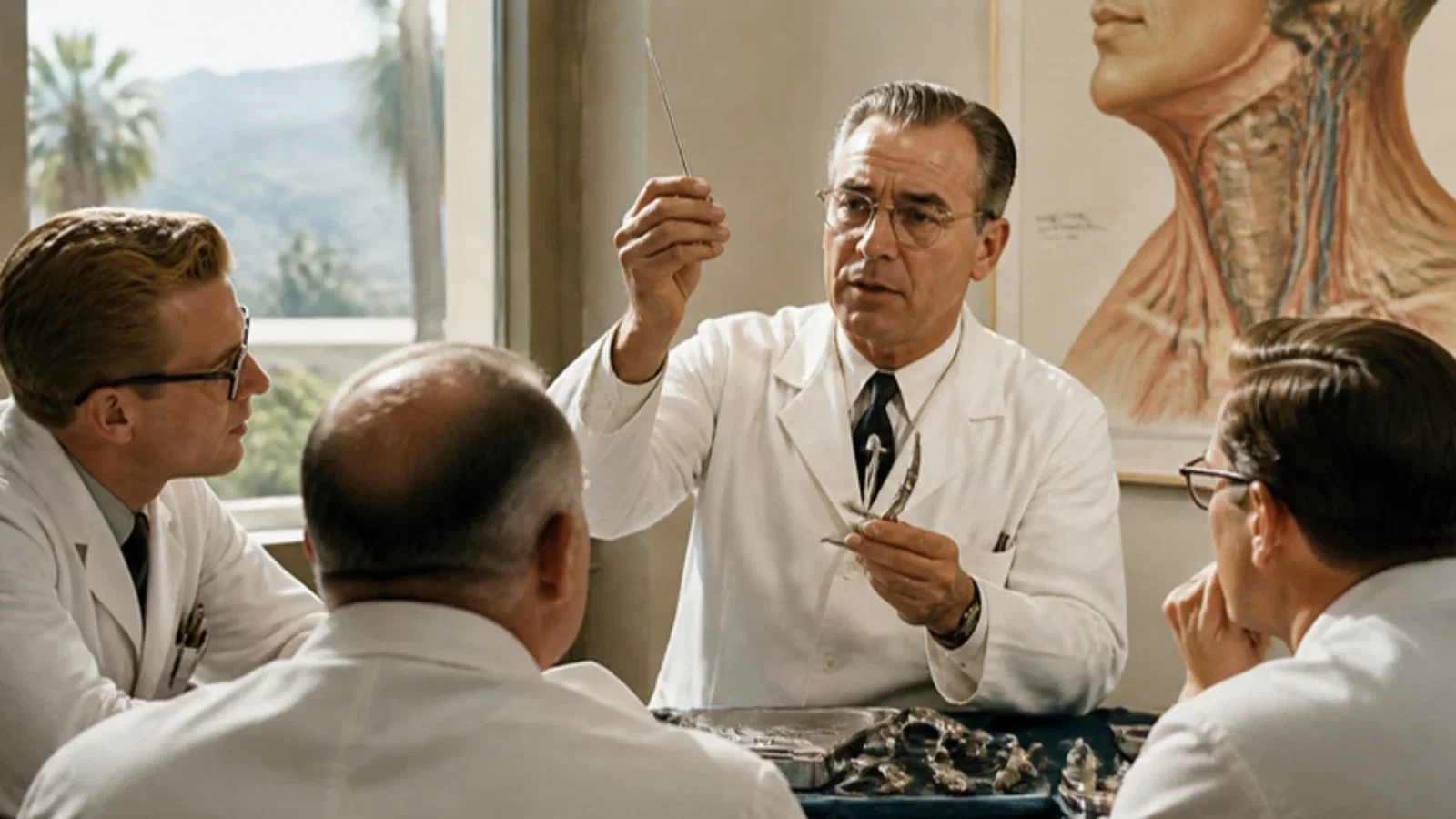
Shelden and colleagues in Pasadena guided a cutting blade and tube along a slotted needle passed into the trachea.
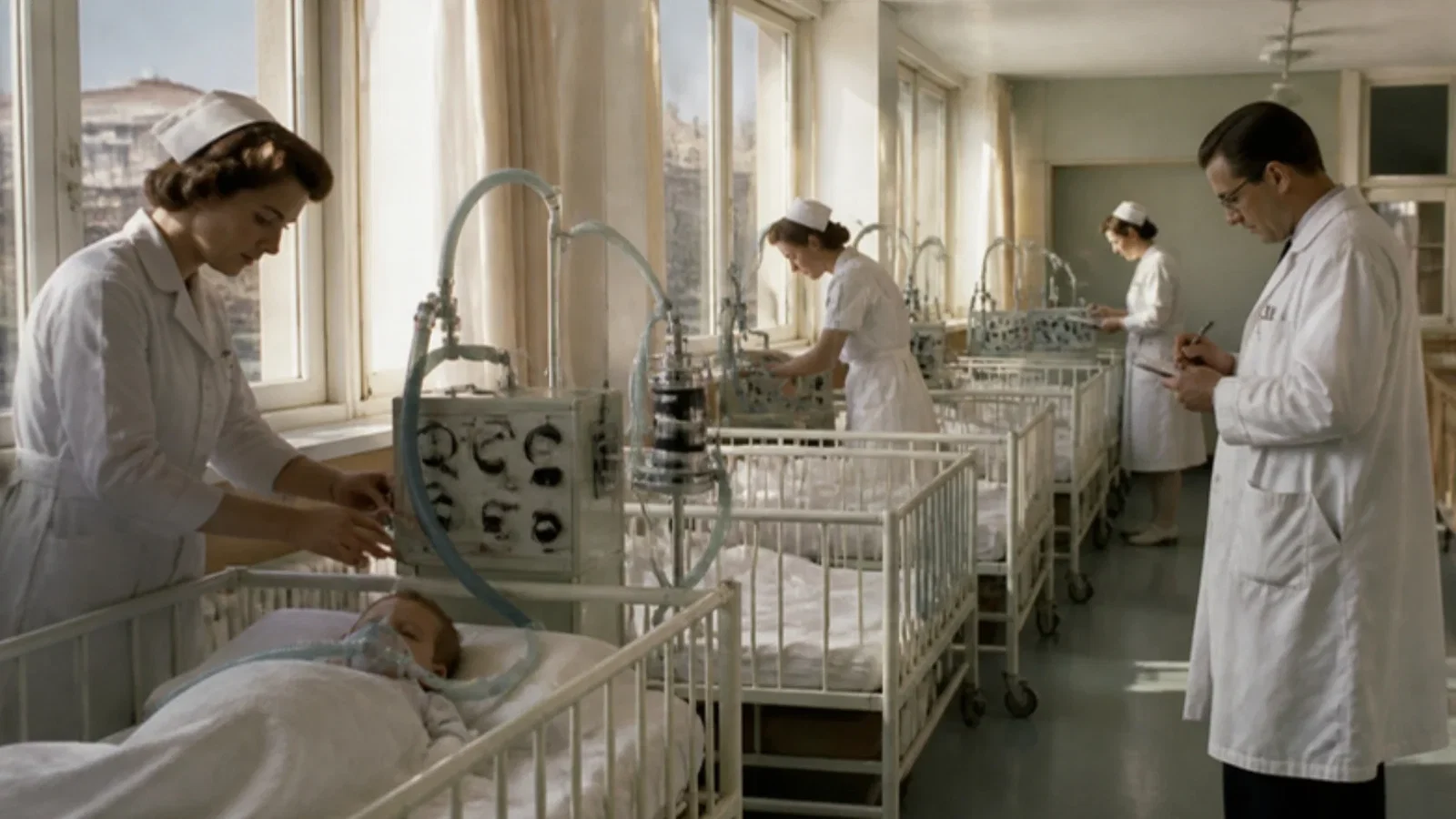
Two open-access reviews date the first paediatric intensive care unit to the Children's Hospital of Göteborg in 1955, where skills learned on polio wards were turned to ventilating newborns and treating severe pneumonia and sepsis in children
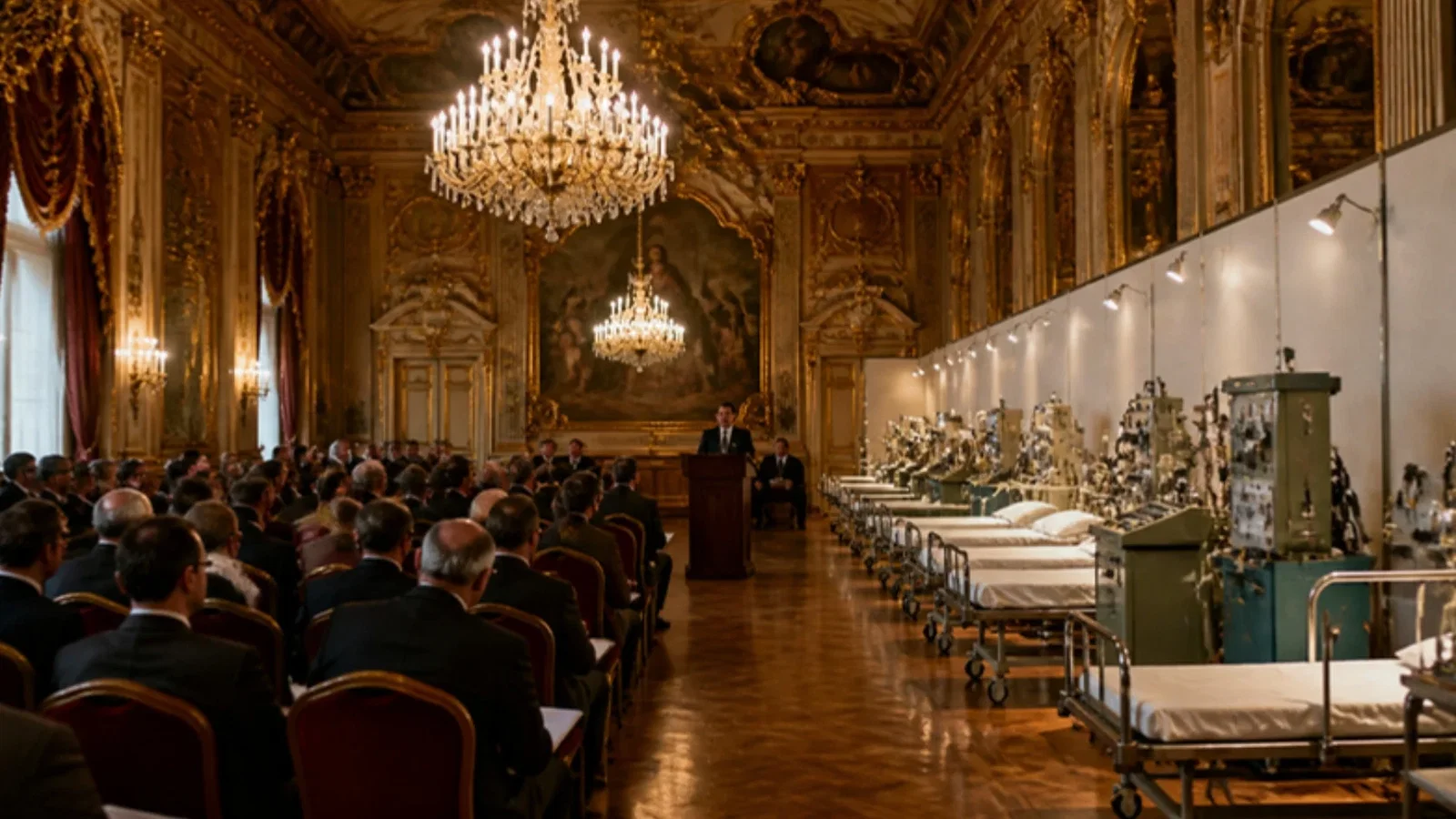
The Austrian Society held a European congress in the former Imperial Palace, with recovery stations and special care units at the top of its agenda.
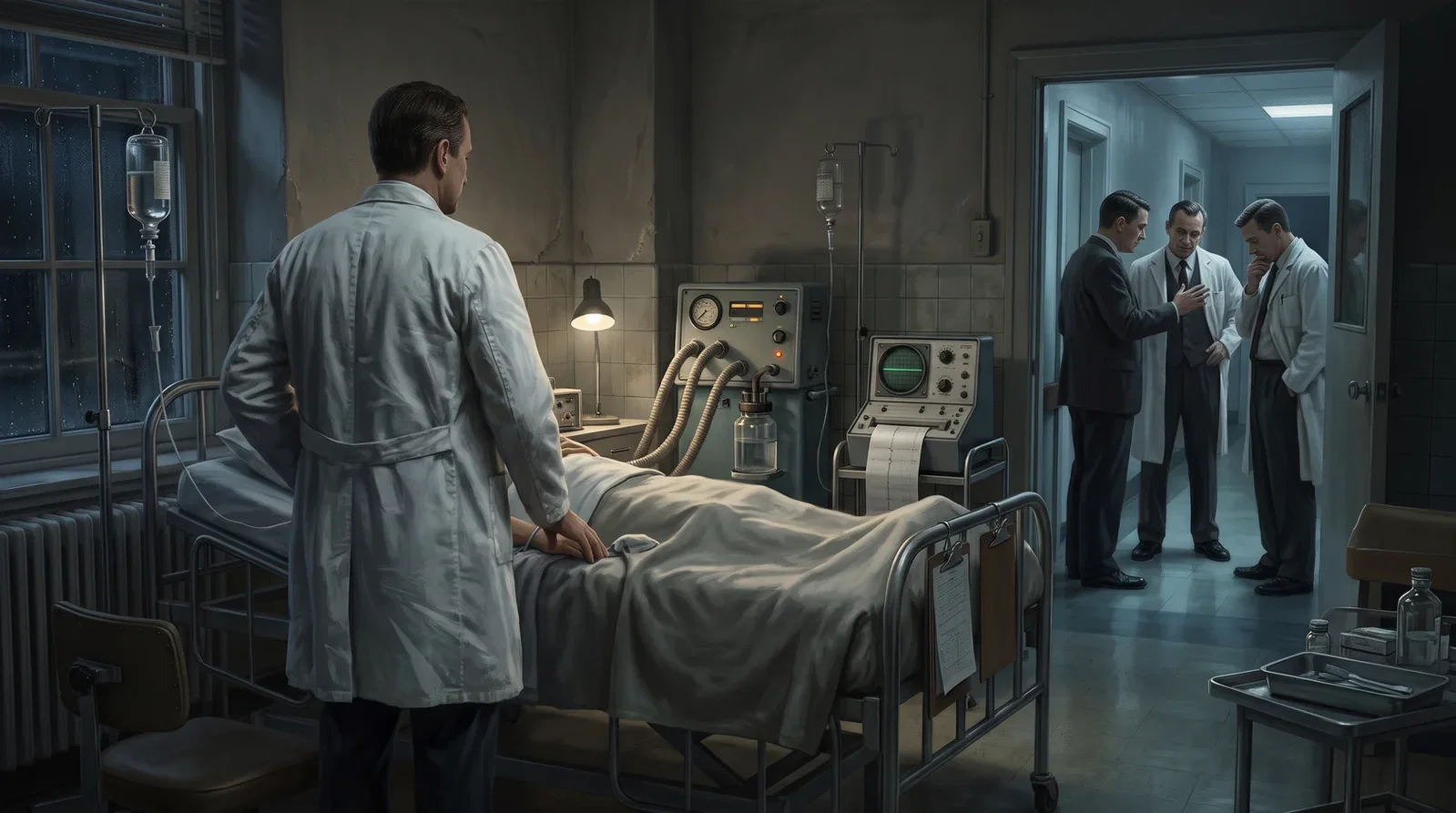
Beecher's 1966 paper listed 22 questionable studies; in 1968 the Harvard committee Beecher chaired proposed irreversible coma as a new criterion for death.
A contemporary review records the clinical framework of a diagnostic monograph
The case tables, PEEP observations and limits of an influential report

As British intensive care units multiplied, Gilston circulated colleagues and drafted a small, multidisciplinary Intensive Care Society.
A flow-directed catheter, seventy patients and limits within the first report
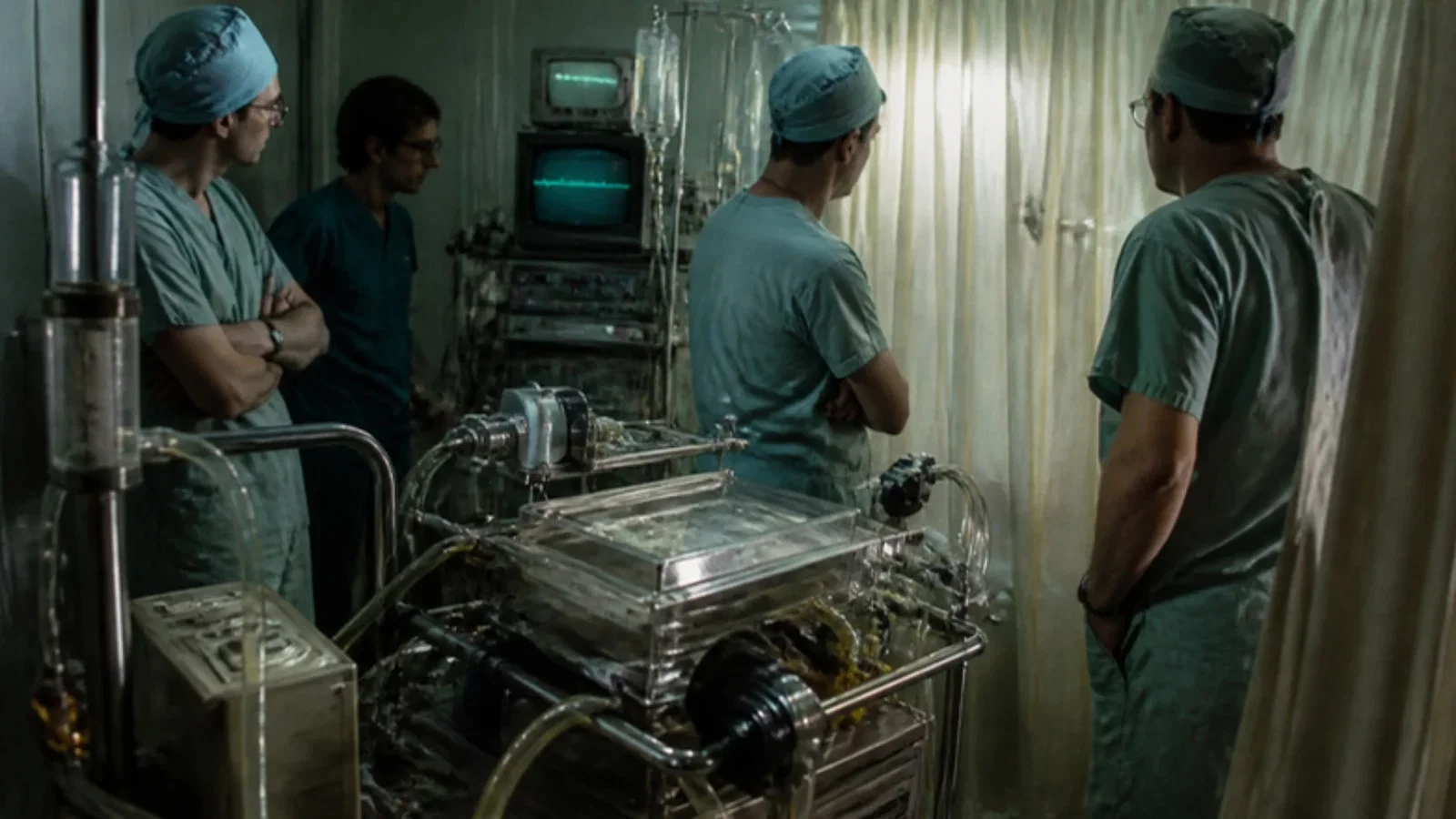
Membrane lungs allowed days-long extracorporeal oxygenation; a trauma patient survived in Santa Barbara, but a 1979 adult trial found no survival benefit.
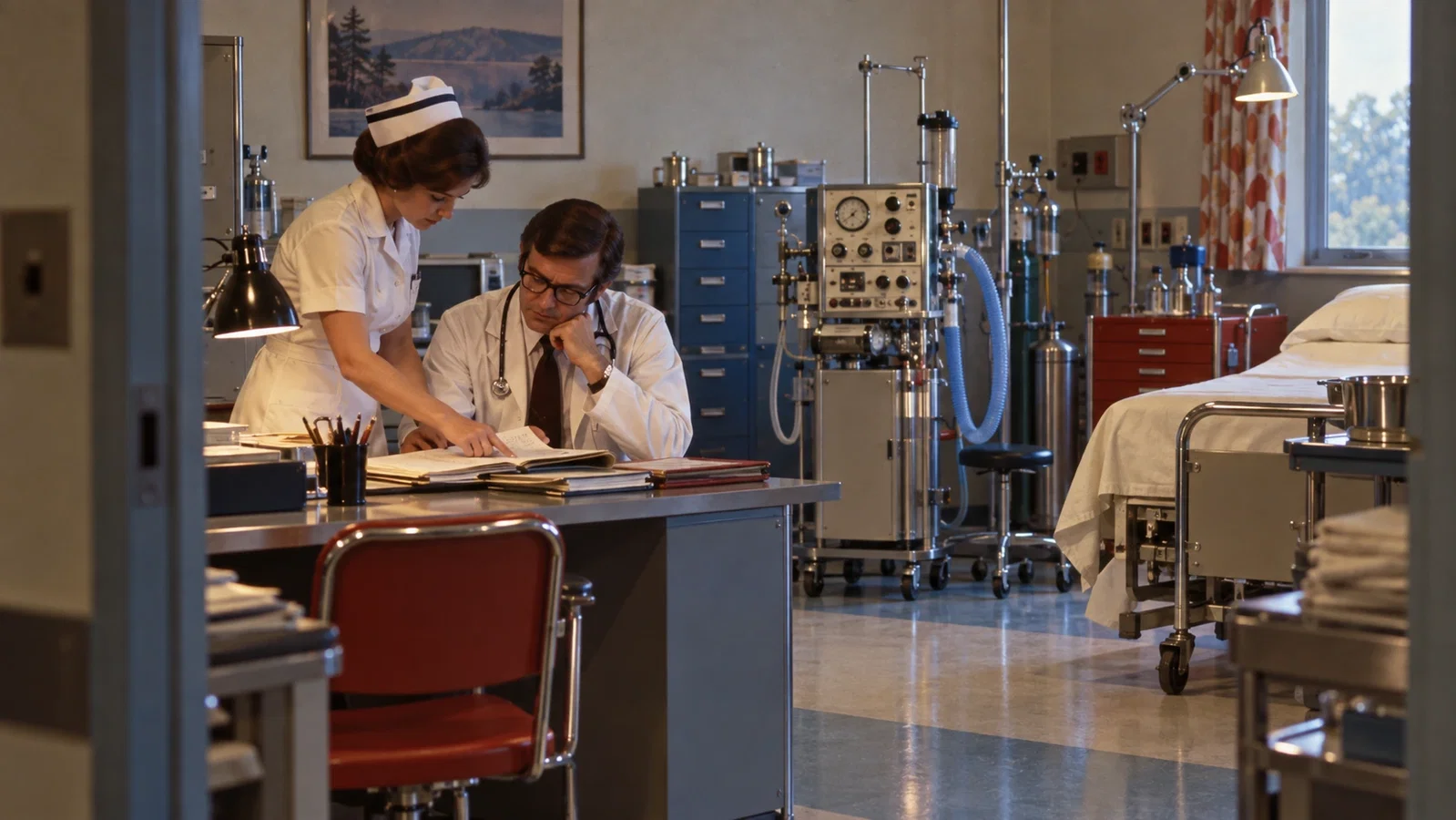
In 1972 Pontoppidan, Geffin and Lowenstein opened a three-part NEJM review of adult respiratory failure by discussing the organisation of care alongside lung physiology and circulatory measurement; only the first part was read for this article.
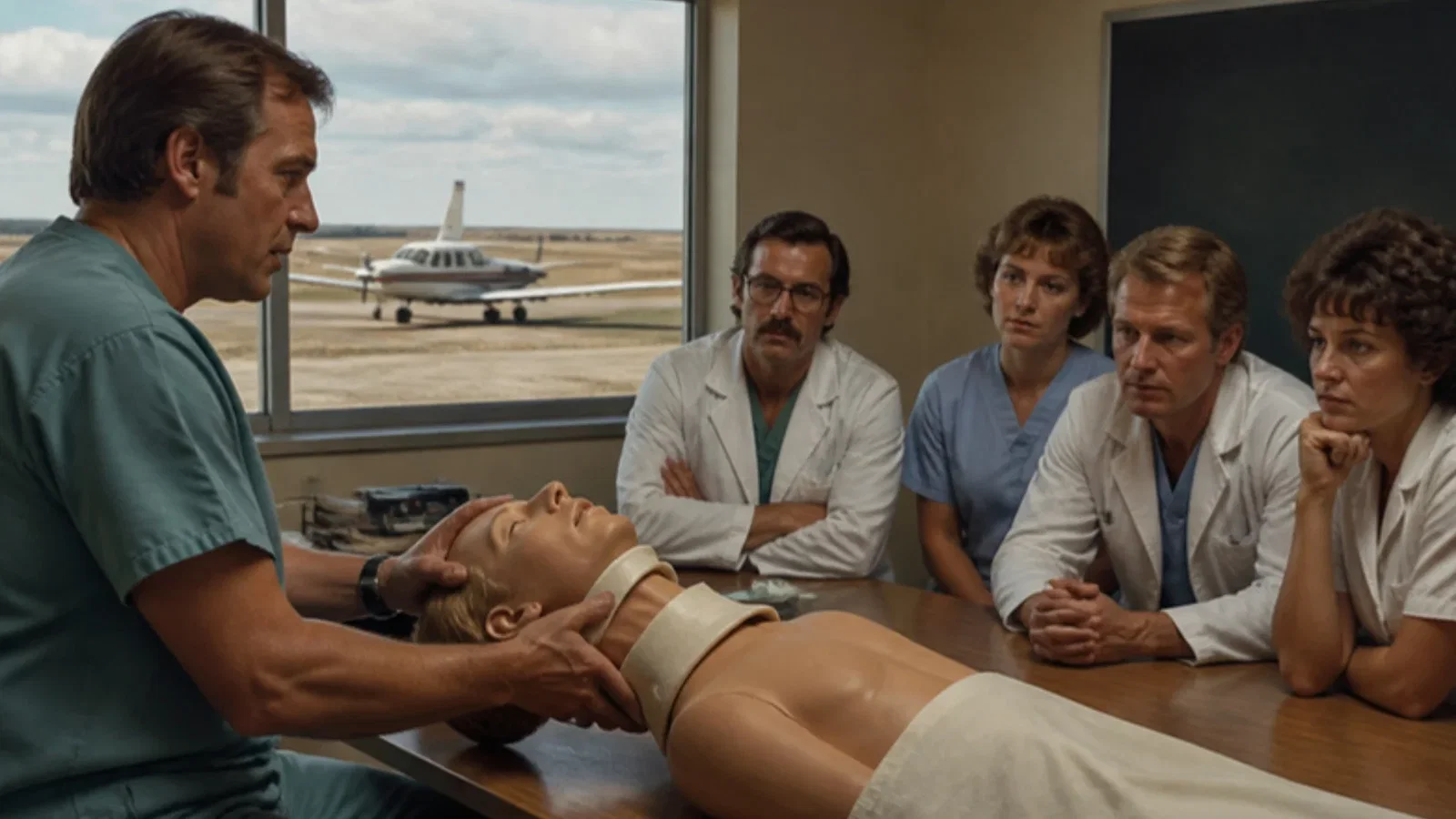
After the Styner family received inadequate rural emergency care, Collicott built a standard course for the first hour of trauma care, later adopted by the American College of Surgeons.
Separating an animal experiment, crisis-treatment approval and a later preventive indication
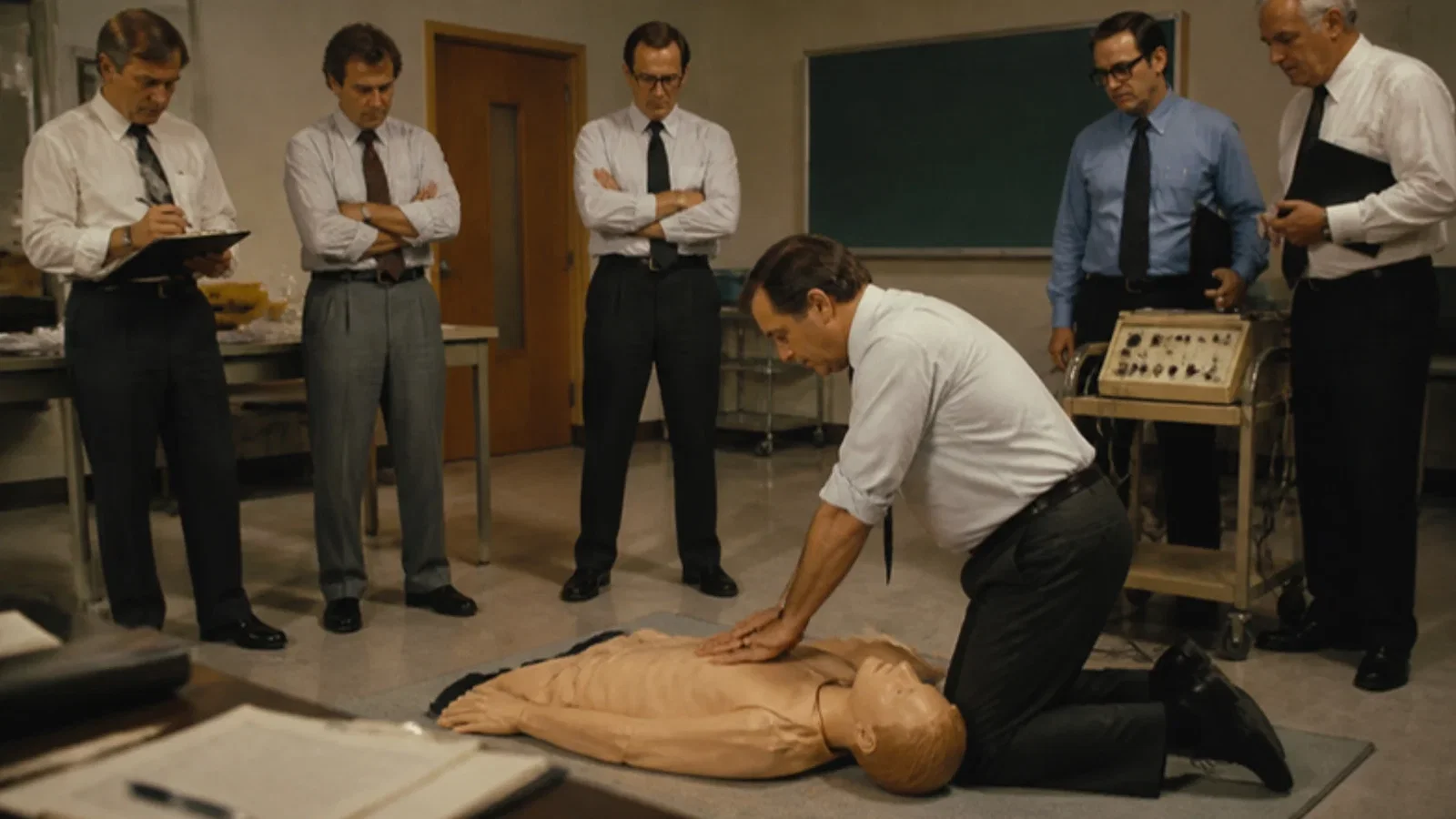
Nine founder members formed a committee to review resuscitation standards; renamed the Resuscitation Council (UK) in 1982, it set up an advanced life support working party.
The society's newsletters record a crisis of purpose in 2002 and recovery by 2009; in 2010 it was renamed the Society of Critical Care Anesthesiologists.

A teaching network and the limits of course-completion evidence
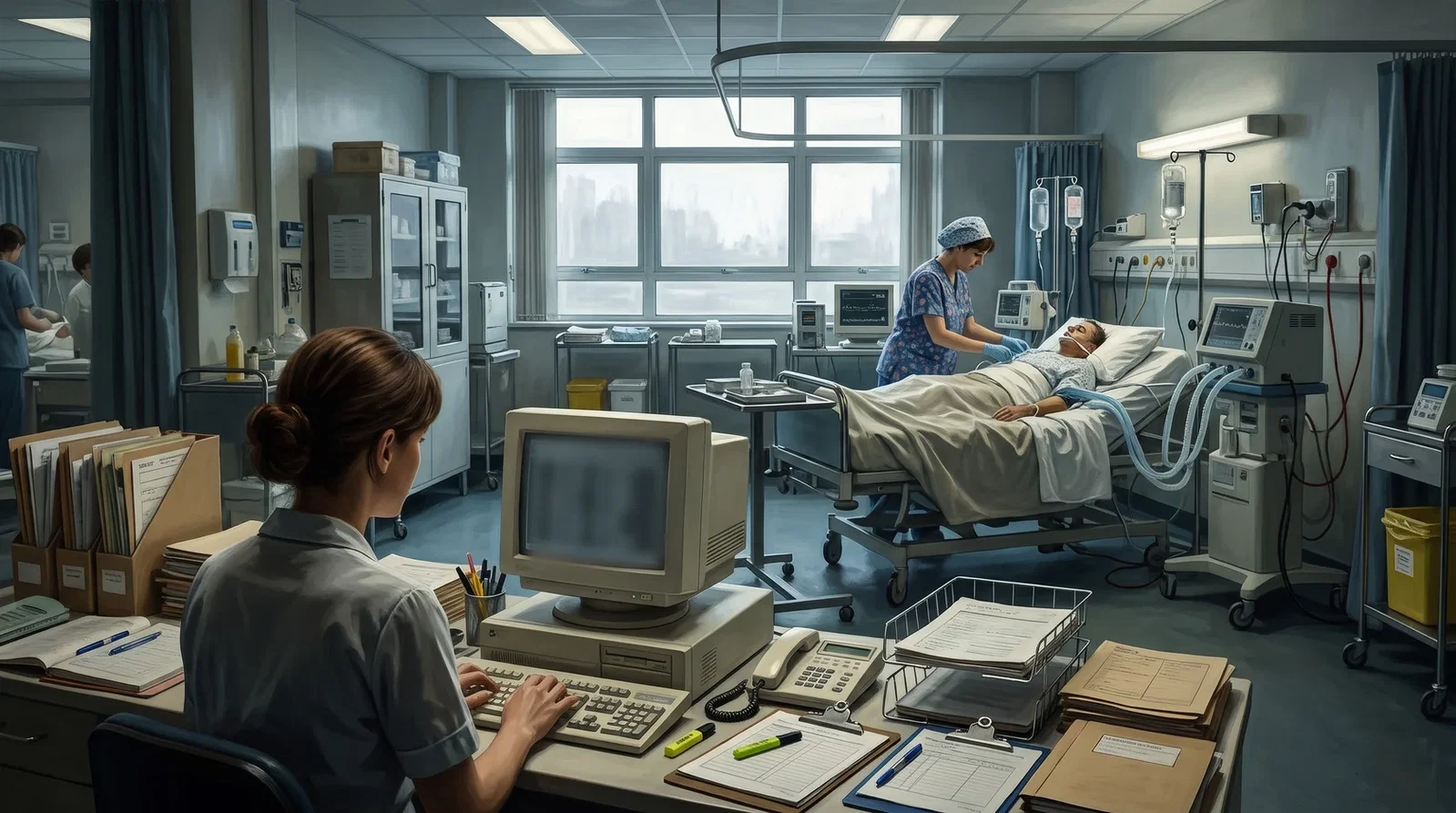
Its Case Mix Programme compares outcomes across critical care units in England, Wales and Northern Ireland, adjusting for the severity of patients admitted.
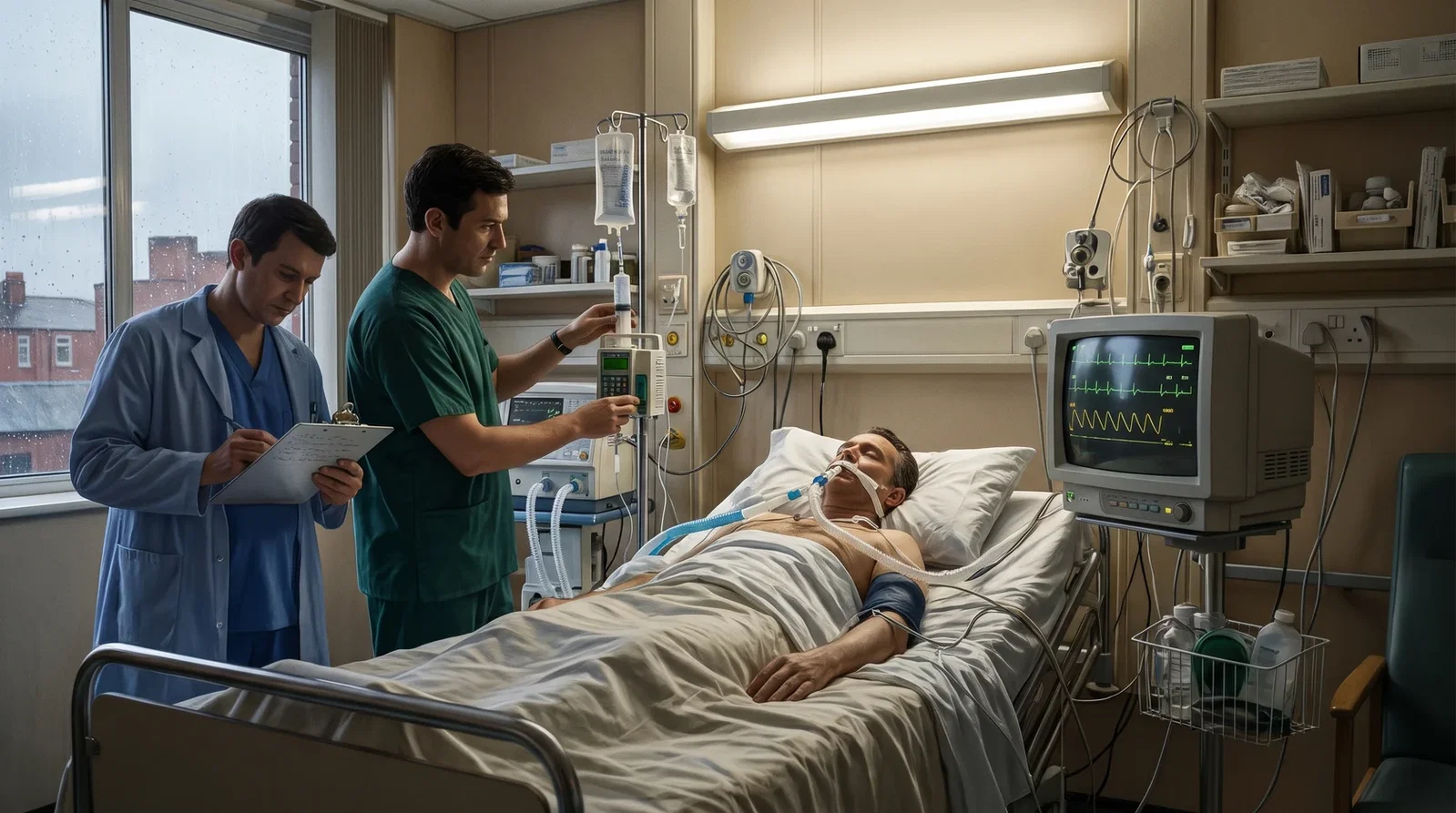
Infusions of the single isomer 51W89, one of atracurium's ten, were studied in critically ill and liver transplant patients.
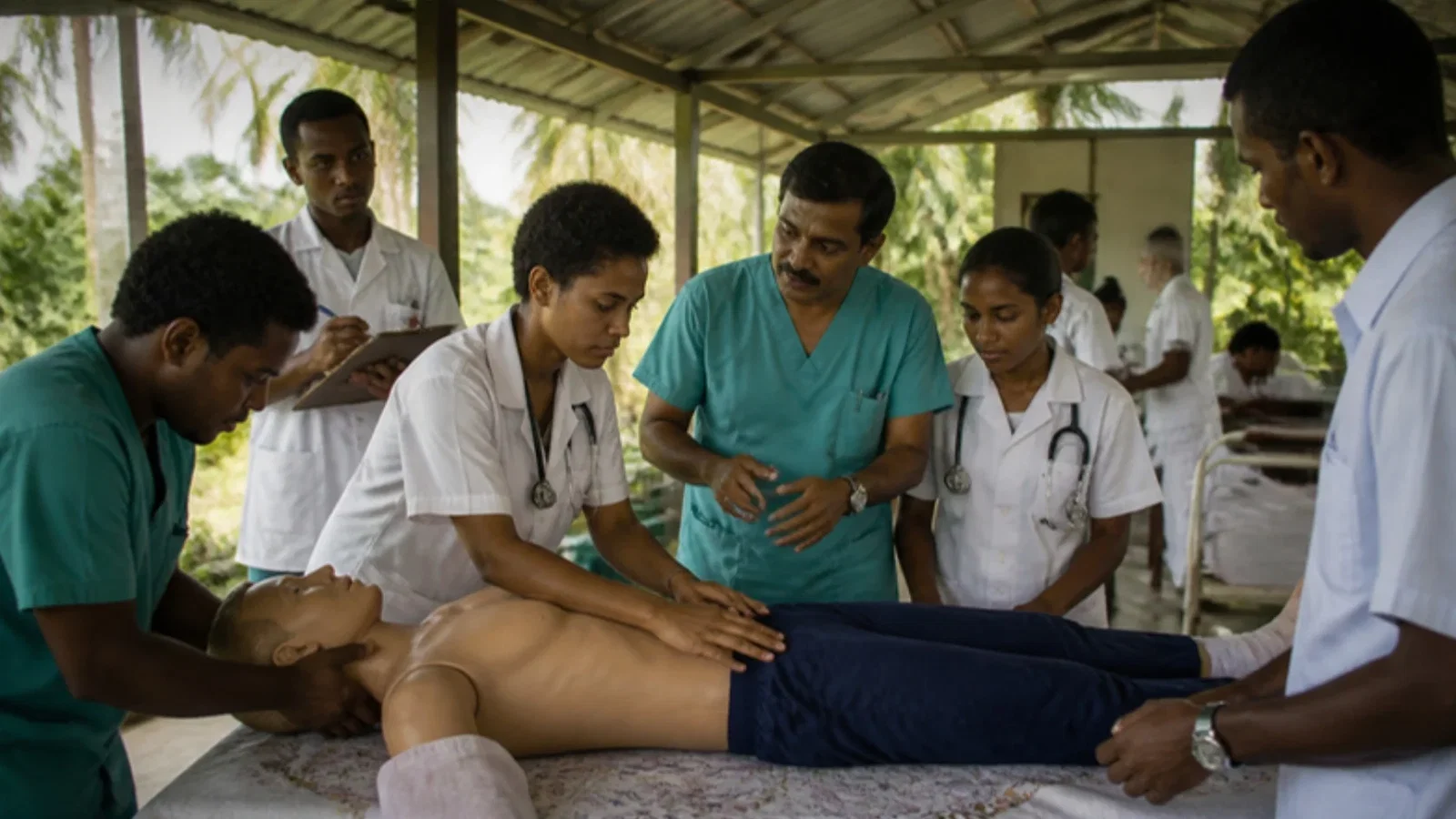
A short, cheap course for district hospitals that could not afford ATLS was taught in Fiji in 1997 and reached 76 countries twenty years later.
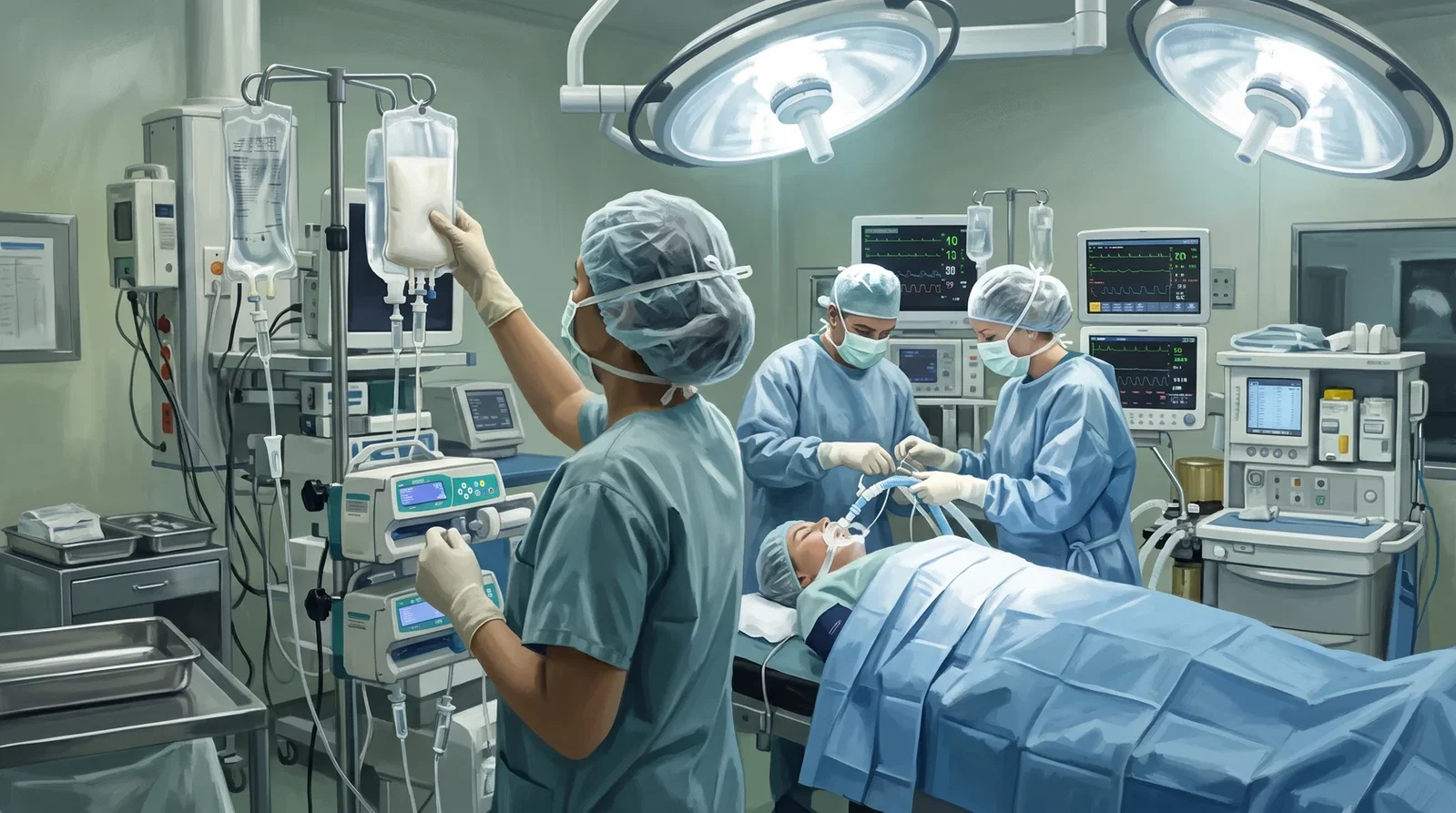
Lipid infusion raised the bupivacaine dose needed for asystole in rats; in 2006 Rosenblatt's team used a 20% lipid emulsion to resuscitate a patient.
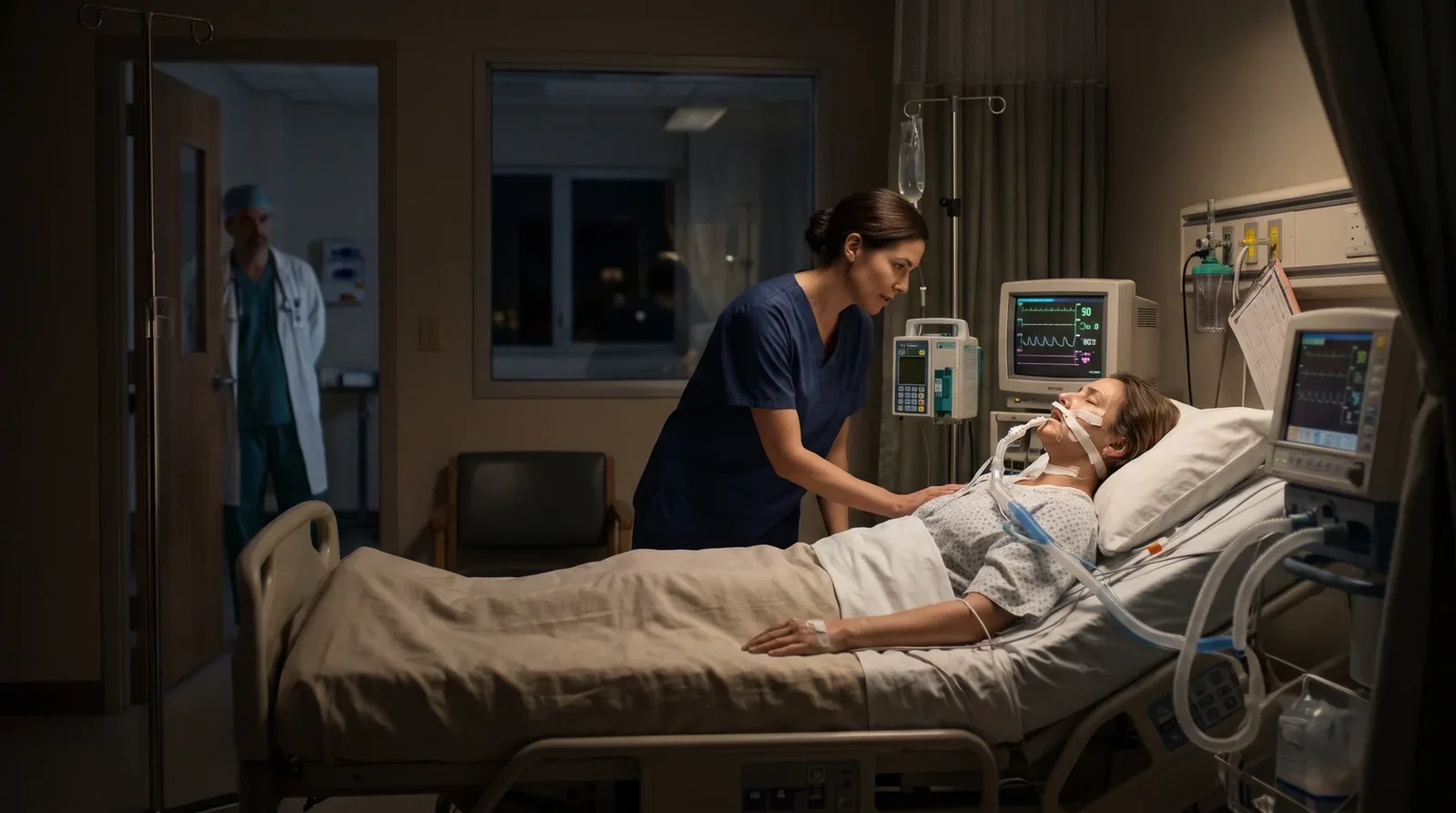
Precedex was approved for intubated, ventilated adults; the review memo noted adequate sedation with ease of arousal.
Pressure readings, dynamic changes and study conditions
Predicted body weight, ventilation strategies and distinct primary outcomes
An early emergency resuscitation trial and its subsequent evaluation
The 2002 launch, 2004 guidelines and subsequent implementation
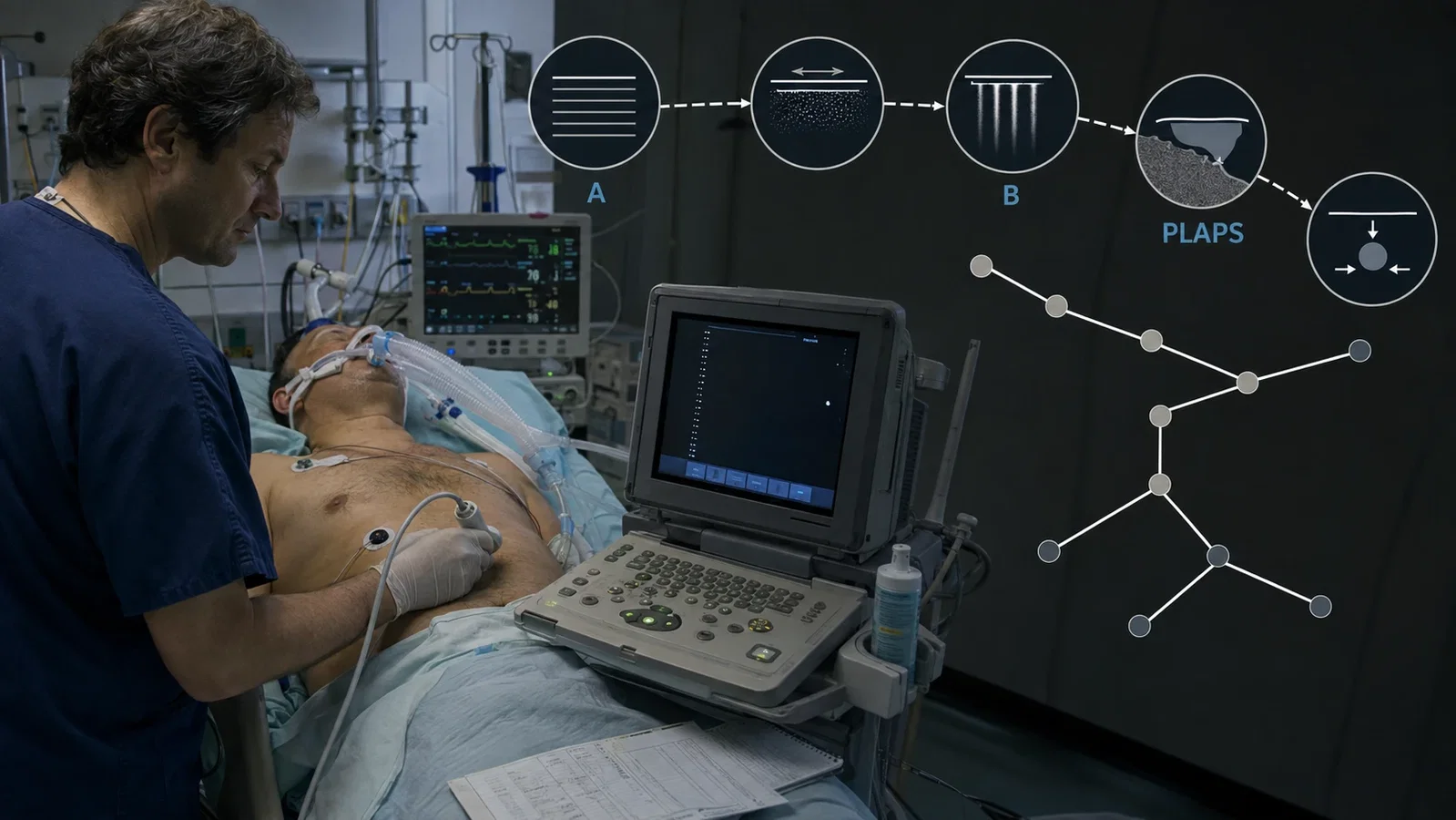
In 2008, lung artefacts, sliding, PLAPS, and venous analysis became a sub-three-minute bedside pathway for acute respiratory failure
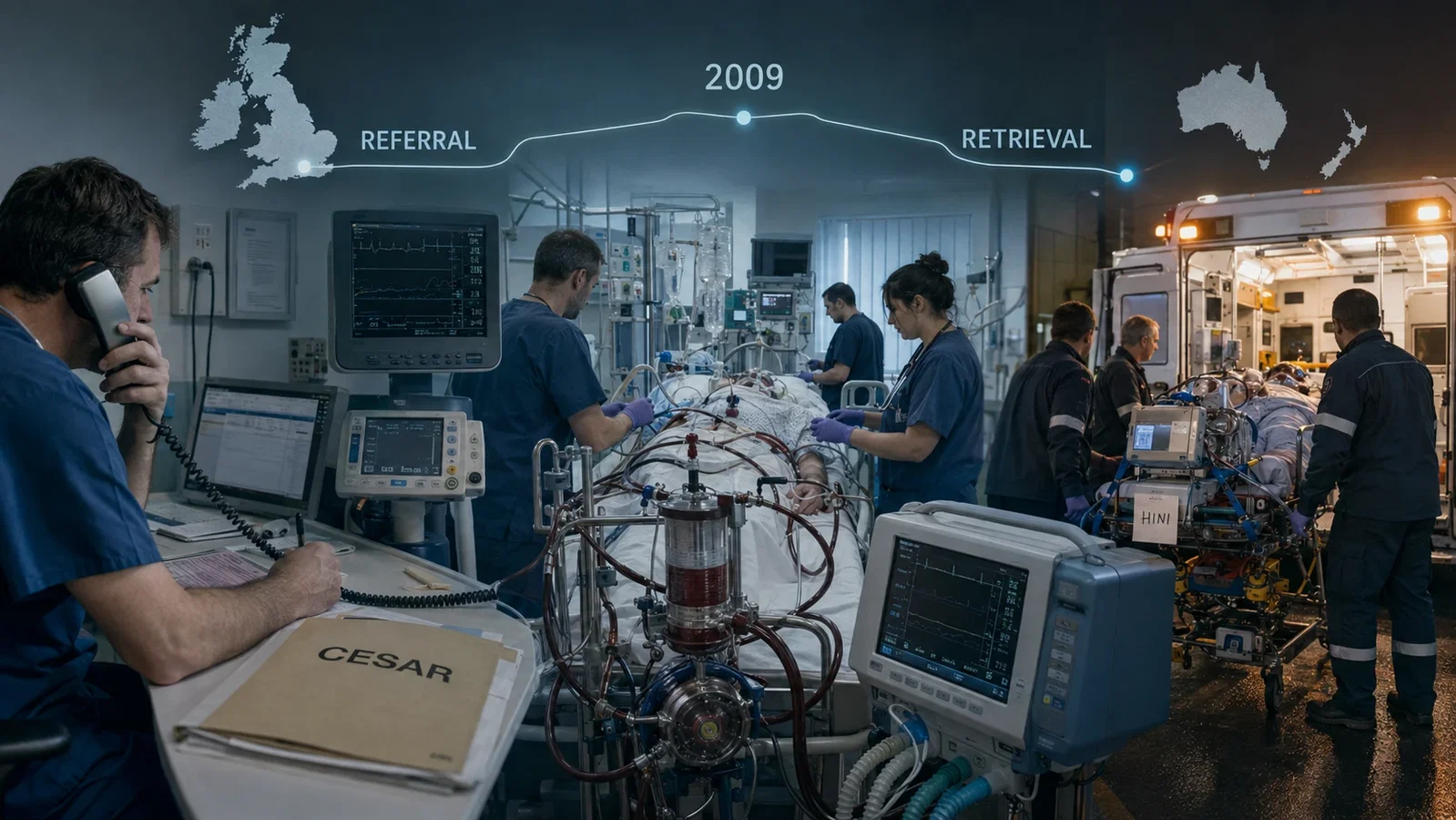
In 2009, a randomized referral strategy and an Australasian pandemic cohort changed what clinicians could see without isolating a pure circuit effect
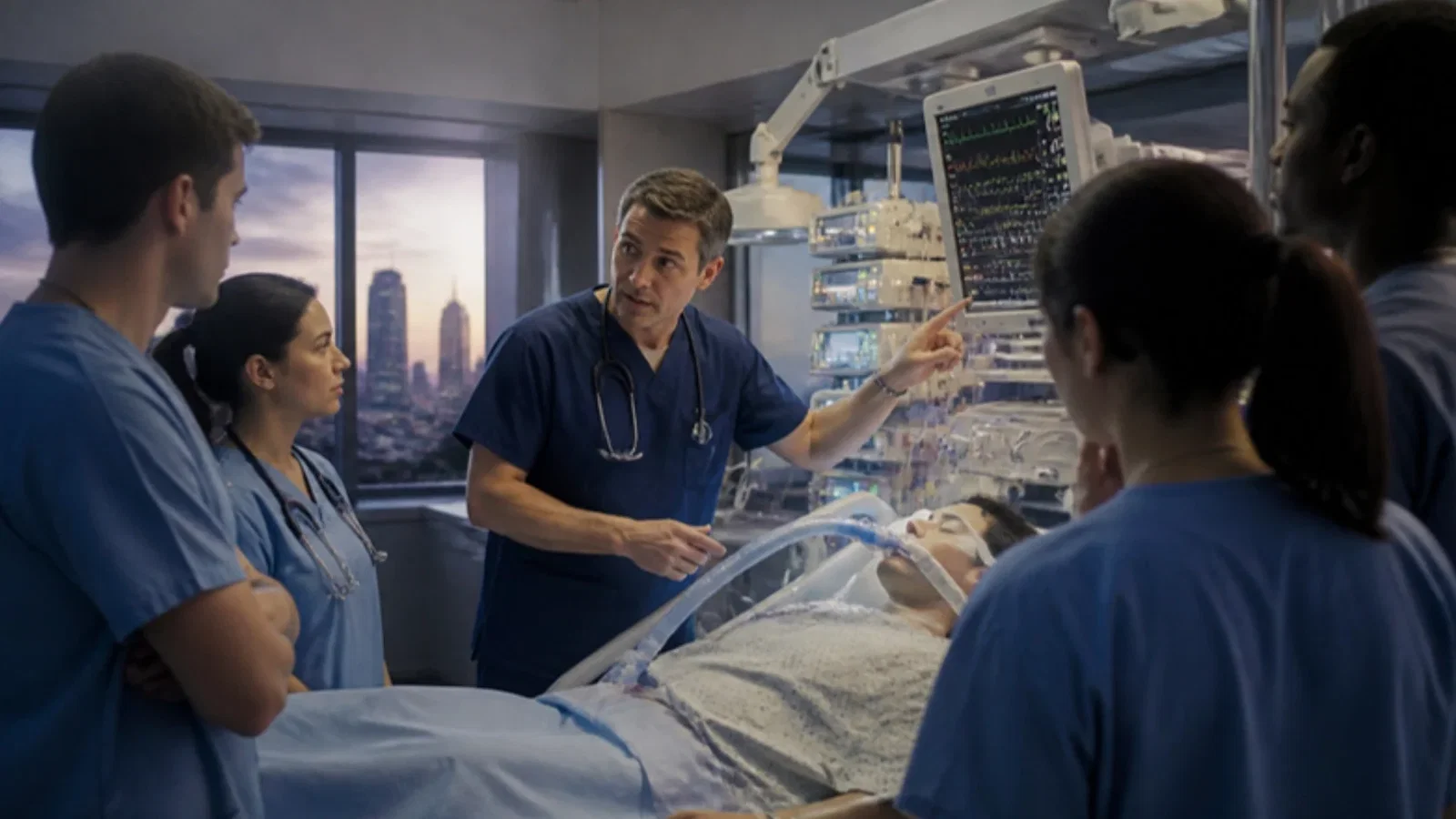
After nearly twenty years of committees, seven colleges founded a faculty that within two years offered a UK training programme in intensive care.
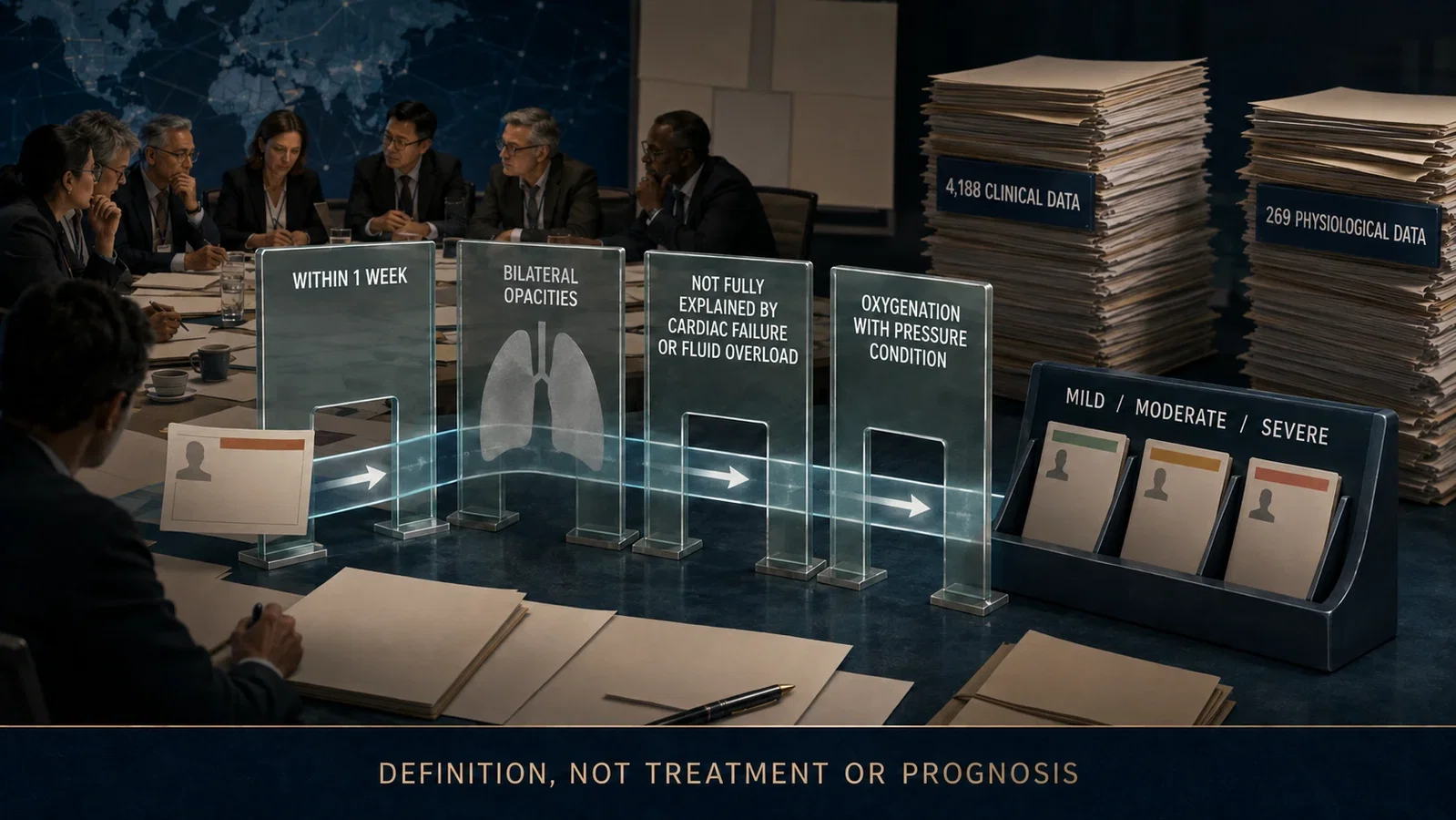
An international task force tested its consensus draft in seven data sets, retained three oxygenation tiers, and acknowledged a mortality-prediction gain of only 0.041
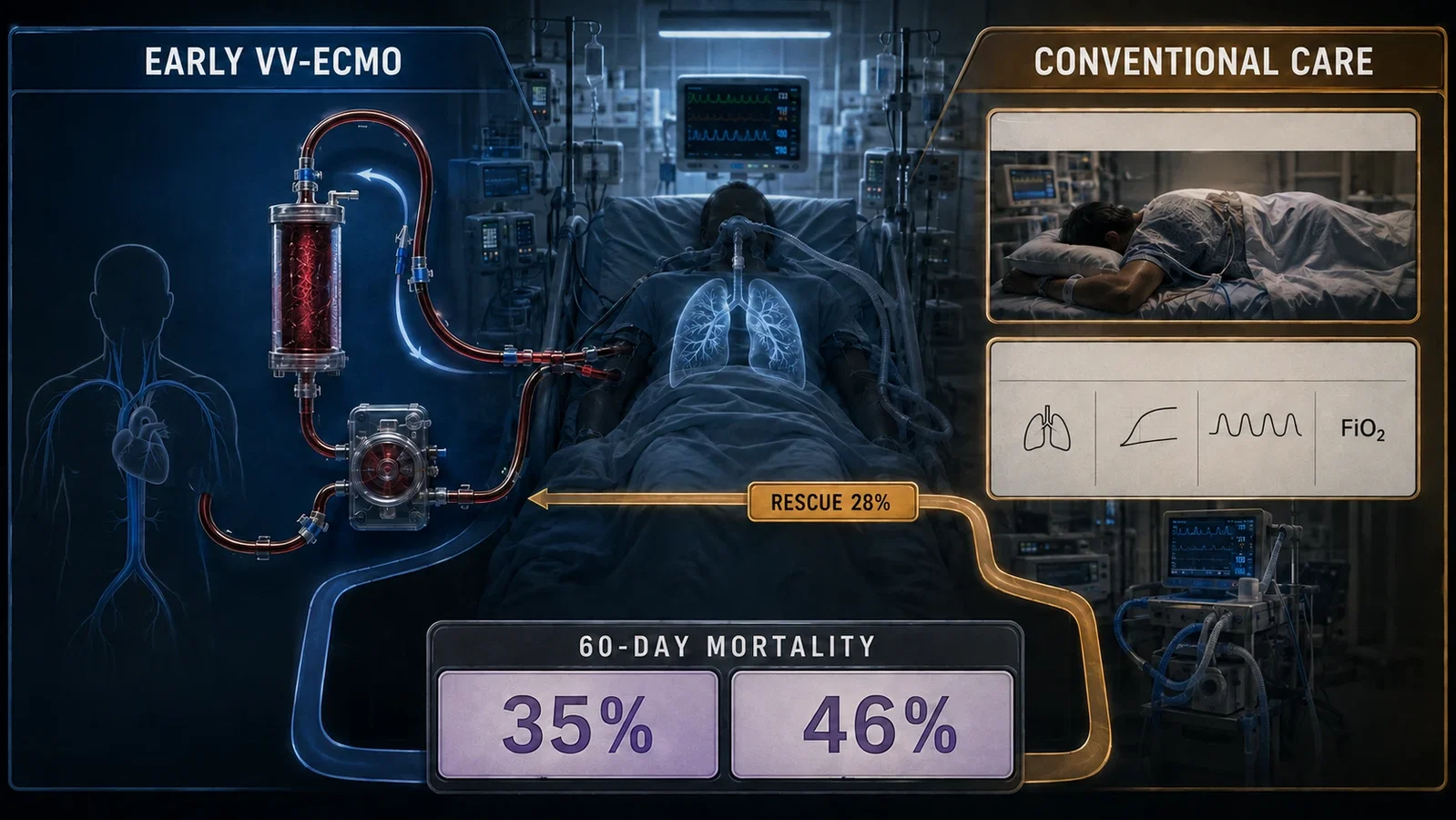
EOLIA made timing, crossover, early stopping, effect size, and statistical uncertainty part of the ECMO question
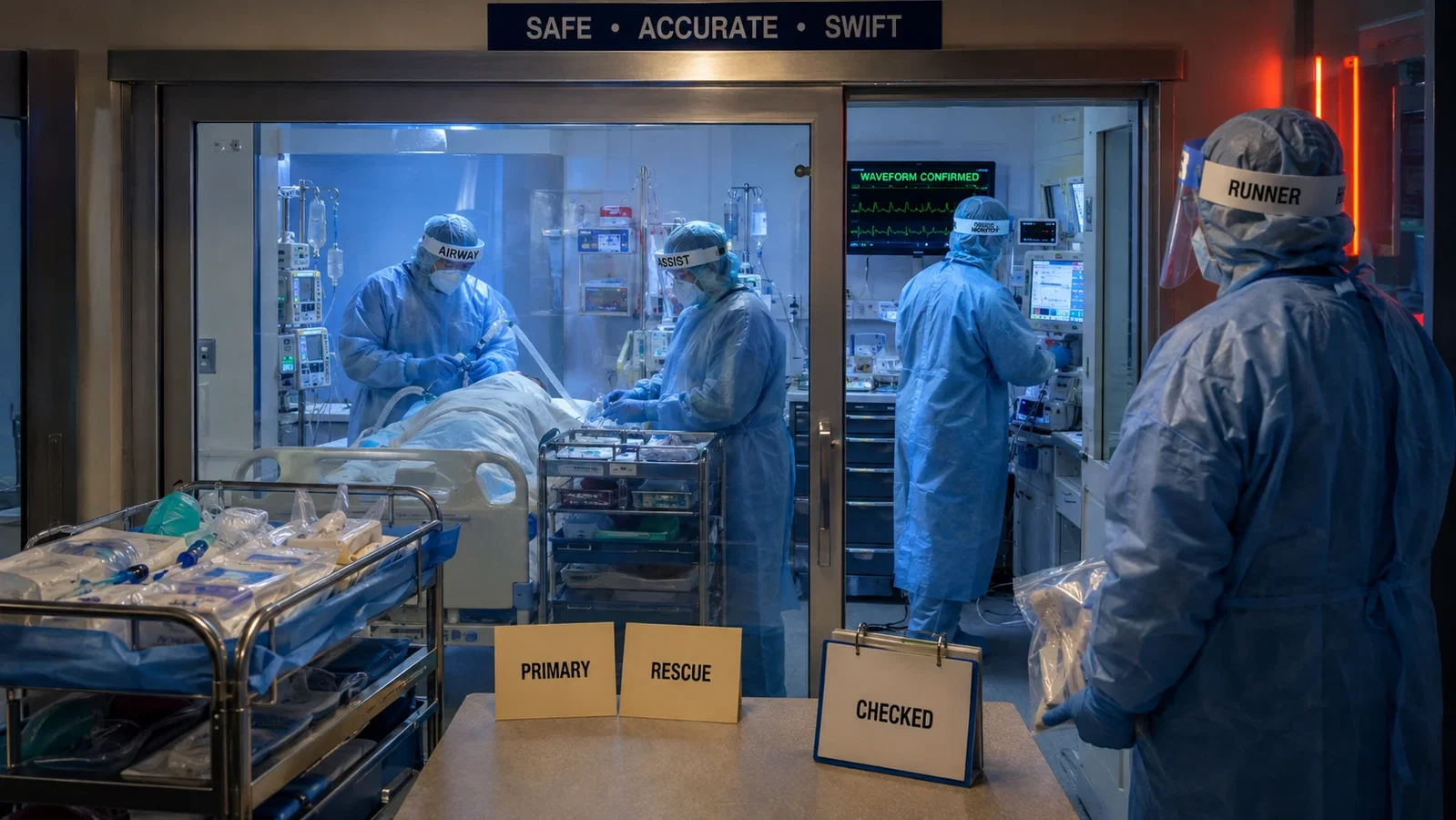
The rapid March 2020 consensus connected protection, roles, primary and rescue plans, confirmation, records, and extubation while declaring itself incomplete and revisable