
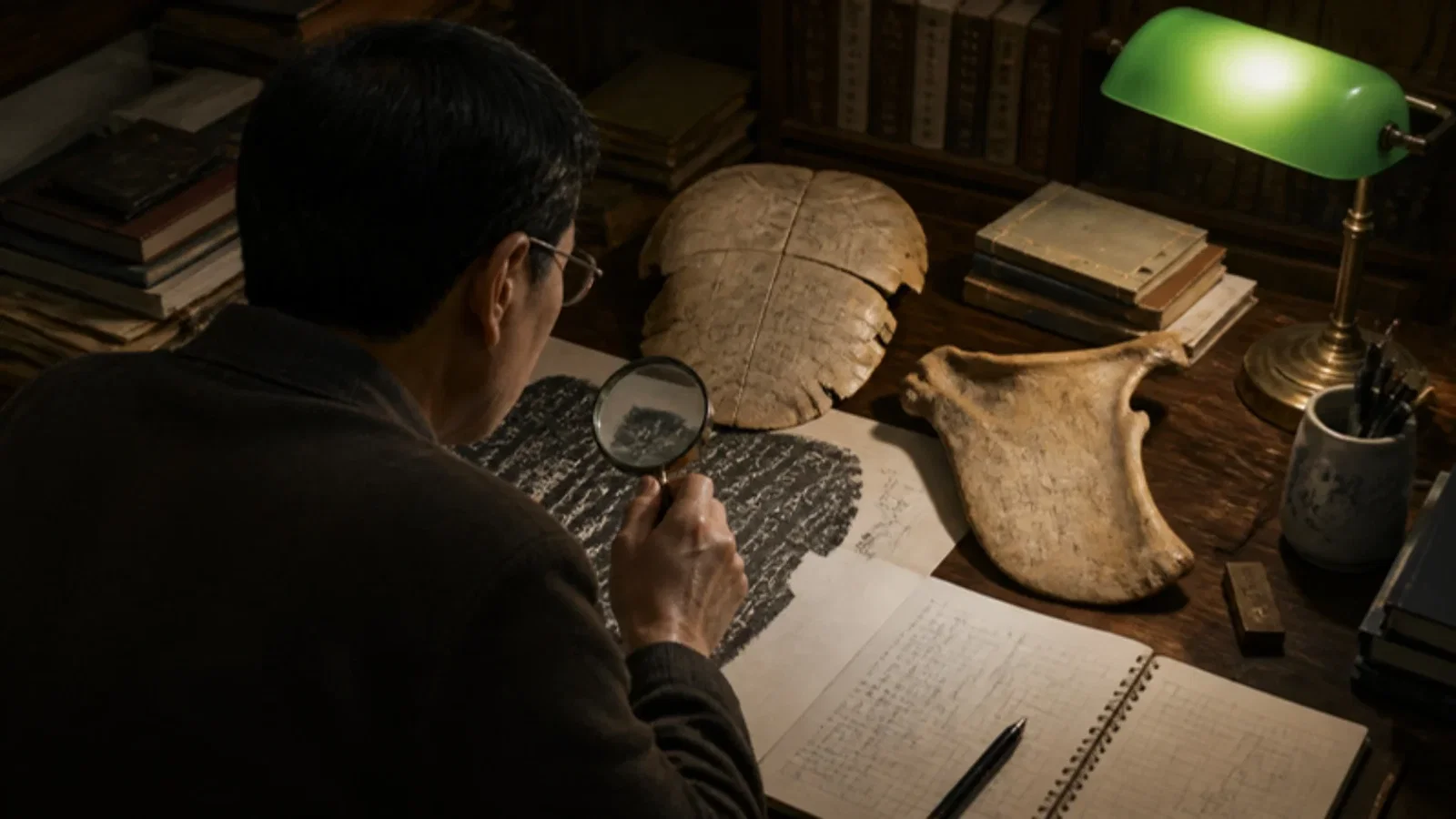
Hu Houxuan read acupuncture into three oracle-bone glyphs; in 2001 Li Zong-kun found the claims, including a story of painless tooth extraction, unconvincing.
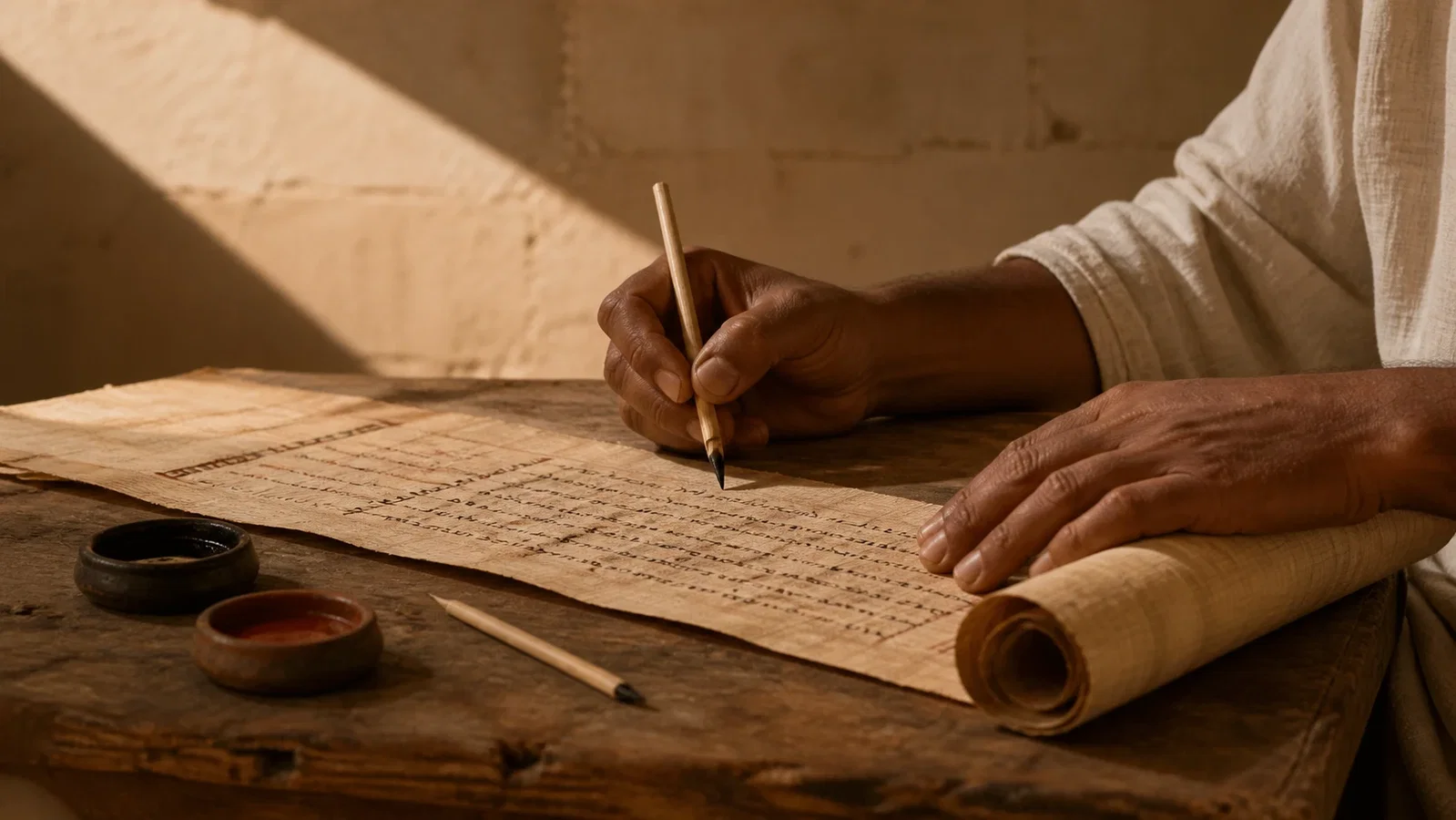
A sixteenth-century BCE medical compilation records therapeutic intentions, not proof of poppy anesthesia
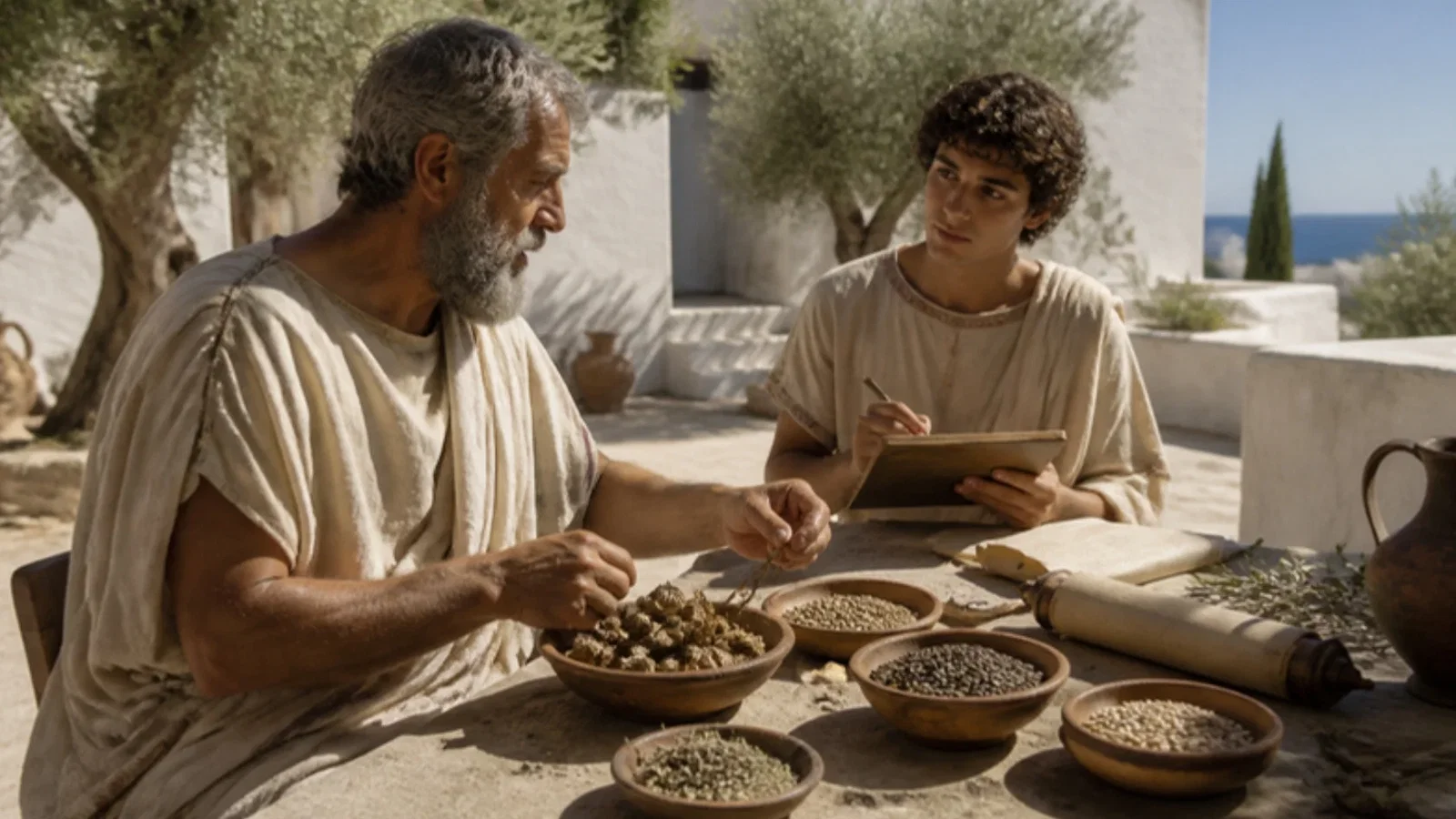
In Regimen II the poppy is a nourishing seed; a 1998 study concluded that its power against pain was not yet recognised.
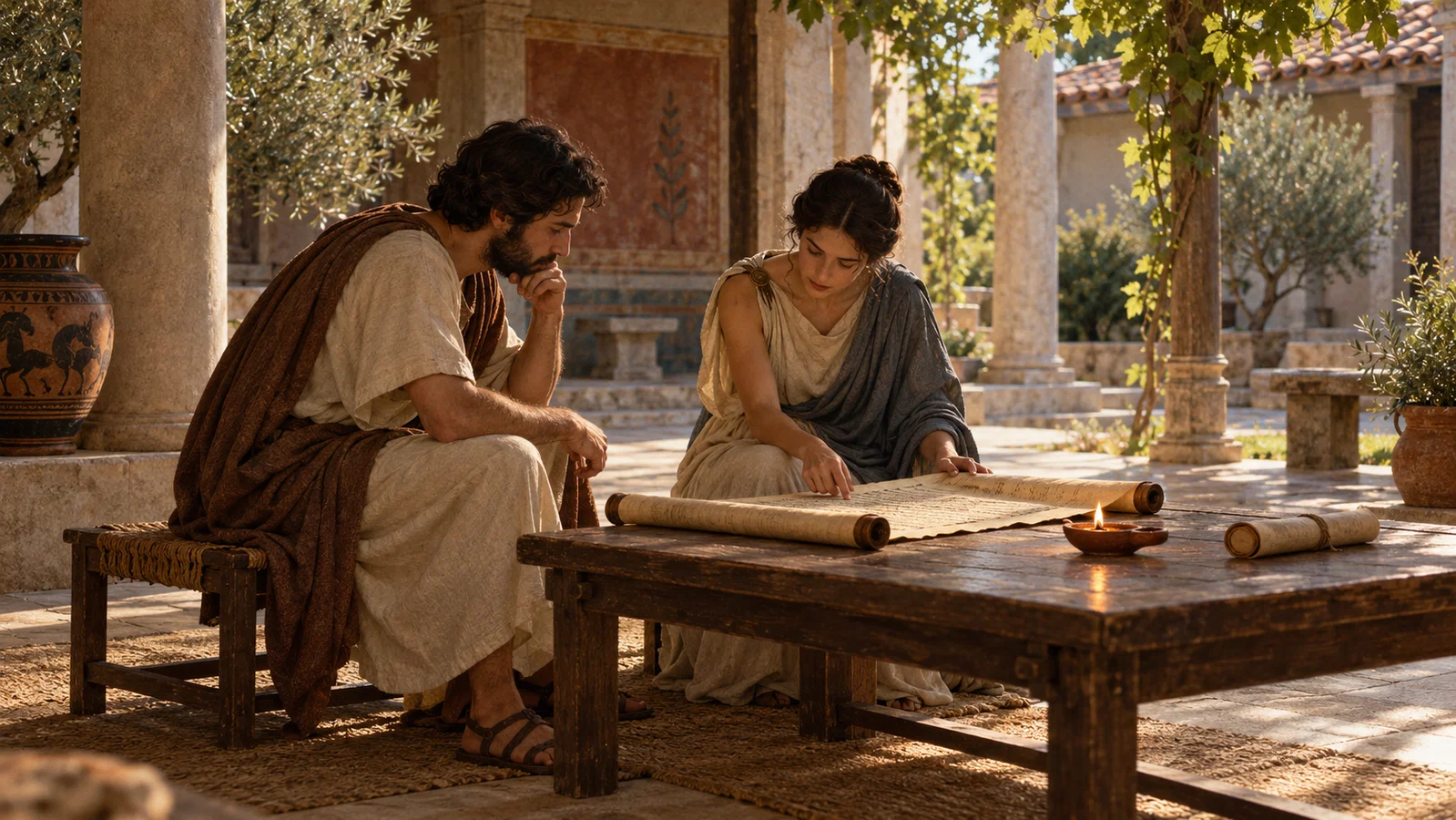
Reading an ancient word through two passages of the Timaeus
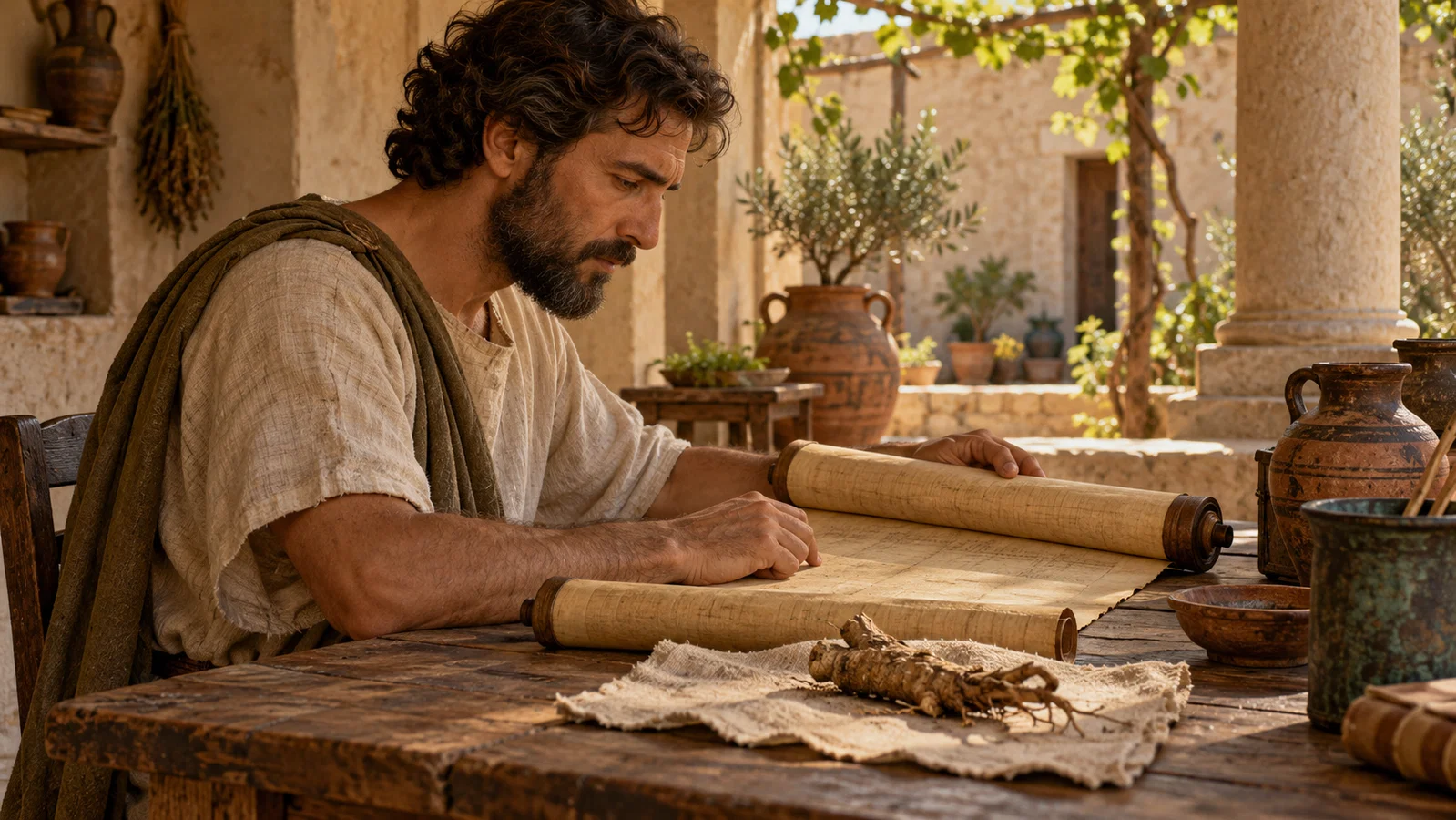
In De materia medica 4.75, Dioscorides reports that some people prepare mandragora root in wine for those about to be cut or cauterized, while warning that a larger amount of the juice can kill.
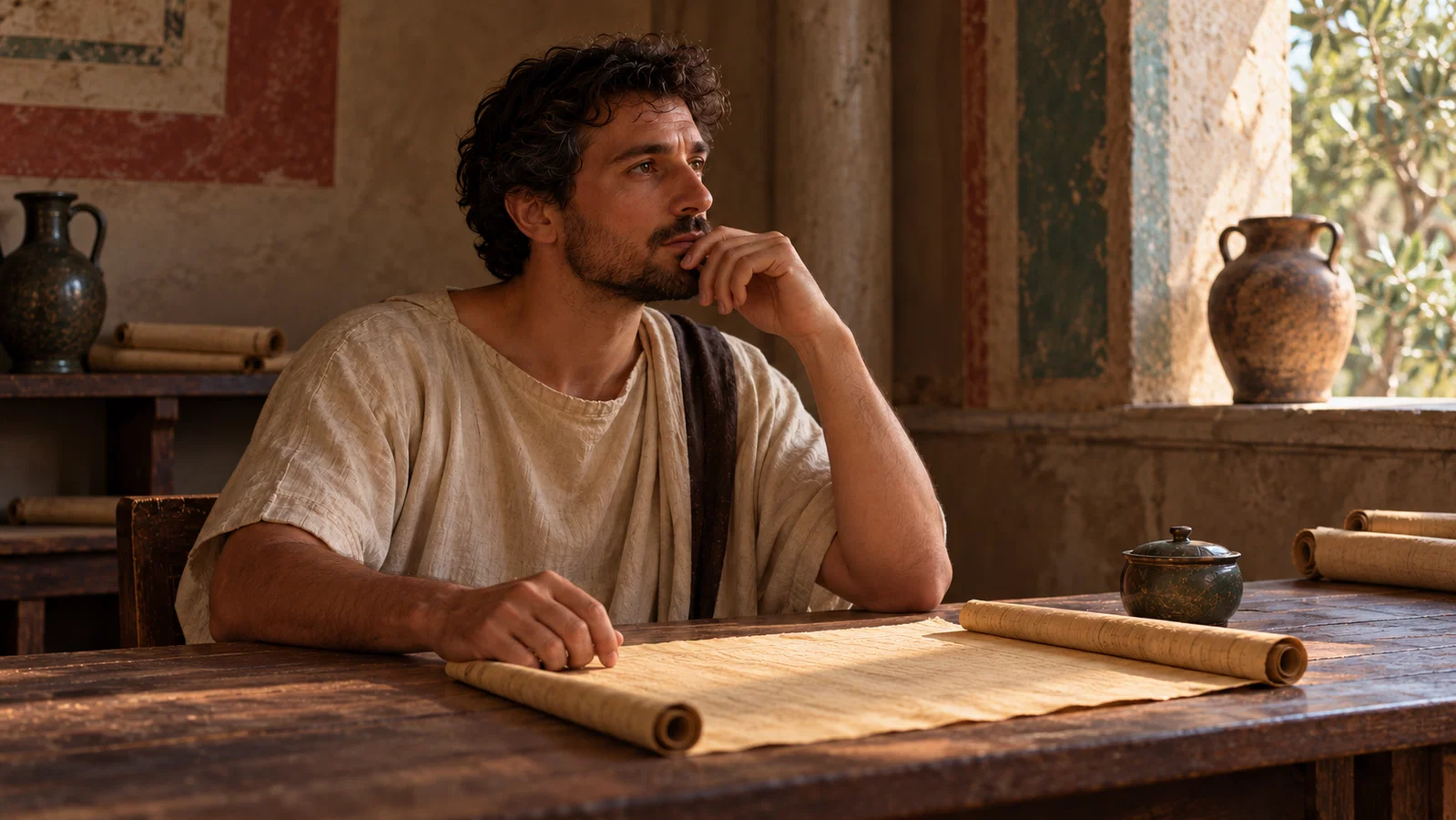
In De medicina 5.25, Celsus calls pills that relieve pain through sleep anodyna, but says they should be used only under strong necessity, because their ingredients are powerful and bad for the stomach.
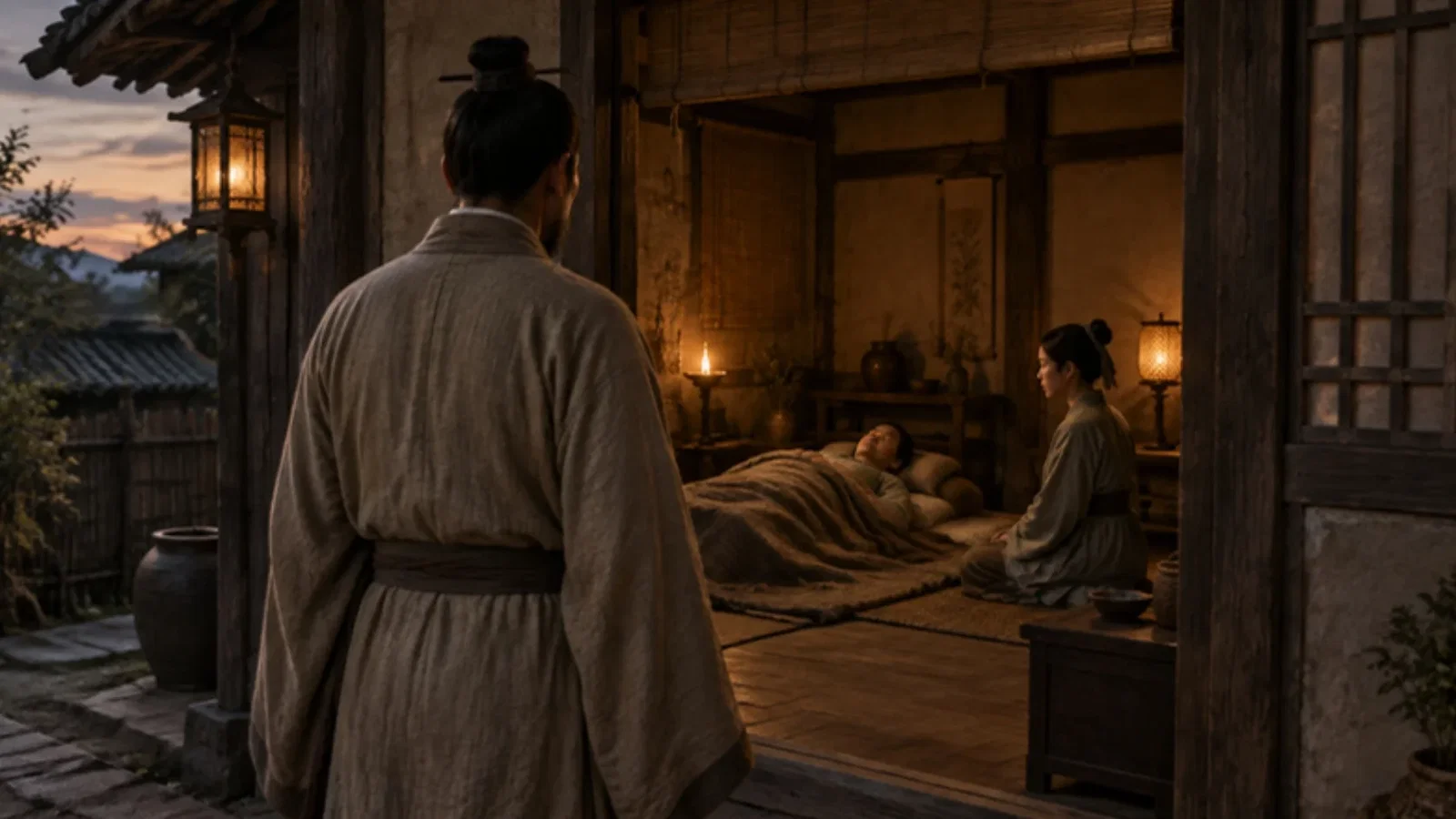
Two histories, the Records of the Three Kingdoms and the History of the Later Han, say that Hua Tuo's patients drank mafeisan and lost awareness before surgery, but neither records its ingredients, a dated operation or a checkable outcome.

A 1907 English translation of the Sushruta Samhita advises giving strong wine before an operation, if the patient is used to it, so that pain is not felt; the passage is a textual instruction, not a record of a first anesthetic.
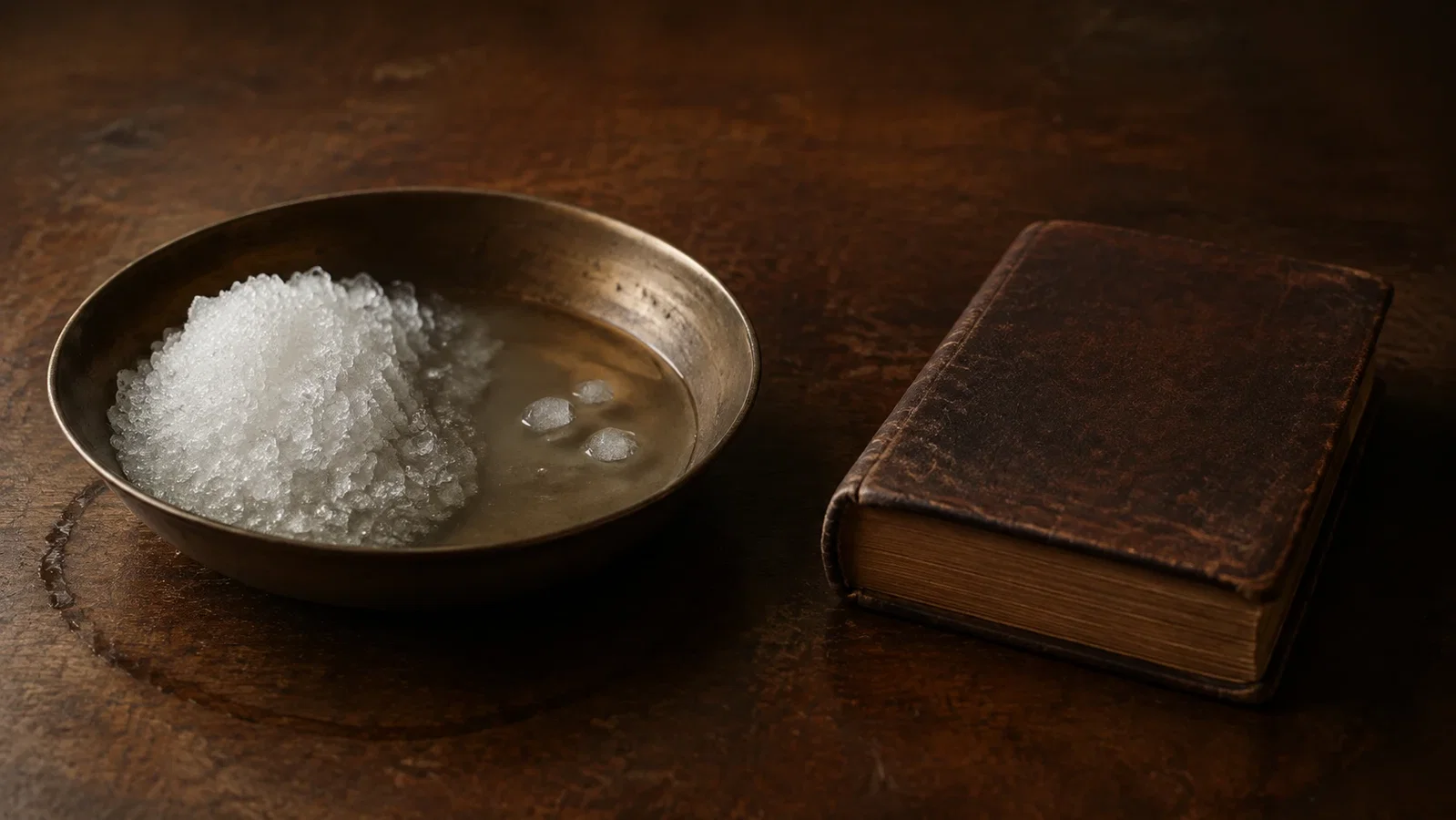
In Book One of the Canon, written before 1015, Avicenna lists snow and ice-cold water among stupefacient materials, but places them in a discussion that weighs quick relief of pain against the harm it may cause.
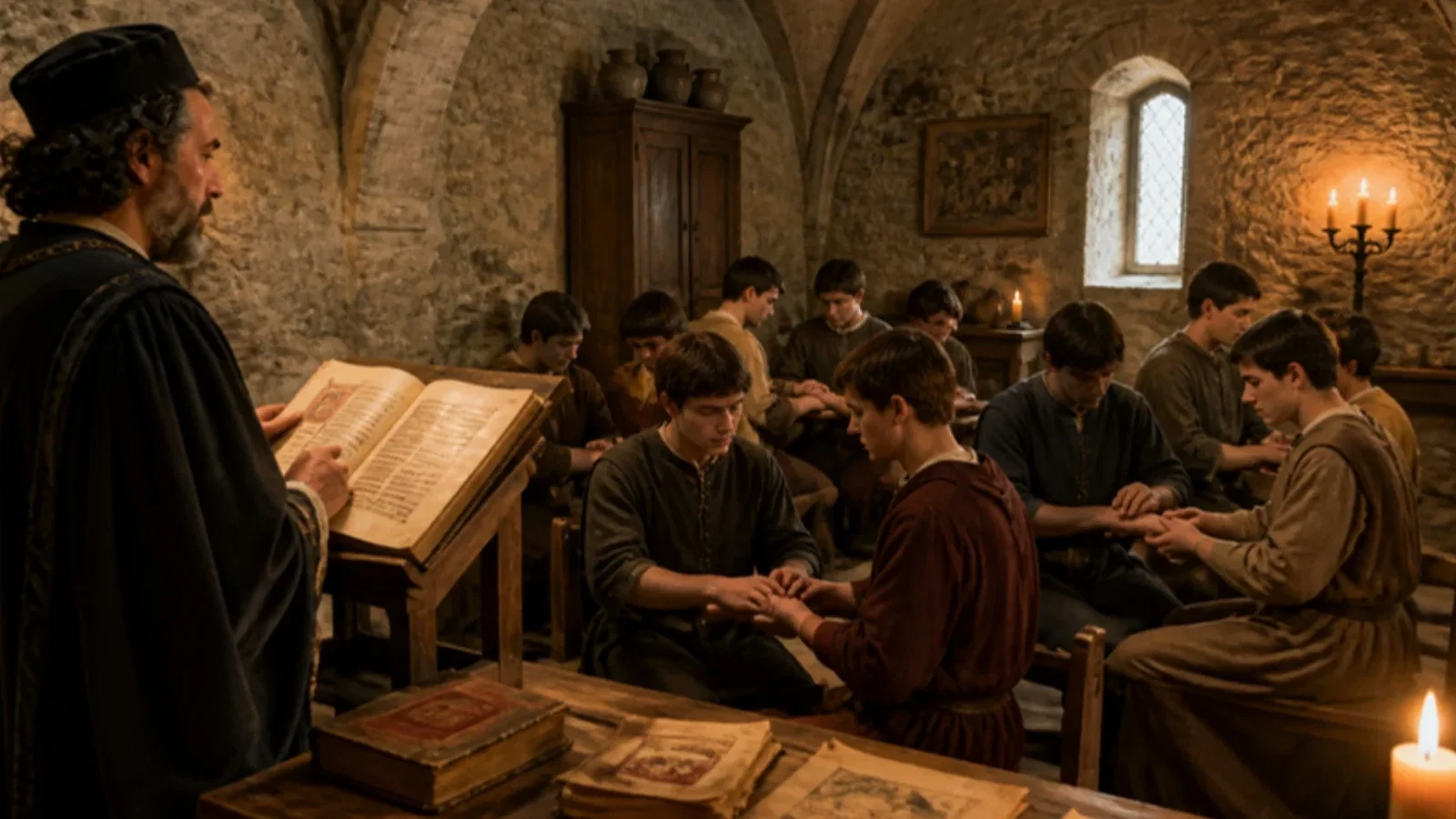
A Salerno-trained physician to King Philip Augustus put the reading of the pulse into 380 Latin hexameters, a poem that students copied, memorised and annotated for centuries.
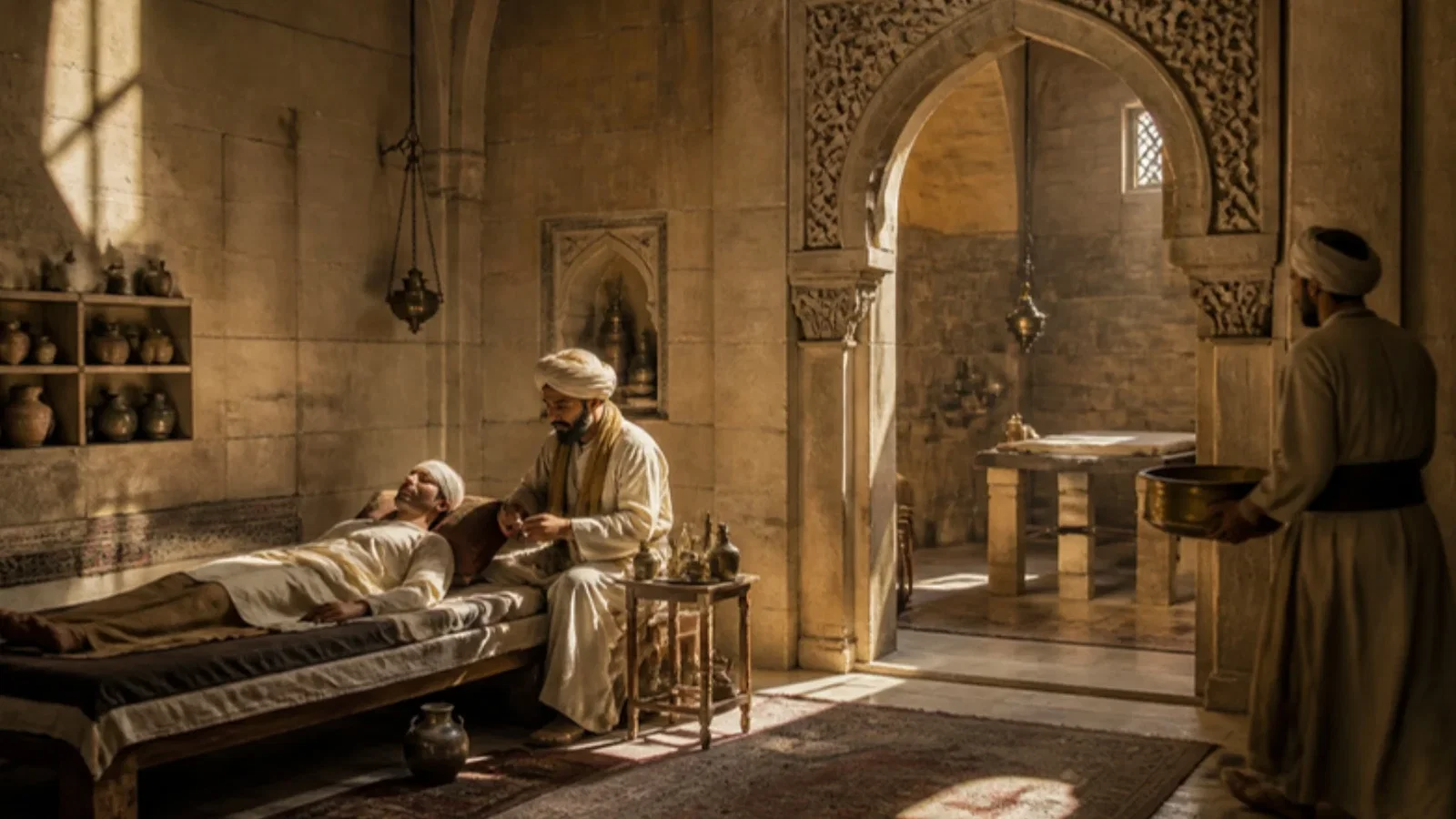
In a 2006 article, two anaesthesiologists pointed to a room labelled the induction room beside the operating room of a hospital built in Kayseri in 1206, and used it to argue for block rooms in modern practice.
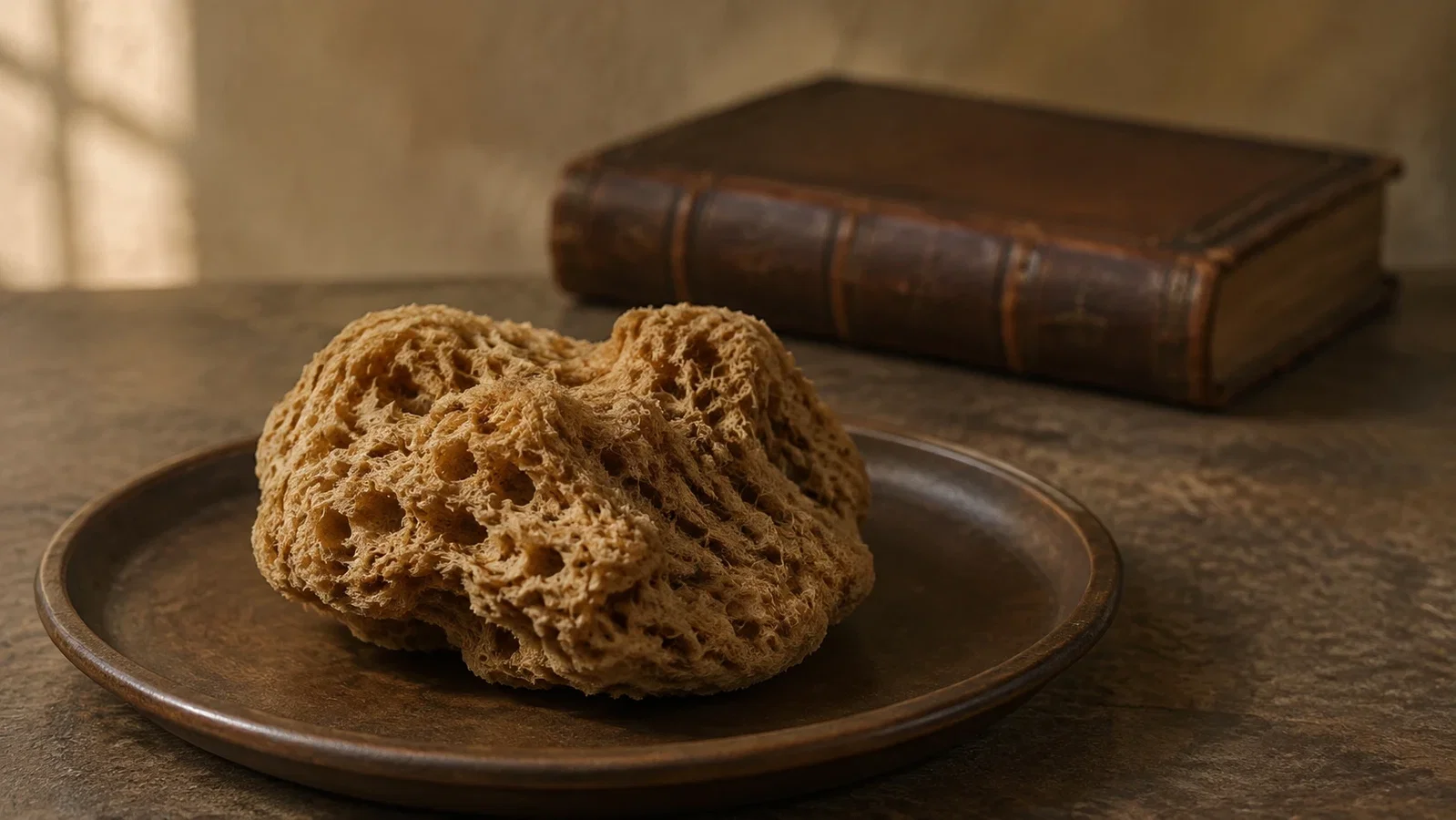
Recipes for a soporific sponge or drink, a tradition that surgical texts carry into the thirteenth century, promise sleep through an operation, but the surviving texts record prescriptions and routes, not patients or outcomes.
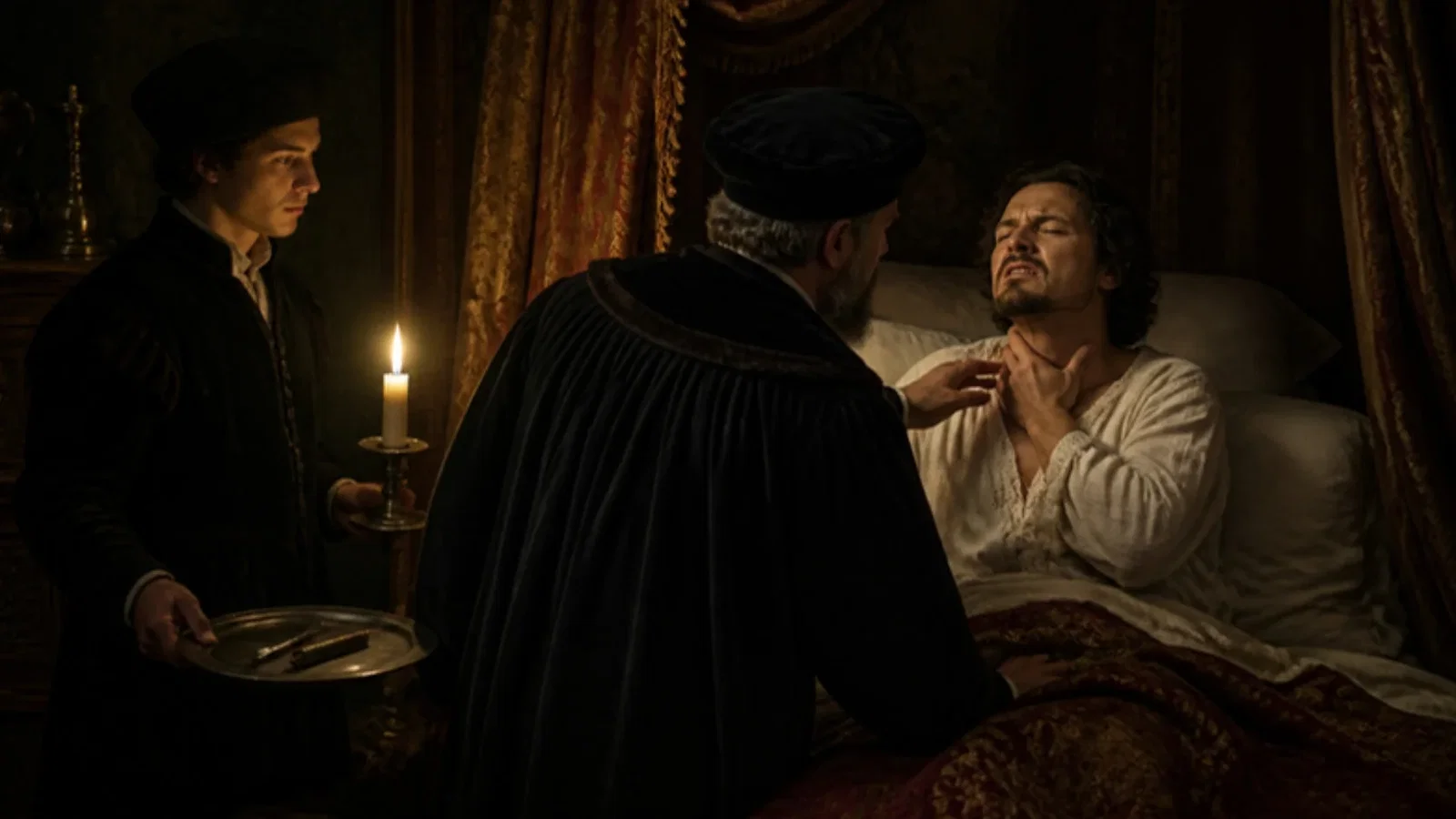
In a commentary printed in 1546, the Ferrara physician Brasavola wrote that when a throat abscess blocks the windpipe and all else has failed, the throat should be cut below it, and that he had done so himself and the patient recovered.

In Paracelsus' writings the word laudanum could name ladanum resin or a compound remedy containing pearls, so, as Sigerist showed in 1941, it cannot simply be read as the later opium tincture.
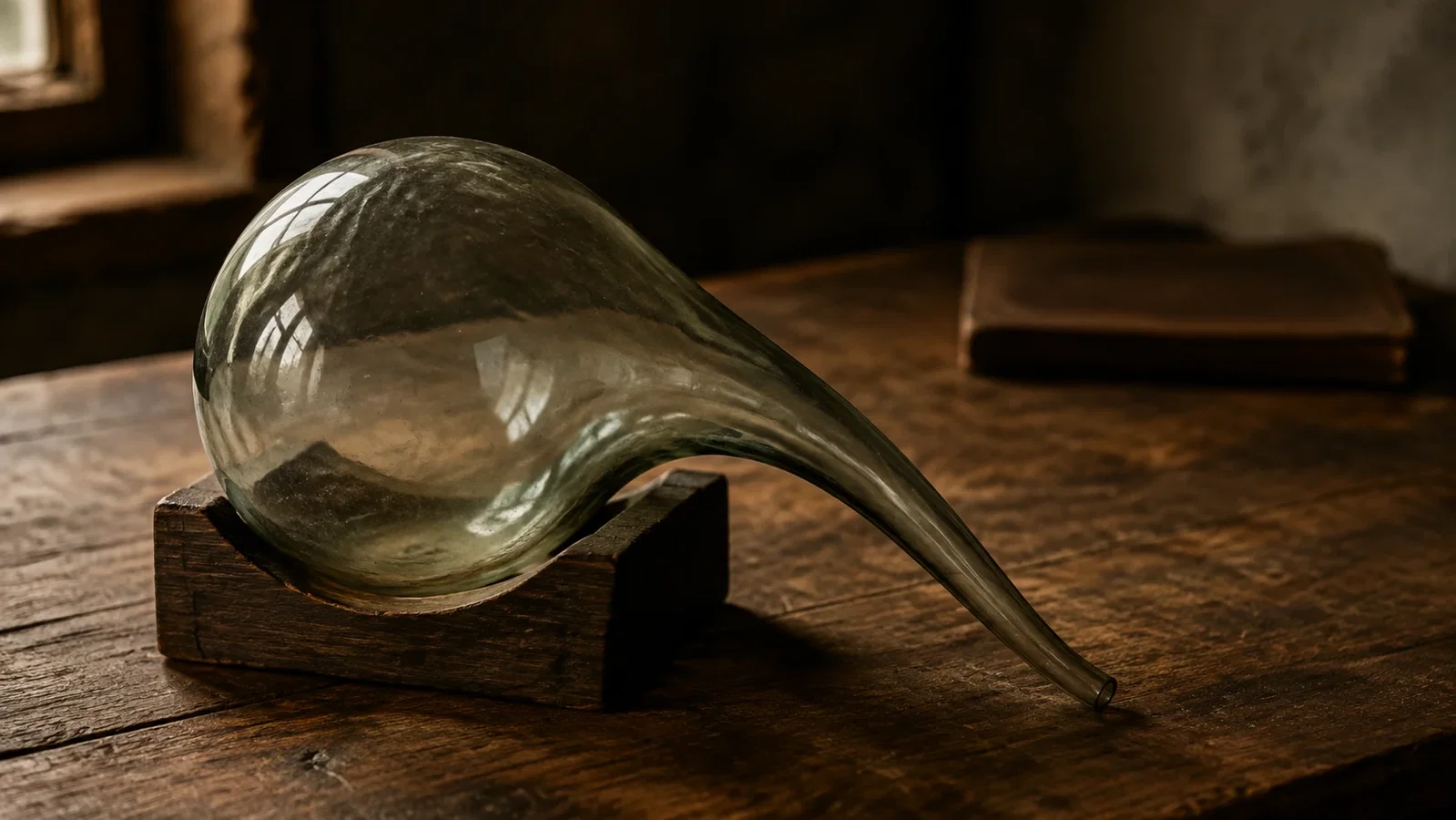
Valerius Cordus's account of preparing sweet oil of vitriol, later read as ether, is conventionally dated to about 1540, but the version that can be inspected was printed after his death, in Strasbourg in 1561.
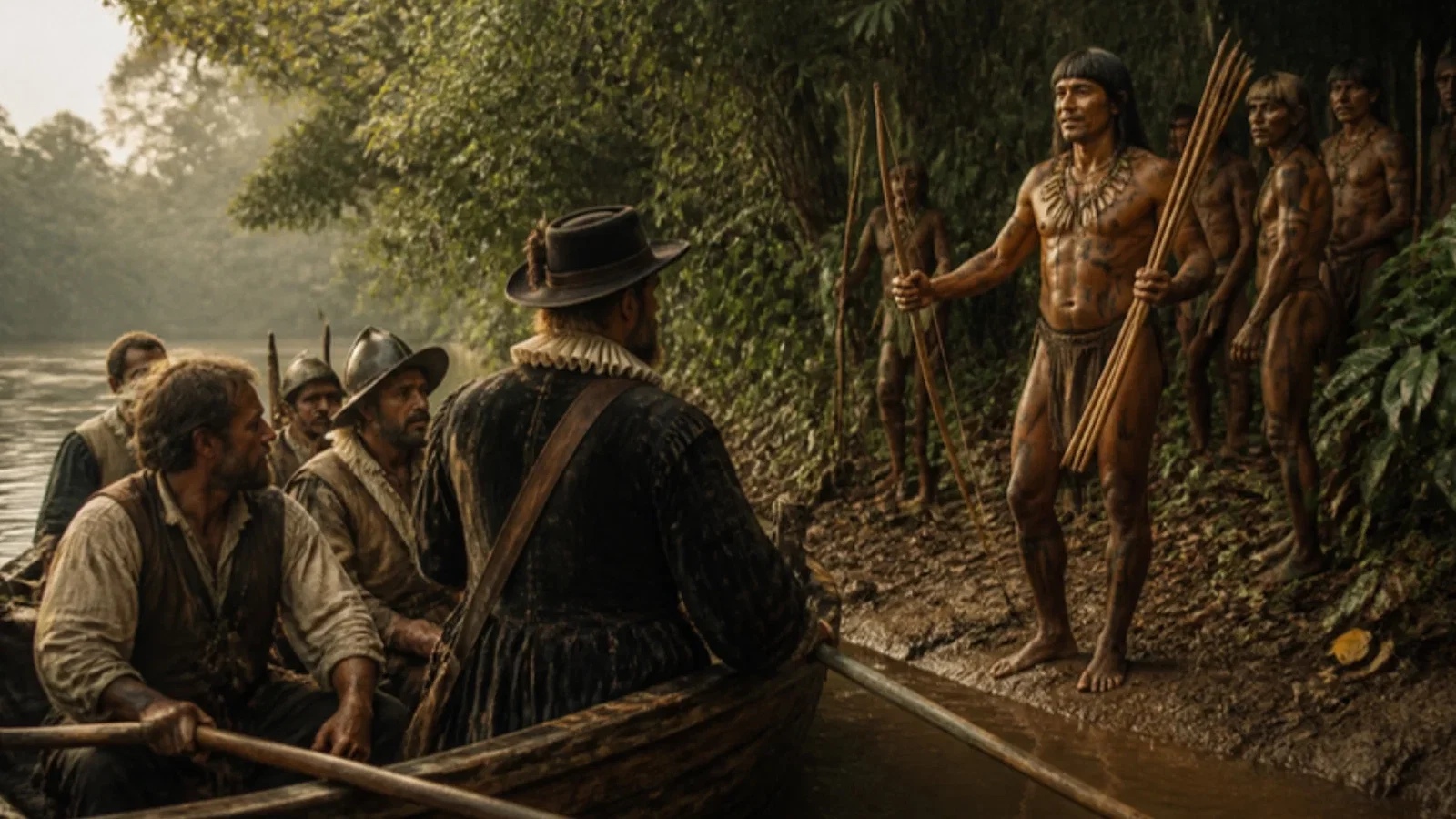
Ralegh's 1596 Discoverie of Guiana describes arrow poison causing torment and madness, with a cure kept by priests; the symptoms do not match curare's quiet paralysis.

Garcilasso's Royal Commentaries of 1609 preserve Blas Valera's note that doctors applied pounded coca to sores and broken bones; it mentions no pain or surgery, so an Inca local anaesthetic is a modern inference.
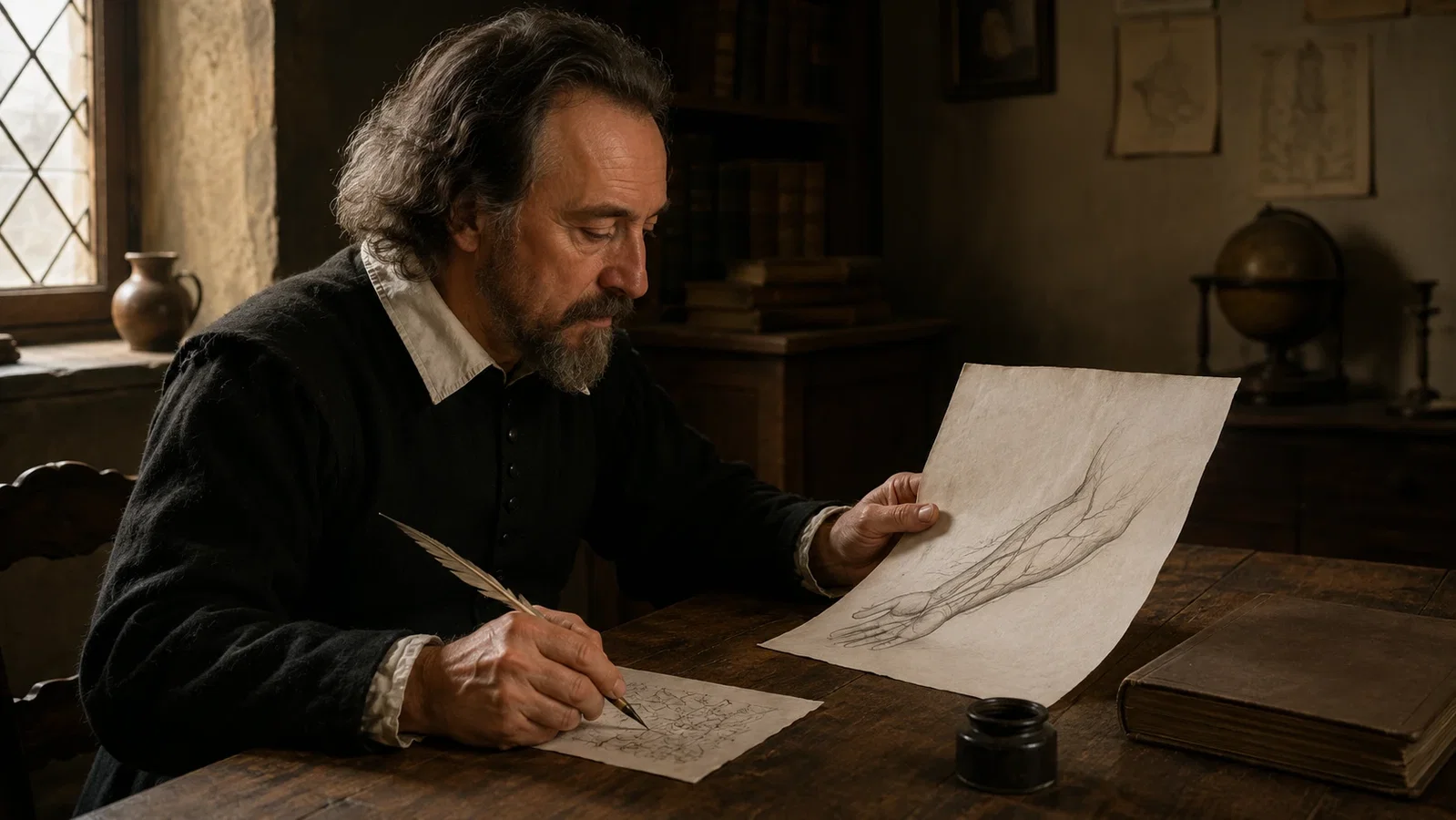
In De motu cordis (1628), Harvey combined the amount of blood the heart sends out, the direction shown by the venous valves, and a still-unseen link between arteries and veins into the argument that blood circulates.

A recipe for a drink 'to cause a man to sleepe till hee bee ript' survives in Jane Jackson's handwritten book dated 1642, showing that a medieval recipe tradition was still being copied, though the book records no patient who took it.
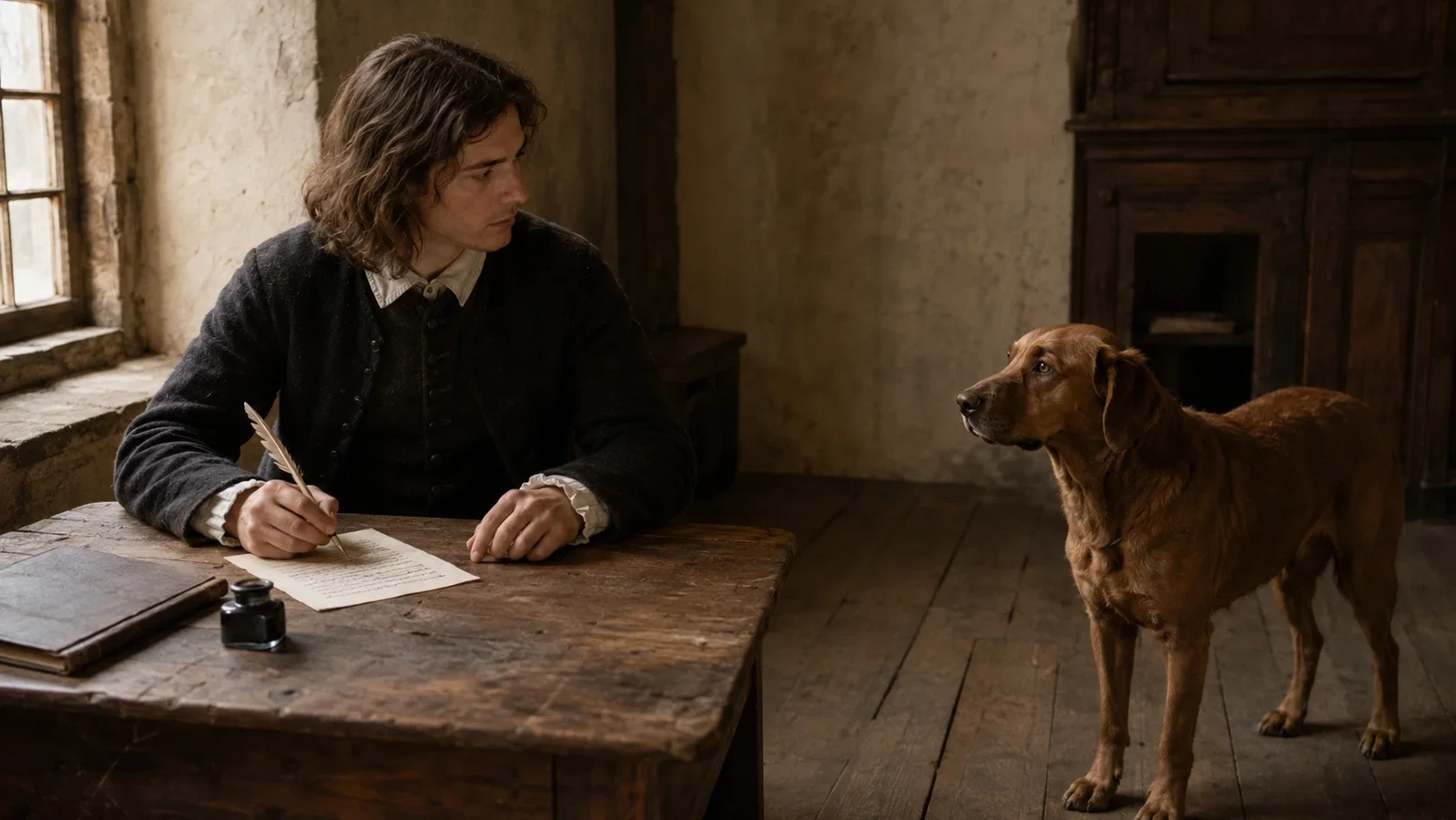
In Oxford around 1656, Christopher Wren helped inject opium dissolved in wine into a dog's vein; Boyle's 1663 account describes deep stupor and recovery, which opened a route into the blood but did not yet amount to a surgical anesthetic.

In 1664 the Hamburg physician Johann Daniel Major published a short Latin book proposing to infuse medicines into a vein; he called it a conjecture awaiting experiments, and the claim of a successful operation in 1662 remains unverified.
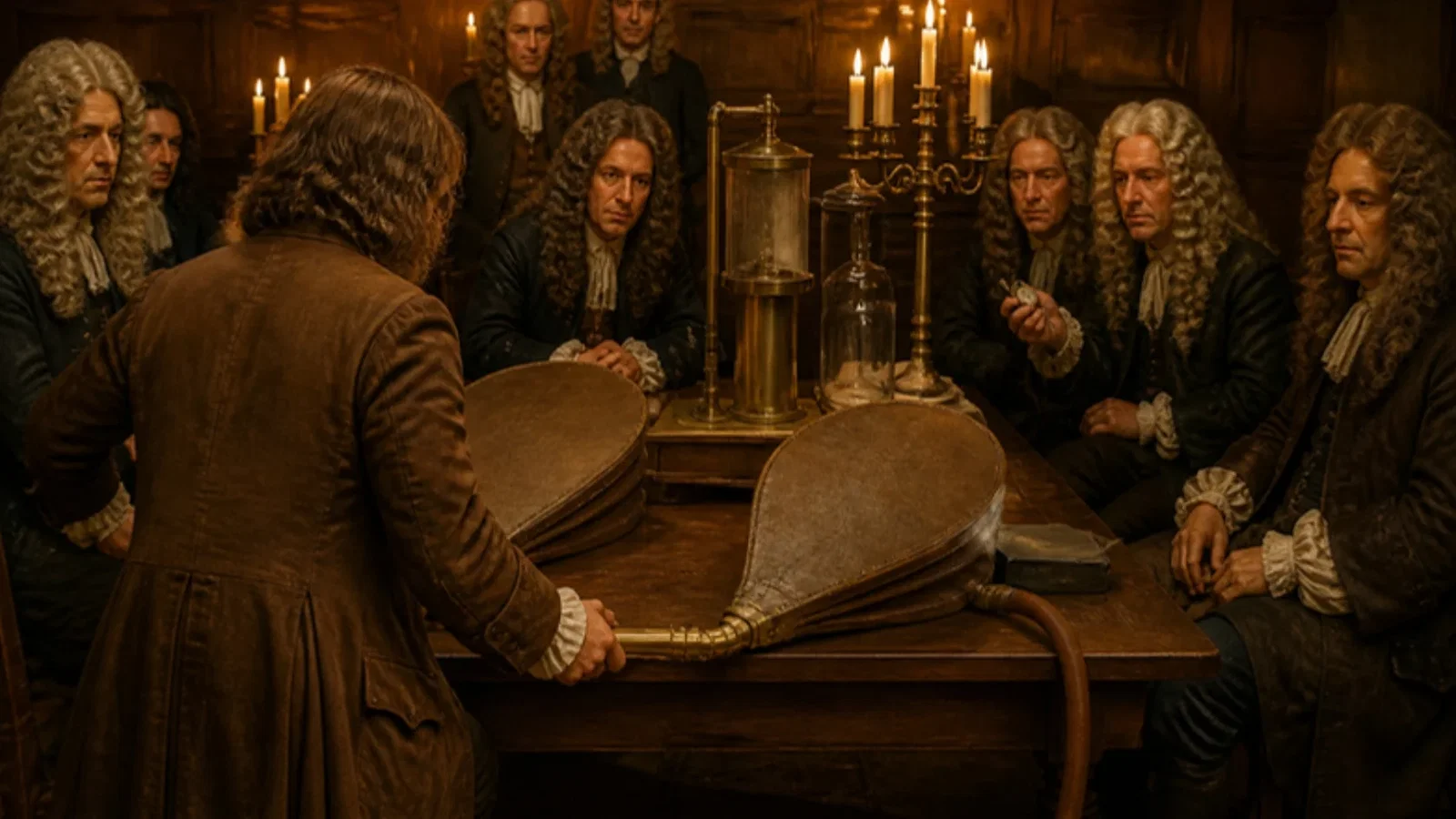
Following Vesalius's 1543 advice to blow into the trachea, Hooke used bellows in 1667 to show the Royal Society that fresh air, not lung movement, sustains life.
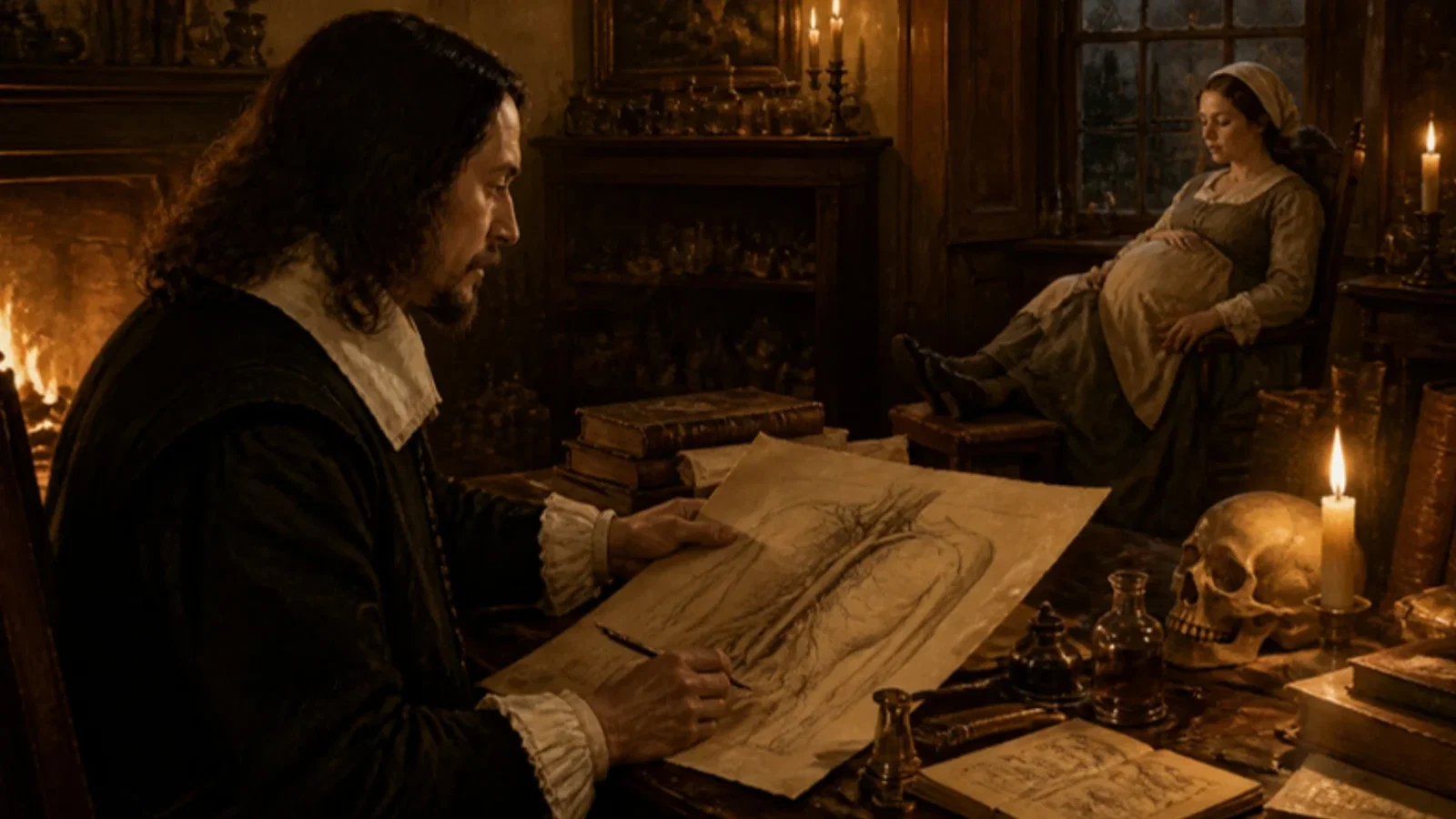
Lower explained the leg veins of pregnancy by uterine pressure on the vena cava; in 1961 the same compression caused supine hypotension under epidural block.
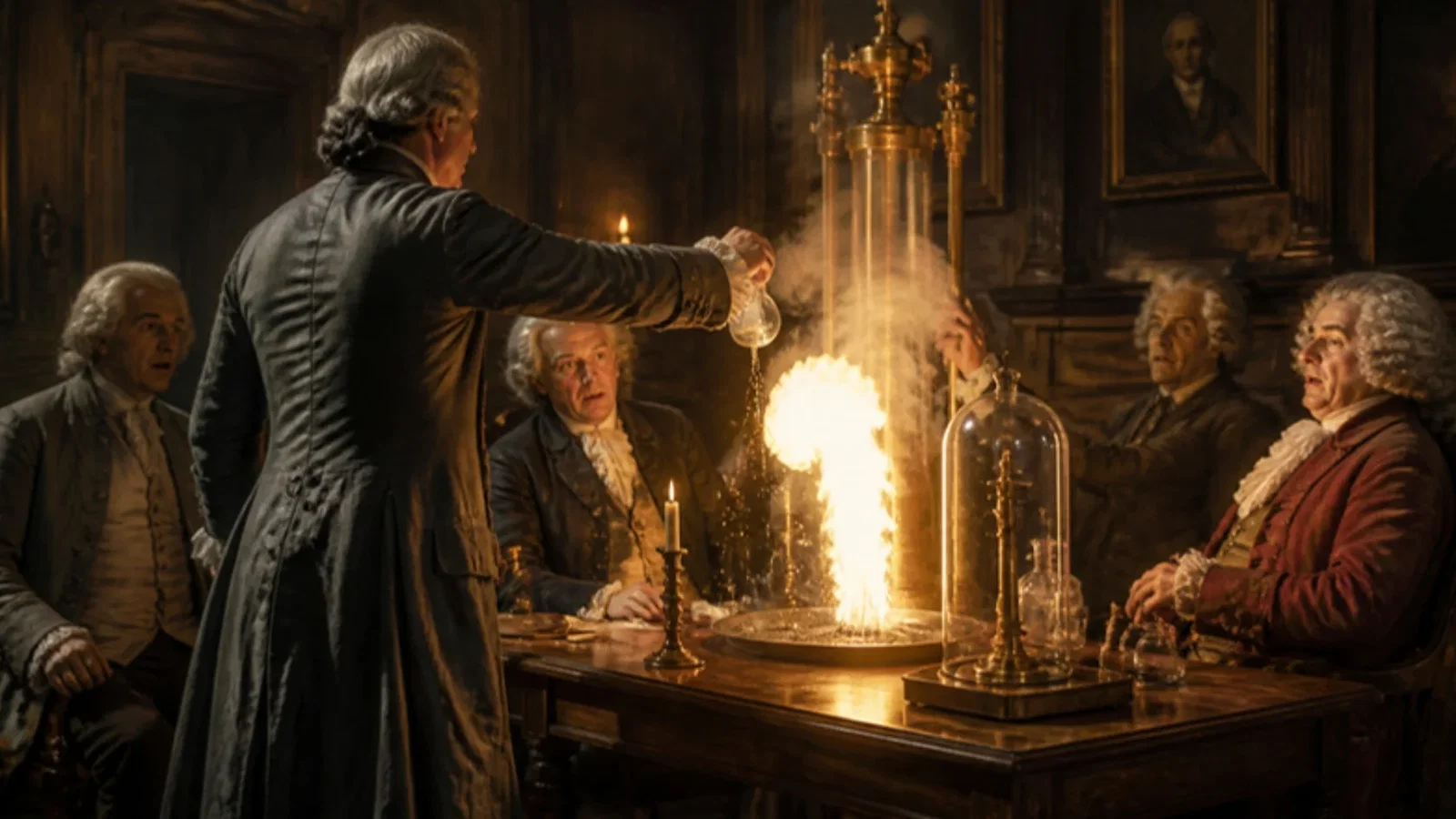
Frobenius's paper in the Philosophical Transactions described a cold, volatile, flammable liquid that dissolved fats, the ethereal spirit of wine, but left out the full recipe.
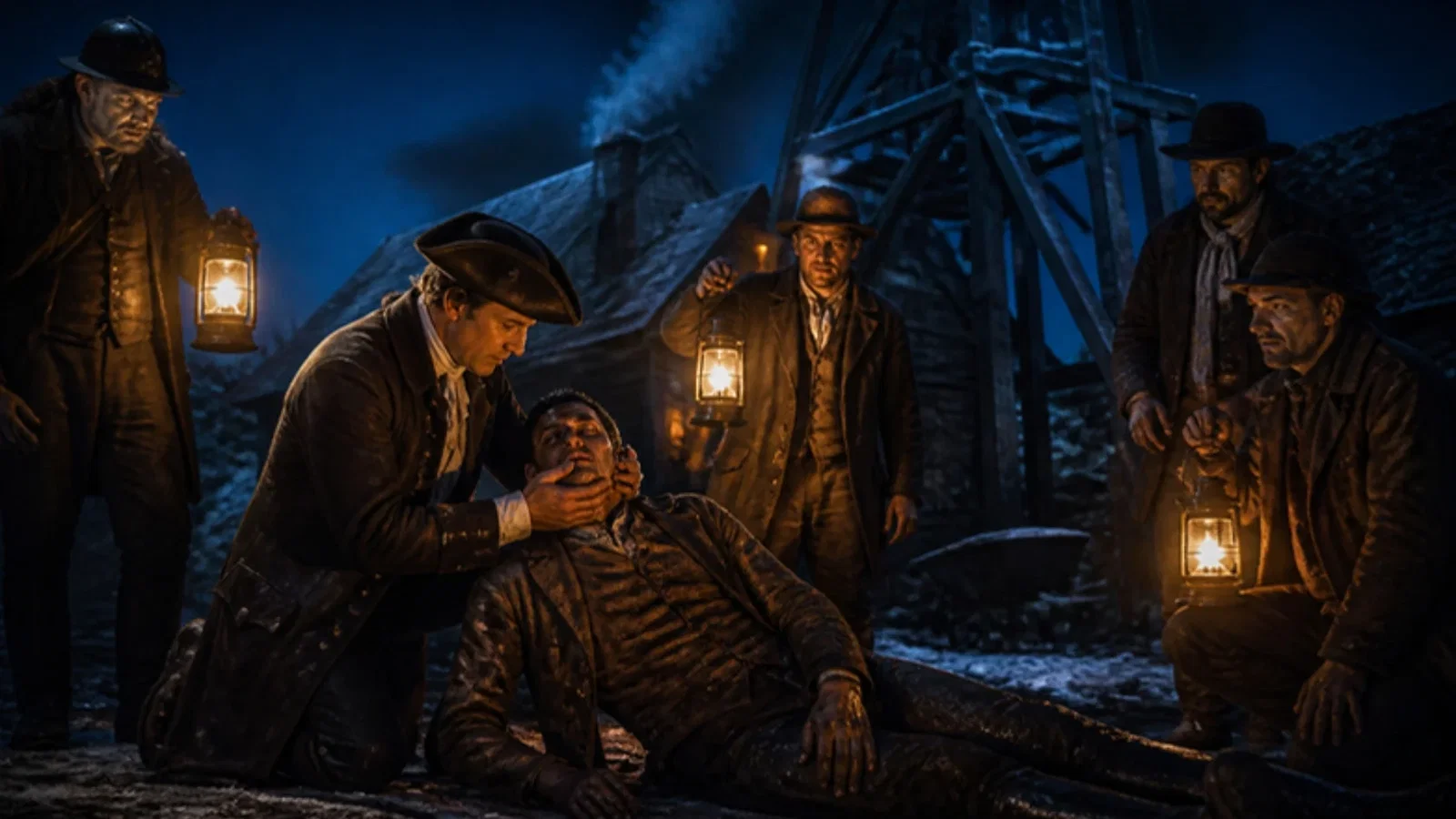
The Alloa surgeon Tossach blew into the mouth of a pulseless miner pulled from a burning pit, and the man recovered; rescue societies later adopted the method.
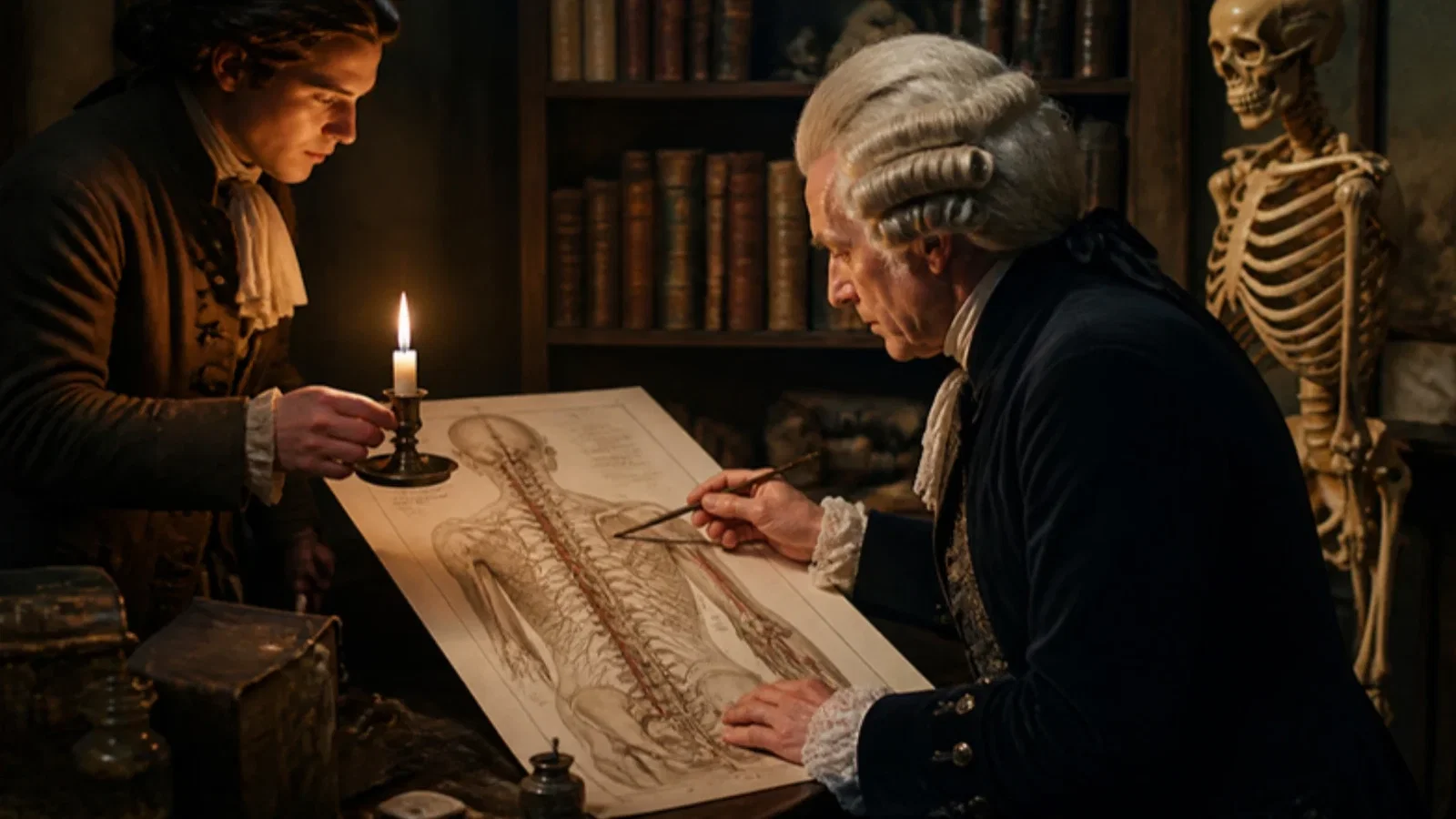
Winslow renamed the intercostal nerve chain the 'great sympathetic'; in 2009 a Guedel Center essay asked whether anaesthesiologists had become 'sympathetic-ologists'.
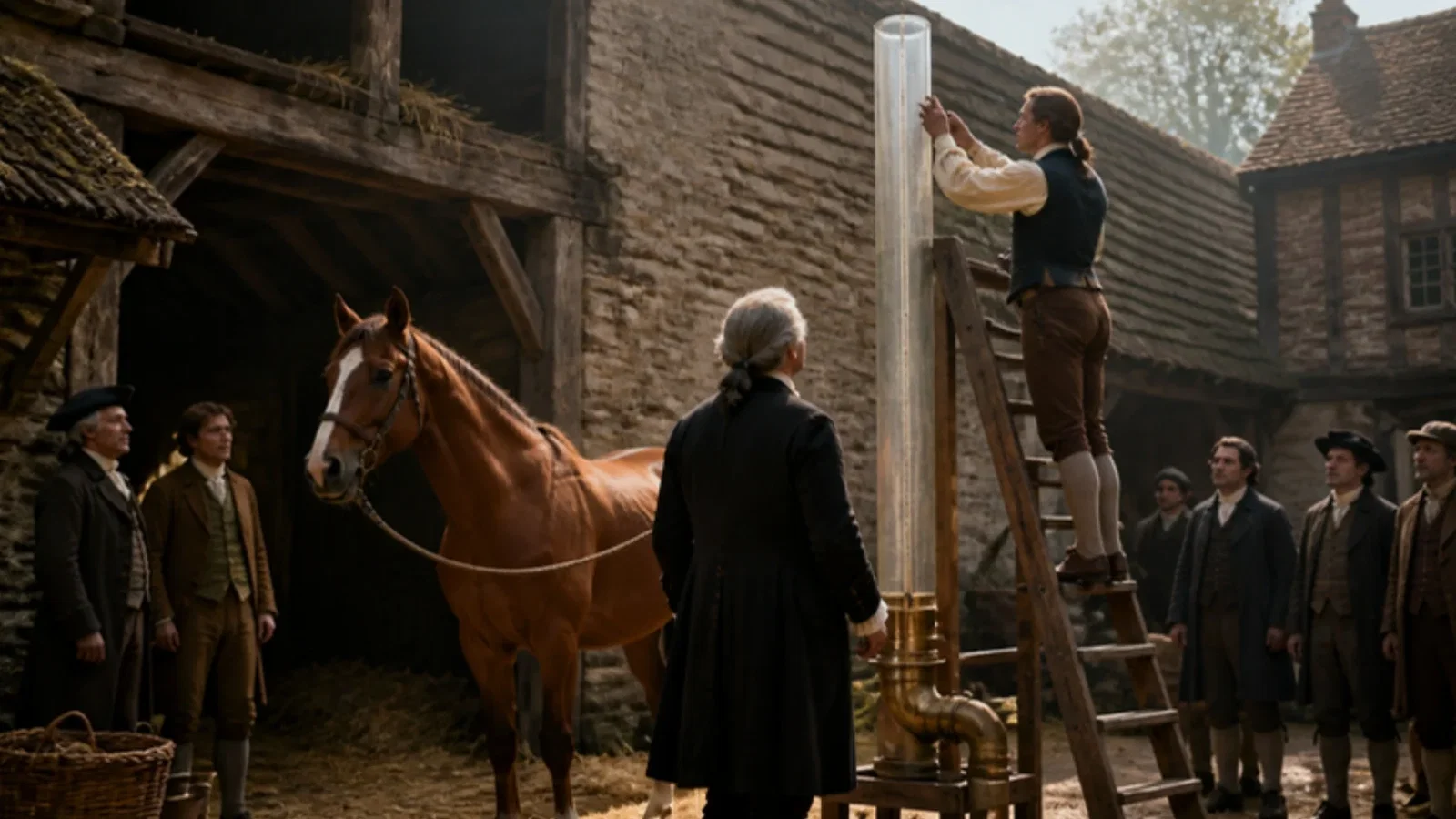
Hales joined a nine-foot glass tube to a mare's crural artery; the blood rose over eight feet, pulsed with each beat, and fell as the mare was bled.
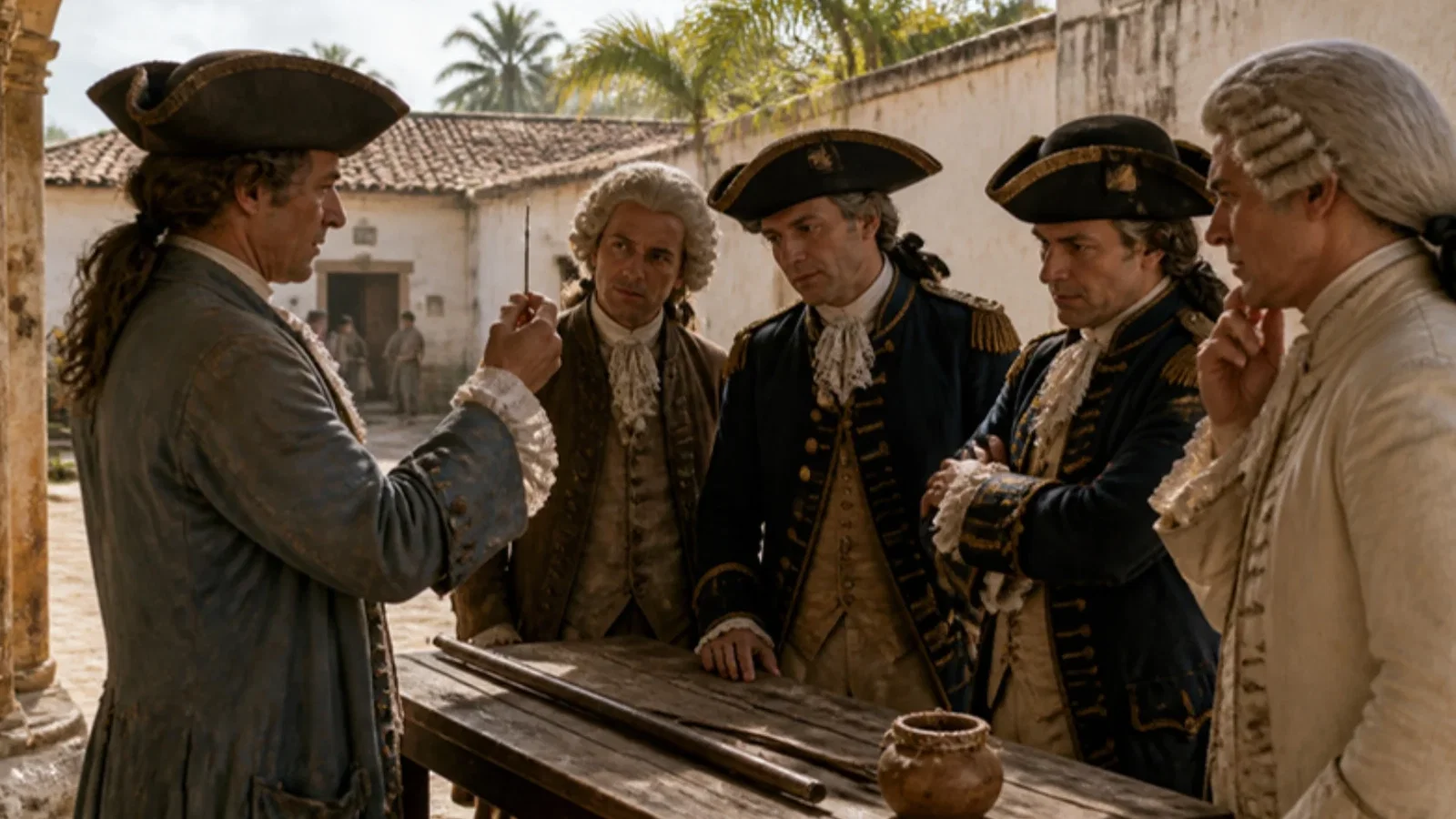
La Condamine told the Académie des Sciences of a blowpipe dart poison that killed within a minute yet left game safe to eat, and tested it on hens.
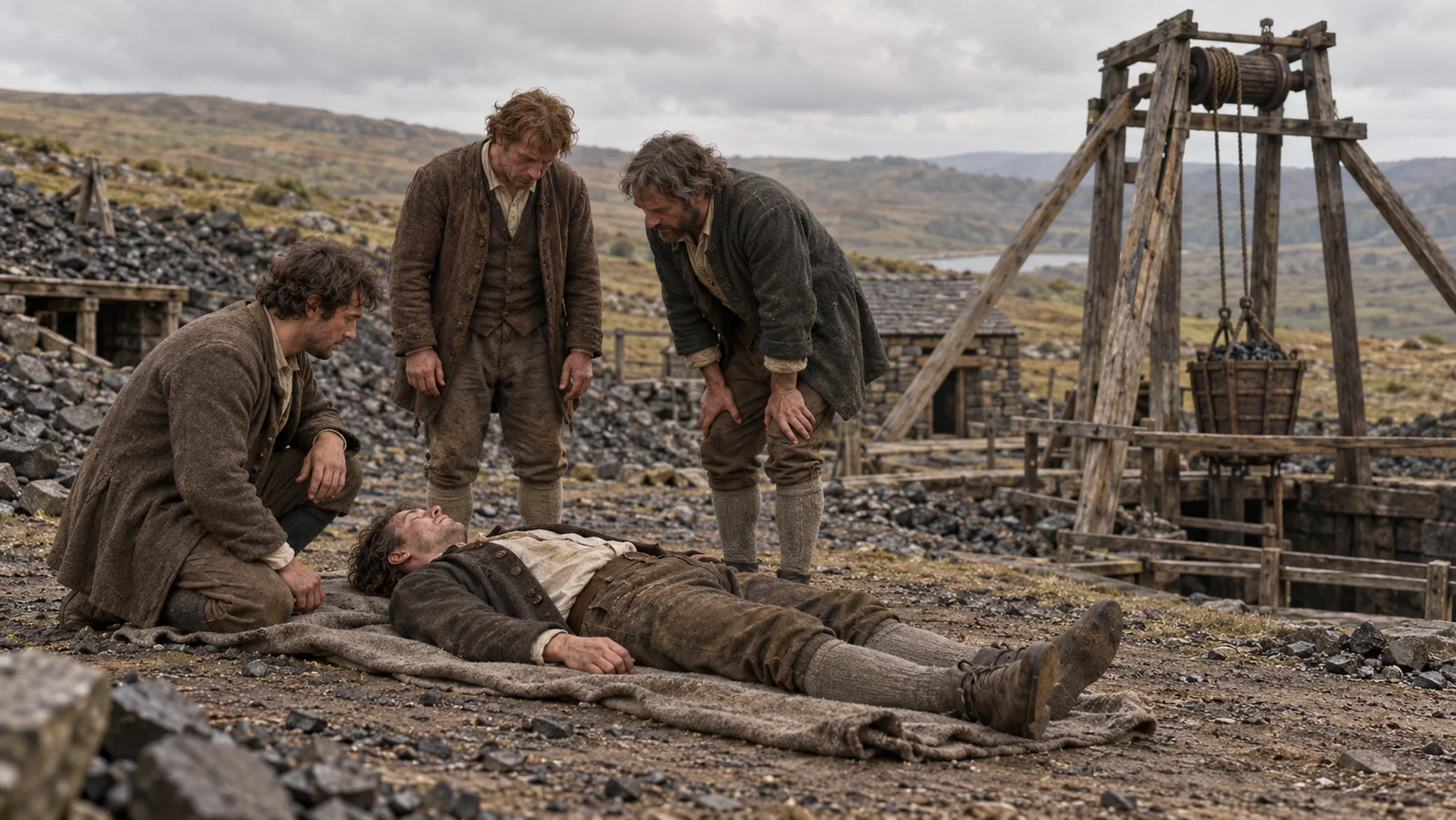
In a paper read at the Royal Society in February 1745, Fothergill summarized Tossach's rescue of a miner by blowing into his mouth and asked readers to try the method and report the results.
Pugh's 1754 midwifery treatise described passing a coiled-wire air-pipe towards a breech baby's larynx before the head was born, and mouth-to-mouth inflation if needed.
In a paper printed in 1756, Joseph Black showed by weighing that magnesia lost a kind of air when heated and nearly regained it when remade, the substance he called fixed air, now known as carbon dioxide.

In a letter read to the Royal Society in 1763, Edward Stone reported giving willow bark to about fifty people with agues, noting the stubborn cases in which he added Peruvian bark.
In experiments reported between 1772 and 1774, Priestley turned nitrous air (nitric oxide) into a new gas, later identified as nitrous oxide, that kept a candle burning but did not sustain an animal; he imagined medical uses but described no anaesthesia.
On 1 August 1774 Priestley heated mercurius calcinatus with a burning lens and got an air in which a candle burned brilliantly; only after tests in March 1775 did he judge it better than common air, calling it dephlogisticated air, now known as oxygen.
Scheele's Chemical Treatise on Air and Fire, printed in 1777, described air as two kinds of elastic fluid and a gas in which a candle burned brightly, which he called fire air, now identified with oxygen, and explained it with phlogiston.
In a memoir on acids read to the Paris Academy in 1779, Lavoisier named a common constituent of acids the principe acidifiant, or principe oxygine, building his theory of composition into the name while admitting parts of it were unproven.

Mesmer's 1779 book claimed a universal fluid that could heal through the nerves; in 1784 a royal commission, testing with blindfolds and sham procedures, found no such fluid and attributed the reactions to touch, imagination and imitation.
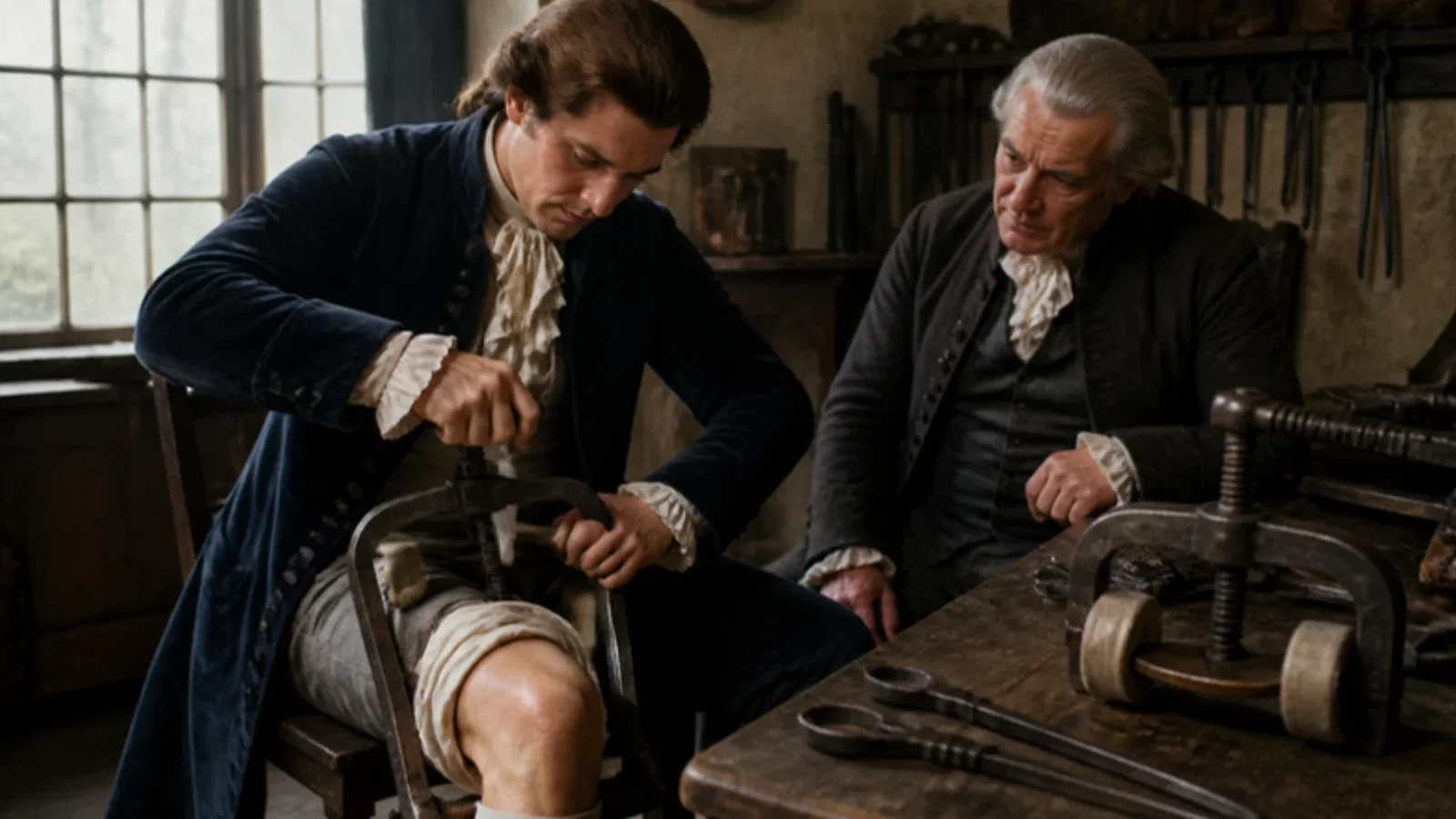
Moore numbed a limb by pressing on its nerves, tested the method on his own thigh, and watched John Hunter amputate a leg while the patient barely cried out.

In his 1788 essay on recovering the apparently drowned, Charles Kite described electrical shocks that made a drowned man's muscles contract for two hours without bringing him back, and proposed electricity as a test of whether life remained.
In a letter dated 24 December 1793, Thomas Beddoes asked for a dedicated hospital where pneumatic medicine could be tested; by 29 May 1799 he was writing to James Watt about nitrous oxide work under way at the Pneumatic Institution.
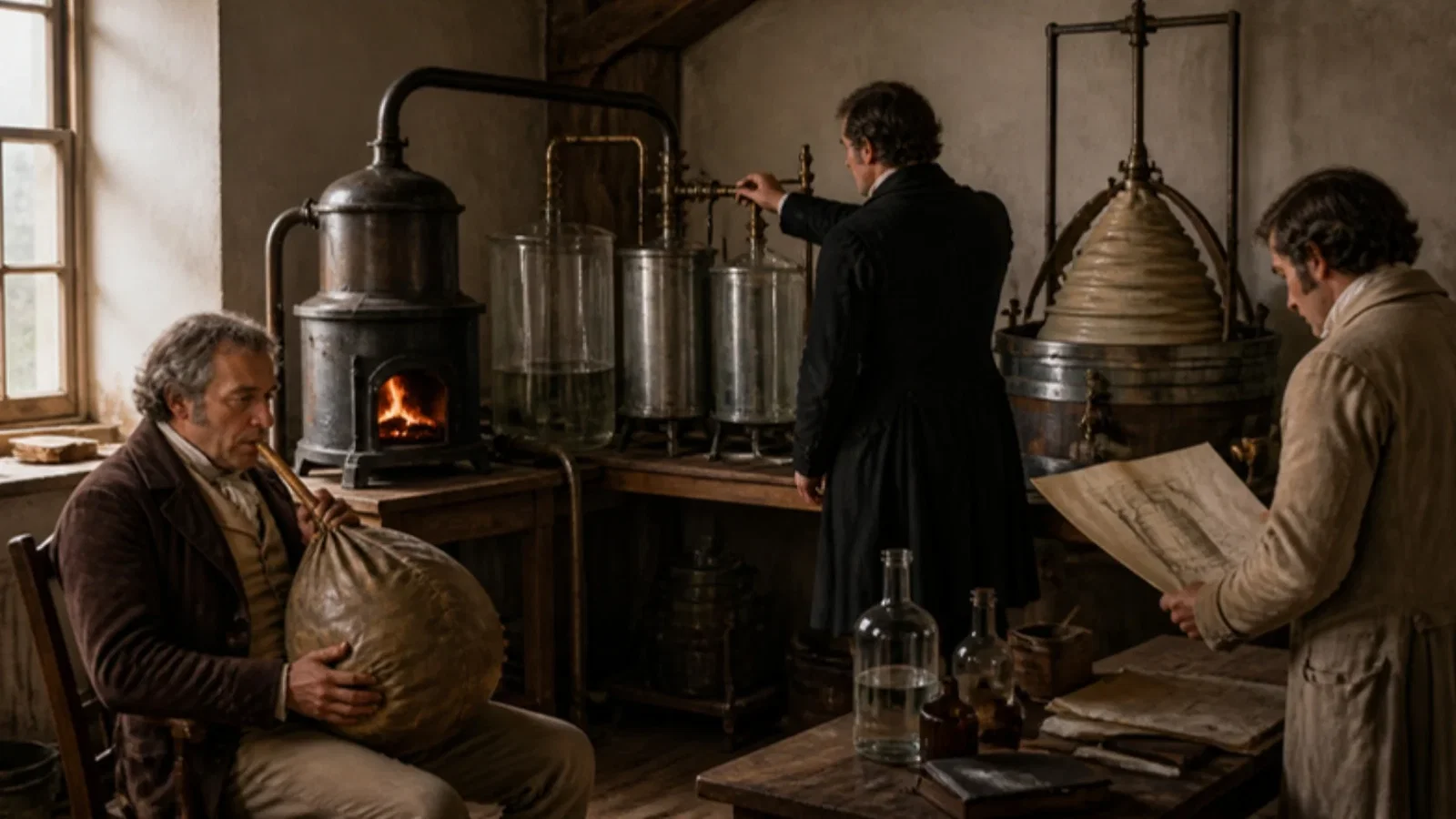
Watt sent Beddoes drawings of an apparatus that made a gas in a heated pot, washed and stored it, and passed it into bags for patients to breathe.
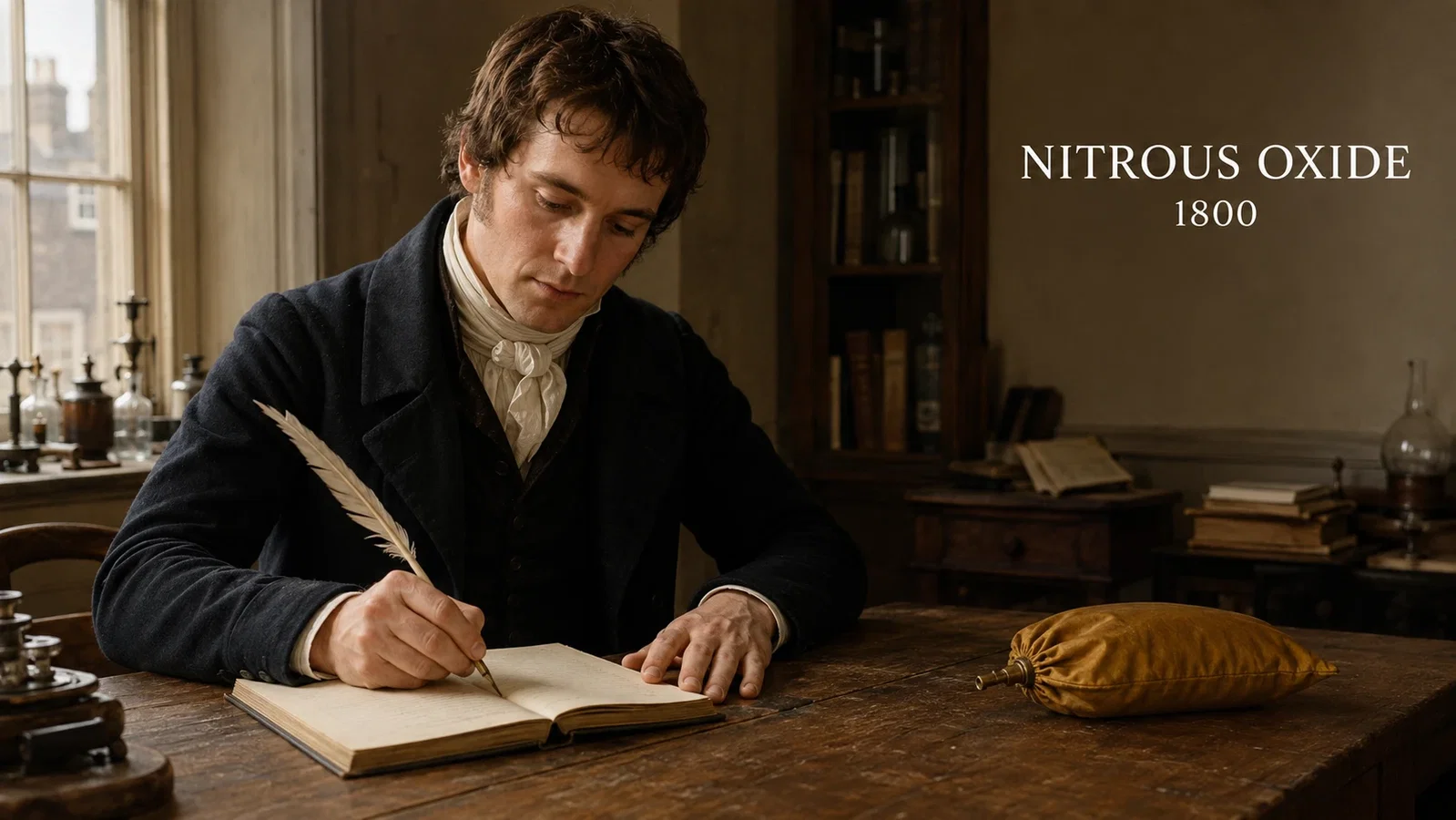
In his 1800 book on nitrous oxide, Humphry Davy recorded that the gas only briefly eased the pain of an inflamed gum, and wrote that it might probably be used in surgical operations without great blood loss, a proposal he did not test.
In his 1803 memoir on opium, the Paris pharmacist Derosne described crystals he provisionally called a ‘salt’, reported that the material made dogs ill, and said more comparison was needed before its medicinal action could be judged.
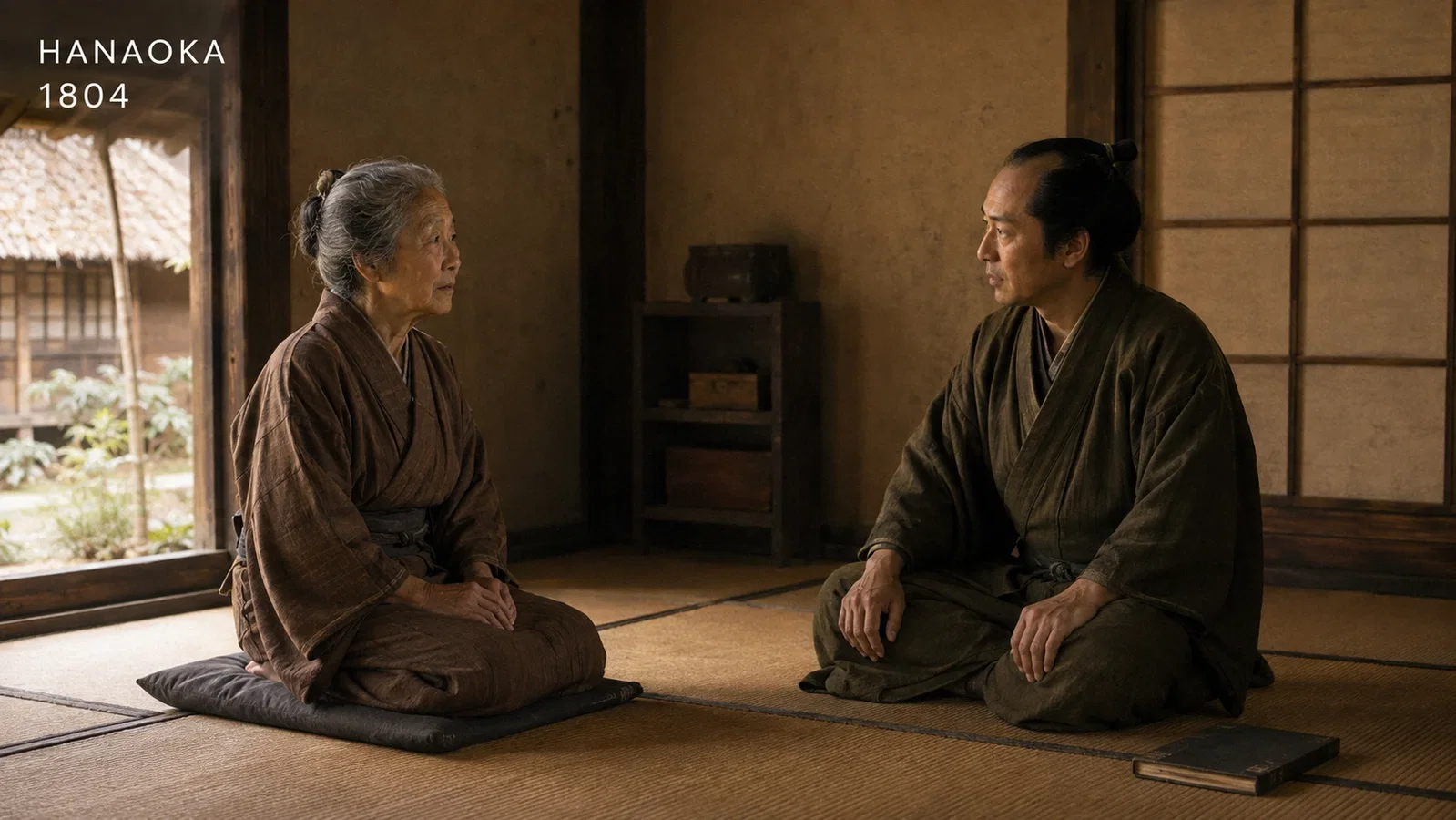
In 1804 Hanaoka Seishu gave a woman named Kan the oral preparation Mafutsusan and removed a mass from her left breast; his case record also follows her decision beforehand and the weeks of care until she went home.

In 1809 Vauquelin looked in belladonna for the acrid principle he had found in tobacco, a plant of the same family; he did not find it, and turned instead to the material behind its narcotic action, calling his results very rough.

Brodie kept a cat poisoned with woorara alive by inflating its lungs for three hours; in 1825 Waterton kept a poisoned she-ass alive with bellows.
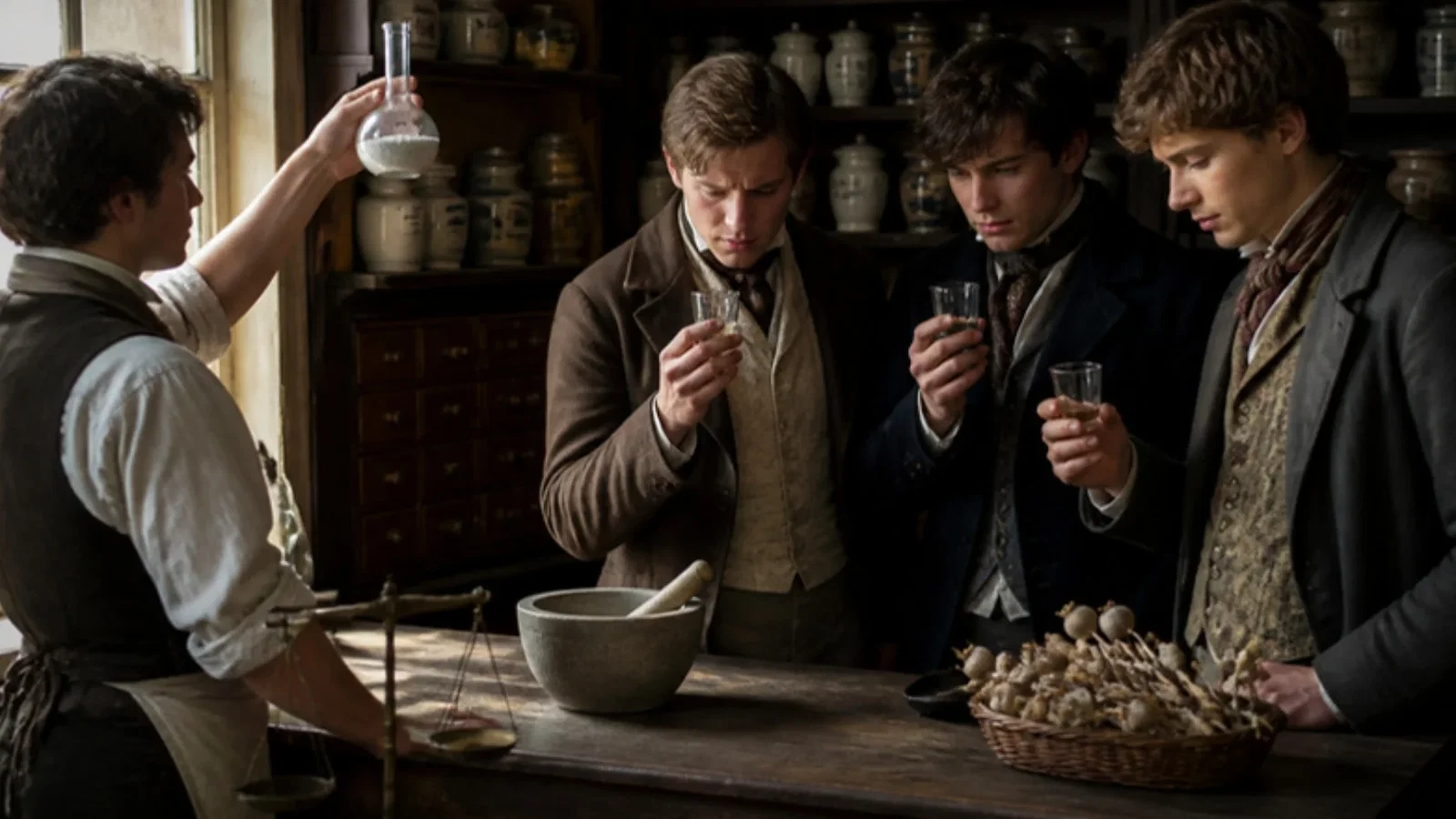
Sertürner of Einbeck called opium's active principle a salt-forming base, and recorded that Sertürner and three youths nearly fainted after taking it.
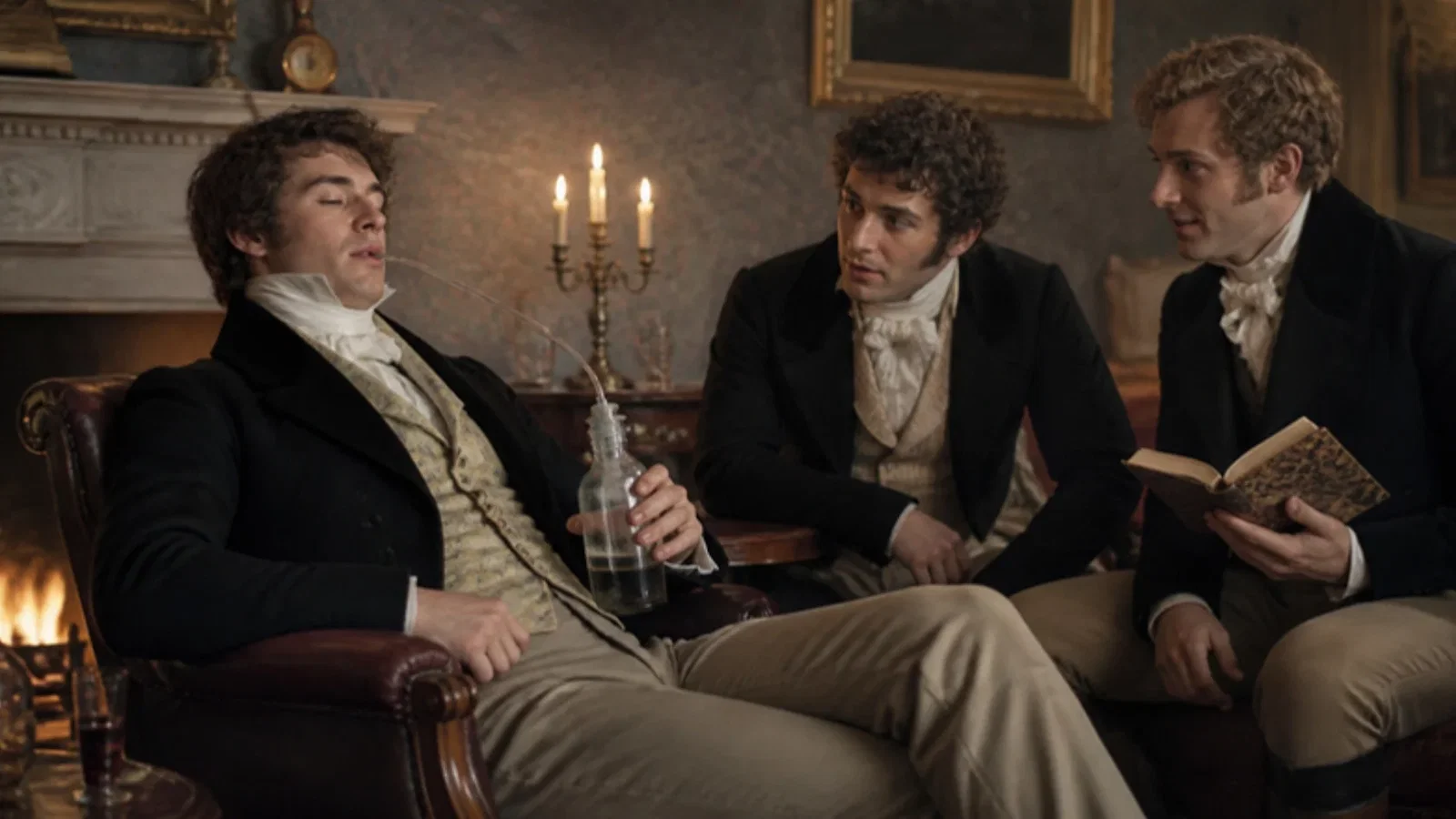
A note in the Royal Institution's journal said inhaled ether vapour acts much like nitrous oxide, and that one man stayed lethargic for thirty hours.
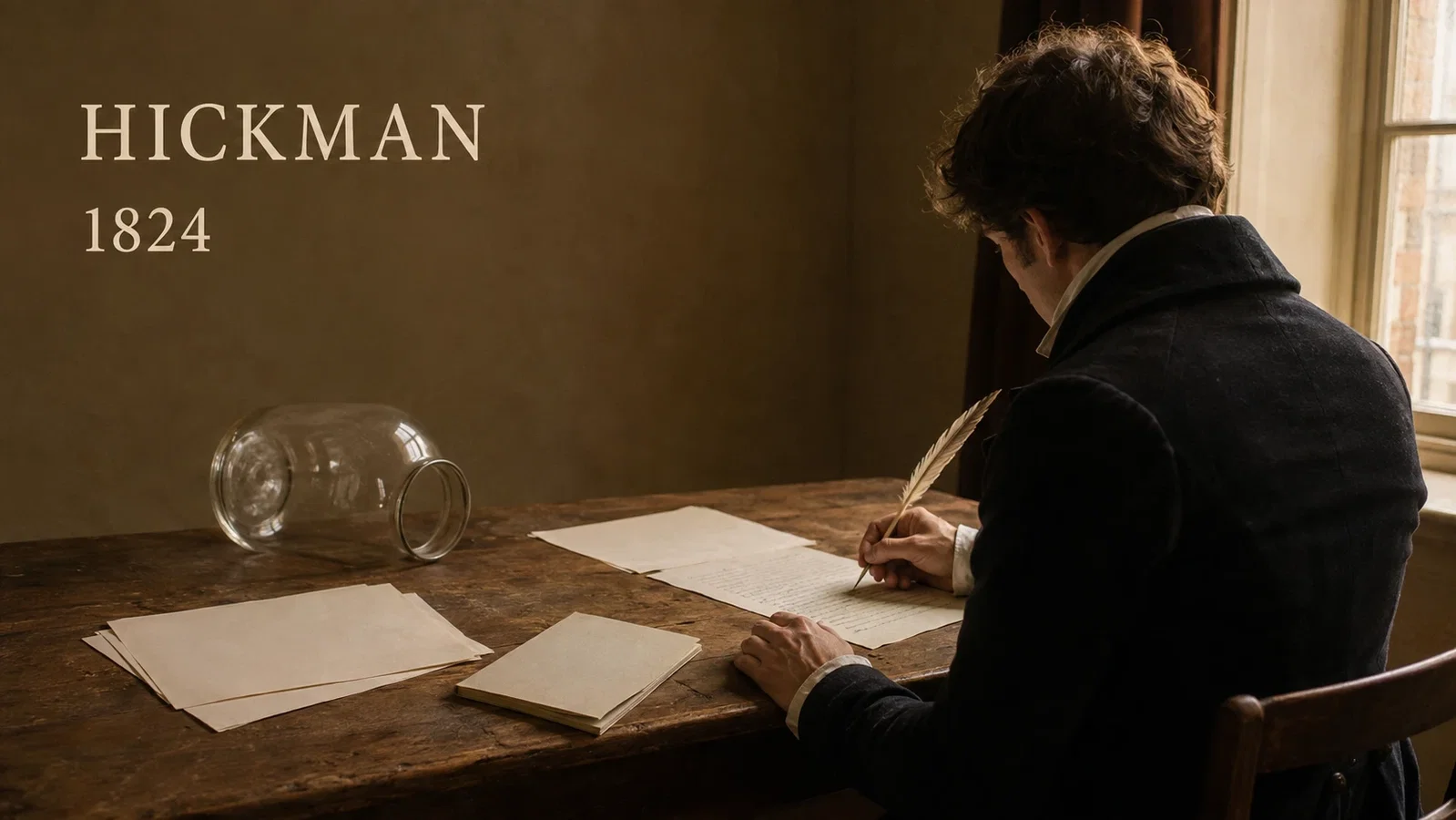
In 1824 Hickman published six animal experiments using confined air or carbon dioxide, argued that operations could be made painless, yet would not recommend that a patient risk it.
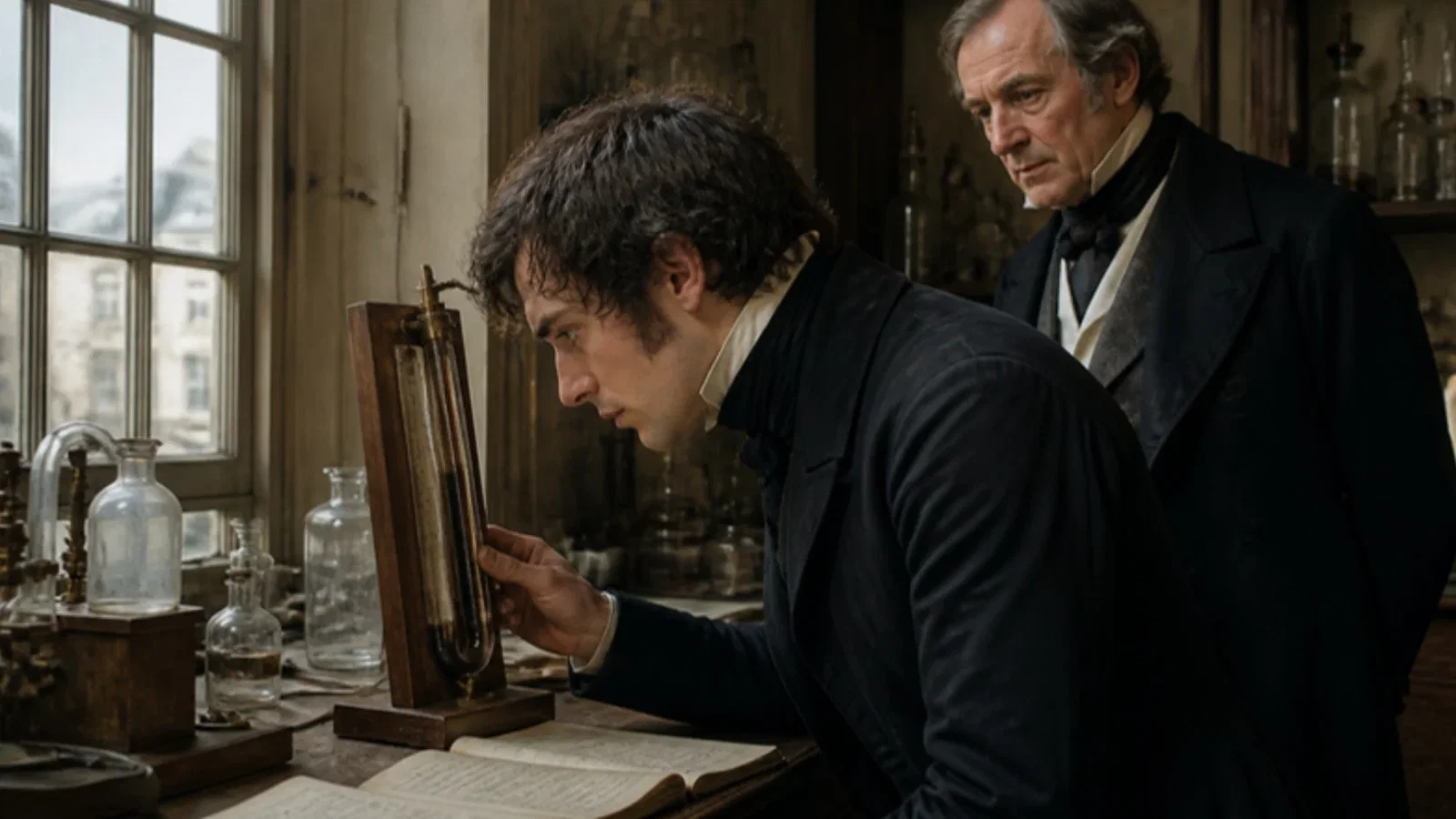
In a Paris thesis of 1828, Poiseuille replaced Hales's tall blood column with a mercury-filled bent tube joined to an artery, and watched it rise with each beat.