Learning from risk
Follow reported complications, safety standards, professional learning and changes in how care is organized. Evidence of a hazard, a proposed safeguard and a demonstrated benefit are distinct milestones.
Reading Library · Explore the Connections
Explore this topic
Topics overlap. An essay may appear in more than one collection. Open an article for its sources, images and reading limits.

After deaths at Colchester and Grantham and an inquest blaming the vapour, the journal called for statistical evidence on whether ether raised operative mortality.

In an 1861 book Semmelweis recalled requiring students to wash in chlorine solution from mid-May 1847, after concluding that cadaveric matter on examiners' hands caused childbed fever.

The Lancet printed the inquest on a 15-year-old who died during toenail removal; Simpson replied that water and brandy given in revival caused asphyxia.

Snow told the Westminster Medical Society that chloroform's effect deepens after inhalation stops, urged plenty of air with the vapour, and described a portable inhaler.

John Snow's accounts of Hannah Greener's death under chloroform in 1848 show both the limits of the witness reports and an explanation that changed over ten years.

After two deaths in 1857, Snow's posthumous book blamed amylene's unsteady boiling point and proposed giving the vapour from a bag.
Read on 5 July 1864, the committee's report found that danger grows with depth and strong vapour arrests the heart, and set rules for resuscitation.

In 1864 a Royal Medical and Chirurgical Society committee preferred an alcohol, chloroform and ether mixture, while a footnote showed that its ether evaporated faster than its chloroform.

In 1867 Lister argued that dressings which destroyed the minute organisms carried in the air could prevent decomposition in wounds without shutting the air out.

In December 1868 the BMJ printed a digest of a London committee's first report on nitrous oxide, drawn from 1,380 cases its members watched and 1,051 reported to them by others.
Reporting a death after a tooth extraction, The Lancet argued that the gas buys brief insensibility by suspending respiration rather than acting as a true anaesthetic.

With Lauder Brunton representing The Lancet, the commission concluded that inhaled chloroform arrests breathing and never suddenly stops the heart.
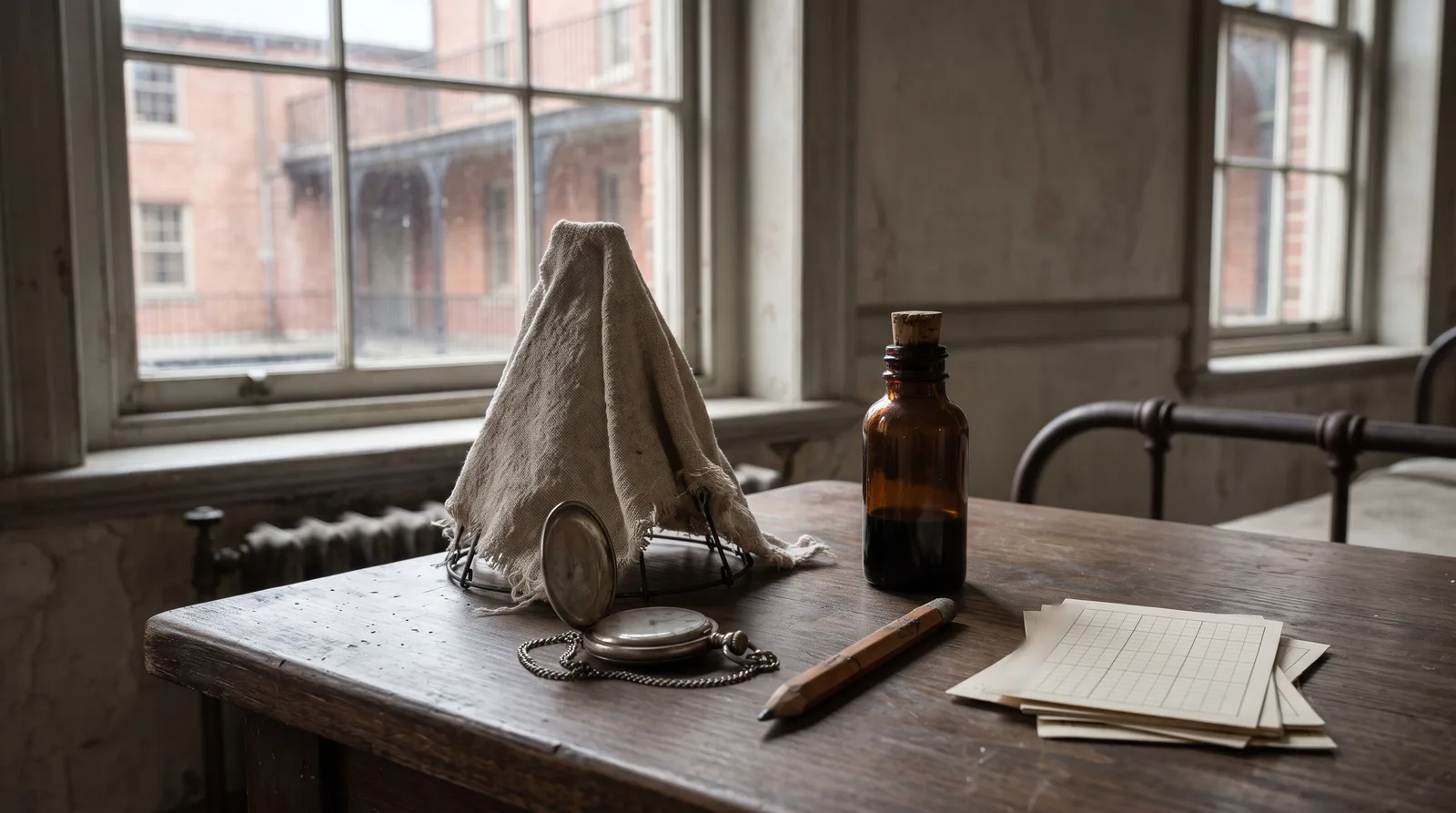
In 1894–1895, as Harvard medical students, Ernest Amory Codman and Harvey Cushing began keeping anesthesia records that plotted pulse and respiration against the minutes of an operation, with notes on drugs and events beside them.
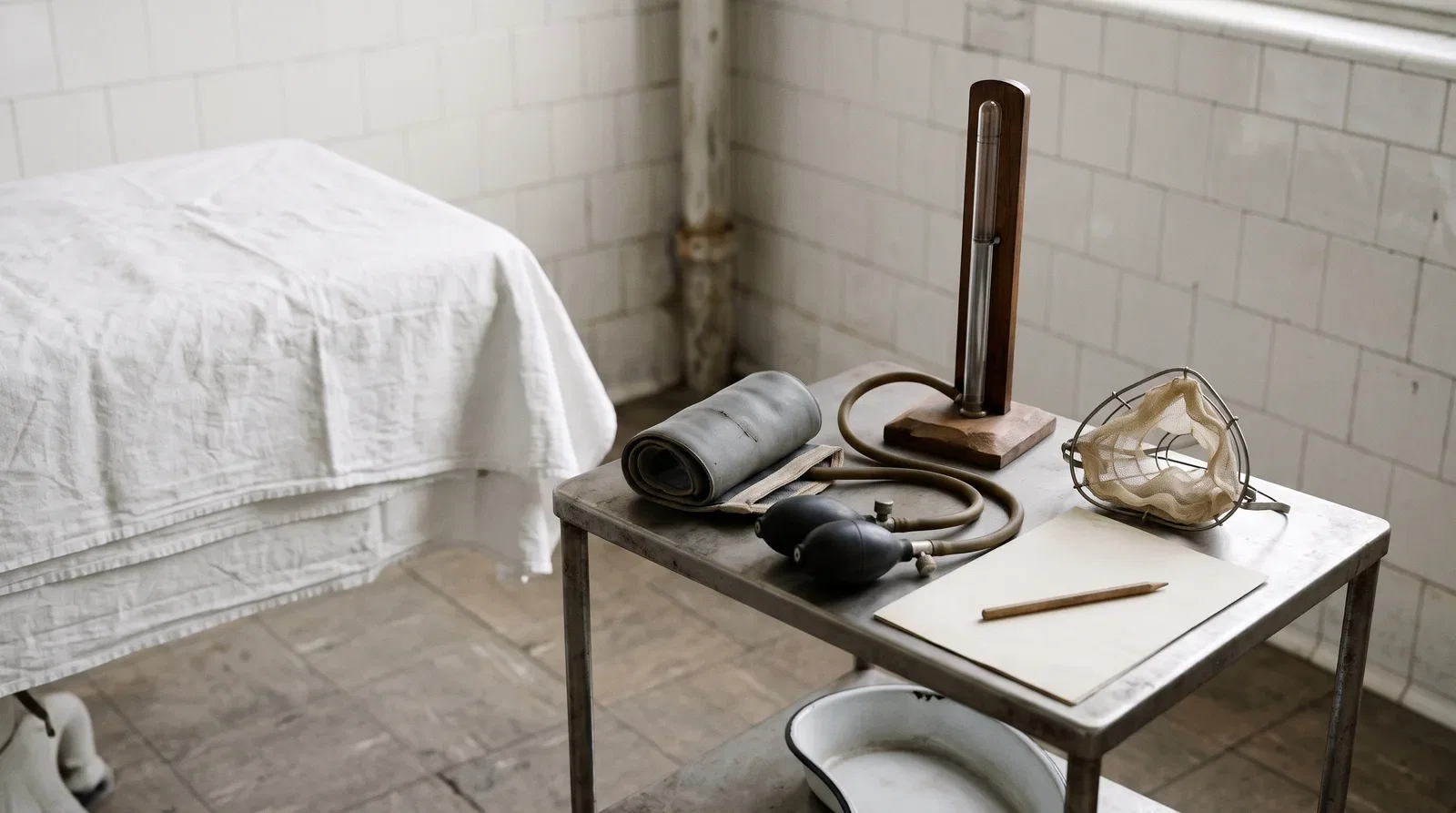
In January 1903 Harvey Cushing of Johns Hopkins described bringing the Riva-Rocci armlet, seen in routine use in Pavia, into the operating room, where charts of systolic pressure showed a rise under ether and a fall under chloroform.
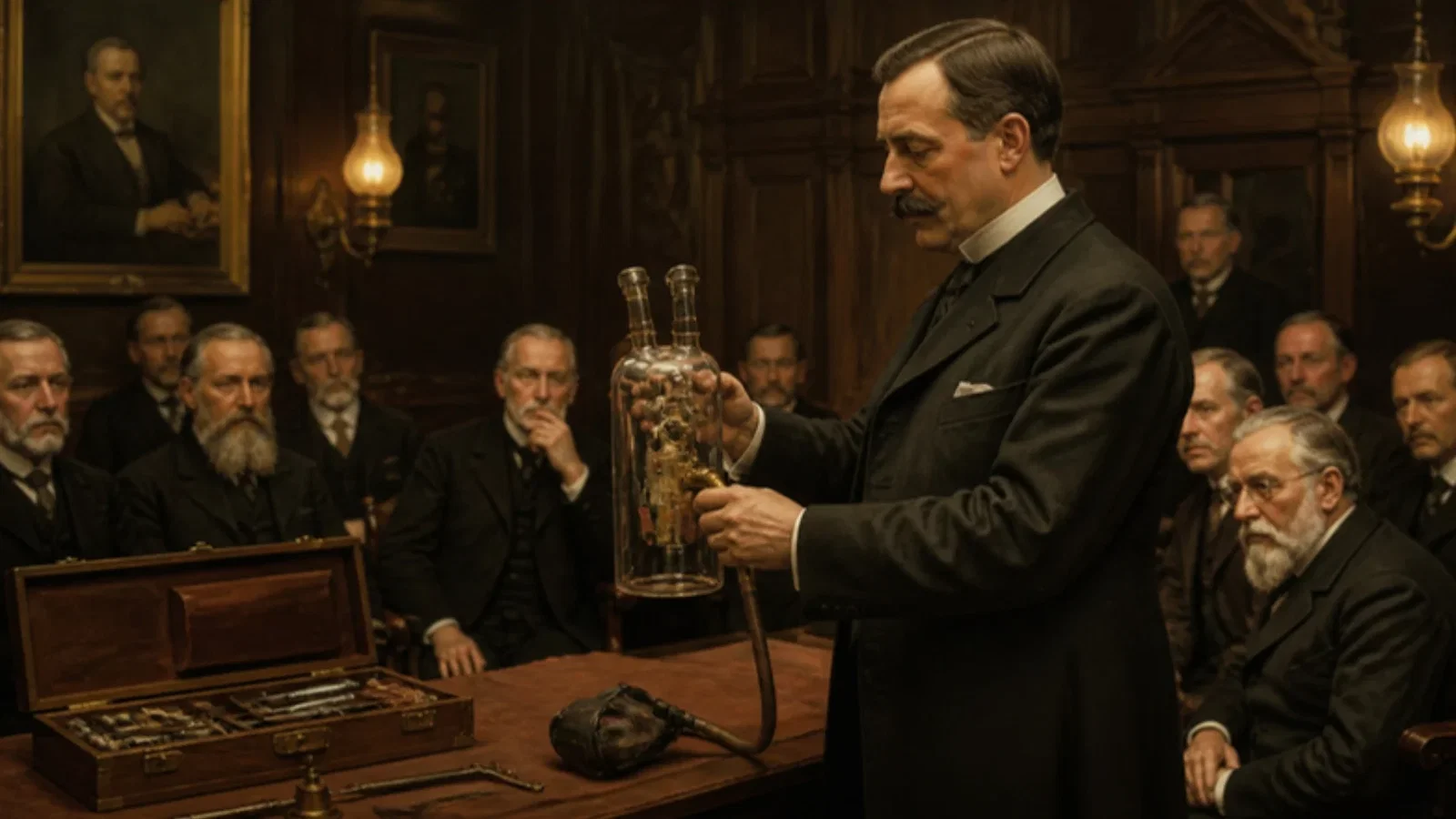
Vernon Harcourt's inhaler for the BMA Chloroform Committee could deliver no more than 2 per cent chloroform vapour, set by a pointer.
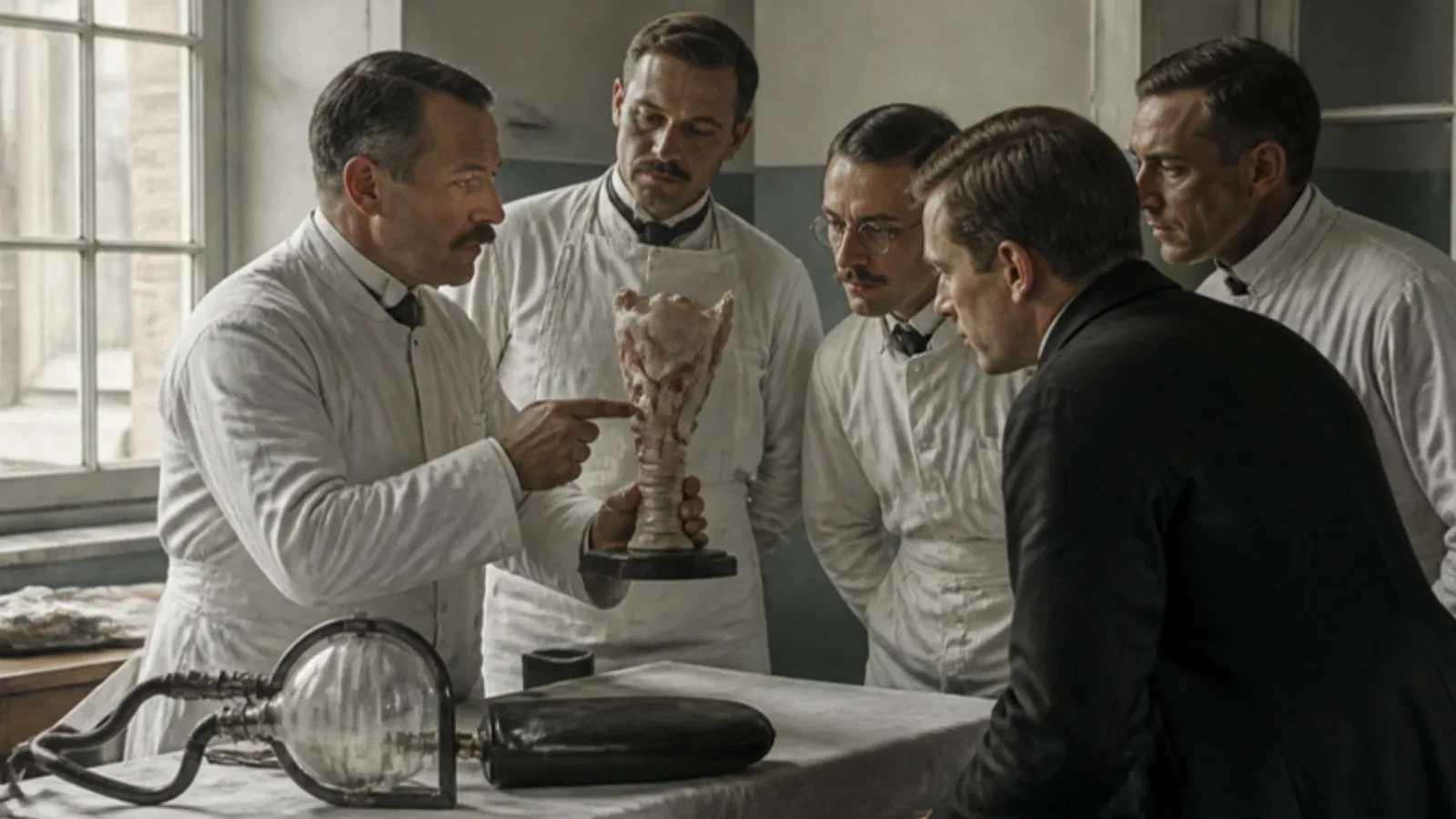
Half a century before Sellick, pressure on the cricoid served a different purpose
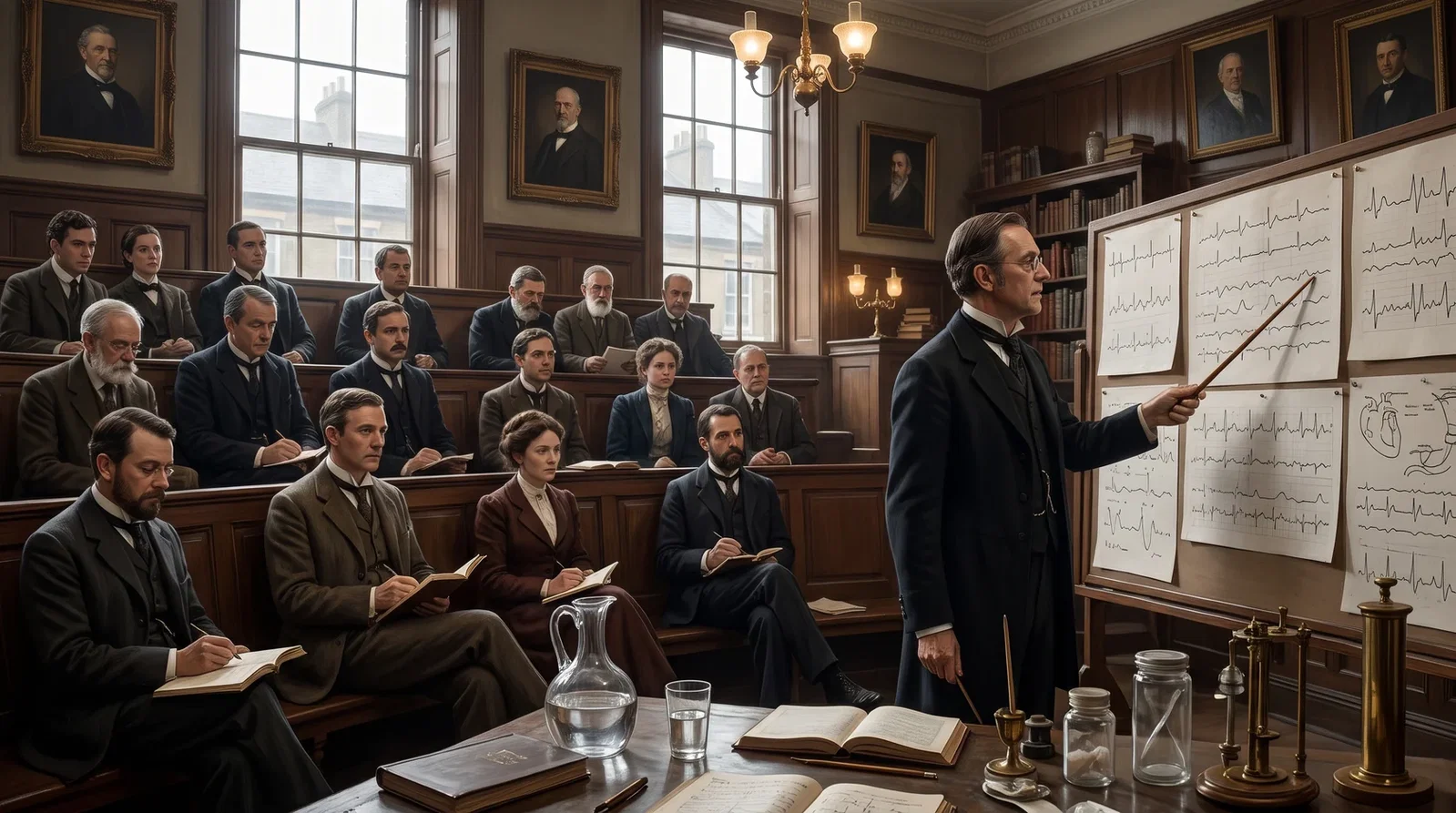
Before the Royal Society of Medicine, Levy argued that sudden death under light chloroform is due to ventricular fibrillation and urged full, continuous anaesthesia.
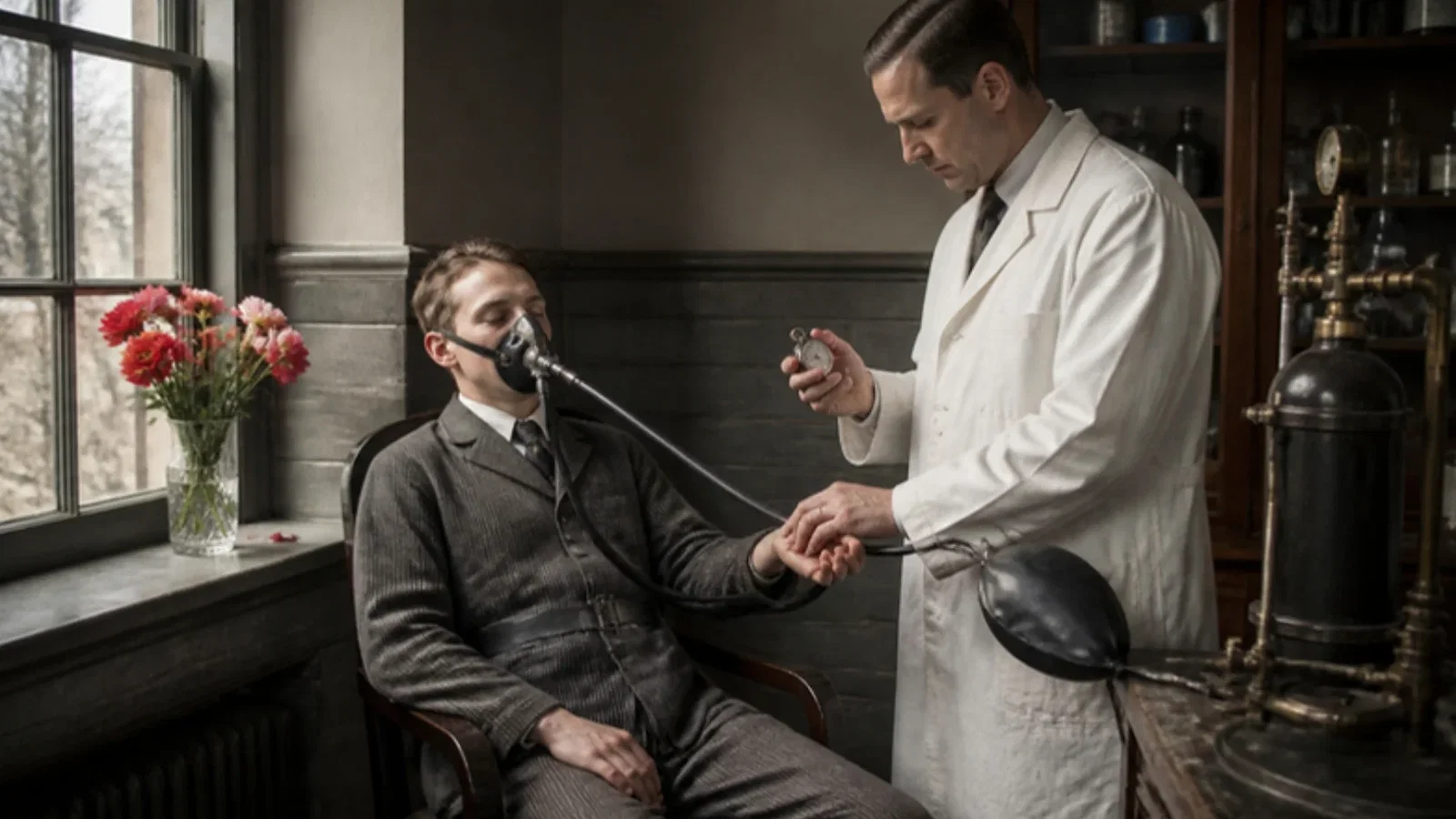
Two JAMA papers took ethylene from sleeping greenhouse carnations to 106 operations in Chicago, with a warning that the gas burns.

From the coroner's archives and the hospital's operation registers, an anaesthetist finds preventable deaths and writes six recommendations
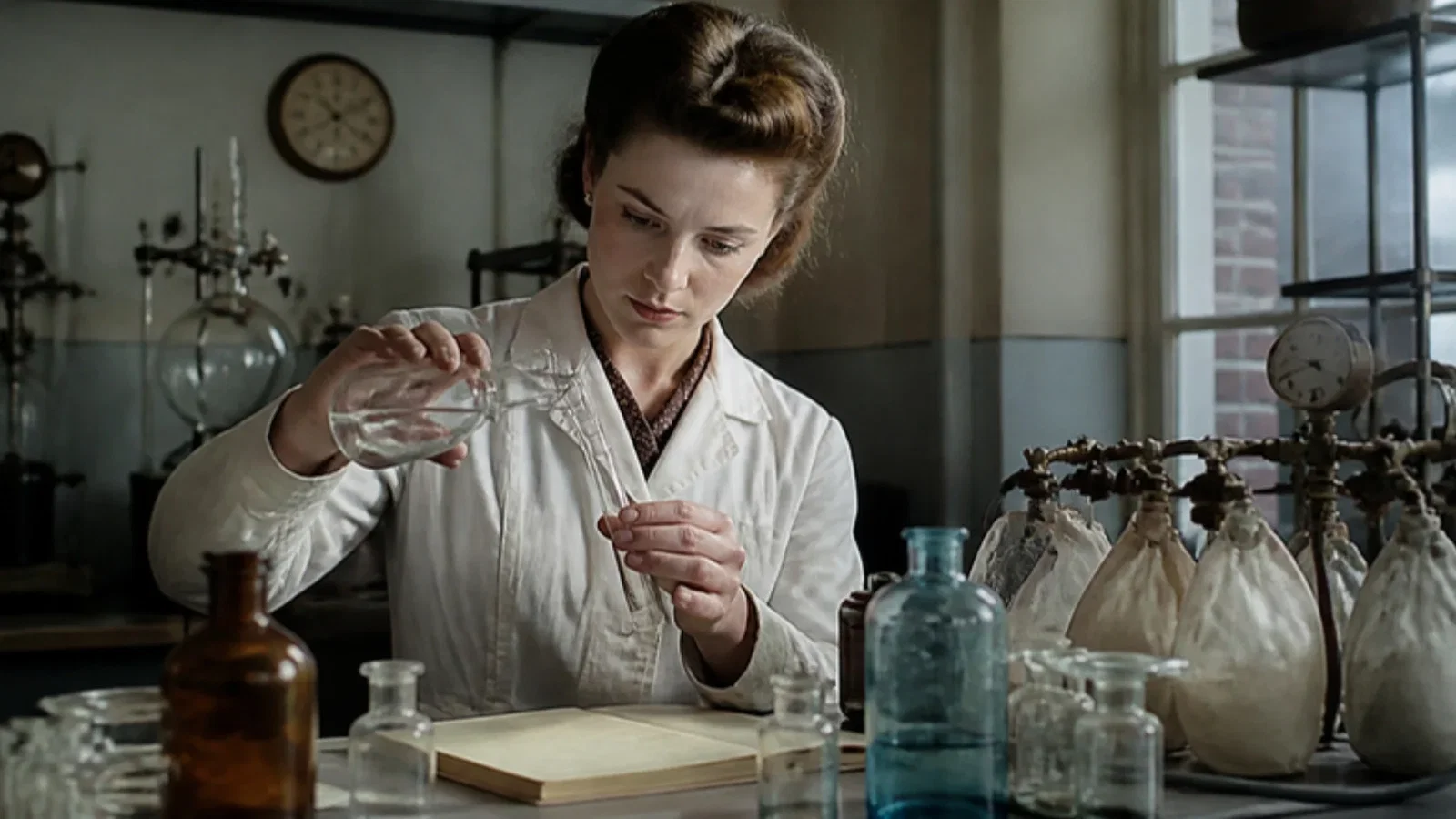
In twelve patients after Trilene anaesthesia, Powell found trichloracetic acid in blood and urine, evidence that an inhaled anaesthetic is partly metabolised in man.
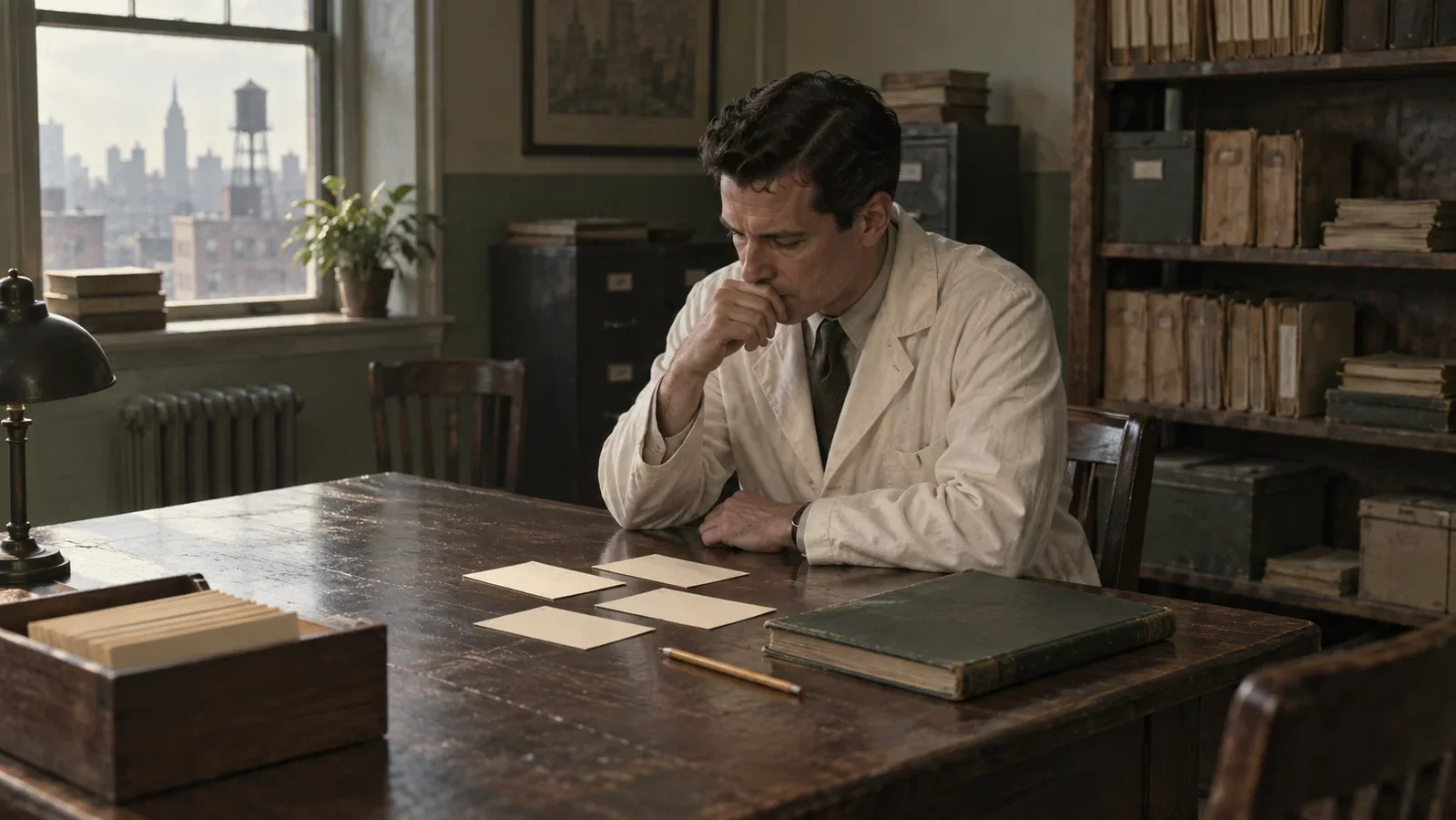
Obstruction, acidic injury and anesthesia care in the 1946 paper
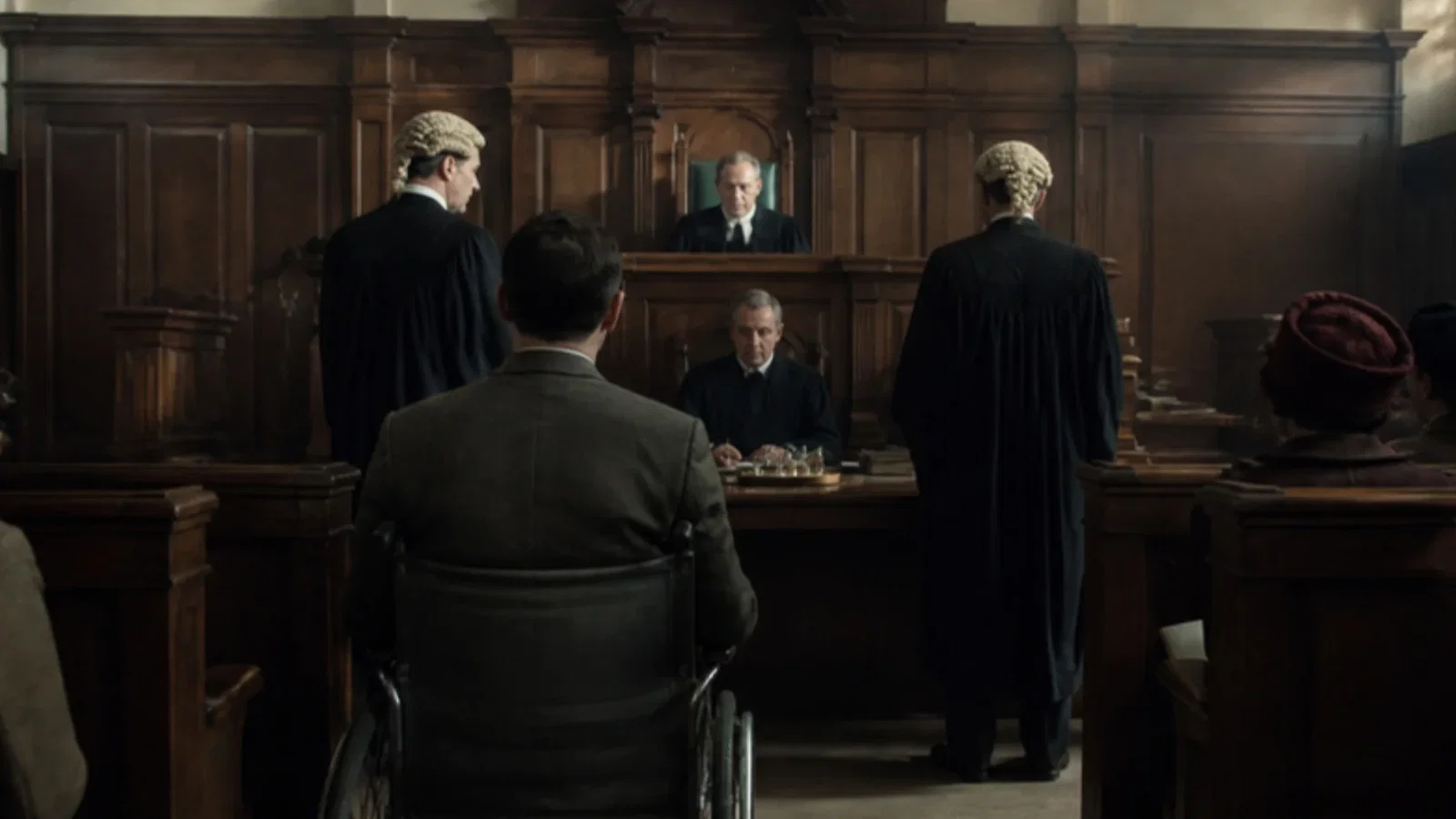
Two labourers were left paraplegic after nupercaine spinals; the courts found phenol had seeped through cracks in the ampoules and that no one was negligent.
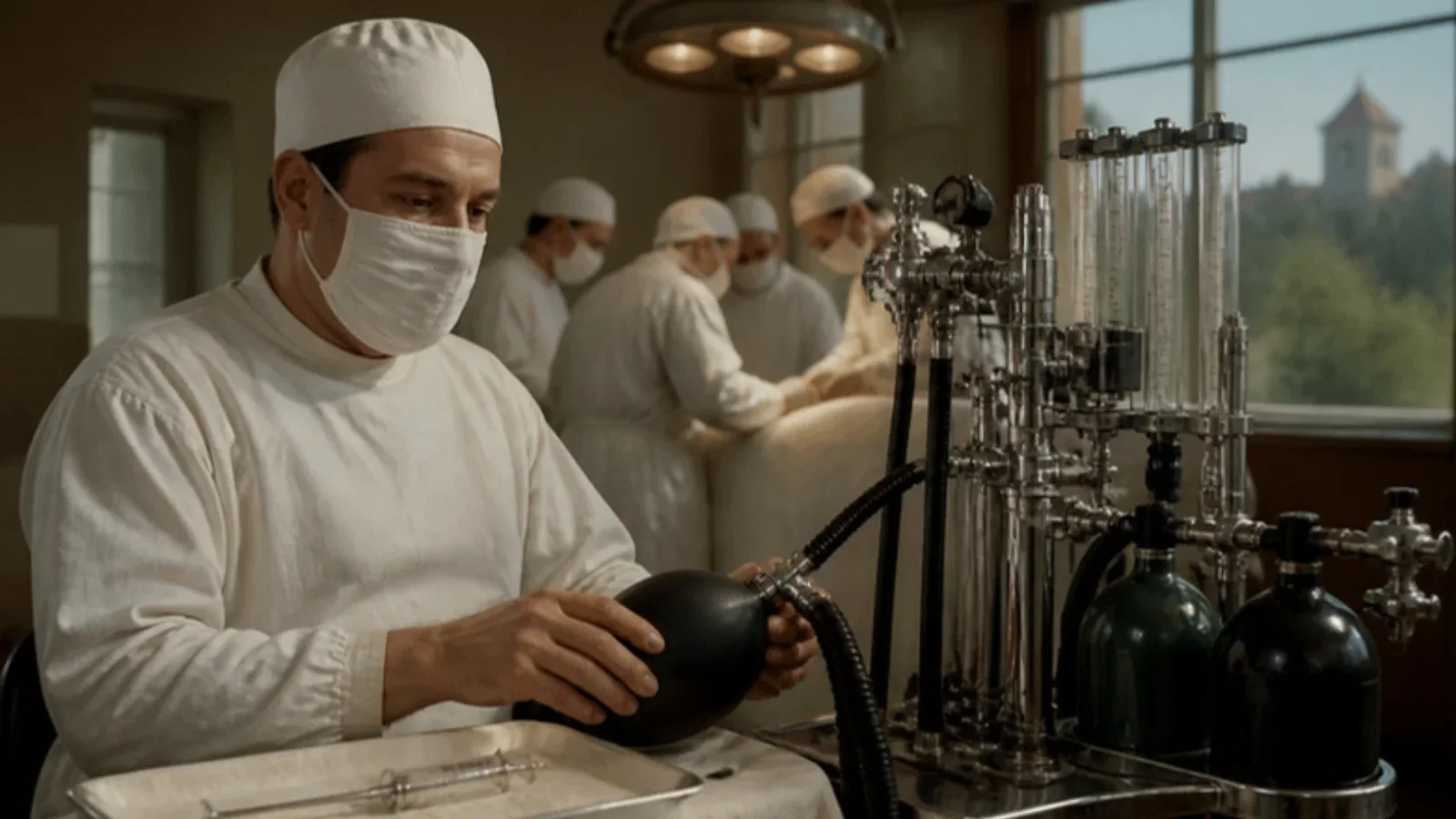
At Stanford, Neff gave nitrous oxide with at least 20% oxygen, plus Demerol and curare, reporting 160 cases in 1947 and over 2,000 by 1950.

The 'Insufficient anaesthesia' correspondence in the BMJ, January-March 1950: one case of awareness and seven doctors' replies
Drawing on cases reported to an Association of Anaesthetists committee, the authors found that 25 of the 43 deaths occurred at induction.
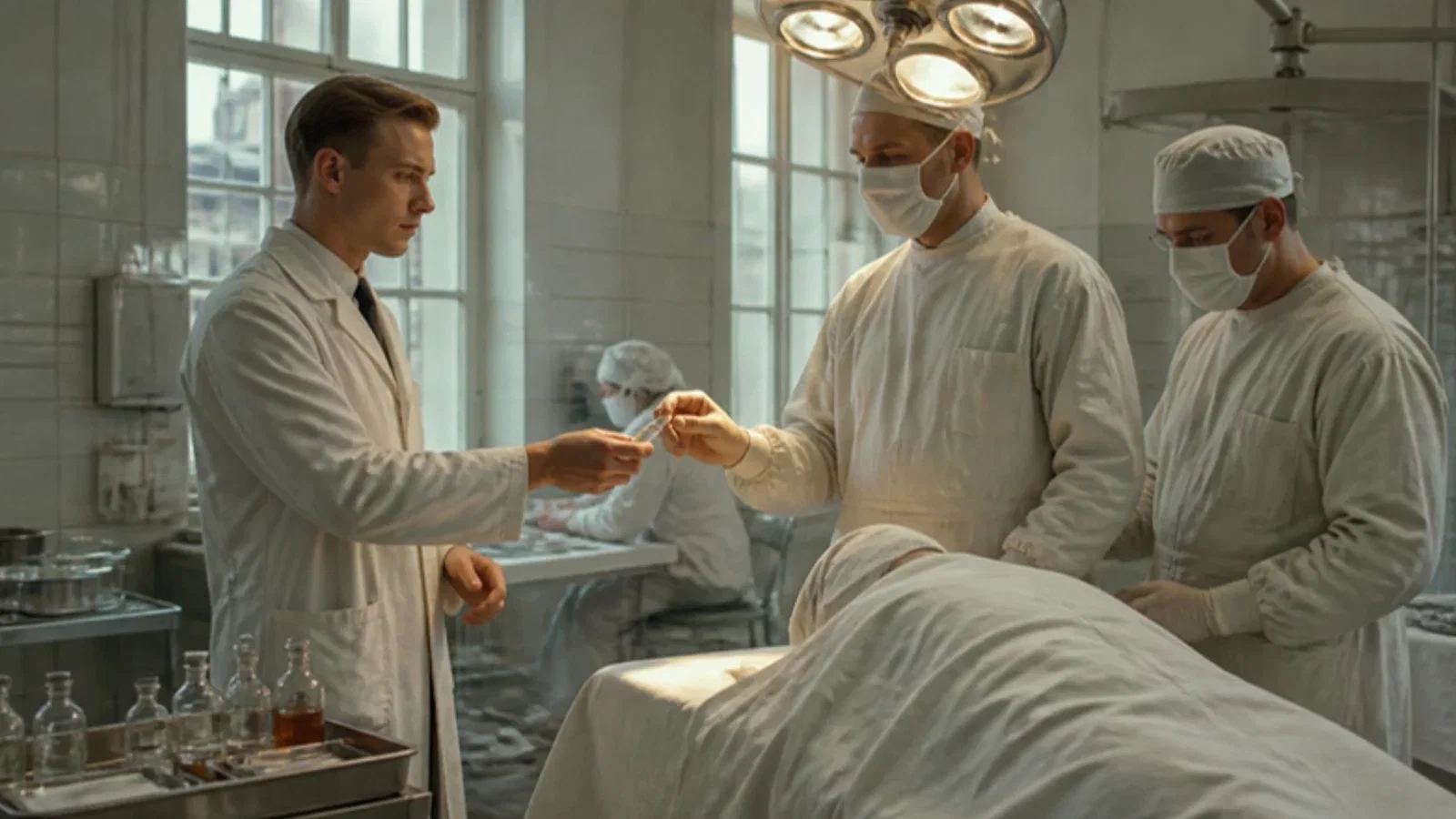
Made in 1906 and found to paralyse in 1949, succinylcholine had over a thousand uses in Stockholm by 1952, alongside reports of prolonged apnoea.

Ohio Chemical began drilling small cylinder valves to the new Pin-Index standard, so that two pins on the yoke would accept only the right gas.
In ten university hospitals over five years, they reported an anaesthesia death rate of 1 in 1560, about six times higher with muscle relaxants.
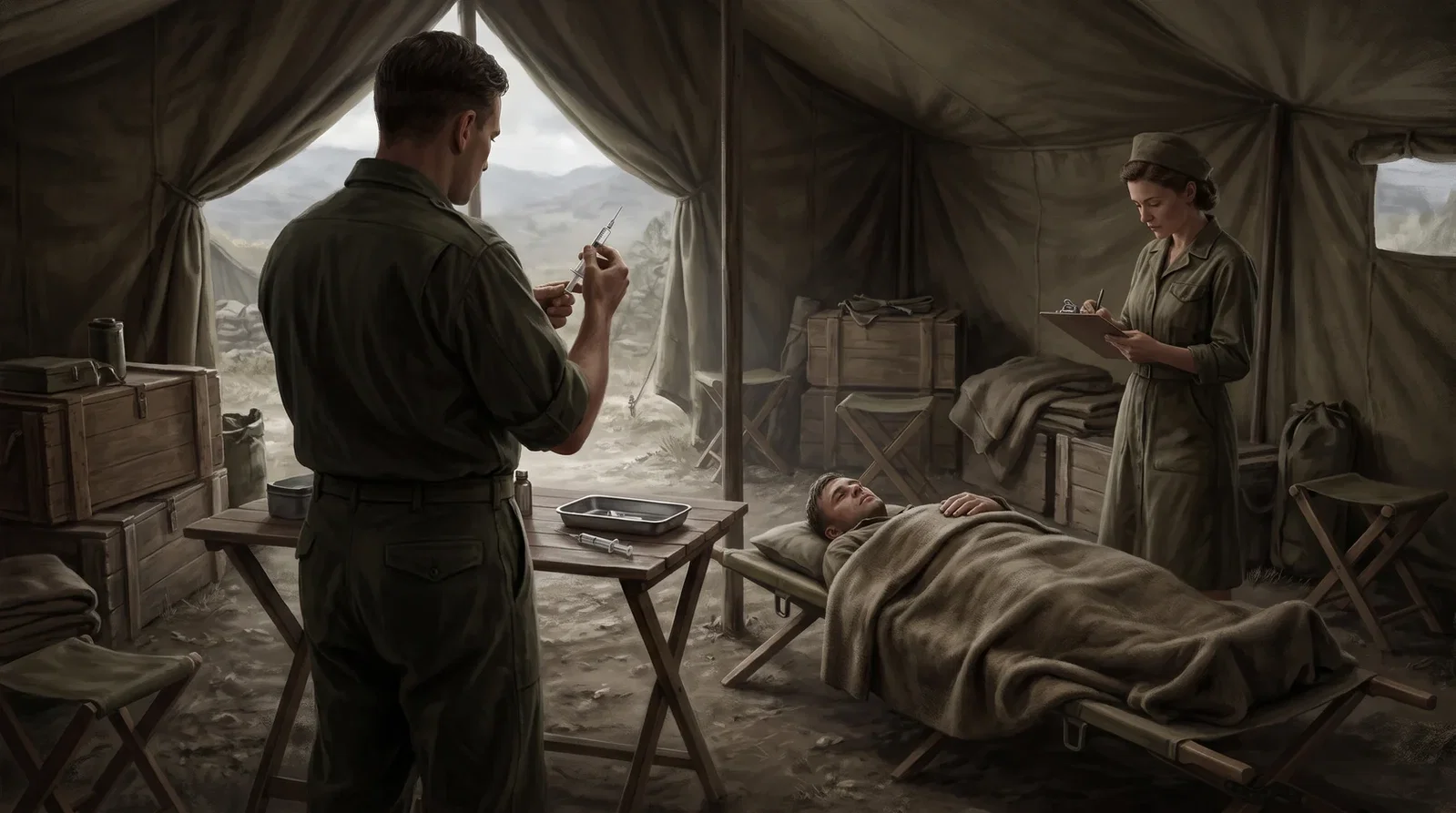
In the US Army's official history of surgery in World War II, two theatre surveys show Pentothal deaths falling from 1 in 450 to 1 in 5,550.

The report for England and Wales, 1952-1954, found that 32 of 49 anaesthetic deaths followed inhalation of stomach contents and called for experienced obstetric anaesthetists.
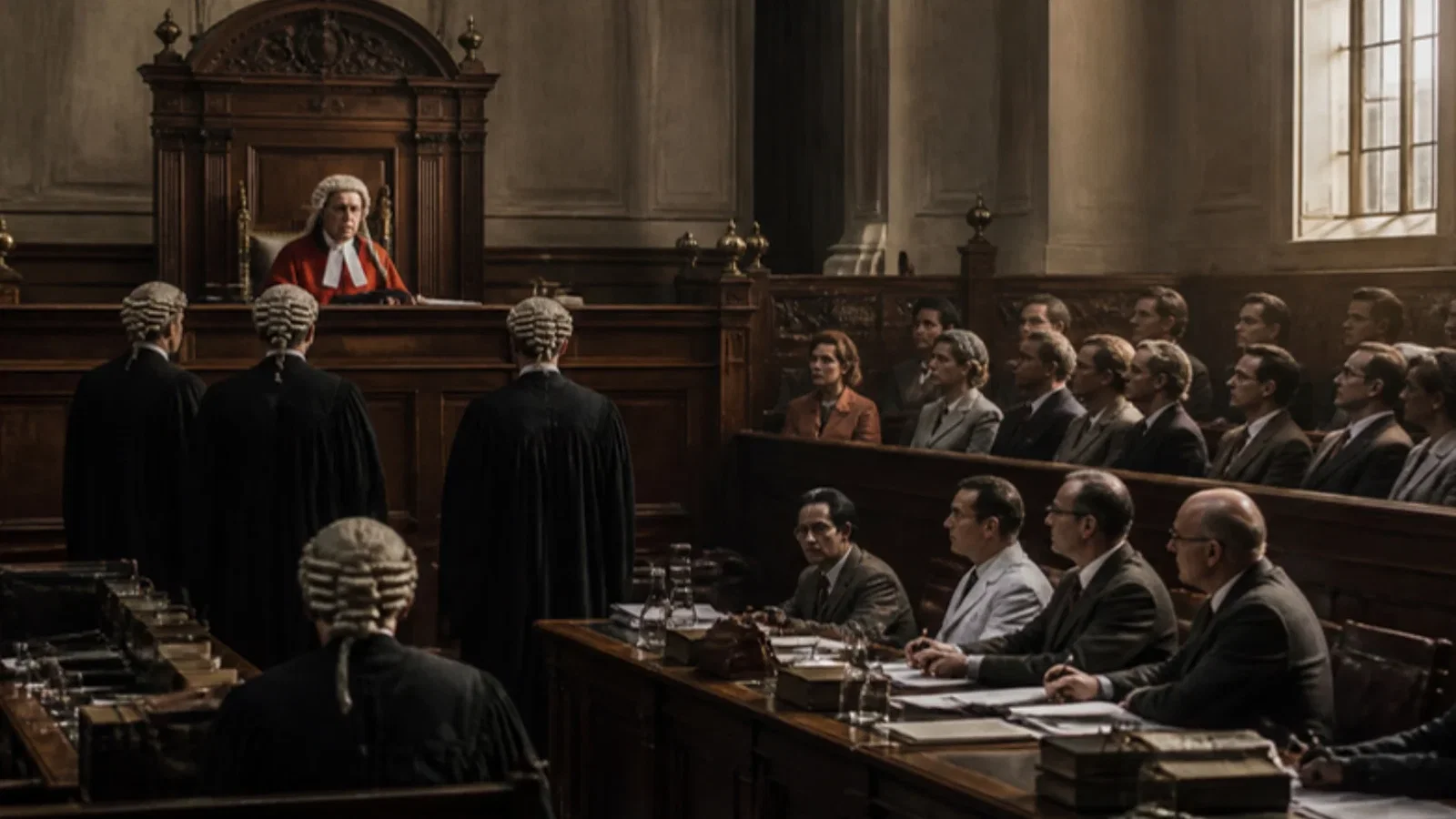
A patient's acetabula were shattered during ECT given without relaxant; experts disagreed over the risks, and Mr Justice McNair directed the jury.

Distinguishing clinical care, family investigation and publication through retrospective sources
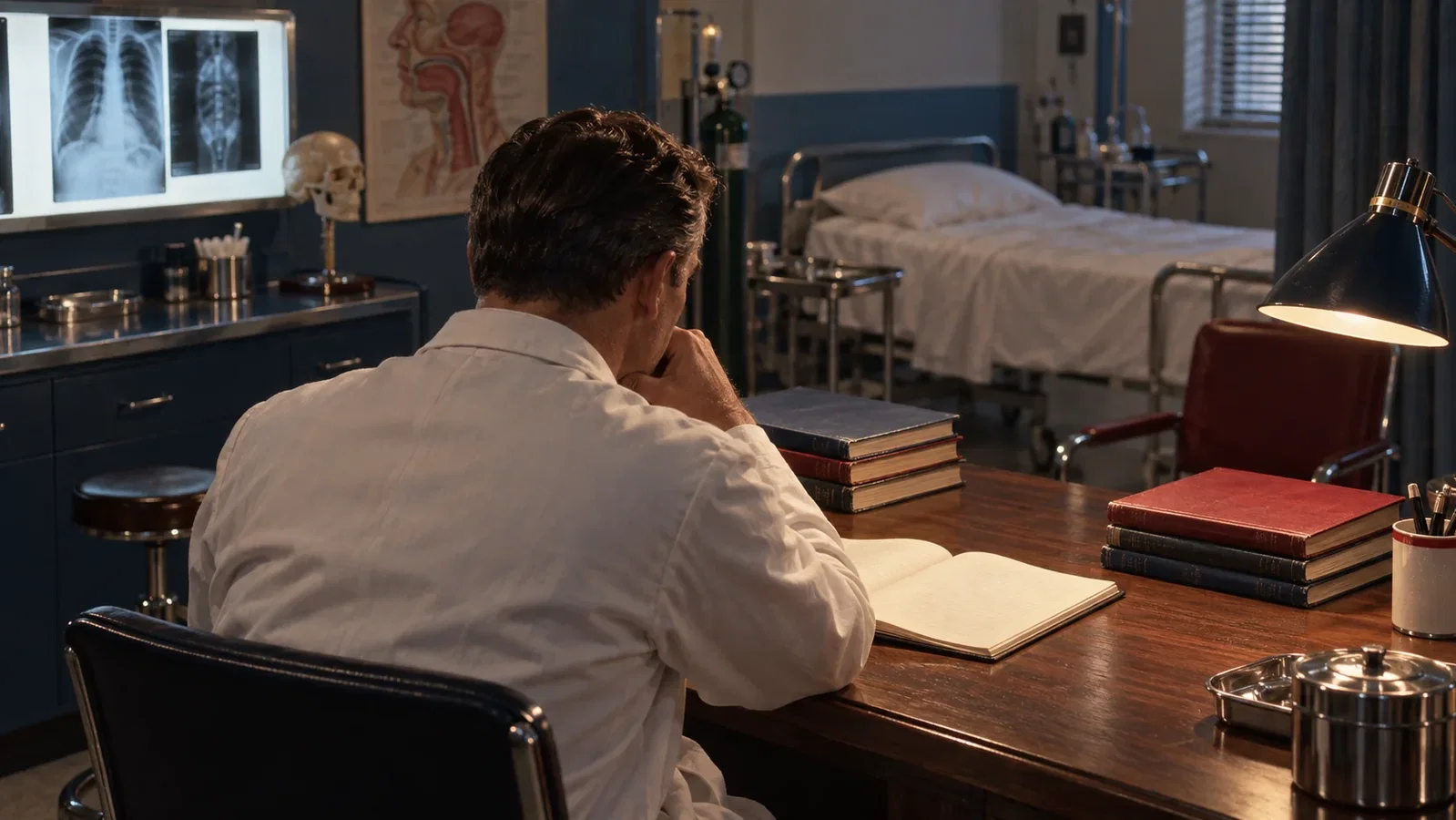
A case report, a prevention study and a treatment series

A 1974 author history distinguishes regurgitation control from prevention of gastric inflation
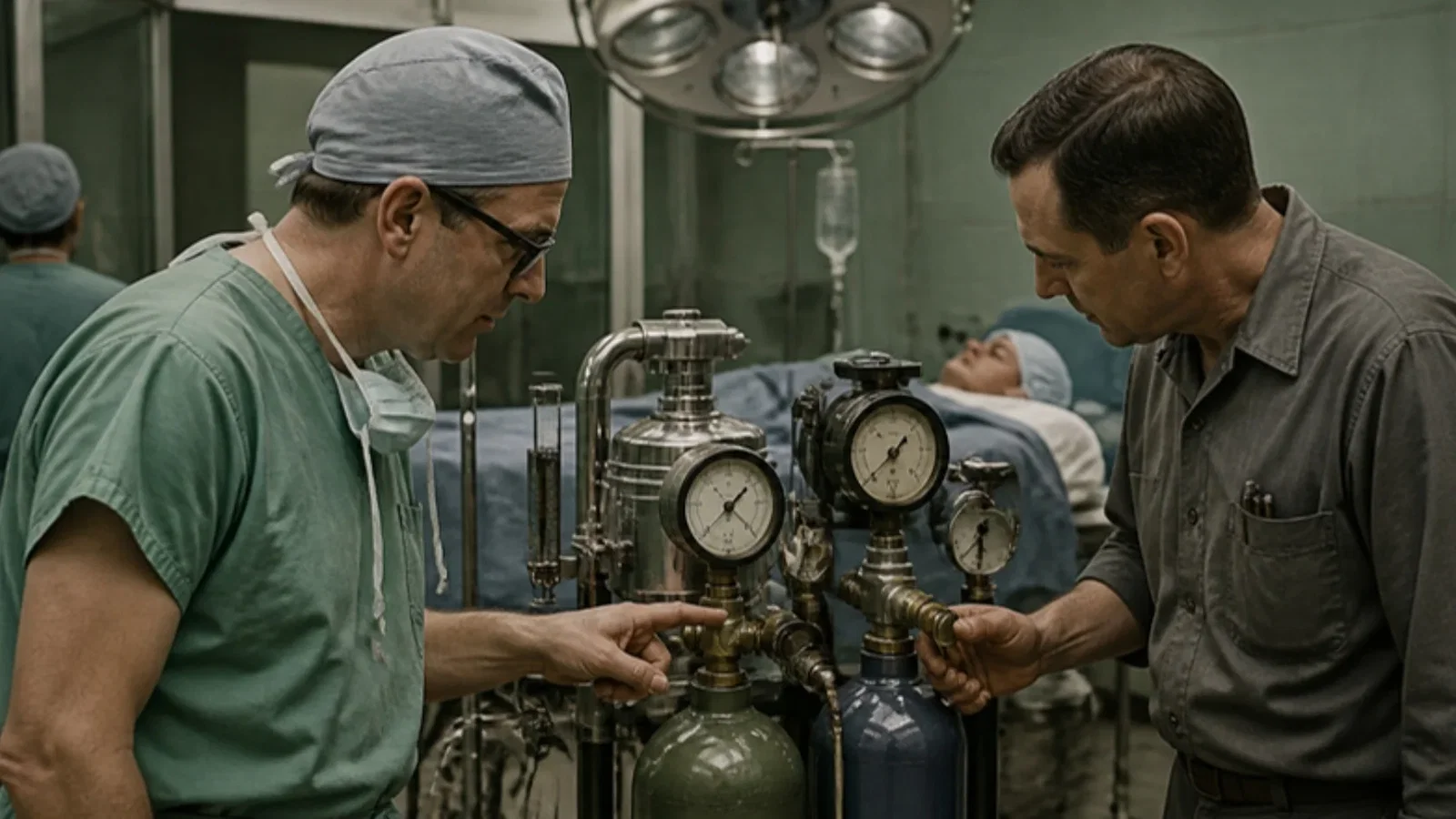
After three deaths or arrests from anoxic gas mixtures, a New York team described a regulator that stops all gases when oxygen pressure fails.
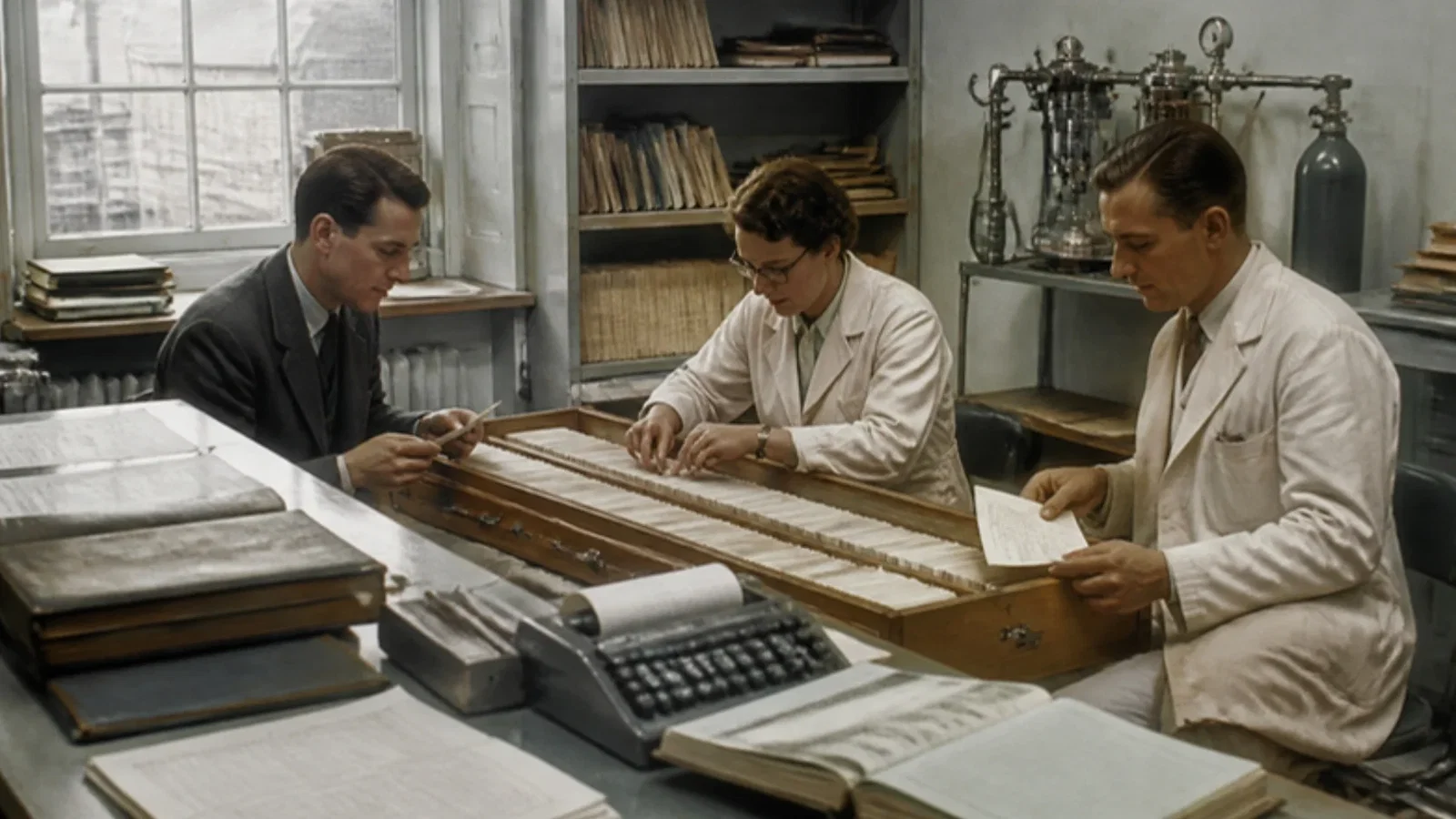
After reports of hepatic necrosis, a Cardiff review of 15,747 halothane anaesthetics found no difference from other anaesthetics in liver tests, hospital stay or mortality.
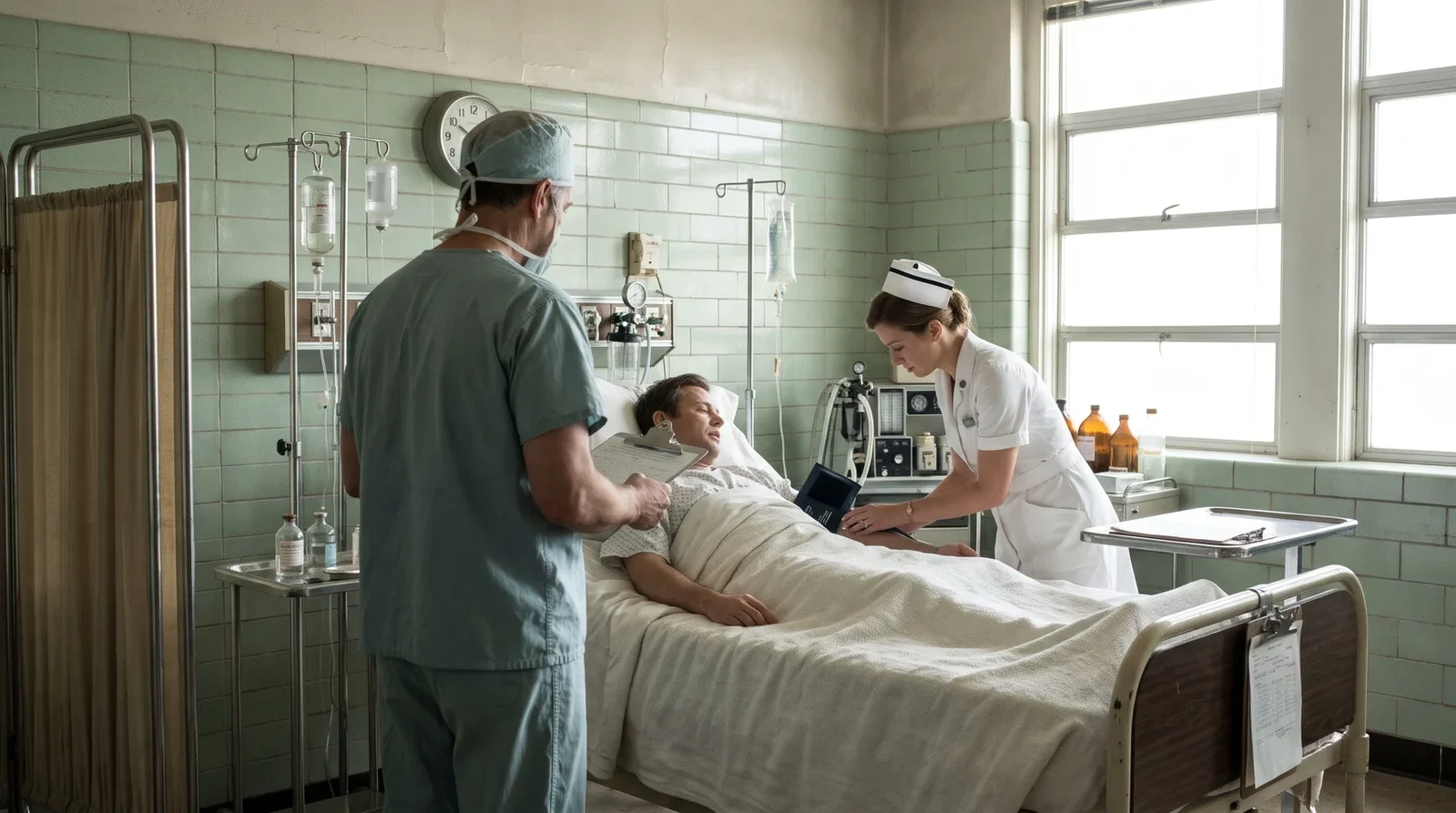
Modelled on the Apgar score, their score rated five signs from 0 to 2, with 8 or more taken as fit to leave recovery.
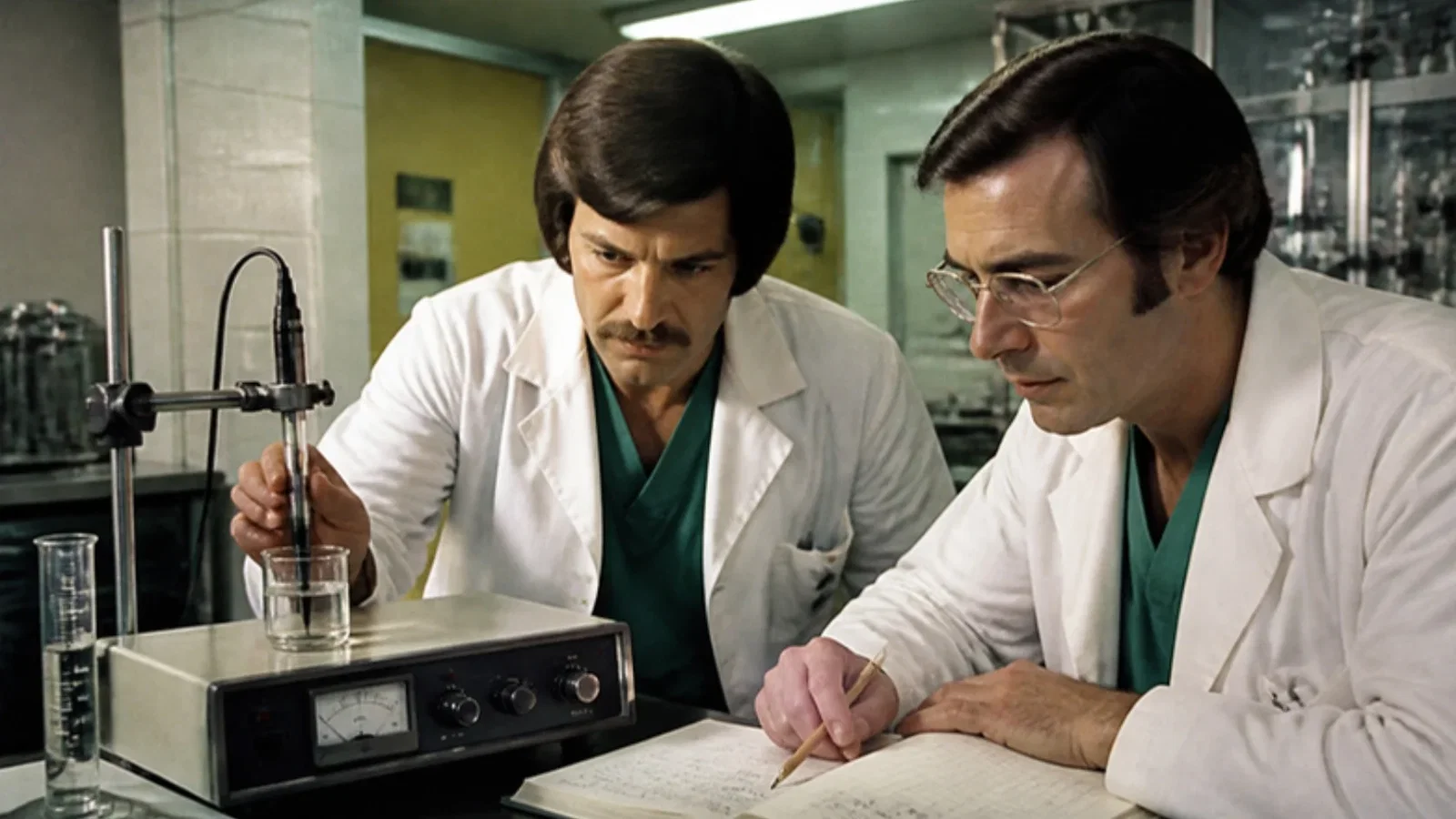
A threshold for dangerous acid aspiration, taken from one rhesus monkey experiment, came to define who was 'at risk' in obstetric anaesthesia.
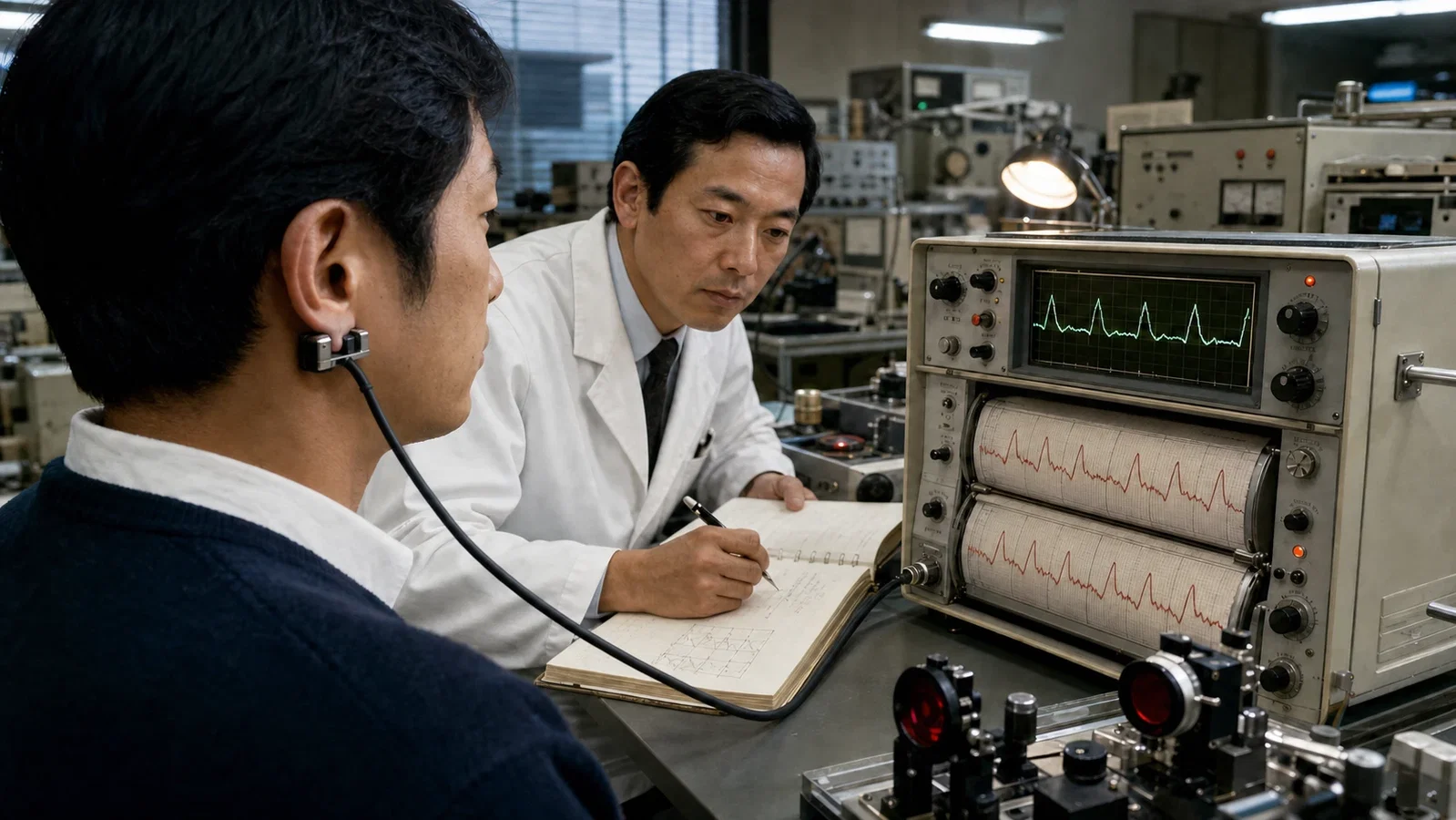
From pulse 'noise' to continuous oxygenation monitoring — and into the system of anesthesia safety
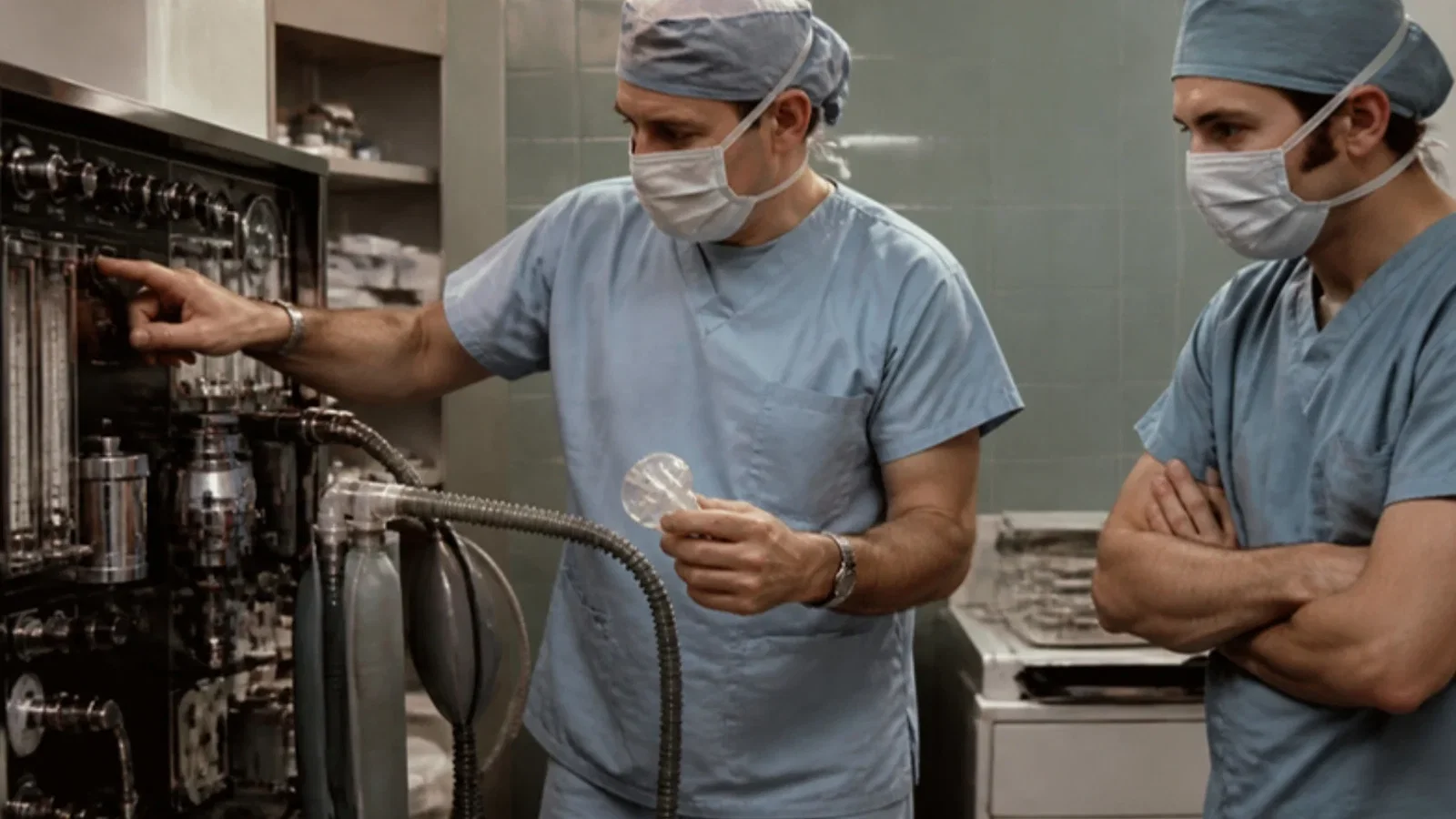
If the hidden inner tube is intact, the flush makes the reservoir bag collapse; in 1977 an Oxford team added an occlusion test read on the rotameters.

The Canadian Anaesthetists' Society approved guidelines for standards of practice in 1975, which it calls the first by any anaesthesia society; provinces wrote their own in the same years, and Saskatchewan's inquiry shows how such guidelines were meant to be used
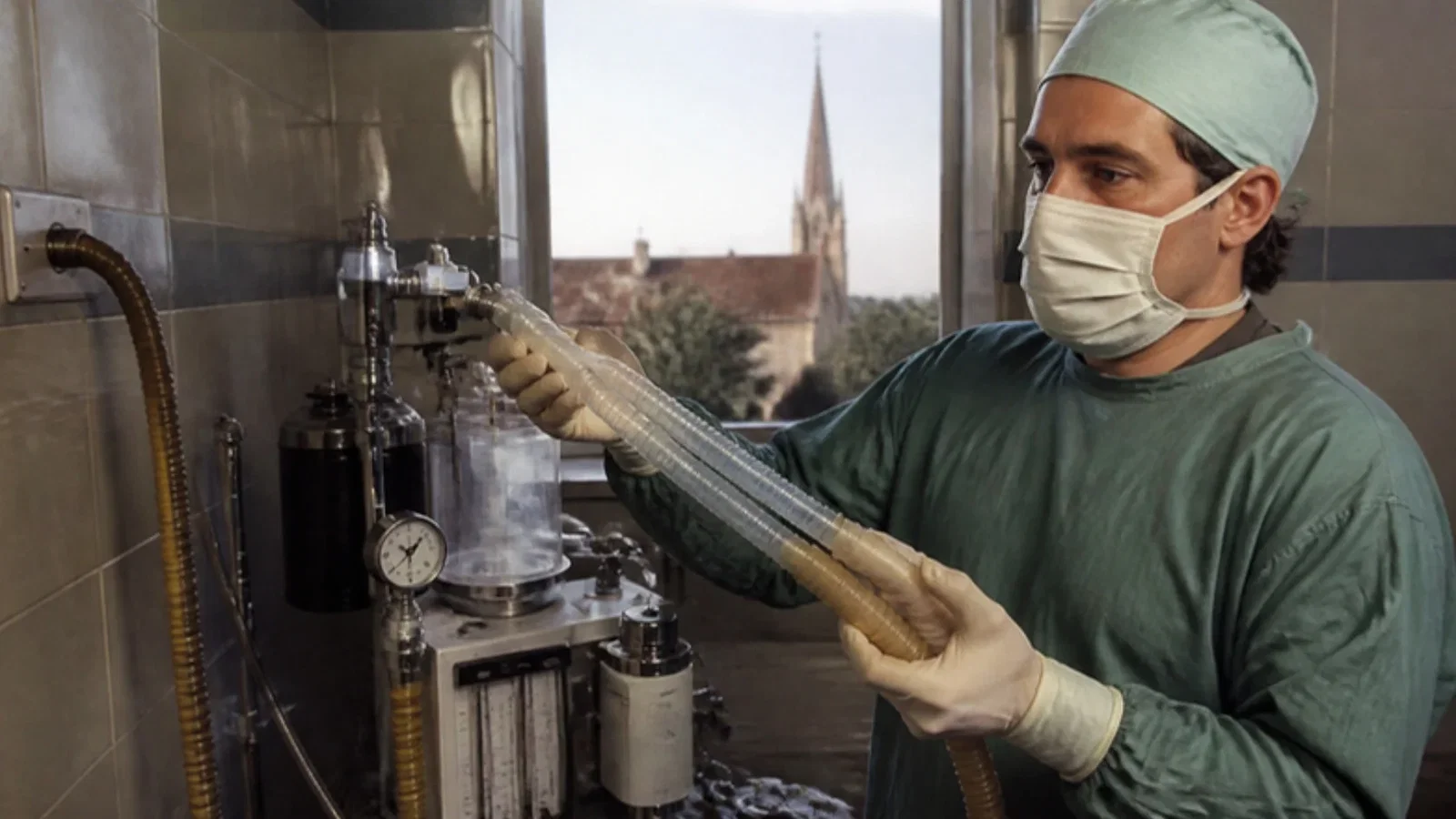
In Salisbury, fresh gas ran in the outer tube and expired gas returned inside for scavenging; in 1983 Humphrey combined the A, D and E systems.
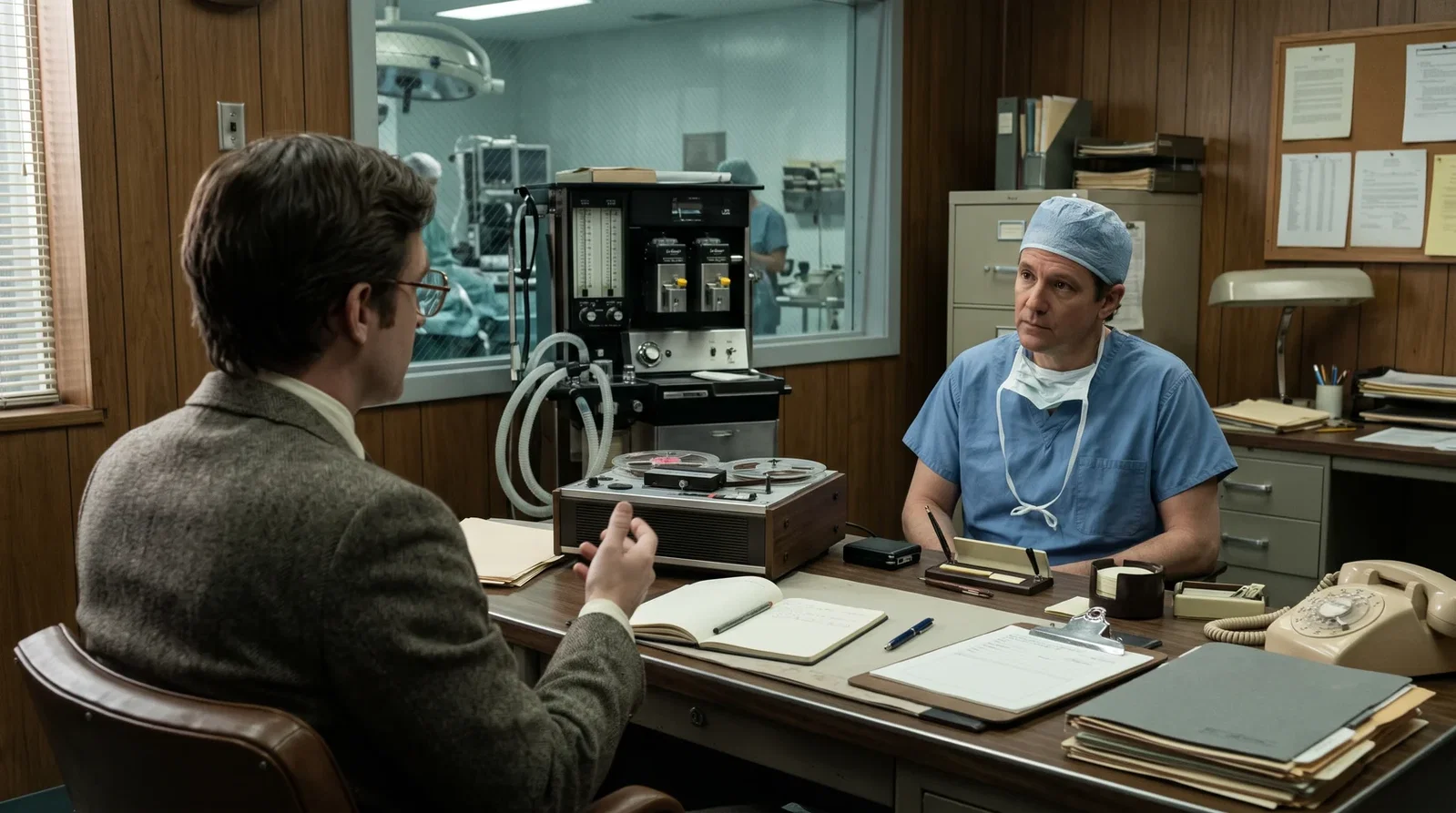
Critical-incident interviews collected 359 preventable incidents; 82 per cent involved human error and only 14 per cent overt equipment failure.

Across 240,483 anaesthetics in Cape Town, deaths to which anaesthesia contributed fell from 0.33 to 0.22 per 1000.
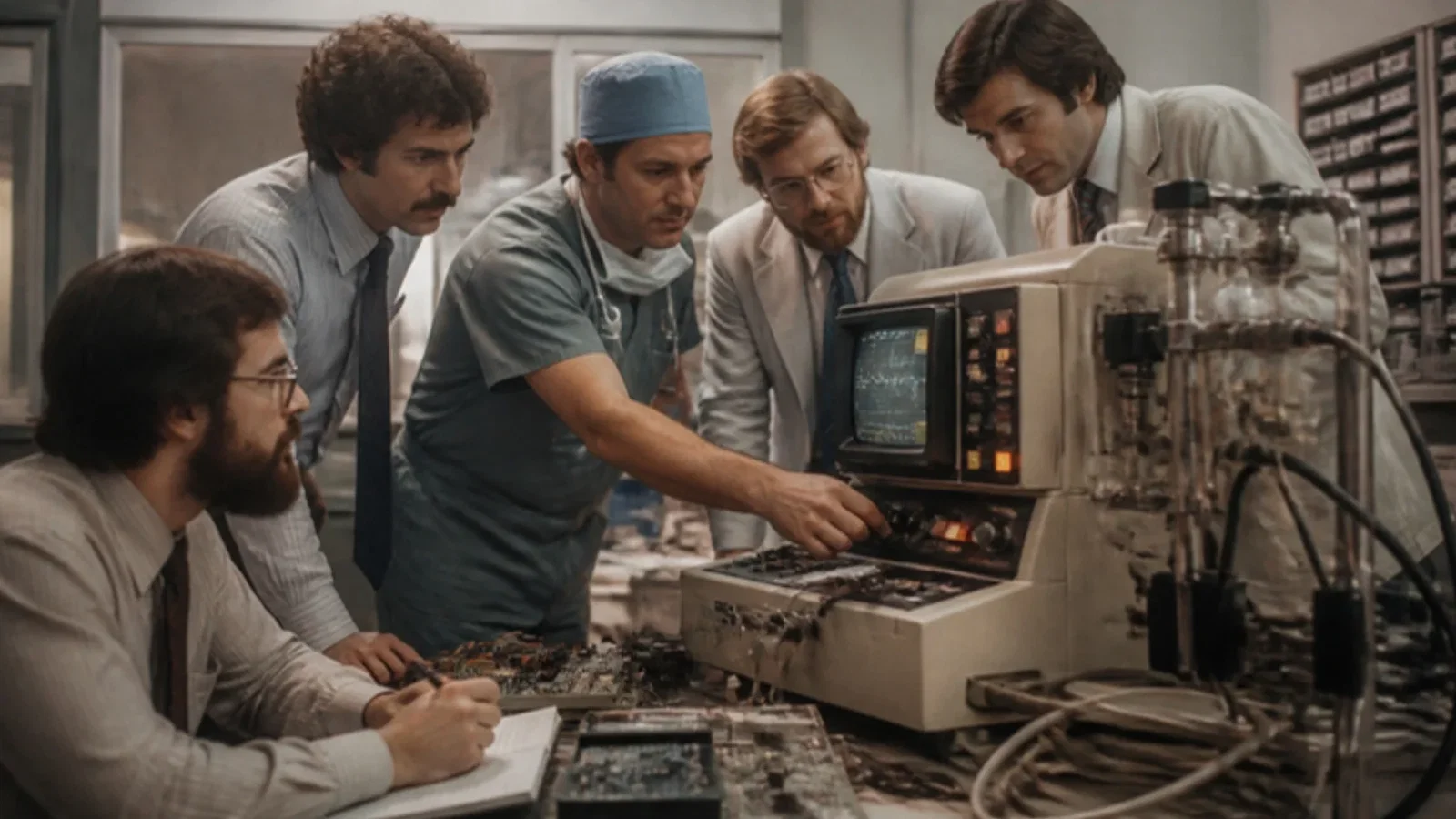
At Massachusetts General Hospital, the bioengineering team designed a prototype machine meant to support rather than preoccupy the anaesthetist, with prioritised warning messages.
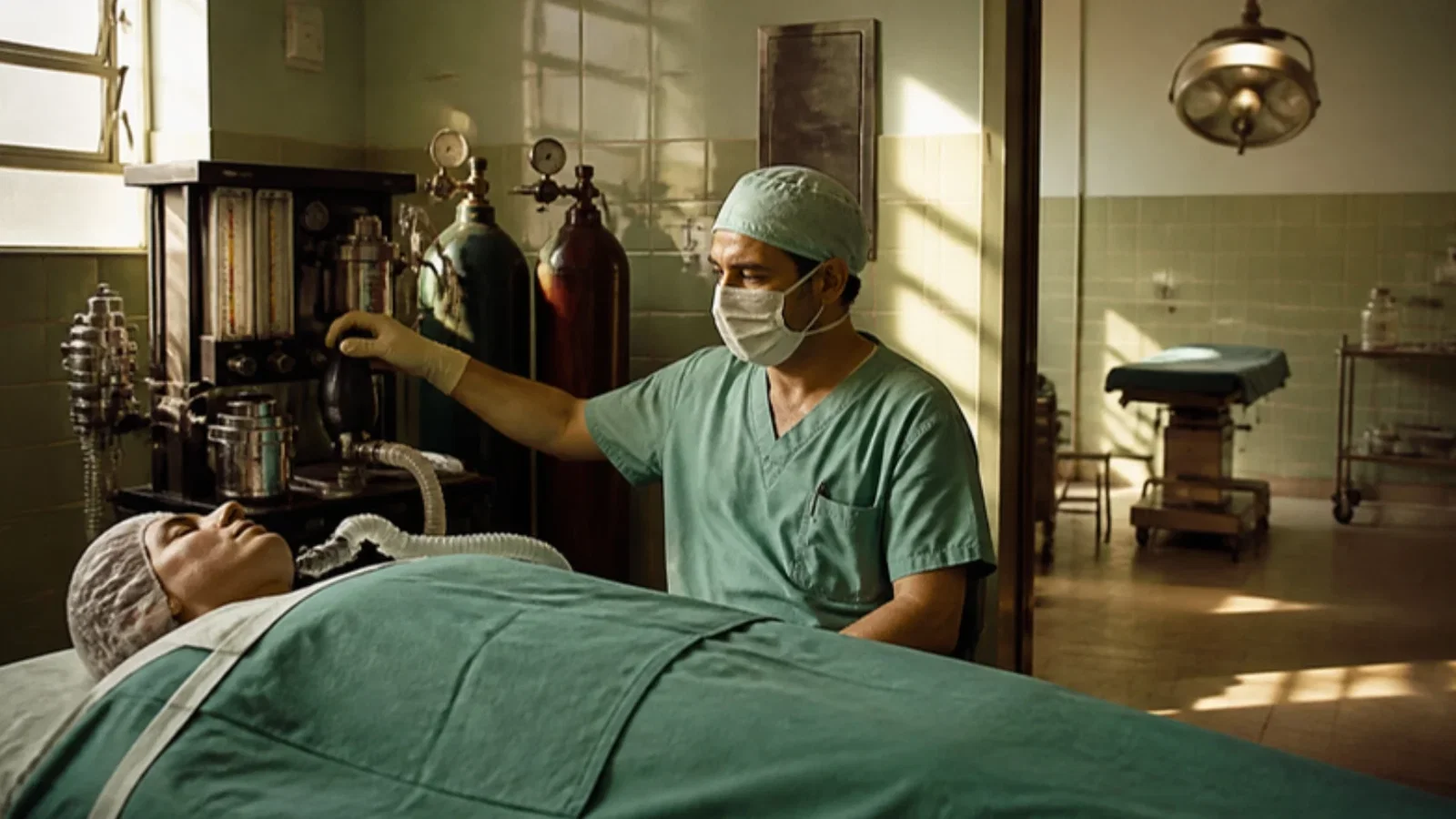
Brazil's Federal Council of Medicine declared in 1978 that giving simultaneous anaesthetics to different patients was an offence against medical ethics.
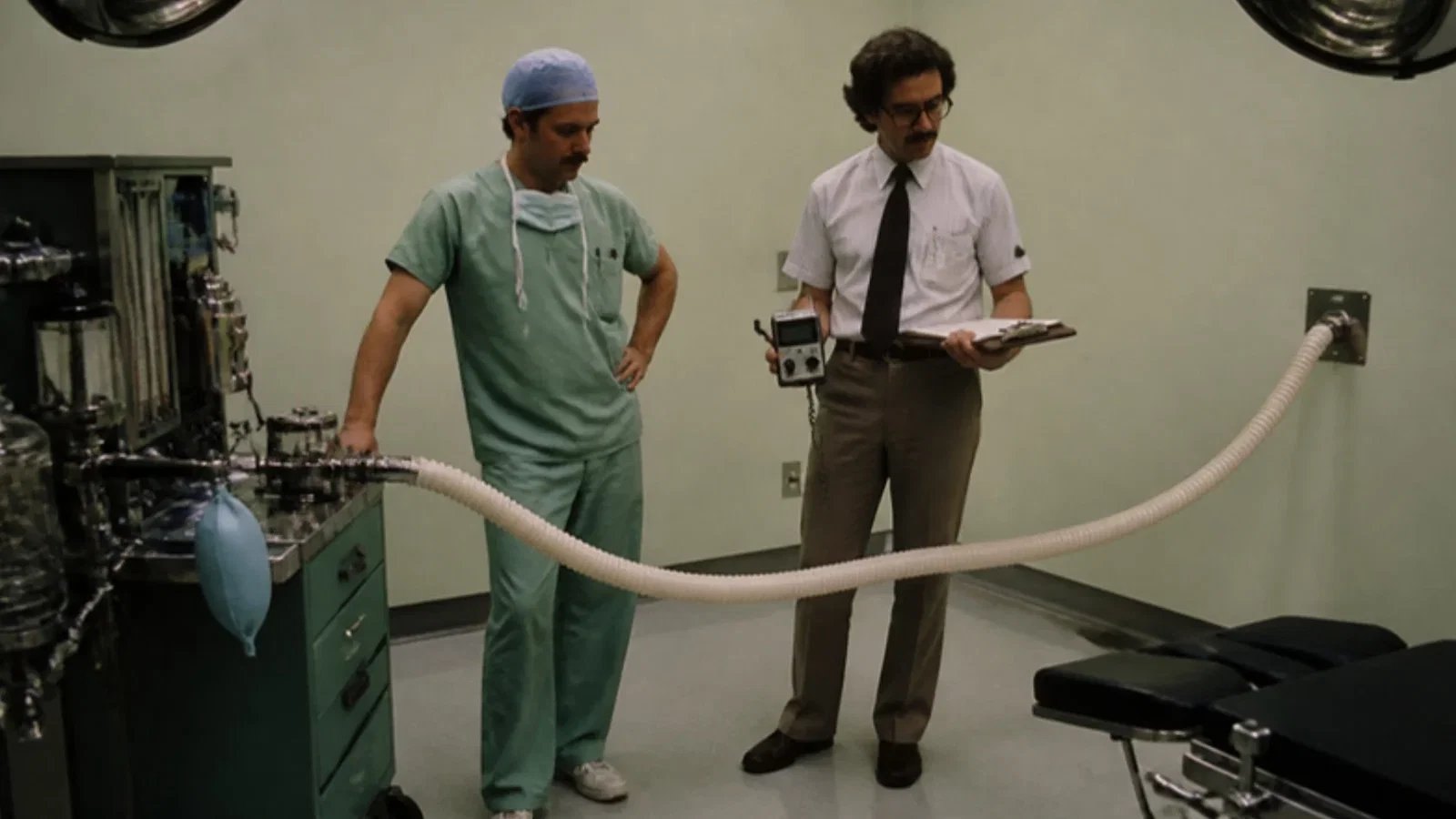
A US Air Force technical report turns a Stanford anaesthetist's experience into operating-room rules: collect, dispose, maintain and monitor

Separating an animal experiment, crisis-treatment approval and a later preventive indication
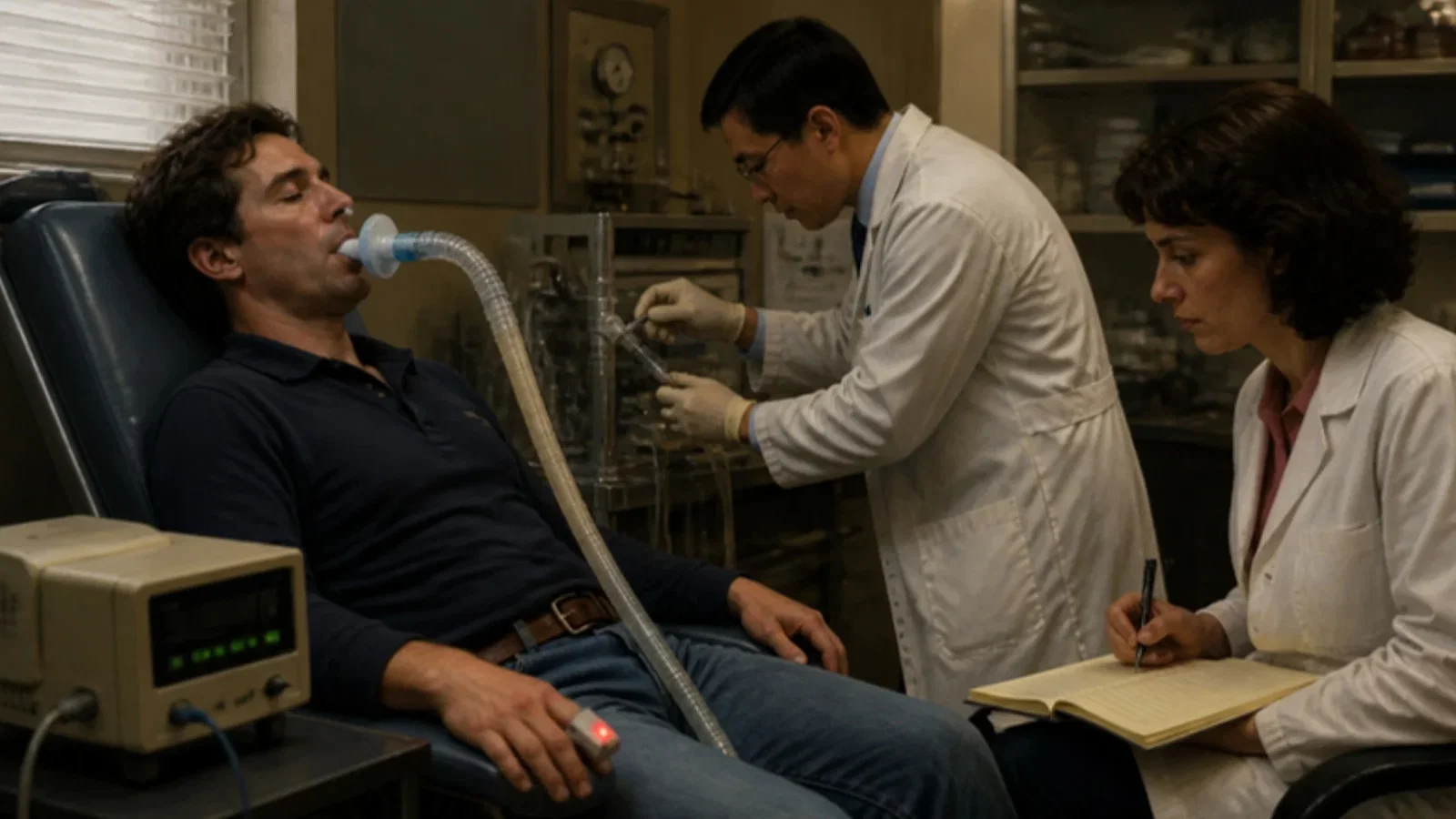
At Stanford, five volunteers breathed stepwise lower oxygen, and the newly marketed oximeter agreed closely with arterial blood measurements.

From professional discussion to a multidisciplinary safety organization