How an idea becomes testable
Explore circulation, respiration, consciousness and the changing explanations of anesthetic effects. Measurements and models answer different questions.
Reading Library · Explore the Connections
Explore this topic
Topics overlap. An essay may appear in more than one collection.

Reading an ancient word through two passages of the Timaeus
In Book One of the Canon, written before 1015, Avicenna lists snow and ice-cold water among stupefacient materials, but places them in a discussion that weighs quick relief of pain against the harm it may cause.

In De motu cordis (1628), Harvey combined the amount of blood the heart sends out, the direction shown by the venous valves, and a still-unseen link between arteries and veins into the argument that blood circulates.

Following Vesalius's 1543 advice to blow into the trachea, Hooke used bellows in 1667 to show the Royal Society that fresh air, not lung movement, sustains life.

Lower explained the leg veins of pregnancy by uterine pressure on the vena cava; in 1961 the same compression caused supine hypotension under epidural block.
Winslow renamed the intercostal nerve chain the 'great sympathetic'; in 2009 a Guedel Center essay asked whether anaesthesiologists had become 'sympathetic-ologists'.

Hales joined a nine-foot glass tube to a mare's crural artery; the blood rose over eight feet, pulsed with each beat, and fell as the mare was bled.

La Condamine told the Académie des Sciences of a blowpipe dart poison that killed within a minute yet left game safe to eat, and tested it on hens.

In a paper printed in 1756, Joseph Black showed by weighing that magnesia lost a kind of air when heated and nearly regained it when remade, the substance he called fixed air, now known as carbon dioxide.
On 1 August 1774 Priestley heated mercurius calcinatus with a burning lens and got an air in which a candle burned brilliantly; only after tests in March 1775 did he judge it better than common air, calling it dephlogisticated air, now known as oxygen.

Scheele's Chemical Treatise on Air and Fire, printed in 1777, described air as two kinds of elastic fluid and a gas in which a candle burned brightly, which he called fire air, now identified with oxygen, and explained it with phlogiston.
In a memoir on acids read to the Paris Academy in 1779, Lavoisier named a common constituent of acids the principe acidifiant, or principe oxygine, building his theory of composition into the name while admitting parts of it were unproven.

Mesmer's 1779 book claimed a universal fluid that could heal through the nerves; in 1784 a royal commission, testing with blindfolds and sham procedures, found no such fluid and attributed the reactions to touch, imagination and imitation.

In his 1788 essay on recovering the apparently drowned, Charles Kite described electrical shocks that made a drowned man's muscles contract for two hours without bringing him back, and proposed electricity as a test of whether life remained.
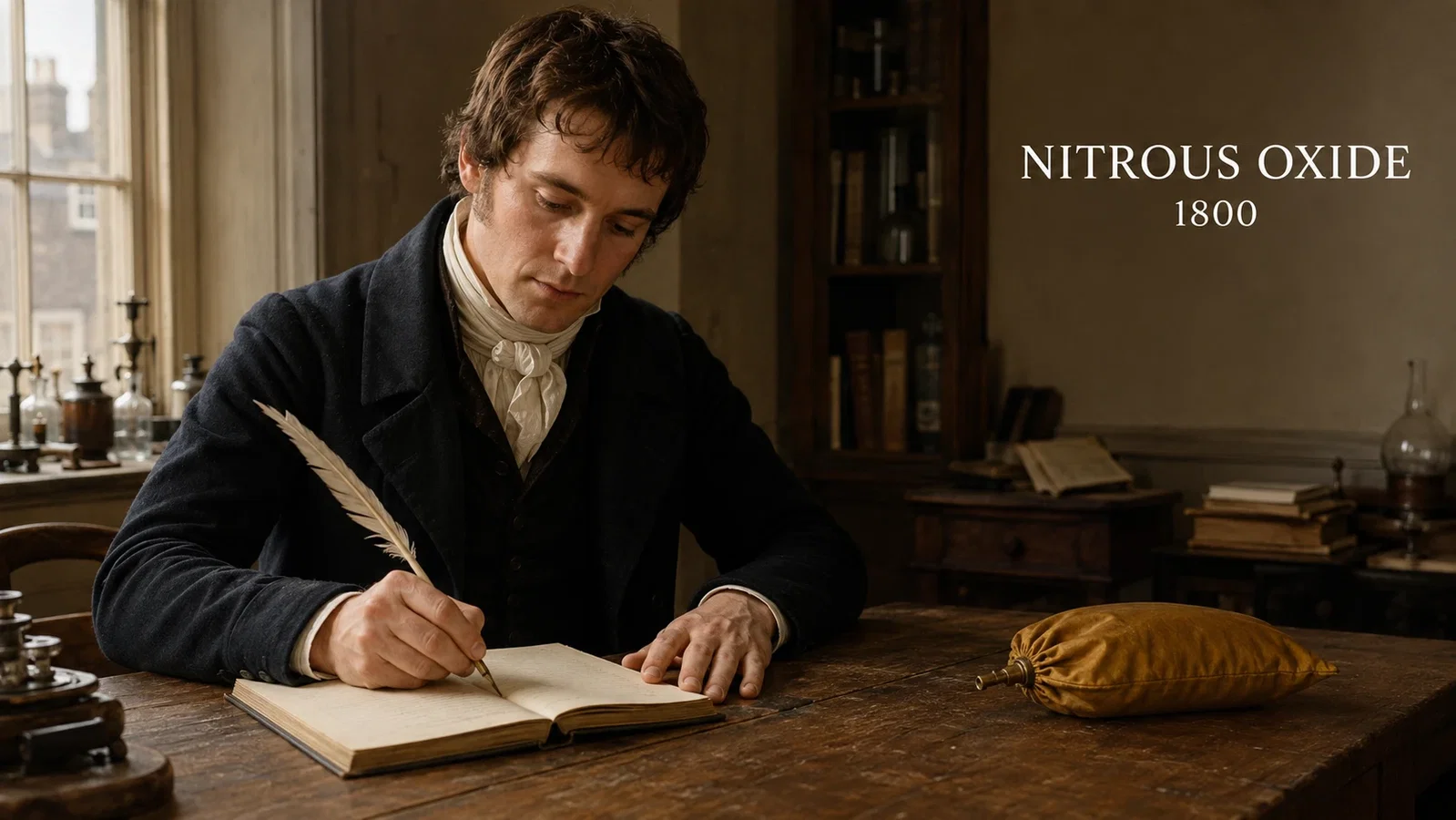
In his 1800 book on nitrous oxide, Humphry Davy recorded that the gas only briefly eased the pain of an inflamed gum, and wrote that it might probably be used in surgical operations without great blood loss, a proposal he did not test.

In 1824 Hickman published six animal experiments using confined air or carbon dioxide, argued that operations could be made painless, yet would not recommend that a patient risk it.
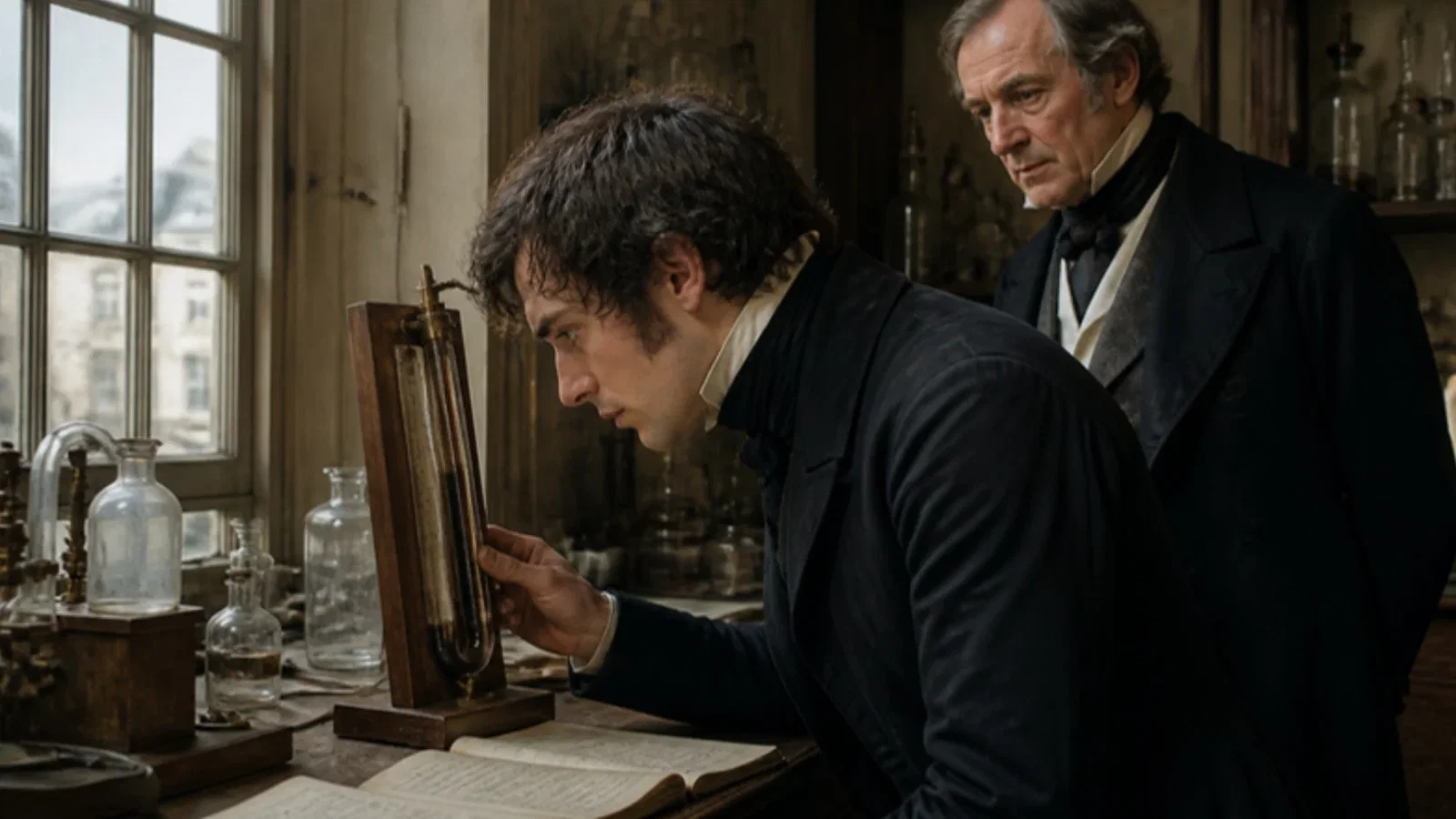
In a Paris thesis of 1828, Poiseuille replaced Hales's tall blood column with a mercury-filled bent tube joined to an artery, and watched it rise with each beat.
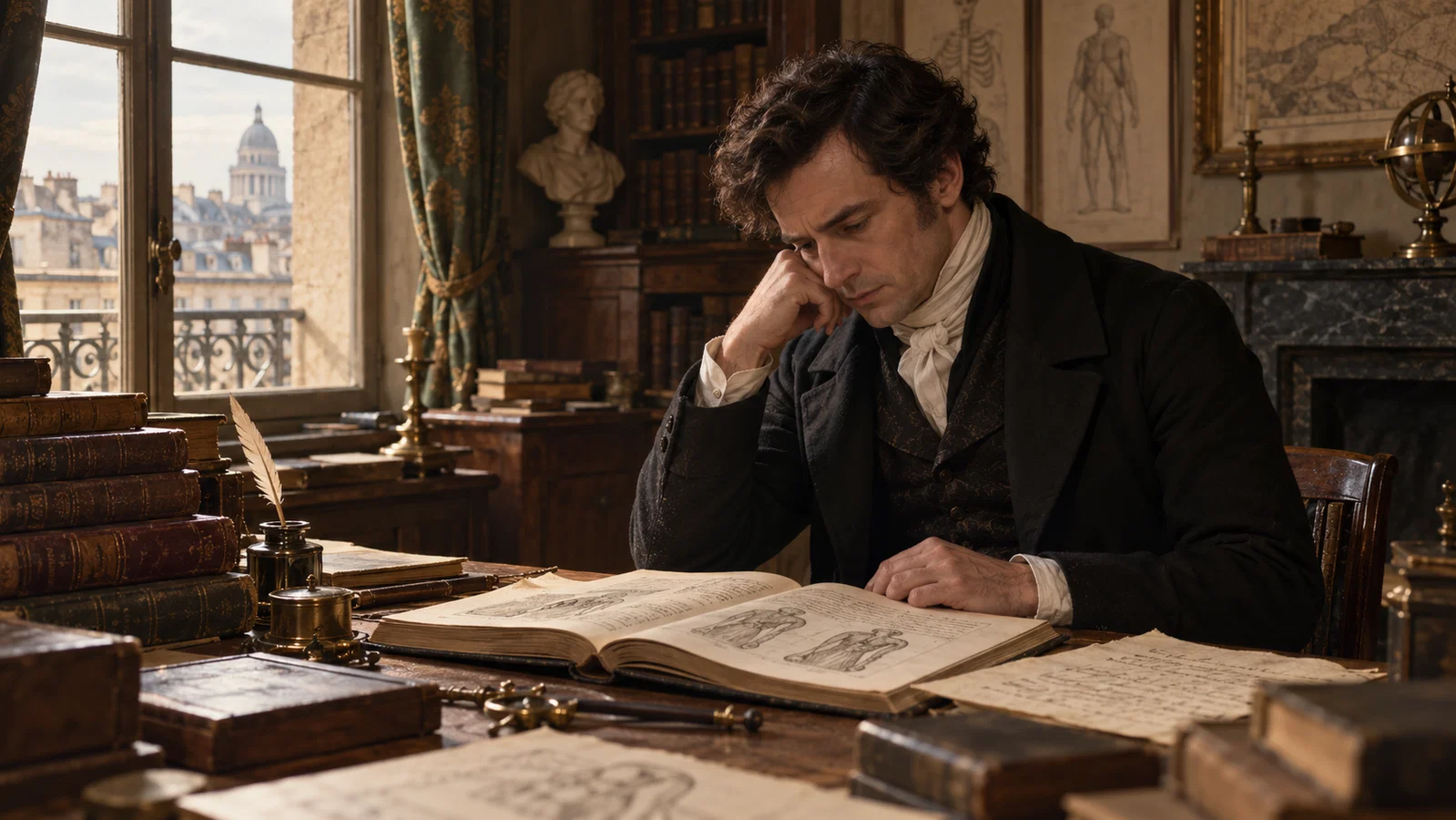
In April 1829 Cloquet reported removing a breast cancer while the patient talked calmly in 'magnetic sleep'; he offered no explanation, and she died nineteen days later.
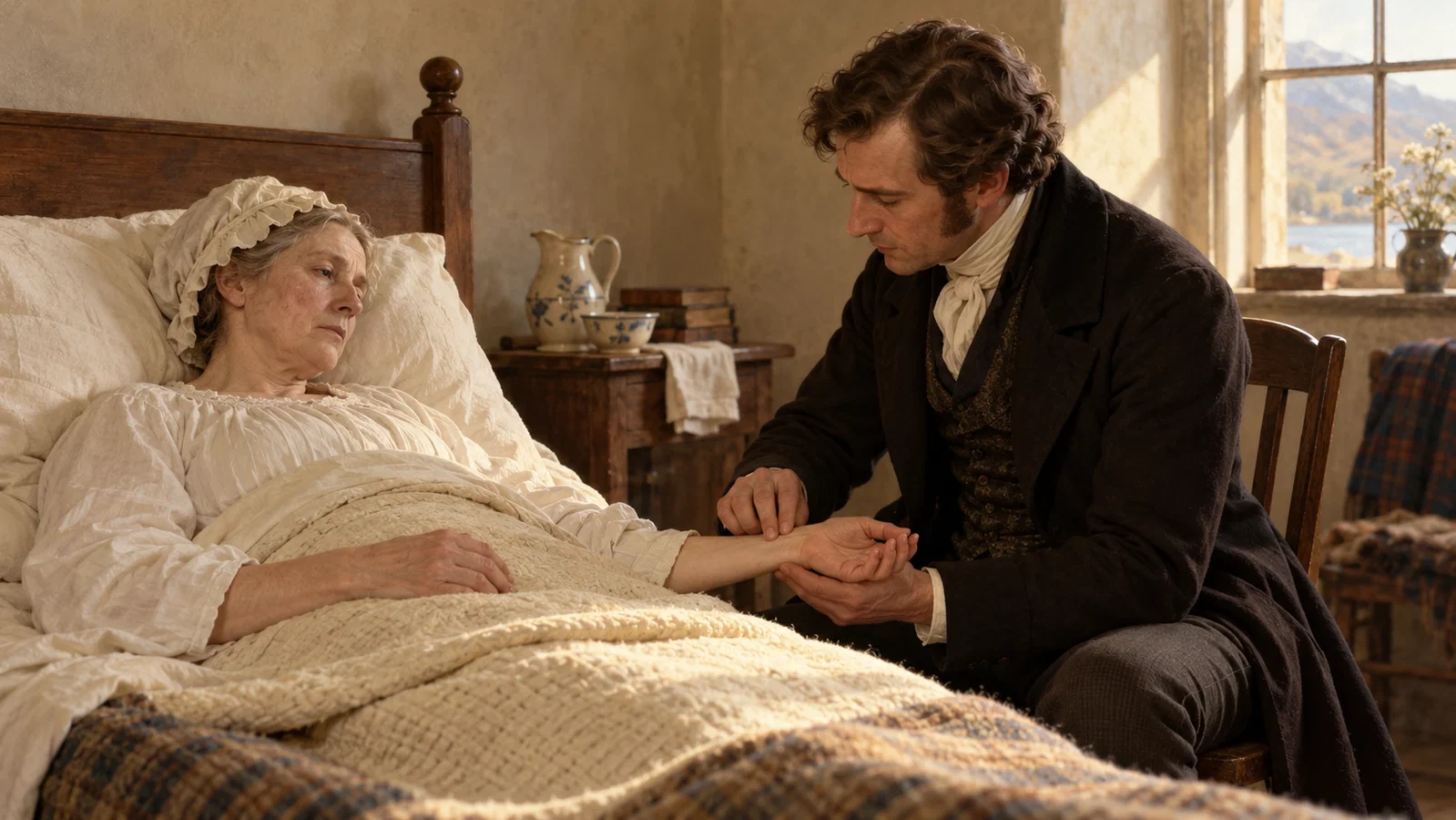
In May 1832 Latta reported that saline injected into a vein brought back a dying cholera patient's pulse, but she relapsed and died hours later.

In 1842 Erichsen tied the coronary vessels in dogs and rabbits and found the ventricles soon stopped, leaving only a slight trembling while the auricles went on.
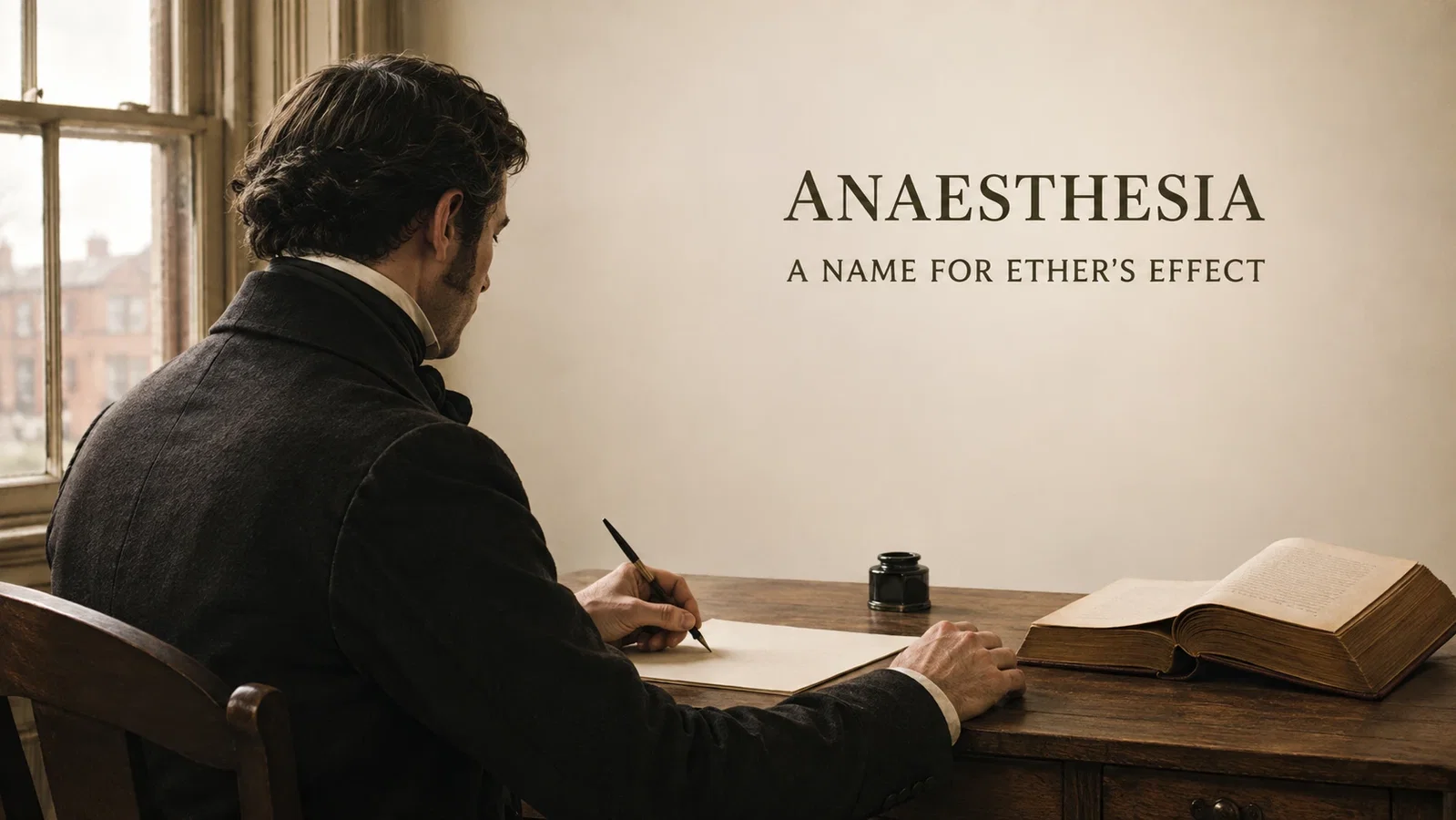
In a letter dated 21 November 1846 Oliver Wendell Holmes Sr. proposed anaesthesia, a word already in Good's 1823 nosology, as the name for the state produced by ether.
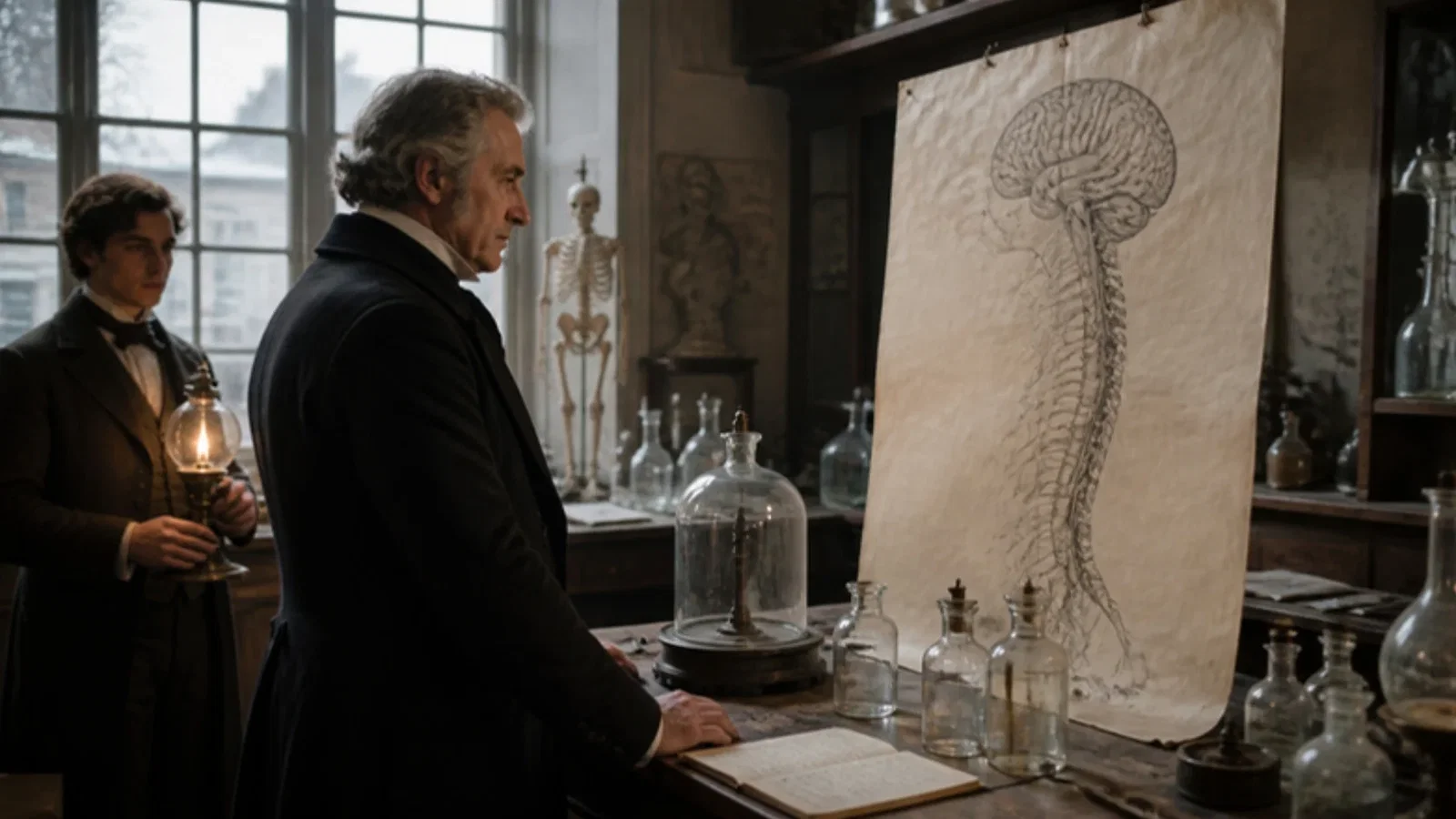
In dogs, Flourens found ether abolished brain function, then spinal sensation and movement, while the medulla held out last; Flourens also tried chloroform.
Curare under the skin or in a vein killed dogs, rabbits and birds, but swallowed it was harmless, because the gut lining would not absorb it while the lung would.
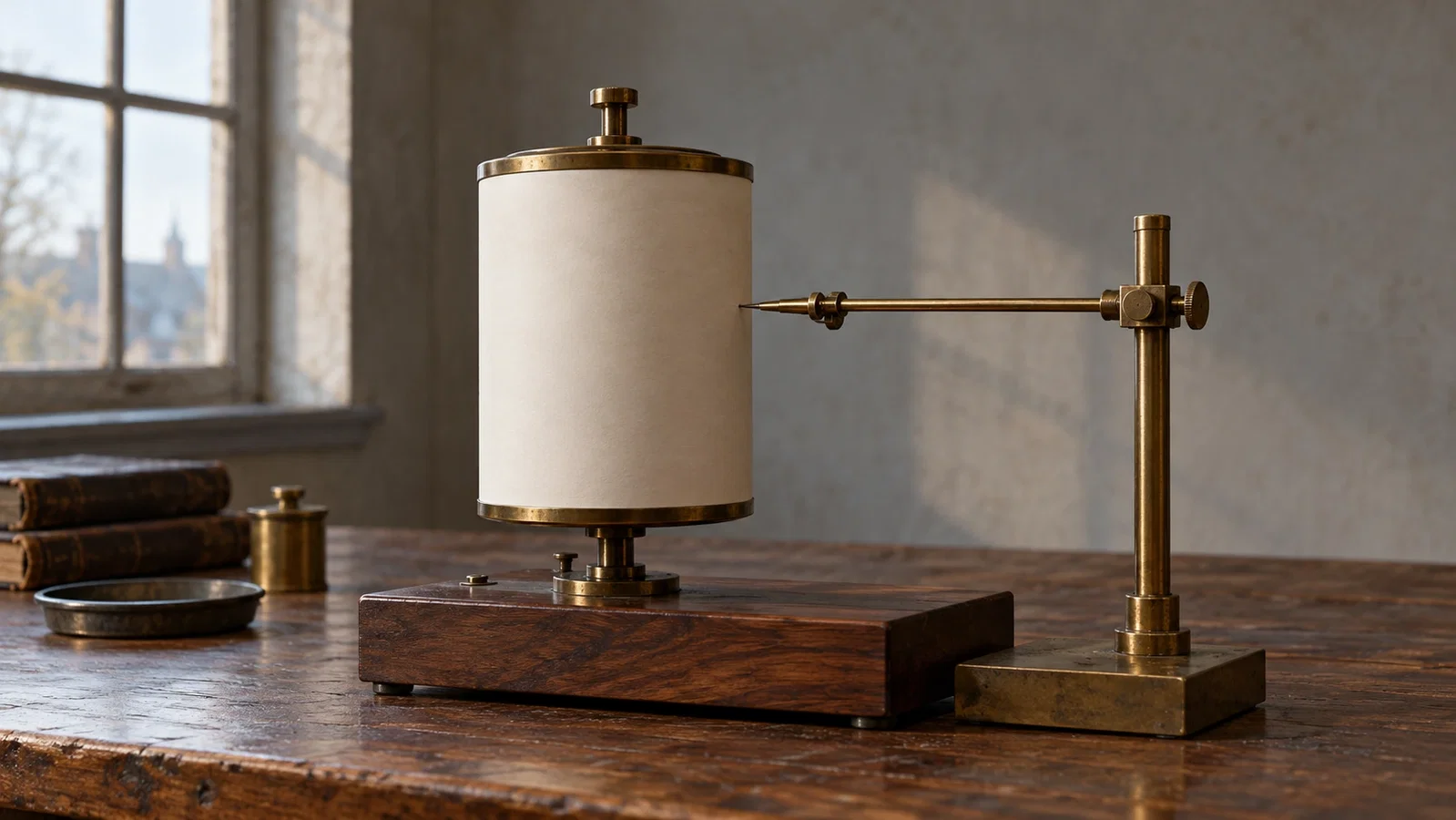
In 1850 Hoffa and Ludwig published a lever tracing of a rabbit heart moving irregularly under electrical stimulation, together with the method and conditions that produced it.
In a curarised frog, Claude Bernard showed that sensory nerves and muscles stay intact; only a person recovering from curare could say whether there had been pain.
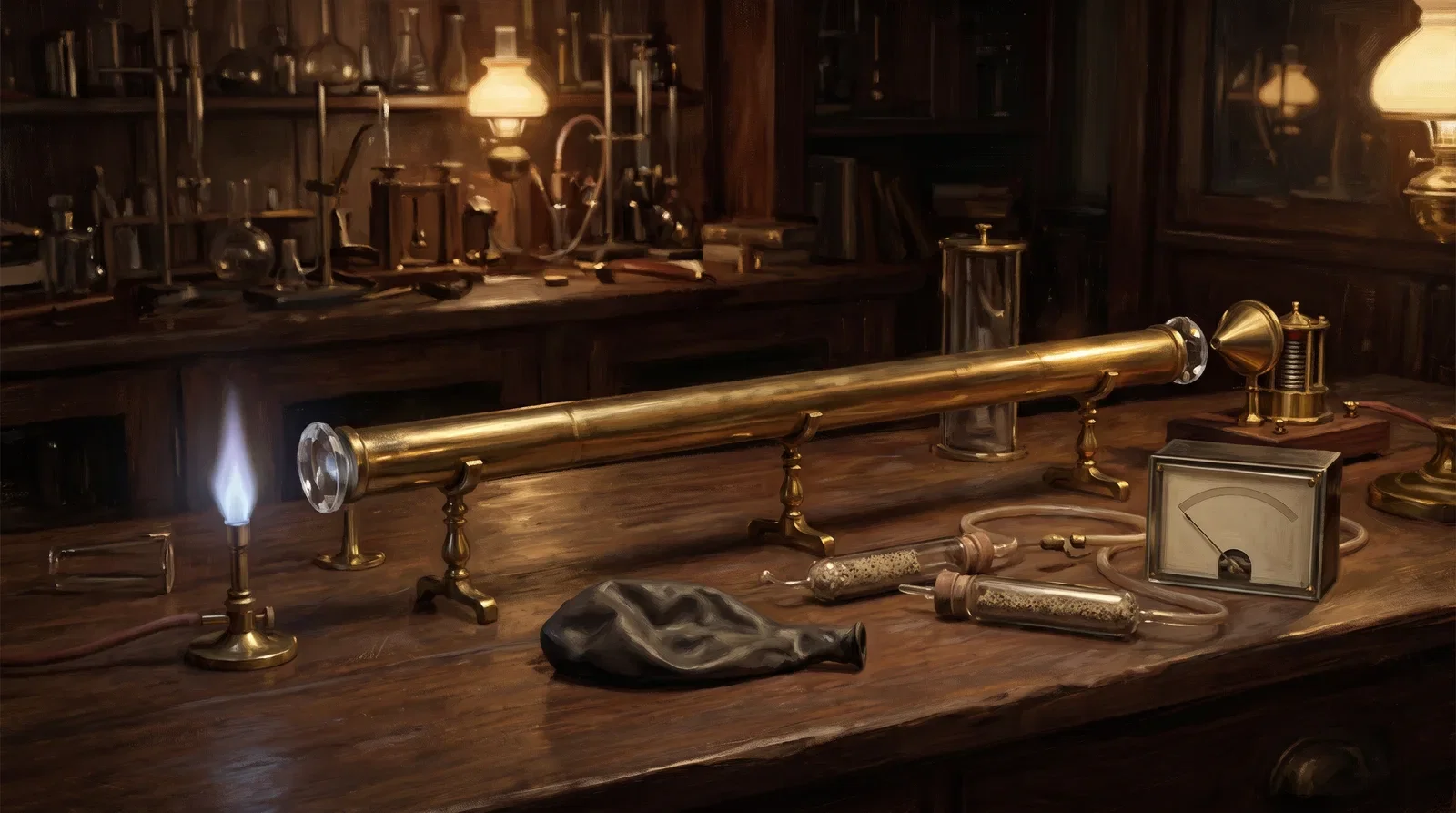
In the 1864 Bakerian Lecture, Tyndall showed that dried breath absorbed radiant heat, a delicate test for exhaled carbonic acid that later matched chemical analysis.
In 1867 Bezold and Bloebaum showed in animals that, after atropine, stimulating the vagus no longer slowed the heart, and placed the effect in an end organ within the heart.

Claude Bernard showed in dogs in 1869 that morphine followed by chloroform gave anaesthesia with less chloroform, and in 1872 Labbé and Guyon reported four operations under the combination.
In 1872 Heidenhain found that after atropine, stimulating the chorda no longer brought saliva from a dog's submaxillary gland but still quickened its blood flow, and used the difference to ask where the drug acted.
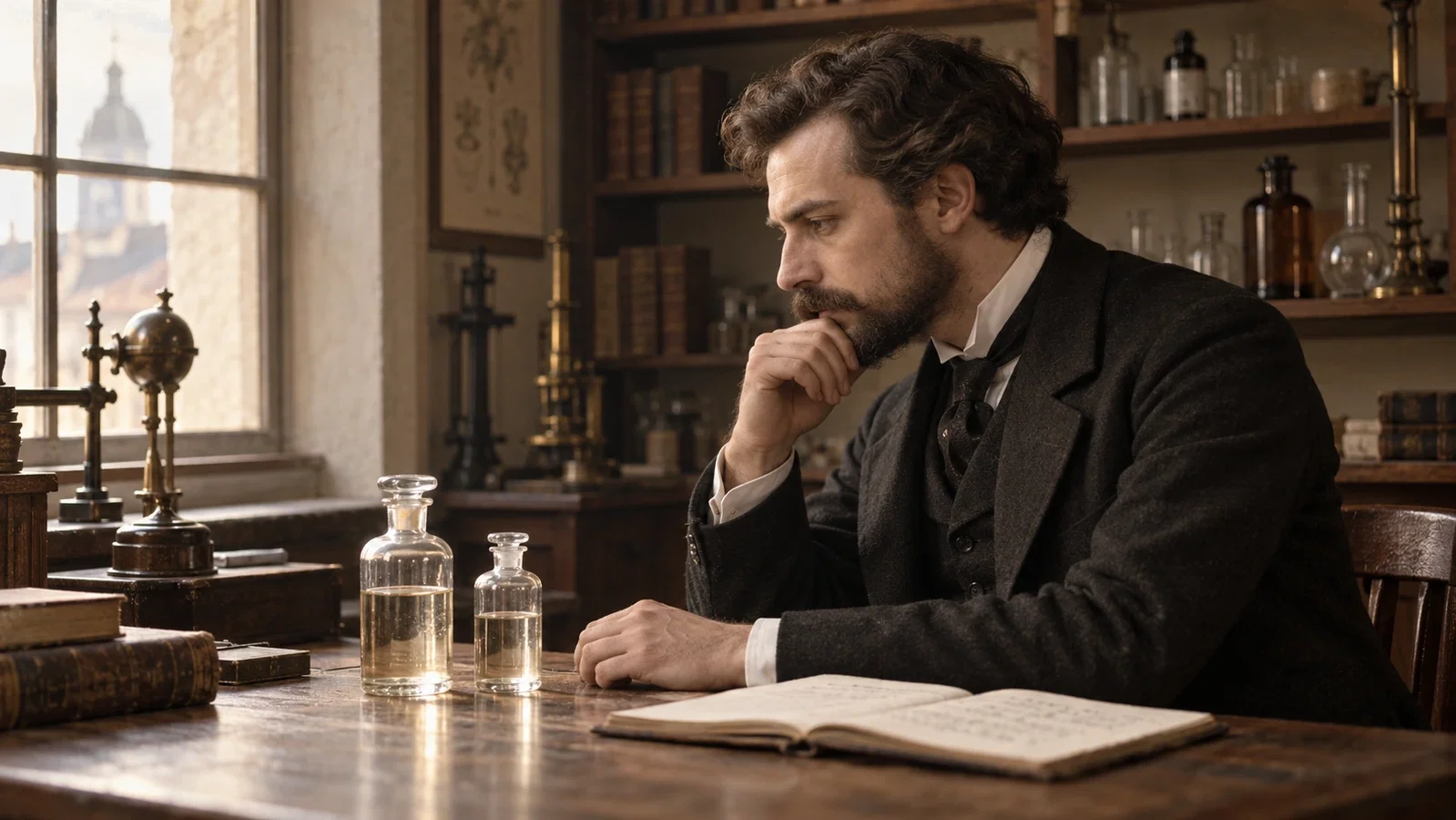
In 1882–1883 Sydney Ringer found that effects first credited to saline came from the piped water used to make it, and went on to compare calcium, potassium and sodium salts on the frog heart.

With Lauder Brunton representing The Lancet, the commission concluded that inhaled chloroform arrests breathing and never suddenly stops the heart.
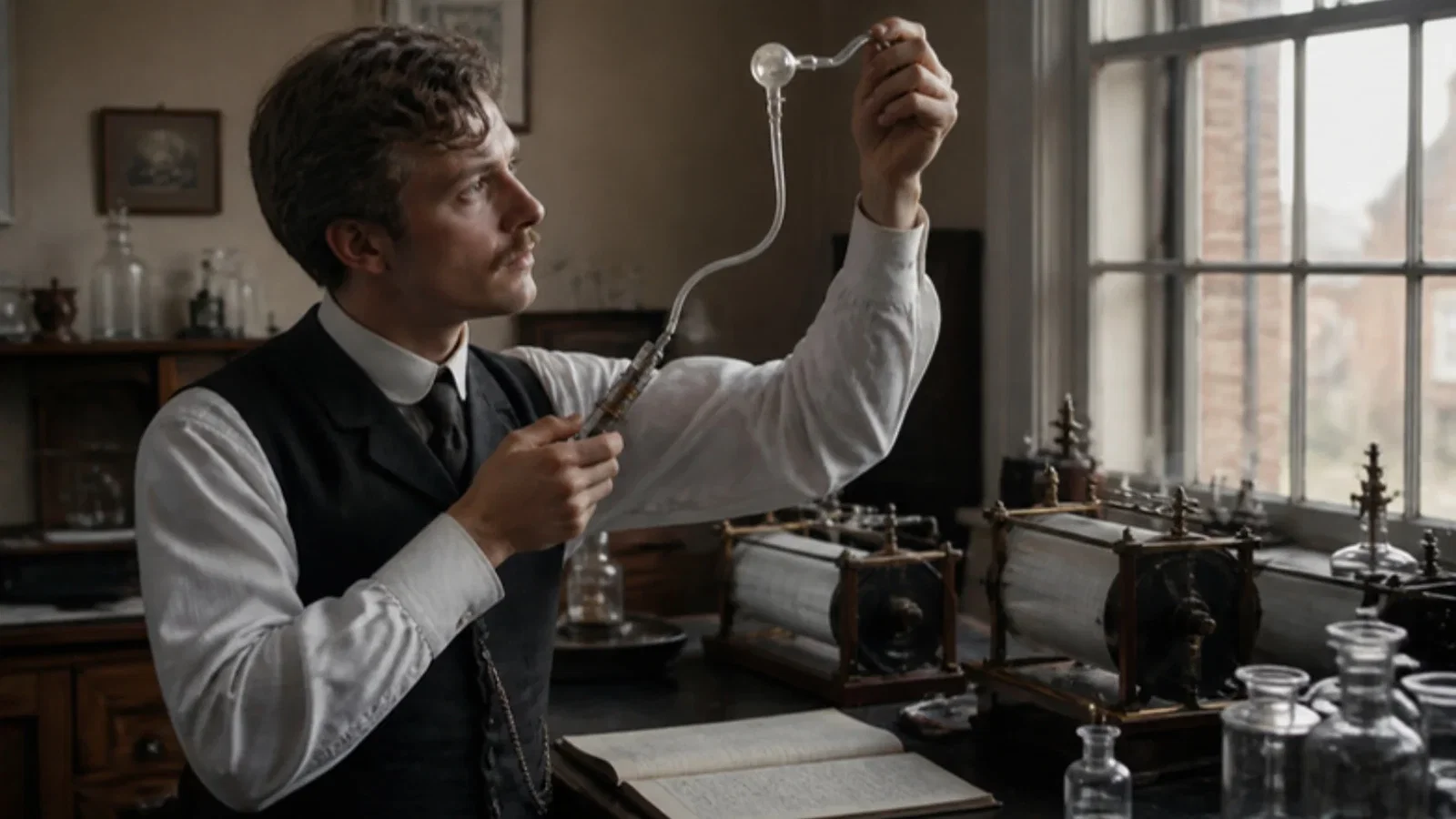
For respiratory experiments, Henry Head placed a thin rubber chamber filled with glycerine in a rabbit's right bronchus to shut off the right lung.

A medical student in Bogotá calculated the city's oxygen partial pressure and argued that ether and chloroform should be given mixed with air or oxygen.
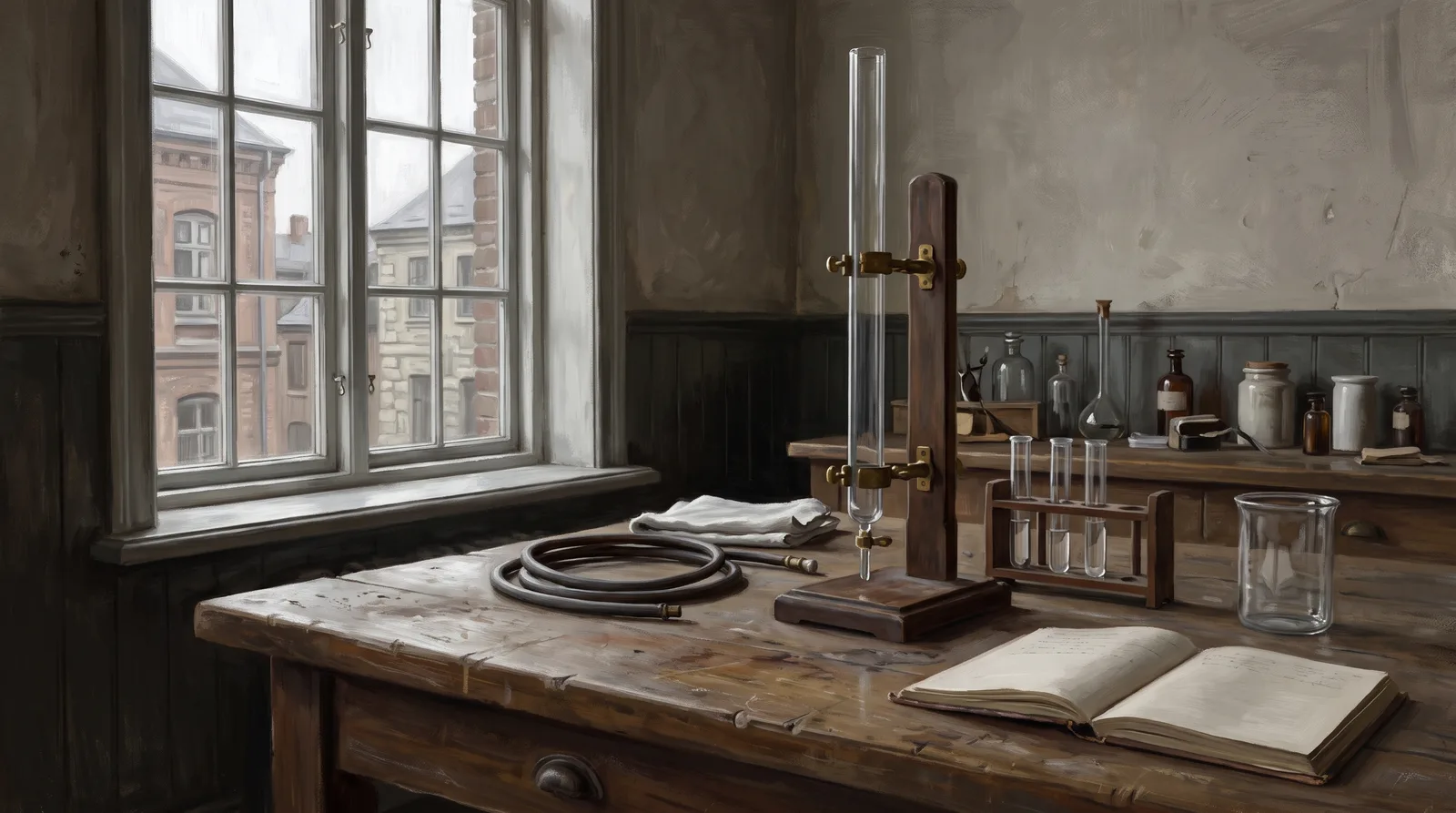
Quincke’s 1891 report of 22 lumbar punctures in ten patients measured spinal fluid pressure, recorded mostly short-lived responses and proposed diagnostic uses.
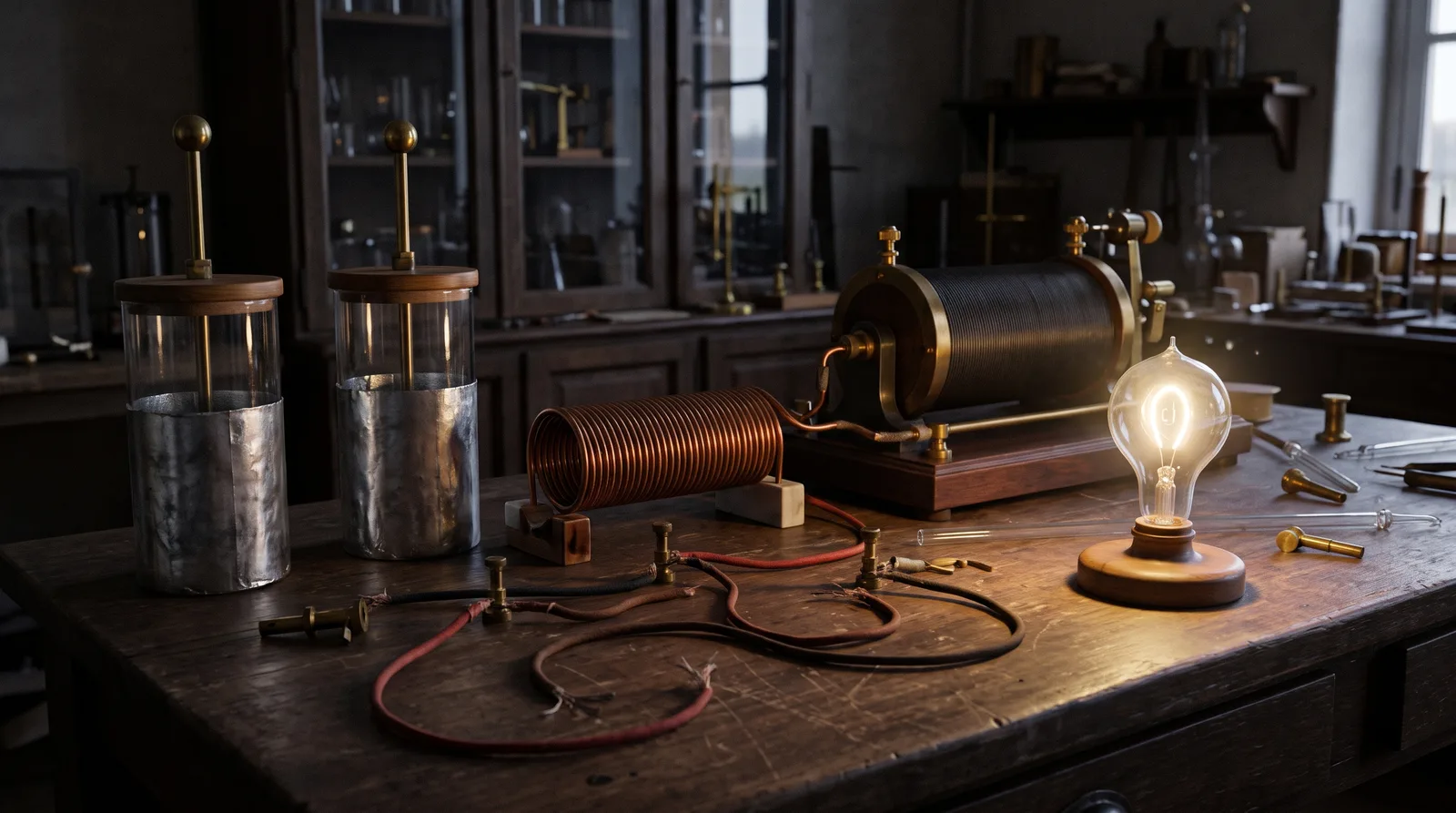
In a note of 20 March 1893 d’Arsonval reported that very high-frequency current, shown publicly in 1892, could light a lamp and pass through the body without exciting nerve or muscle.
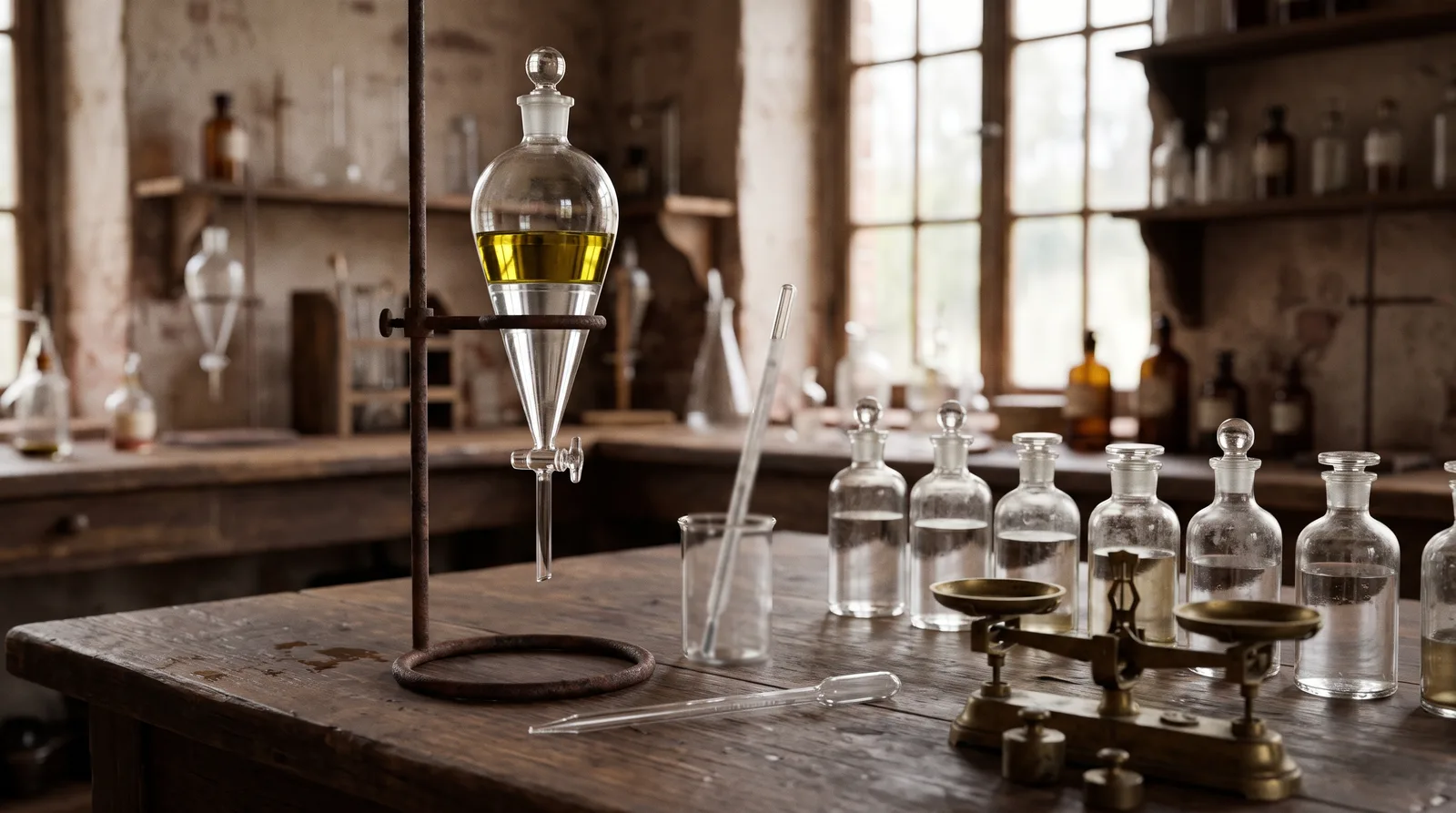
In Marburg, Meyer proposed that potency depends on partition between fat and water, and Fritz Baum tested the idea with olive oil and water.
Richet described a state in which a first injection leaves the body hypersensitive to a second instead of protected, and which can kill people given serum.
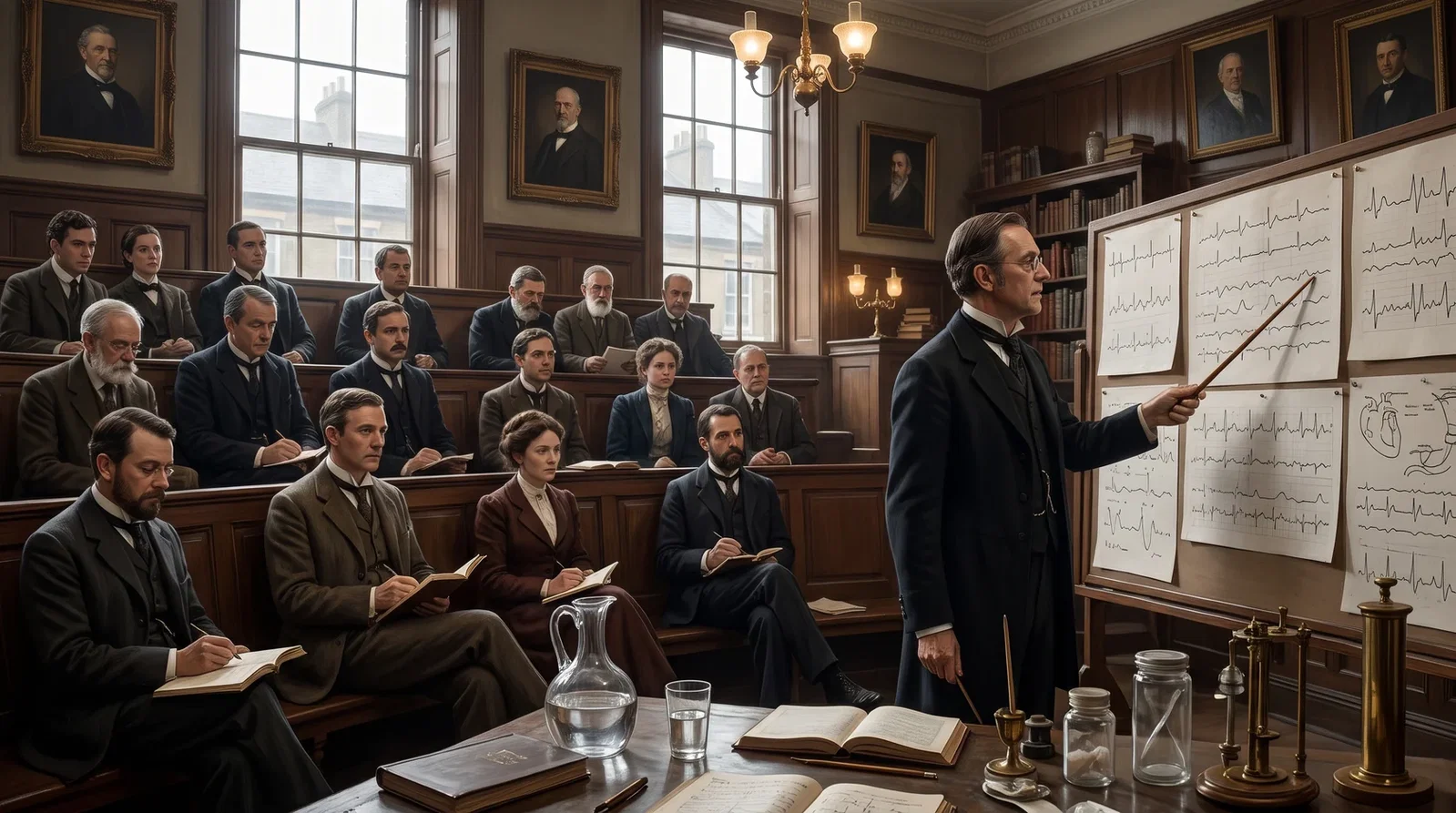
Before the Royal Society of Medicine, Levy argued that sudden death under light chloroform is due to ventricular fibrillation and urged full, continuous anaesthesia.
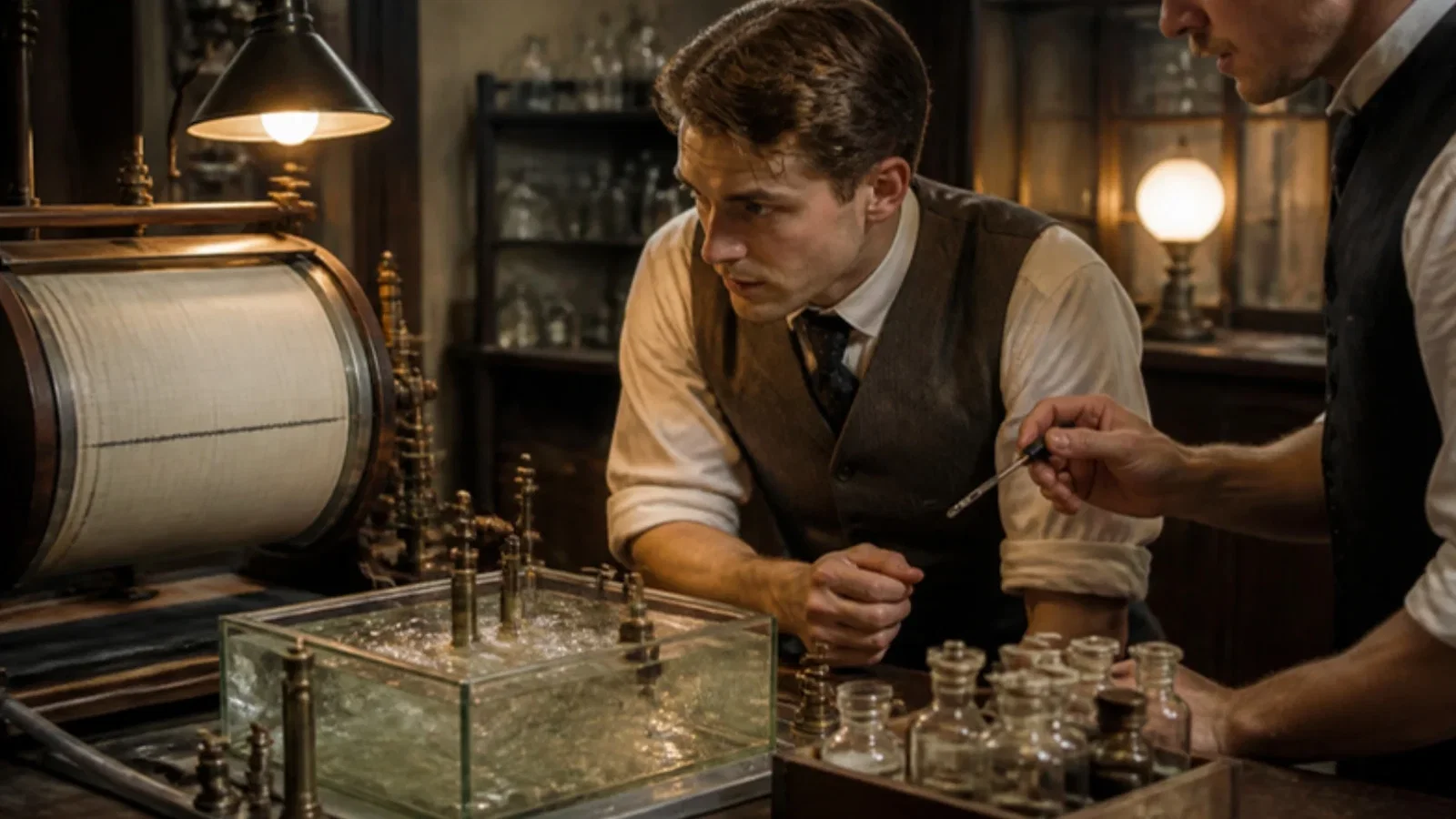
A substance found in ergot, intensely active and quickly gone, with as yet no evidence that the body made it
The 1920 paper and the later circulation of its charts
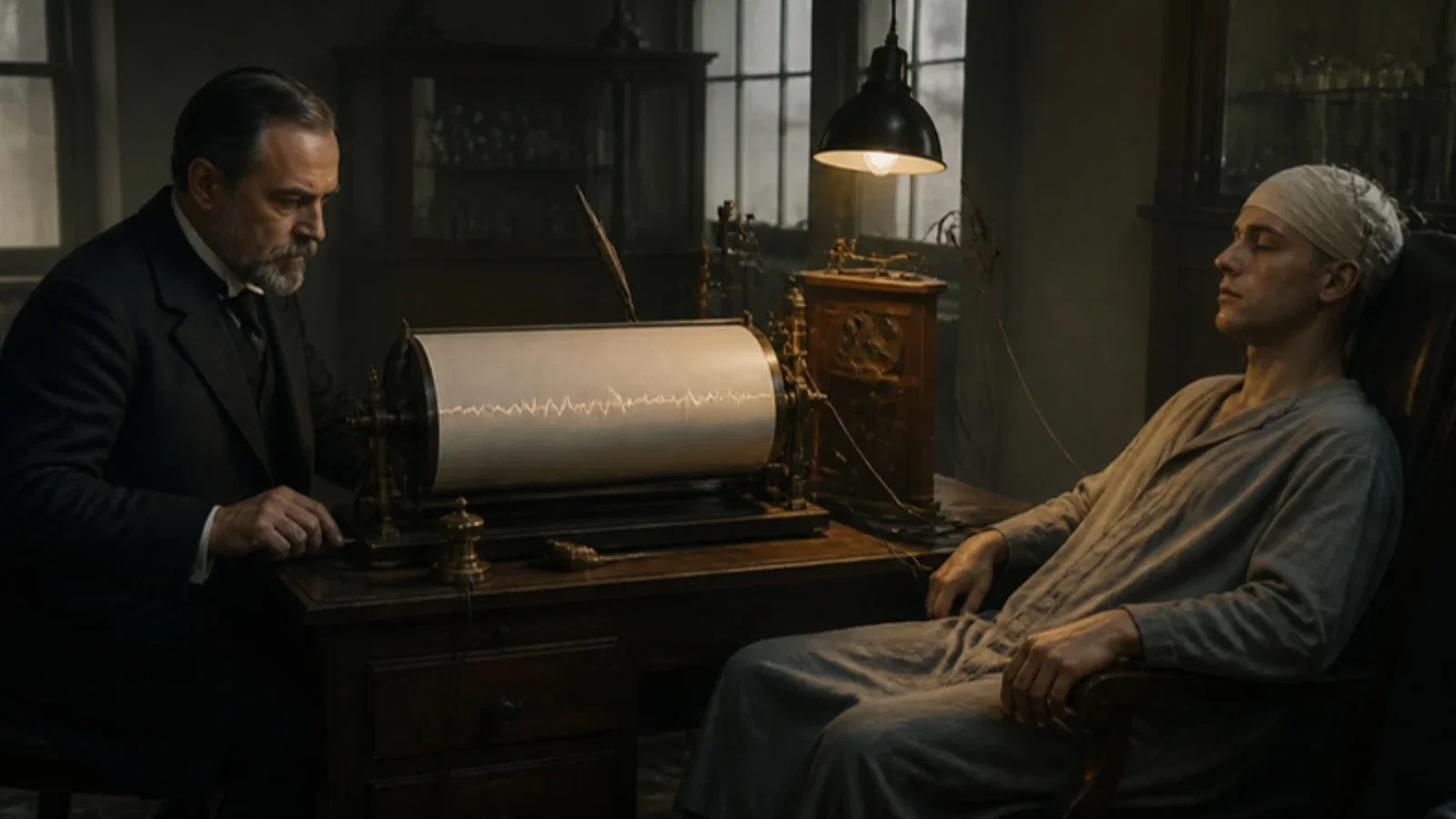
Berger's earliest recording came in 1924 through a skull defect; published in 1929 as the electroencephalogram, its alpha waves later vanished under chloroform.
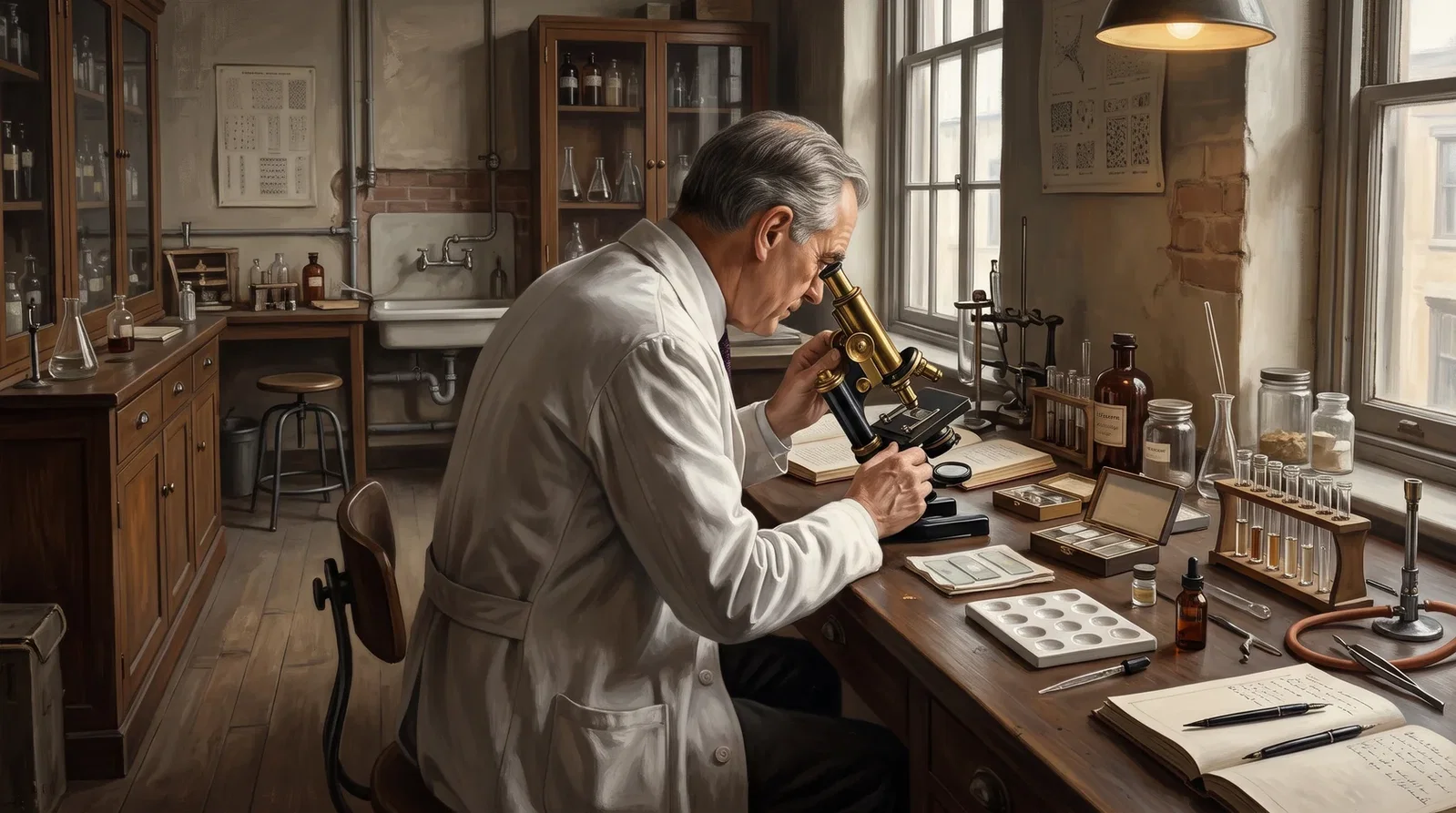
Landsteiner recalled discovering the human blood groups, explained why transfusion had sometimes killed, and described how matched transfusion became routine.
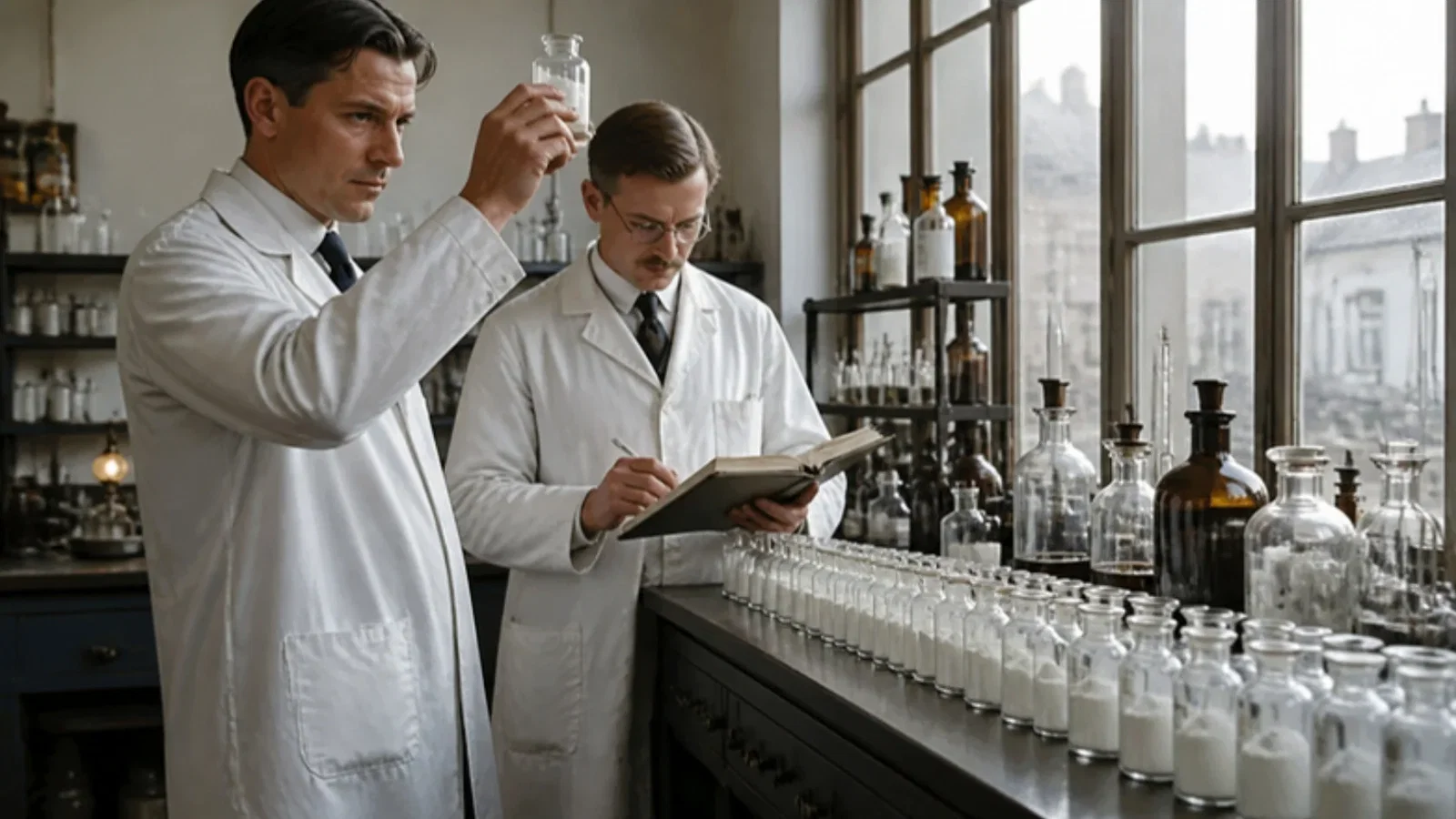
Prostigmin was initially used to restart the bowel after surgery; in 1900 Pal had made a curarised dog breathe again with physostigmine.
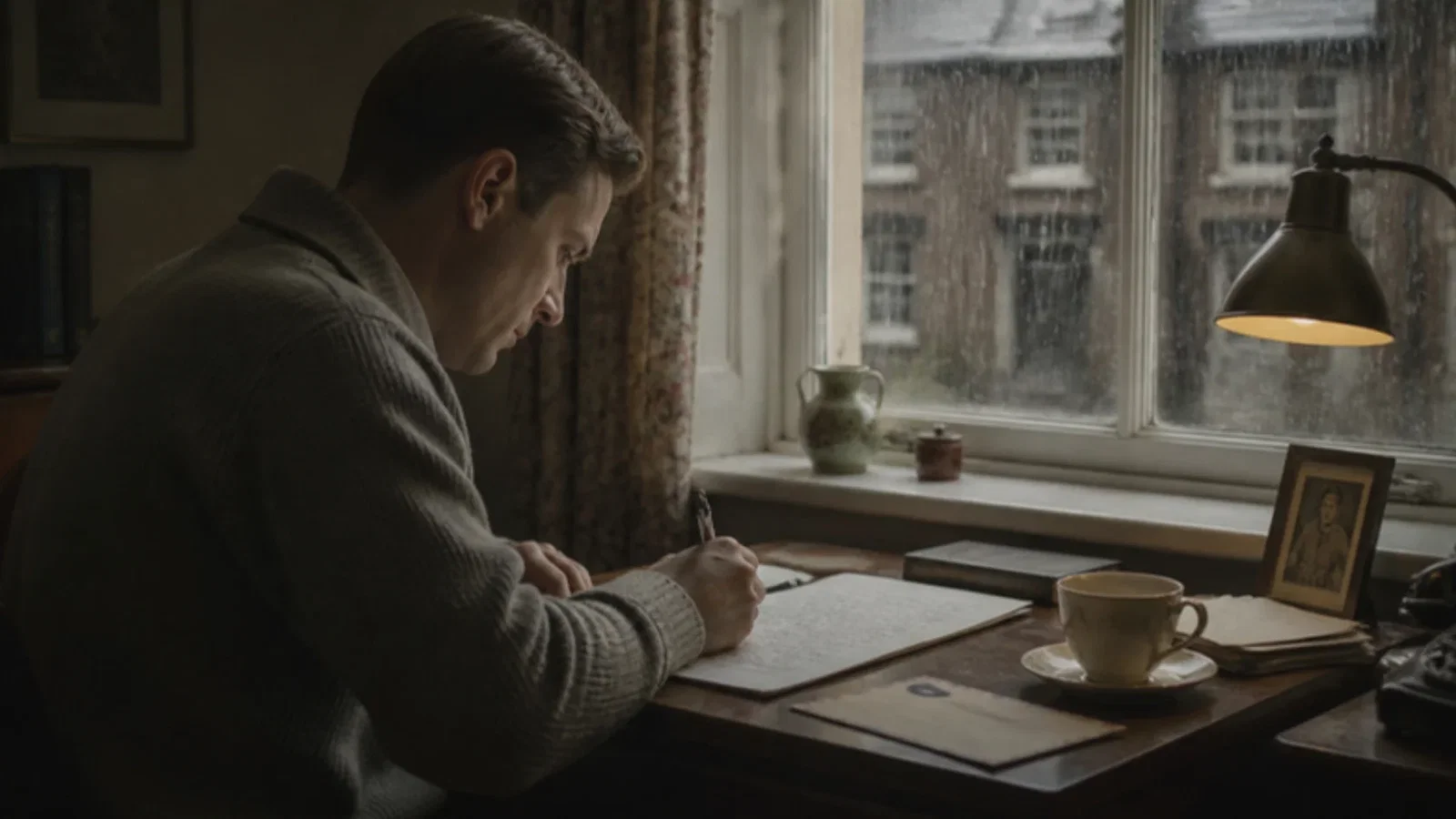
The 'Insufficient anaesthesia' correspondence in the BMJ, January-March 1950: one case of awareness and seven doctors' replies
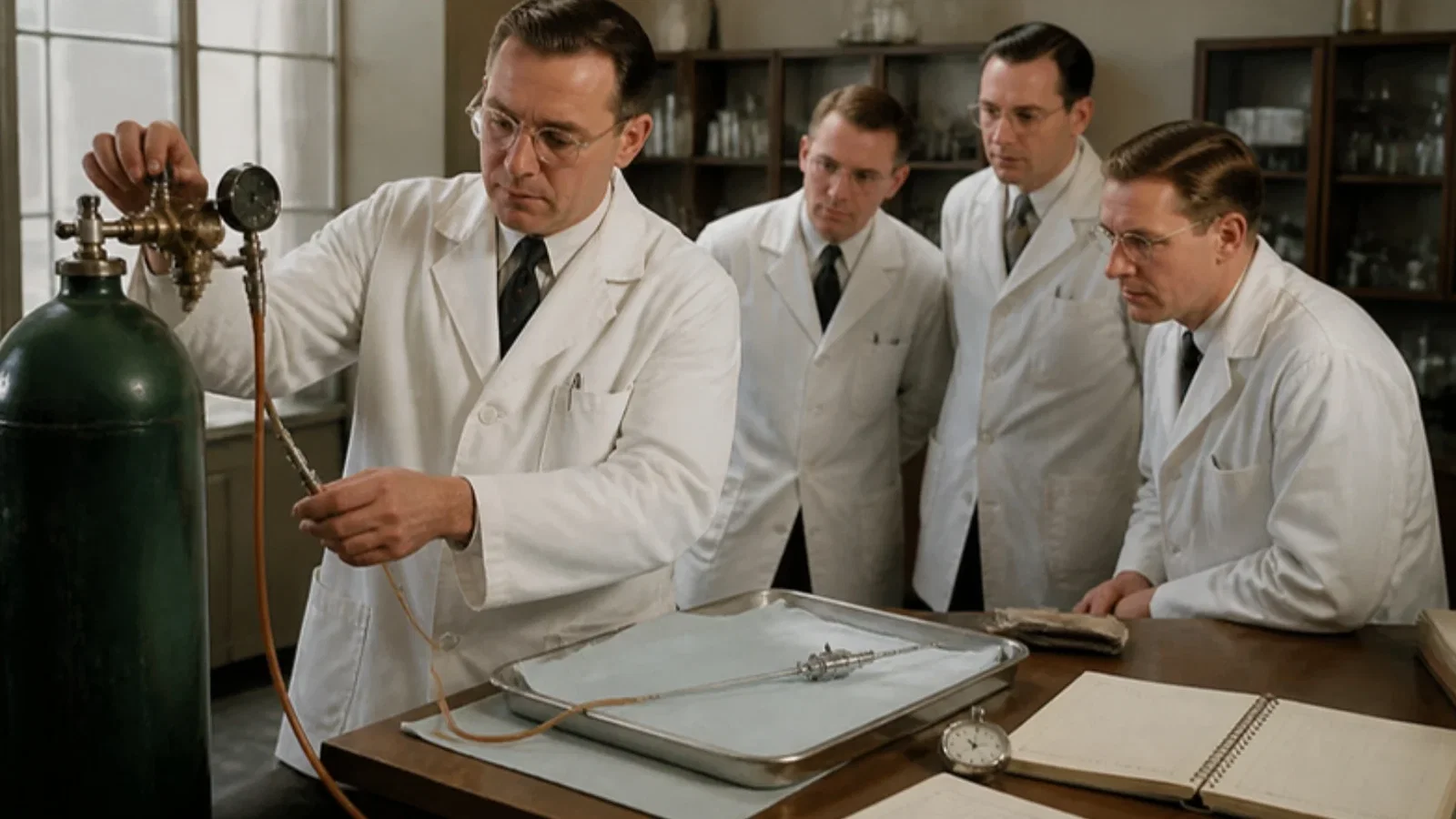
At Ohio State, oxygen blown through a needle in the trachea kept apnoeic dogs alive for thirty minutes, while carbon dioxide kept rising.
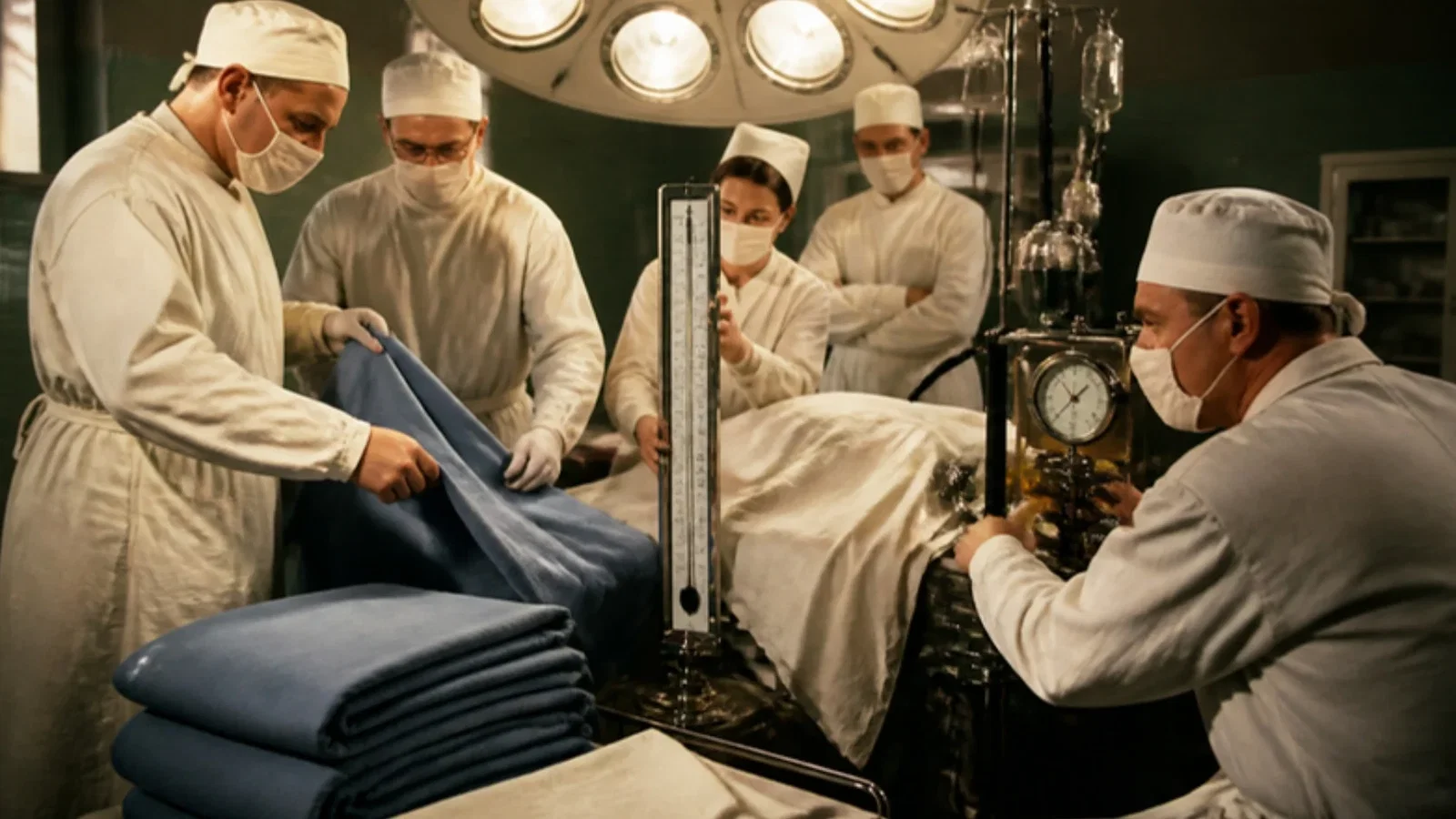
After practice on dogs, Lewis and Taufic cooled a 5-year-old girl in blankets, stopped inflow to the heart for minutes and closed an atrial septal defect.
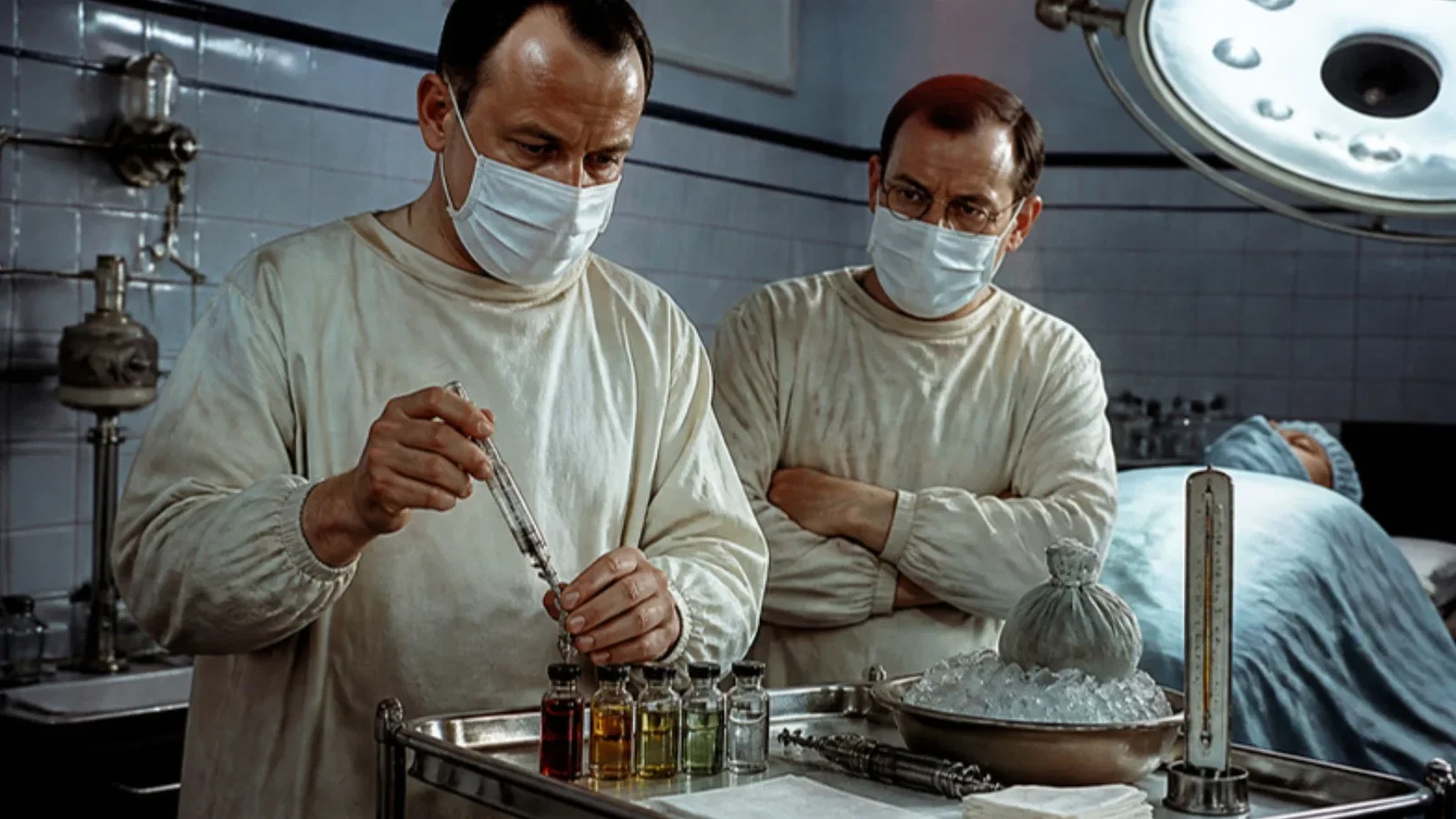
Two Liverpool papers in the BMJ show how British anaesthetists borrowed Laborit and Huguenard's 'lytic cocktail', renamed it and reported its deaths.
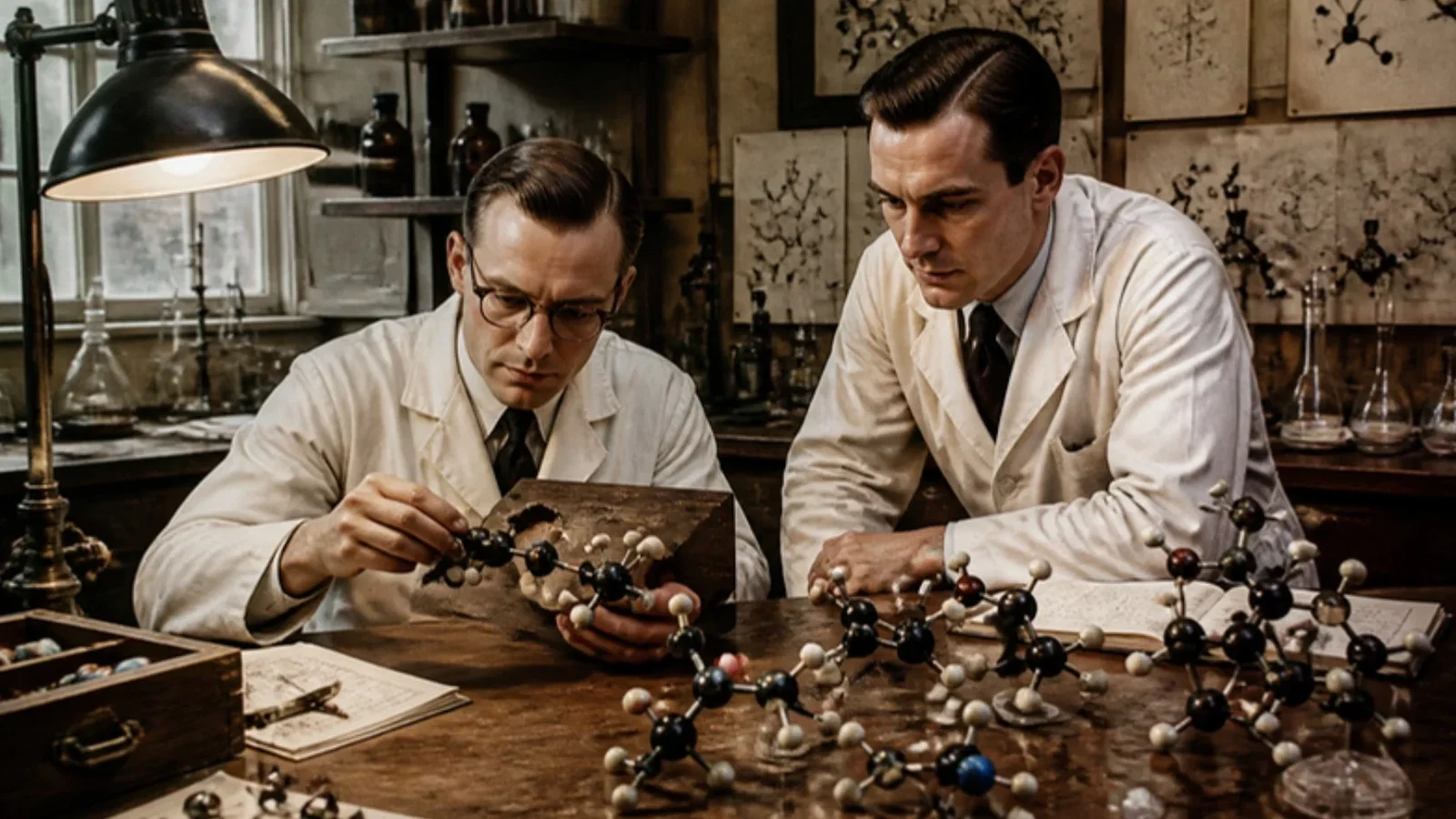
From the shapes of morphine, pethidine and their mirror images, two London chemists argued strong analgesics must fit a complementary surface in the nervous system.
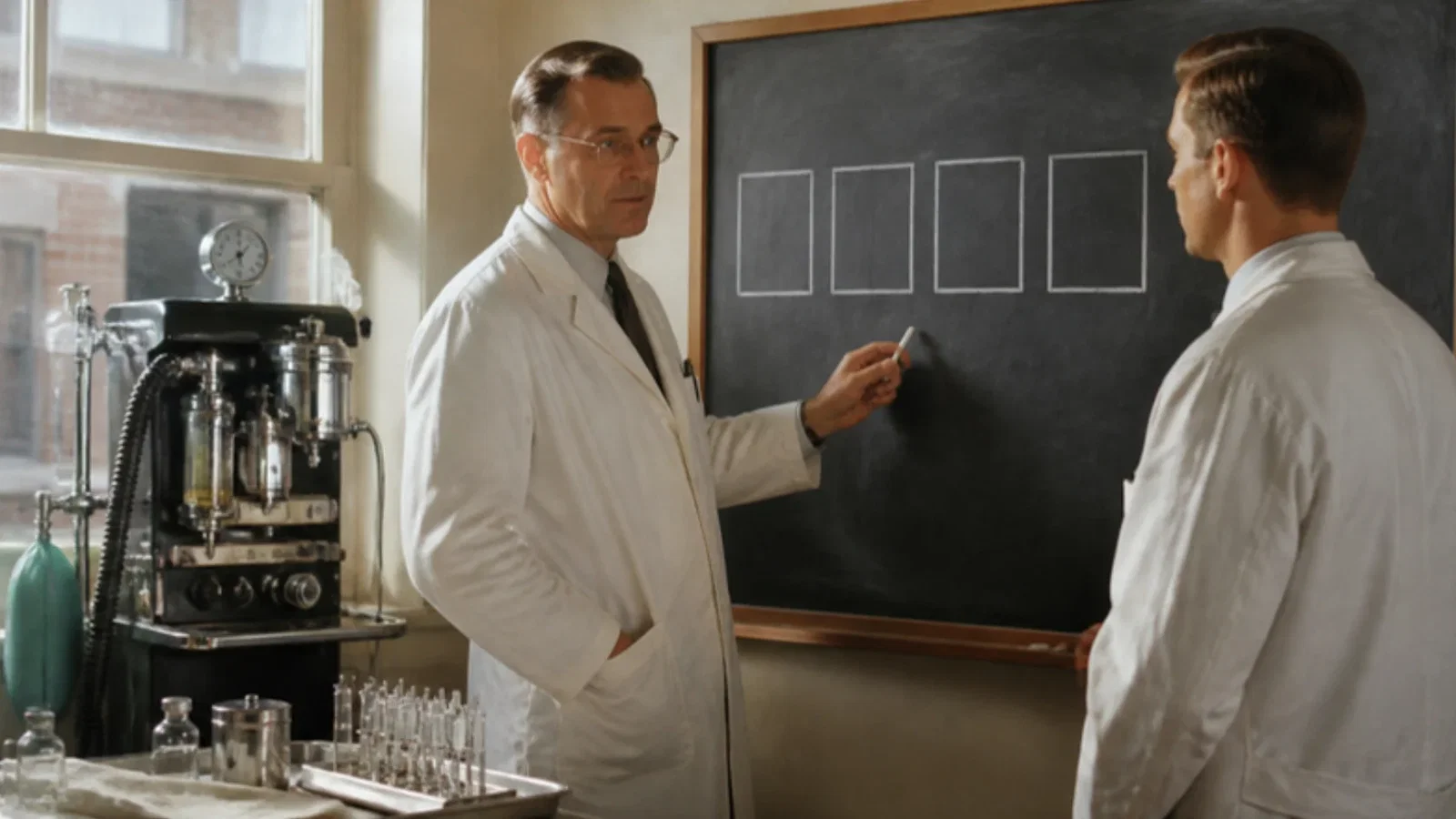
Woodbridge argued Guedel's ether stages no longer worked with barbiturates and relaxants, and divided anaesthesia into sensory, motor, reflex and mental blocks.
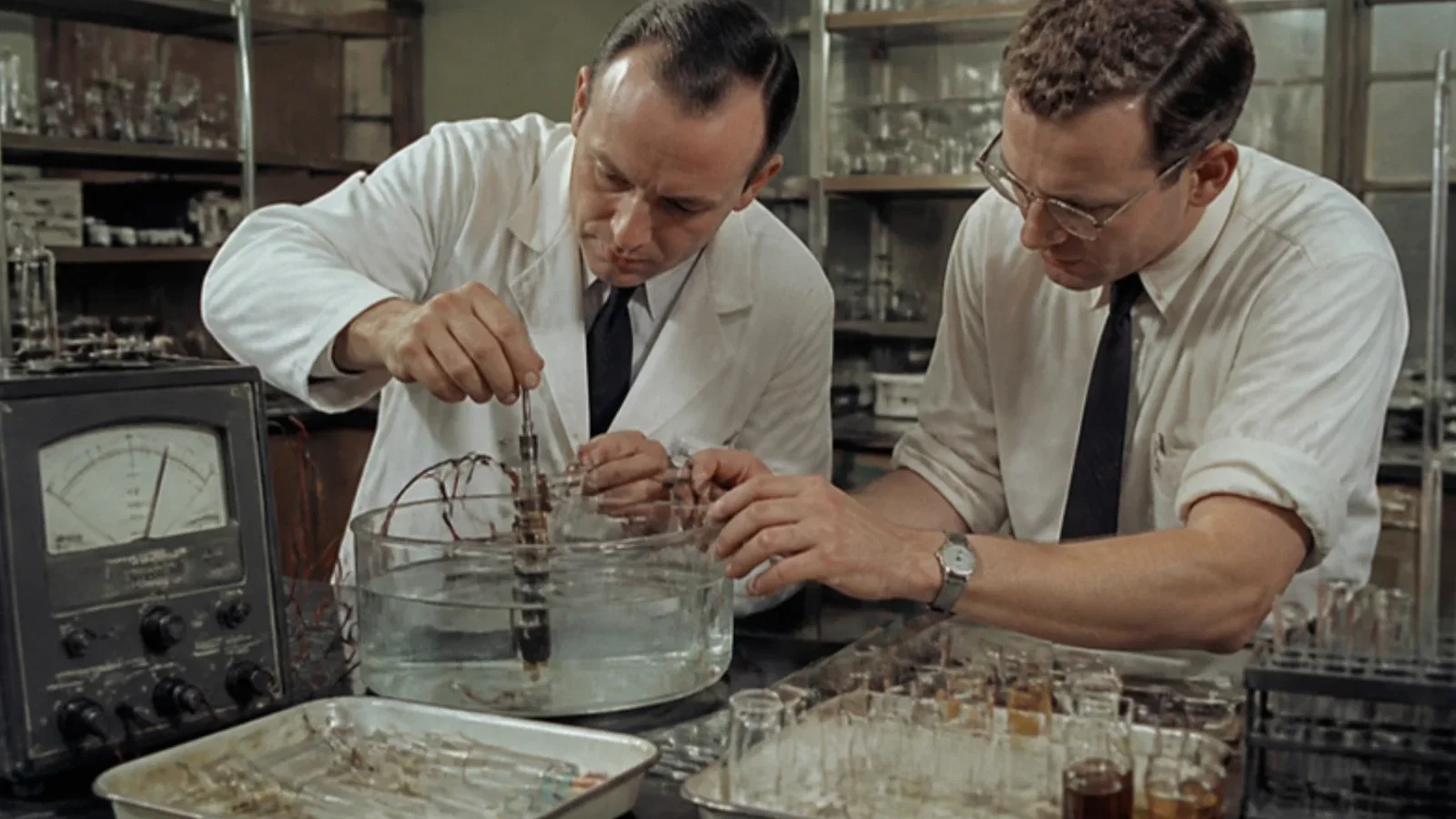
Severinghaus and Bradley mounted Clark's oxygen electrode and a modified Stow carbon dioxide electrode in one water bath for rapid blood gas measurement.
Topic guide updated October 30, 2026.