Making a change observable
Explore clinical observations, records, measurements and assessment tools. A measurable signal and an improved patient outcome are different questions.
Reading Library · Explore the Connections
Explore this topic
Topics overlap. An essay may appear in more than one collection.

A Salerno-trained physician to King Philip Augustus put the reading of the pulse into 380 Latin hexameters, a poem that students copied, memorised and annotated for centuries.
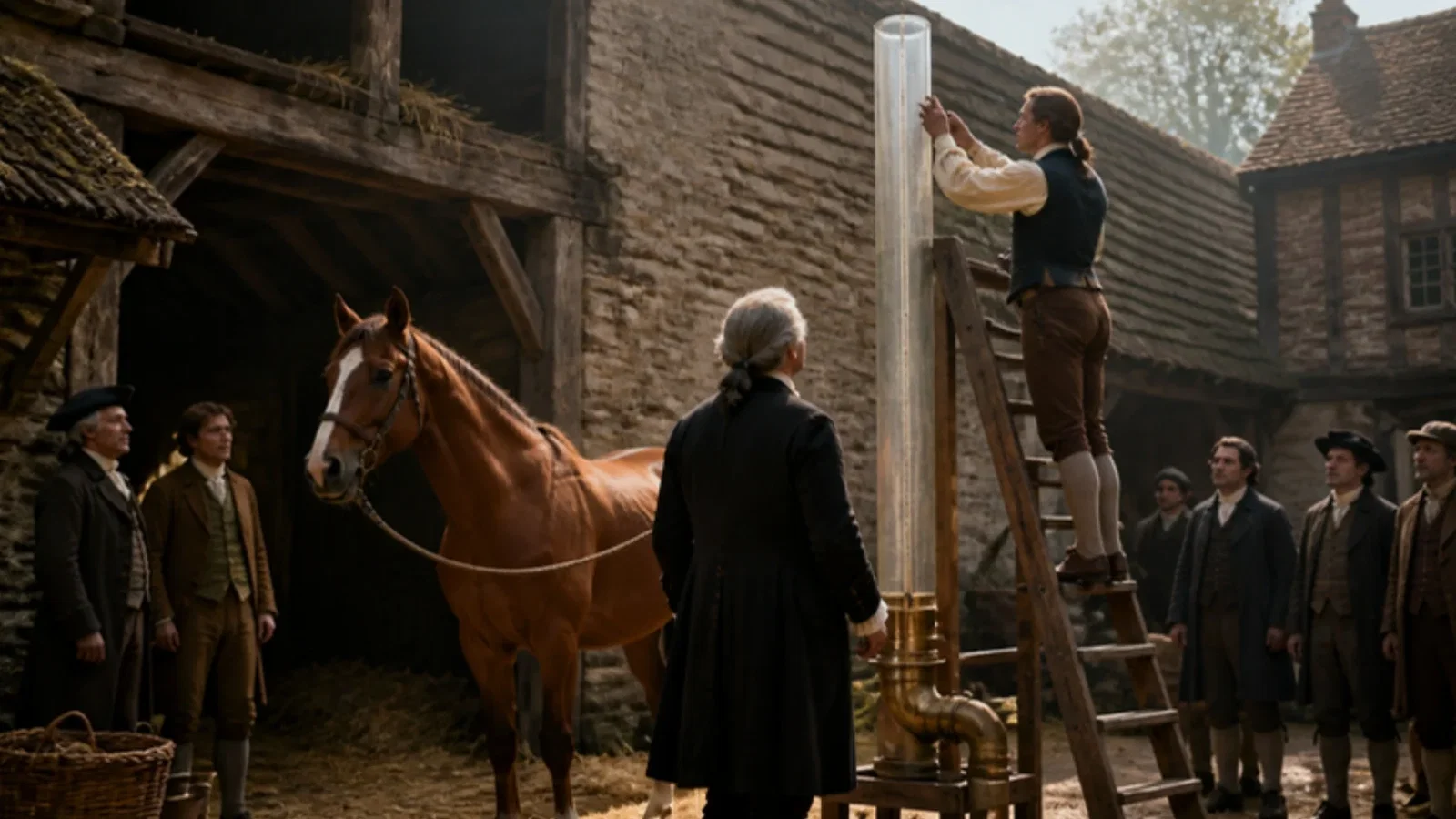
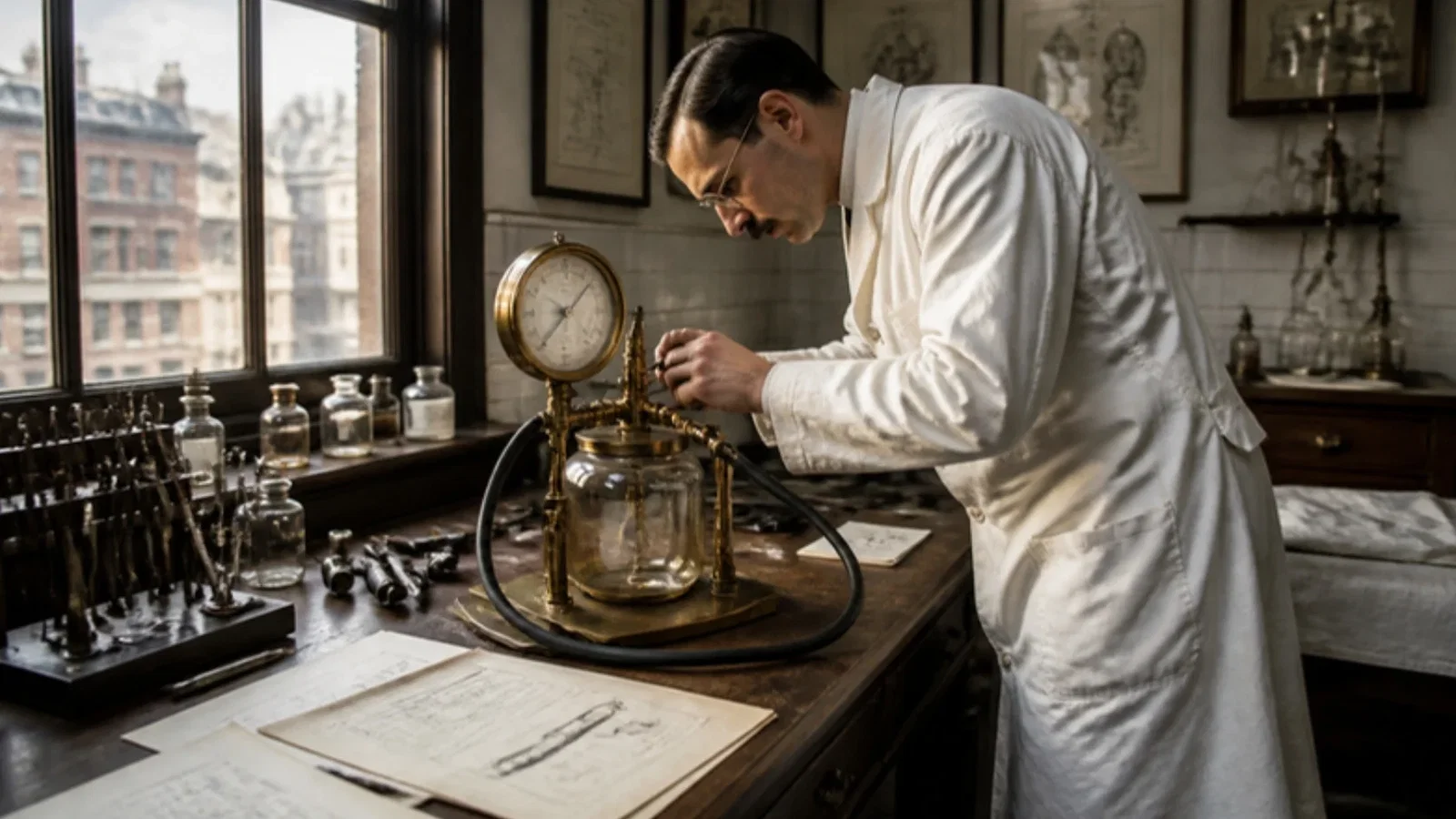
Hales joined a nine-foot glass tube to a mare's crural artery; the blood rose over eight feet, pulsed with each beat, and fell as the mare was bled.
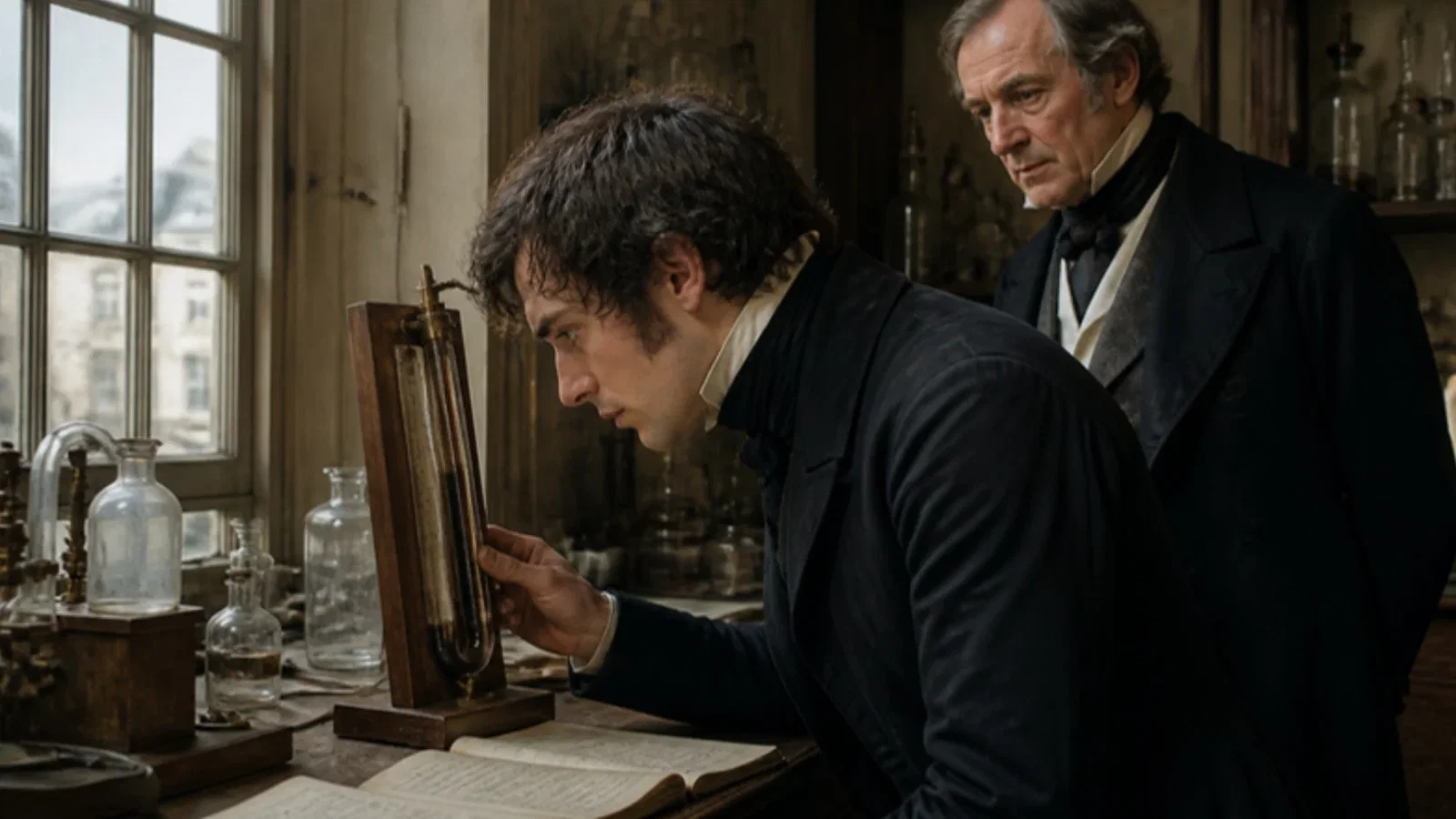
In a Paris thesis of 1828, Poiseuille replaced Hales's tall blood column with a mercury-filled bent tube joined to an artery, and watched it rise with each beat.
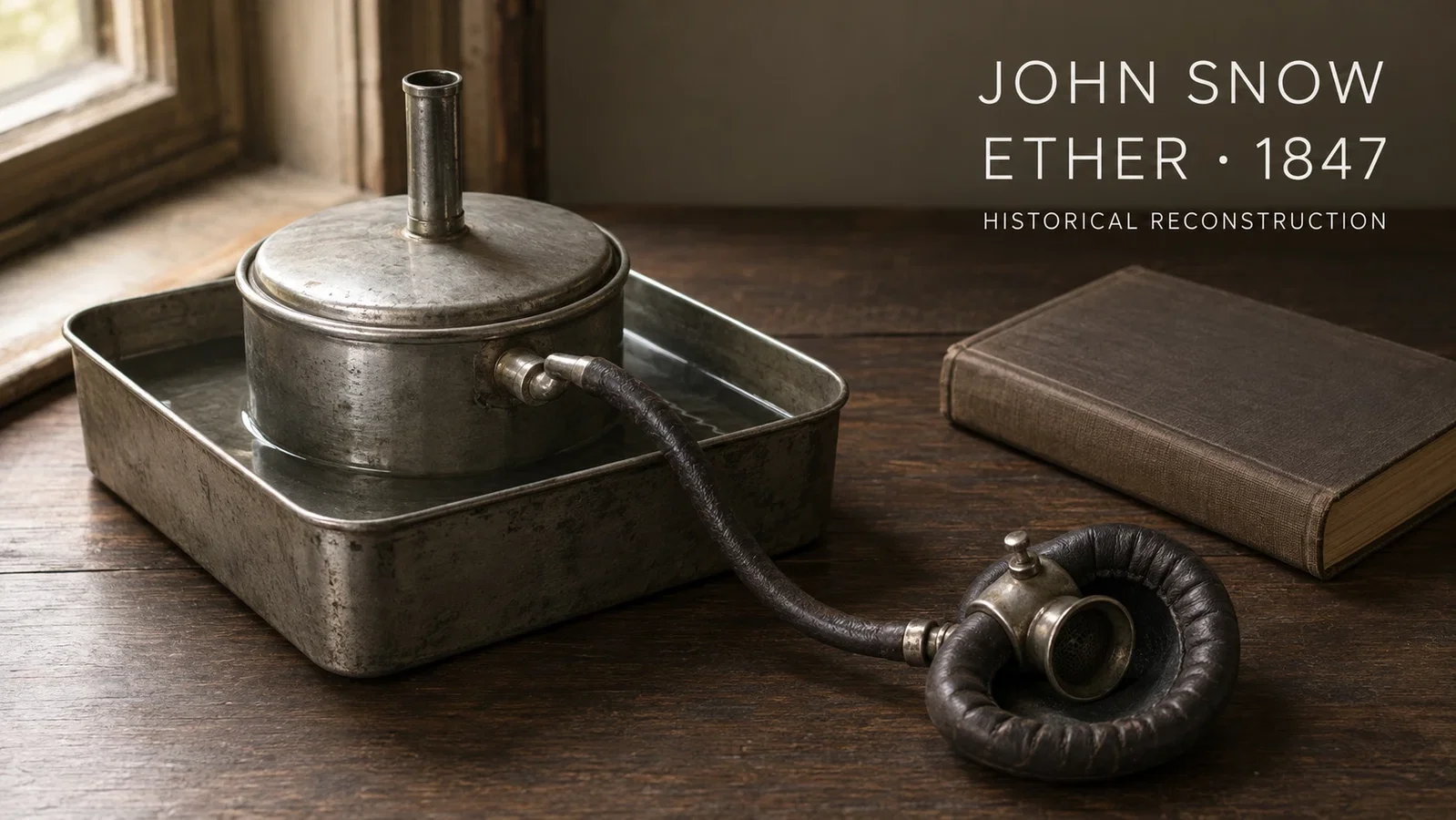
John Snow's 1847 book on ether connected the patient's responses, the supply of vapour and the surgical outcome without making them interchangeable.
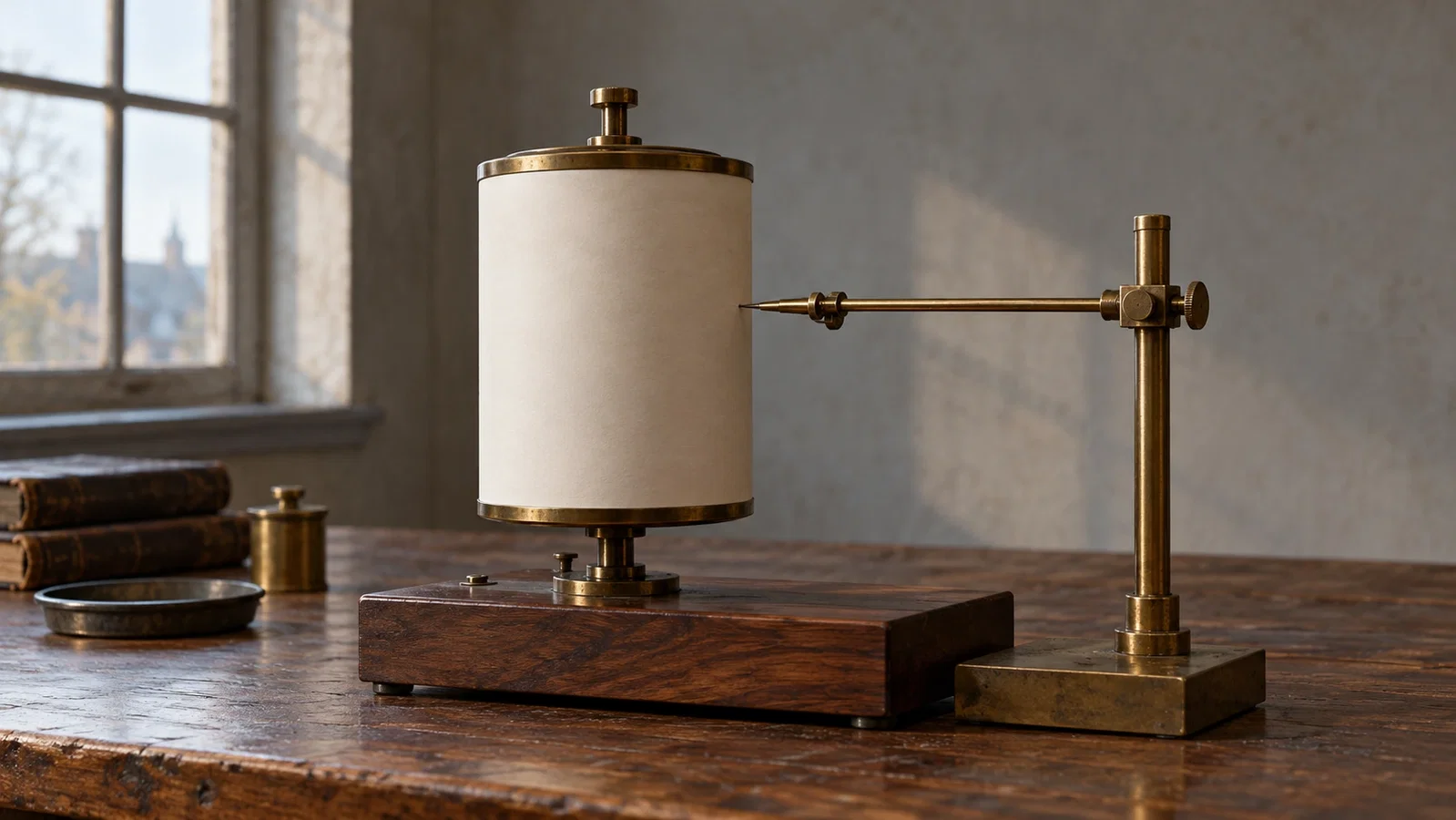
In 1850 Hoffa and Ludwig published a lever tracing of a rabbit heart moving irregularly under electrical stimulation, together with the method and conditions that produced it.
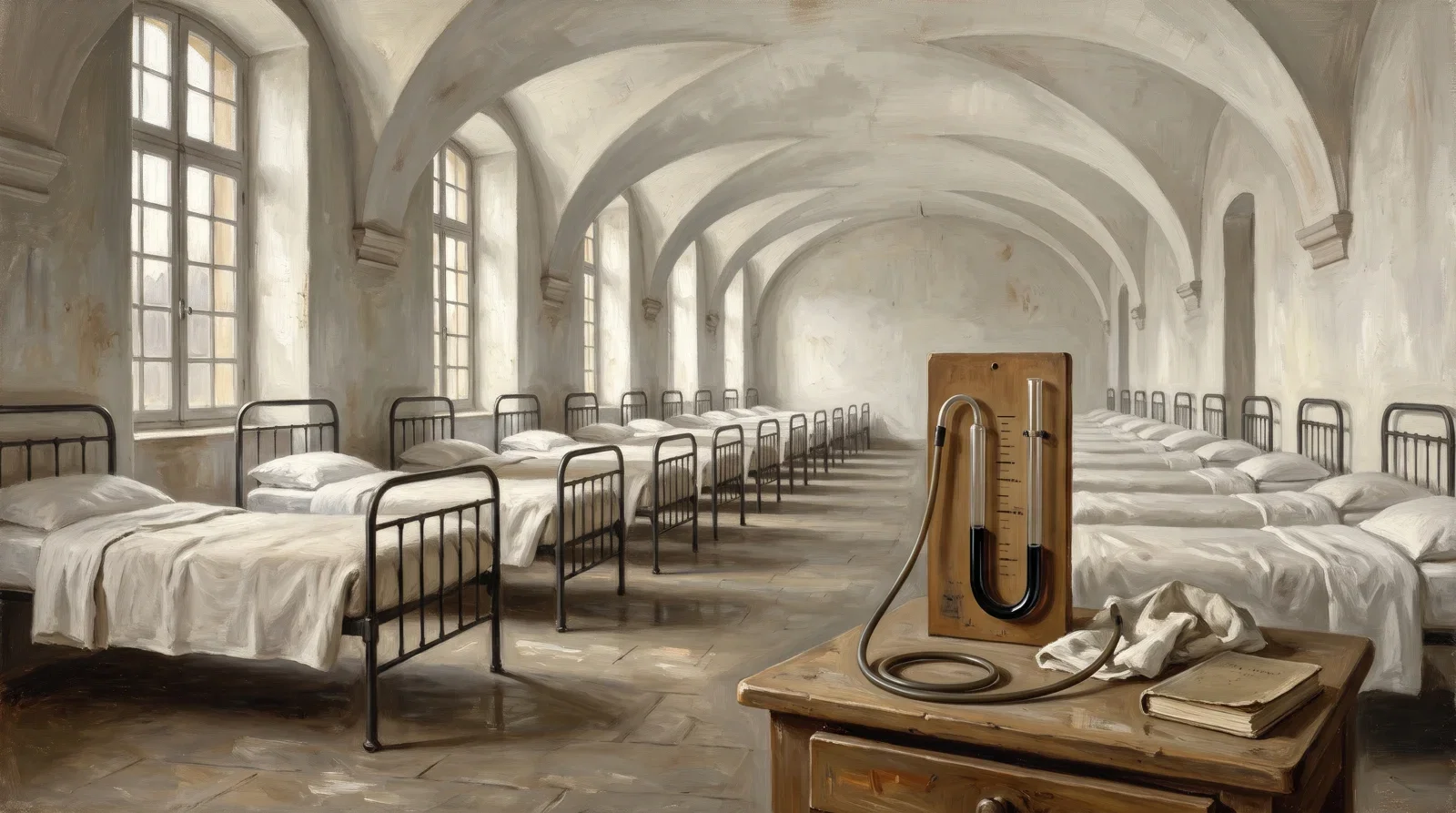
At the Hôtel-Dieu de Lyon, Faivre attached a mercury haemodynamometer to arteries during three amputations and found a mean pressure of 12 cm; Gibson later called it unjustifiable.
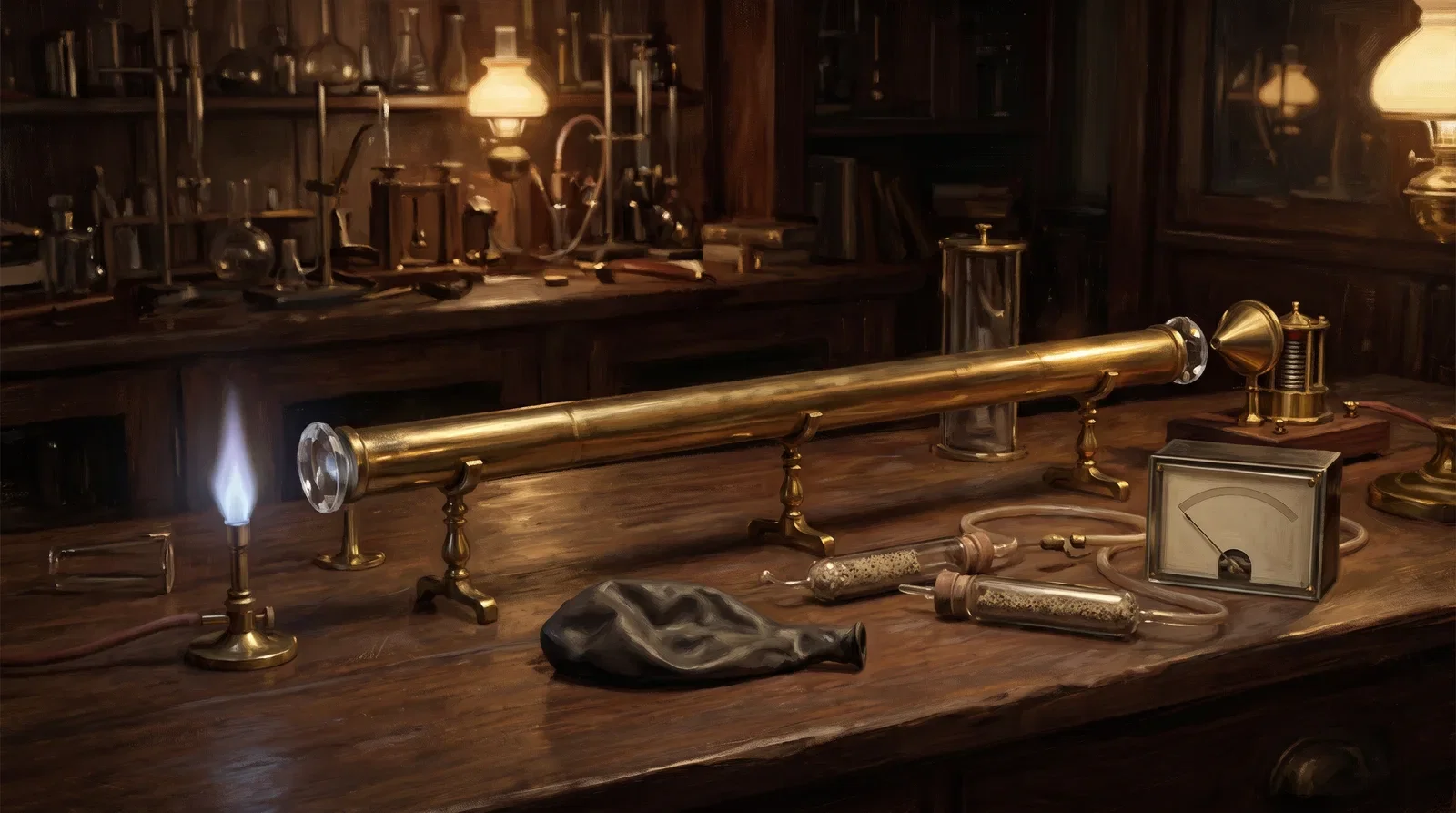
In the 1864 Bakerian Lecture, Tyndall showed that dried breath absorbed radiant heat, a delicate test for exhaled carbonic acid that later matched chemical analysis.
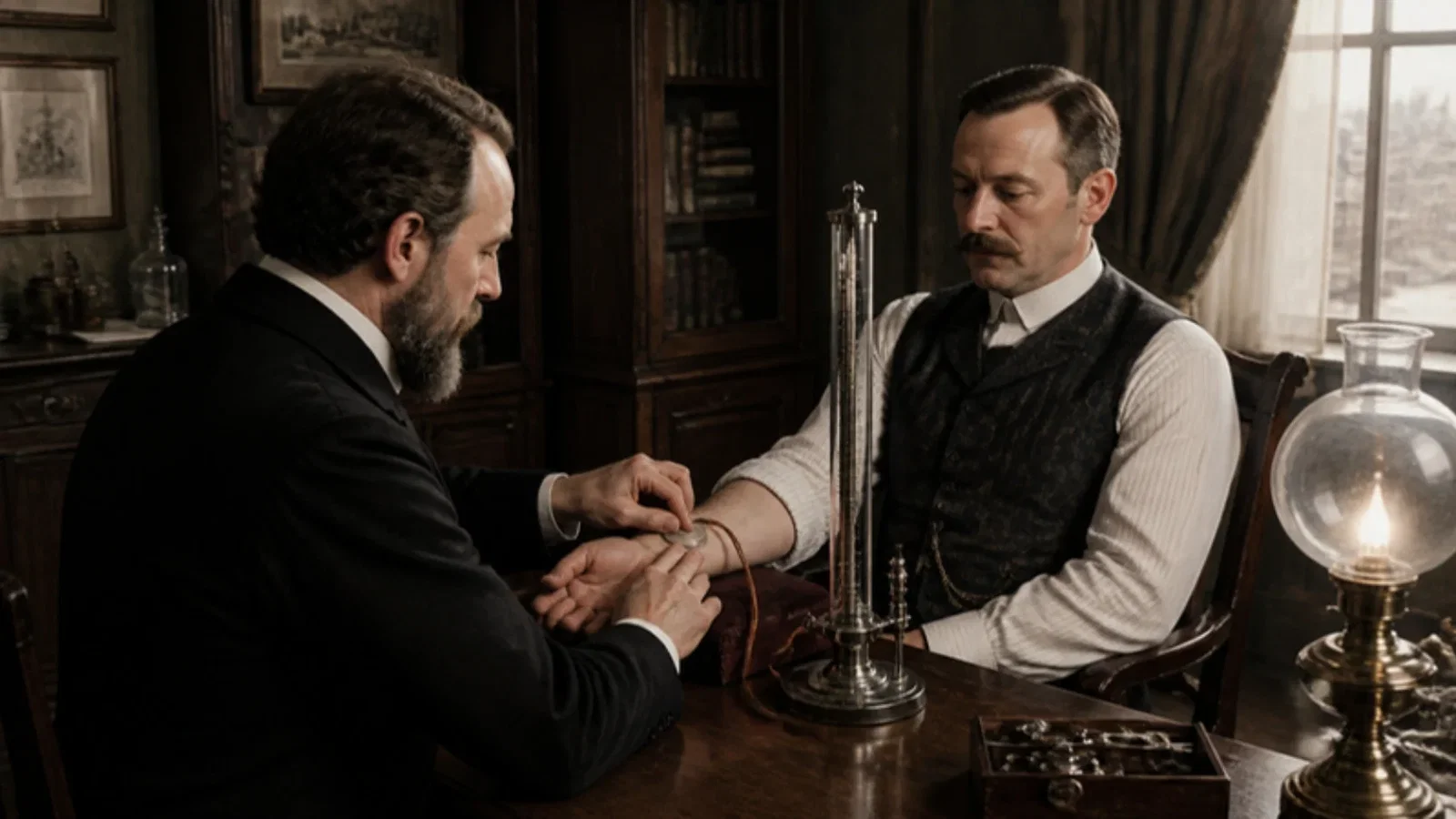
Von Basch's sphygmomanometer pressed a water-filled pad on the radial artery, joined to a mercury manometer read when the pulse disappeared.
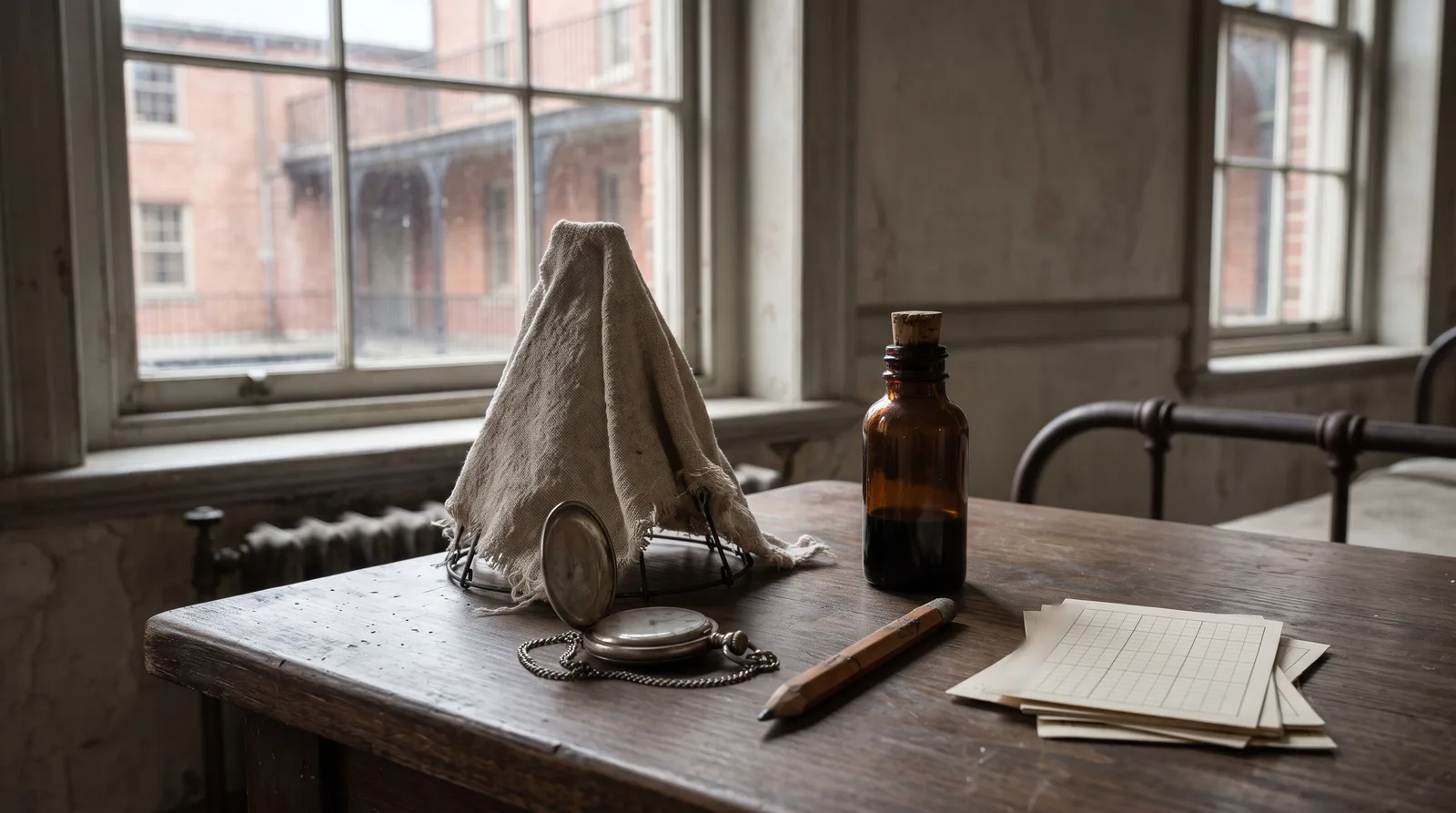
In 1894–1895, as Harvard medical students, Ernest Amory Codman and Harvey Cushing began keeping anesthesia records that plotted pulse and respiration against the minutes of an operation, with notes on drugs and events beside them.
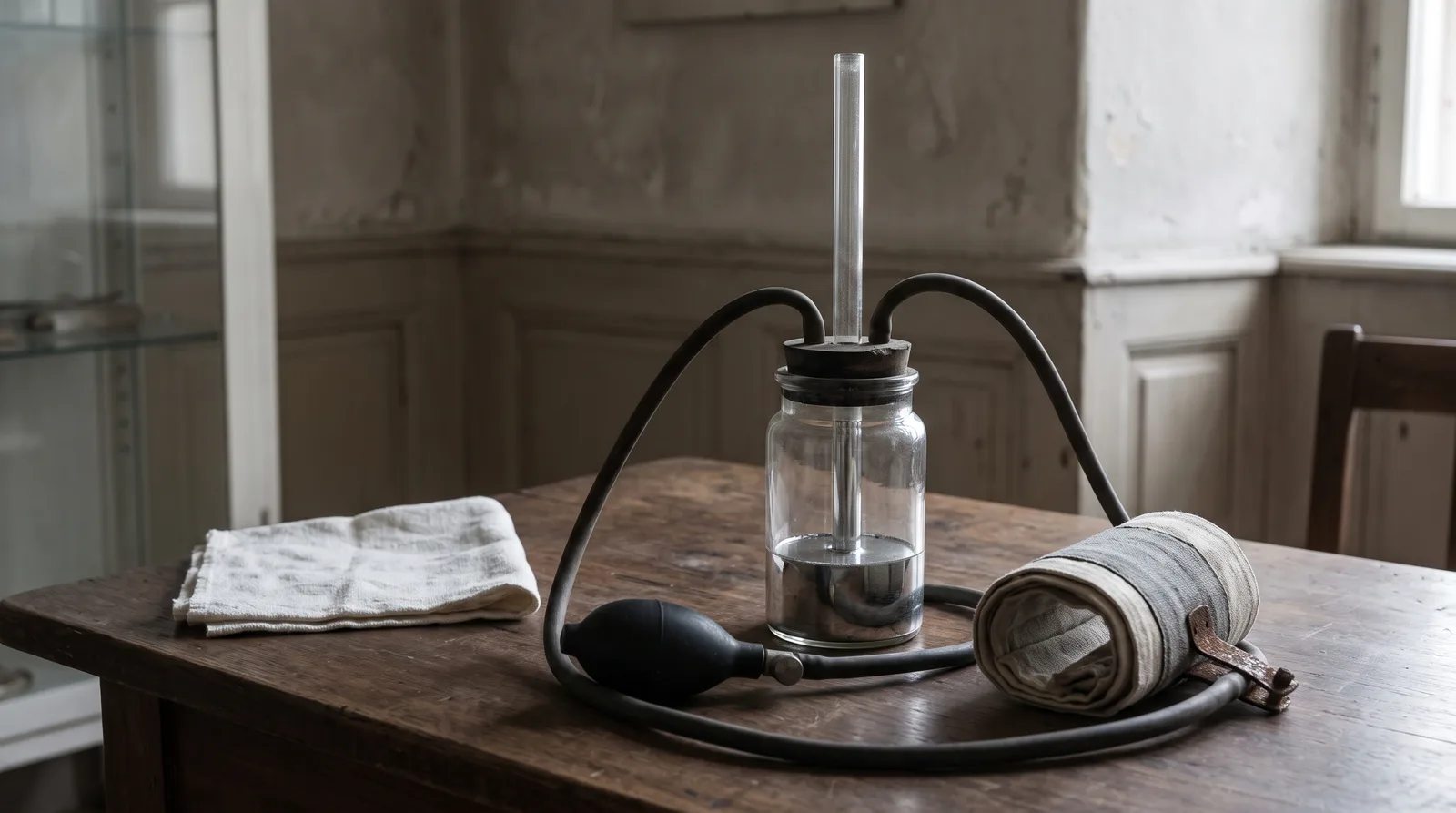
In 1898 a Munich thesis compared Riva-Rocci’s cuff with von Basch’s instrument and found the principle sound but the workmanship wanting.
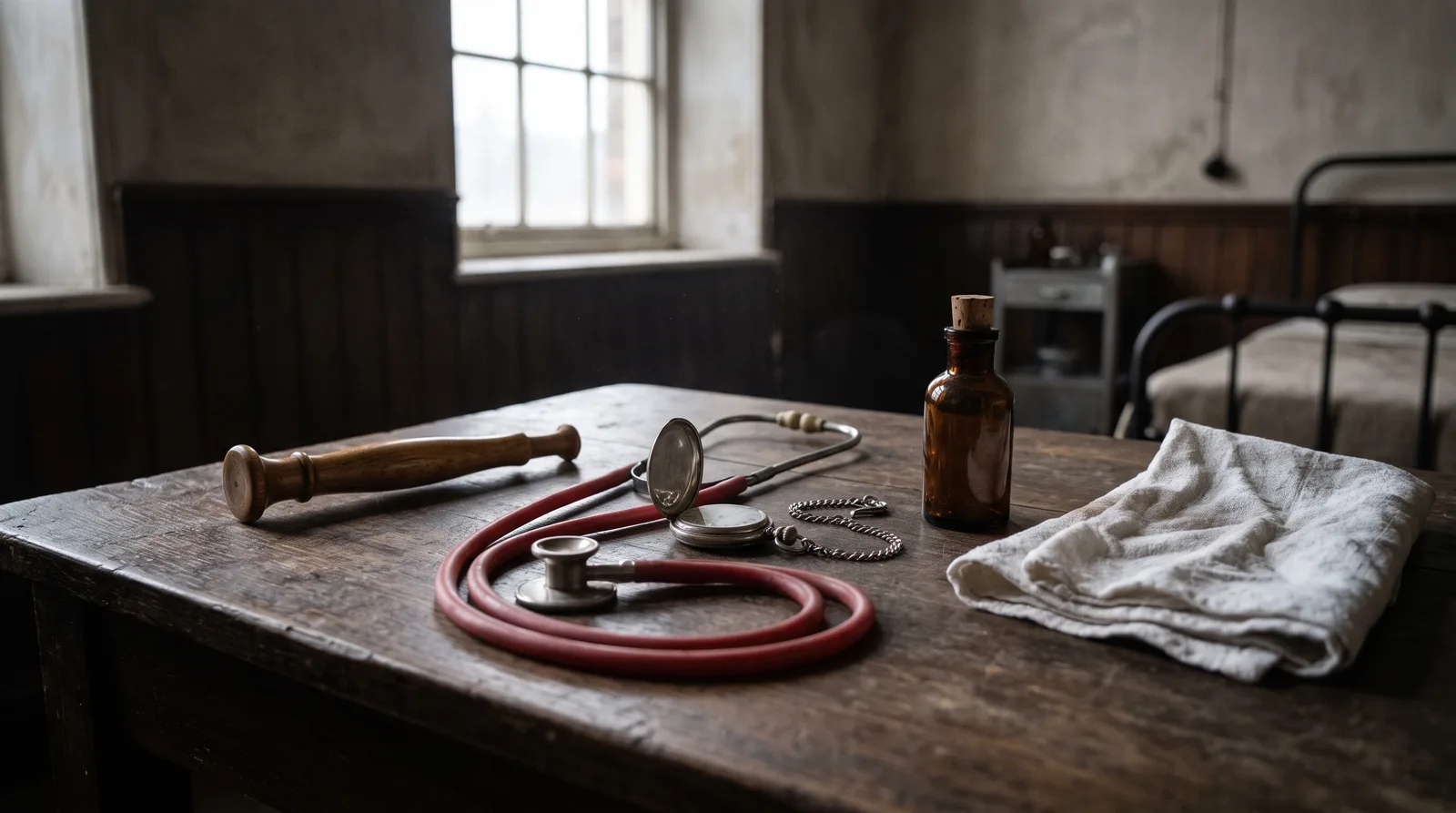
Kirk of Glasgow auscultated the heart in 200 chloroform anaesthetics with a lengthened stethoscope and heard nearly every irregularity in the textbooks.
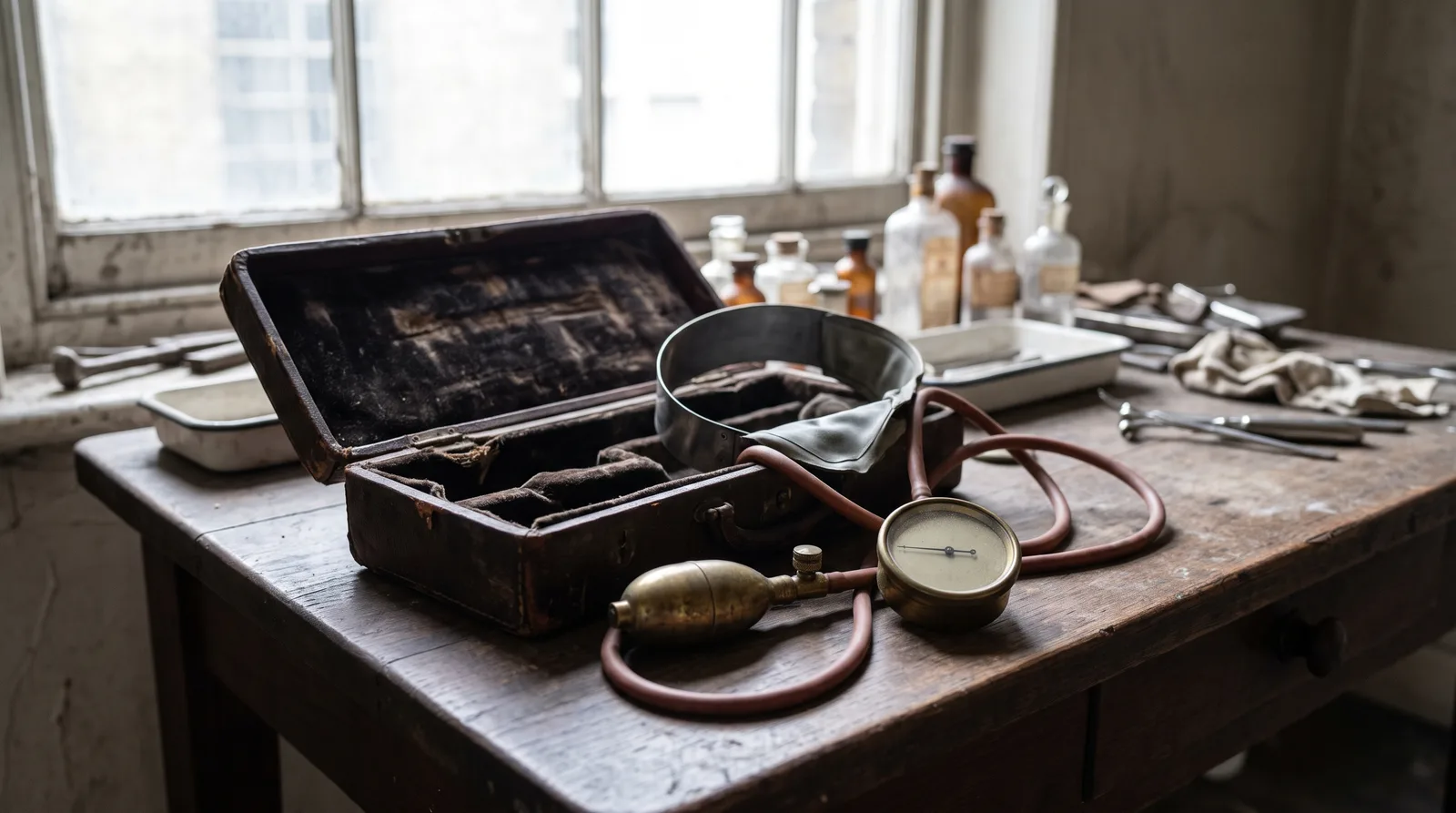
At the London Hospital, Hill and Barnard described a clinical sphygmometer: a steel armlet lined with a rubber bag, a small pump and a dial gauge.
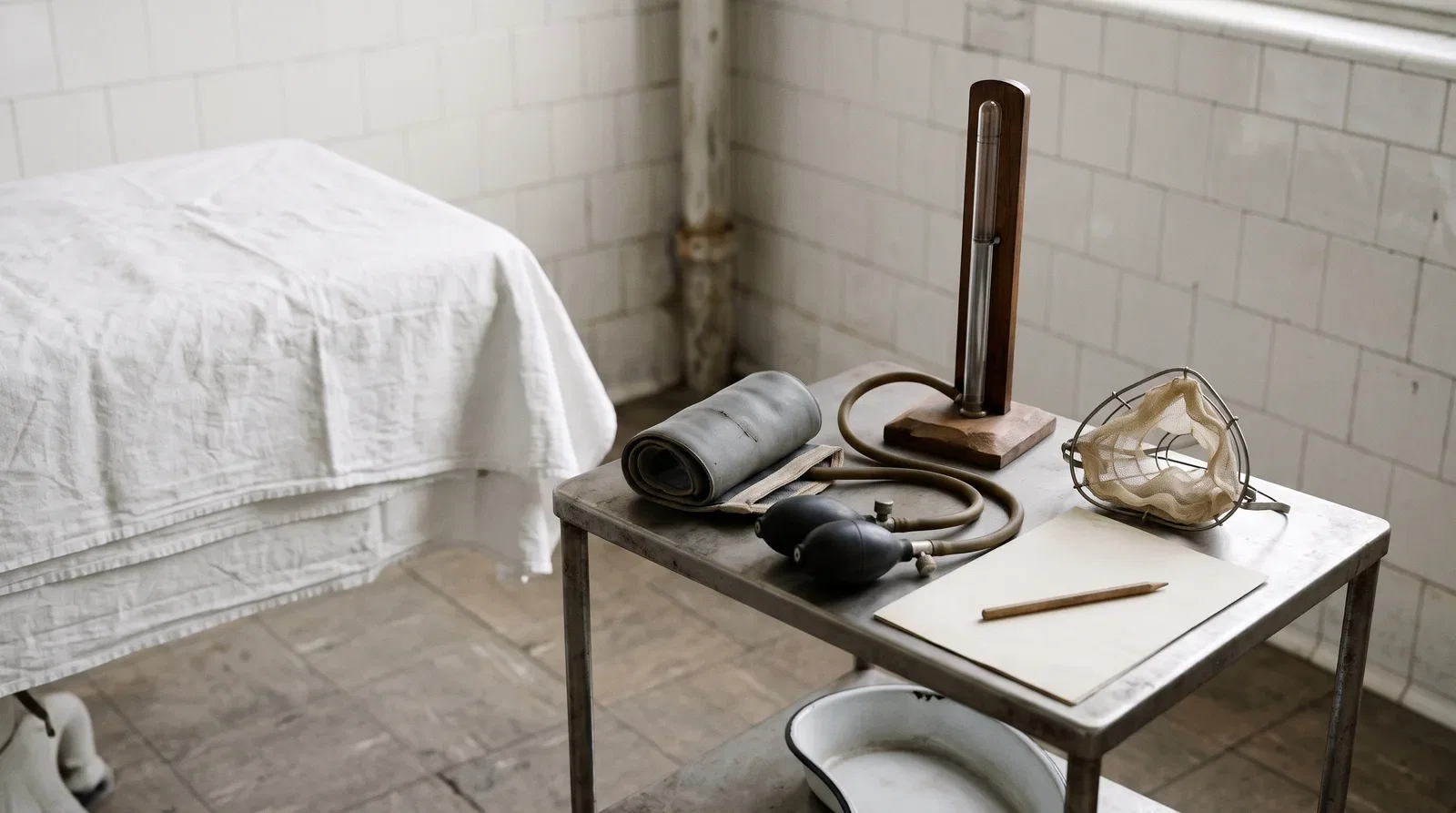
In January 1903 Harvey Cushing of Johns Hopkins described bringing the Riva-Rocci armlet, seen in routine use in Pavia, into the operating room, where charts of systolic pressure showed a rise under ether and a fall under chloroform.
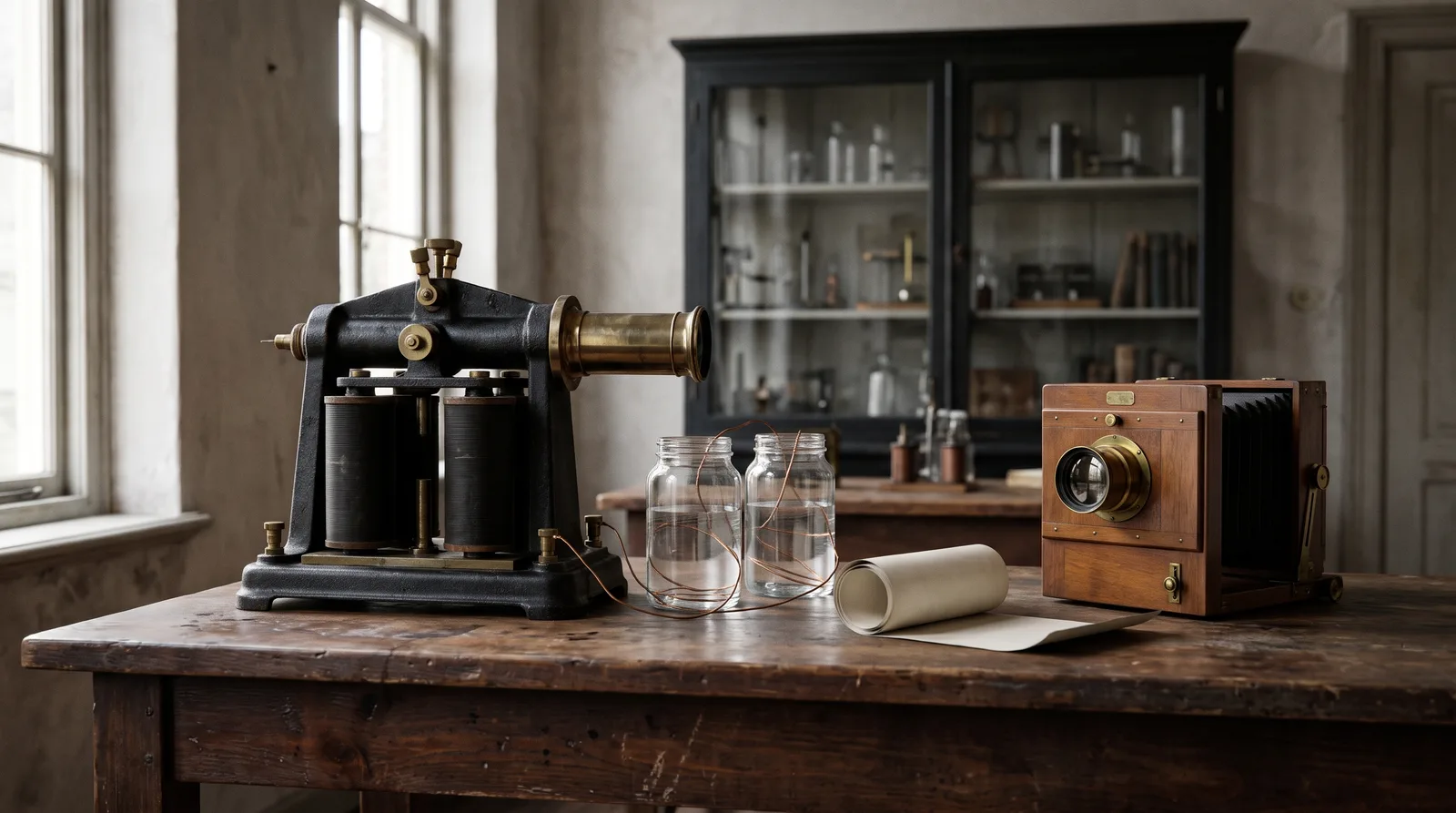
In 1903 Willem Einthoven of Leiden described in Pflügers Archiv a string galvanometer that wrote the human electrocardiogram directly, recorded at 25 mm per second with 1 mm equal to 0.0001 volt and waves labelled P, Q, R, S and T.
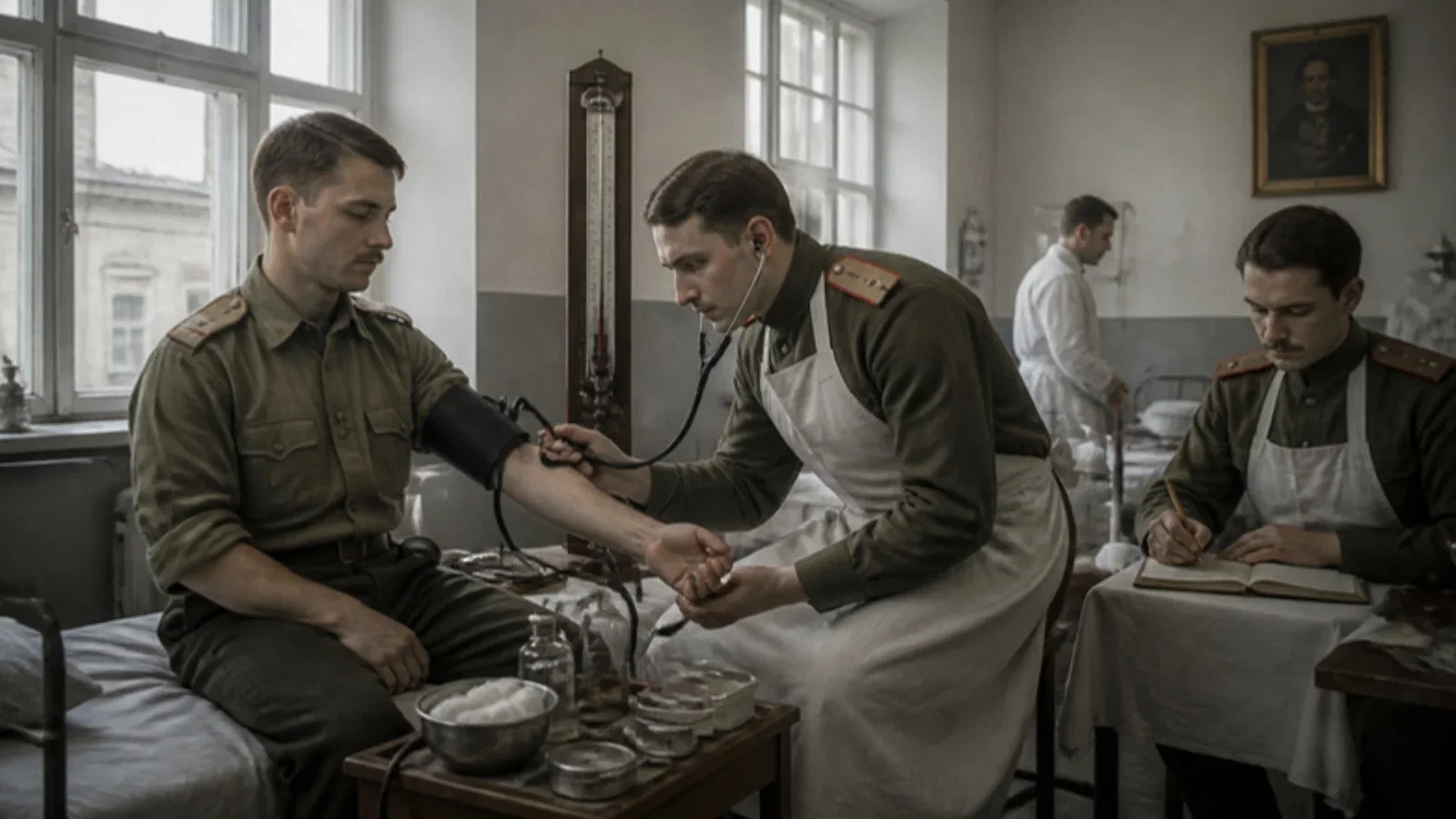
Korotkov's original report could not be obtained; contemporary accounts describe reading systolic and diastolic pressure by listening to the brachial artery, tested in 235 examinations.
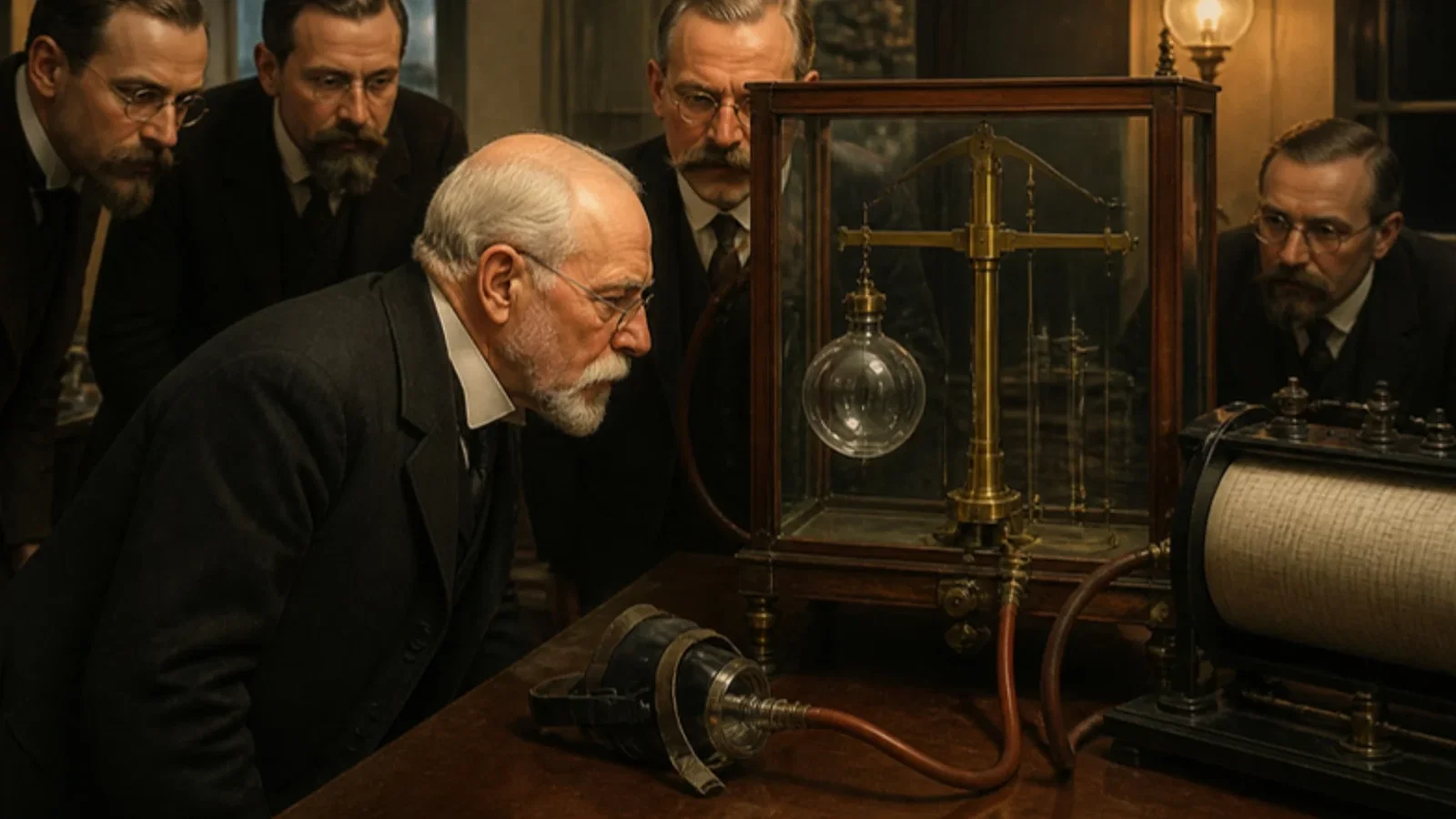
Waller hung a glass bulb from a balance in a case through which chloroform-laden air passed, so the beam read the percentage of chloroform vapour.
A Roosevelt Hospital surgeon coupled a gas meter to an ether pump so each litre of air carried a set percentage of ether, and called it an 'anaesthetometer'.
The 1920 paper and the later circulation of its charts
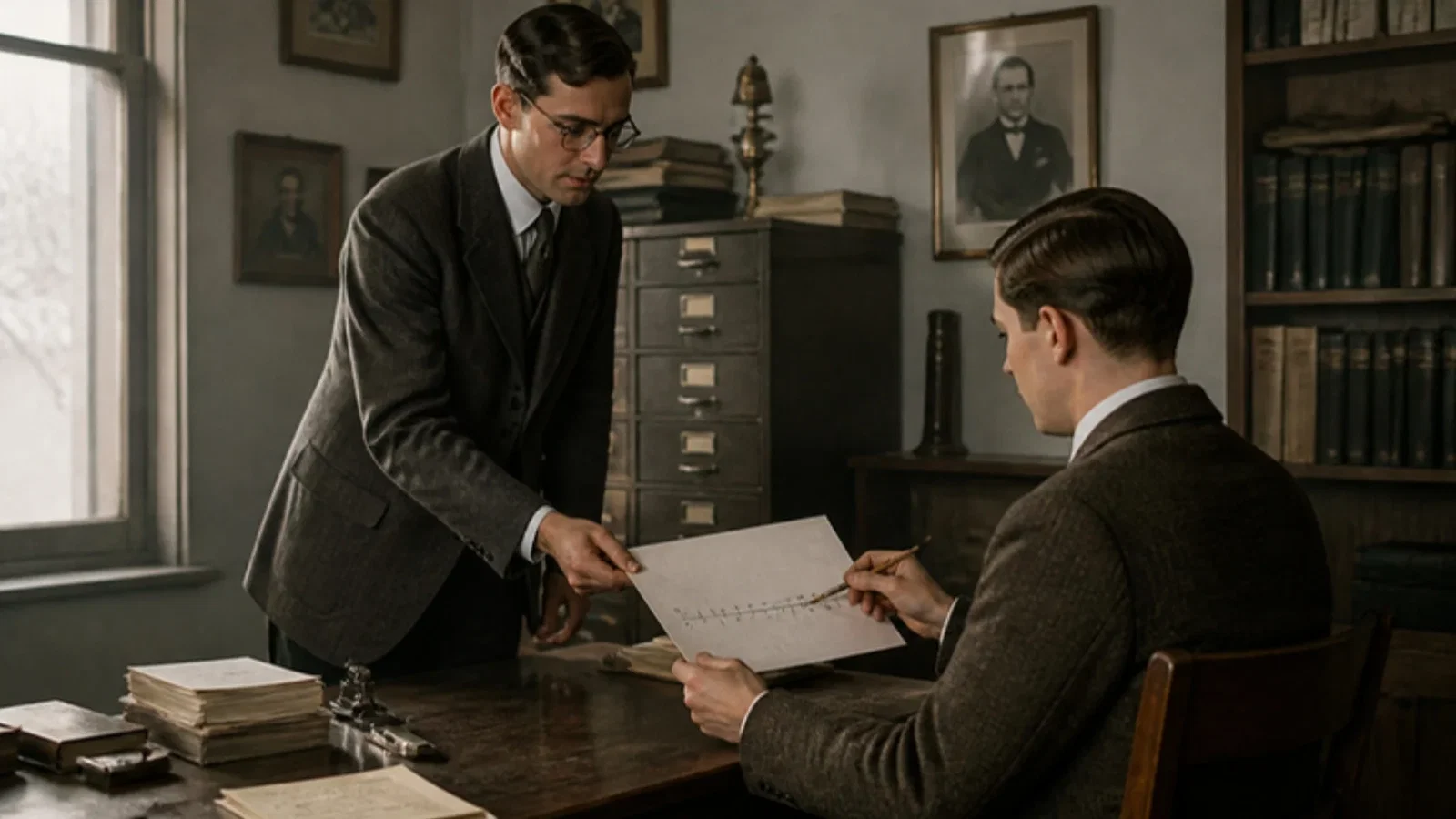
A psychologist's paper on rating traits set out the method later borrowed for pain: a check mark anywhere on a straight line between two described extremes.
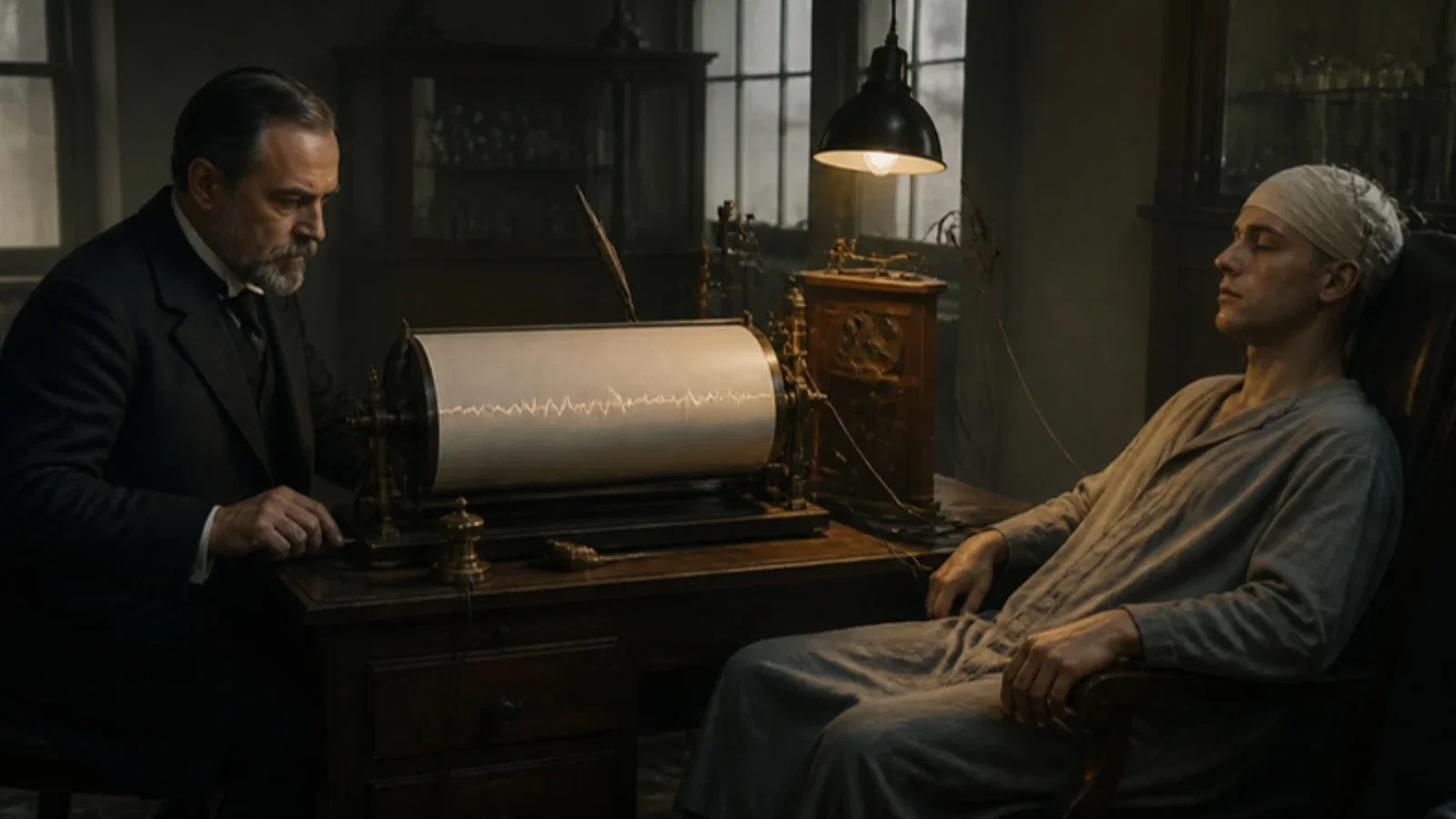
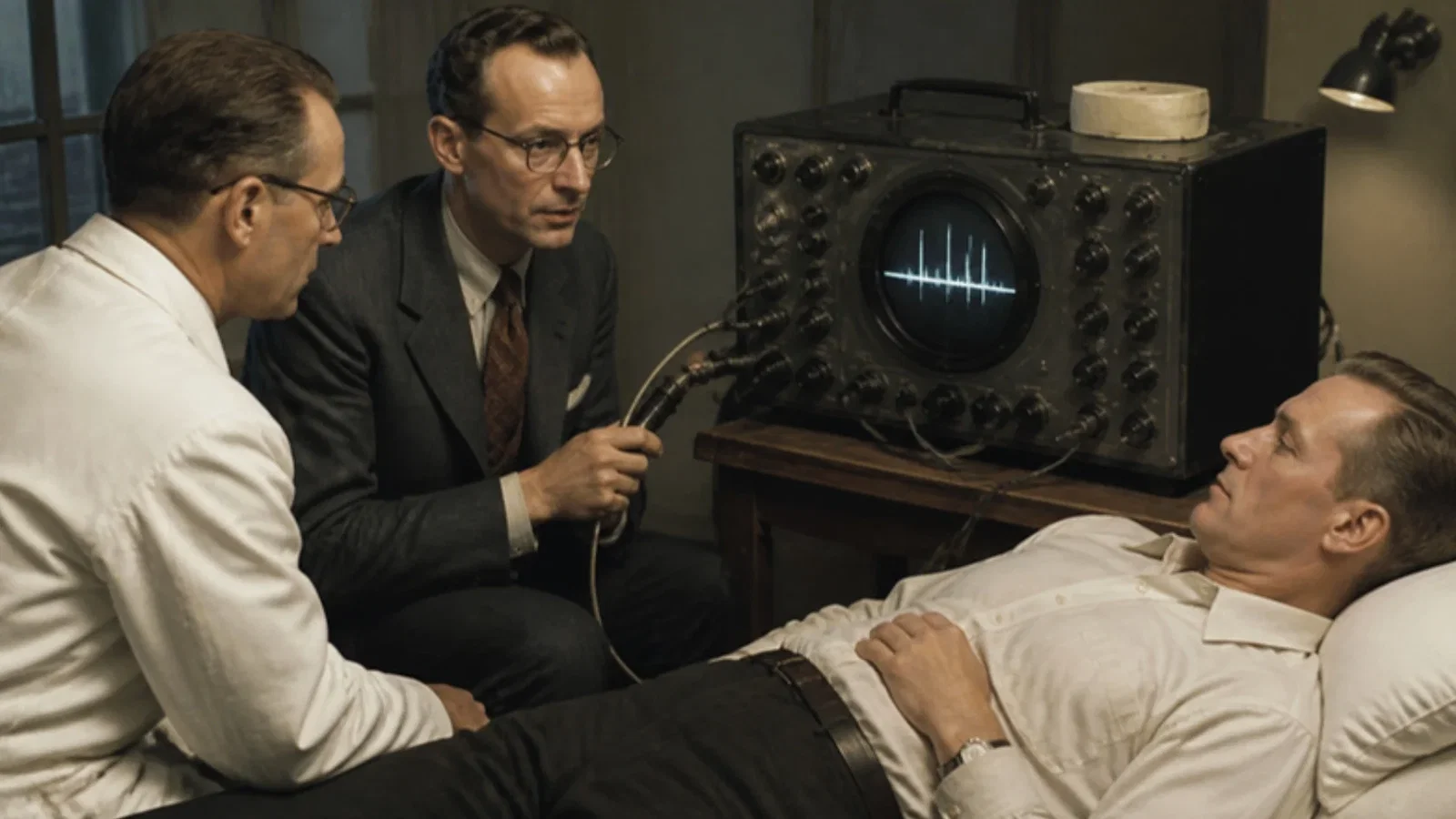
Berger's earliest recording came in 1924 through a skull defect; published in 1929 as the electroencephalogram, its alpha waves later vanished under chloroform.
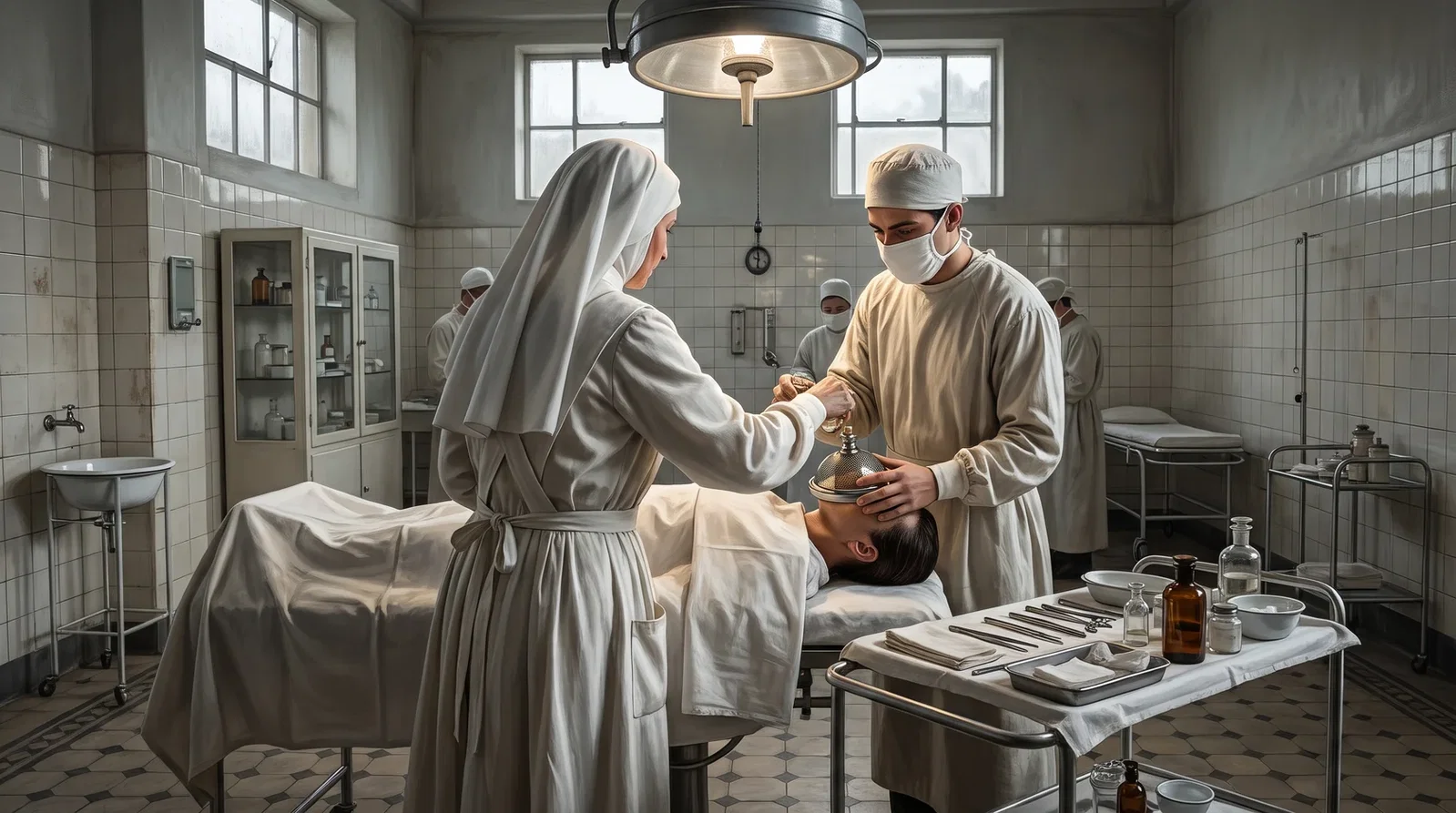
Trained under Sister María Hermelinda, Marín introduced continuous precordial listening for children in 1934, founded a school of anaesthesiology and presented the panphoscope in 1949.
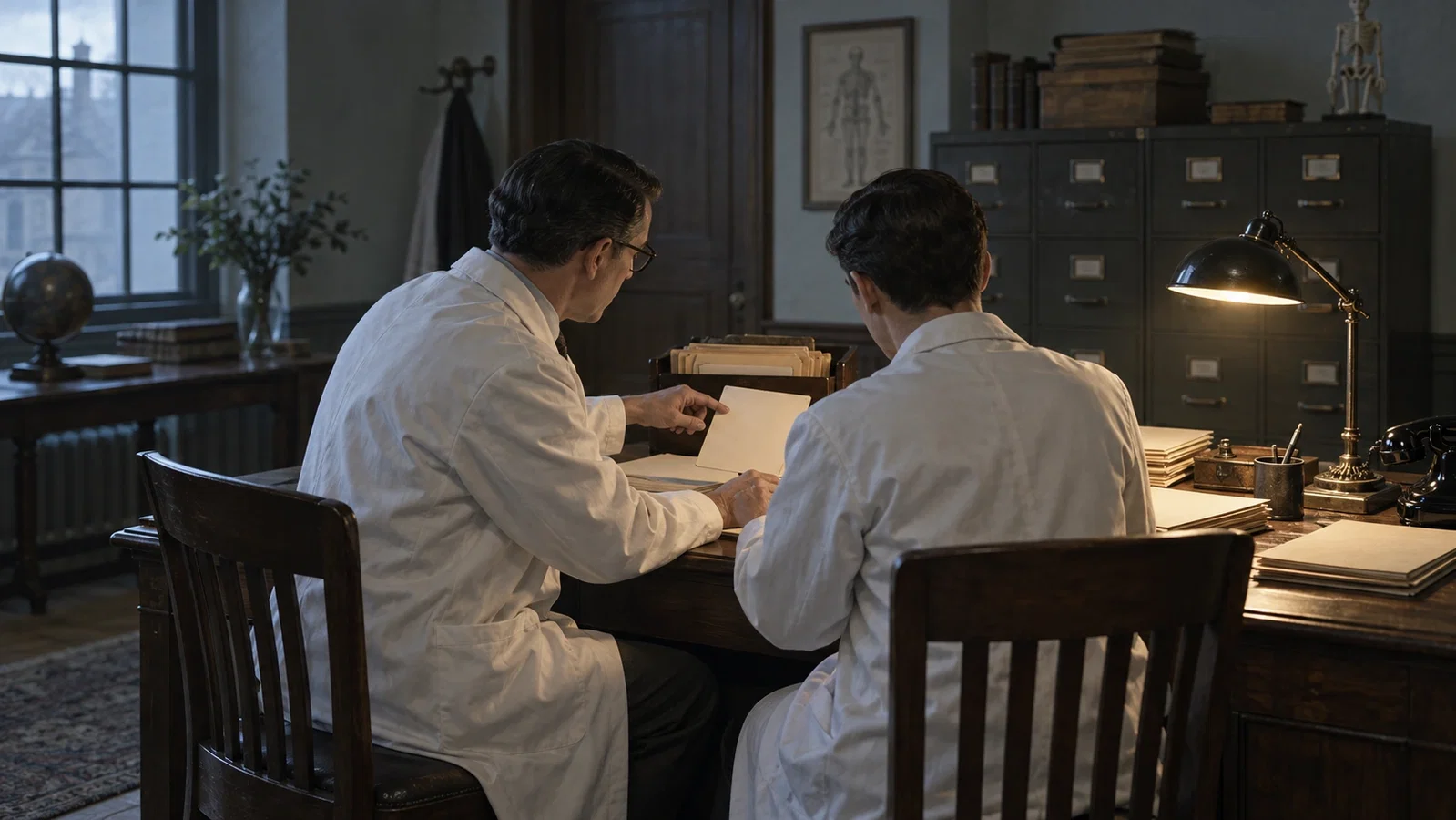
In 1941 a committee including Meyer Saklad set out to describe patients' overall health before surgery in shared terms, keeping physical status separate from the risk of the operation; Saklad's original paper could not be obtained, so this account relies on later reviews.
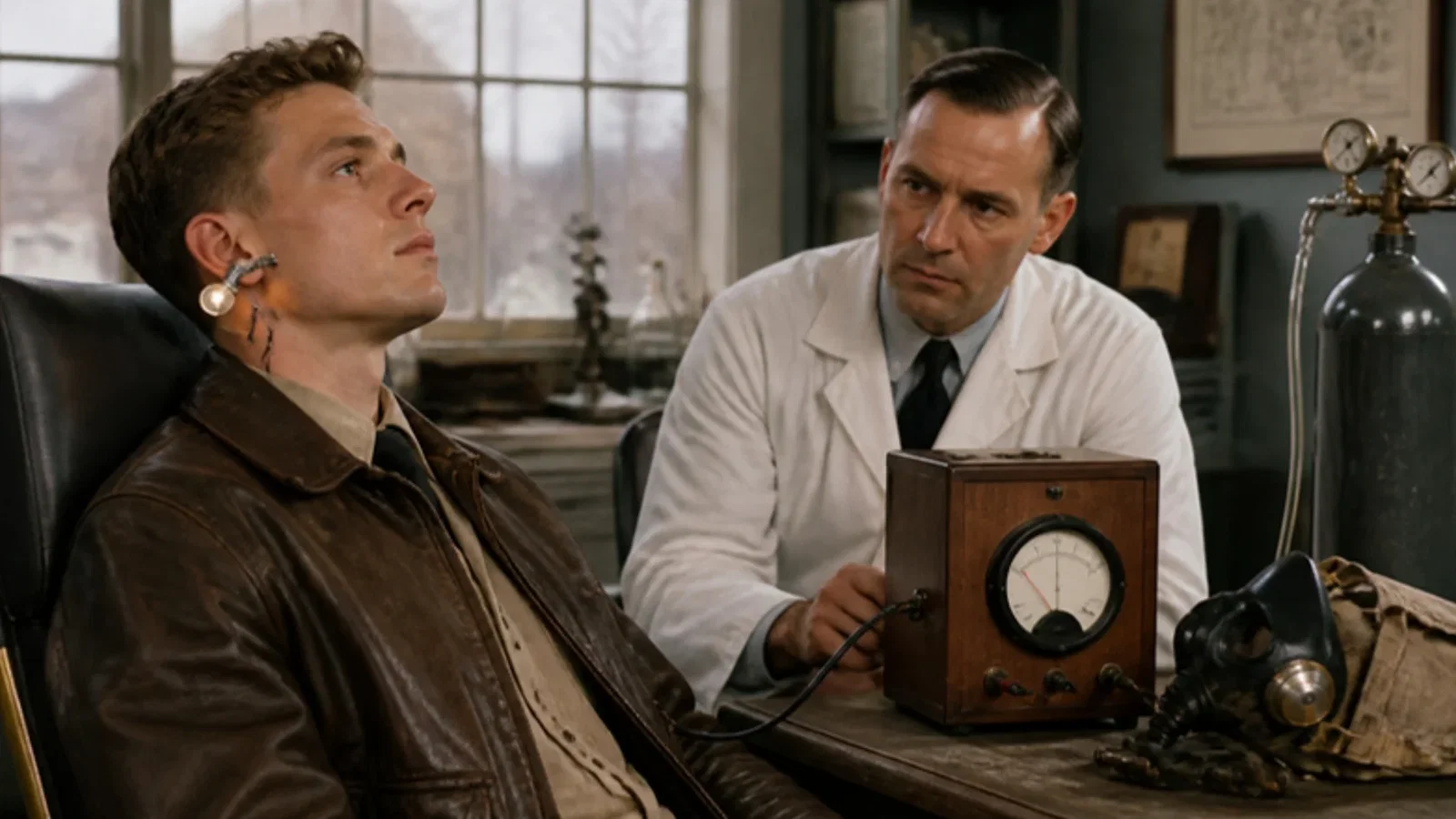
Millikan's ear oximeter used a lamp and two filtered photocells to read saturation directly on a galvanometer, from altitude training to the operating room.
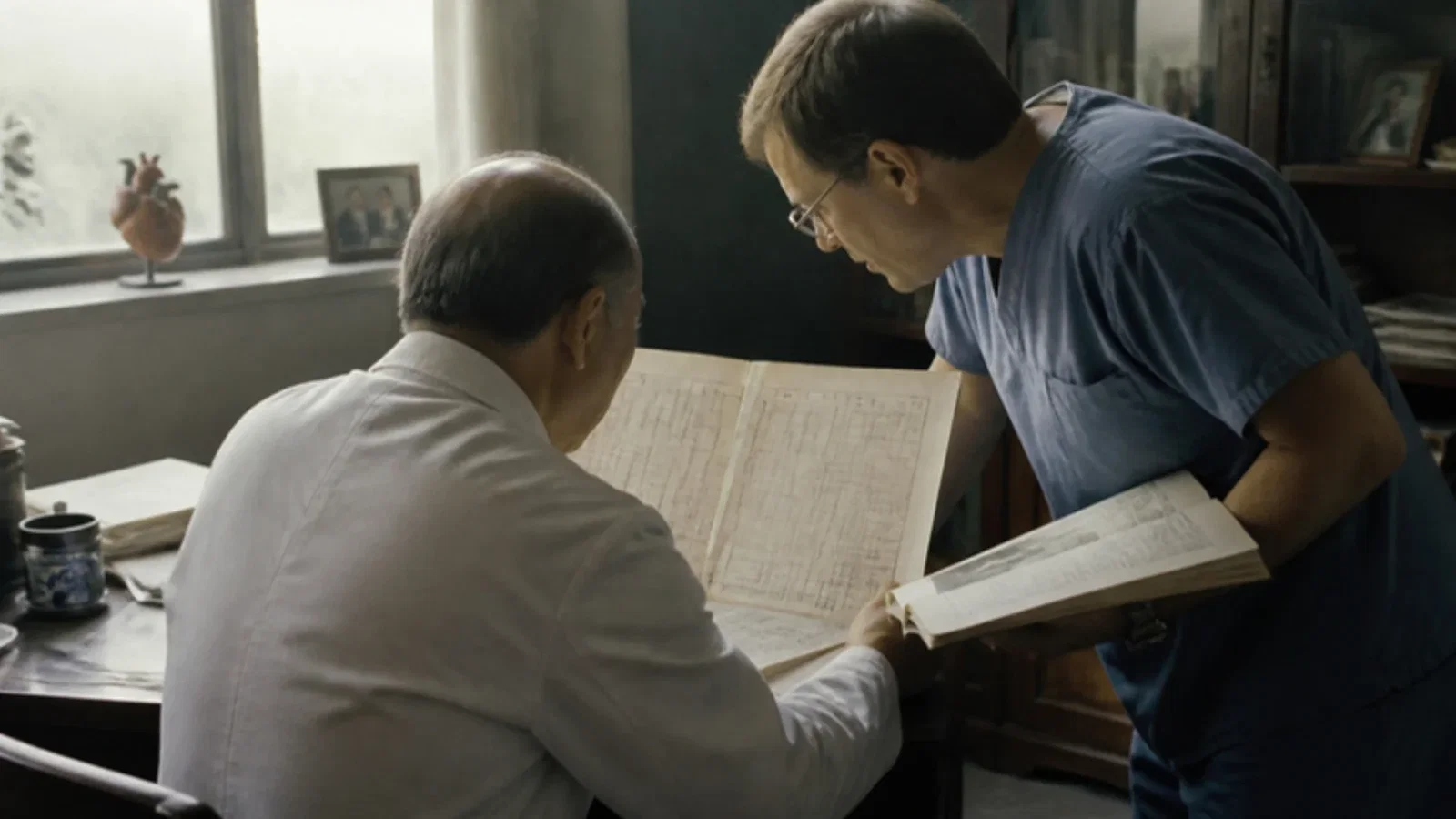
Larson traced how Gillespie's 1943 chart, which Guedel praised, reached Jone Wu's 1959 Chinese textbook uncredited, while later textbooks credited it to Guedel.
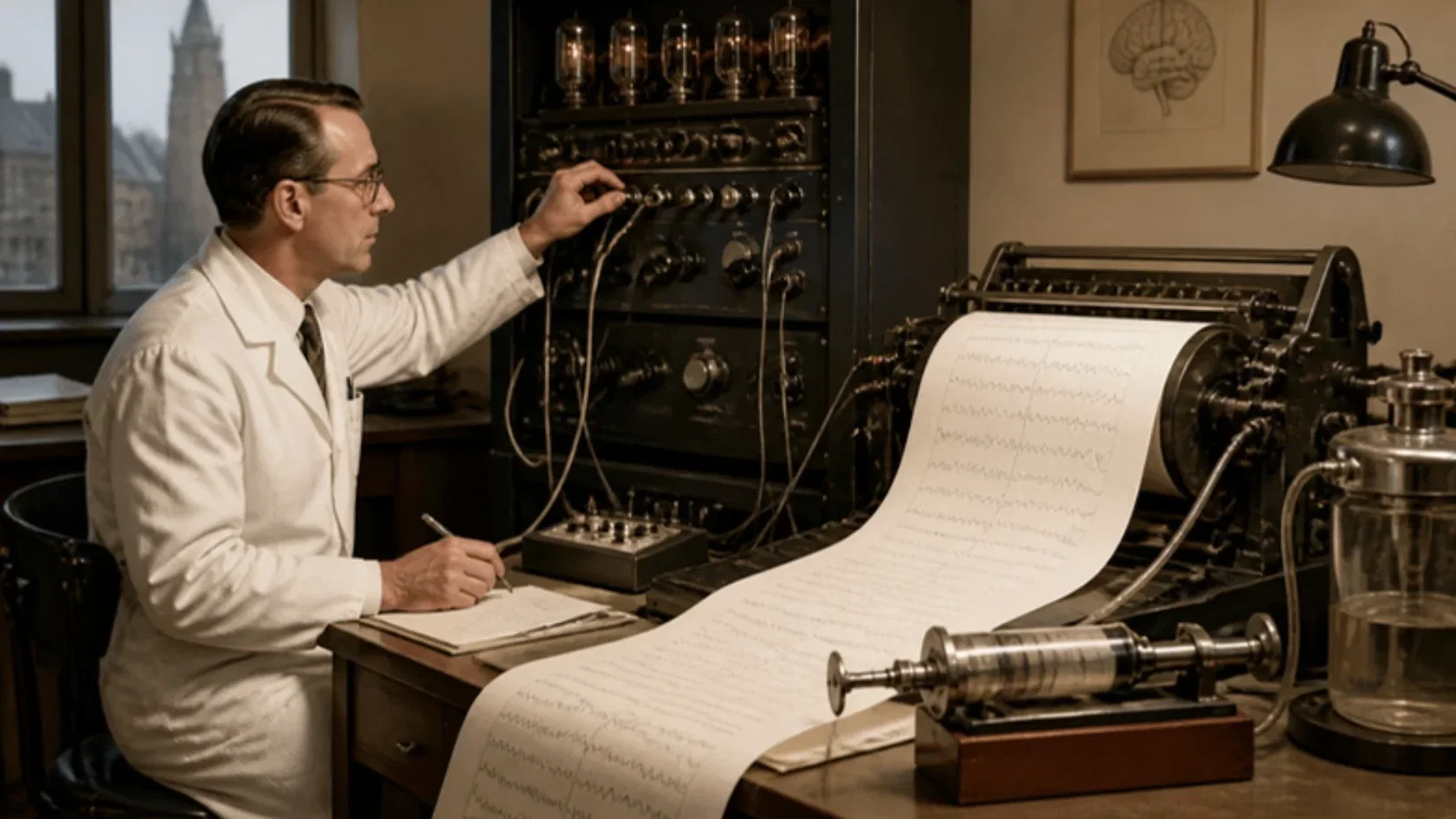
A Mayo Clinic patent described a closed loop in which the patient's brain-wave signal drove a syringe or ether pump.
The authors' 1956 paper in Acustica and a 2007 history: a shipyard's materials-testing instrument, a 2.5 MHz quartz crystal, film drawn past a slit, and an oesophageal probe they gave up
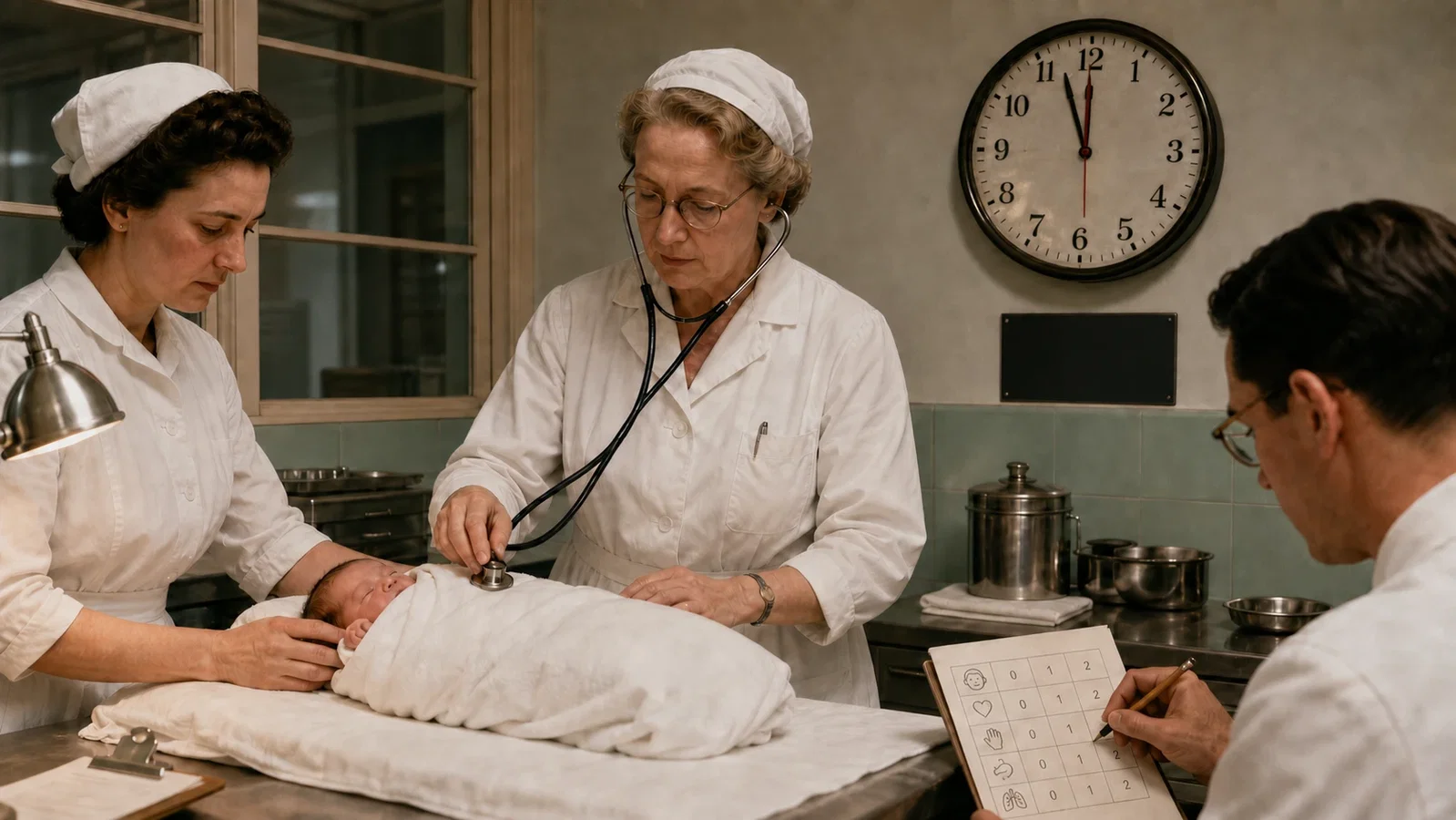
How an anesthesiologist made obstetric, anesthetic, and resuscitation practice comparable—and where the score stops
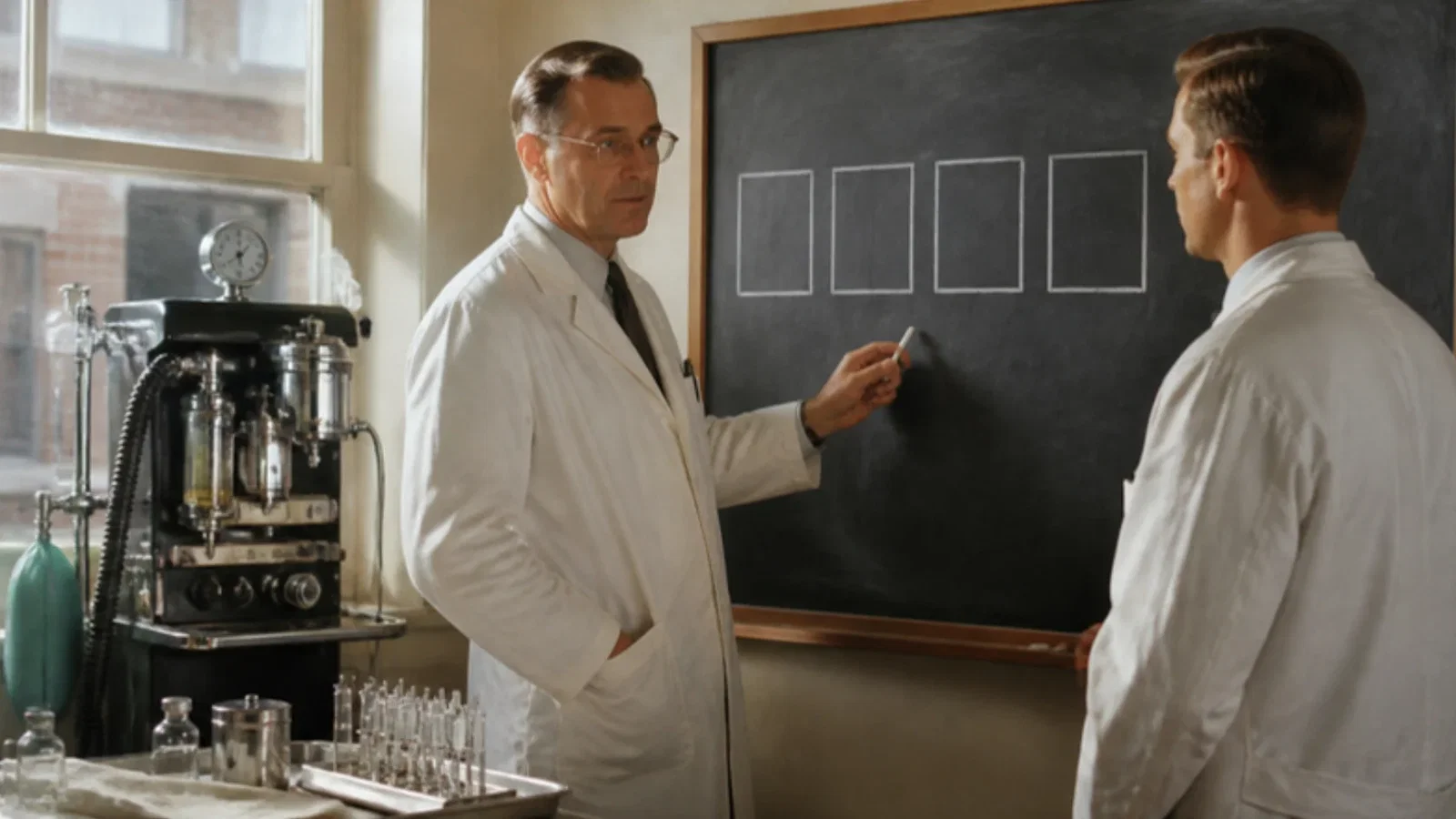
Woodbridge argued Guedel's ether stages no longer worked with barbiturates and relaxants, and divided anaesthesia into sensory, motor, reflex and mental blocks.
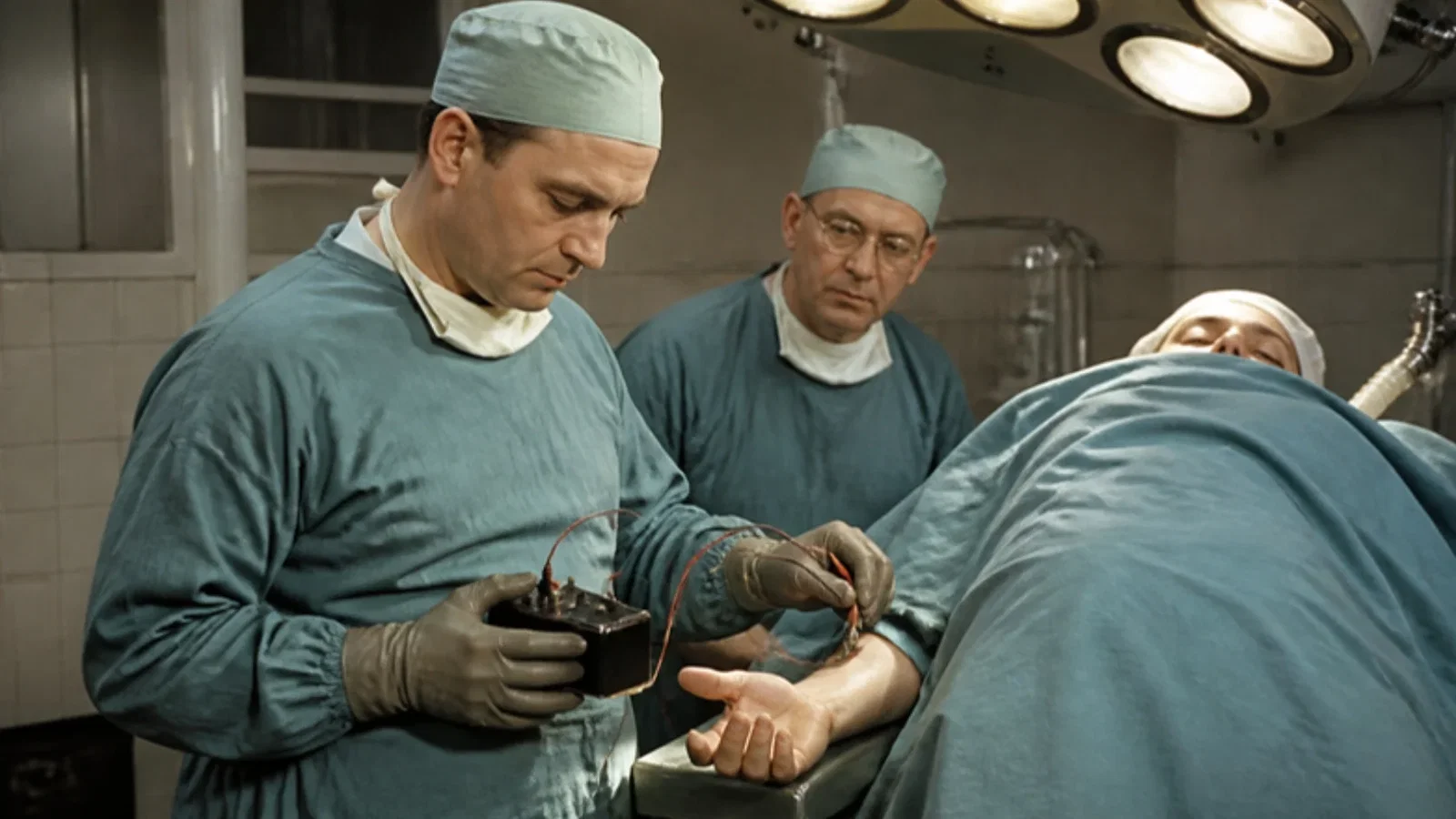
The St Thomas's stimulator helped tell a central cause of delayed breathing after anaesthesia from persisting neuromuscular block.
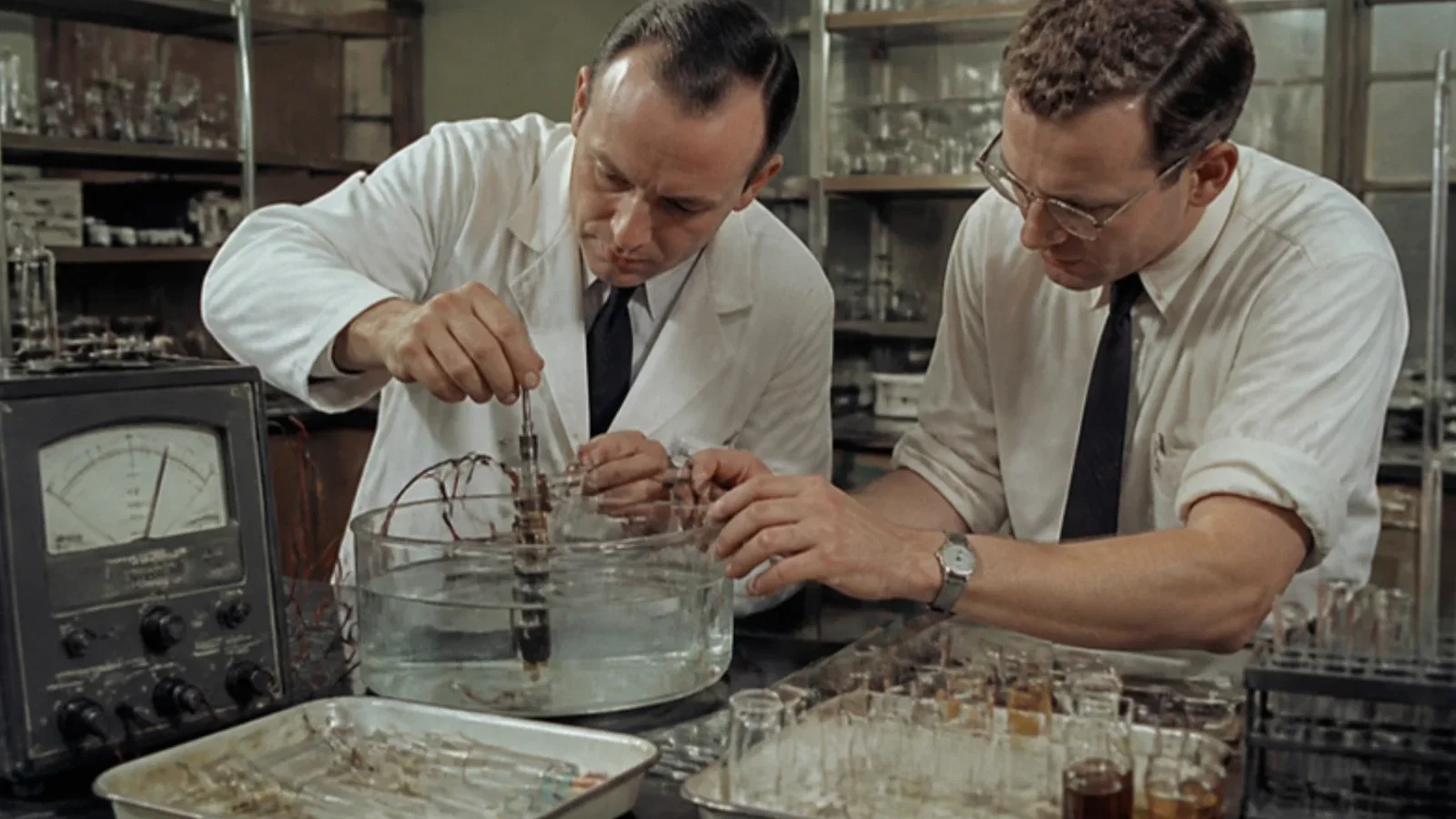
Severinghaus and Bradley mounted Clark's oxygen electrode and a modified Stow carbon dioxide electrode in one water bath for rapid blood gas measurement.
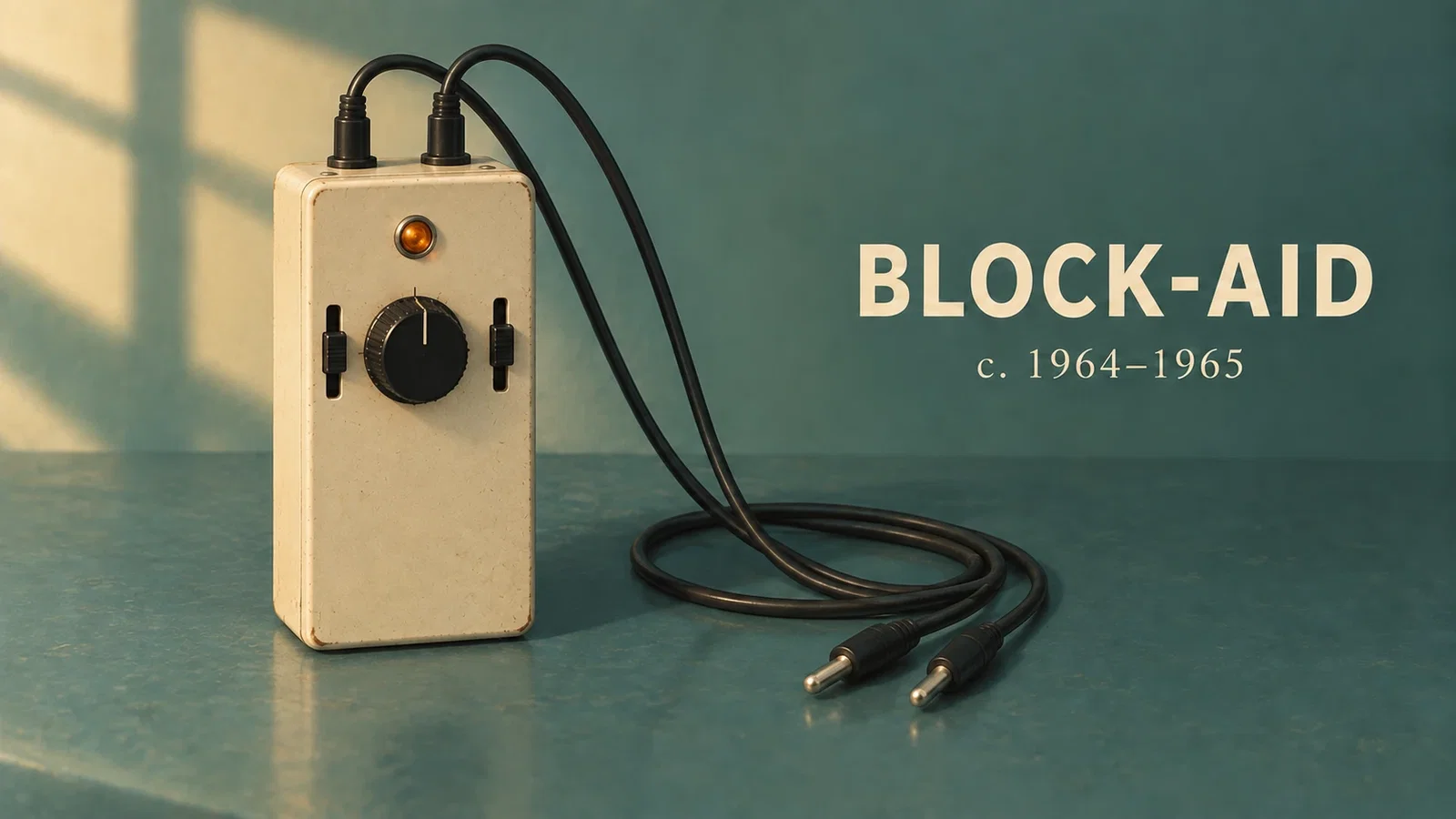
A portable nerve stimulator, in clinical testing from about 1964 and described by Katz in 1965, let the anesthesiologist follow a muscle relaxant's effect by repeated observation.
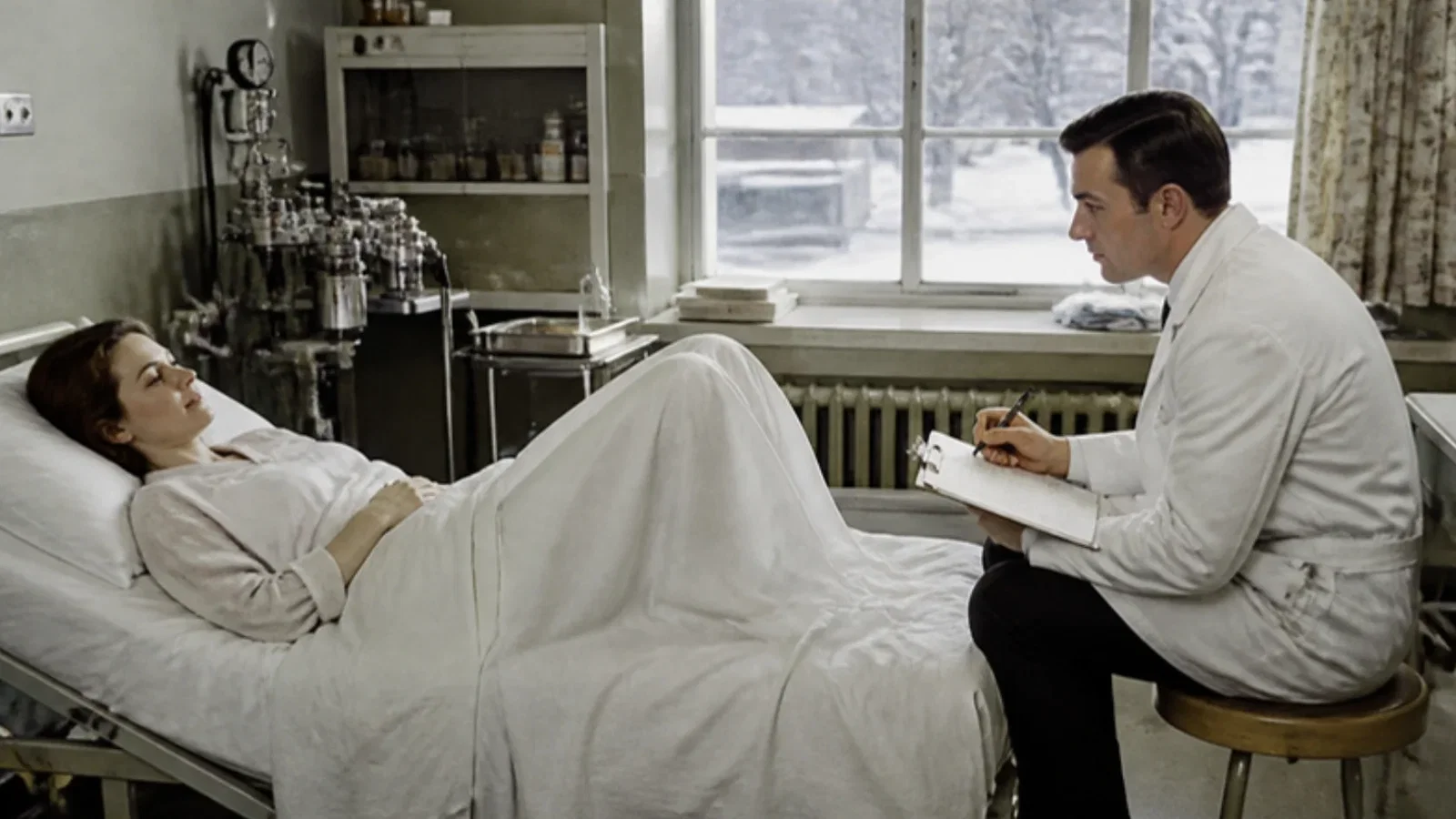
Comparing local anaesthetics in 659 lumbar epidurals, Bromage graded motor block by whether the patient could move feet and knees.

A contemporary review records the clinical framework of a diagnostic monograph
Modelled on the Apgar score, their score rated five signs from 0 to 2, with 8 or more taken as fit to leave recovery.
In Liverpool they proposed reading neuromuscular block from the fade of four twitches, and in 1971 related the ratio to head lift.
A flow-directed catheter, seventy patients and limits within the first report
From pulse 'noise' to continuous oxygenation monitoring — and into the system of anesthesia safety
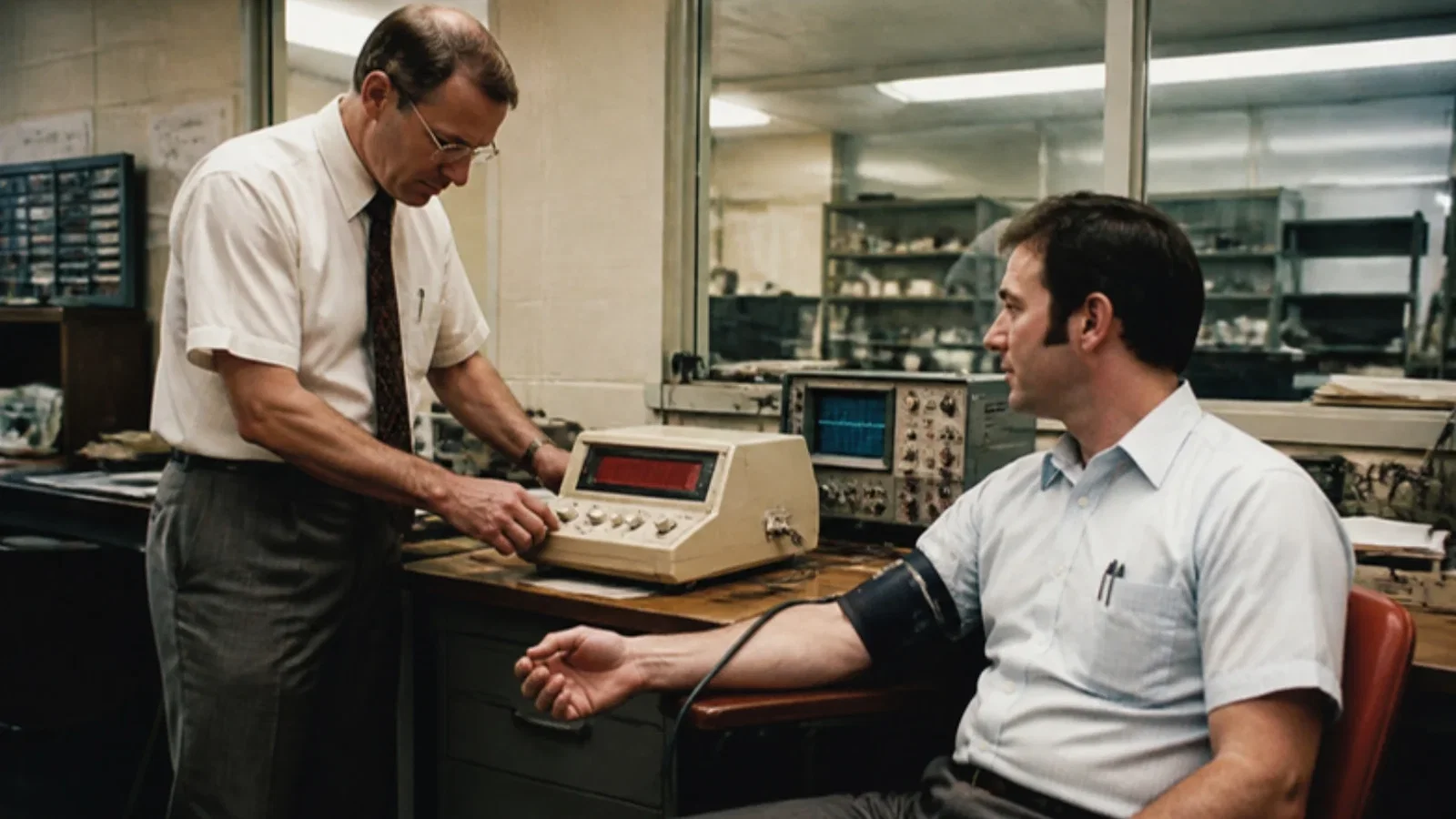
Ramsey's device deflated the cuff in steps and took the pressure of maximum oscillation as the mean arterial pressure.
Studying 1001 patients prospectively, Goldman and colleagues at Massachusetts General Hospital identified nine preoperative factors and combined them into four classes of cardiac risk.
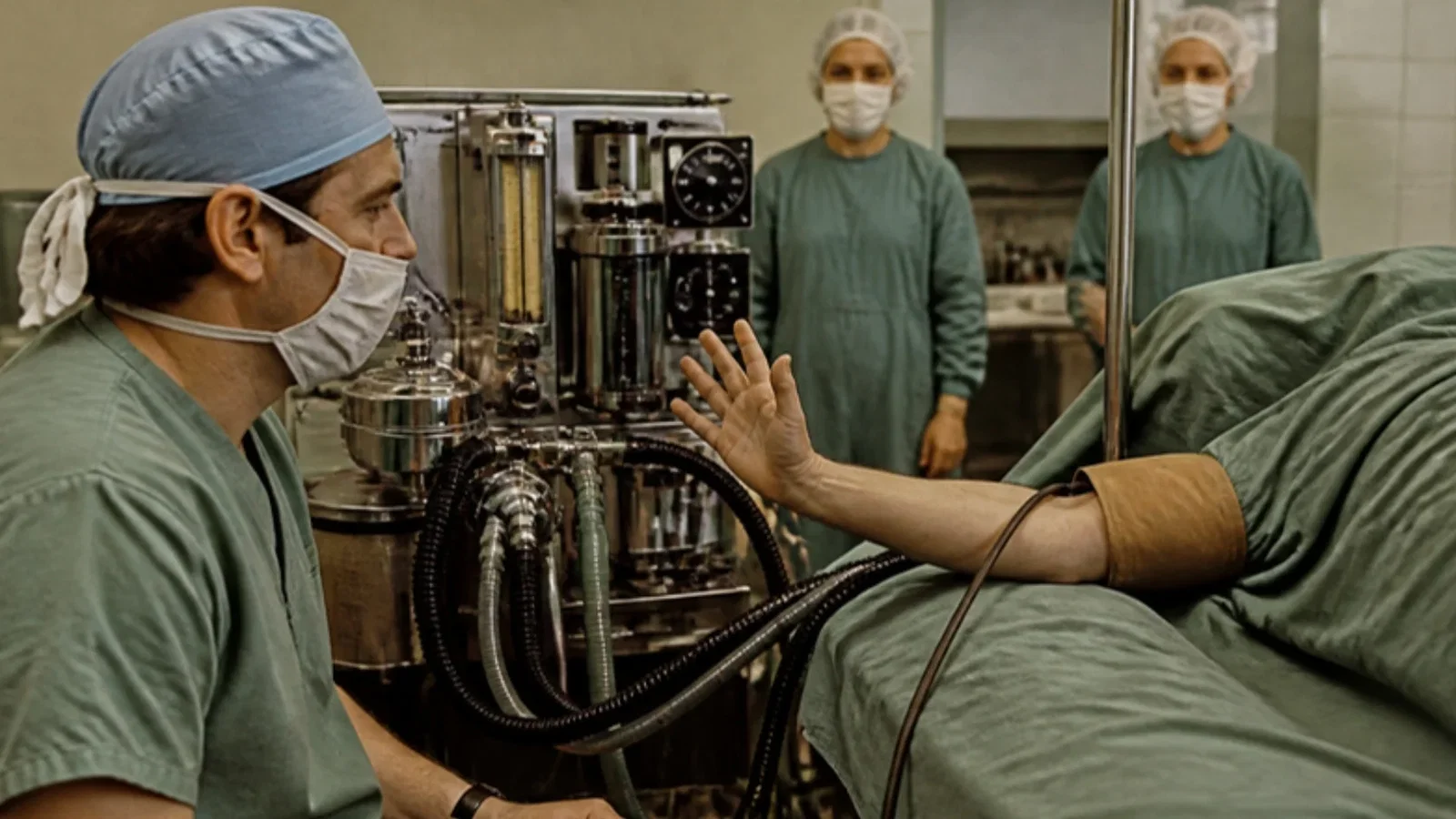
A cuff kept one hand free of relaxant; in twelve caesarean sections, four mothers moved fingers on command, yet none remembered anything.

Detecting a signal through tissue left questions about its source and path
Recording conditions and physiological scope in later historical accounts
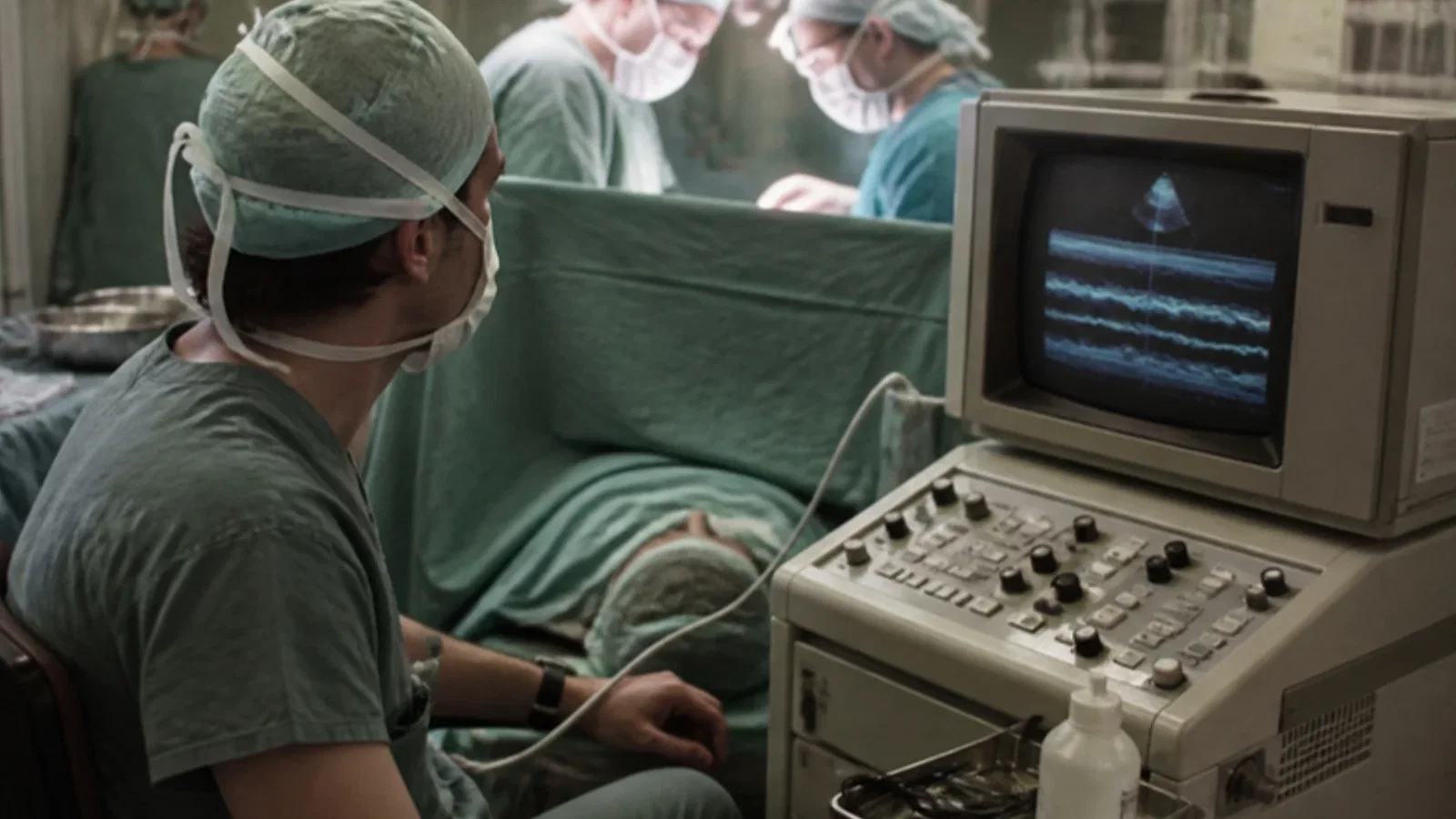
From Frazin's diagnostic oesophageal echocardiography in 1976 to Matsumoto and Oka watching the left ventricle continuously during open-heart surgery.
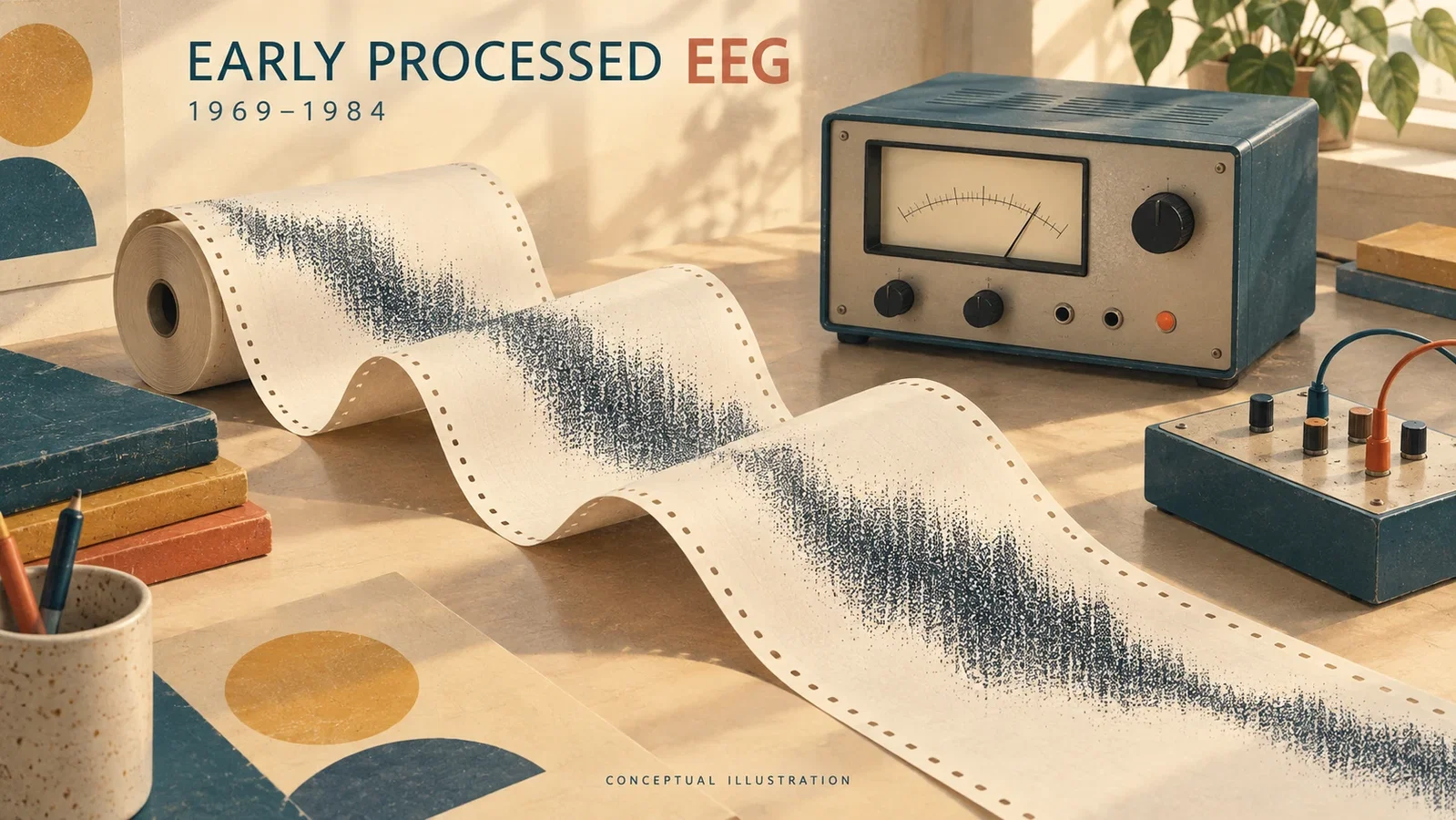
Continuous amplitude trends, frequency analysis and the limits of each record
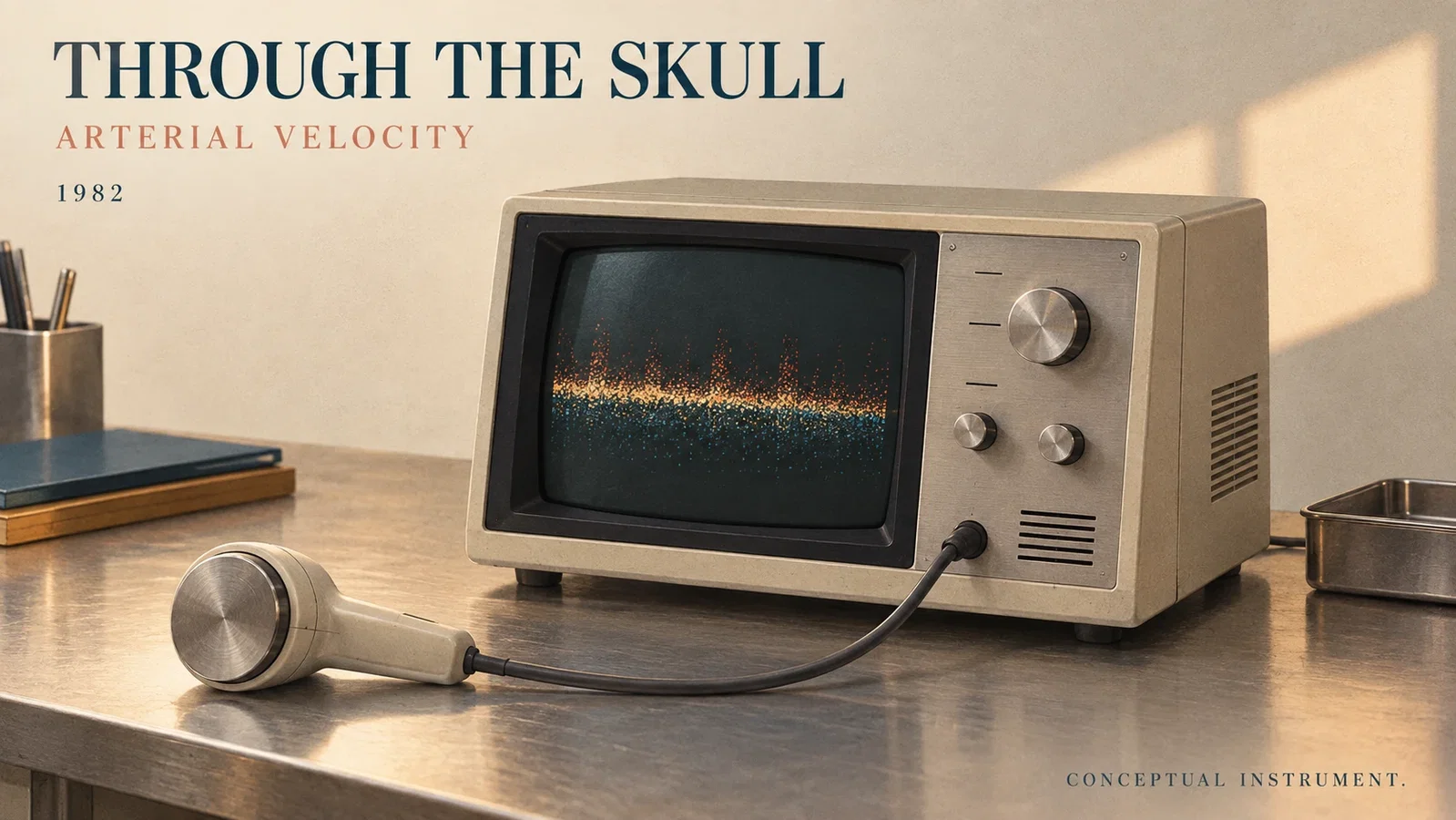
A study of 50 healthy subjects, with the conditions of measurement retained
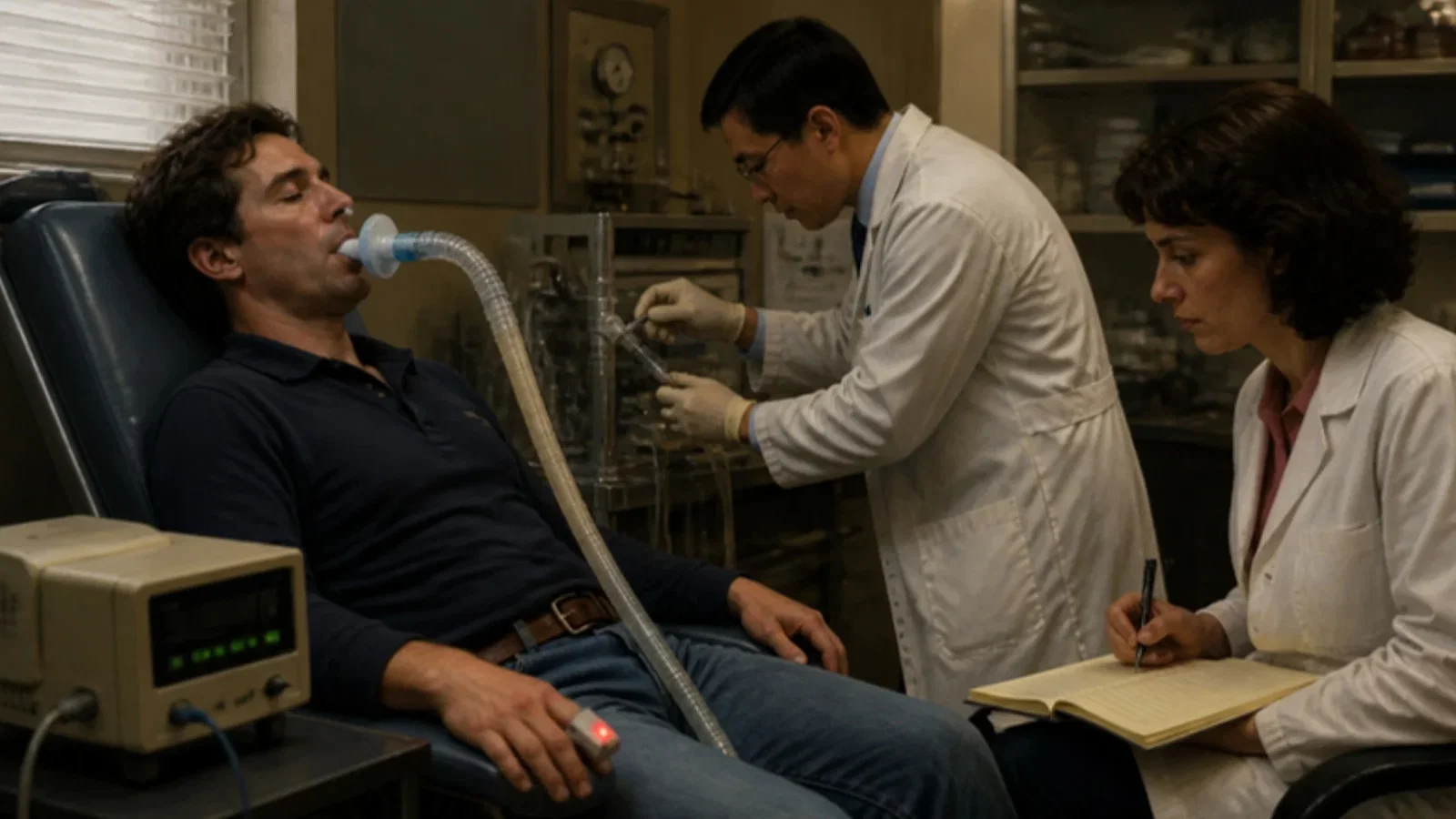
At Stanford, five volunteers breathed stepwise lower oxygen, and the newly marketed oximeter agreed closely with arterial blood measurements.
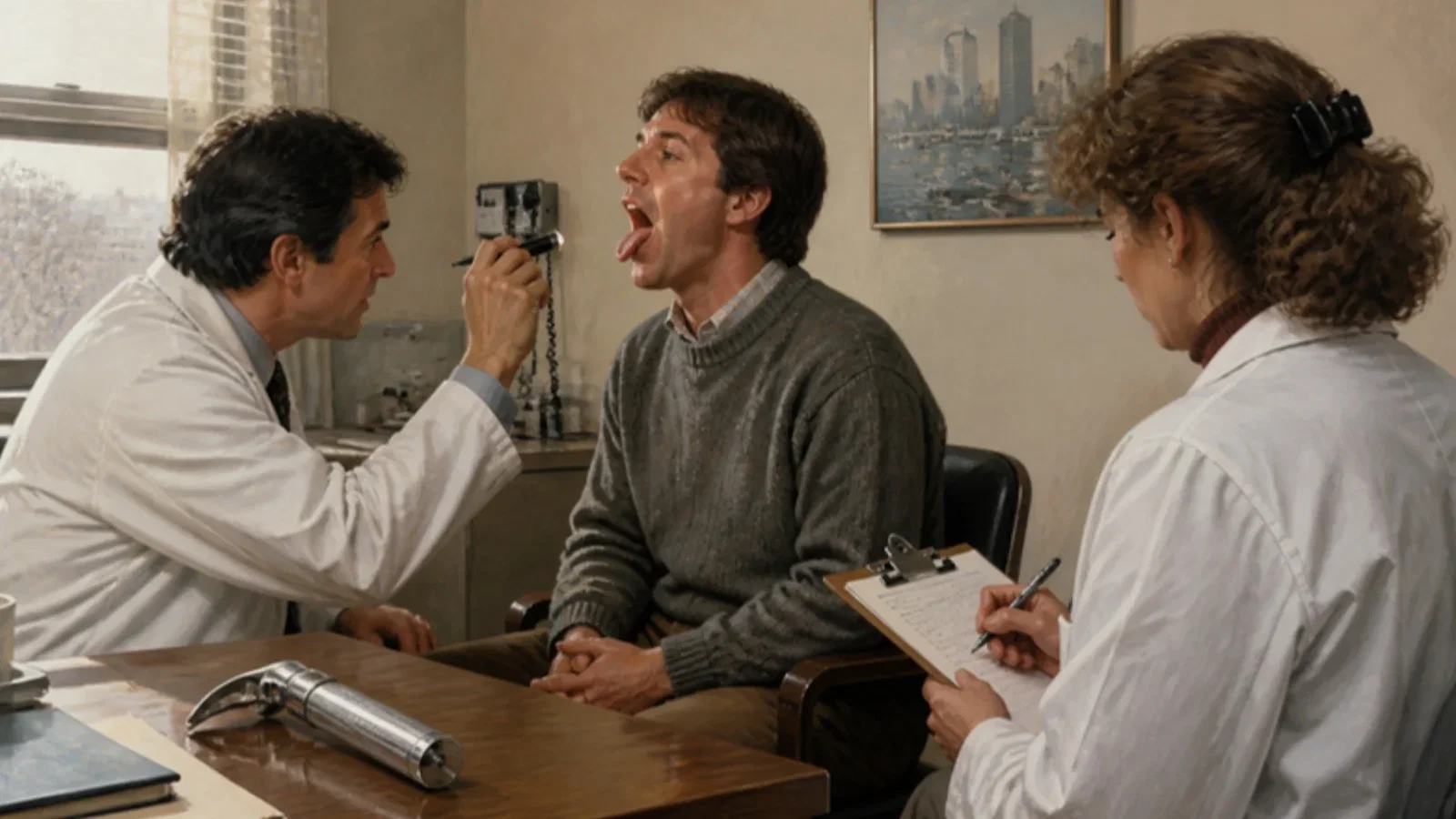
In Boston, how much of the pharynx a seated patient's open mouth showed was tested against laryngoscopy in 210 patients.

Adopted and revised in 1985; development and implementation reported in 1986

Original adoption, amendment and implementation are distinct events
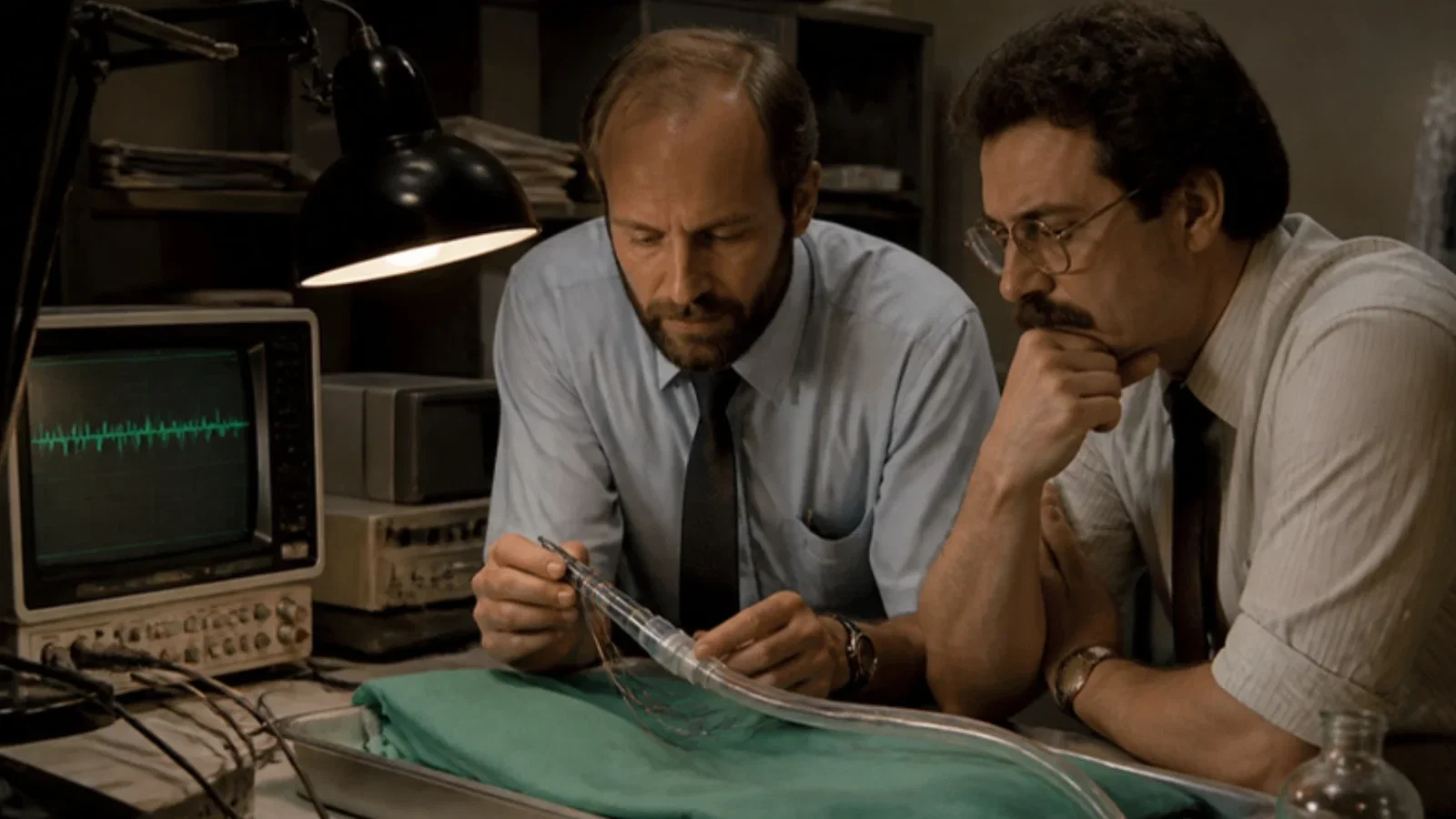
Exposed electrode wires resting on the vocal cords let surgeons monitor the recurrent laryngeal nerve during neck operations.
Topic guide updated October 30, 2026.