Where pain relief takes place
Explore pain concepts, local anesthetics, regional techniques and the development of pain care.
Reading Library · Explore the Connections
Explore this topic
Topics overlap. An essay may appear in more than one collection.
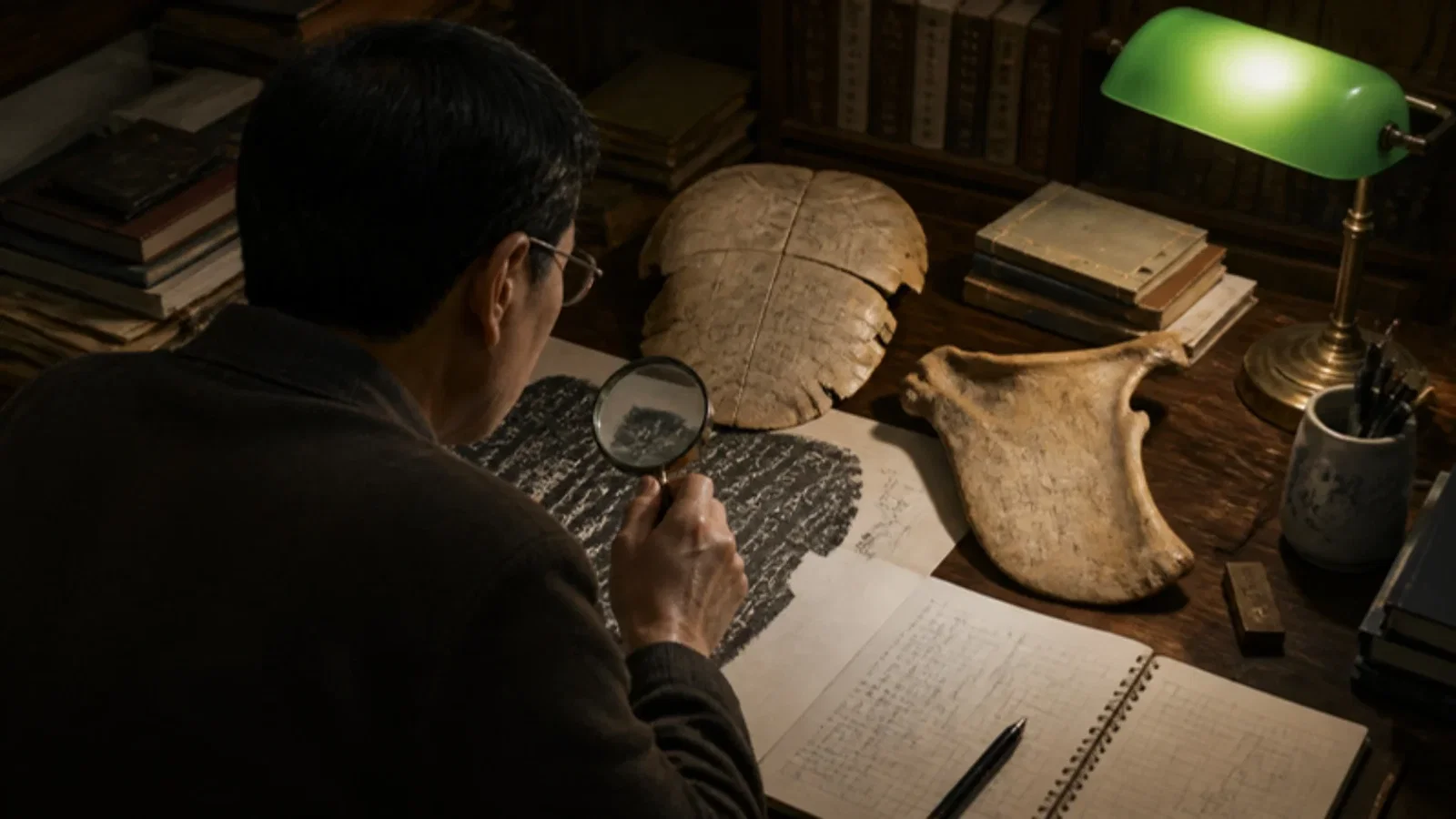
Hu Houxuan read acupuncture into three oracle-bone glyphs; in 2001 Li Zong-kun found the claims, including a story of painless tooth extraction, unconvincing.
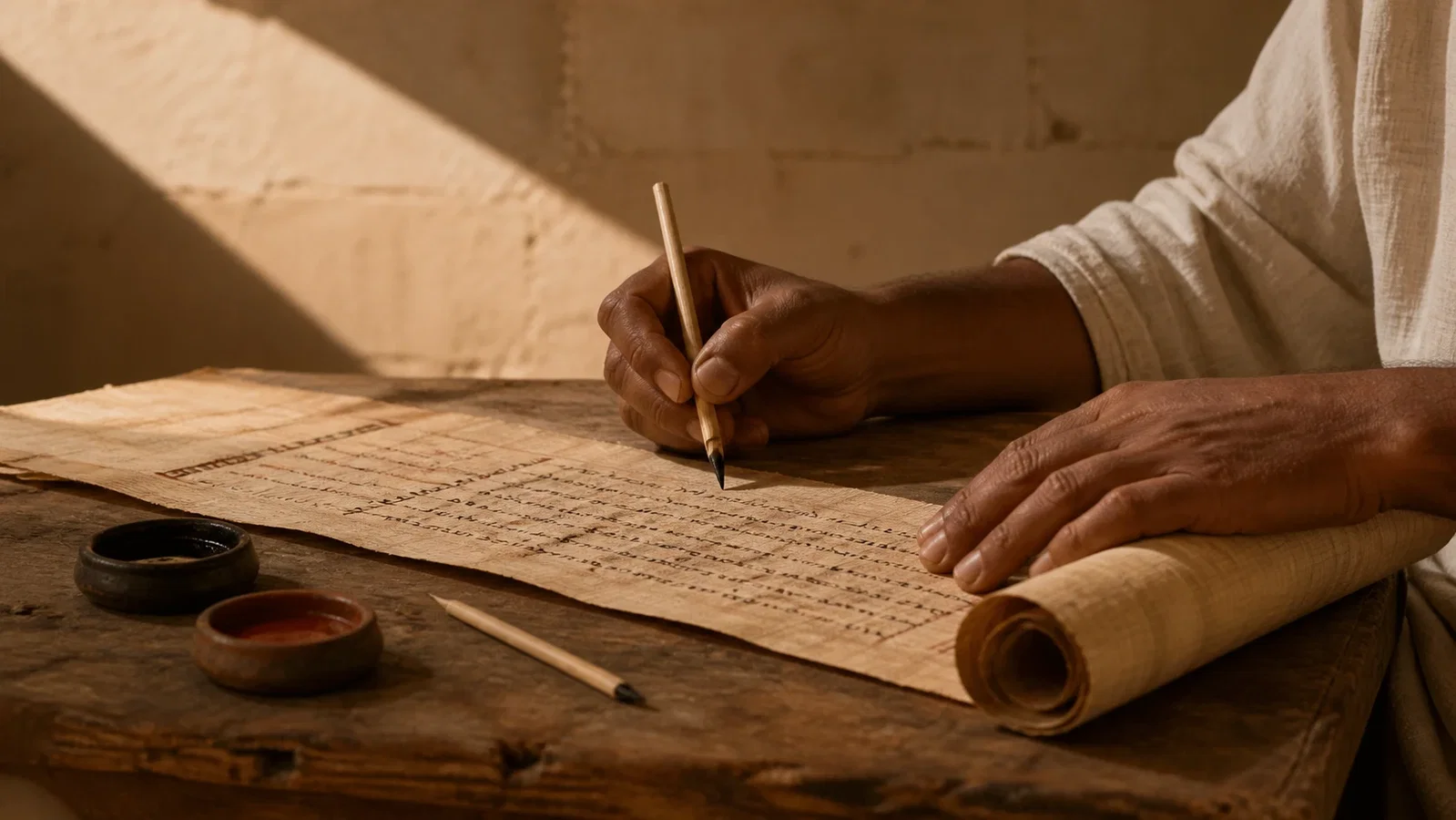
A sixteenth-century BCE medical compilation records therapeutic intentions, not proof of poppy anesthesia

In Regimen II the poppy is a nourishing seed; a 1998 study concluded that its power against pain was not yet recognised.

In De medicina 5.25, Celsus calls pills that relieve pain through sleep anodyna, but says they should be used only under strong necessity, because their ingredients are powerful and bad for the stomach.
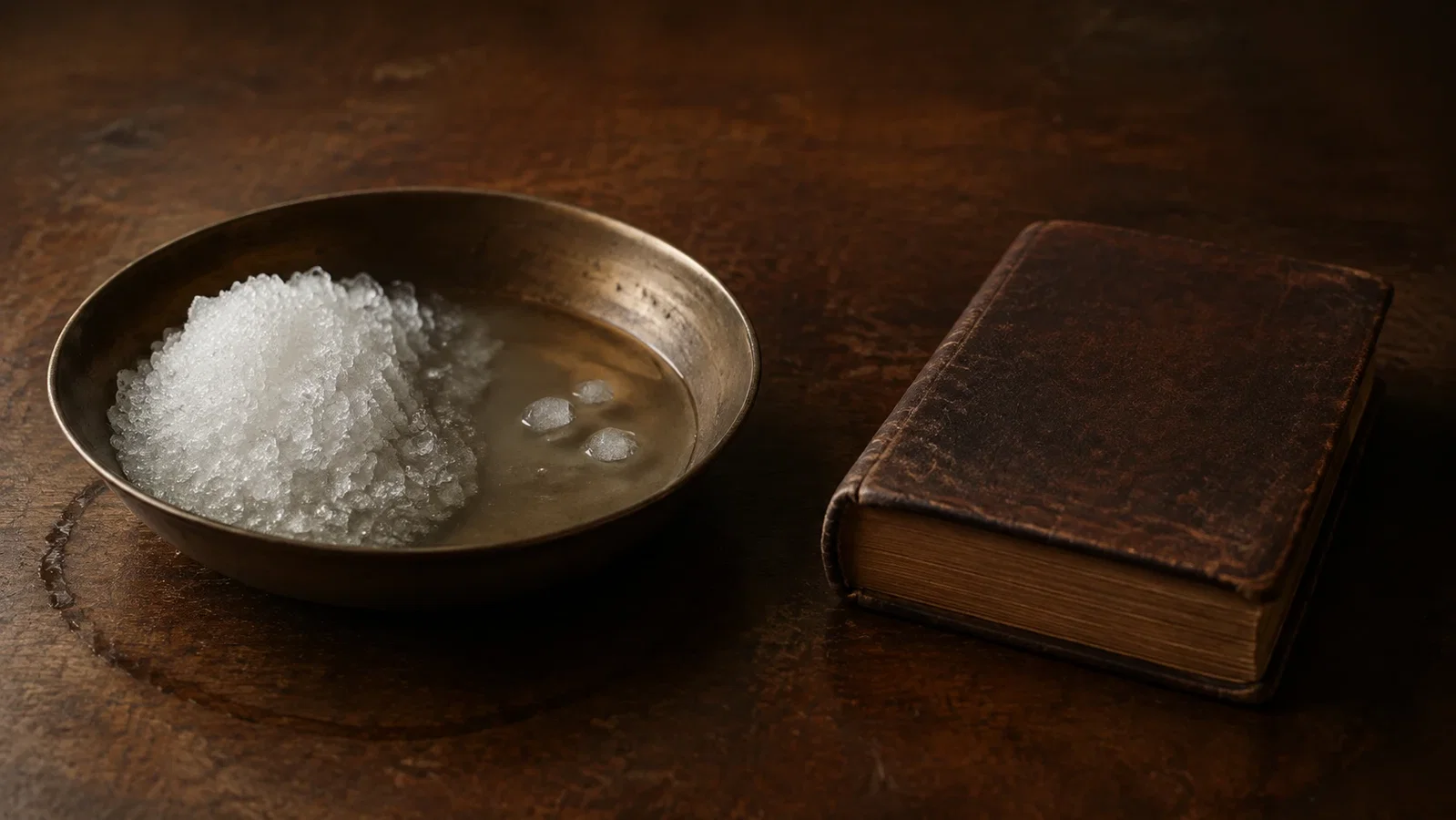
In Book One of the Canon, written before 1015, Avicenna lists snow and ice-cold water among stupefacient materials, but places them in a discussion that weighs quick relief of pain against the harm it may cause.

Garcilasso's Royal Commentaries of 1609 preserve Blas Valera's note that doctors applied pounded coca to sores and broken bones; it mentions no pain or surgery, so an Inca local anaesthetic is a modern inference.
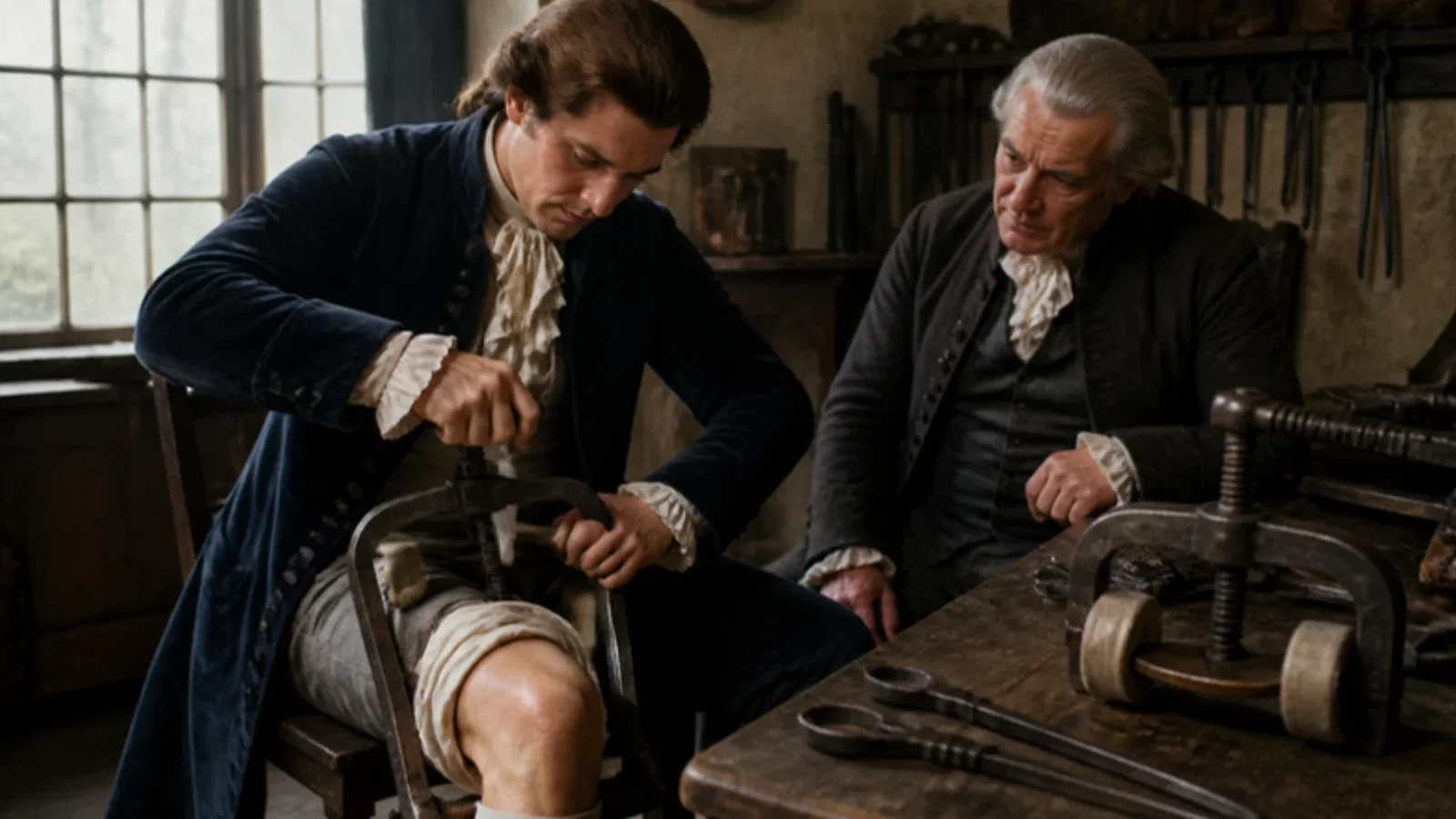
Moore numbed a limb by pressing on its nerves, tested the method on his own thigh, and watched John Hunter amputate a leg while the patient barely cried out.
A country doctor slipped morphine under the epidermis with a vaccination lancet to treat neuralgia; the Academy's reporter repeated the tests and warned against half-proofs.

In 1844 Rynd ran a morphia solution under the skin of two neuralgia patients at Dublin's Meath Hospital; both got relief, but only one was seen again afterwards.
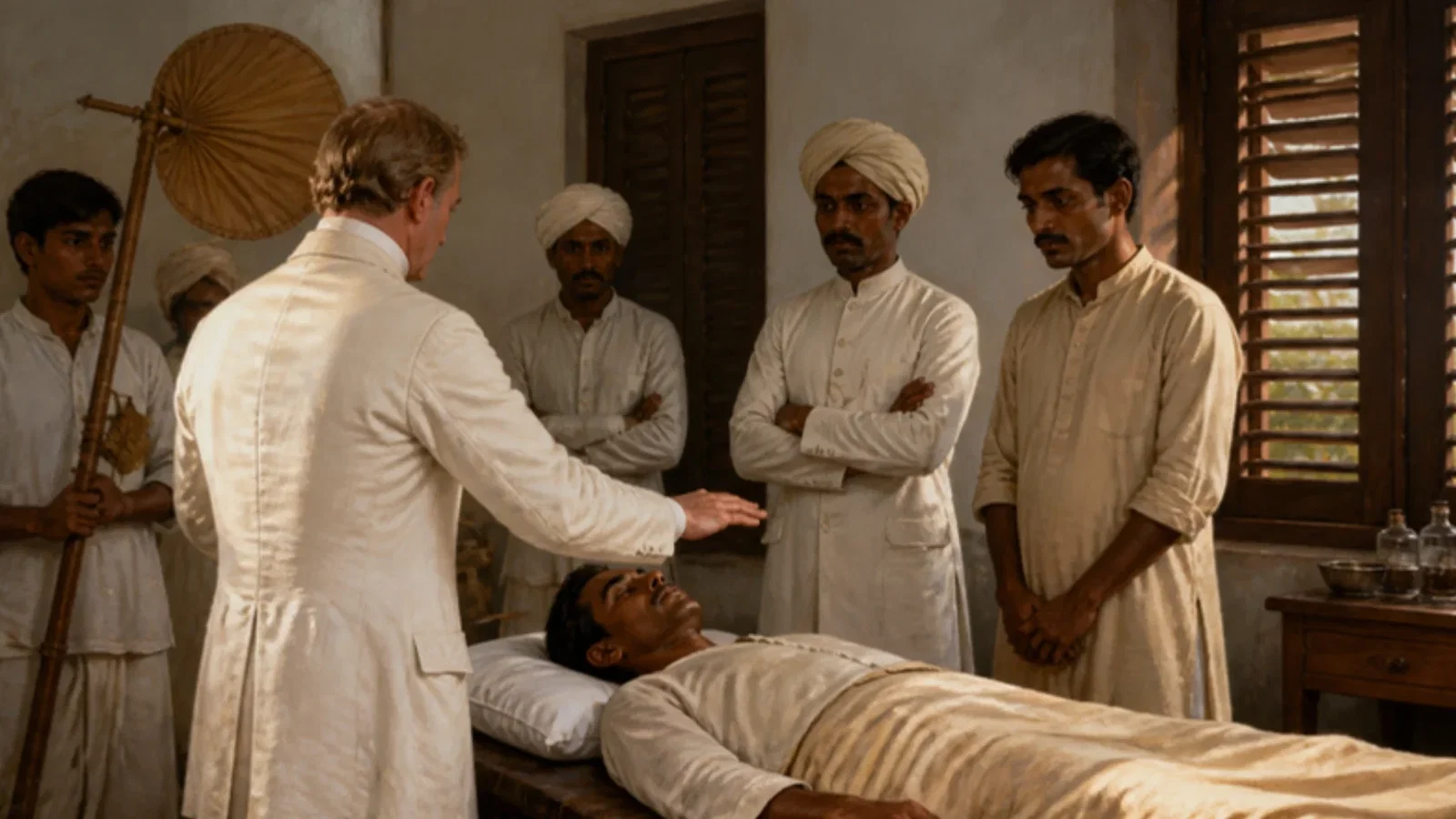
A Bengal civil surgeon tried mesmerism on a convict in pain and reported 73 'painless' operations within eight months; the claims rest on Esdaile's own 1846 book.
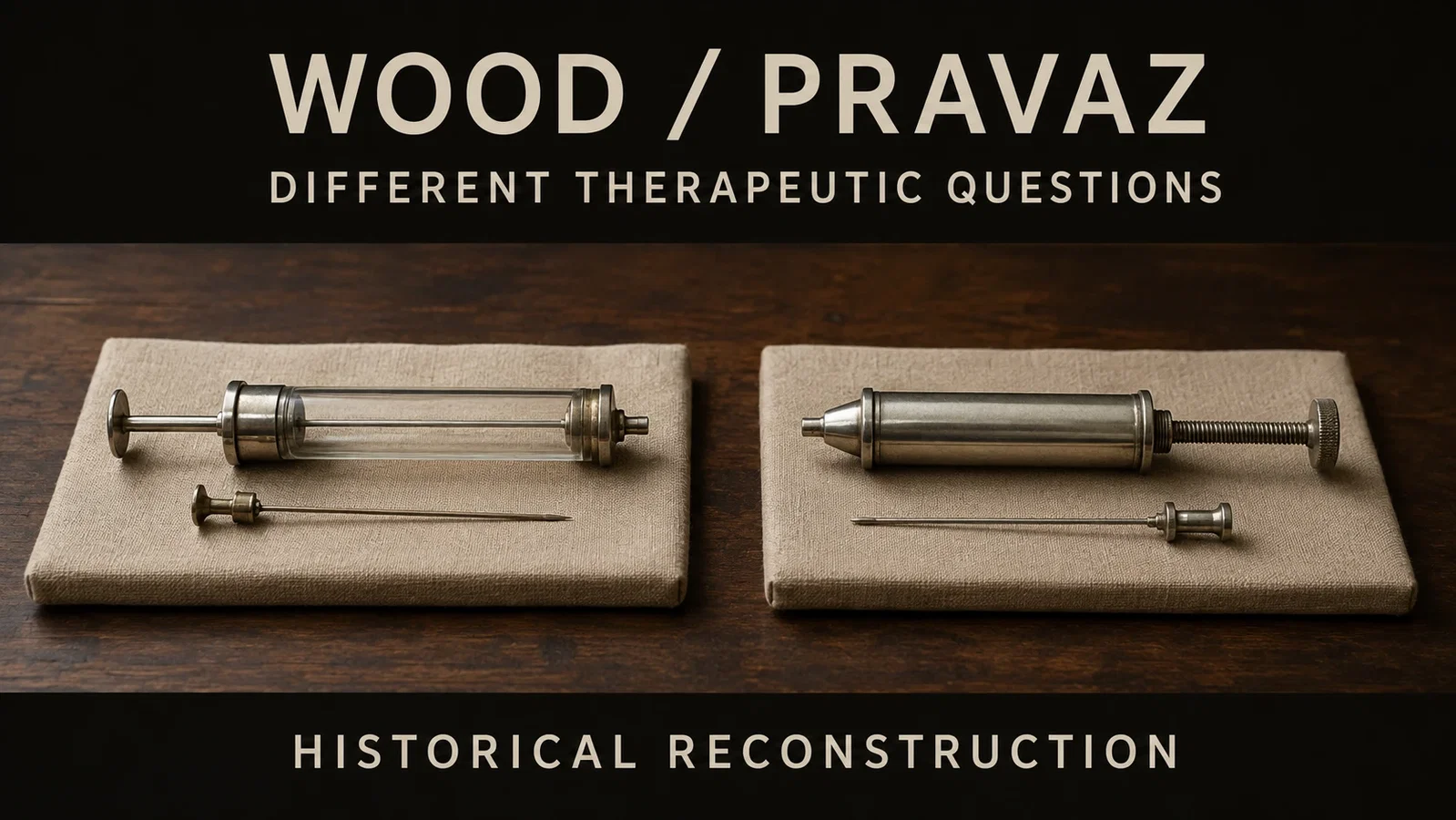
Two injection histories meet in 1853, but relief of neuralgia and experimental arterial coagulation were not the same clinical achievement.
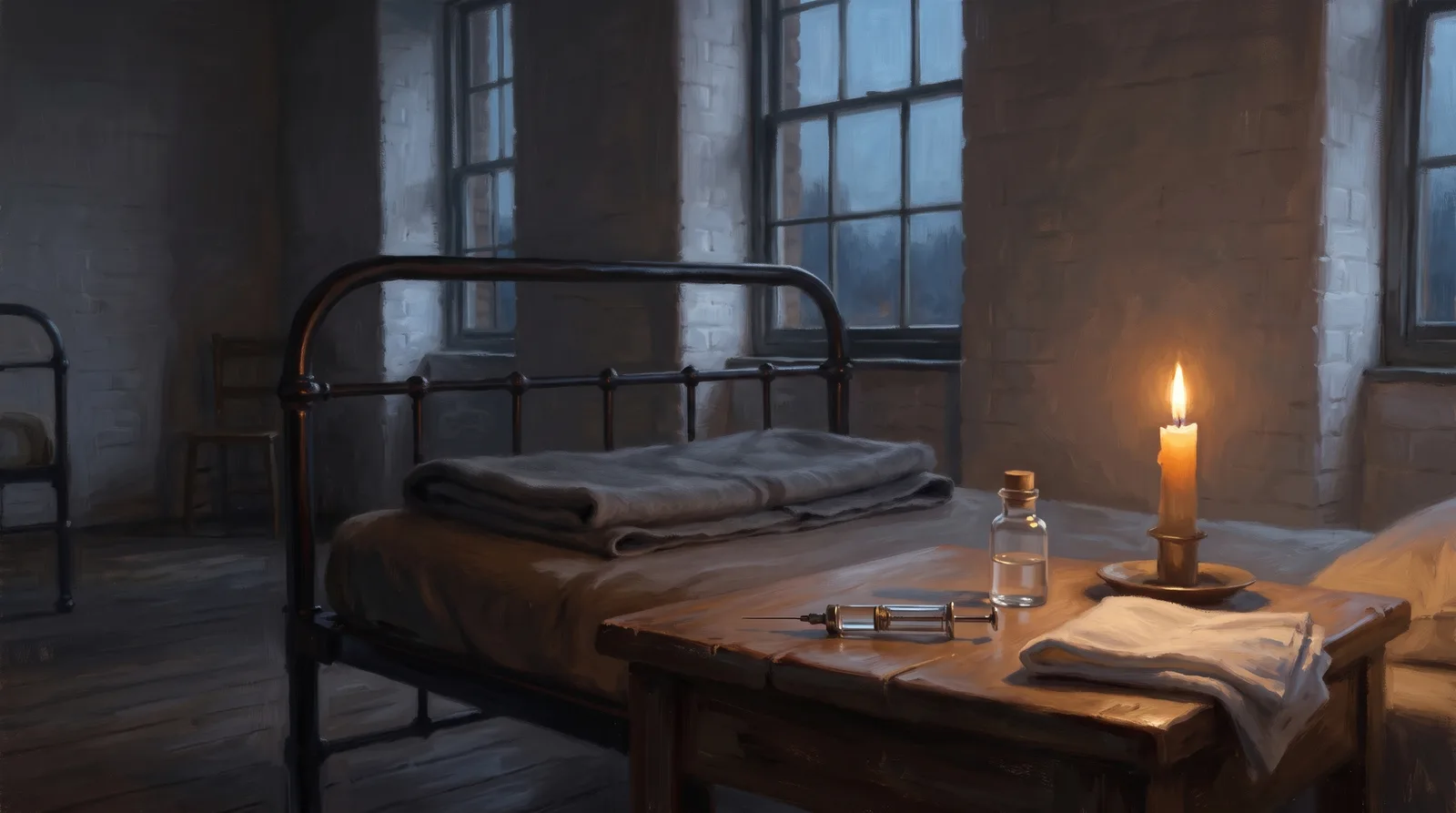
Abscesses forced Hunter to stop injecting at the painful spot; injections into the arm relieved neuralgia as well, and the 'hypodermic method' was argued into being.
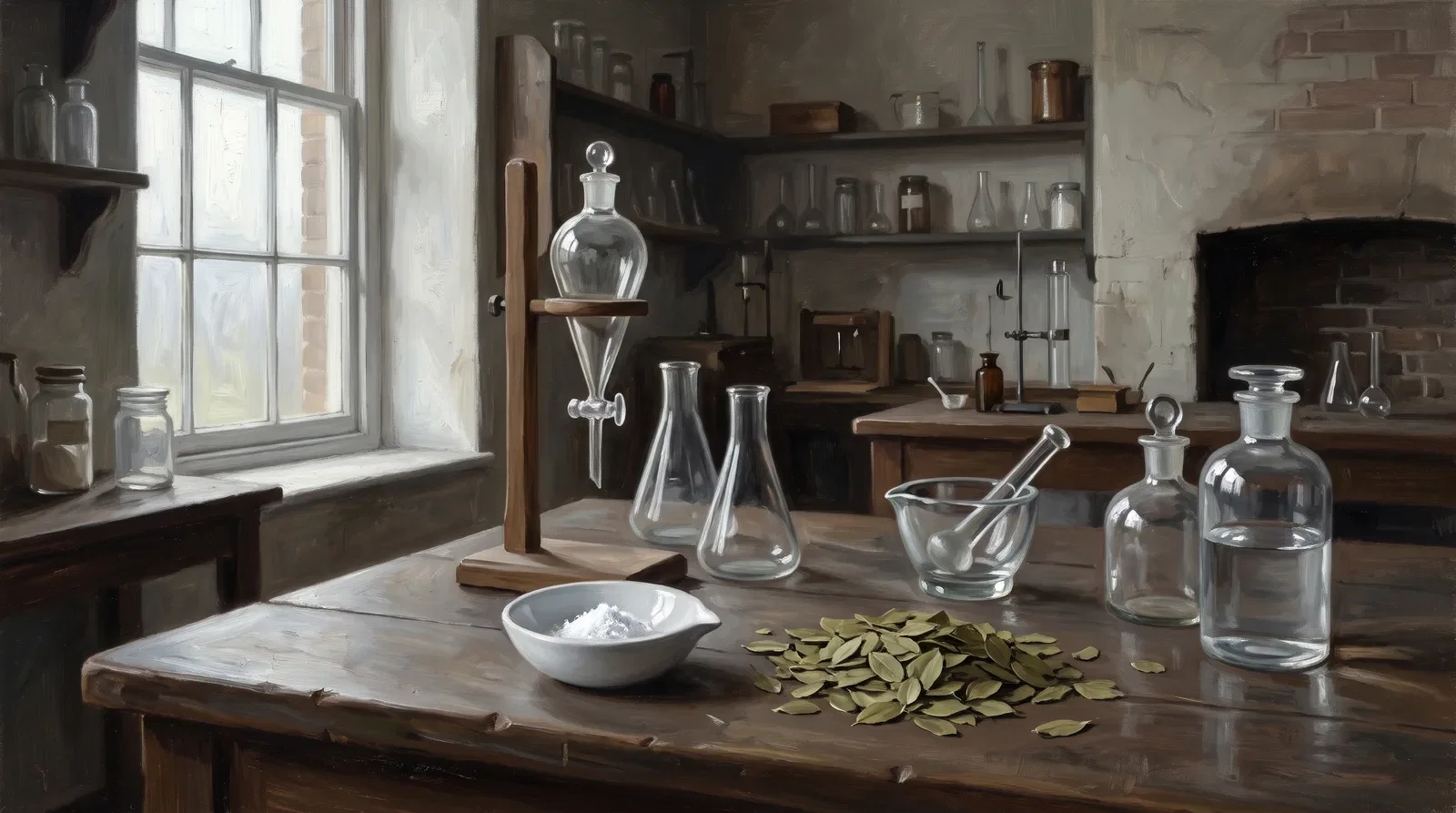
In Wöhler's Göttingen laboratory, Albert Niemann extracted a crystalline base from coca leaves brought on the Novara and named it 'cocain'; it numbed the tongue.
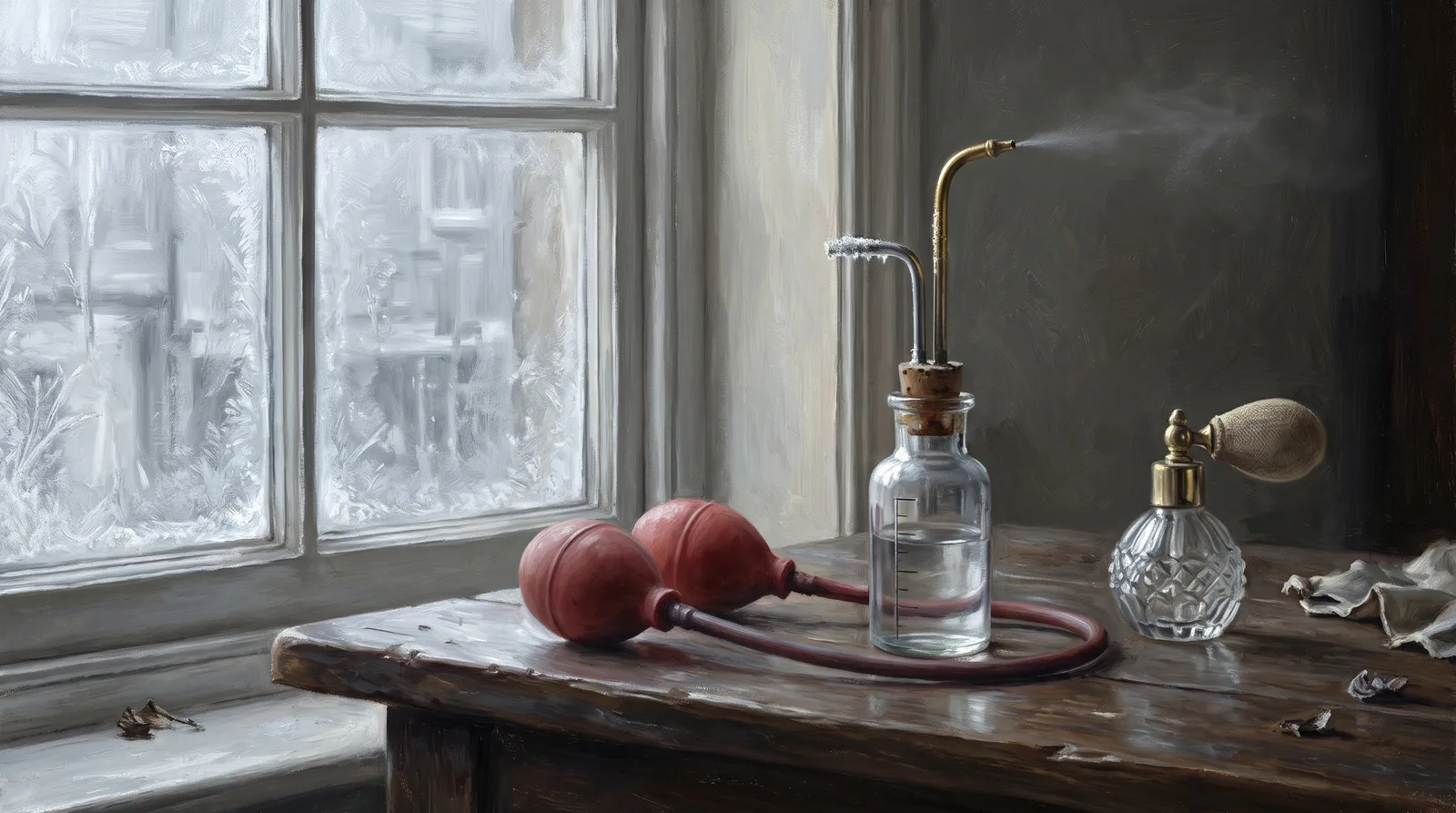
Richardson forced ether through a fine jet with hand bellows to freeze the skin for tooth extraction and incision, inspired by a toy perfume spray.
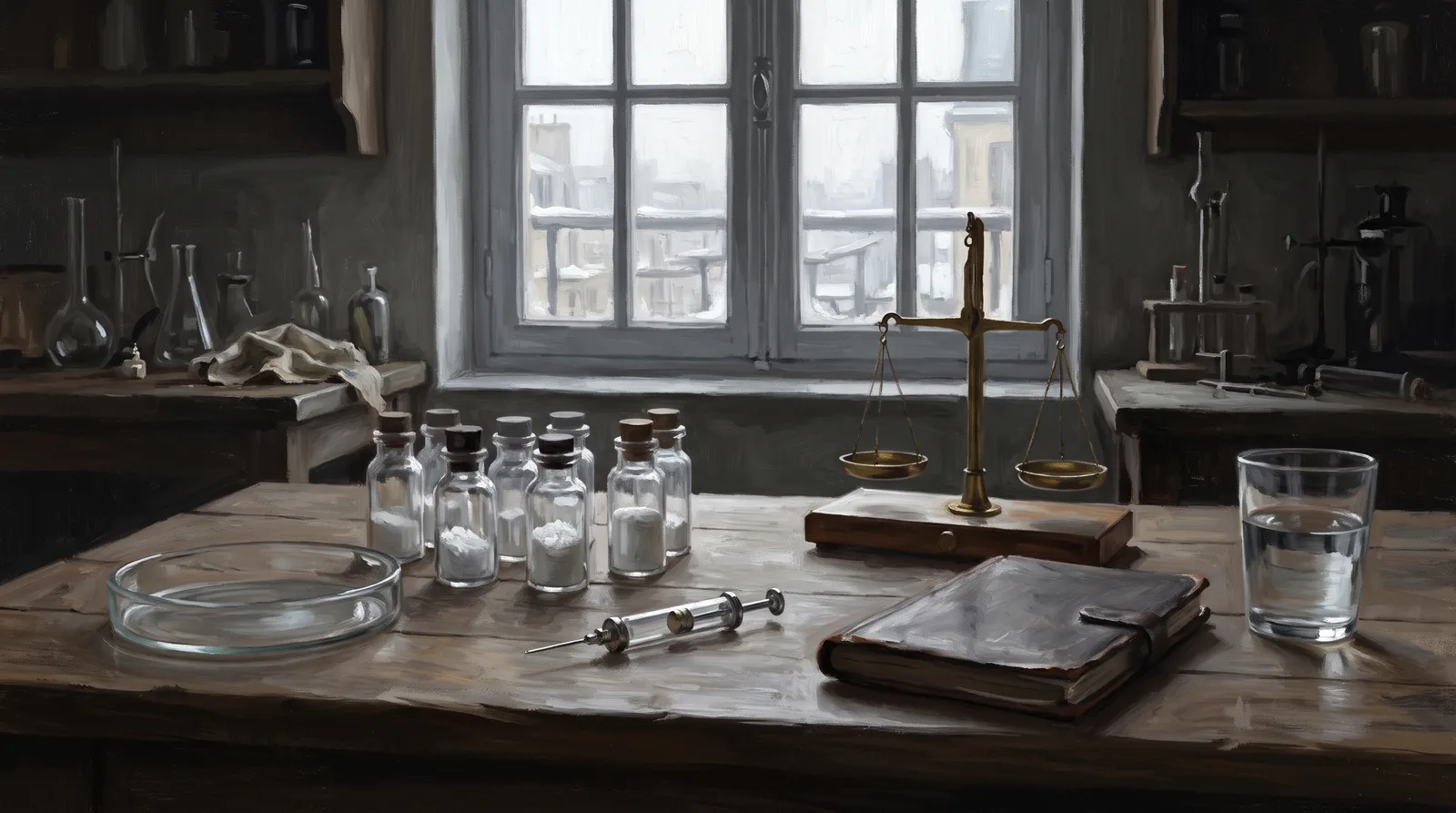
At the Société de Biologie, small doses of cocaine heightened sensibility in frogs while larger doses abolished it, without wholly abolishing movement.
In Rossbach's Würzburg laboratory, von Anrep injected dilute cocaine under the skin, felt no needle pricks, and recommended testing cocaine as a 'local anaesthetic'.
Within three months of Koller's report on cocaine drops, Knapp injected six minims close behind the globe to remove an eye, and warned at once about the orbit's blood supply.
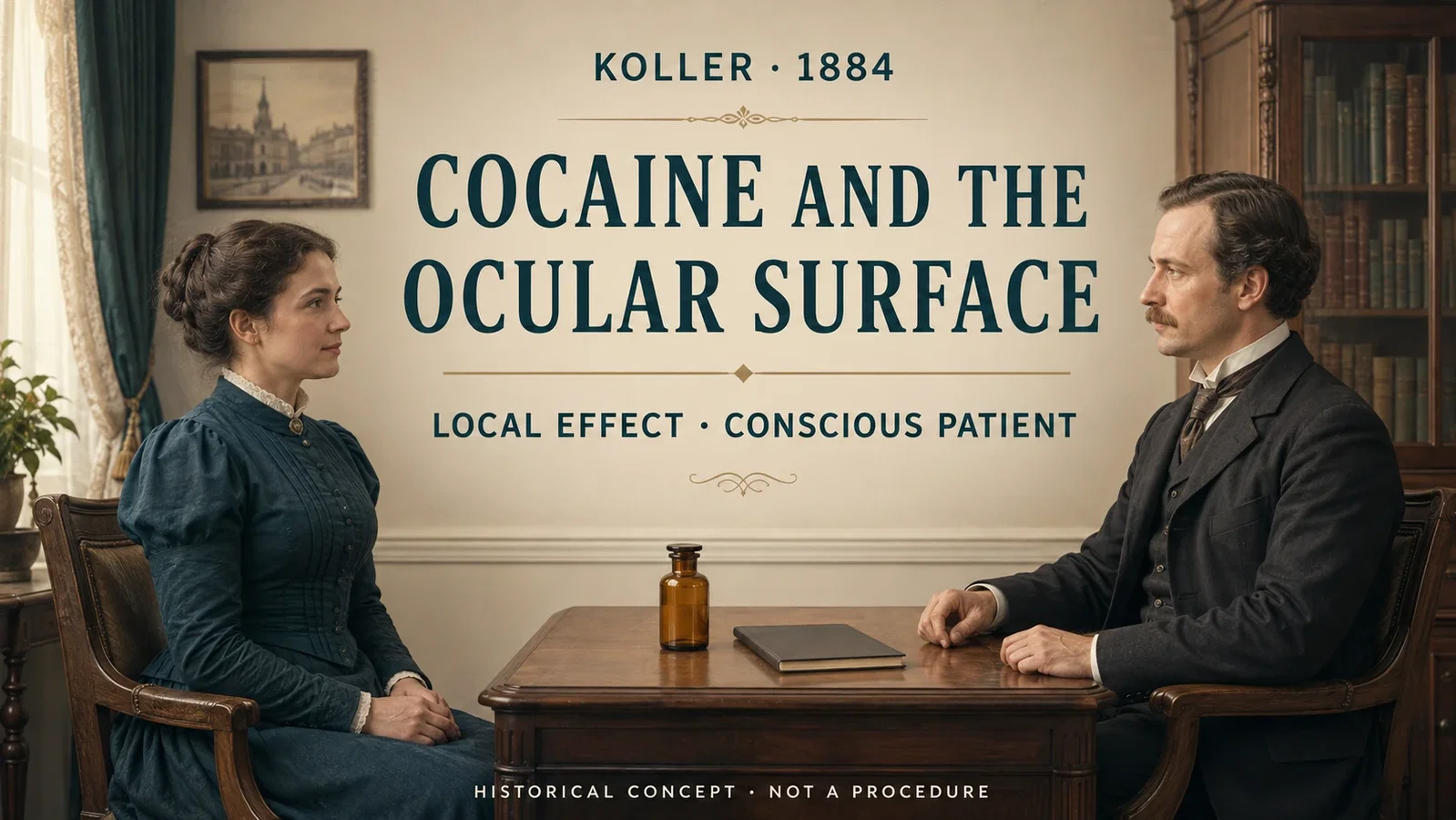
In September 1884 Brettauer presented Koller's cocaine eye experiments at Heidelberg; Koller's October report described about 7–10 minutes of complete surface anesthesia, with some sensation still possible during deeper steps.
In late 1884 R. J. Hall reported cocaine injections near nerves made with Halsted, including an upper-incisor filling by Nash and, in a dated postscript, lower-jaw sensory trials.
Halsted's 1885 cocaine paper never mentions the brachial plexus; the claim that Halsted blocked it reaches us through Matas, quoted in 1958.
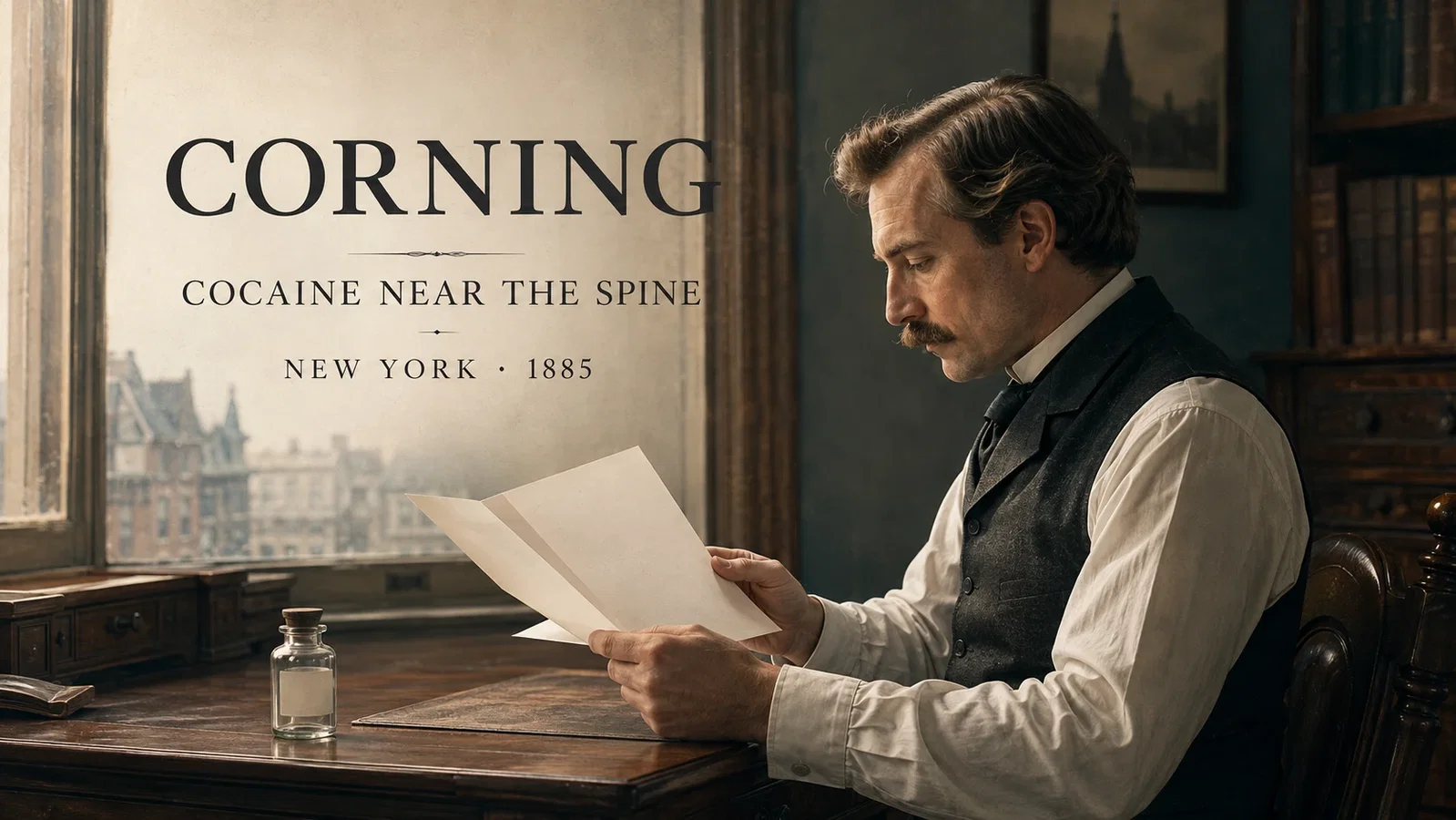
In October 1885 Corning reported cocaine injected between the lower dorsal spines of a dog and a man: the dog’s hind legs became unco-ordinated, the man’s legs lost sensation, and the drug’s final location stayed uncertain.
Quincke’s 1891 report of 22 lumbar punctures in ten patients measured spinal fluid pressure, recorded mostly short-lived responses and proposed diagnostic uses.
In August 1892 Arthur P. Chadbourne reported that tropacocaine was less than half as toxic as cocaine in animals and, in Schweigger’s eye clinic, acted faster than cocaine but for a shorter time.
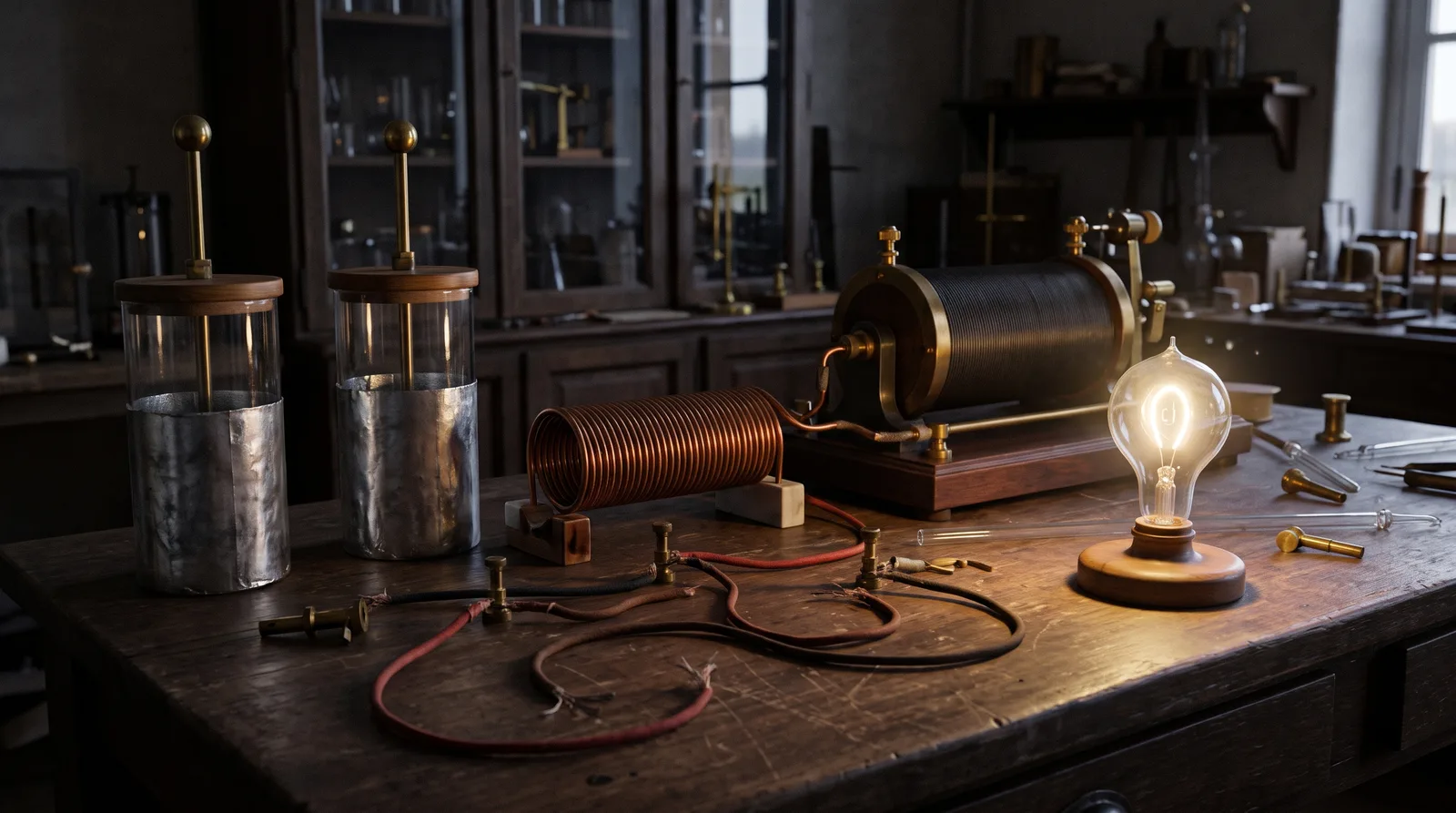
In a note of 20 March 1893 d’Arsonval reported that very high-frequency current, shown publicly in 1892, could light a lamp and pass through the body without exciting nerve or muscle.
Von Mering found acetyl-p-aminophenol, now called paracetamol, acted promptly against fever and pain, but rejected it for p-aminophenol's side effects and preferred phenacetin.
In 1893 C. A. Veasey found tropacocaine useful in the eye for foreign bodies and keratitis, but at forty cents a grain unlikely to replace cocaine.
A Berlin surgeon showed that tissue swollen with very weak cocaine solution could be cut without pain, and argued most operations did not need chloroform.
Hoffmann prepared pure acetylsalicylic acid at Bayer in 1897; the trademark held and a US patent followed, but credit for the discovery has been disputed.
August Bier’s 1899 report describes six operations under spinal cocaine in 1898, an experiment that Bier and Hildebrandt made on each other, and the headaches that followed.
Tuffier presented operations under subarachnoid cocaine to the Paris surgical society, admitted failures in laparotomy, and started the spread of spinal anaesthesia in Europe.
Kreis of Basel reported six labours under spinal analgesia; two theses record its effect and its drawback, the loss of the reflex urge to bear down.
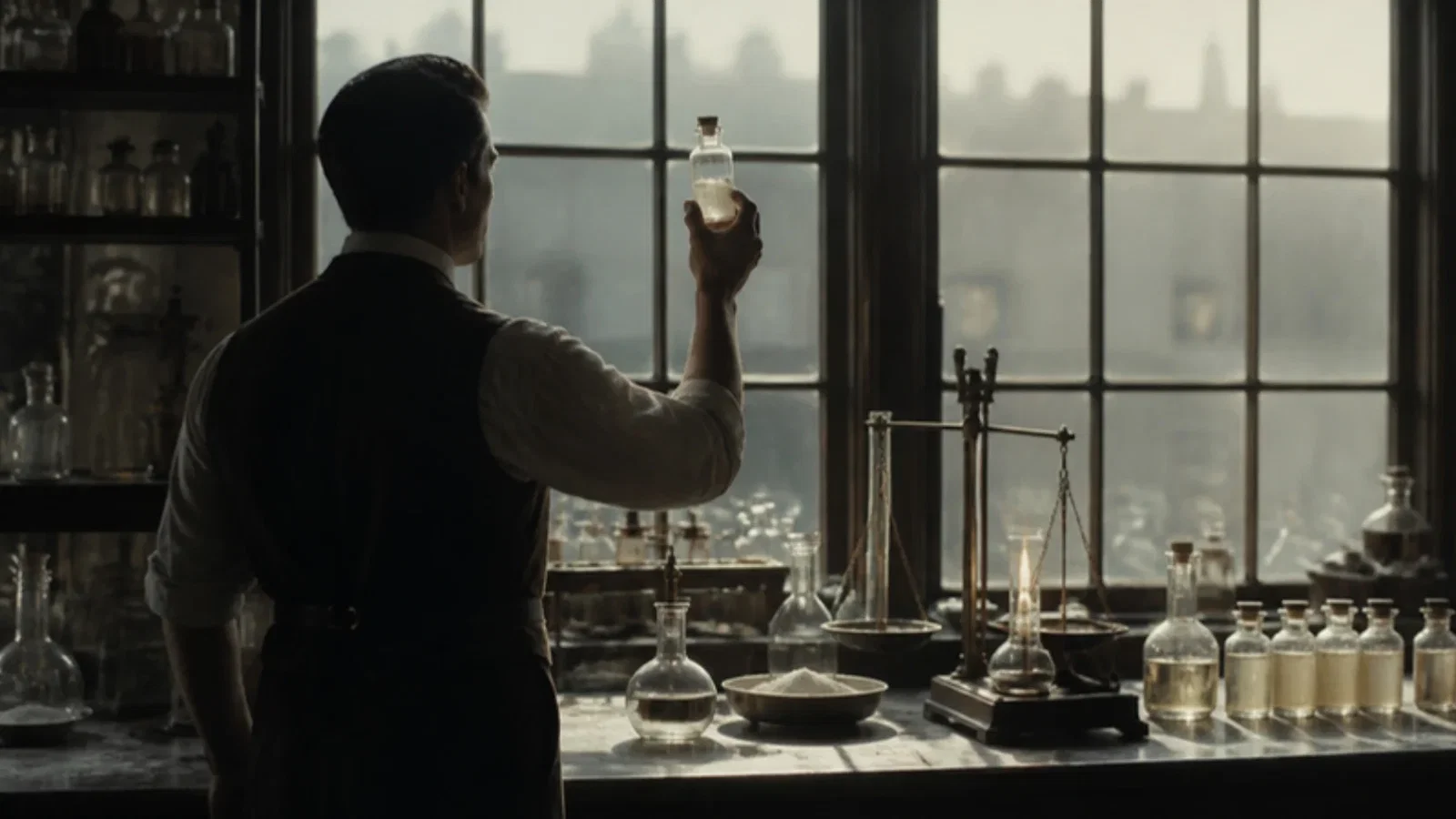
In November 1901 Jokichi Takamine announced in the American Journal of Pharmacy that the active principle of the suprarenal glands had been isolated in a pure, stable, crystalline form, named it Adrenalin, and listed among its uses bloodless operations and the prevention of collapse in anesthesia.
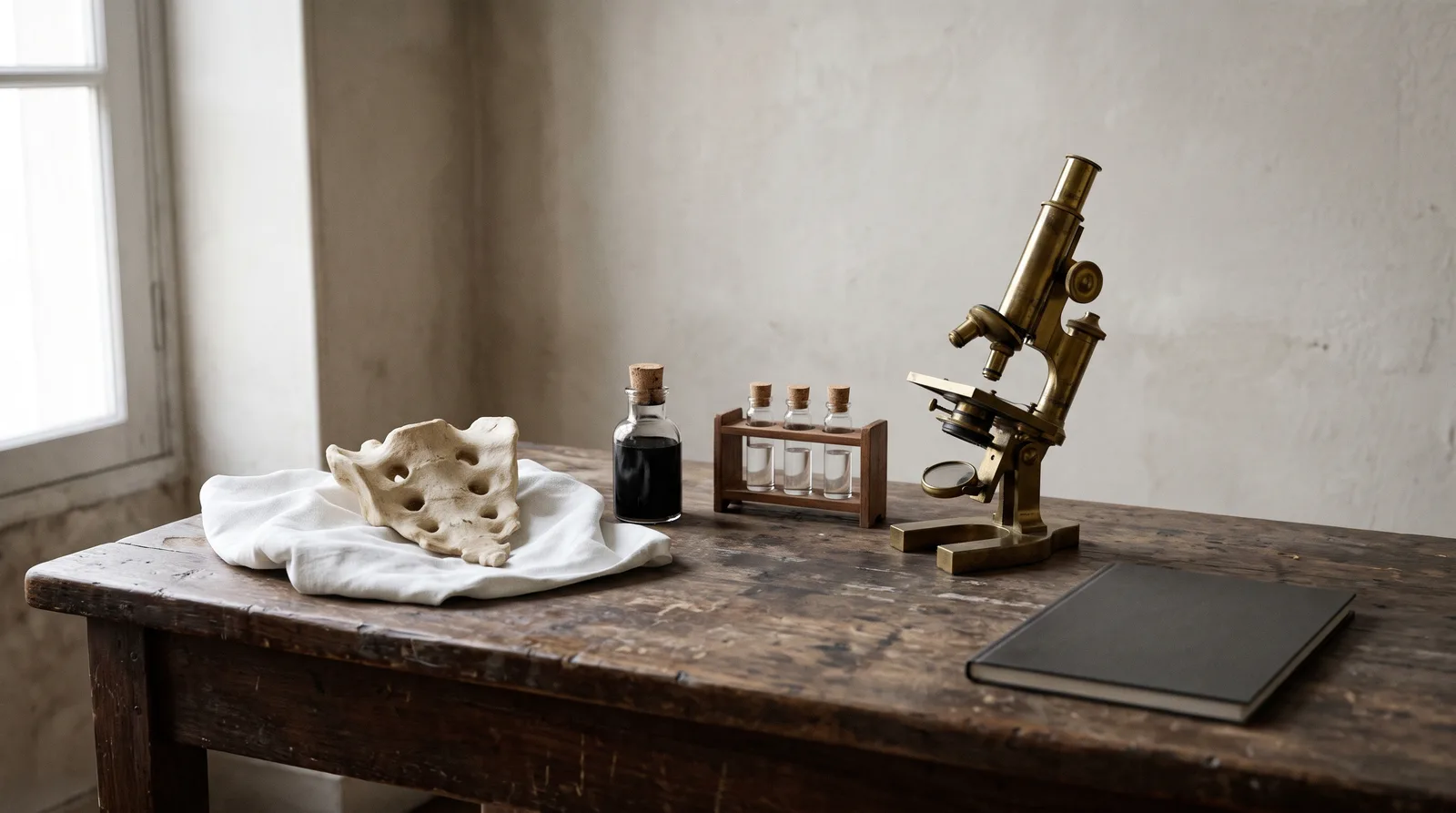
In April 1901 Sicard and Cathelin, in separate communications, reported injecting cocaine into the space outside the dura through the sacral canal; Sicard’s nine patients gained pain relief without skin analgesia, and Cathelin’s four hernia patients lost too little sensation for a major operation.
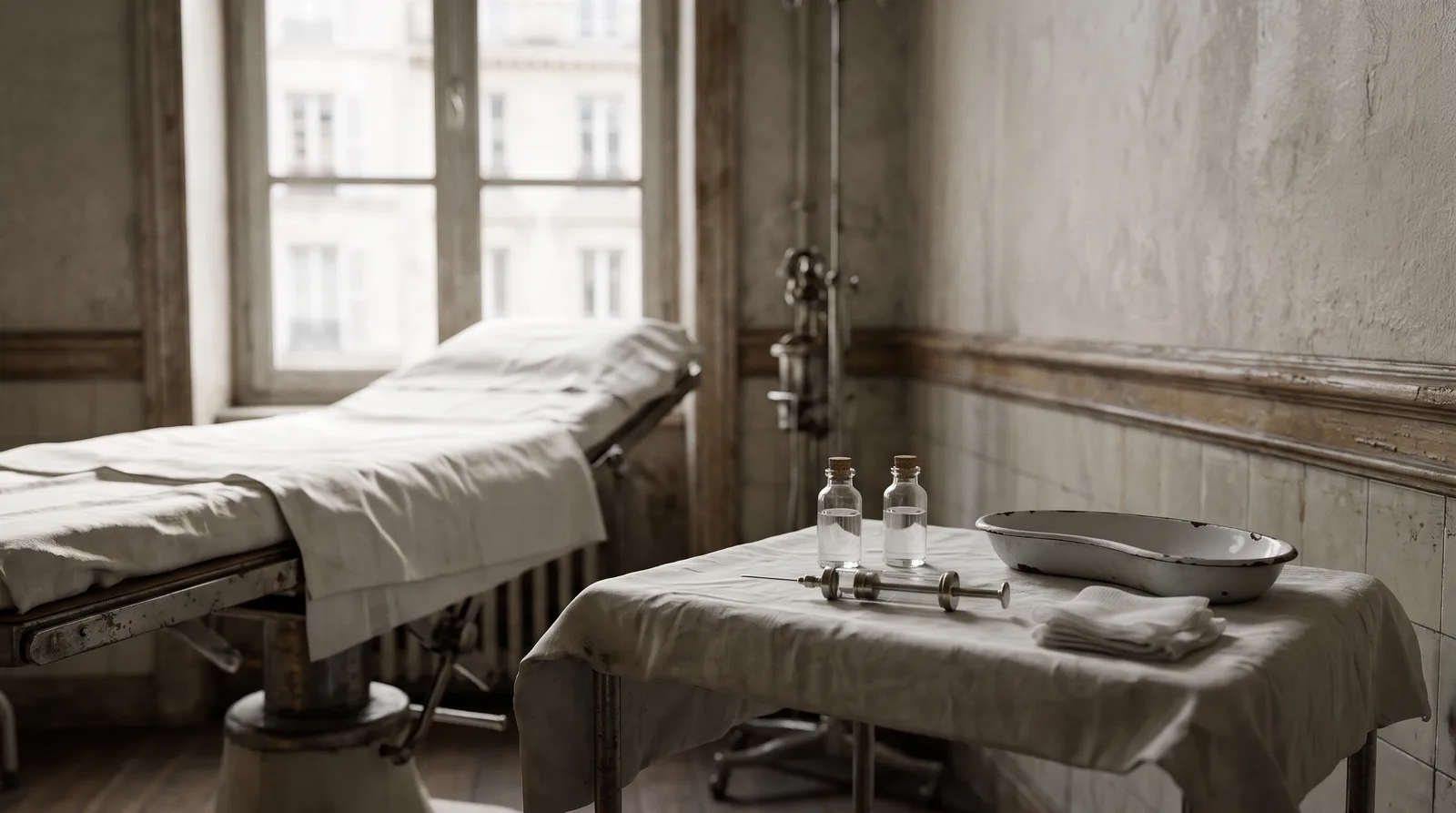
On 5 July 1904 Paul Reclus told the Paris Académie de médecine that stovaine, a synthetic local analgesic made by the chemist Fourneau, had matched cocaine in patients who compared the two halves of one incision, and predicted that it would increasingly replace cocaine.
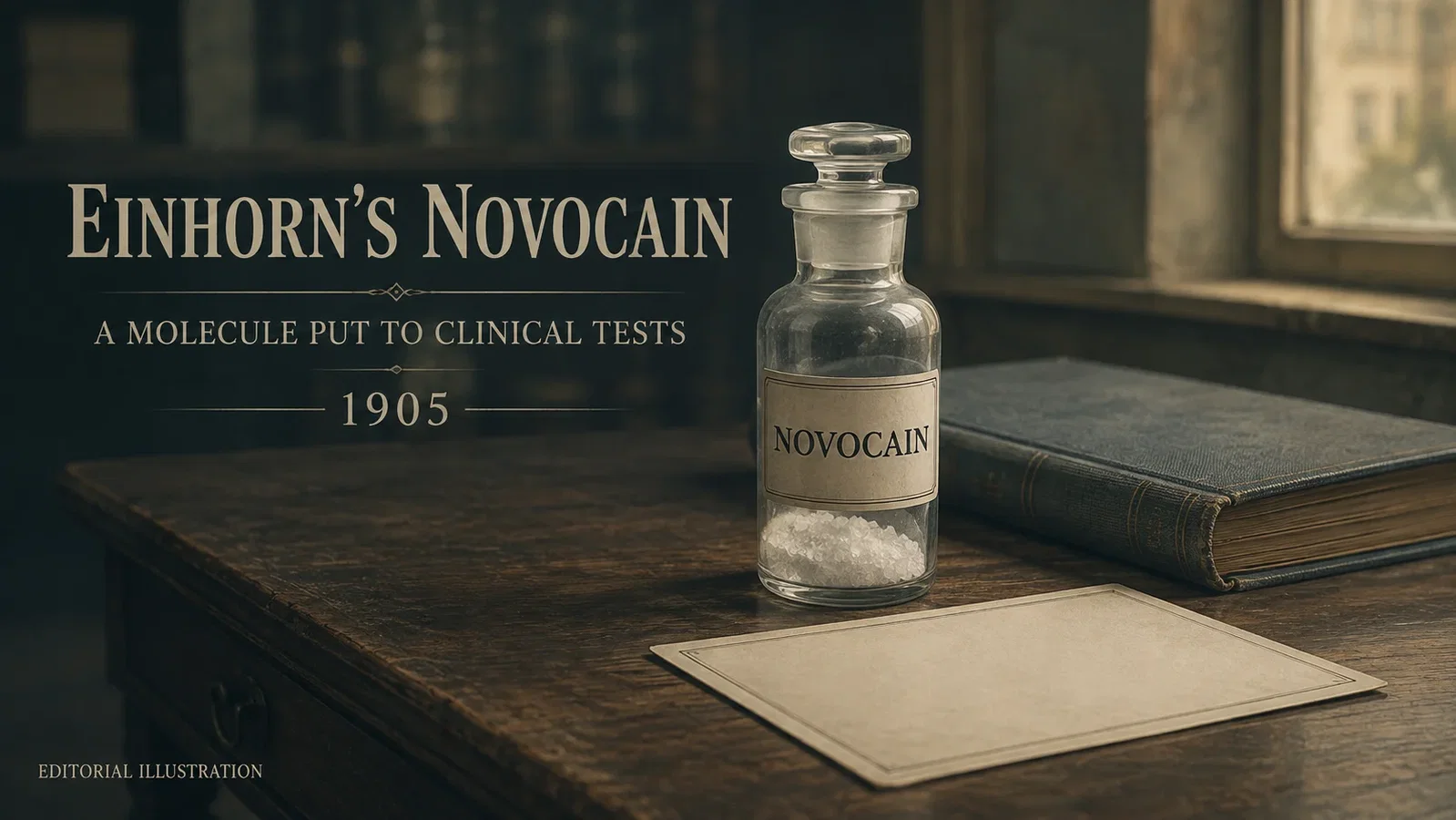
A 1905 report separates a chemical candidate, patent dates and evidence for particular applications
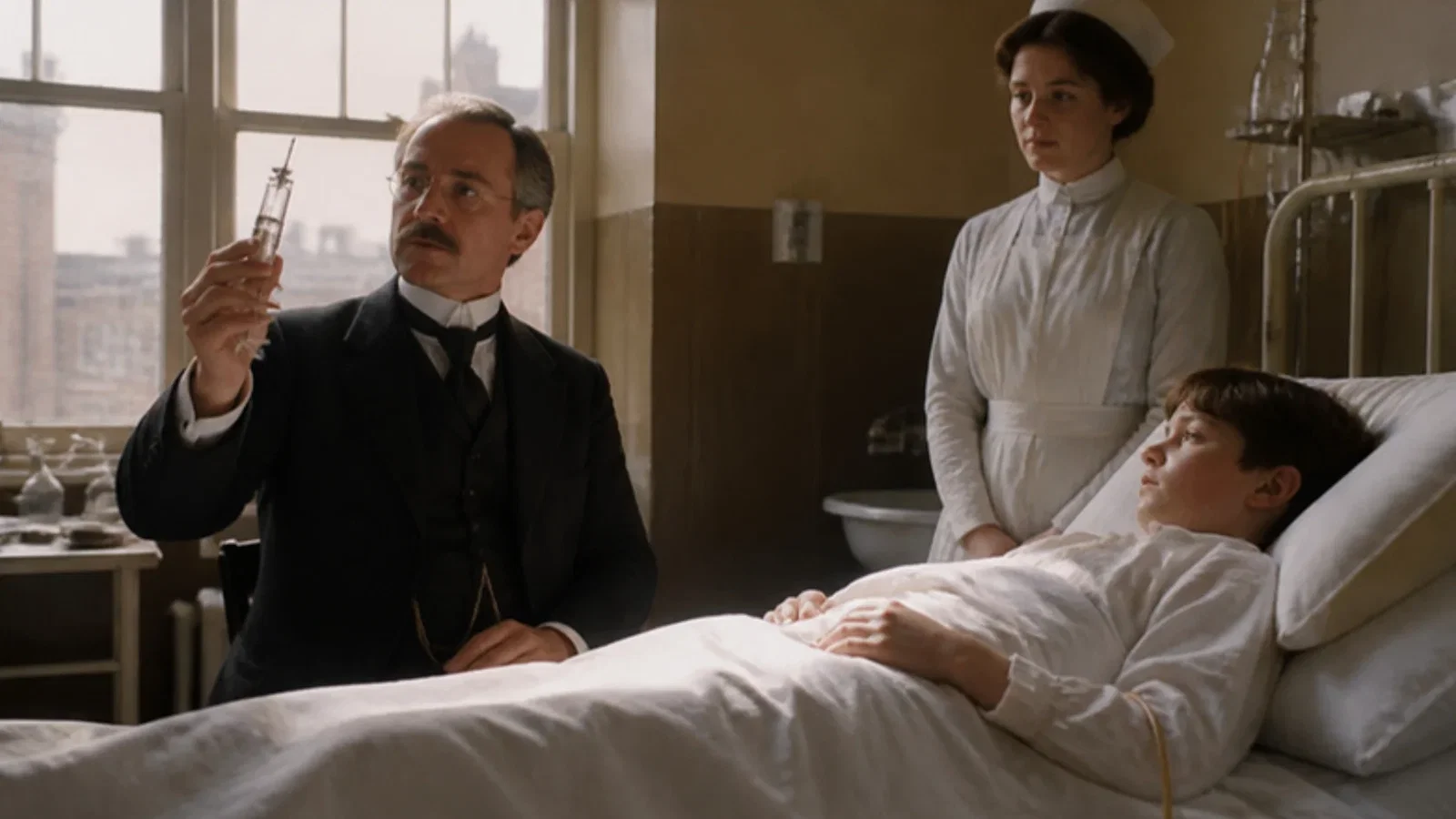
A London surgeon gave repeated stovaine doses through a cannula left in the spine; in 1940 Lemmon of Philadelphia reported about 200 continuous spinals.
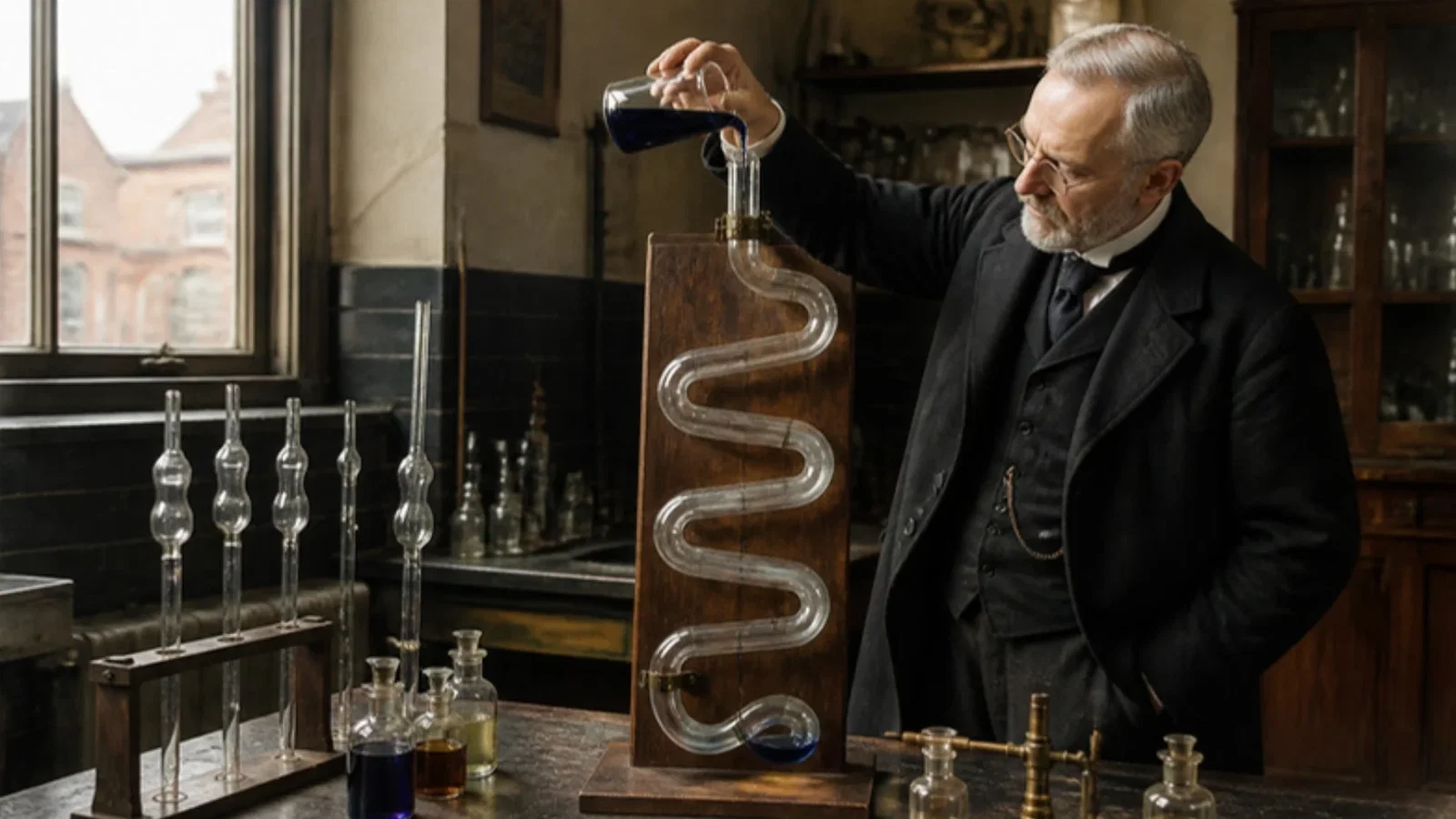
Barker reported 100 spinal anaesthetics with stovaine and used glass tubes bent like the spine to show that a heavy solution sinks to the lowest point.
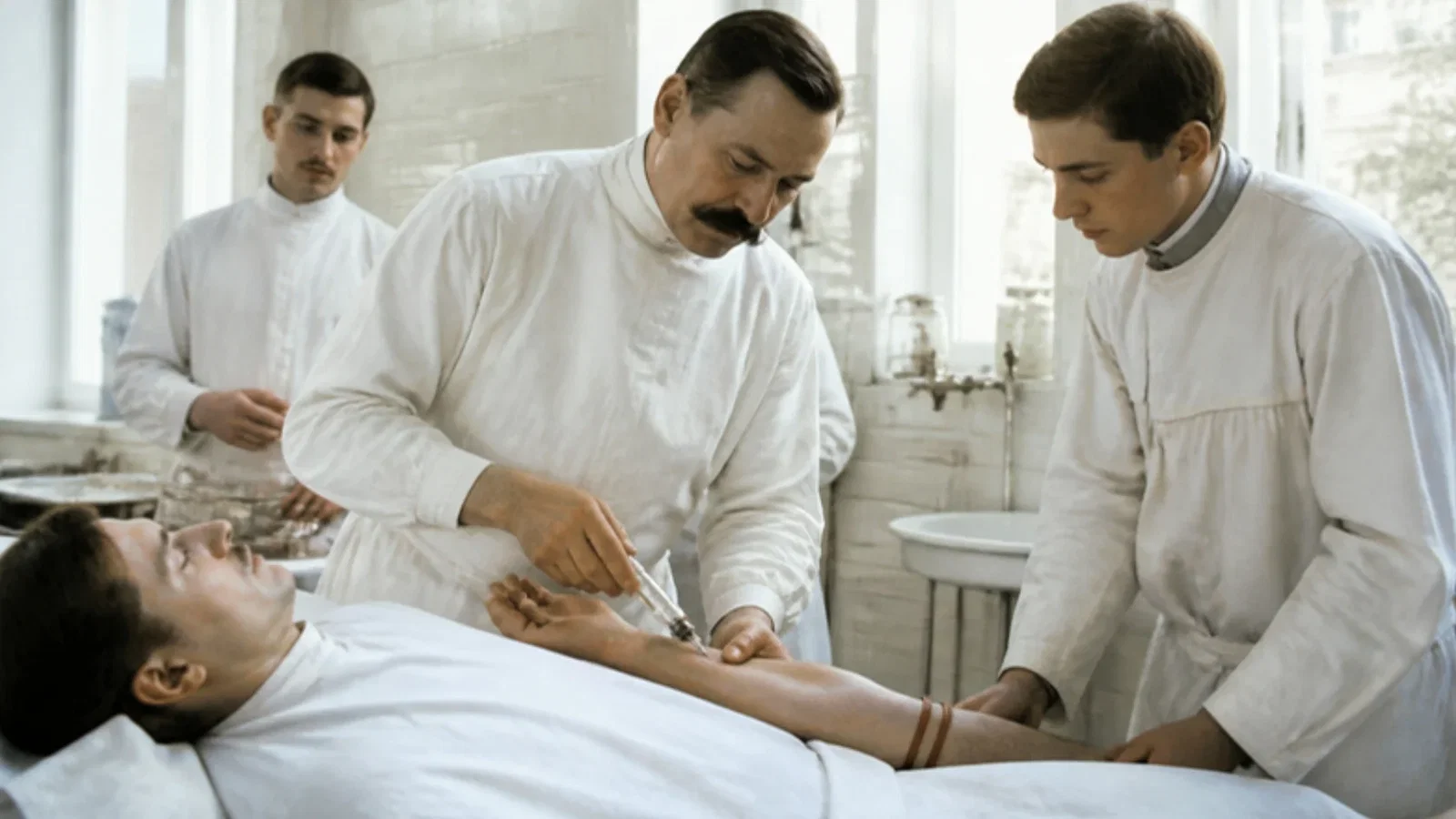
Bier isolated a bloodless limb segment between two rubber bandages and injected dilute novocaine into a vein, so resections and amputations could be done under local anaesthesia.
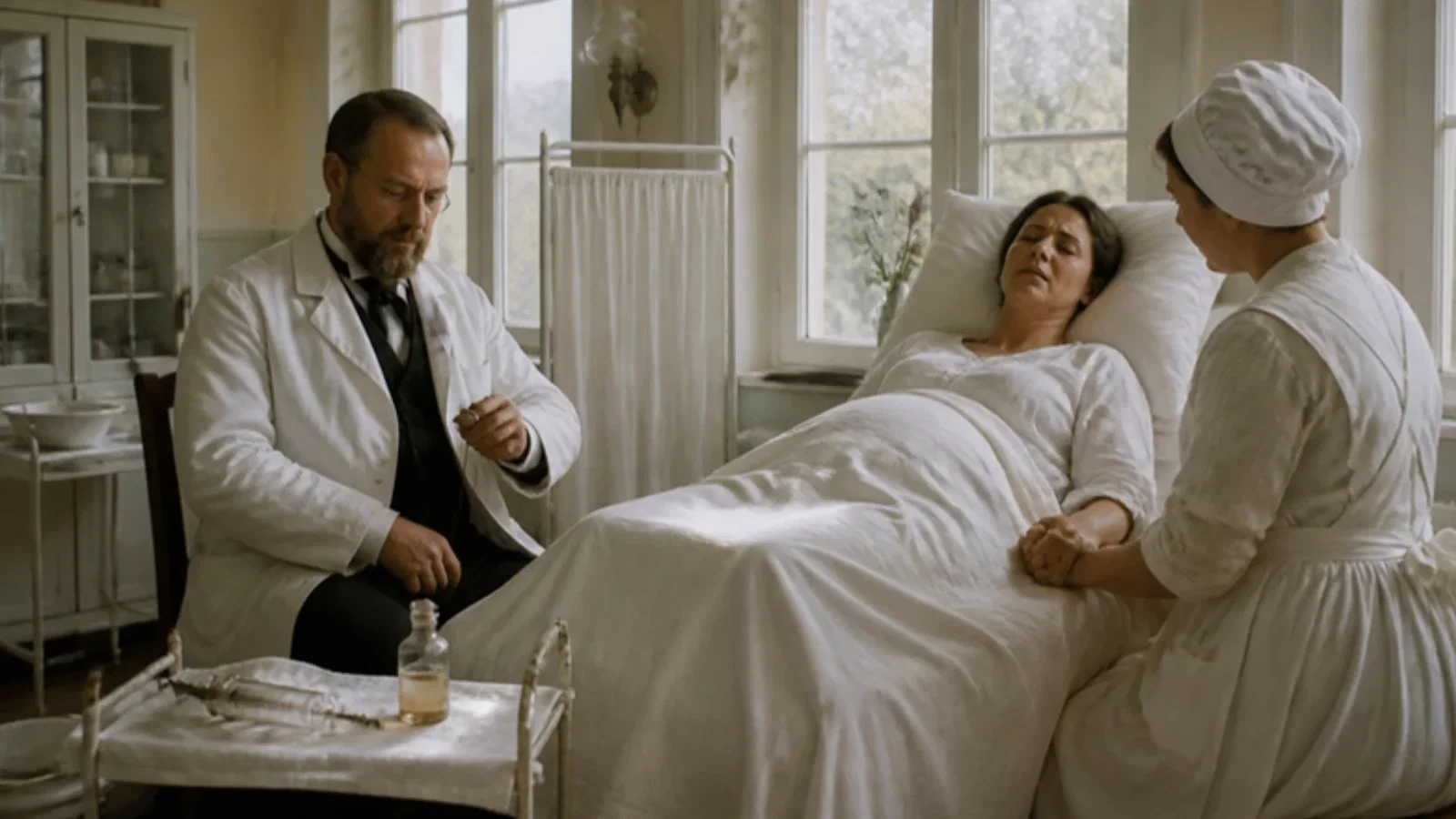
Stoeckel injected novocaine through the sacral hiatus in 141 labours; colleagues found the relief modest and the effect on contractions worrying.
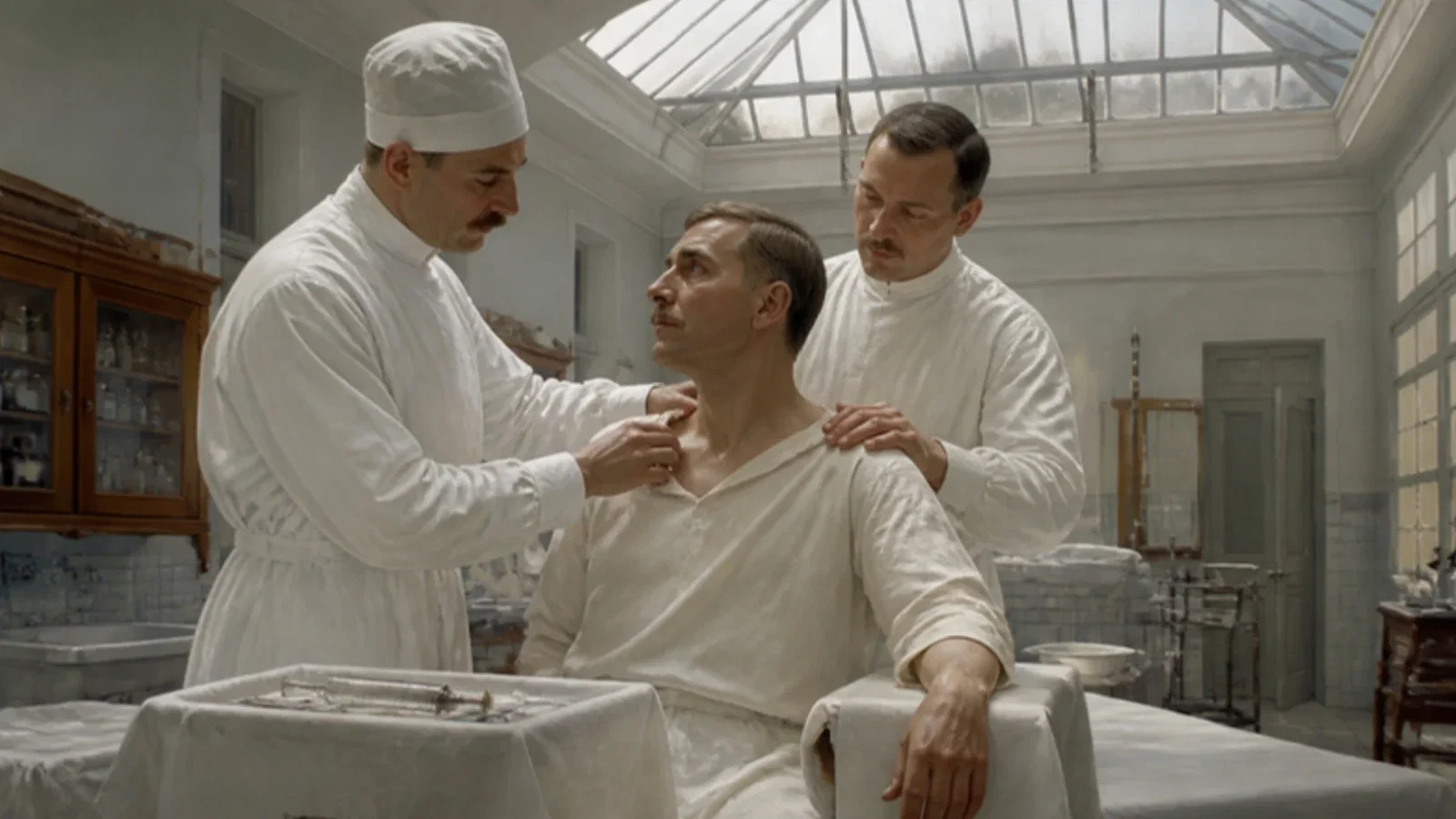
Hirschel in Heidelberg reached the brachial plexus through the axilla; Kulenkampff in Zwickau went above the clavicle, guided by the subclavian artery, first rib and paraesthesiae.
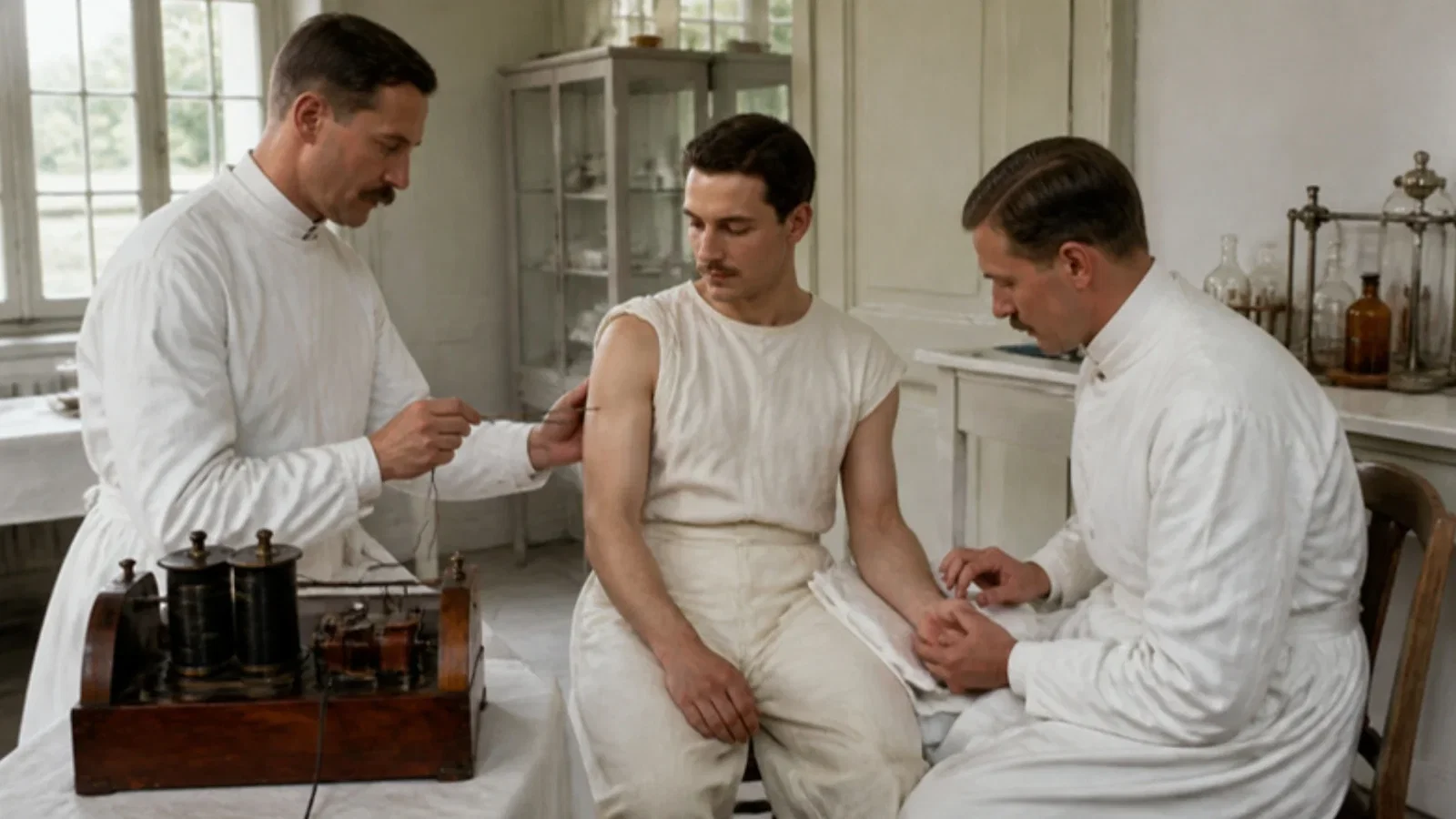
Perthes used a lacquered needle as the electrode of a weak current; when its tip touched a mixed nerve the muscles twitched, and the anaesthetic went in.
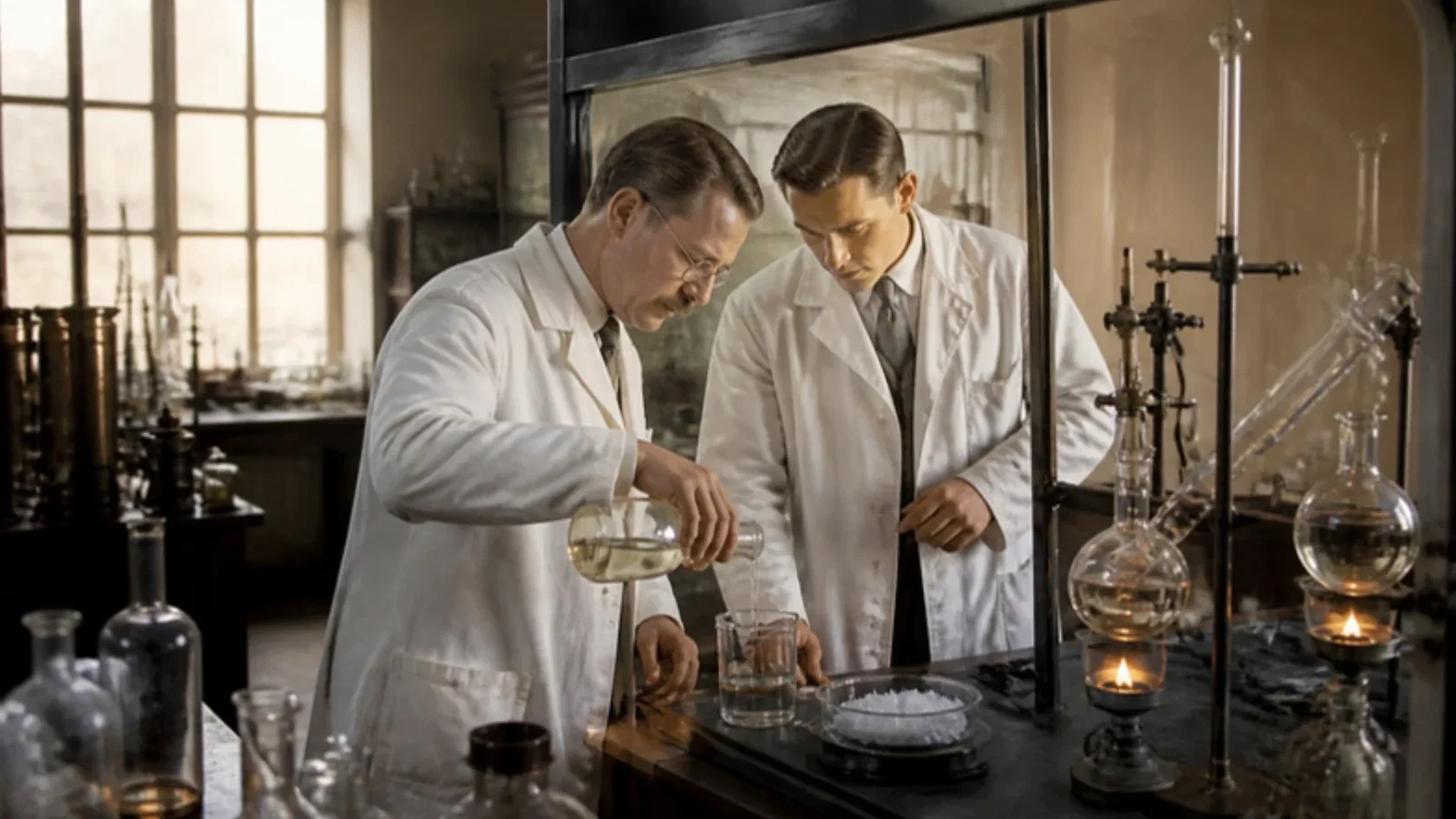
Freund and Speyer of Frankfurt made the compound now called oxycodone; in 1917 Falk reported it as Eukodal for pain and before ether, noting a breathing pause under chloroform.
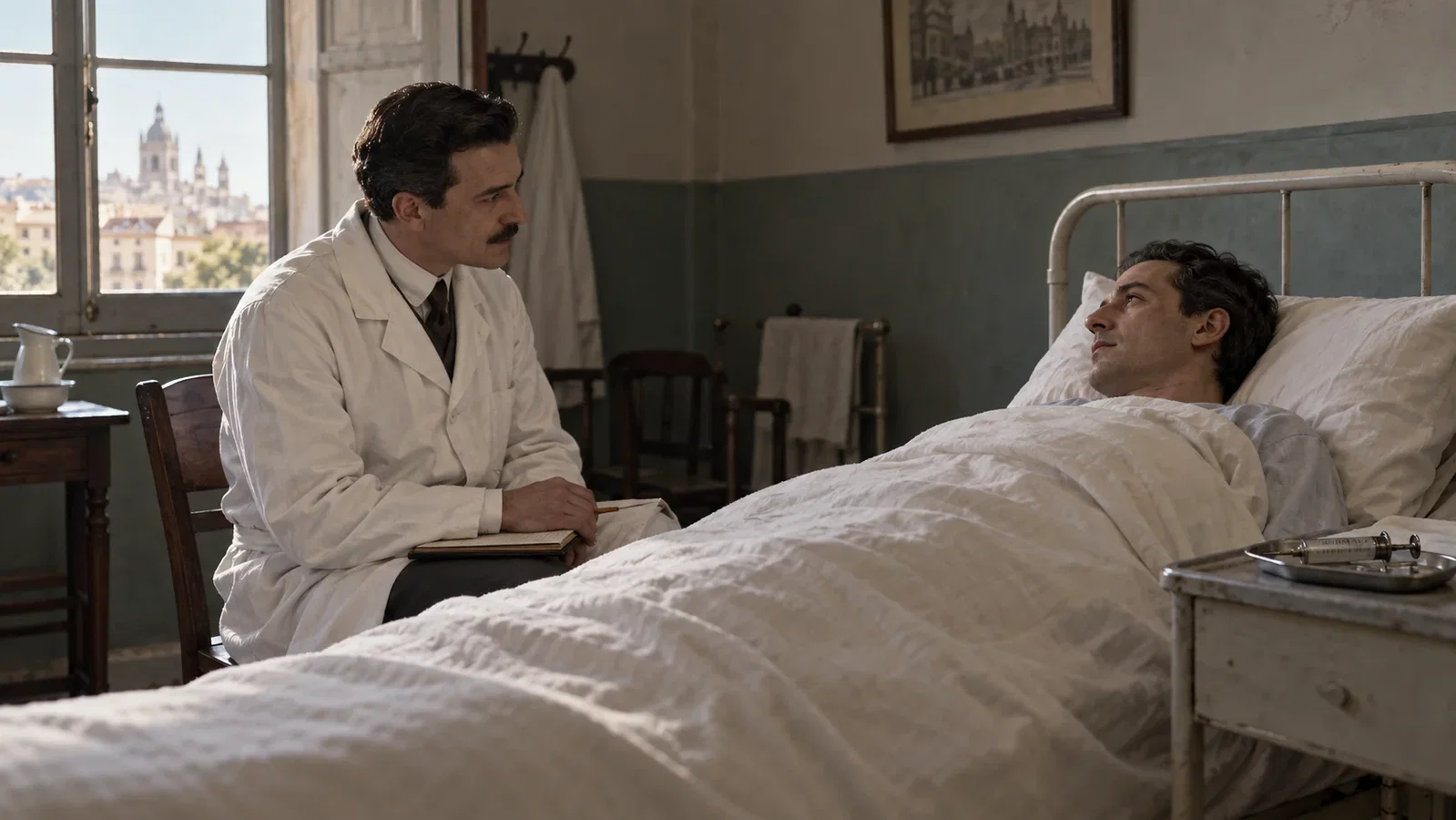
A 1921 report recorded operations, failures and a serious accident together
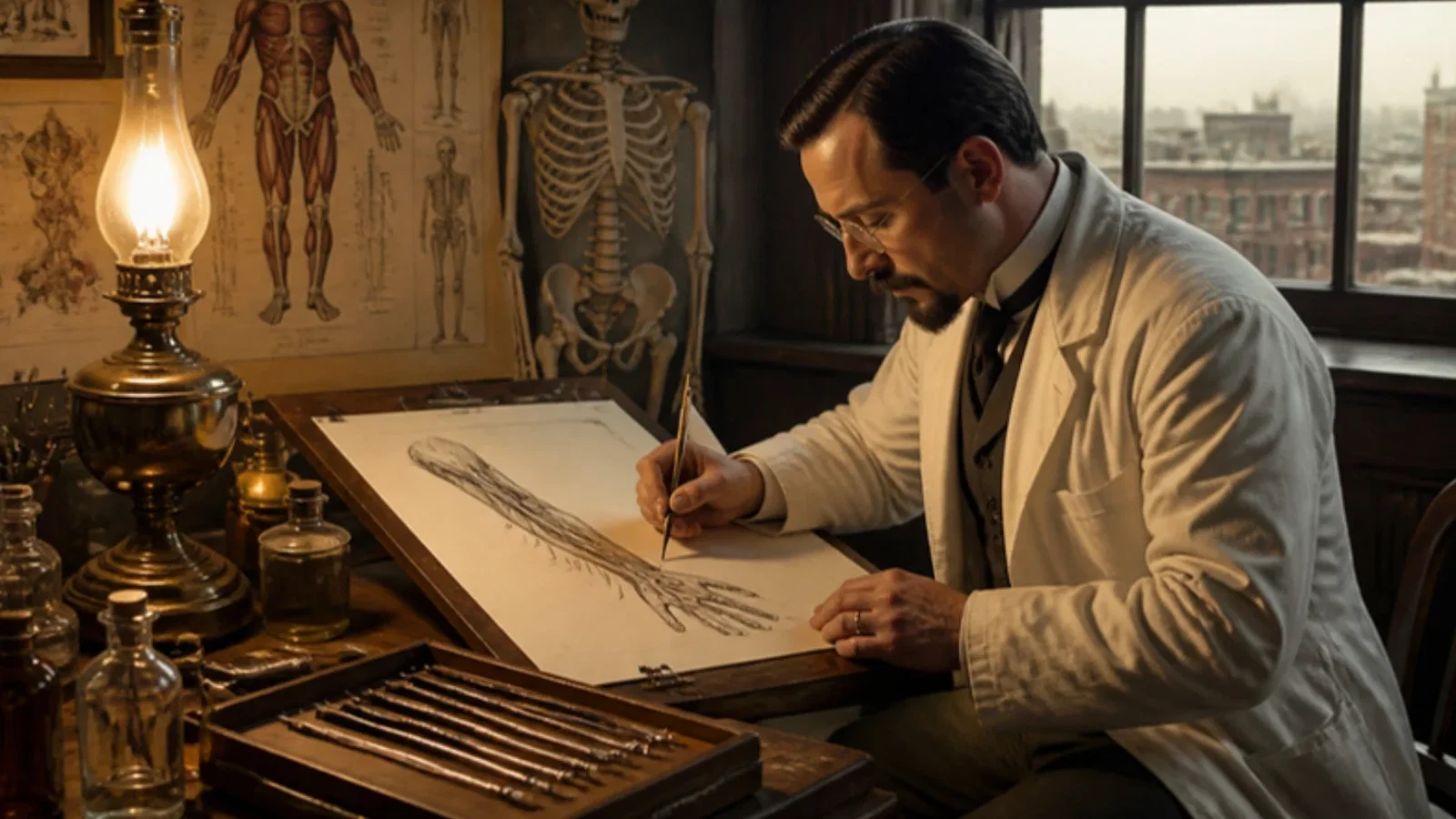
Labat's English textbook, with a foreword by William J. Mayo, defined field-block and nerve-block and insisted on anatomy, proper instruments and experience.
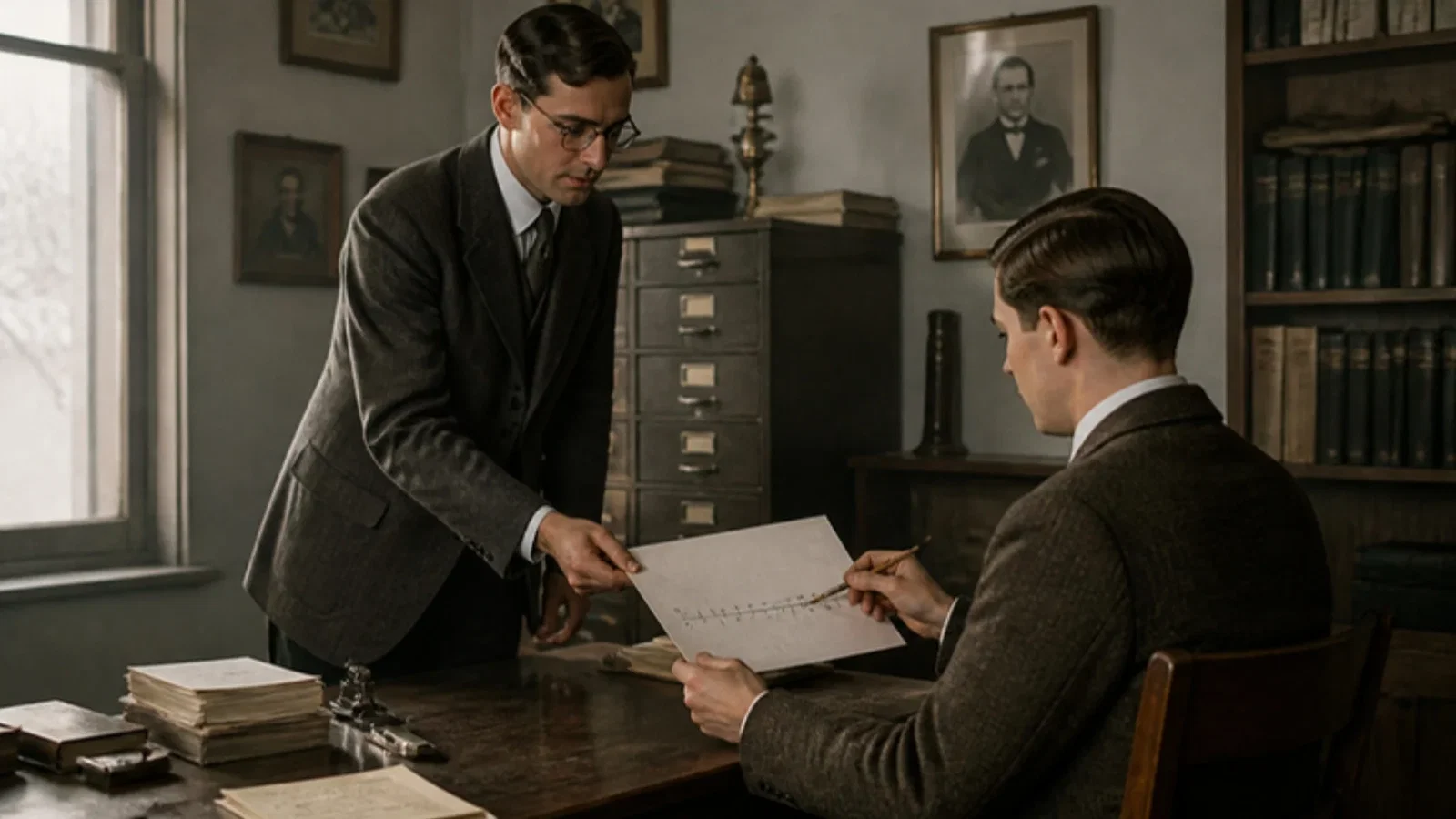
A psychologist's paper on rating traits set out the method later borrowed for pain: a check mark anywhere on a straight line between two described extremes.
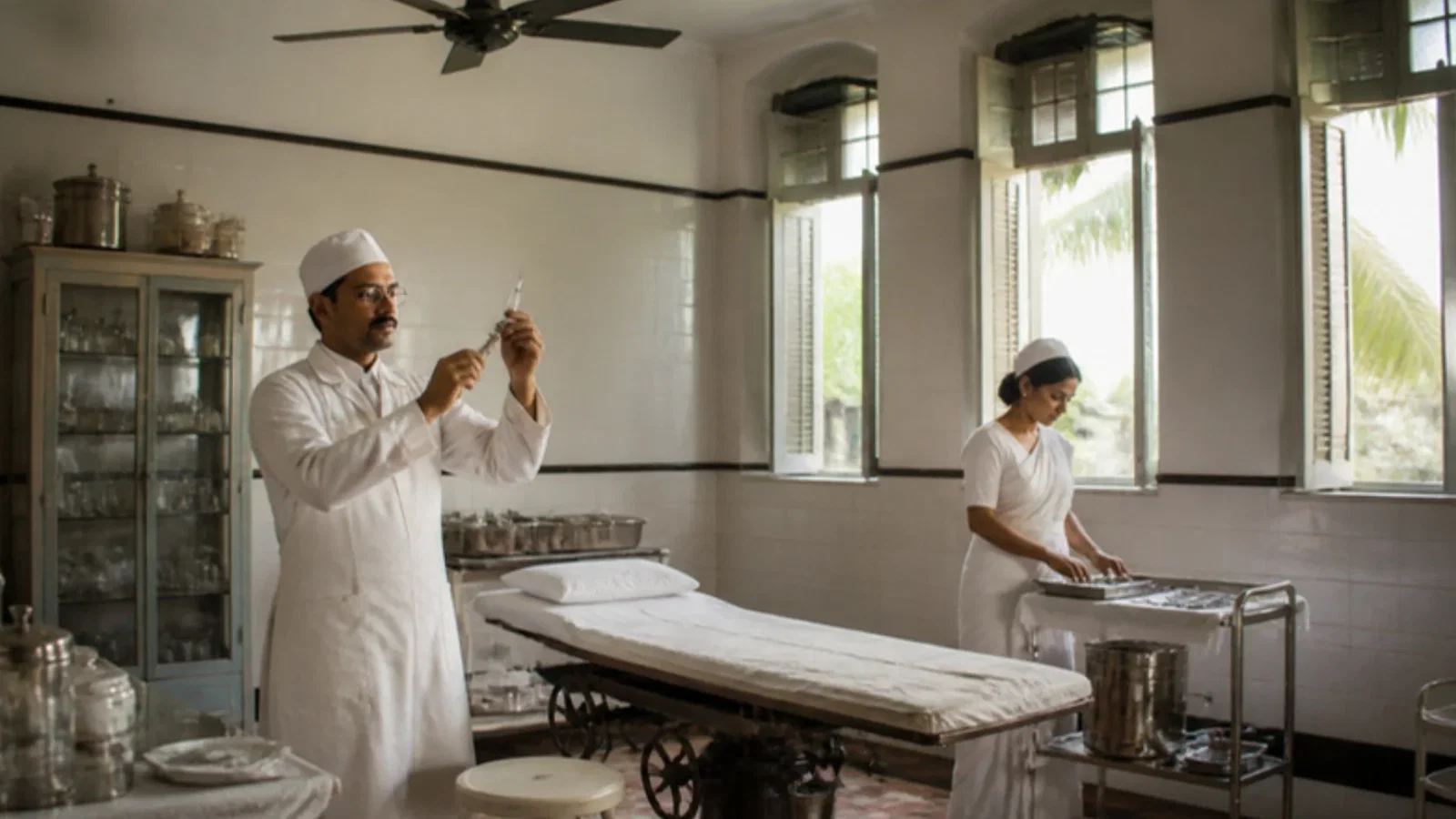
Histories link caudal analgesia in India with Kokatnur of Belgaum from 1924; Kokatnur's 1944 paper reported not less than 400 cases.
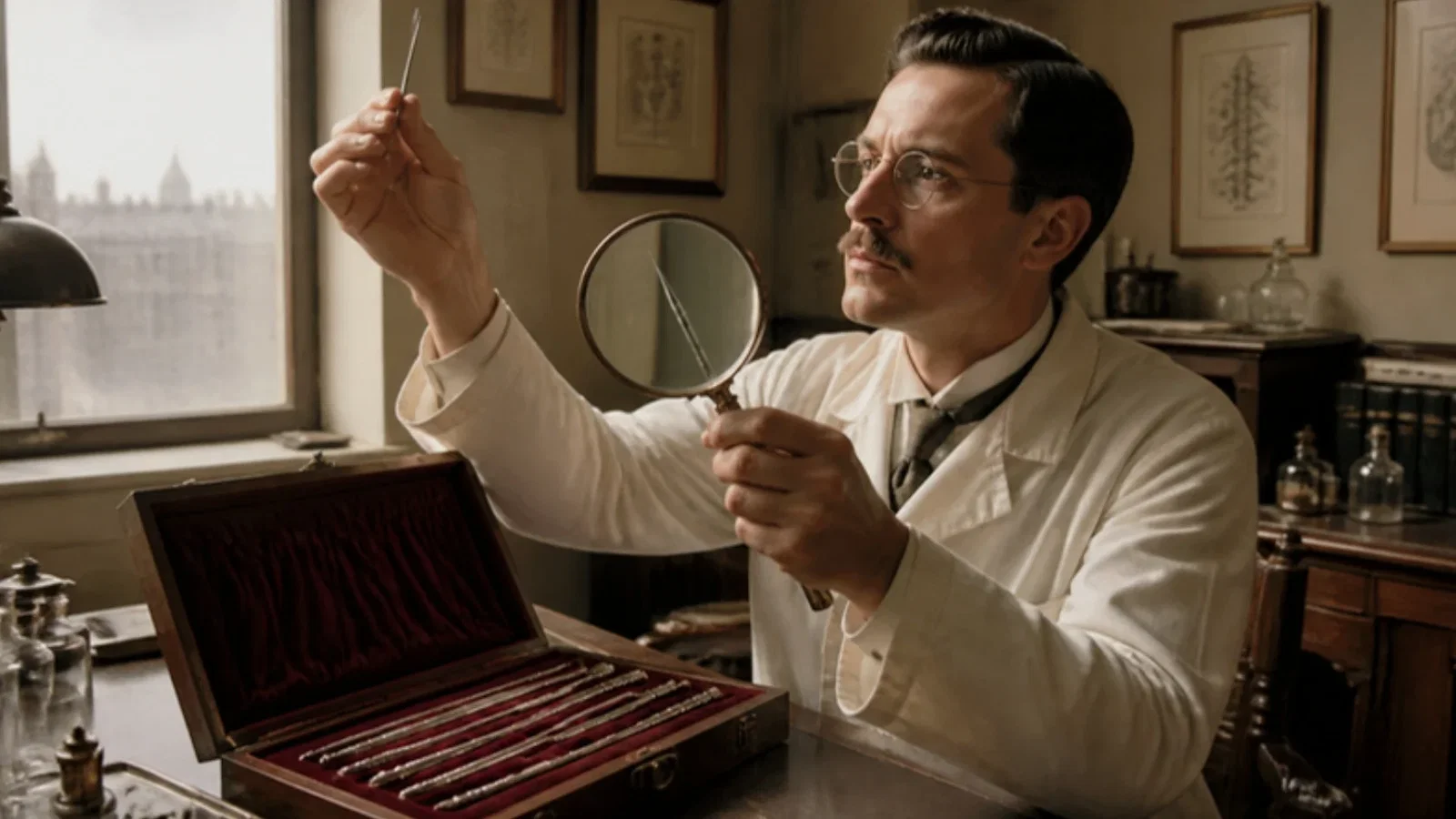
An idea of parting the dural fibres instead of cutting them, carried from office lumbar puncture to spinal anaesthesia
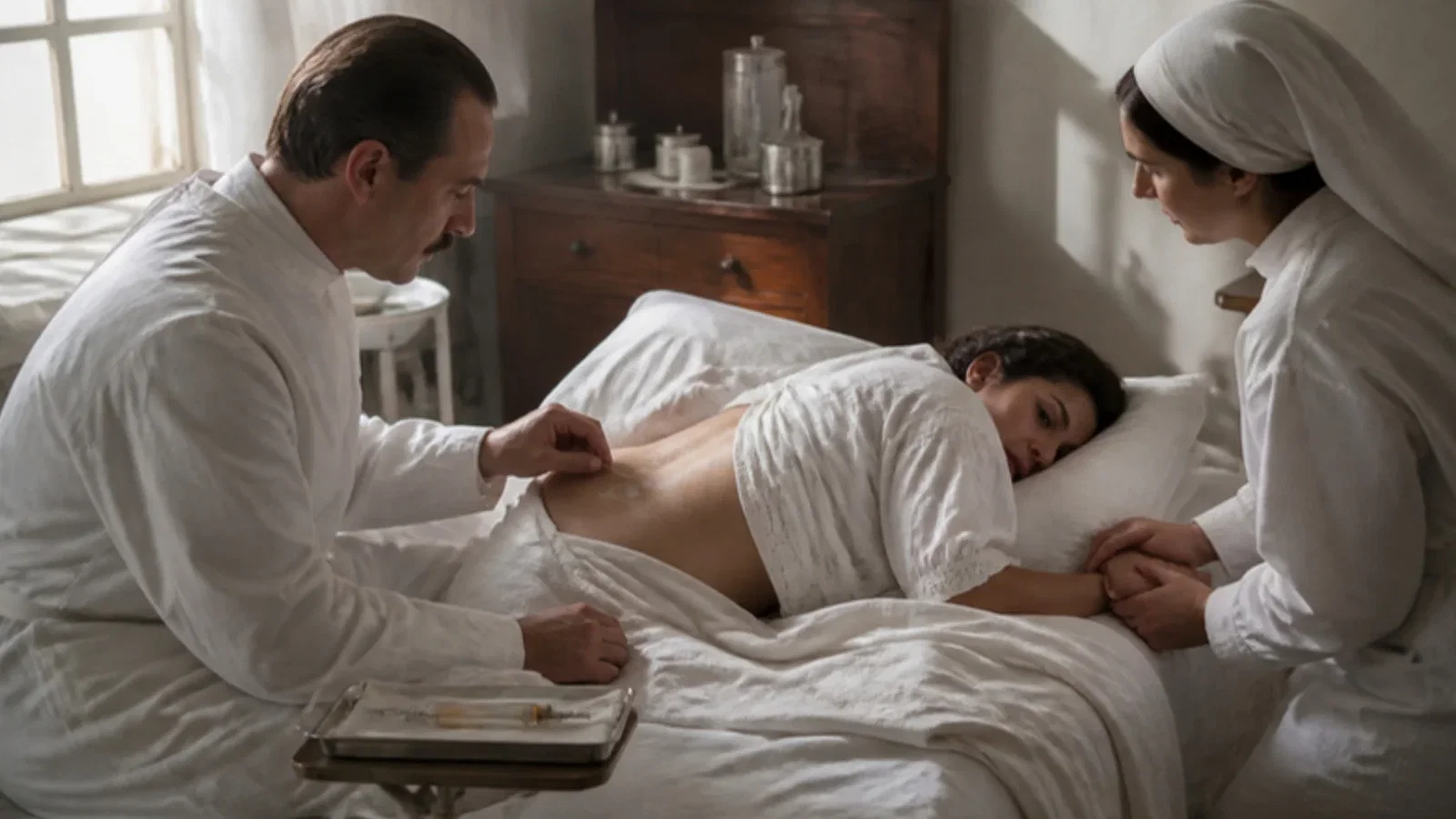
Aburel moved from skin injections and a plexus block to a thread-like catheter passed through a trocar and left in place for repeated doses.
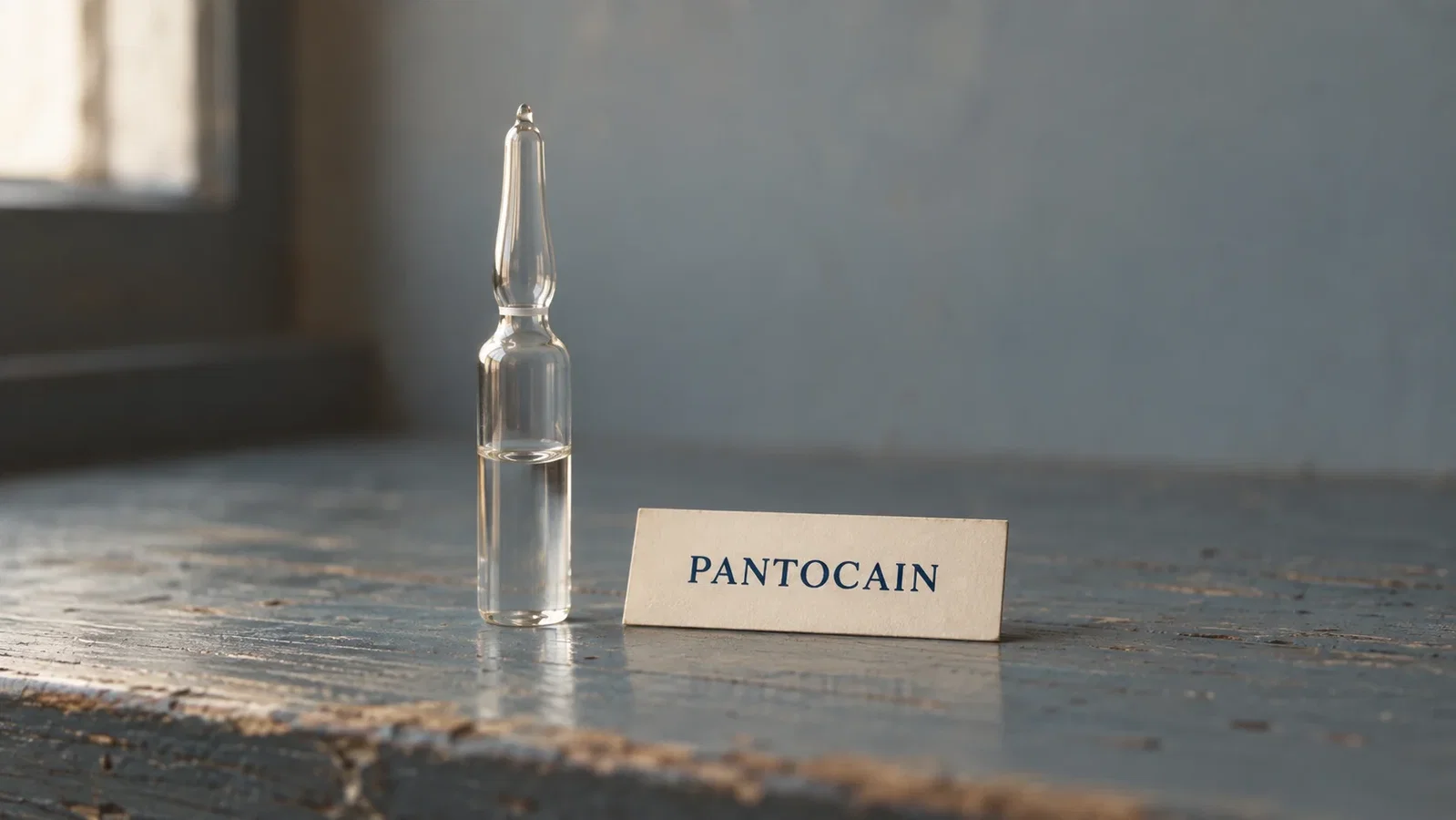
A 1932 eye report separates chemical modifications, clinical observations and unanswered questions about toxicity
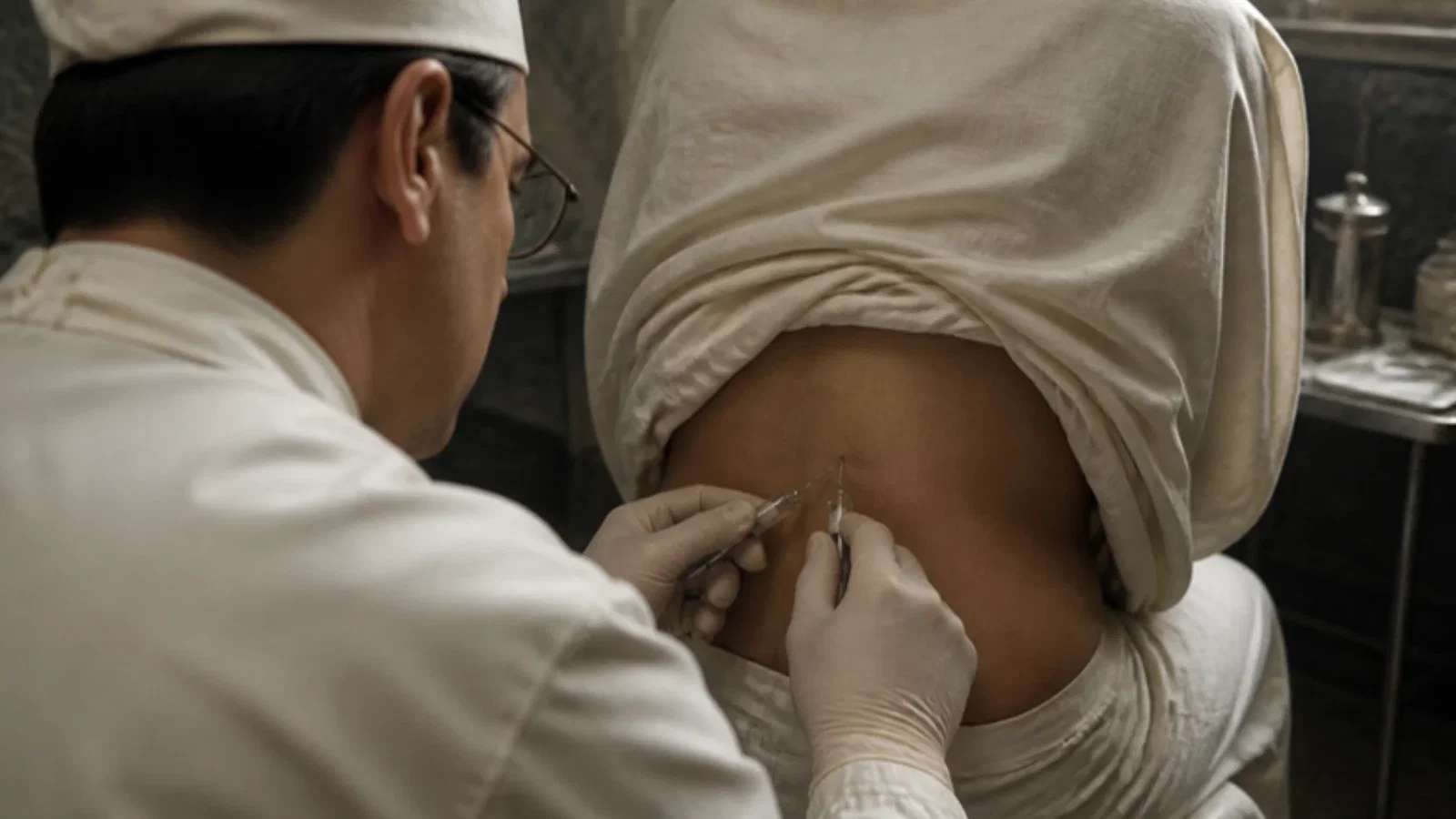
The hanging drop sign for the epidural space is credited to Gutiérrez of Buenos Aires; Gutiérrez's papers could not be read, so later theses and reviews tell the story.
Topic guide updated October 30, 2026.