
The work of building a specialty
Meet clinicians, educators, patients and professional communities across places and institutions. Their stories extend beyond a list of individual firsts.
Reading Library · Explore the Connections
Explore this topic
Topics overlap. An essay may appear in more than one collection.
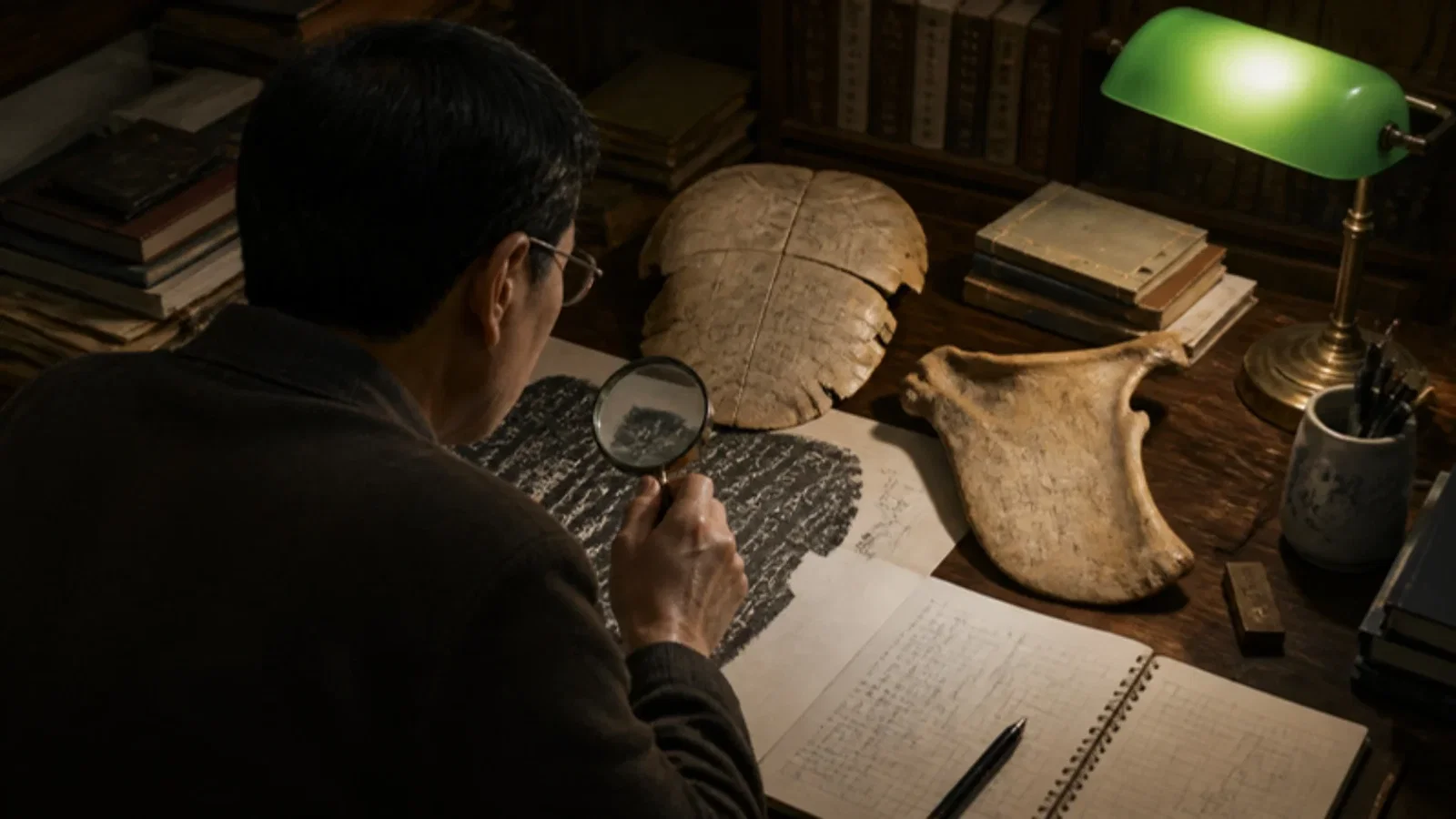
Hu Houxuan read acupuncture into three oracle-bone glyphs; in 2001 Li Zong-kun found the claims, including a story of painless tooth extraction, unconvincing.

Reading an ancient word through two passages of the Timaeus

Two histories, the Records of the Three Kingdoms and the History of the Later Han, say that Hua Tuo's patients drank mafeisan and lost awareness before surgery, but neither records its ingredients, a dated operation or a checkable outcome.
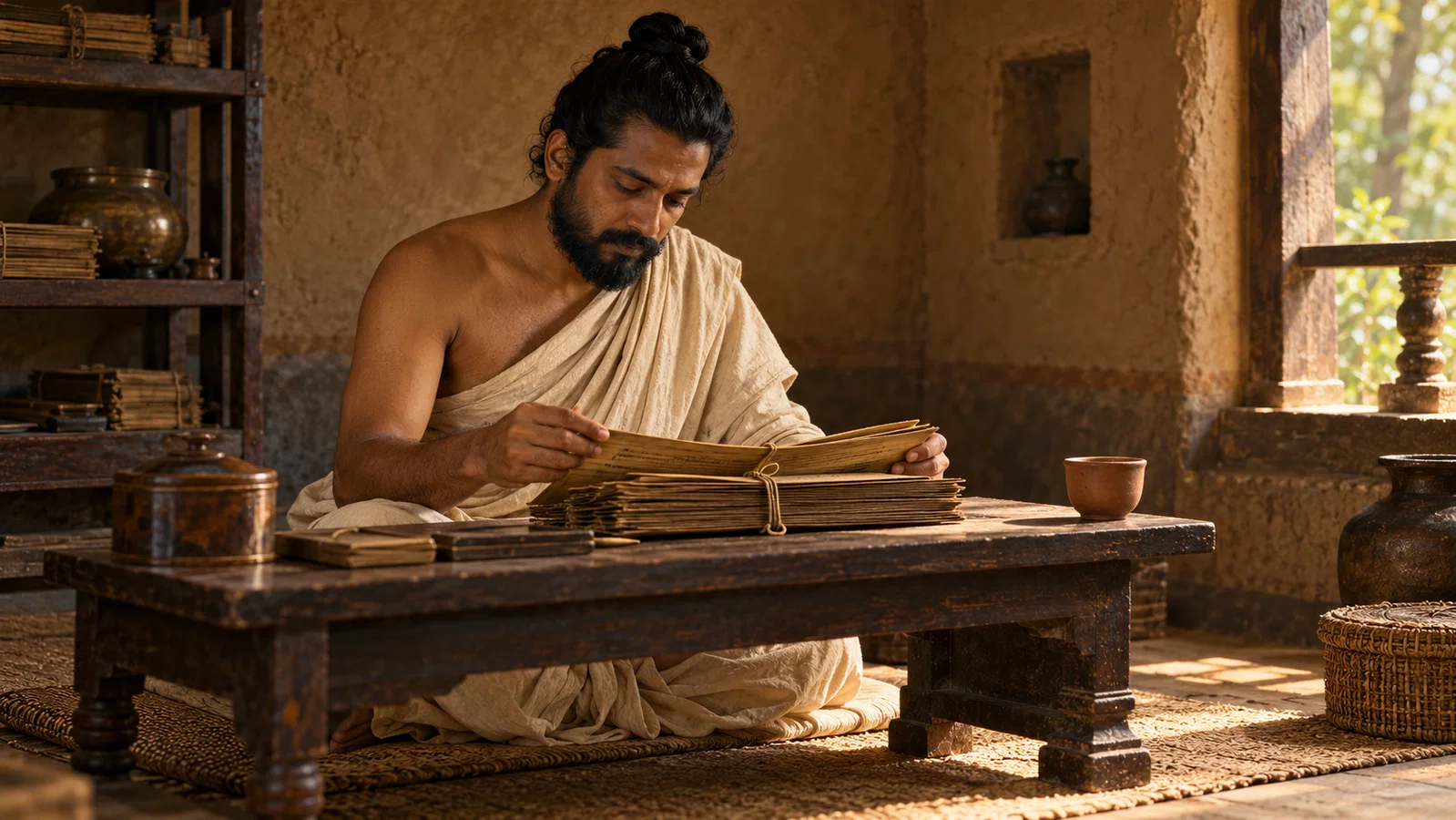
A 1907 English translation of the Sushruta Samhita advises giving strong wine before an operation, if the patient is used to it, so that pain is not felt; the passage is a textual instruction, not a record of a first anesthetic.
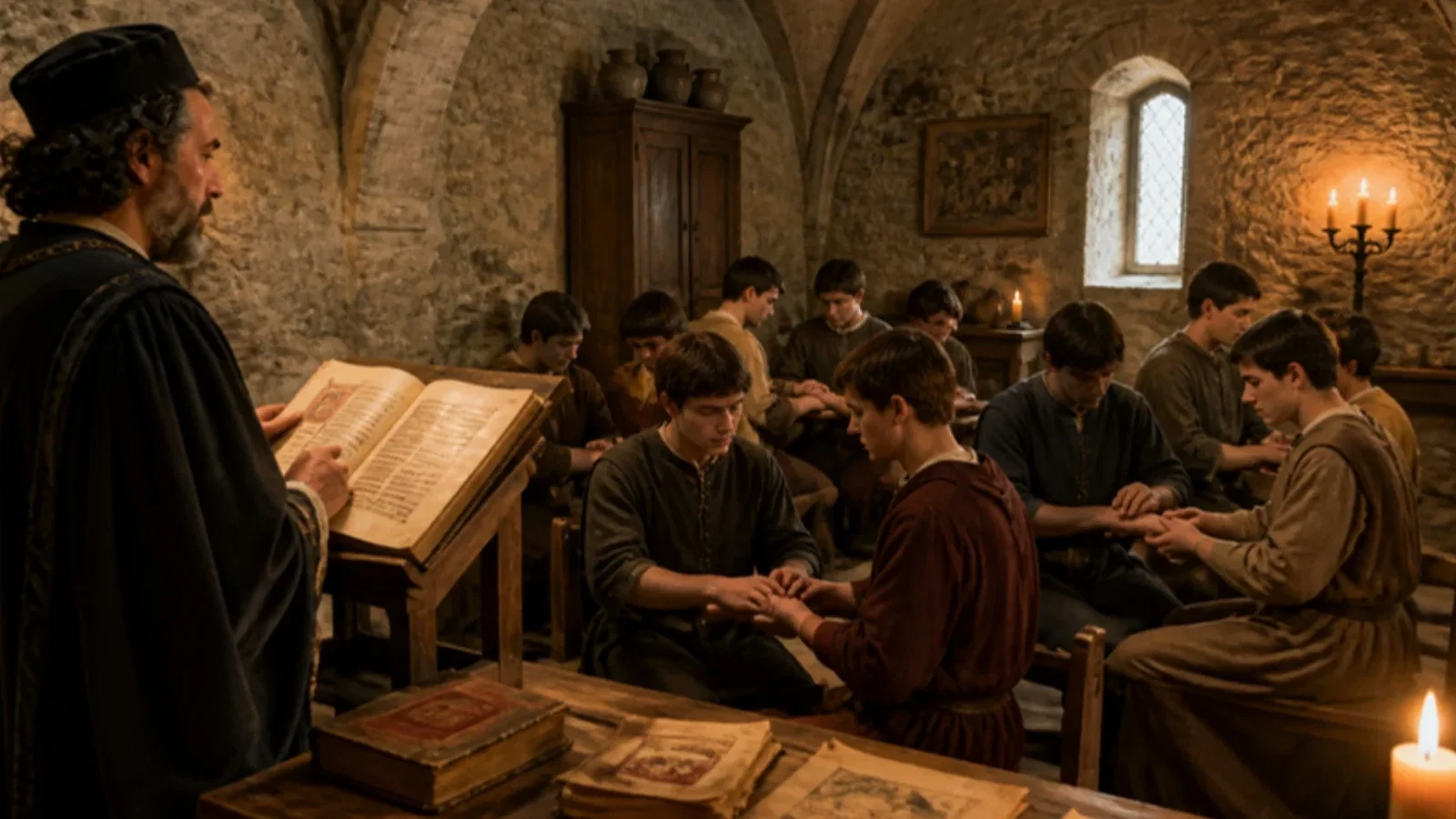
A Salerno-trained physician to King Philip Augustus put the reading of the pulse into 380 Latin hexameters, a poem that students copied, memorised and annotated for centuries.
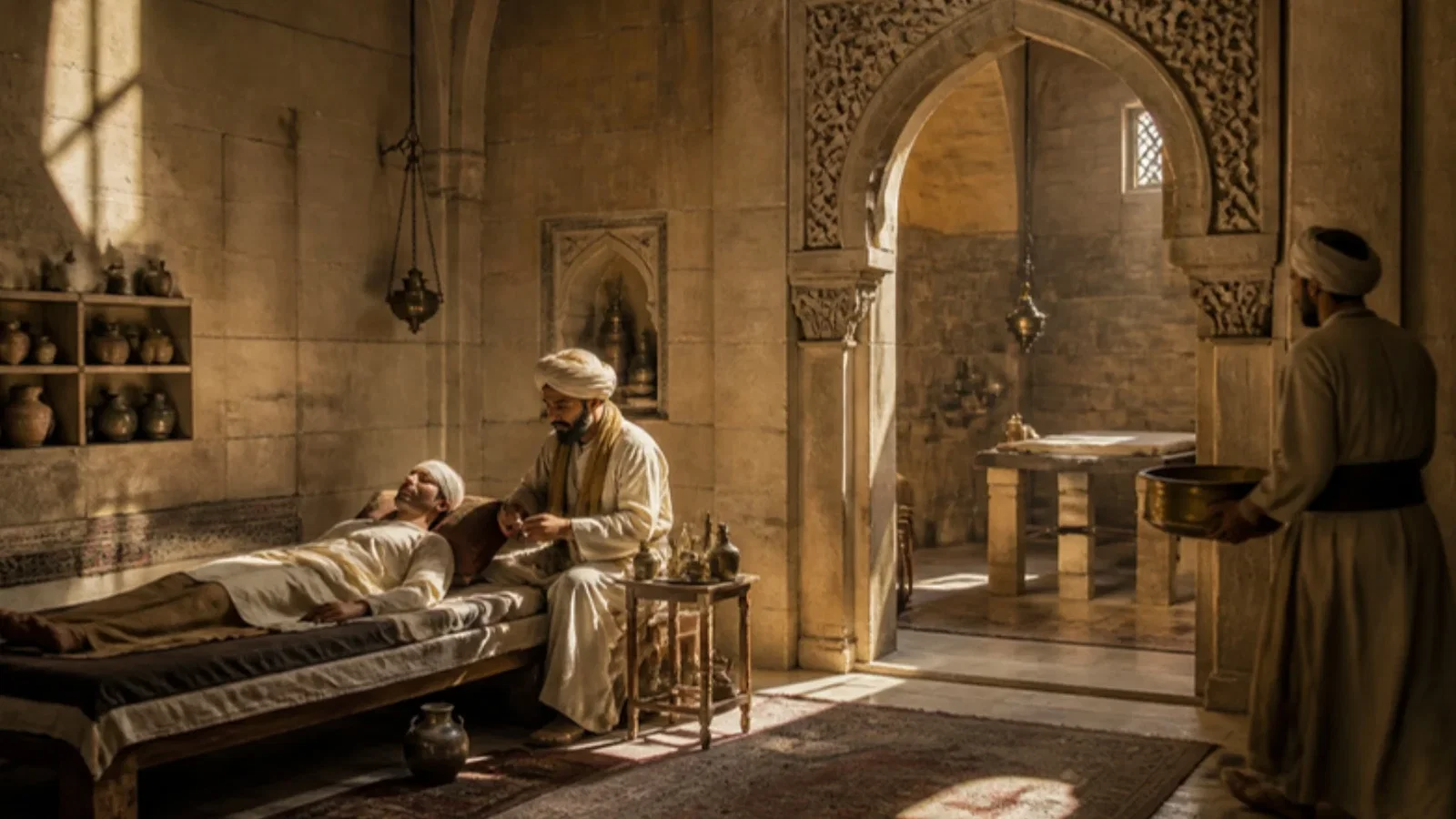
In a 2006 article, two anaesthesiologists pointed to a room labelled the induction room beside the operating room of a hospital built in Kayseri in 1206, and used it to argue for block rooms in modern practice.
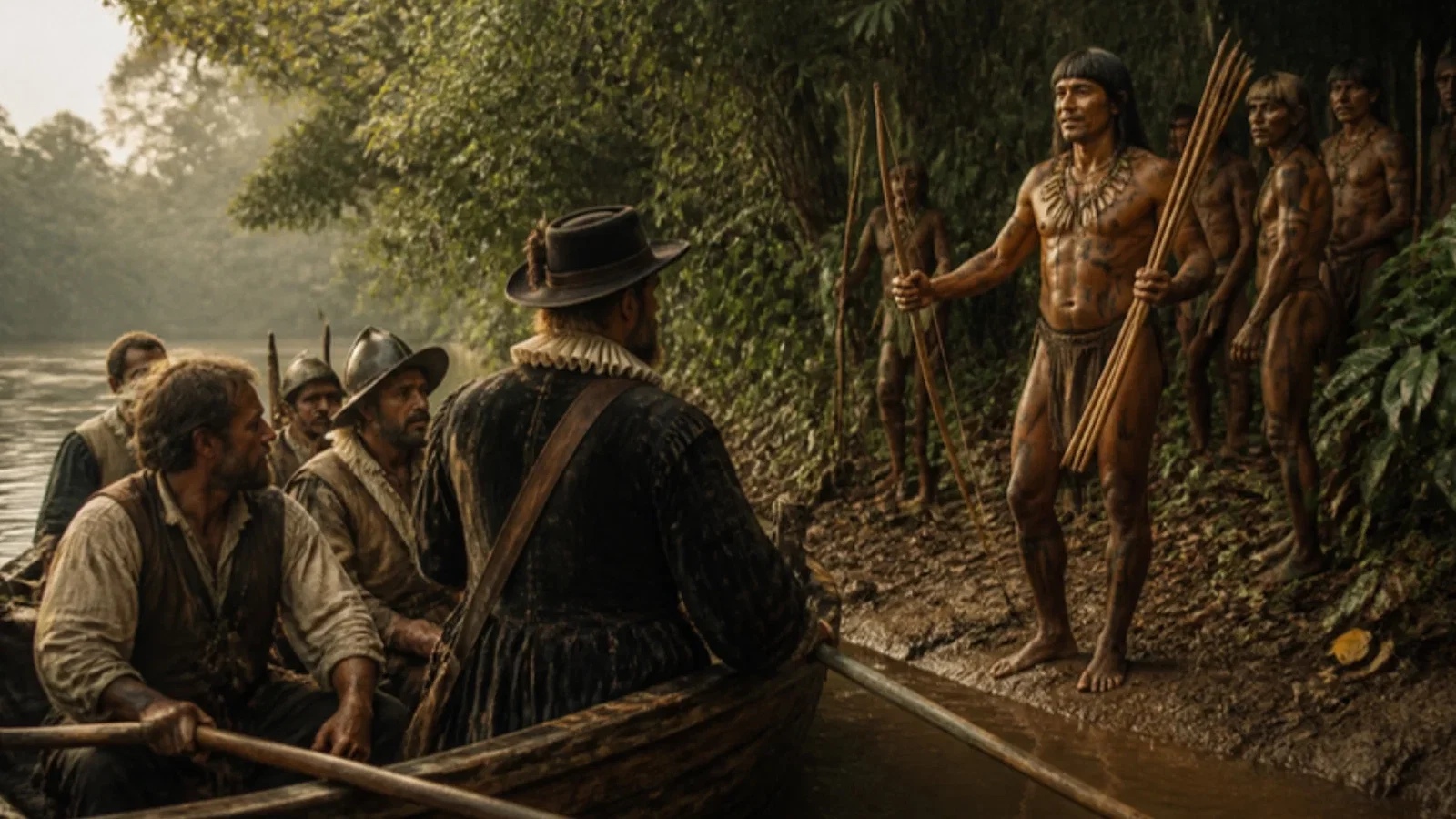
Ralegh's 1596 Discoverie of Guiana describes arrow poison causing torment and madness, with a cure kept by priests; the symptoms do not match curare's quiet paralysis.

In 1664 the Hamburg physician Johann Daniel Major published a short Latin book proposing to infuse medicines into a vein; he called it a conjecture awaiting experiments, and the claim of a successful operation in 1662 remains unverified.
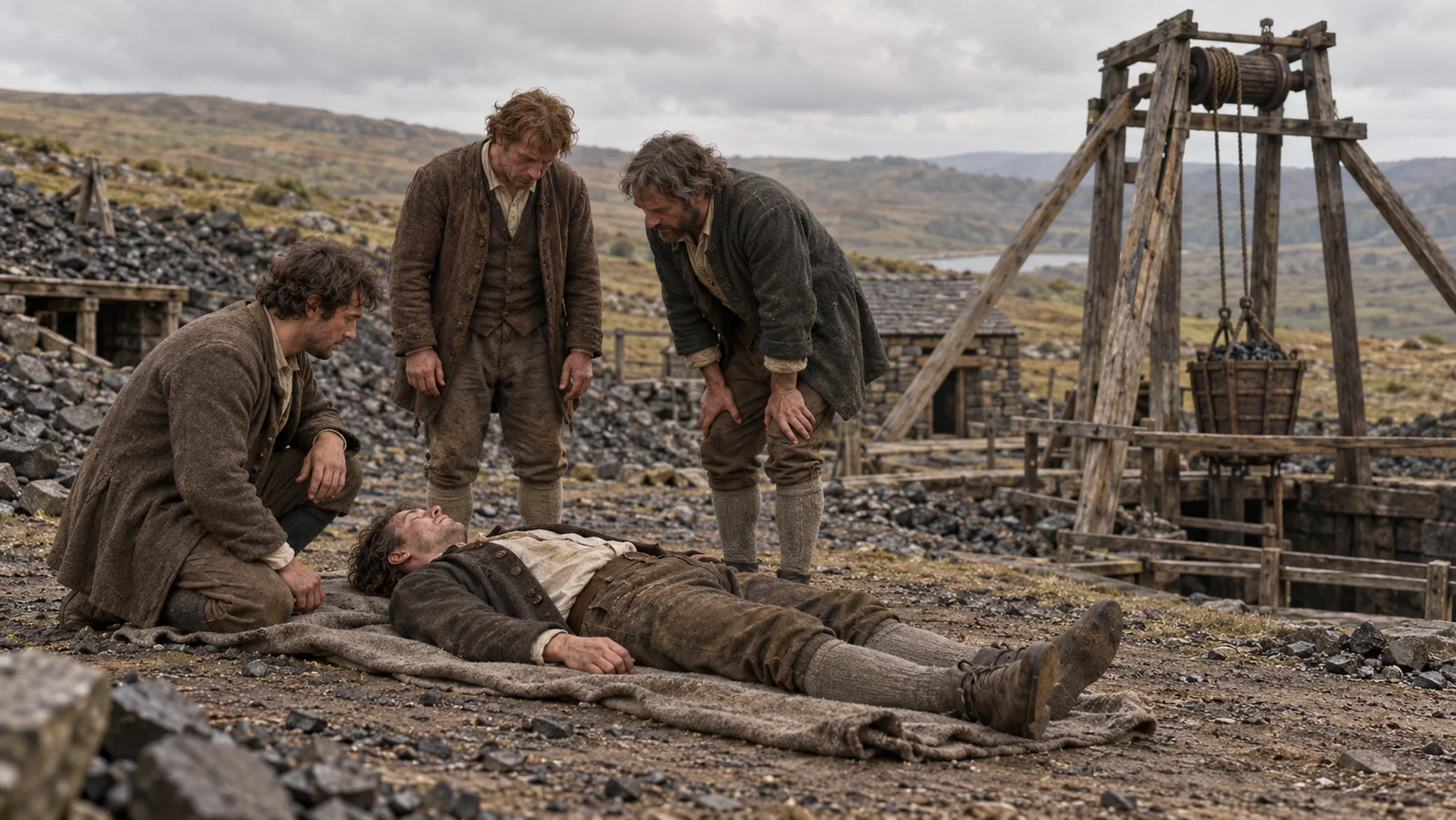
In a paper read at the Royal Society in February 1745, Fothergill summarized Tossach's rescue of a miner by blowing into his mouth and asked readers to try the method and report the results.
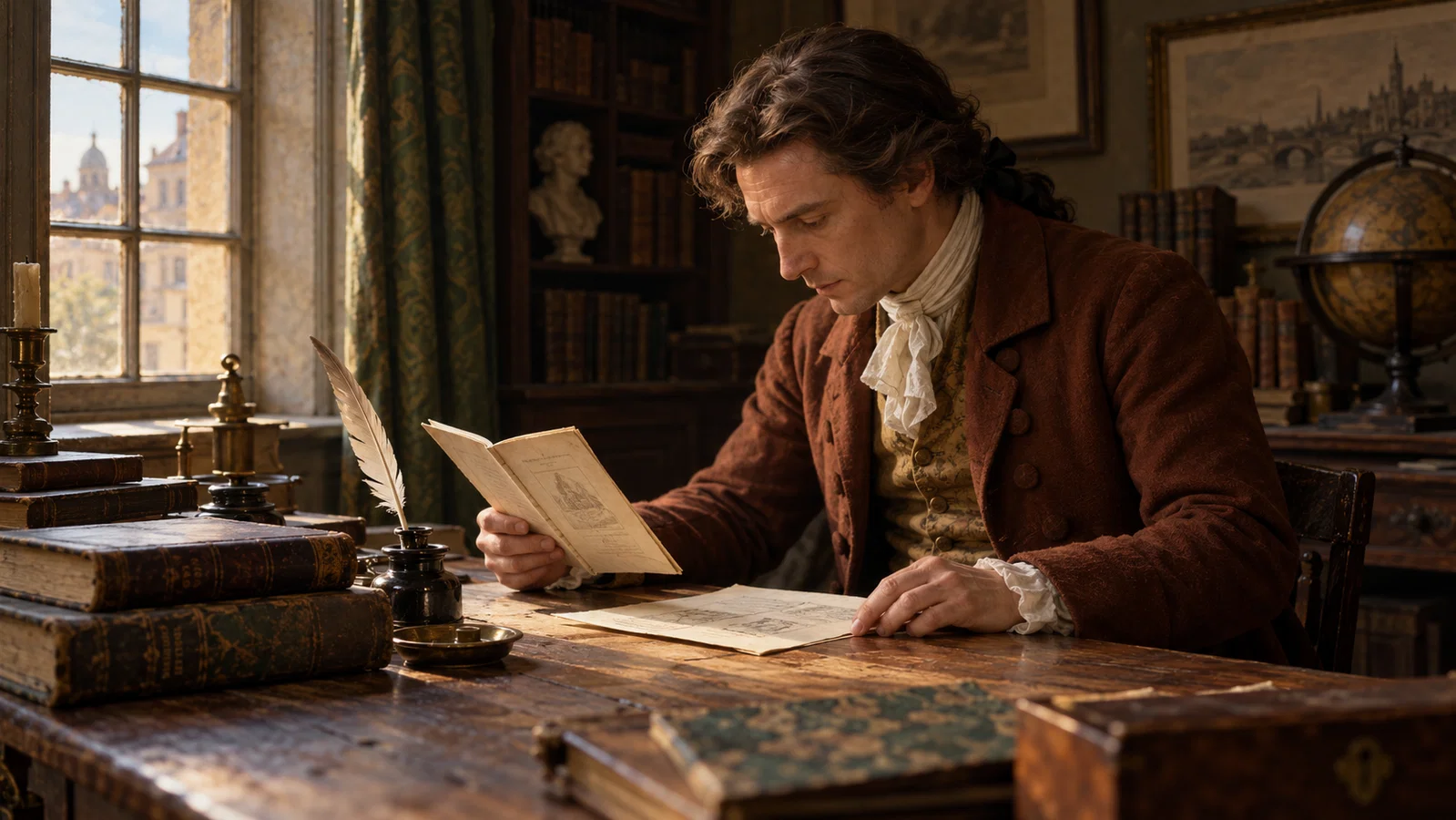
Mesmer's 1779 book claimed a universal fluid that could heal through the nerves; in 1784 a royal commission, testing with blindfolds and sham procedures, found no such fluid and attributed the reactions to touch, imagination and imitation.
In a letter dated 24 December 1793, Thomas Beddoes asked for a dedicated hospital where pneumatic medicine could be tested; by 29 May 1799 he was writing to James Watt about nitrous oxide work under way at the Pneumatic Institution.
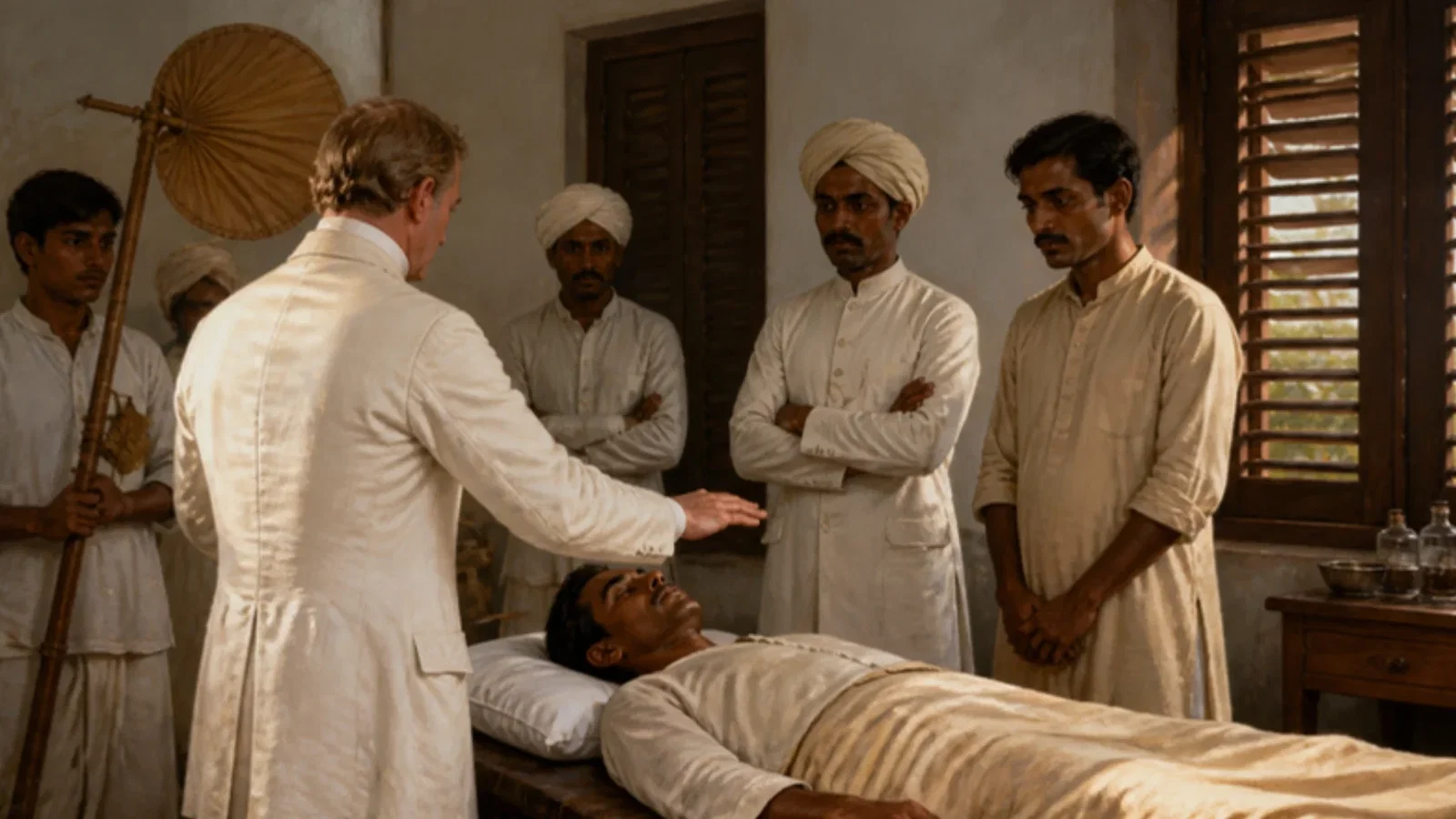
A Bengal civil surgeon tried mesmerism on a convict in pain and reported 73 'painless' operations within eight months; the claims rest on Esdaile's own 1846 book.
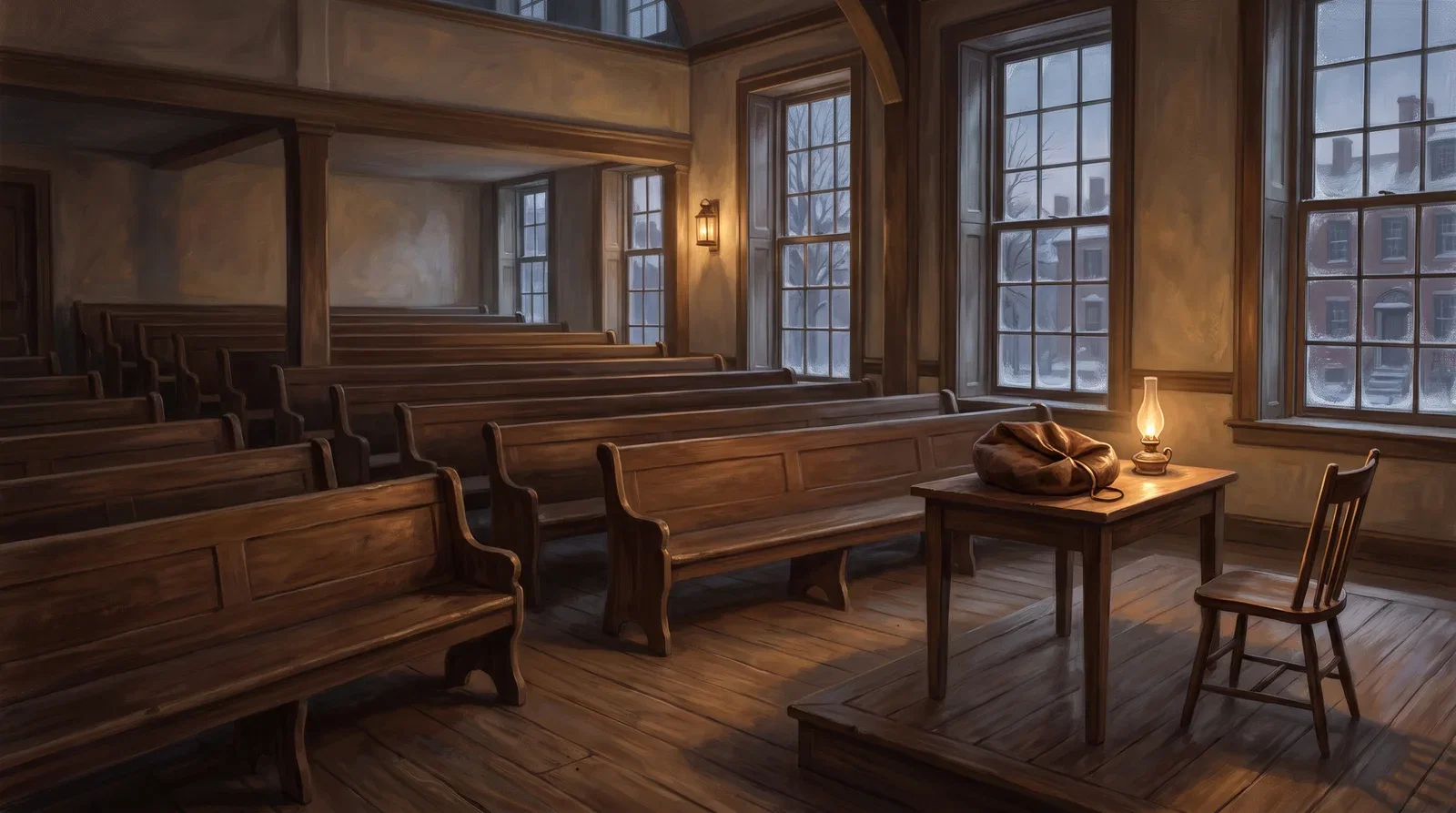
In January 1845 Wells gave nitrous oxide in Boston while a tooth was pulled; the patient reported some pain, and observers called it an imposition.
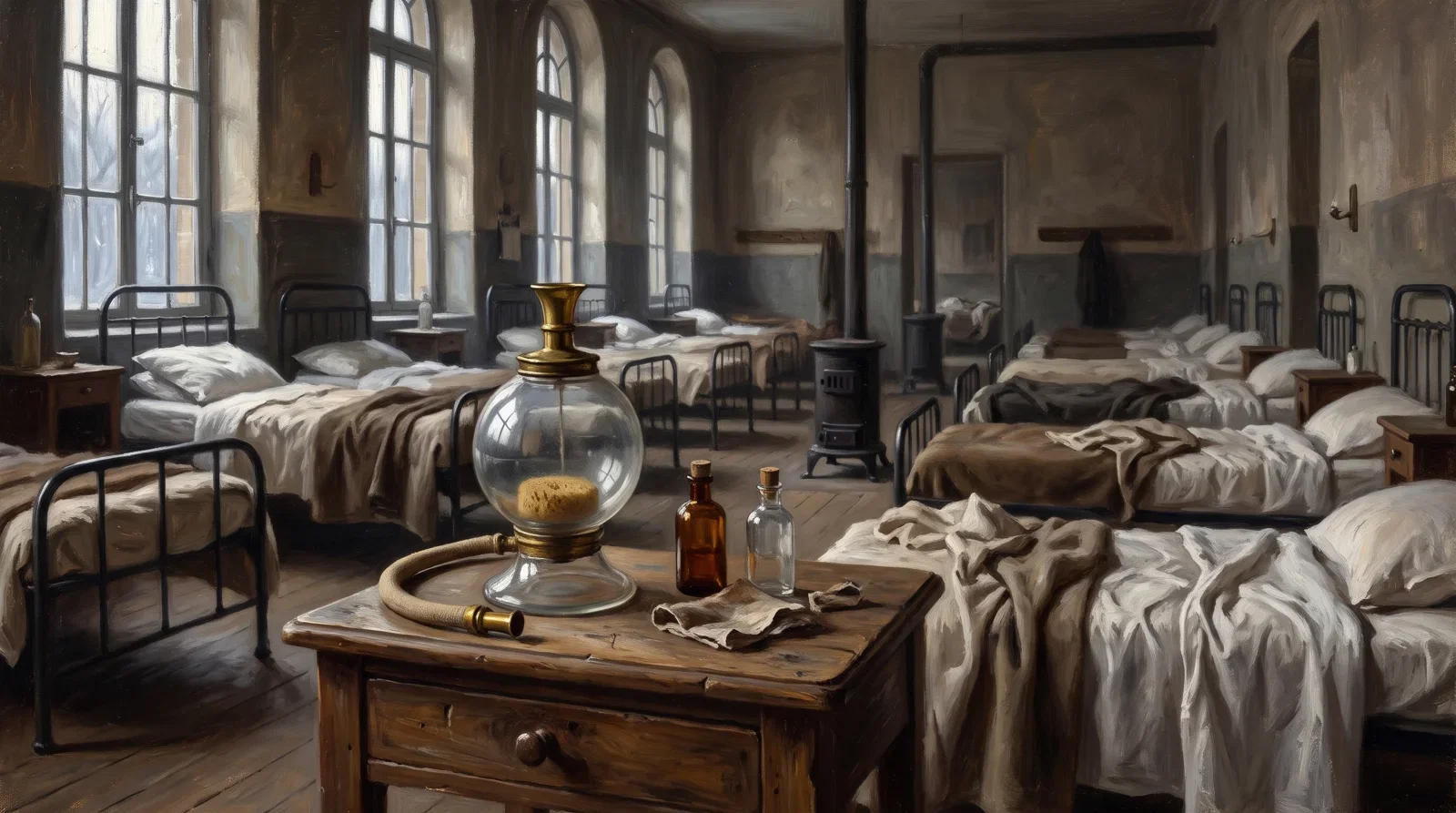
In Paris in December 1846 F. Willis Fisher's first trial of ether on a patient of Jobert's failed; on 23 January 1847, with a Boston inhaler, Fisher gave ether at the Hôtel-Dieu with perfect success.
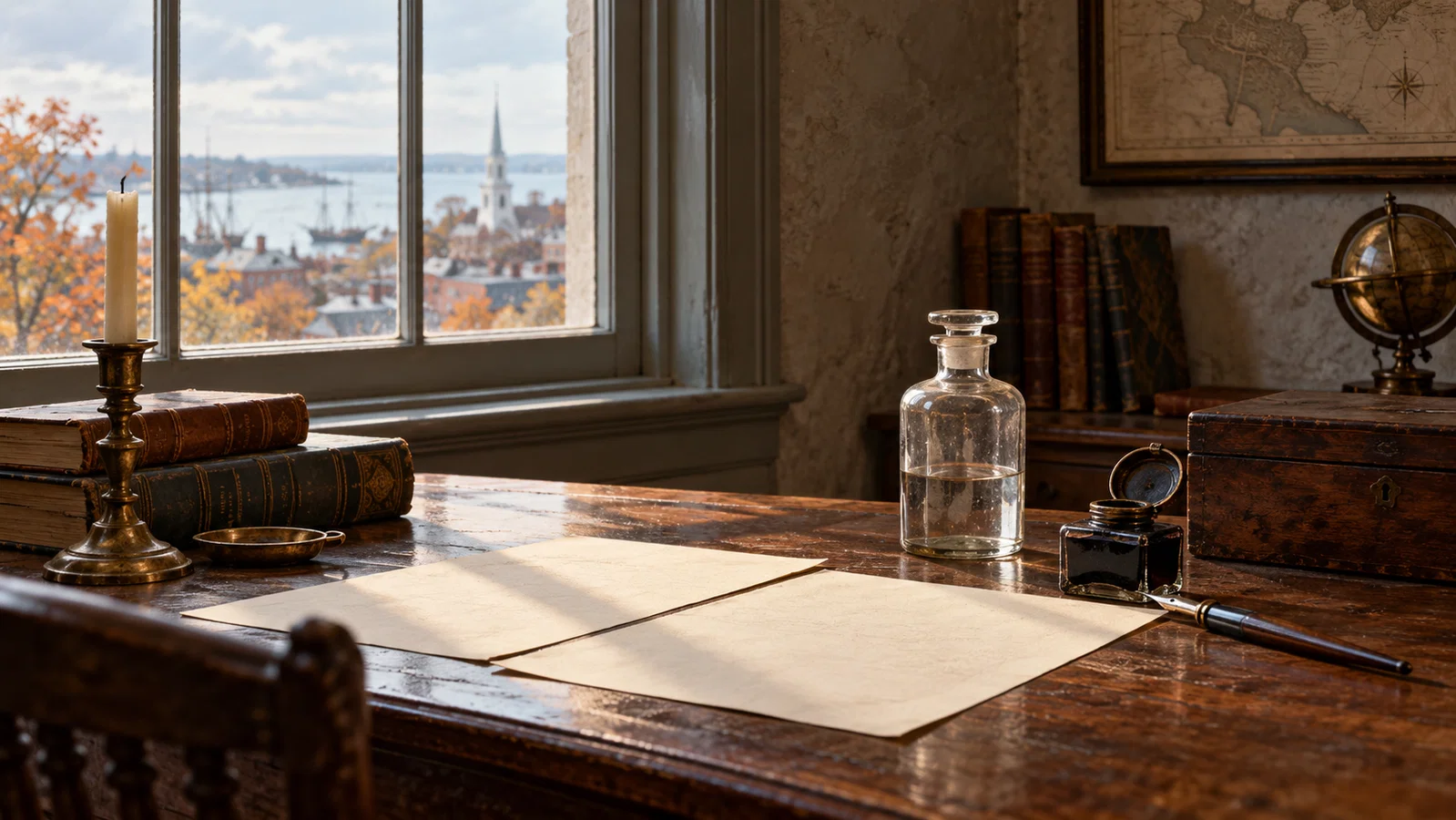
In US patent 4,848, dated 12 November 1846, Jackson and Morton claimed the combination of ether or its vapour with surgical operations to relieve pain, not the substance itself.
In a letter dated 21 November 1846 Oliver Wendell Holmes Sr. proposed anaesthesia, a word already in Good's 1823 nosology, as the name for the state produced by ether.
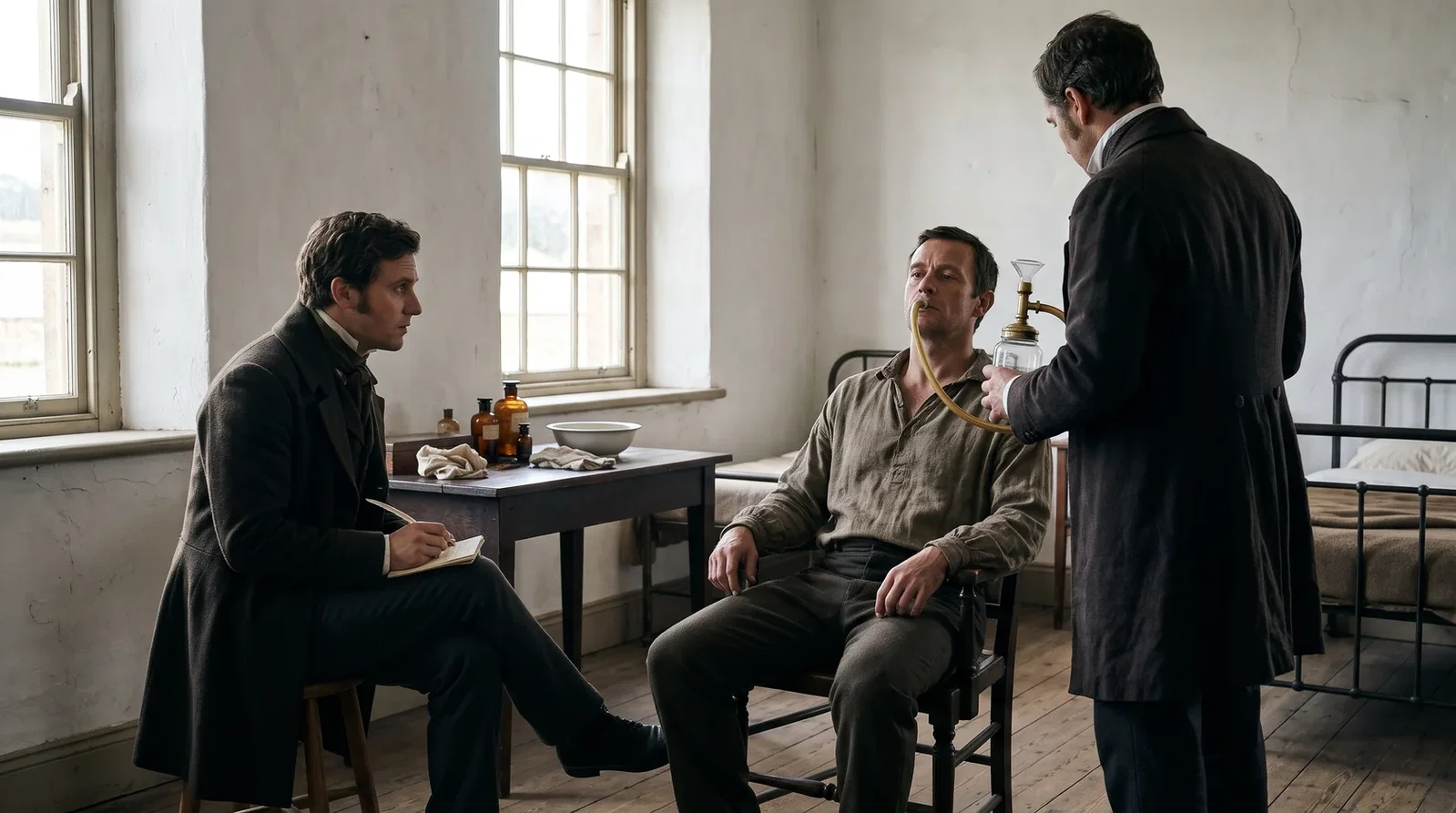
The Launceston Examiner described two operations under ether at St John's Hospital on 7 June 1847; Hobart and Sydney papers reprinted or matched it within a fortnight.
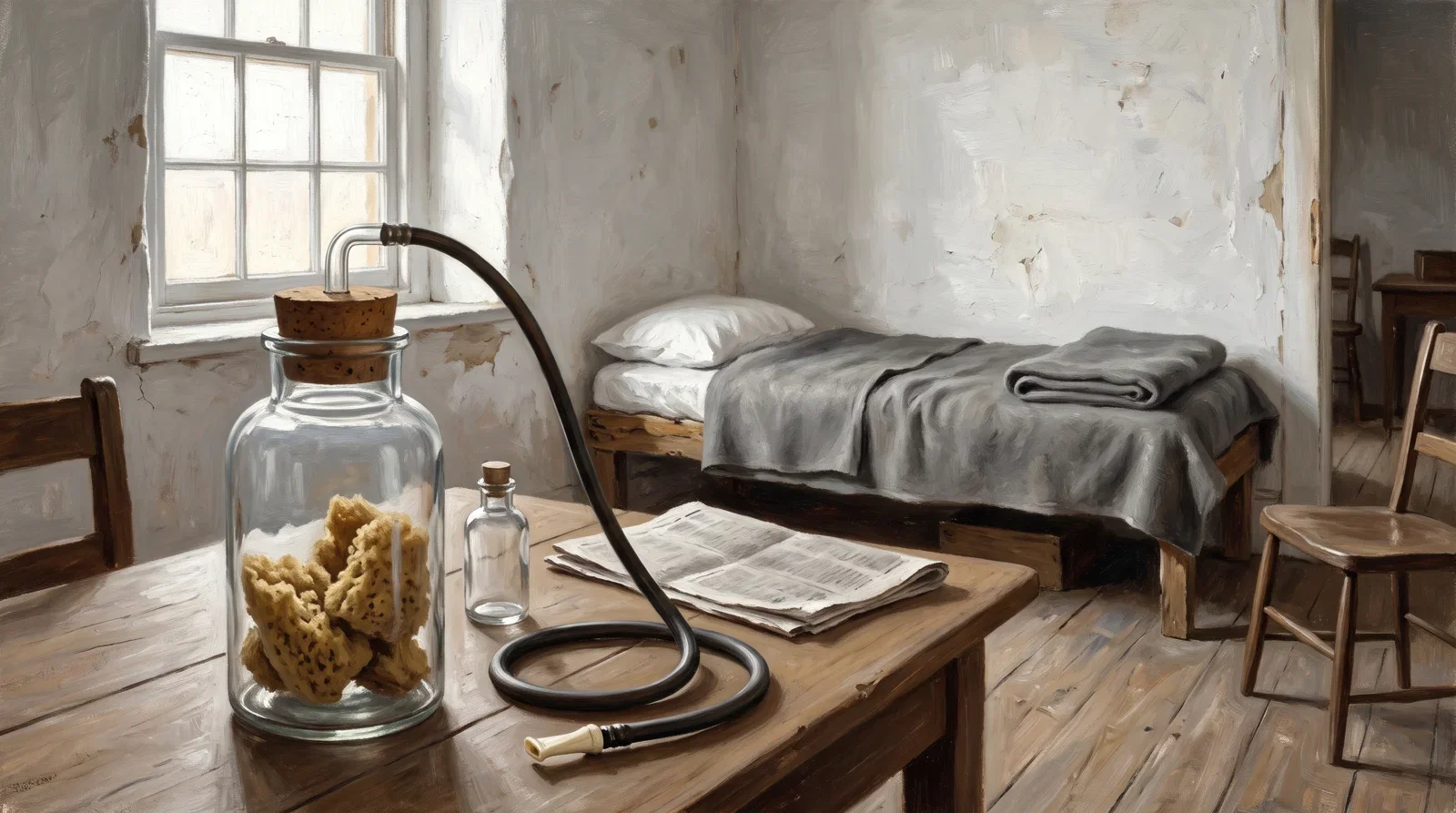
The Grahamstown Journal printed Atherstone's own report of a thigh amputation on a patient who inhaled ether from a wide-mouthed bottle.

In September 1847 ether was tried in Wellington on a prisoner's tooth and on the chief Hiangarere's shoulder tumour; its effect wore off after the third incision.
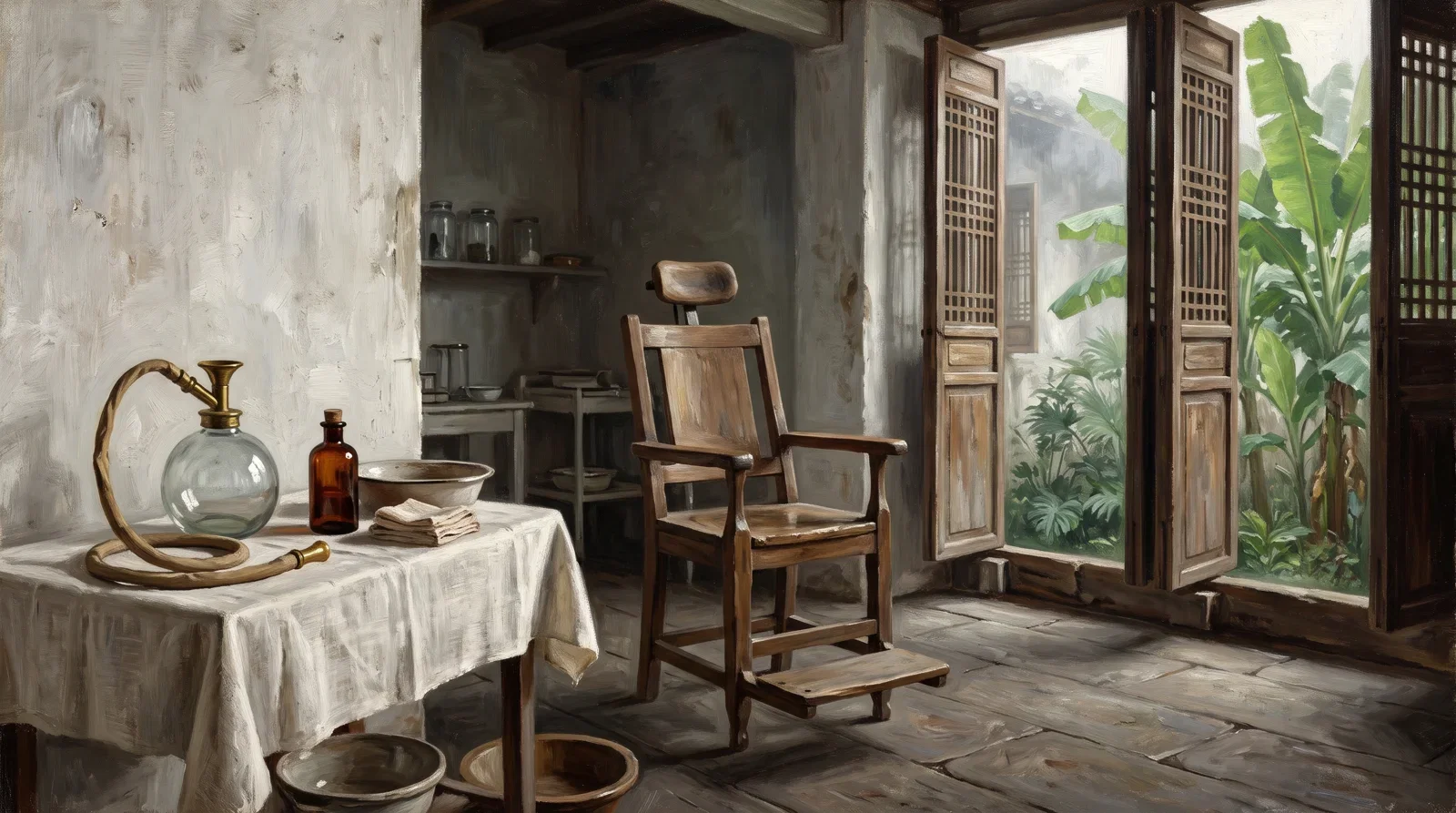
Parker's fourteenth report of the Canton Ophthalmic Hospital, printed in The Chinese Repository, records ether given to Chinese patients during 1847.
Morton's printed statement to a Senate select committee argued for a national reward for etherization against the rival claims of Jackson and Wells.
John Snow's case record of Queen Victoria's labour in April 1853 preserves both the relief chloroform gave and an observation that labour was somewhat slowed.
Writing in 1996, Calmes found that California's new state medical journal, in 1856, already reported anaesthesia in use and two anaesthetic deaths in its opening issue.
The British Army's official medical and surgical history states that in 1855-56 almost no operation except minor ones was done without chloroform.
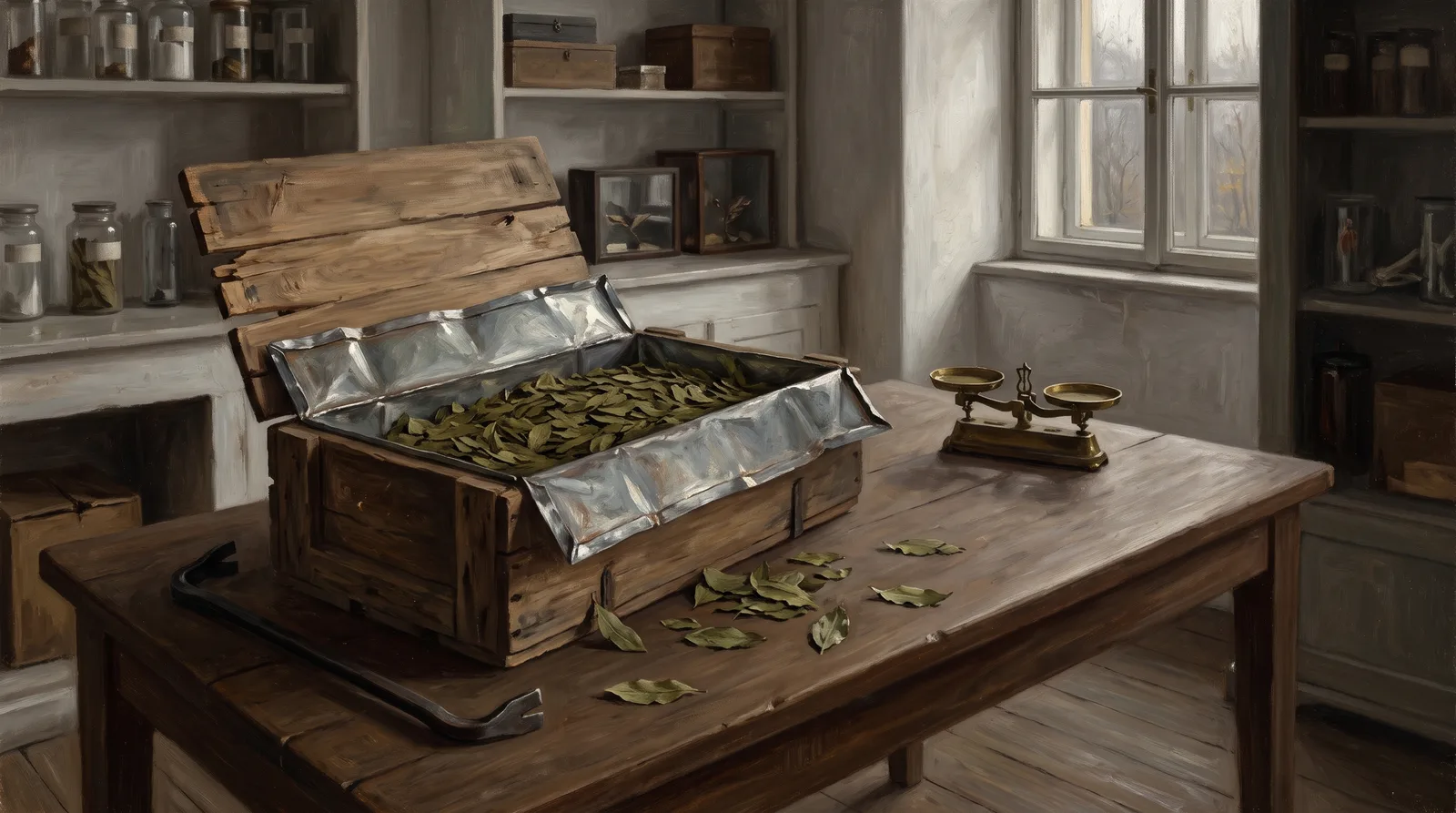
In 1859 Scherzer carried coca leaves from South America to Vienna; Niemann isolated cocaine, but the 1860 report left its effects on animals and people still to be studied.
In 1863 Colton revived nitrous oxide for tooth extraction in New Haven and opened a dental service in New York; Colton's own accounts of its scale disagree.
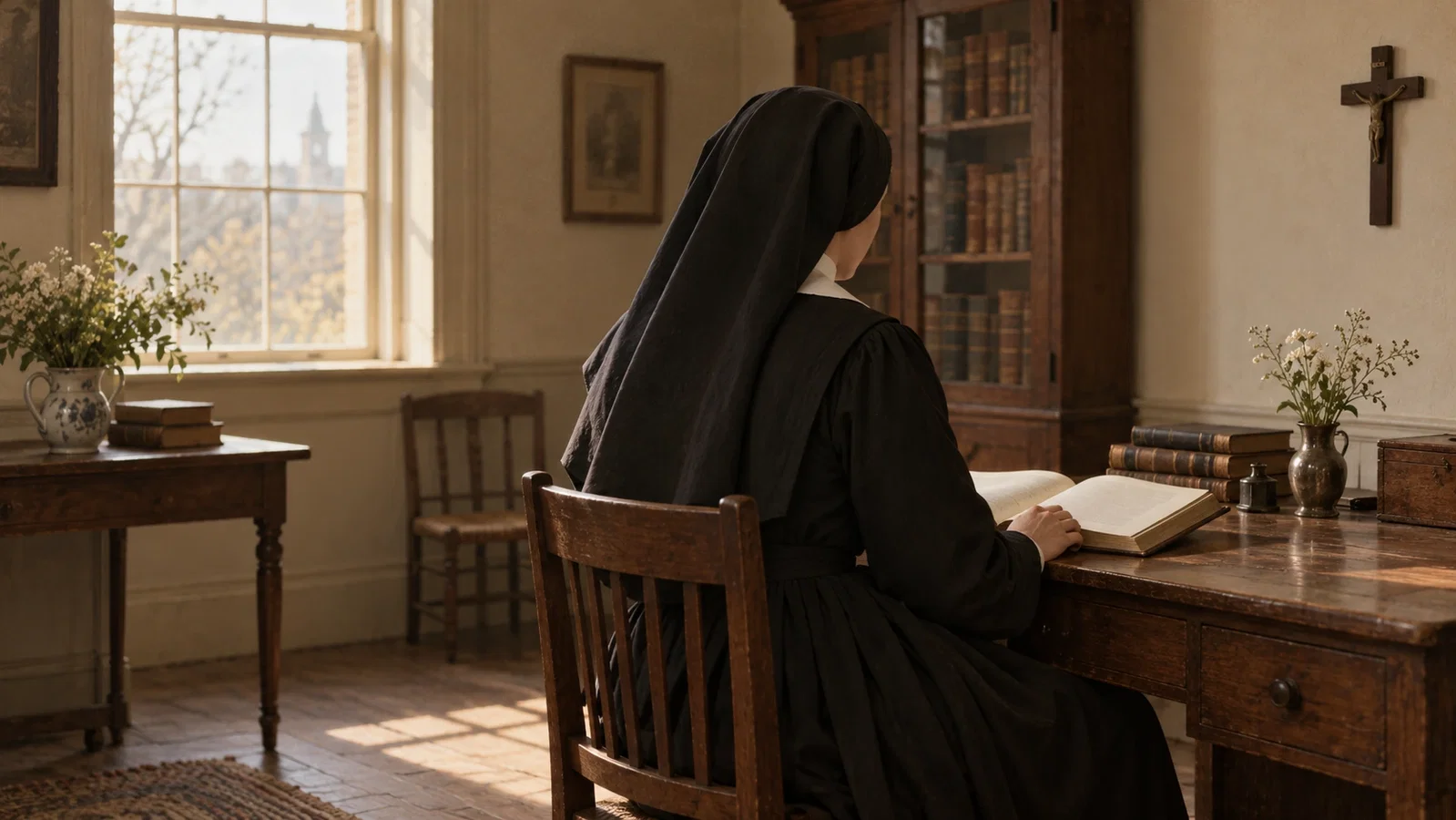
Virginia Thatcher's 1953 history records that Sister Mary Bernard entered St. Vincent's Hospital in Erie to study nursing in 1877 and within the year took on anesthetic duties, citing a personal communication from the Wichita congregation.
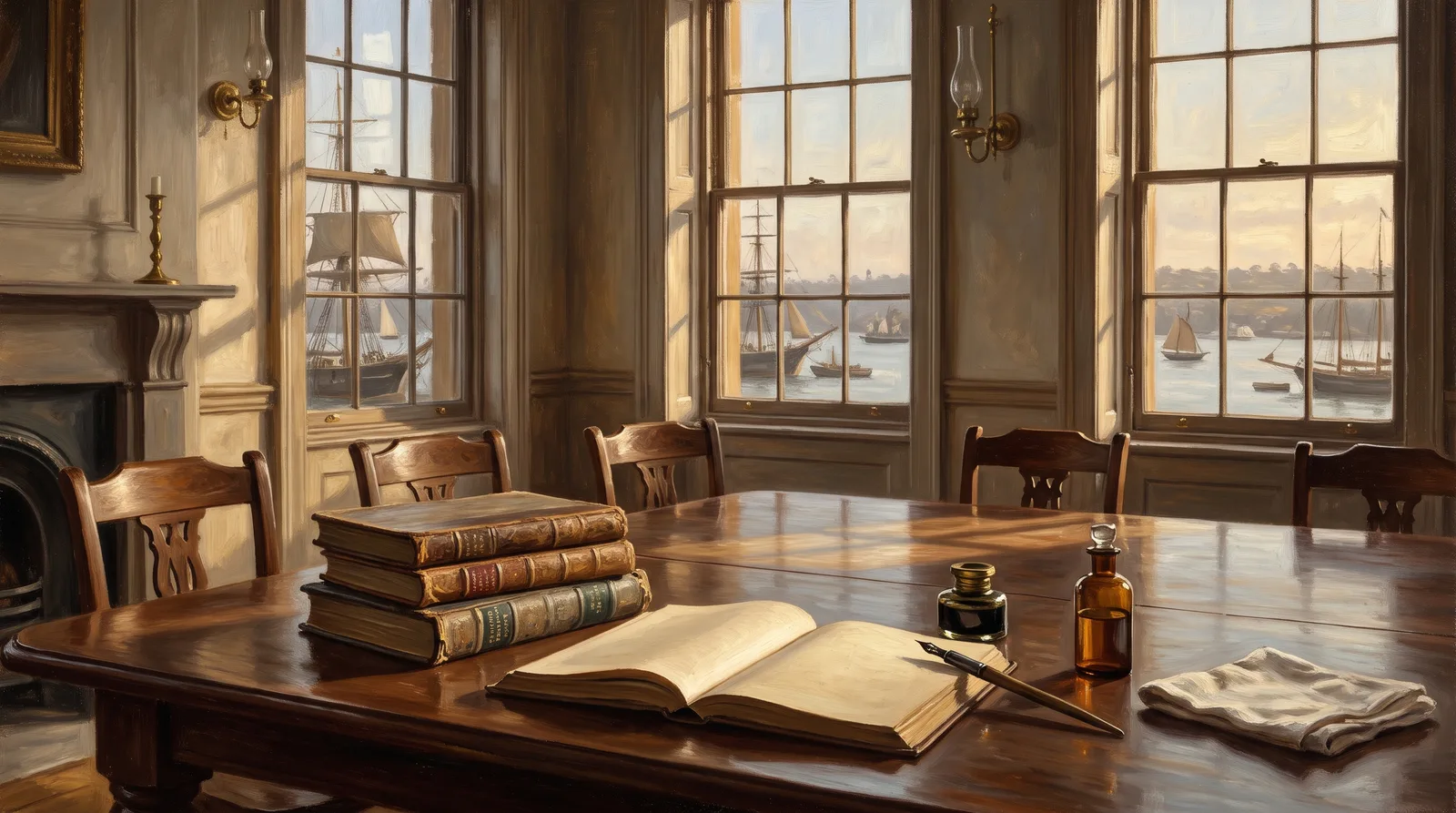
In 1888–1889 Sydney journals recorded a hospital chloroformist’s appointment, a debate over who answered for anaesthesia and how students should learn it, and R. H. Todd listed as anaesthetist at Prince Alfred Hospital.

A medical student in Bogotá calculated the city's oxygen partial pressure and argued that ether and chloroform should be given mixed with air or oxygen.
The Dental and Surgical Microcosm began in Pittsburgh in July 1891 as a quarterly devoted chiefly to anaesthesia, and its first two volumes were bound together in 1892.
An 1891 Hyderabad report names Miss R. Furdonji, later identified as Rupa Bai, as the student who kept a patient under chloroform for an hour and a half.
An 1892 Chicago dental-school advertisement named George Leininger Professor of Anesthesia, a title that later faculty lists record through 1897–98.
Cleveland's jaw tumour was removed aboard a yacht under nitrous oxide and then ether; the surgeon Keen revealed the secret only in 1917.
At the Society of Anaesthetists’ first ordinary meeting in November 1893, colleagues questioned whether George Oliver’s radial artery measurements could stand for blood pressure.

From 1897 Mary Botsford practised anesthesia in San Francisco, trained at least 46 women physicians and in 1935 published a paper that colleagues discussed in print.
Alice Magaw’s 1899 and 1906 papers from St. Mary’s Hospital, Rochester, argued for unhurried anesthesia and reported thousands of anesthetics without a death directly from the anesthetic.
In 1900 Janet Lindsay Greig, who had trained under Edward Embley at the Melbourne Hospital, was appointed Honorary Anaesthetist at the newly founded Queen Victoria Hospital in Melbourne, one of the earliest women in Australia to hold such a post.
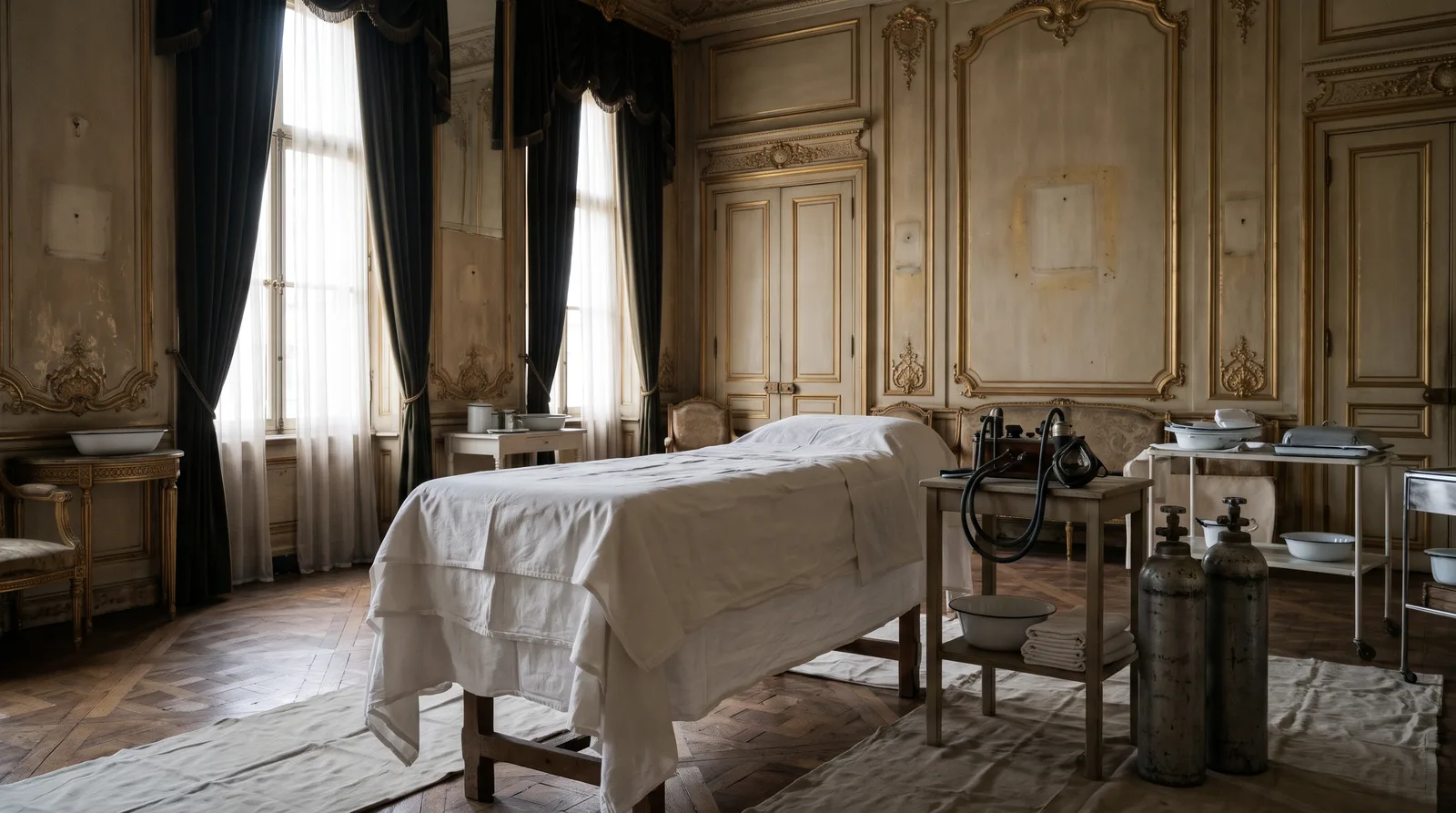
On 24 June 1902, two days before the planned coronation, Sir Frederick Treves drained an abdominal abscess in King Edward VII under an anaesthetic given by Frederic Hewitt, and the Lancet told its readers that the anaesthetic had been borne well.
Tradition says Erdmann and 8 colleagues founded a society in 1905; journals of the day record a conference of interne anesthetists and an organization in January 1906.
A handwritten note certifies that a medical student personally gave six anaesthetics; the signature is that of Embley, who had studied sudden death under chloroform
An anaesthetist who had given ethyl chloride two thousand times, and an appointment known only from later accounts
A textbook meant to be read in three sittings: listen to the breathing, and see the patient safely back to bed
A 1909 appointment and a 1919 argument about training, judgment and institutional support
From the General Medical Council's refusal in 1901 to the 1909 requirement of lectures and supervised practice
In 1912 a Los Angeles anaesthetist still called nitrous oxide-oxygen too costly and complicated, while Mary Botsford spoke on its 'present status' in major surgery.
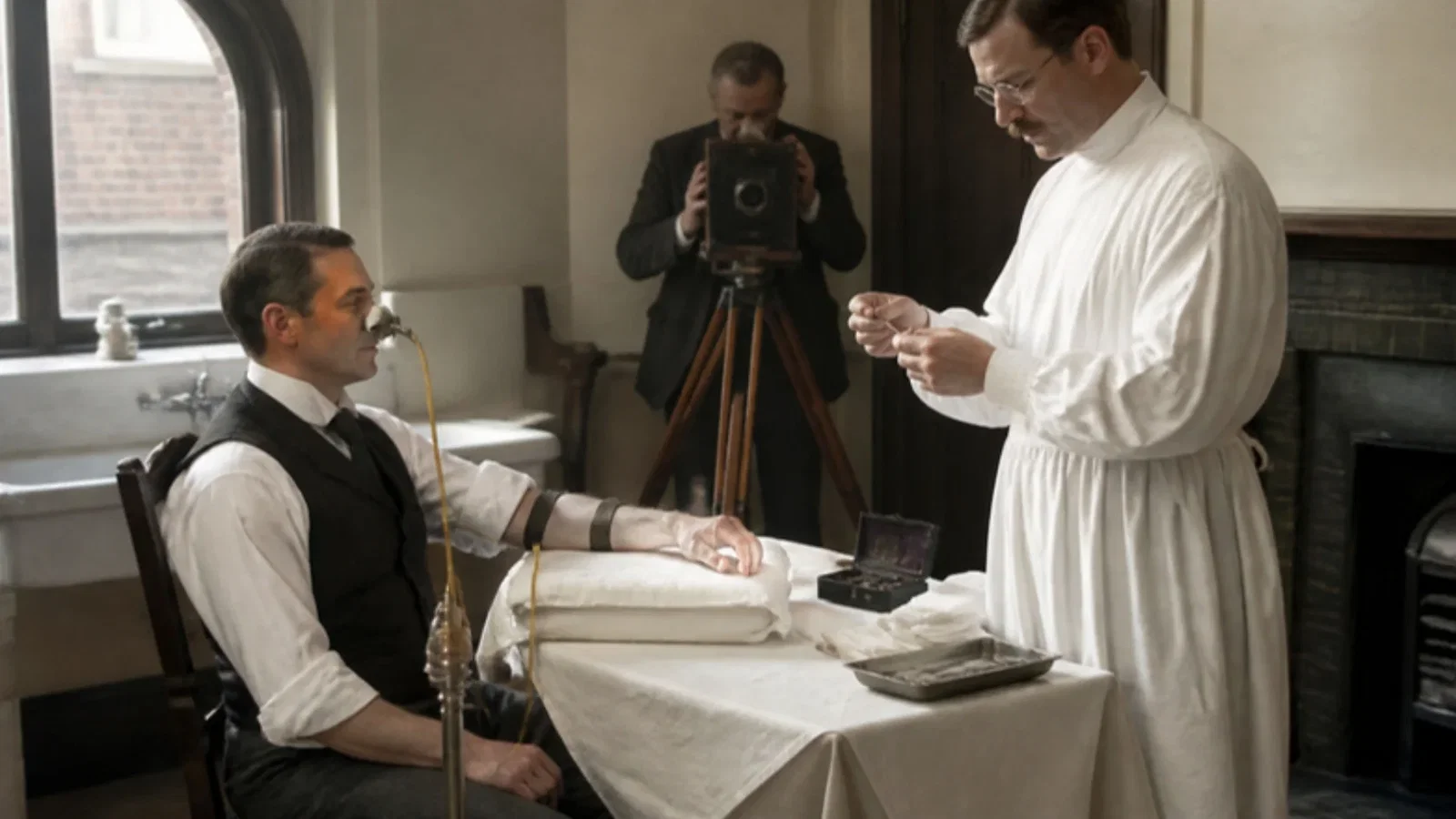
Hornabrook, a full-time specialist anaesthetist in Australia, put on a nasal inhaler and let a colleague cut and stitch Hornabrook's own forearm.
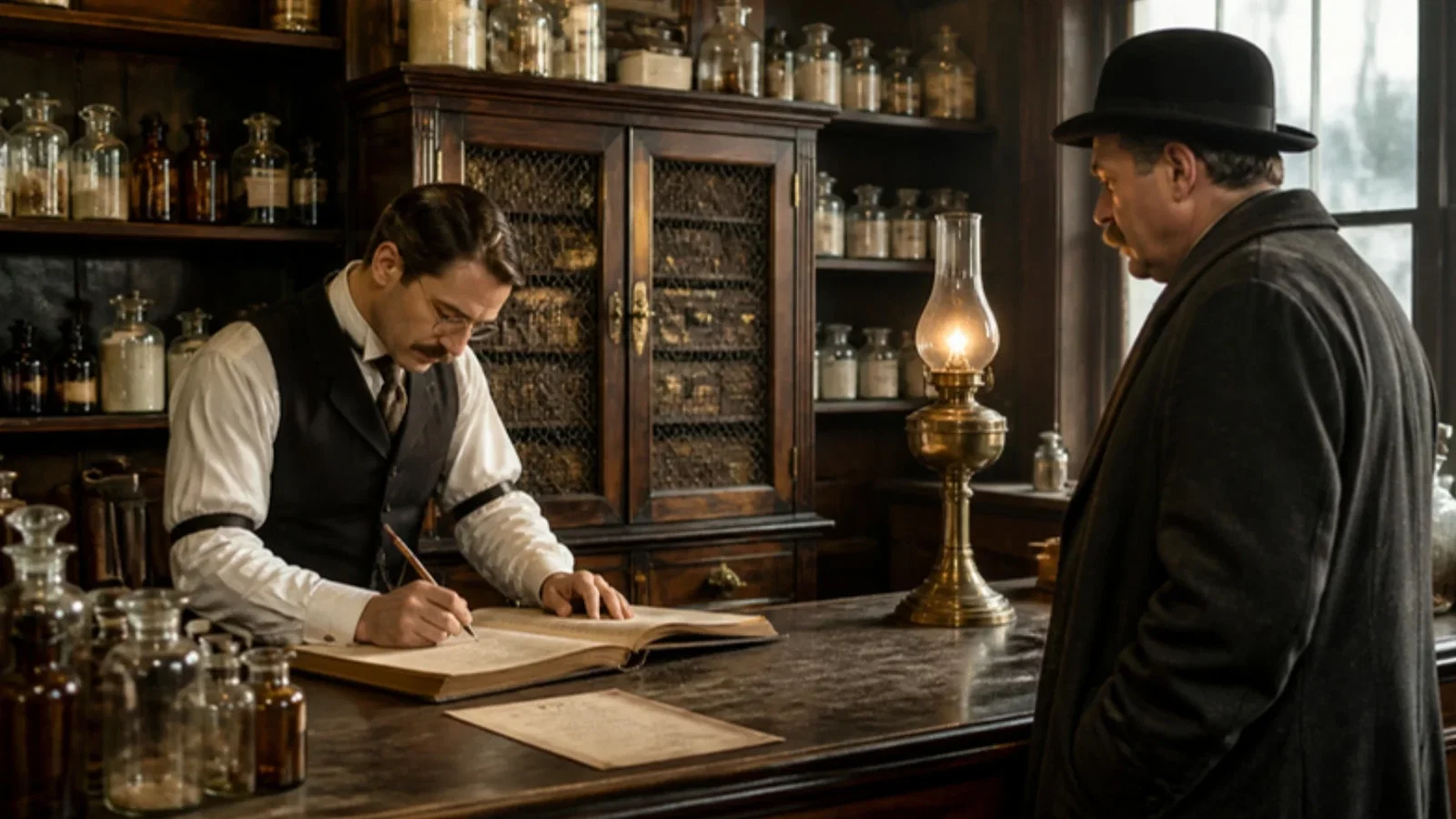
The 1914 Act required physicians and dentists to register and keep records for opium and coca; by 1918 dental advertisements sold procaine as 'not under the Harrison Law'.
A 32-page supplement inside a surgical journal, and the official organ of the American Association of Anesthetists and the Scottish Society
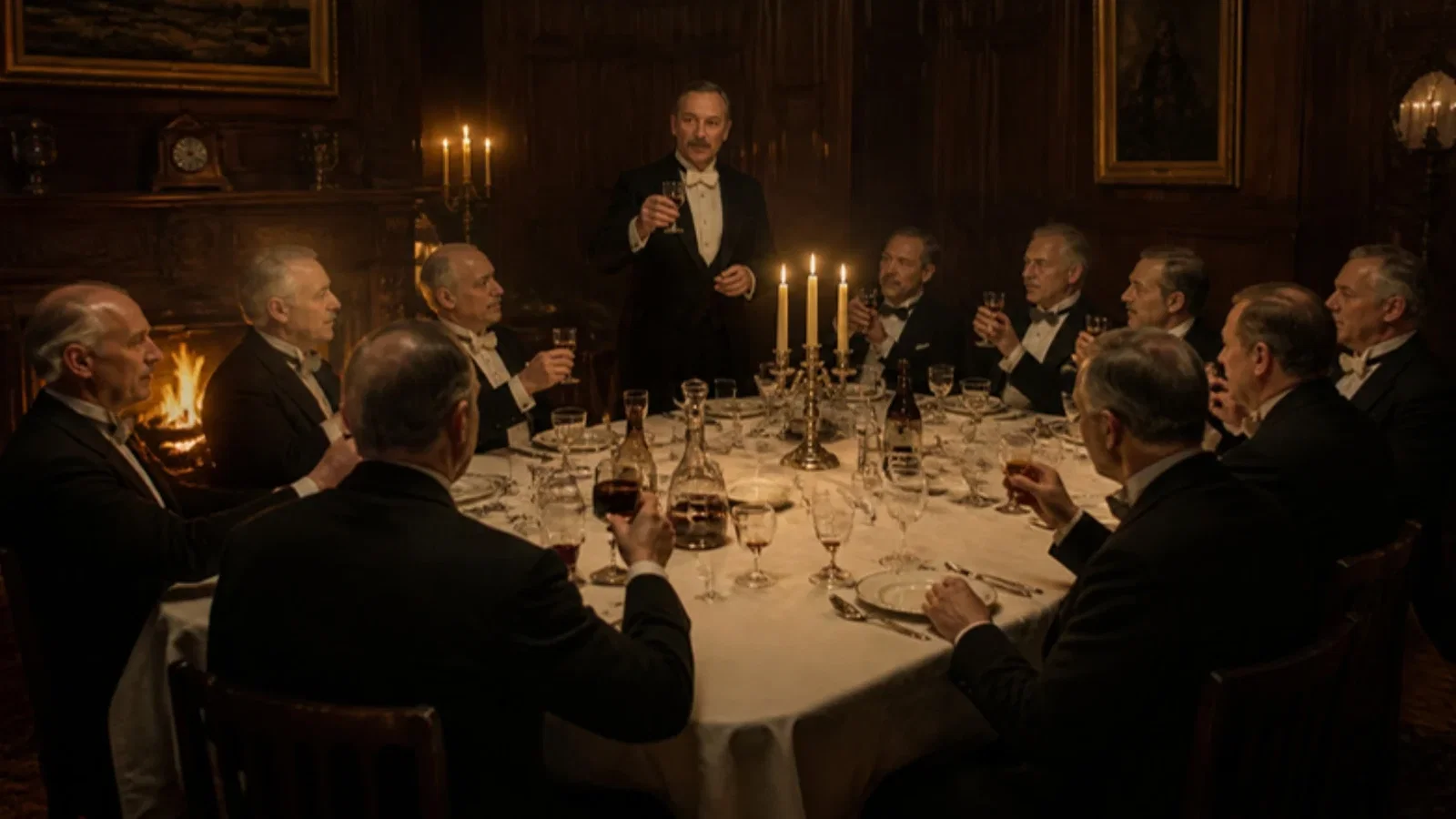
Eleven anaesthetists from four cities, and a society limited to those practising the speciality
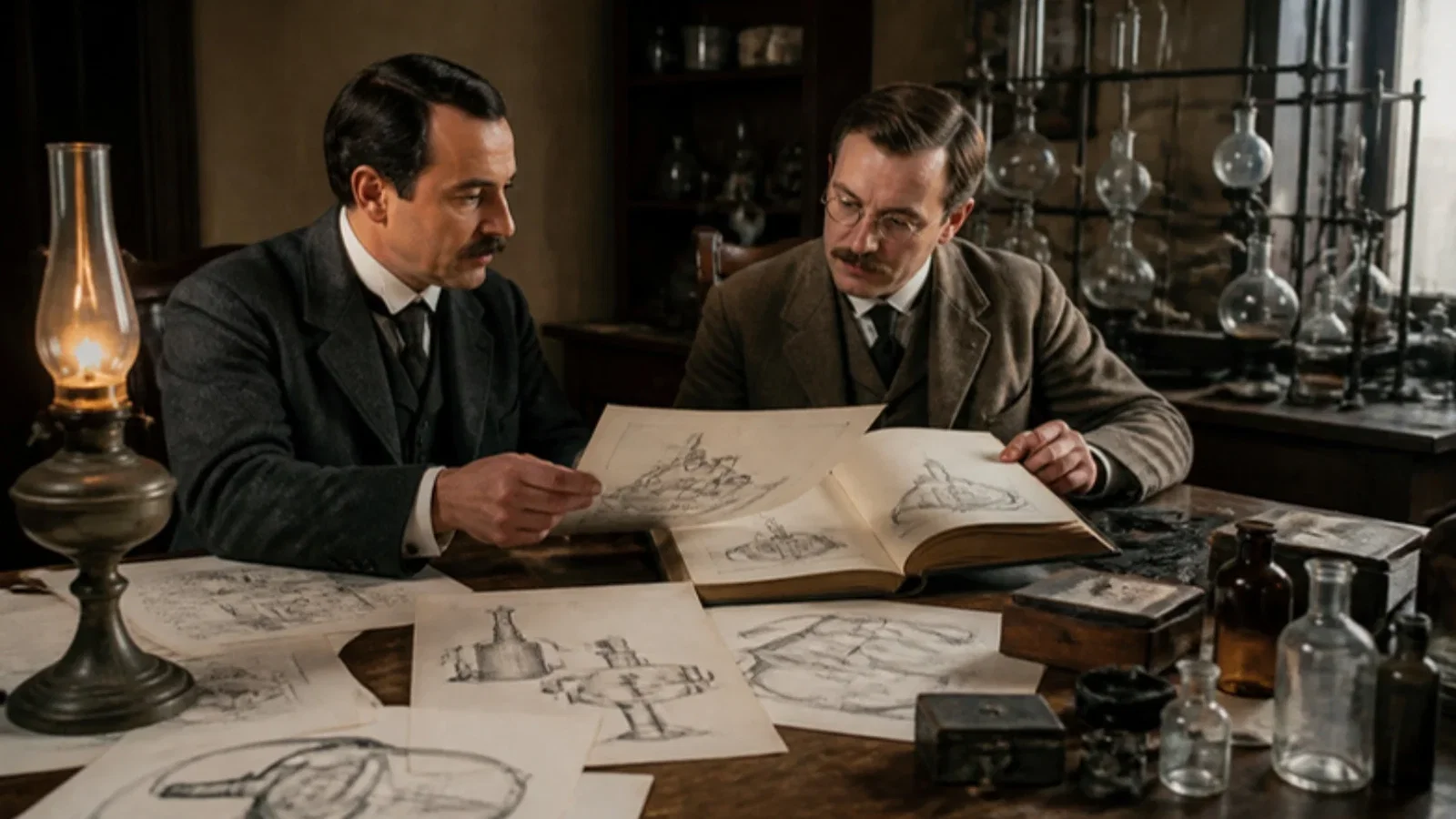
An anesthetist and a chemist wrote 21 chapters with 283 illustrations, from the purity of drugs to the legal status of the anesthetist.
Topic guide updated October 30, 2026.