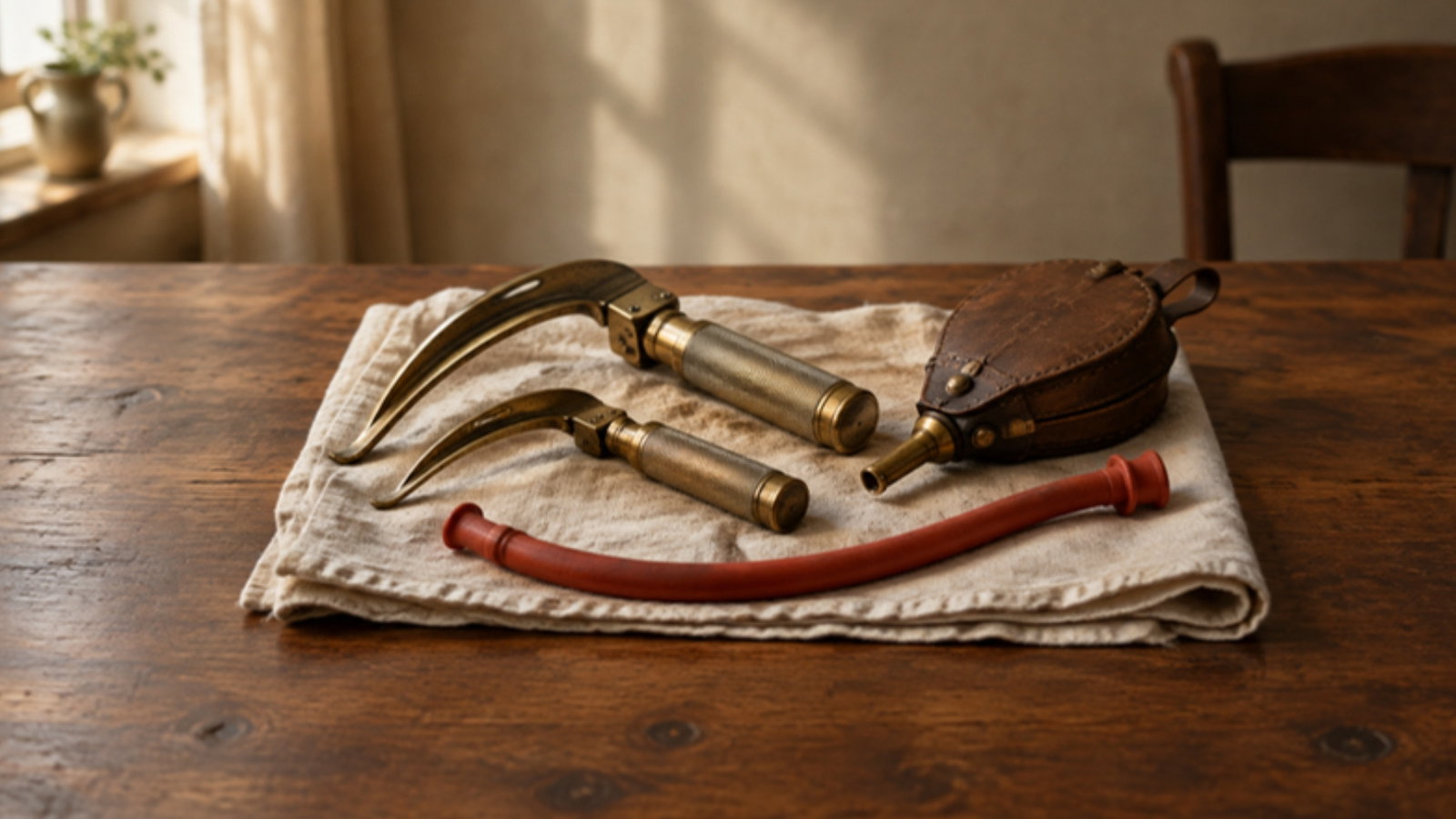
Keeping a route open
Follow the airway, ventilation and respiratory support through changing instruments, teams and clinical questions.
Reading Library · Explore the Connections
Explore this topic
Topics overlap. An essay may appear in more than one collection.
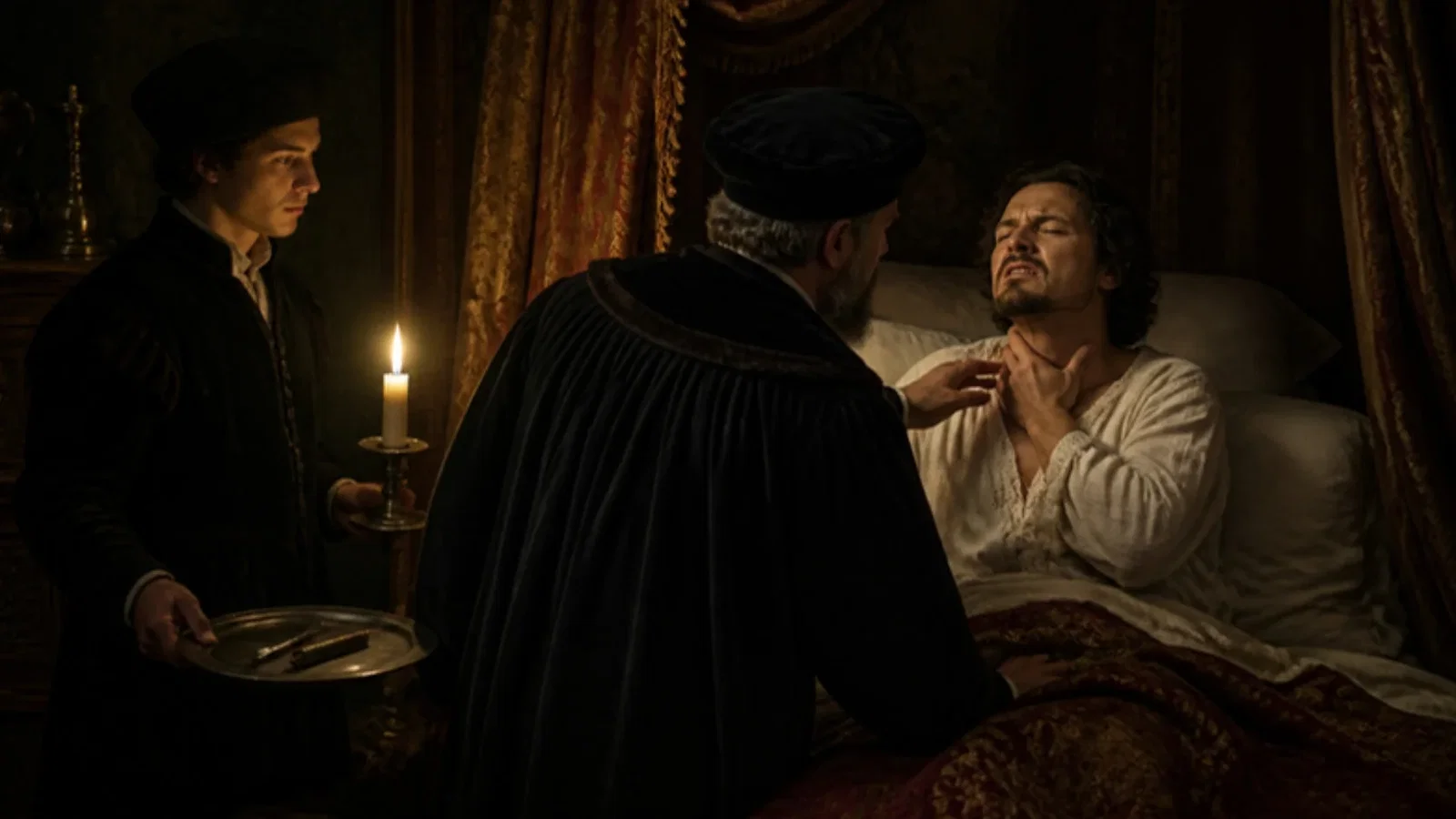
In a commentary printed in 1546, the Ferrara physician Brasavola wrote that when a throat abscess blocks the windpipe and all else has failed, the throat should be cut below it, and that he had done so himself and the patient recovered.

Following Vesalius's 1543 advice to blow into the trachea, Hooke used bellows in 1667 to show the Royal Society that fresh air, not lung movement, sustains life.
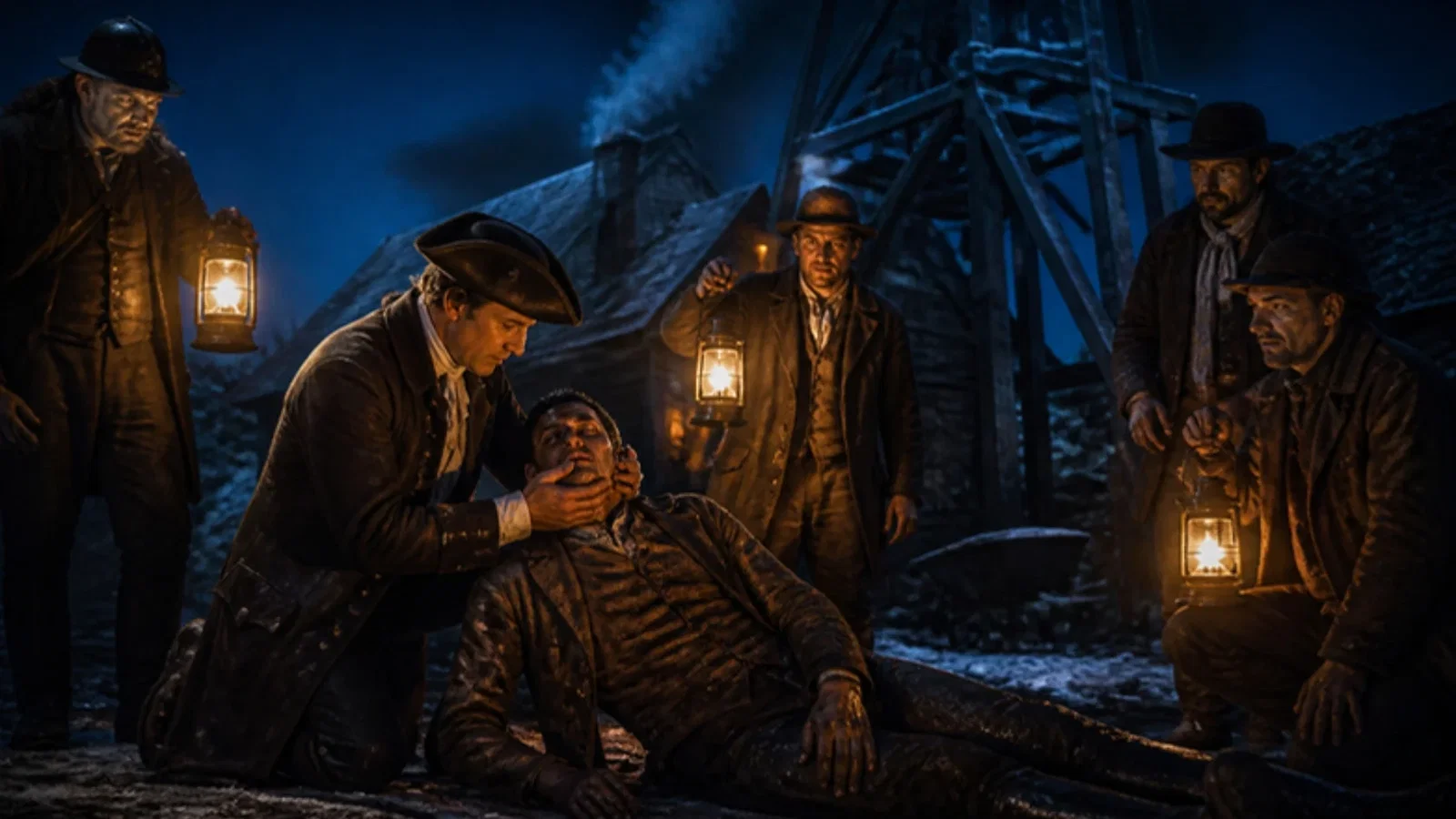
The Alloa surgeon Tossach blew into the mouth of a pulseless miner pulled from a burning pit, and the man recovered; rescue societies later adopted the method.

Pugh's 1754 midwifery treatise described passing a coiled-wire air-pipe towards a breech baby's larynx before the head was born, and mouth-to-mouth inflation if needed.

Brodie kept a cat poisoned with woorara alive by inflating its lungs for three hours; in 1825 Waterton kept a poisoned she-ass alive with bellows.
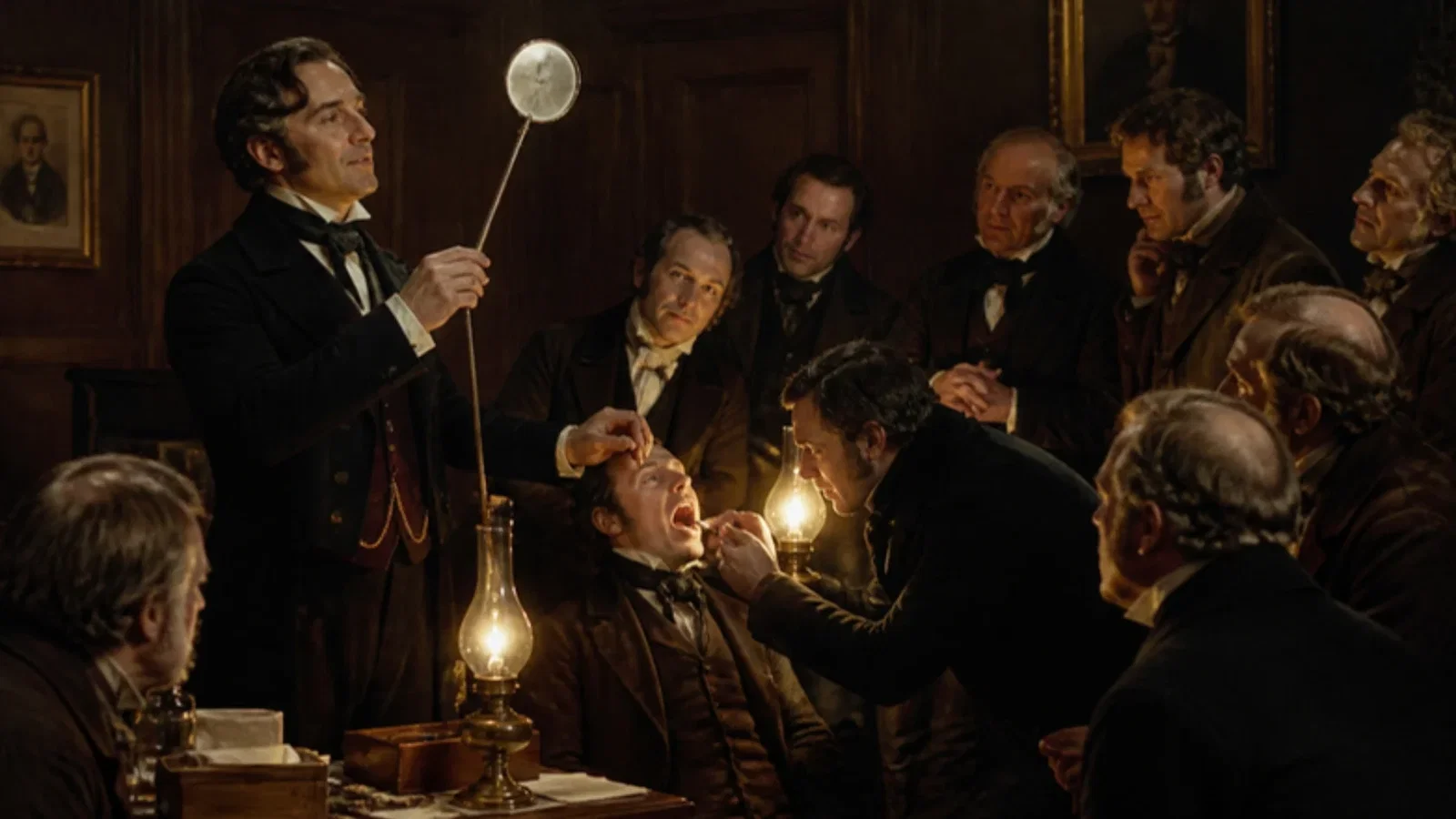
Babington showed the Hunterian Society a small mirror on a long shank that, held against the palate, revealed the epiglottis and upper larynx; Babington called it the glottiscope.
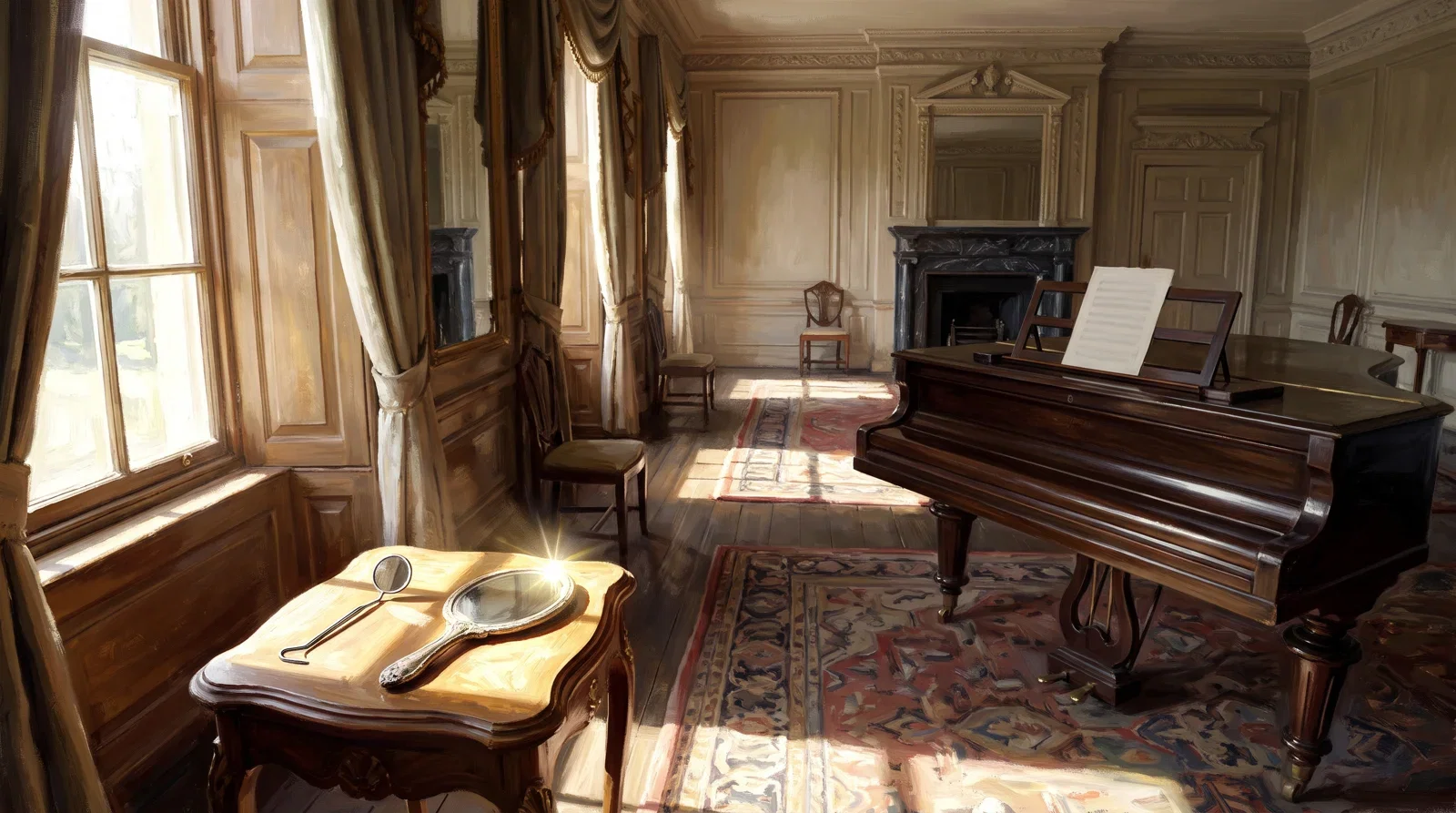
The singing teacher Manuel Garcia reflected sunlight off a small mirror held against the soft palate and saw the glottis open on a deep breath.

Marshall Hall argued that lying supine lets the tongue and epiglottis close the glottis, so a drowned patient should be laid prone and then rolled to the side.
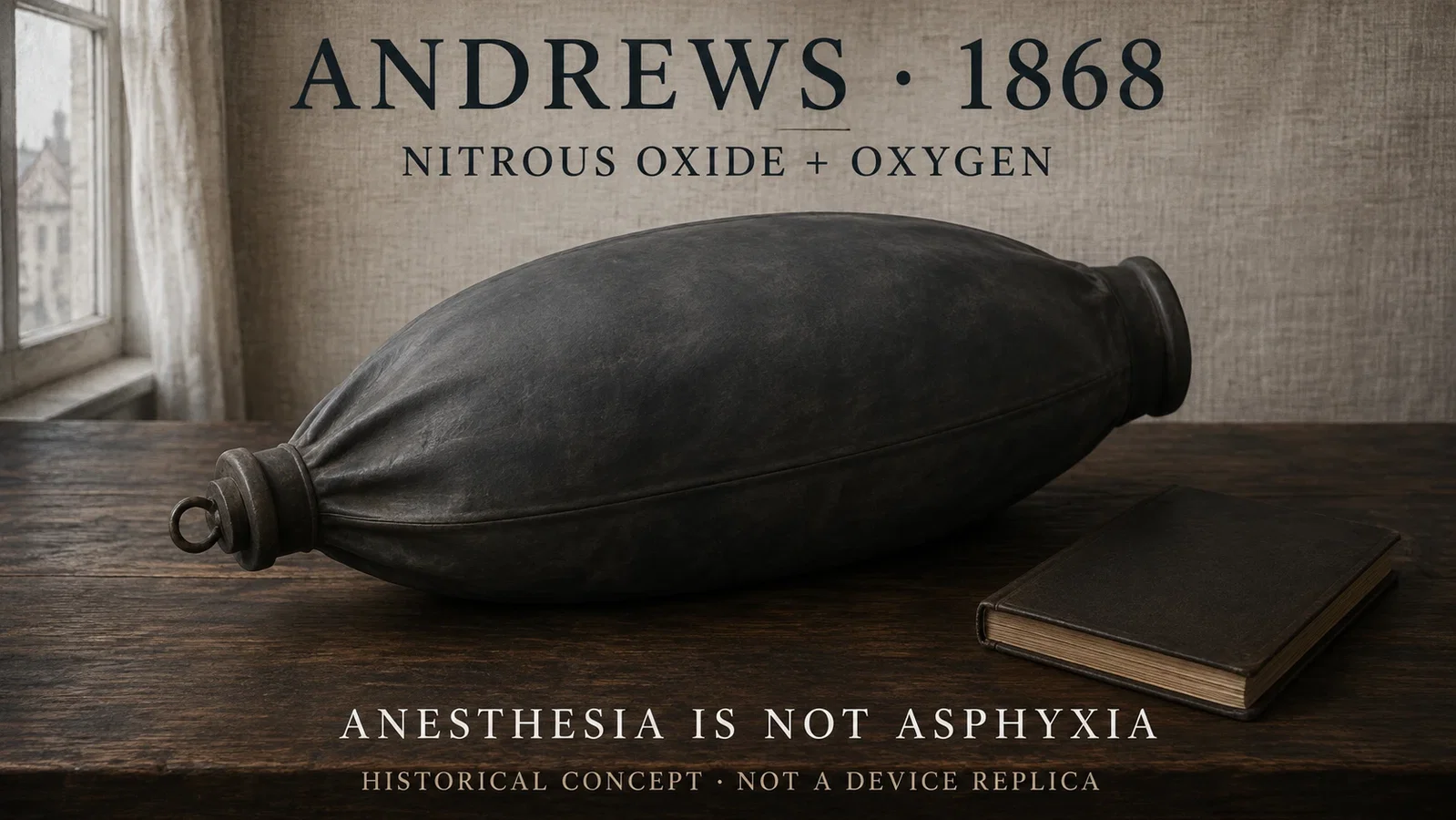
In 1868 Andrews added free oxygen to nitrous oxide in the hope of longer anaesthesia without asphyxia, and left the best proportion as an expectation rather than a tested recipe.
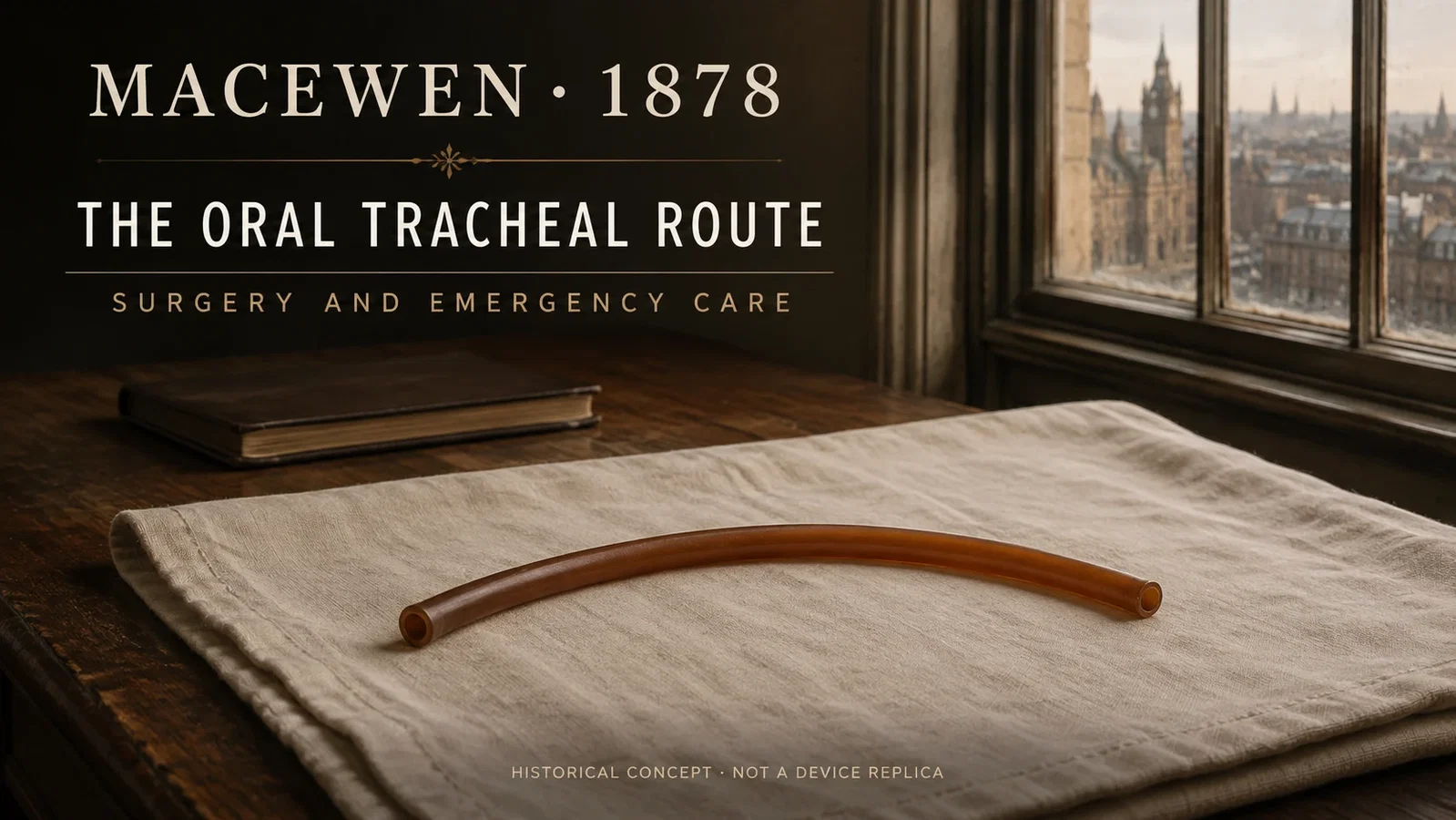
In 1878 William Macewen passed tubes through the mouth into the trachea for a mouth operation and for two cases of acute laryngeal swelling, and reported these and a fatal fourth case in the BMJ in July 1880.
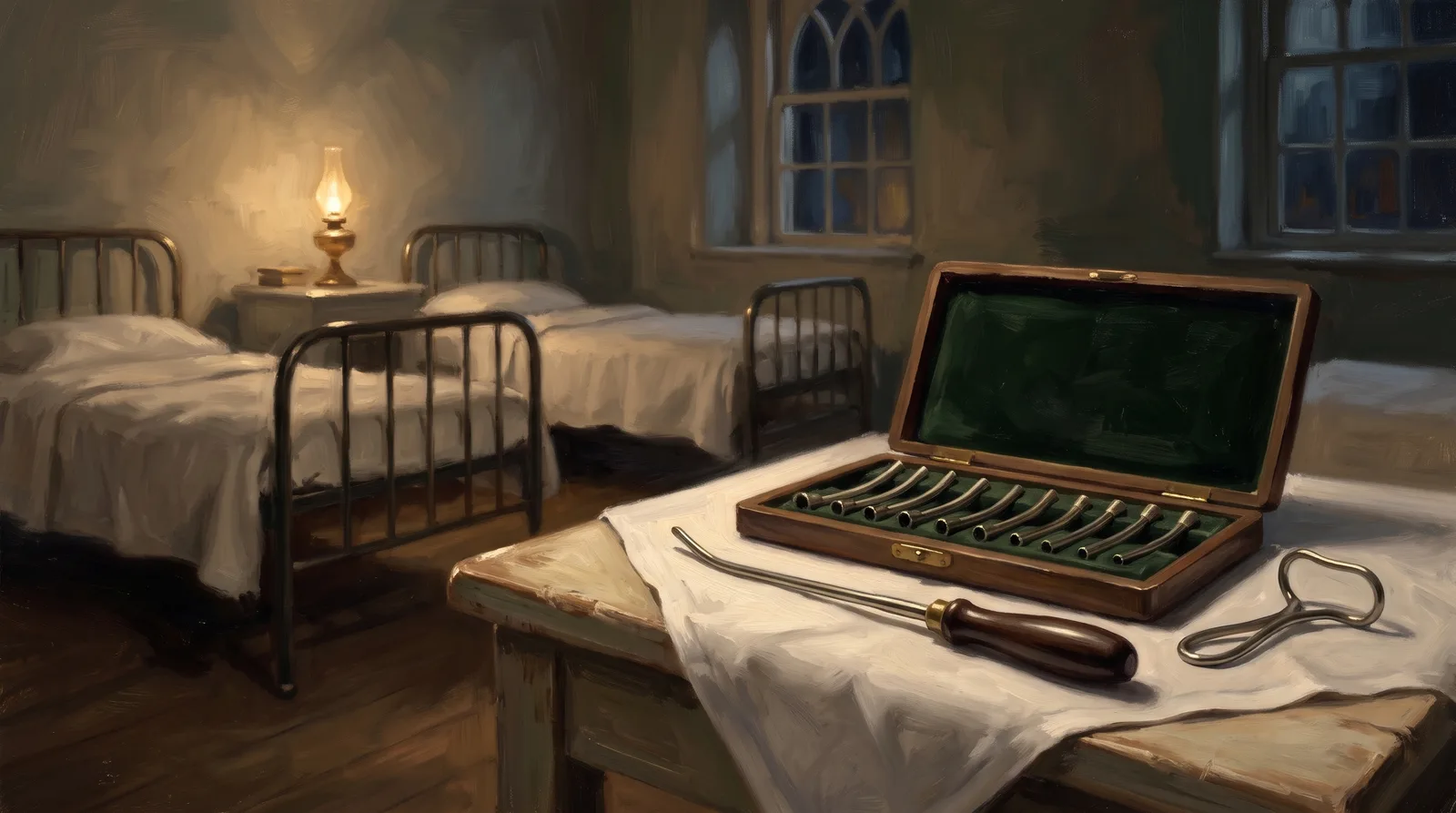
After five years of trials at the New York Foundling Asylum, O'Dwyer described a self-retaining tube passed through the mouth to relieve diphtheritic croup.
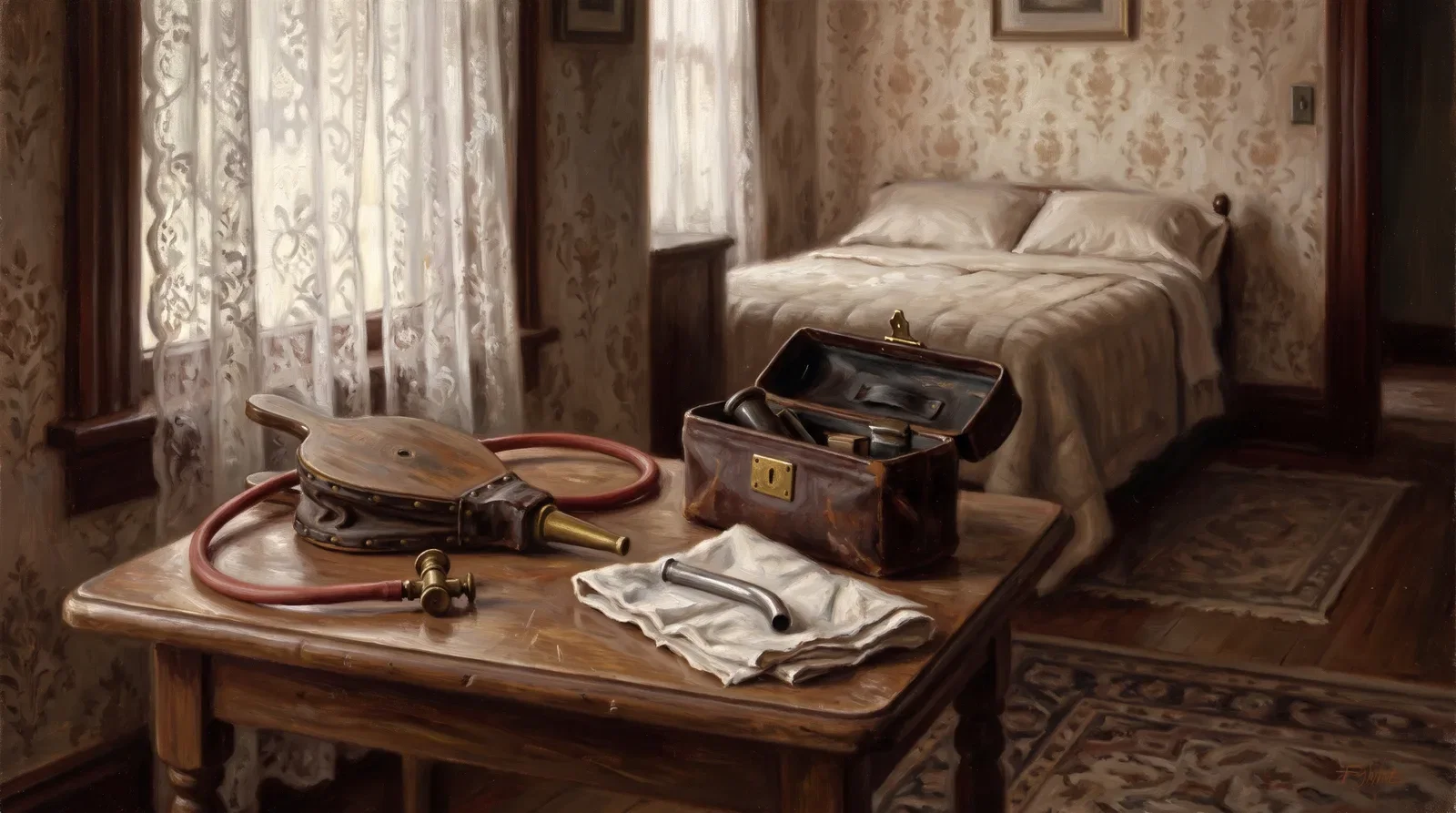
Fell opened the trachea of a patient breathing less than once a minute and, with a laboratory bellows, forced air in and out for two and a half hours.
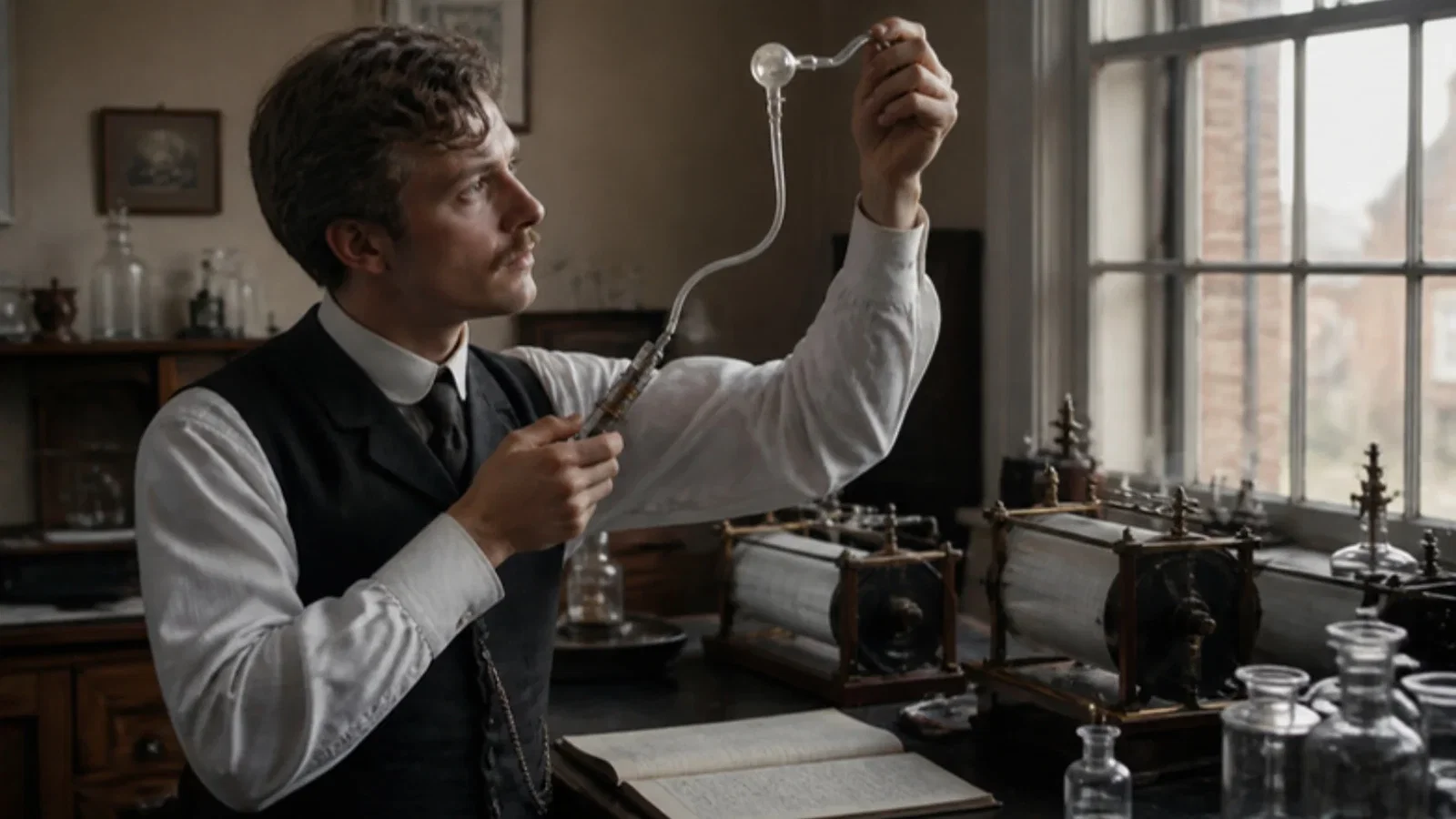
For respiratory experiments, Henry Head placed a thin rubber chamber filled with glycerine in a rabbit's right bronchus to shut off the right lung.
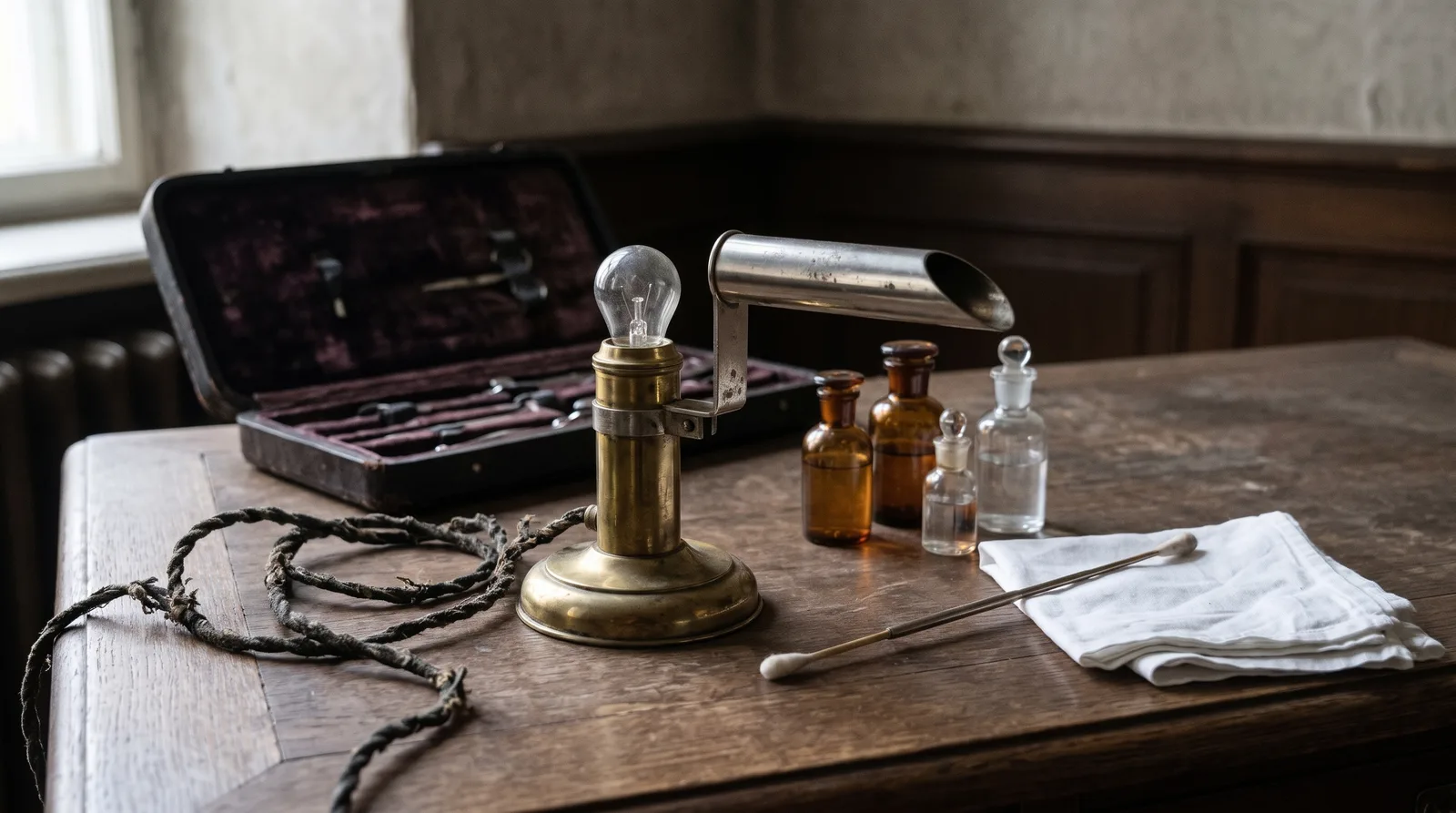
Kirstein showed the Berlin Medical Society direct laryngoscopy: with the head bent back, a tube on an electric handle pressed the tongue forward to expose the larynx.
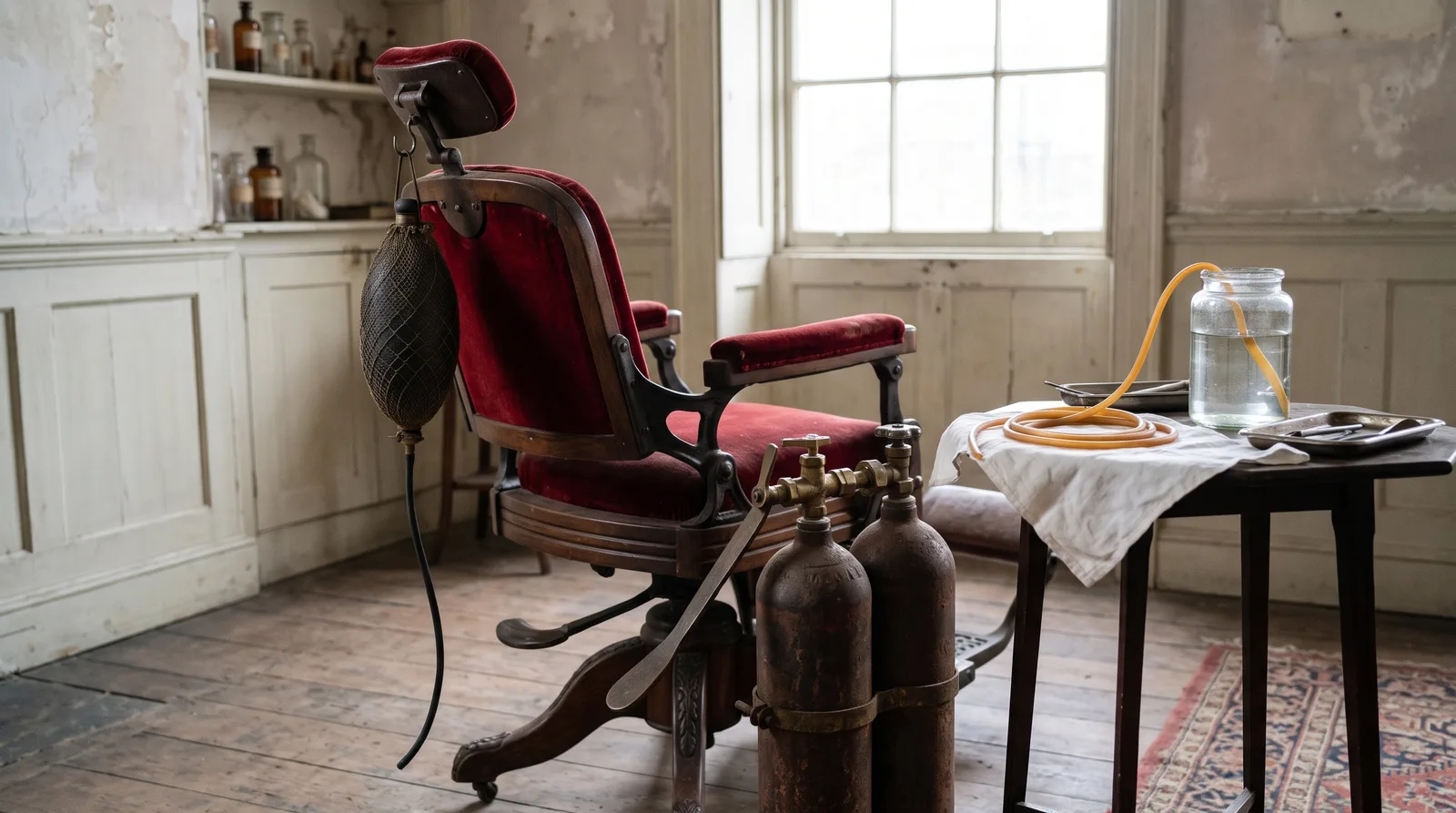
In the Lancet of 7 May 1898, Harvey Hilliard described a soft nasal tube, a netted bag and a foot-turned stopcock for keeping nitrous oxide flowing after the face-piece came off.
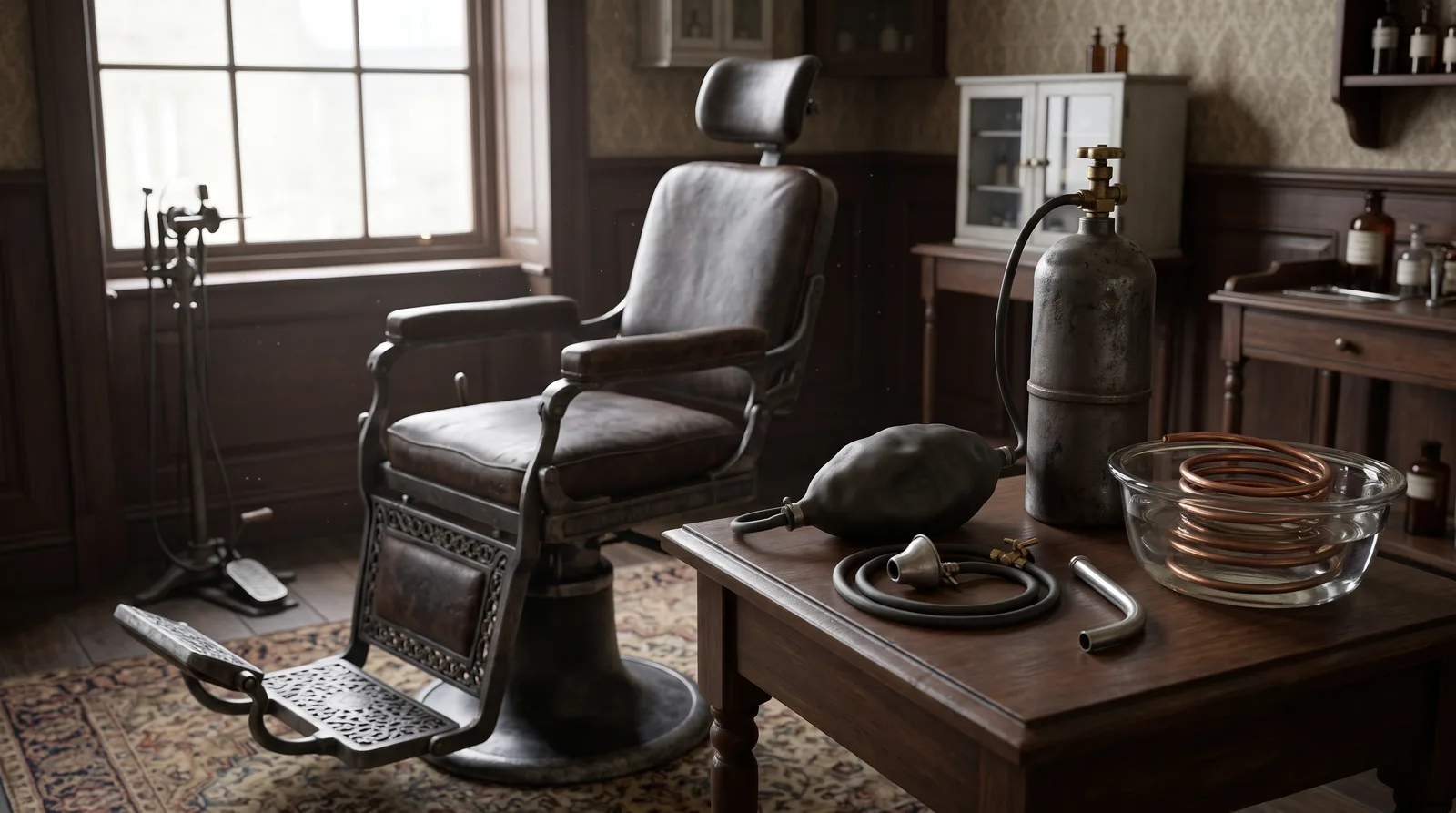
At a Society of Anaesthetists meeting in March 1898, Coleman described a nasal cap and Coxon a warmed mouth tube for keeping nitrous oxide flowing after the face-piece came off.
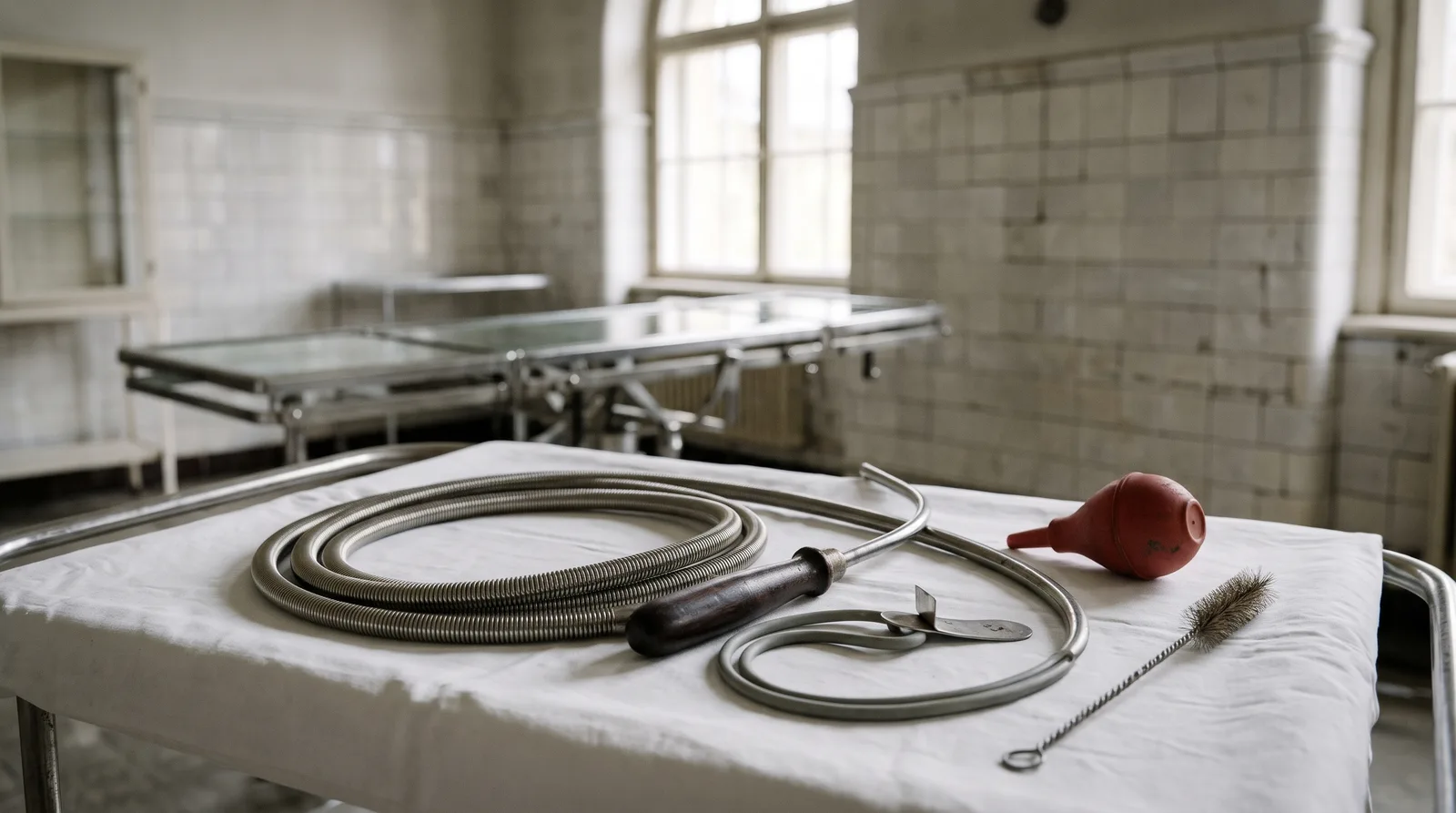
Kuhn of Kassel described peroral intubation for anaesthesia: a spiral metal hose guided on a curved introducer along the index finger into the trachea.
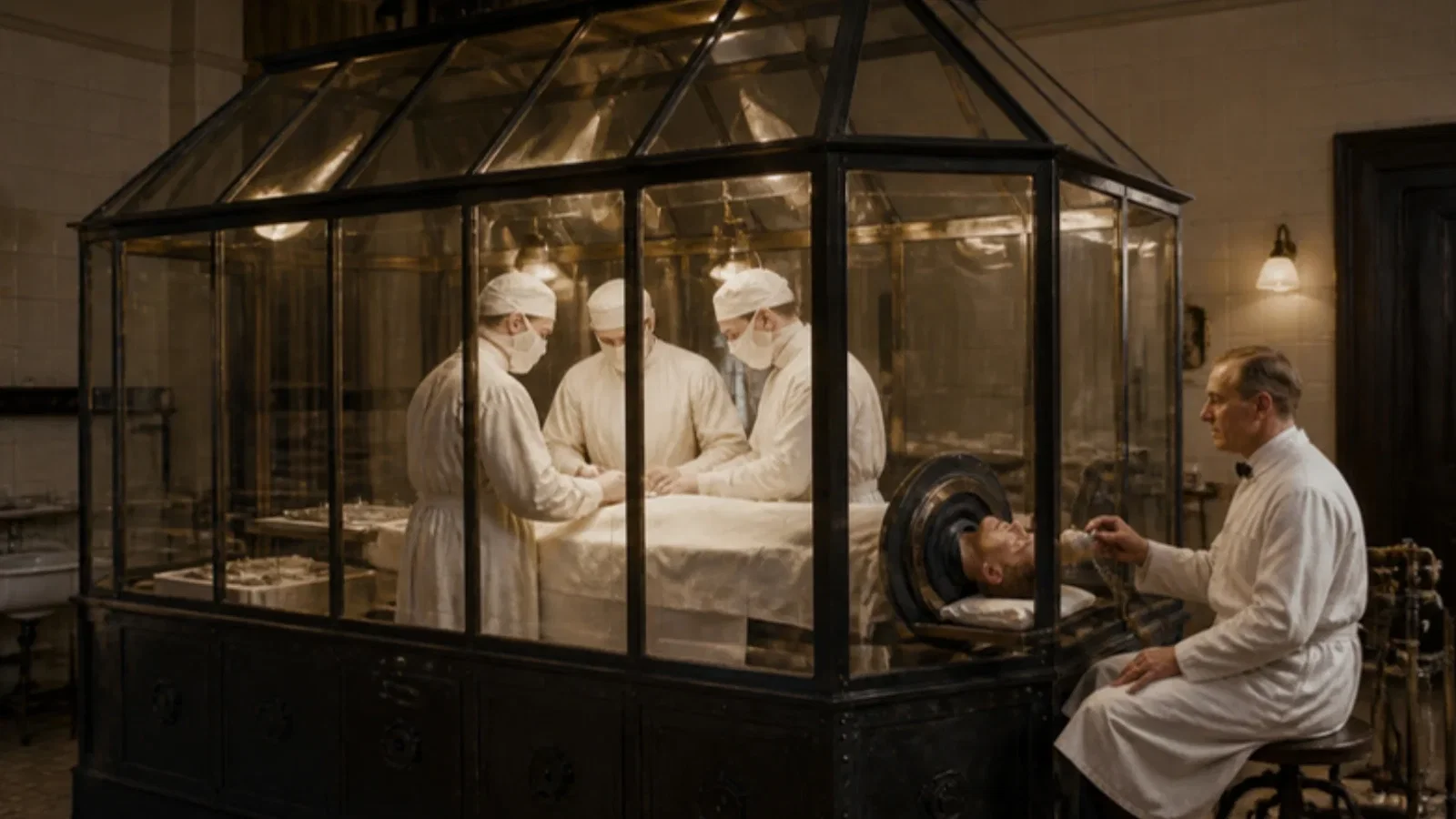
Moving the open chest into a low-pressure room kept the lungs up, and left the anaesthetist on the other side of the wall
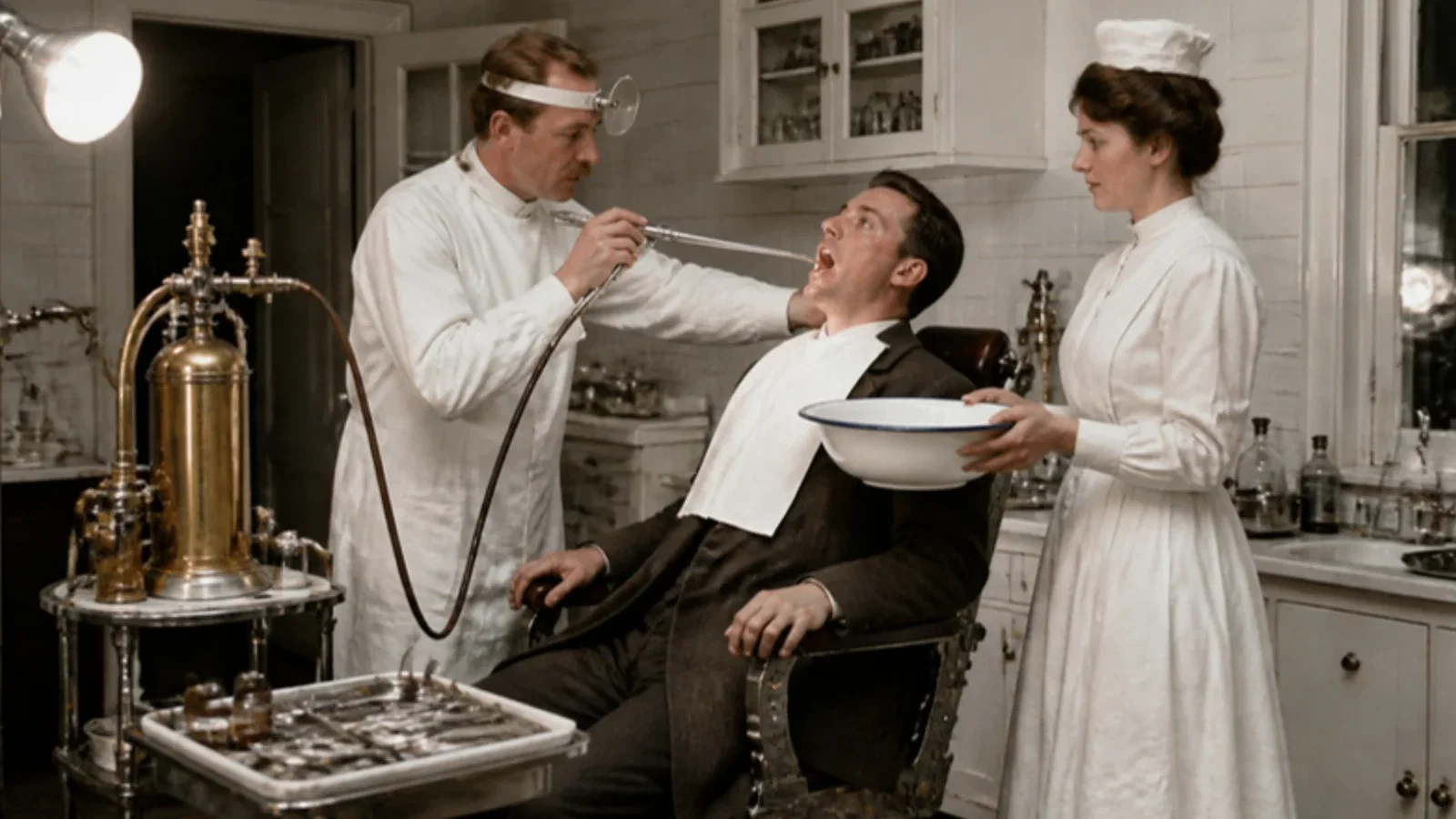
Yankauer's own description could not be found; a 1907 Laryngoscope paper records a compressed-air aspirator for removing blood during operations, with a cut-off designed by Yankauer.
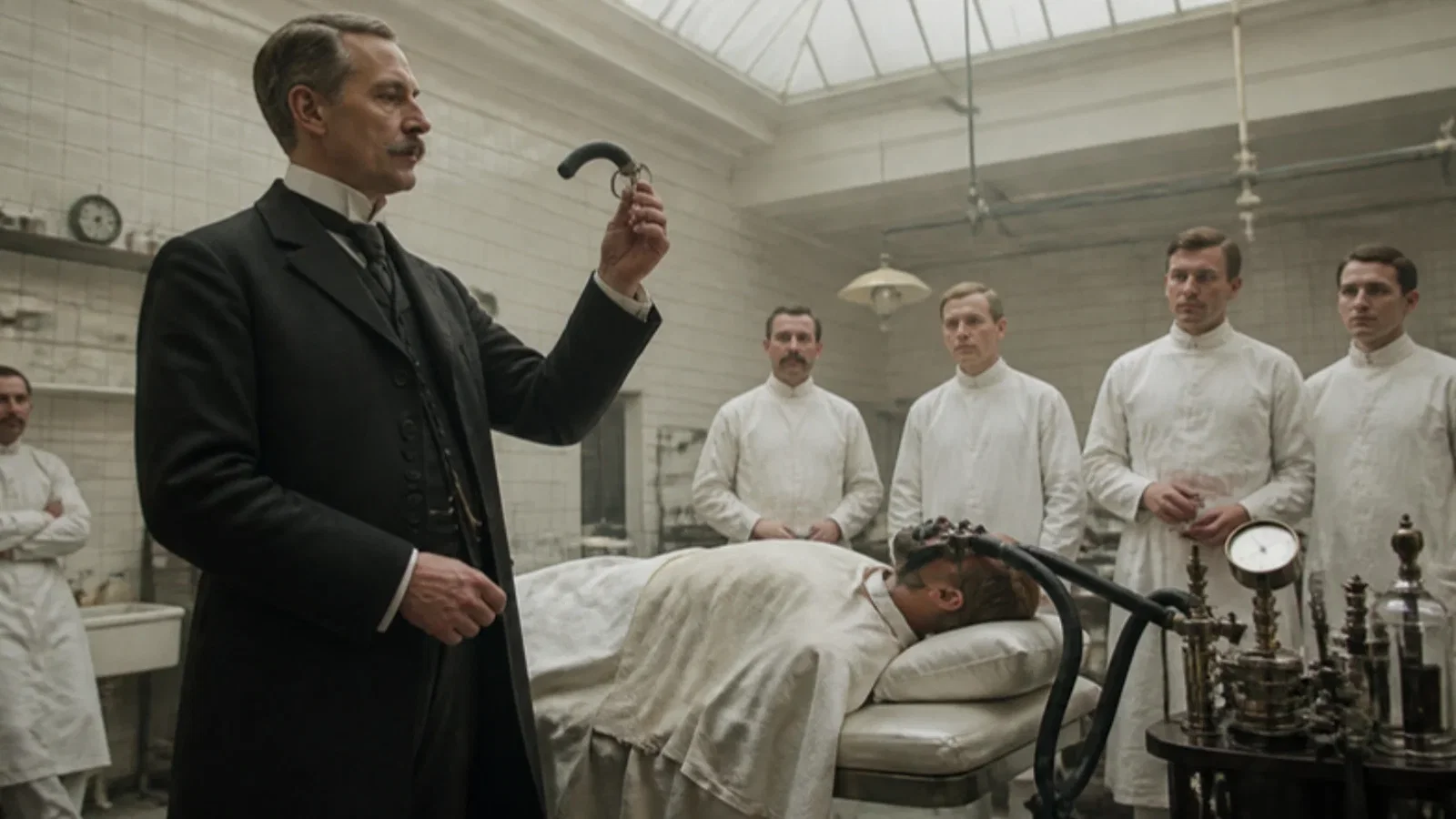
Hewitt described a metal ring held between the teeth carrying a short rubber tube, cut obliquely like a whistle, passed into the pharynx.
Animal experiments, operative support and contemporary objections remain distinct
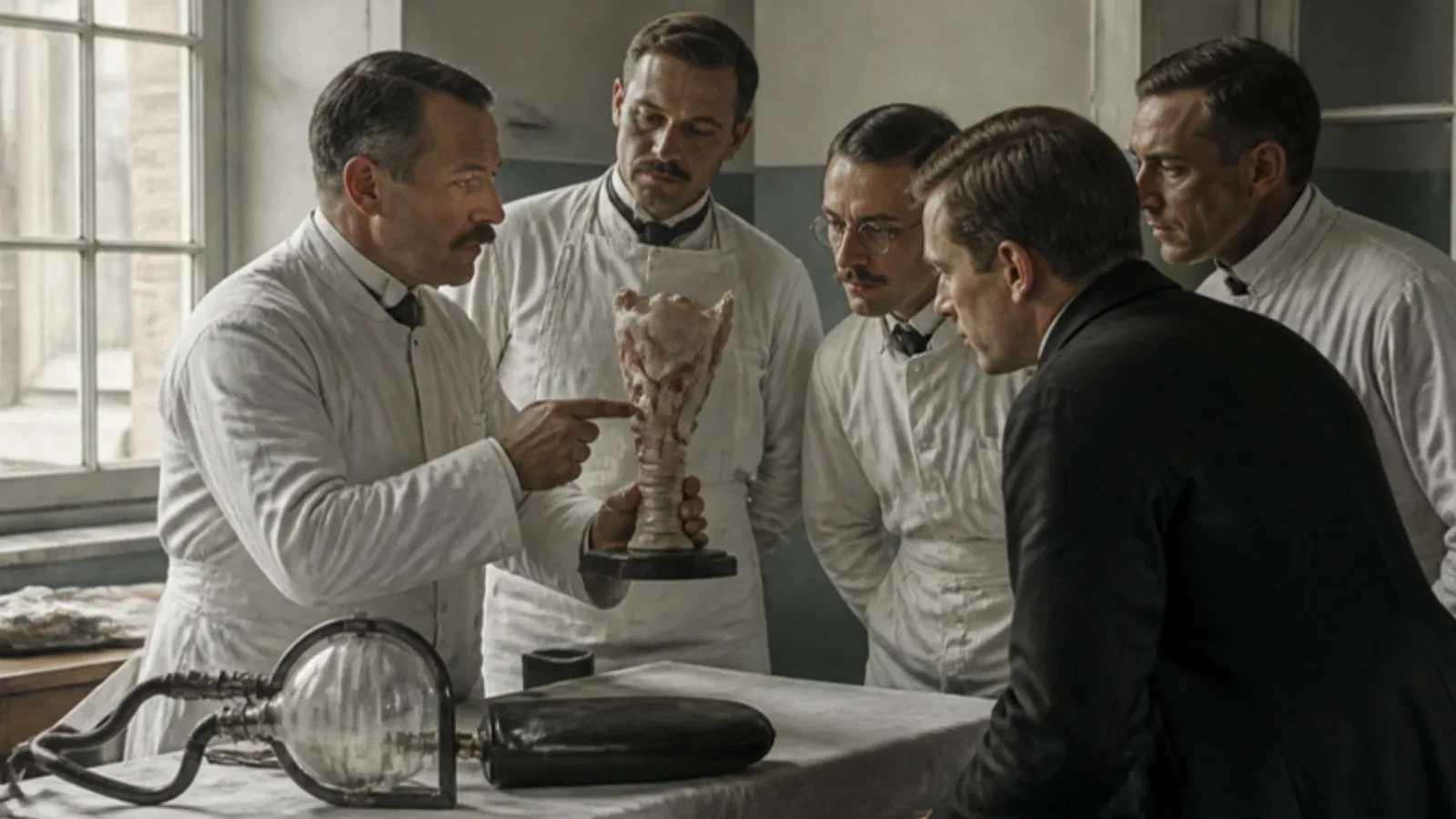
Half a century before Sellick, pressure on the cricoid served a different purpose
1914–1918: Coexisting routes, constrained supplies and uneven professional authority
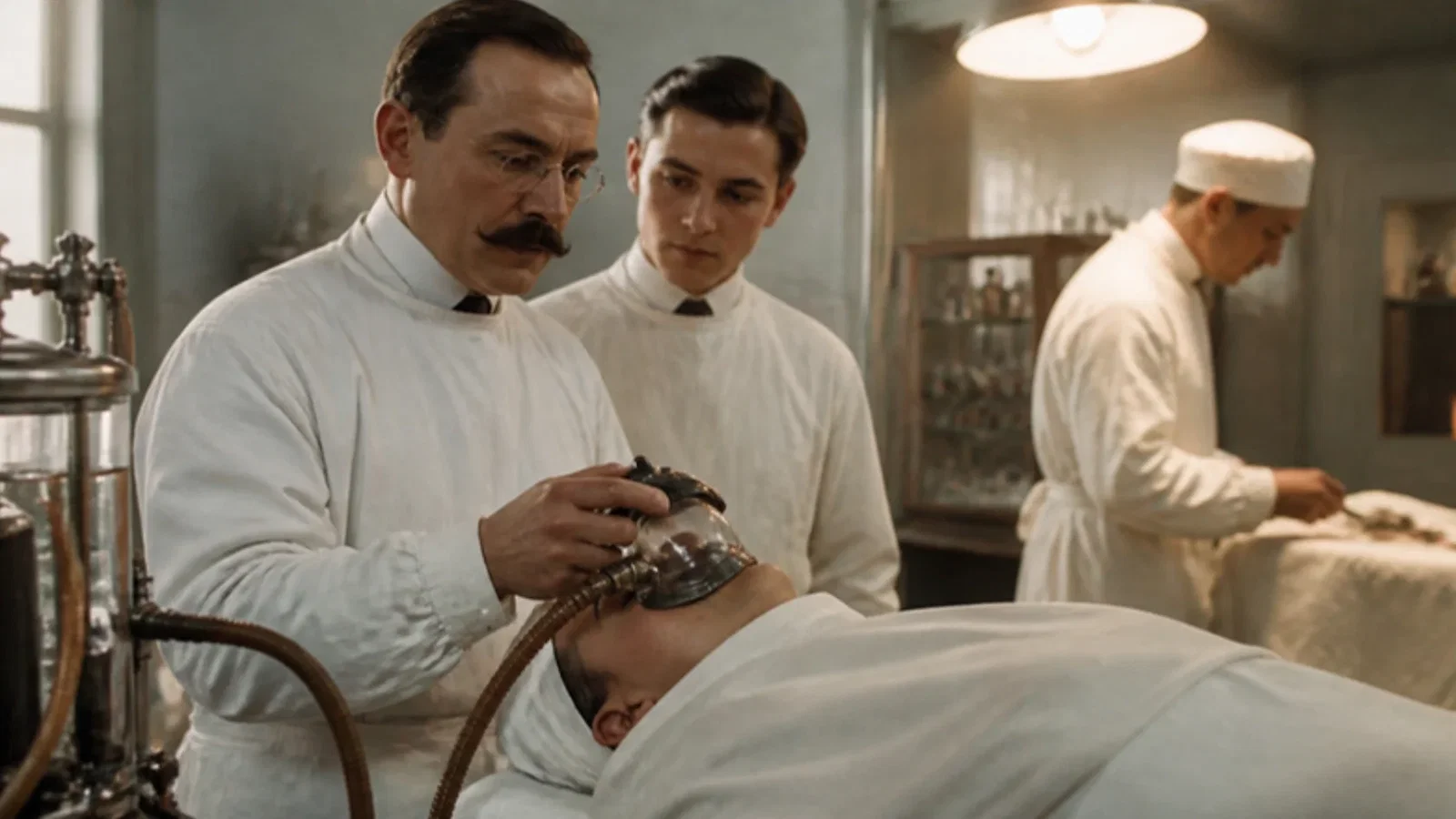
'More than a mere mechanical performance, it is an art': a book for students, internes and general practitioners
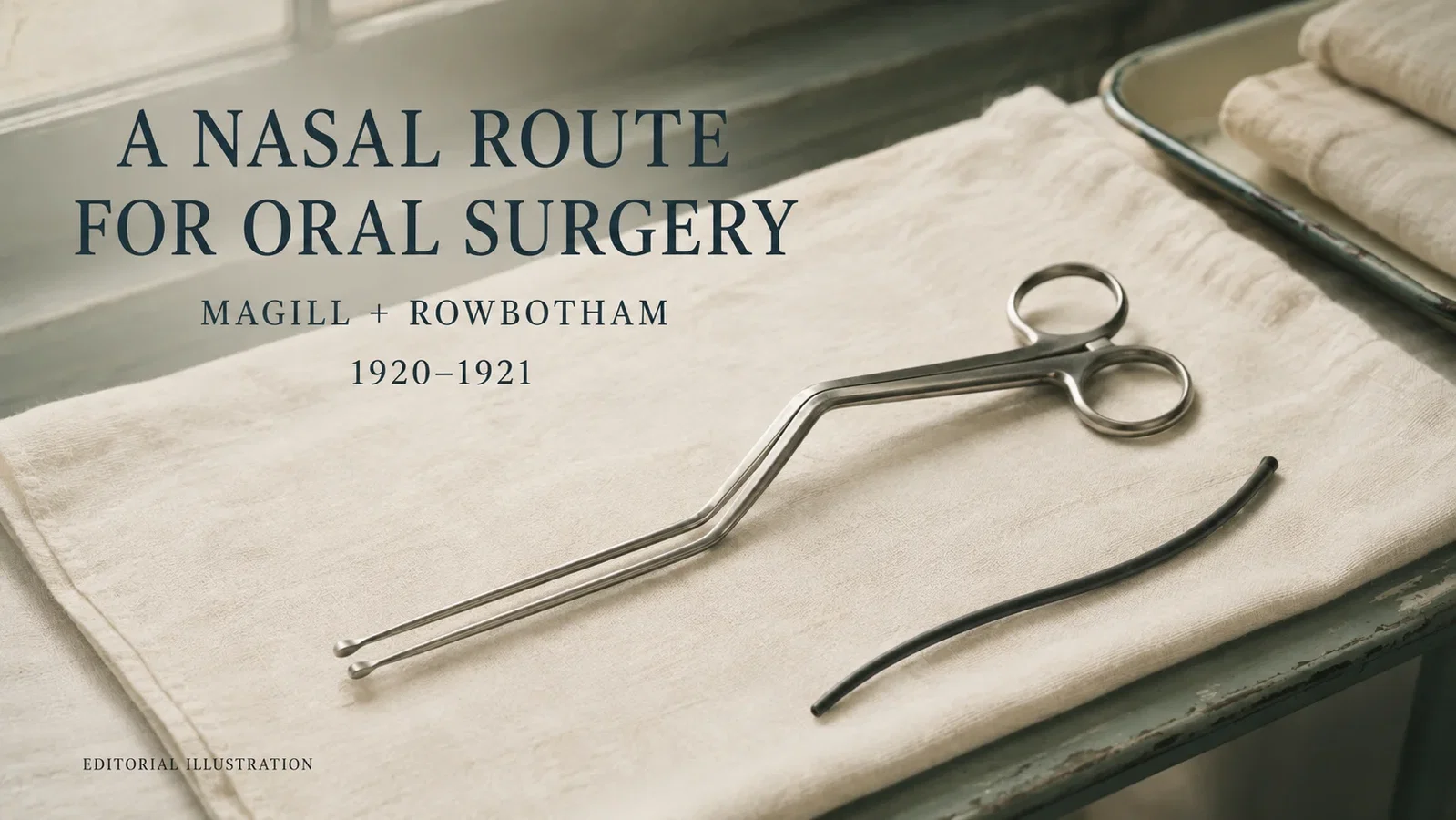
Nasal access, catheter guidance and an exit for gas in 1920–1921
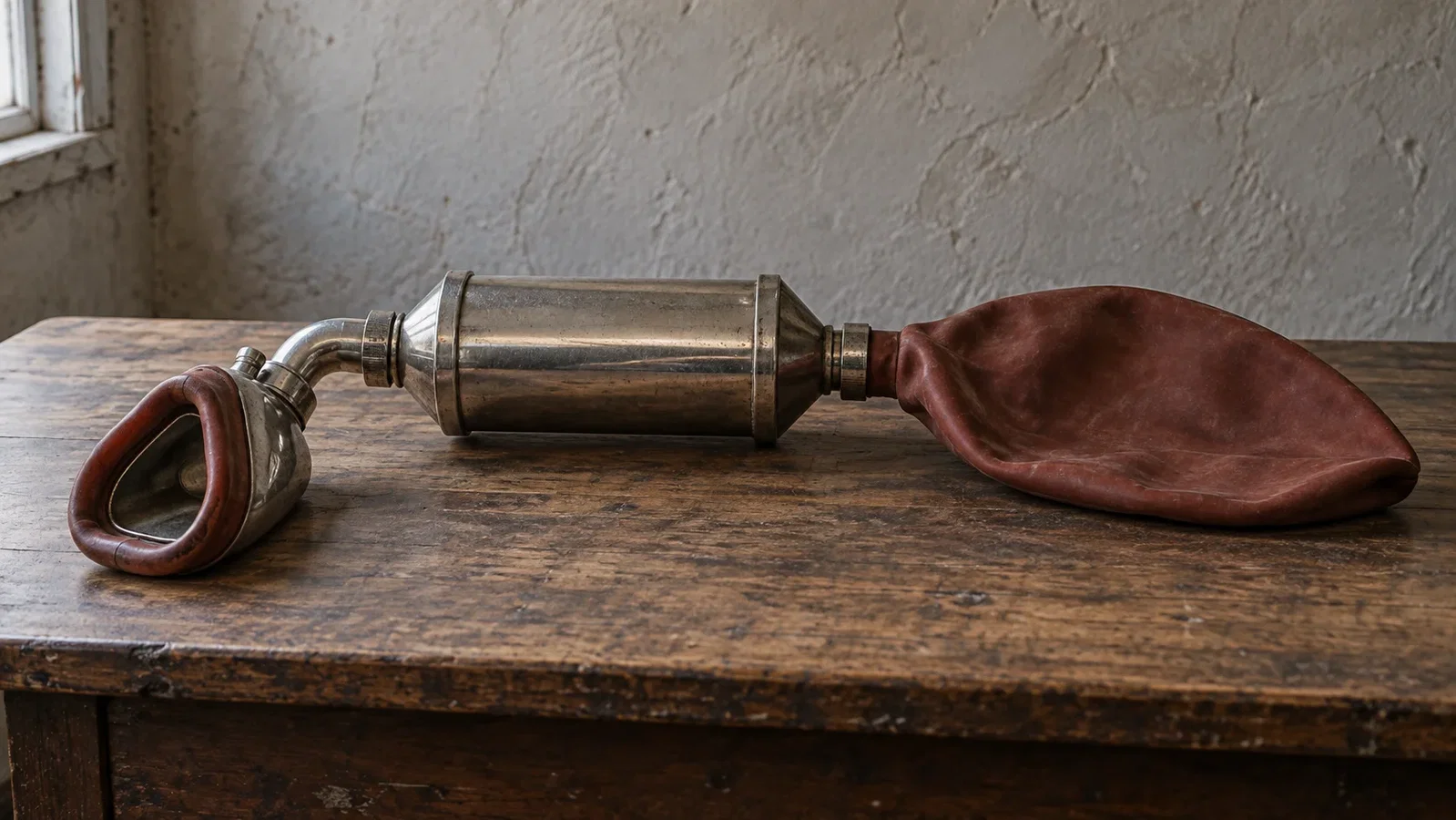
A simpler mask, absorber and bag—with oxygen supply and airtightness still essential
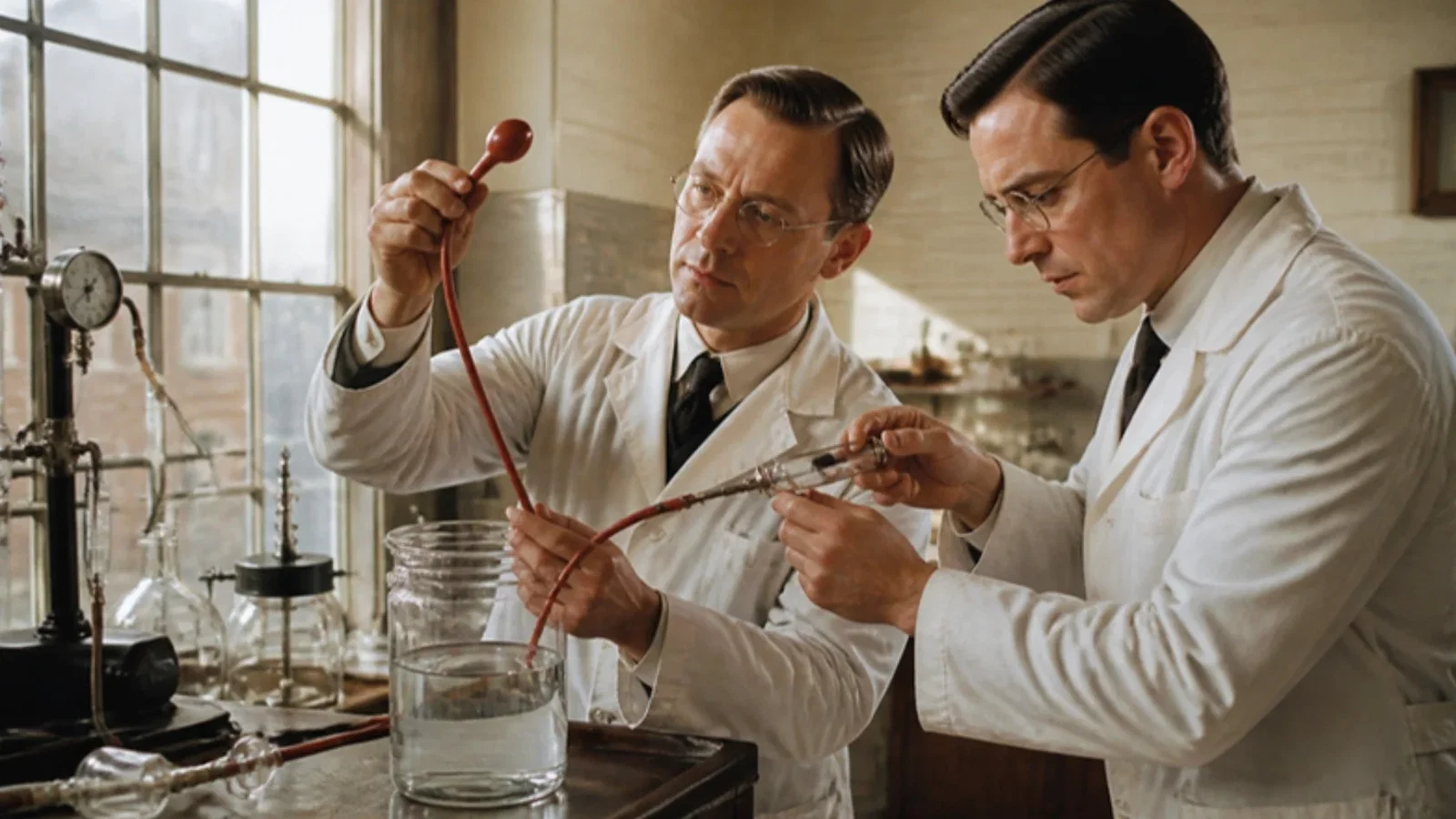
Guedel and Waters described a cuff of two Penrose tubes on a catheter, placed just below the cords and inflated to seal the trachea.

In less than a column of JAMA, Guedel described a rubber airway soft enough to spare teeth and pharynx yet firm enough to hold the airway open.
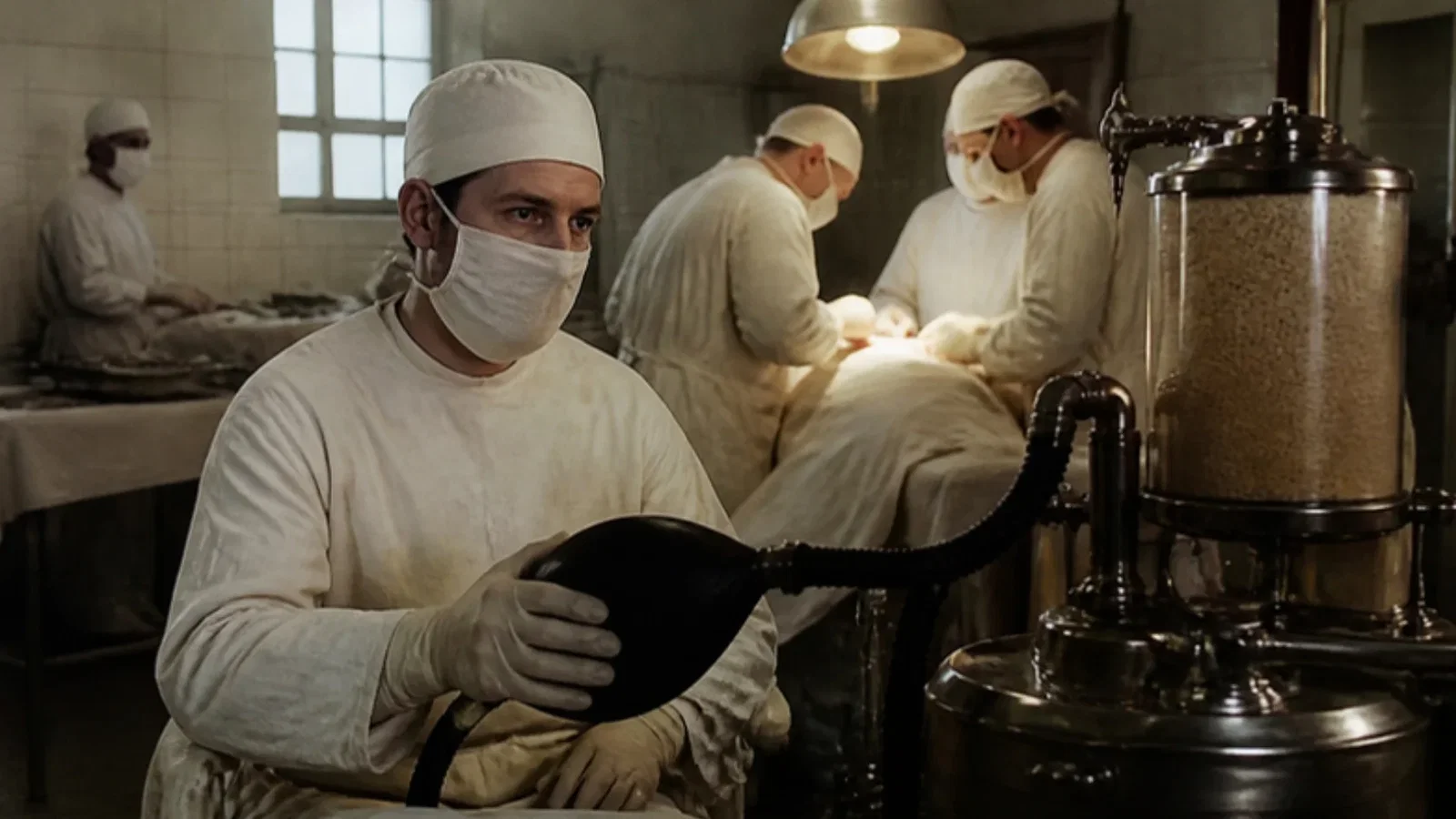
Rovenstine described a cuffed endotracheal tube sealing the airway, with the anaesthetist's hand on the bag controlling depth and minute volume during intrathoracic surgery.
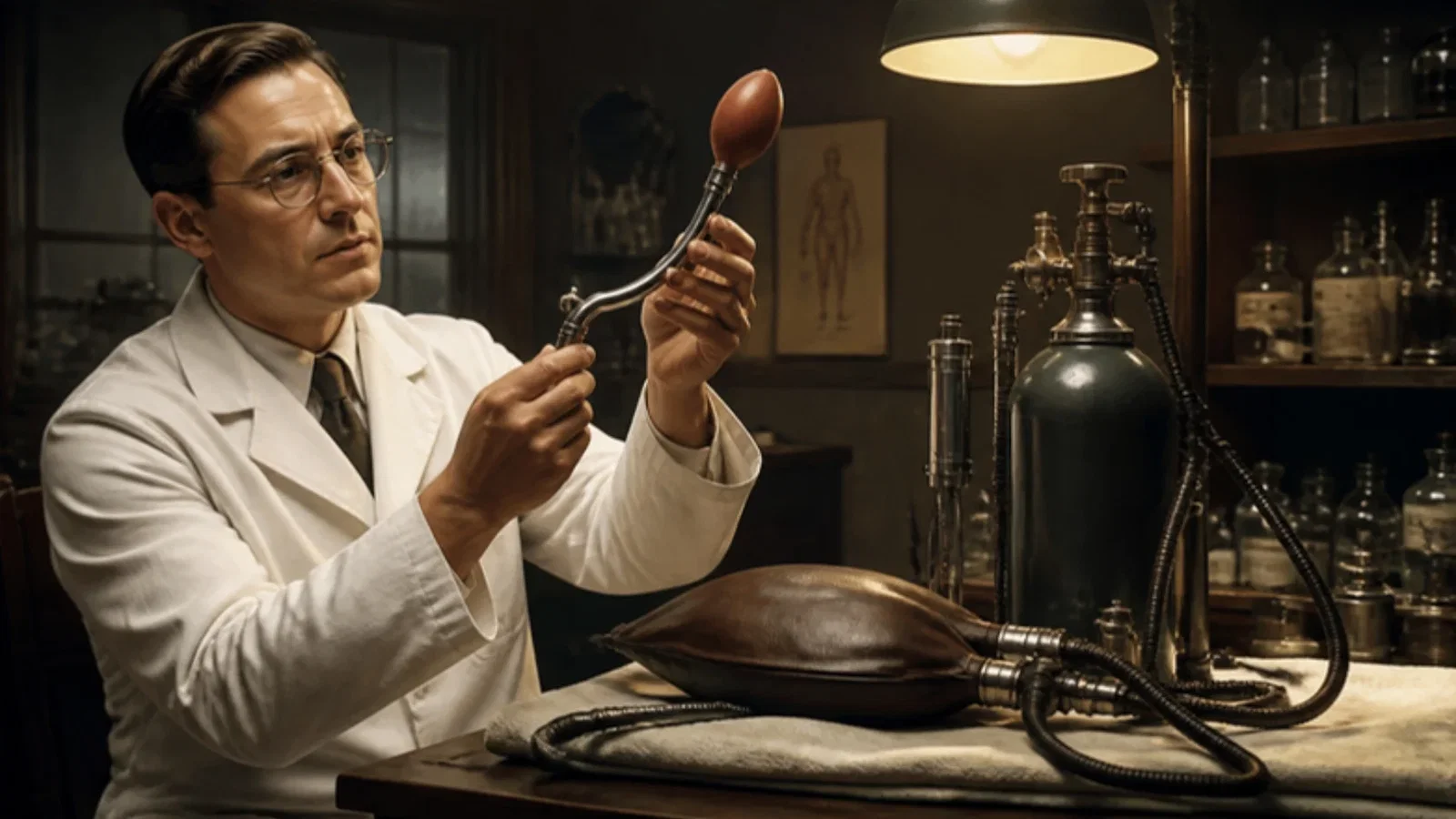
Leech of Regina's metal airway carried a rubber bulb that sealed the pharynx; Leech's paper could not be obtained, and letters of 1990 tell its later return.
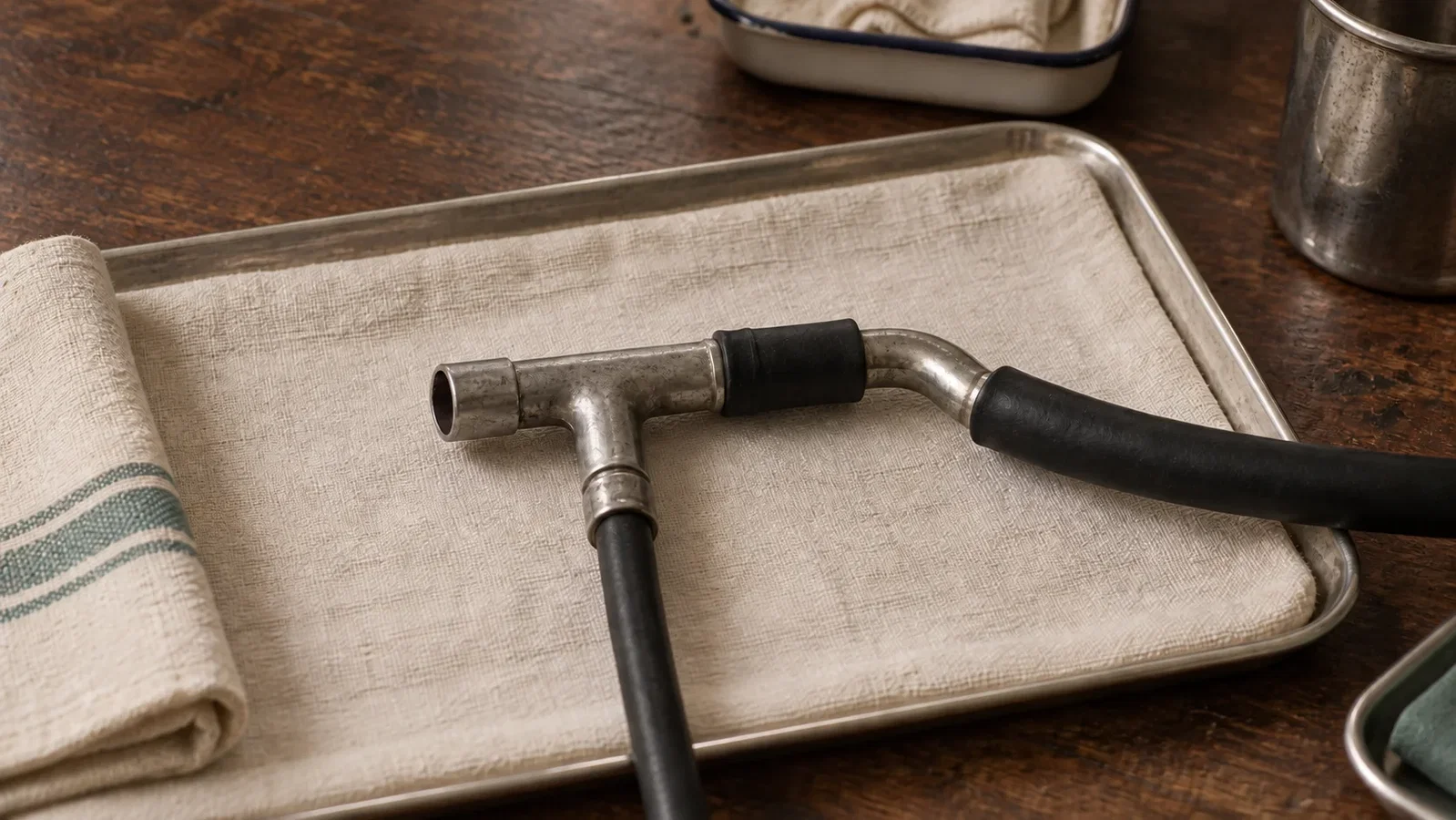
The open connection described in 1937 and the later work of revising and analyzing it
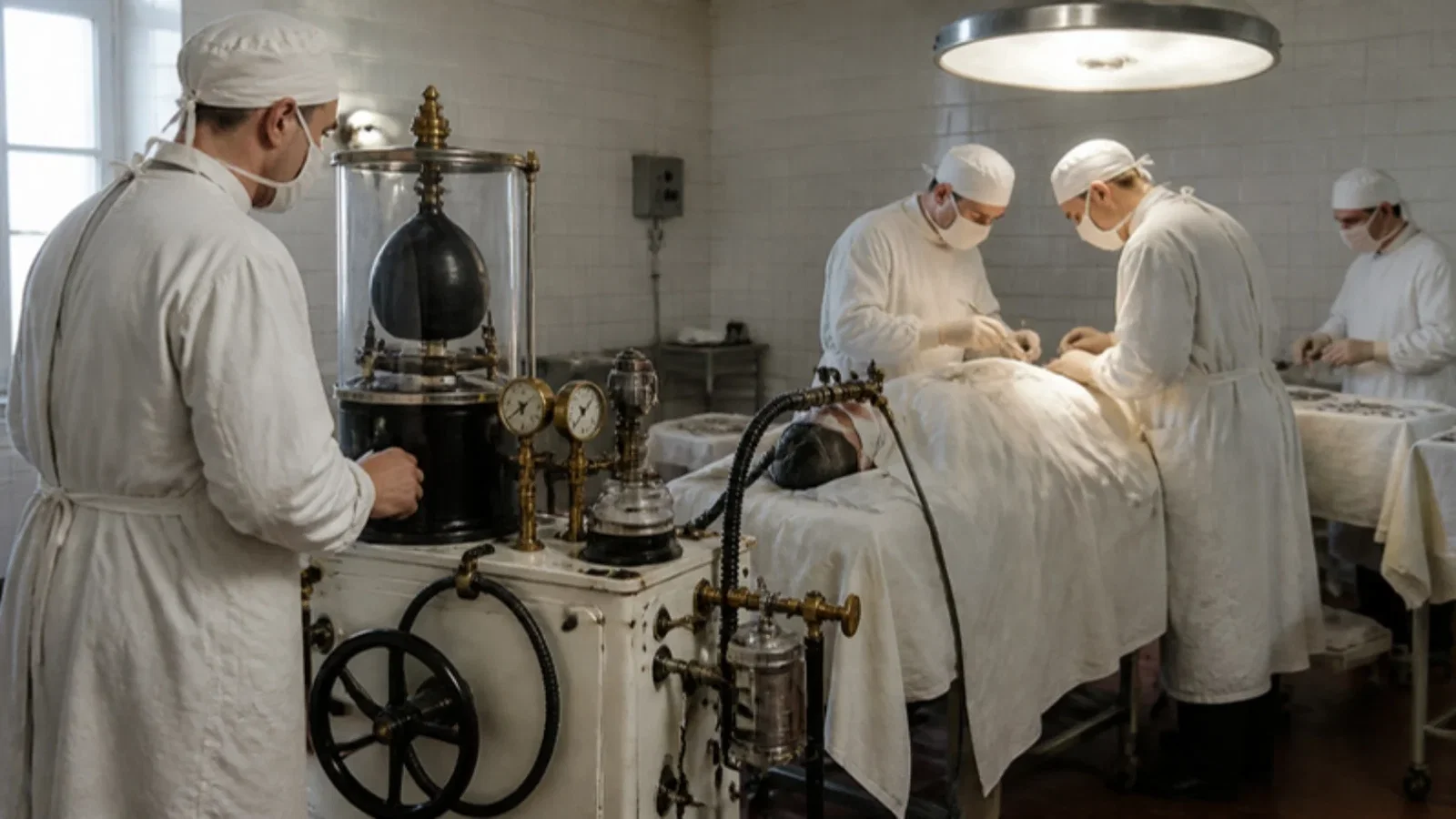
In Stockholm, Crafoord coupled Frenckner's spiropulsator to a nitrous oxide circuit, blowing gas in rhythmically and letting the lungs empty freely.
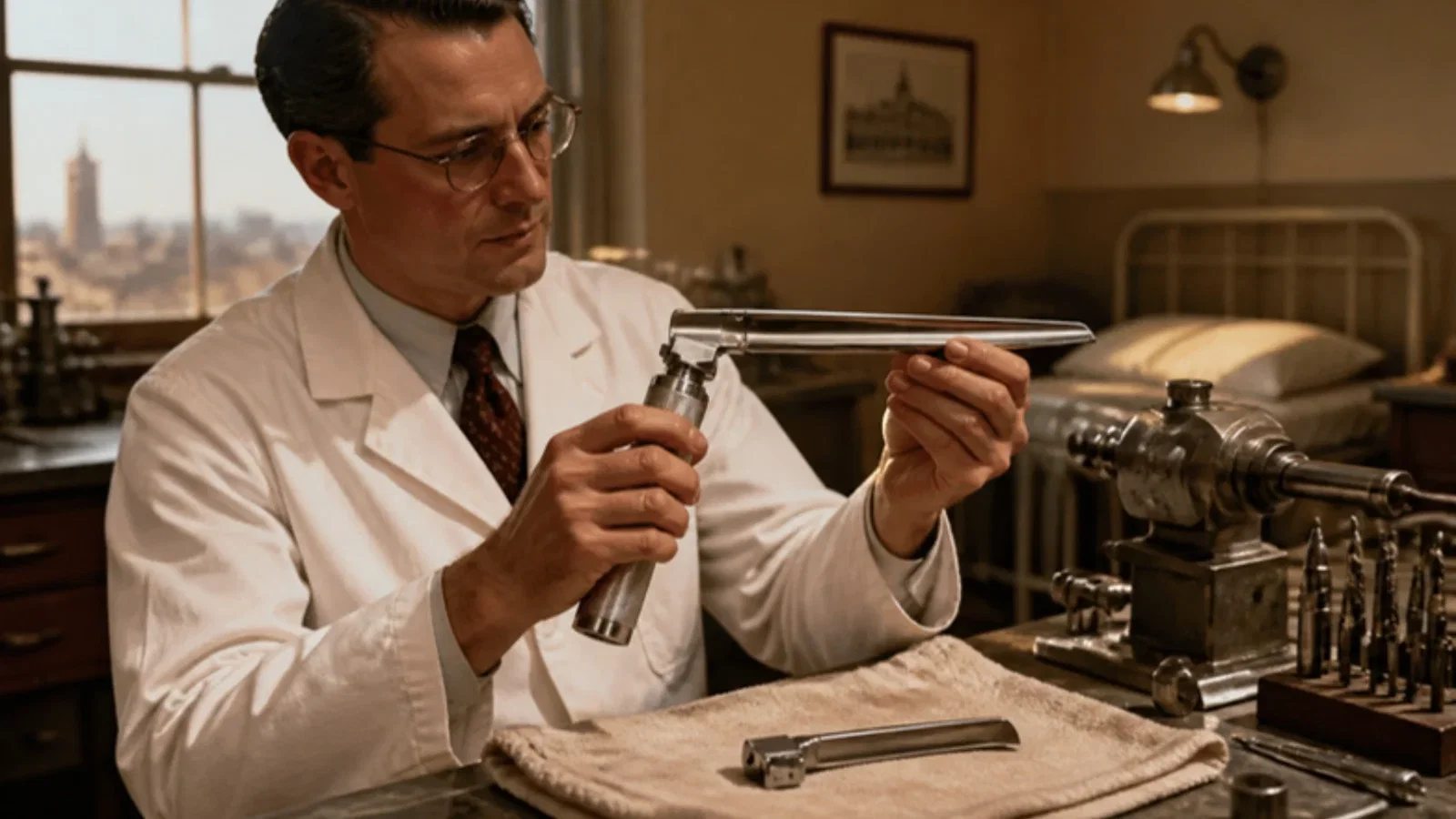
Miller of San Antonio described a longer, narrower, round-bottomed blade curved near the tip that exposed the larynx without a wide-open mouth.

Tip position, early use and the work of construction in the original records
Obstruction, acidic injury and anesthesia care in the 1946 paper
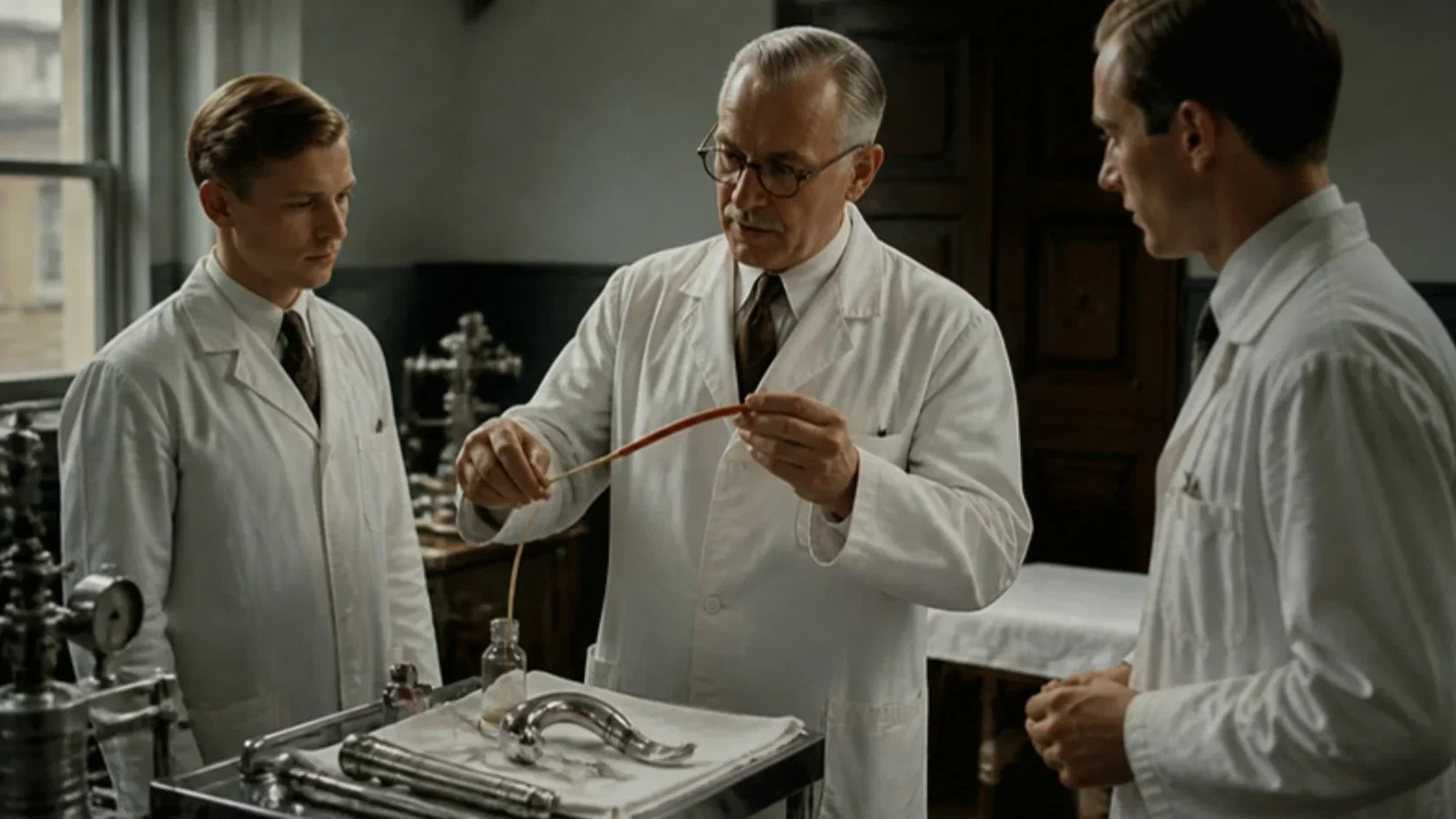
In the BMJ, Macintosh described passing a long gum-elastic catheter through the cords and threading the tracheal tube over it, since a large tube hid the view.
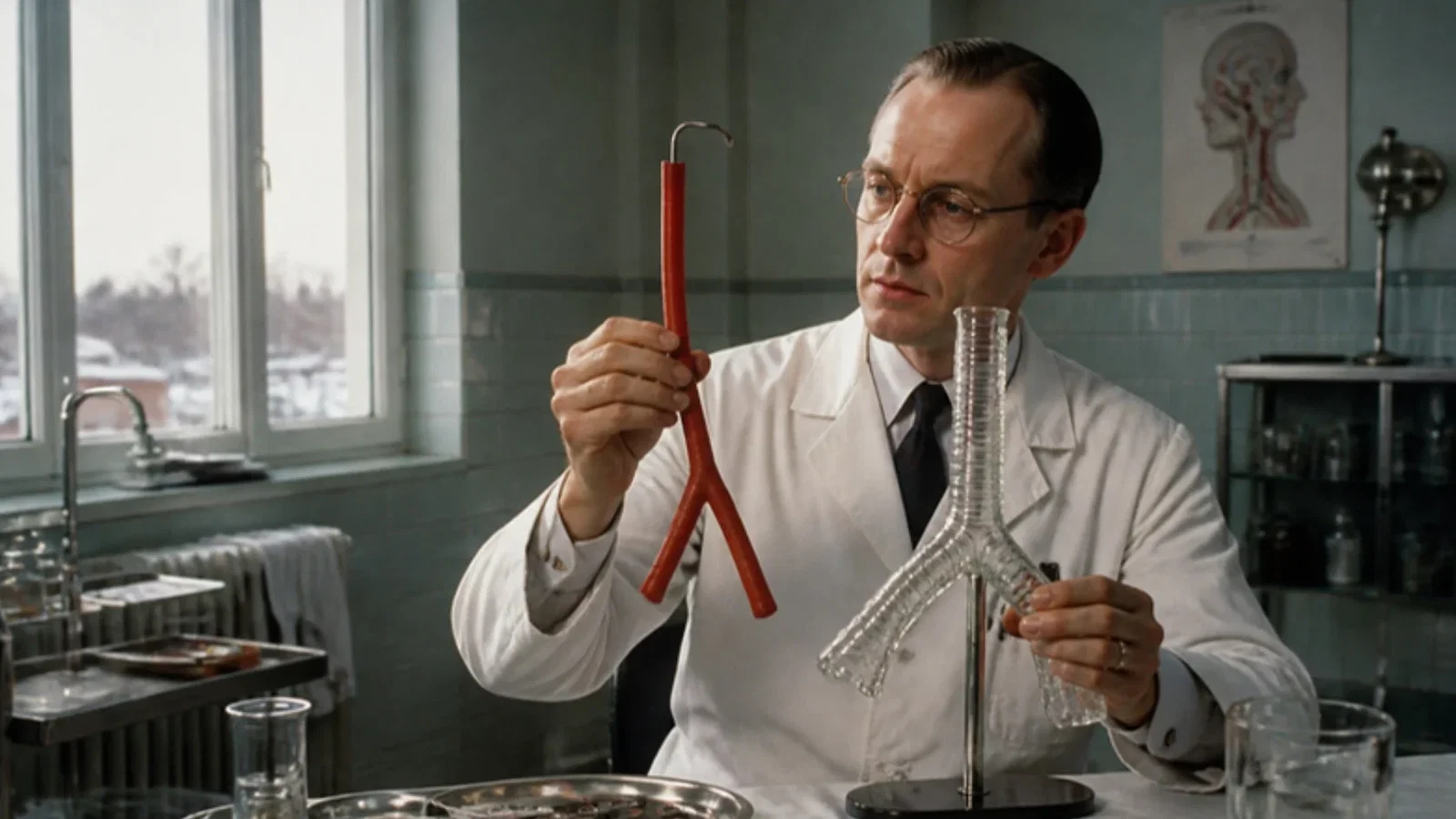
Carlens of Stockholm designed a double-lumen catheter that hooked onto the carina to measure each lung; a year later it enabled one-lung anaesthesia in lung resection.
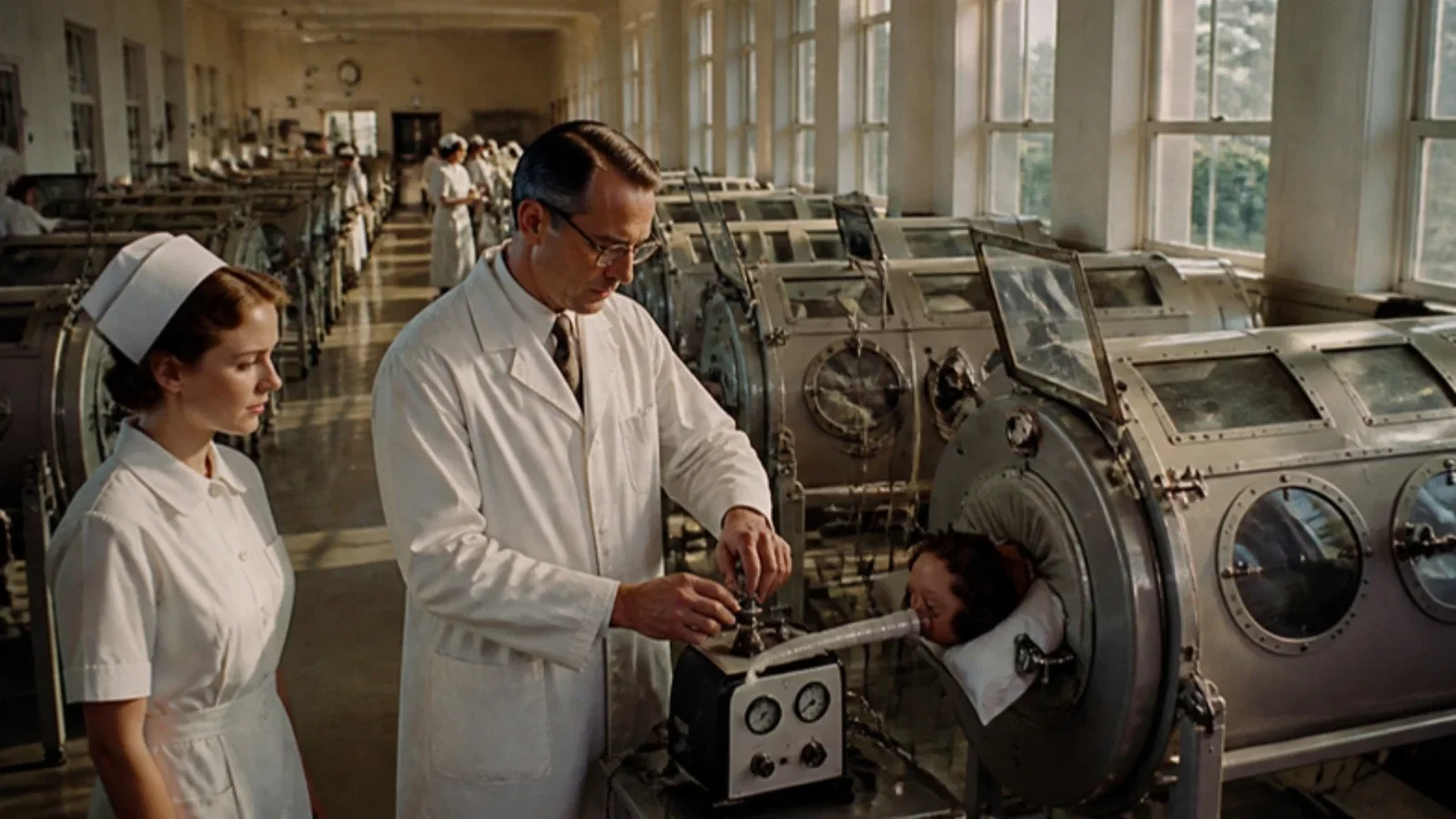
At the Los Angeles County General Hospital, polio patients in iron lungs received added positive pressure through the tracheotomy during inspiration.
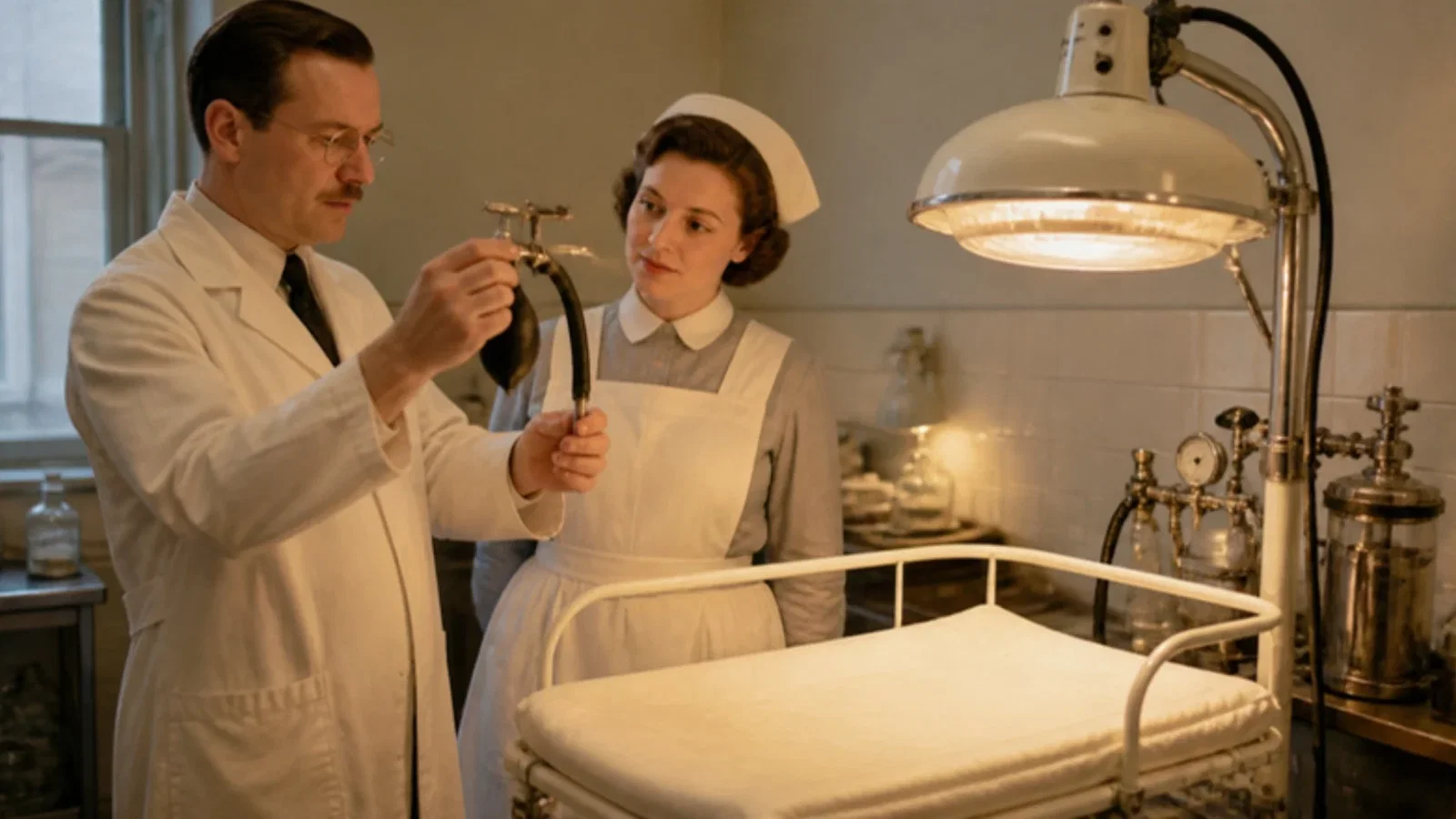
'Anaesthesia in the newborn', BMJ 23 December 1950: neonatal physiology, and controlled breathing through a T-piece with a double-ended bag
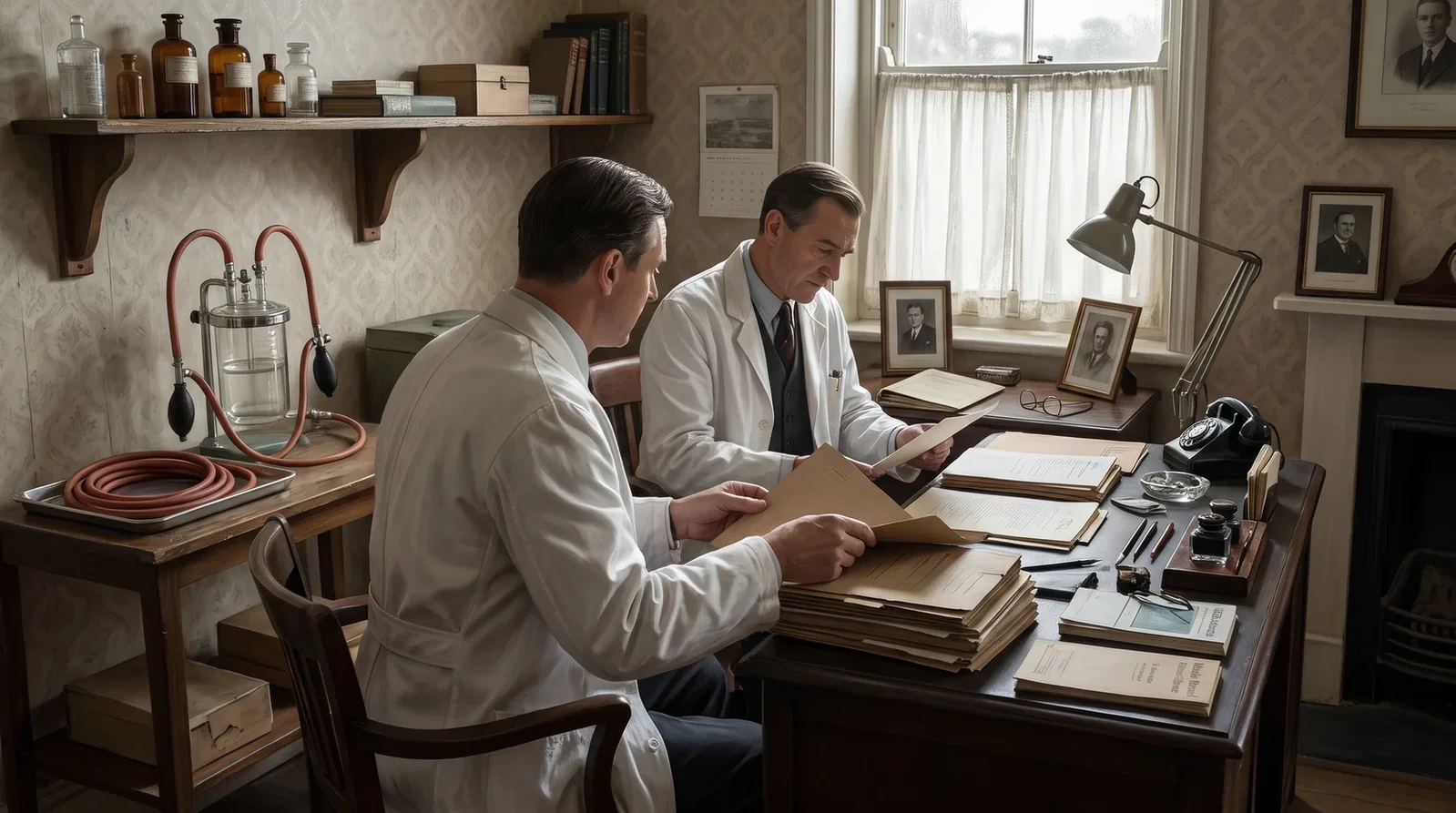
Drawing on cases reported to an Association of Anaesthetists committee, the authors found that 25 of the 43 deaths occurred at induction.
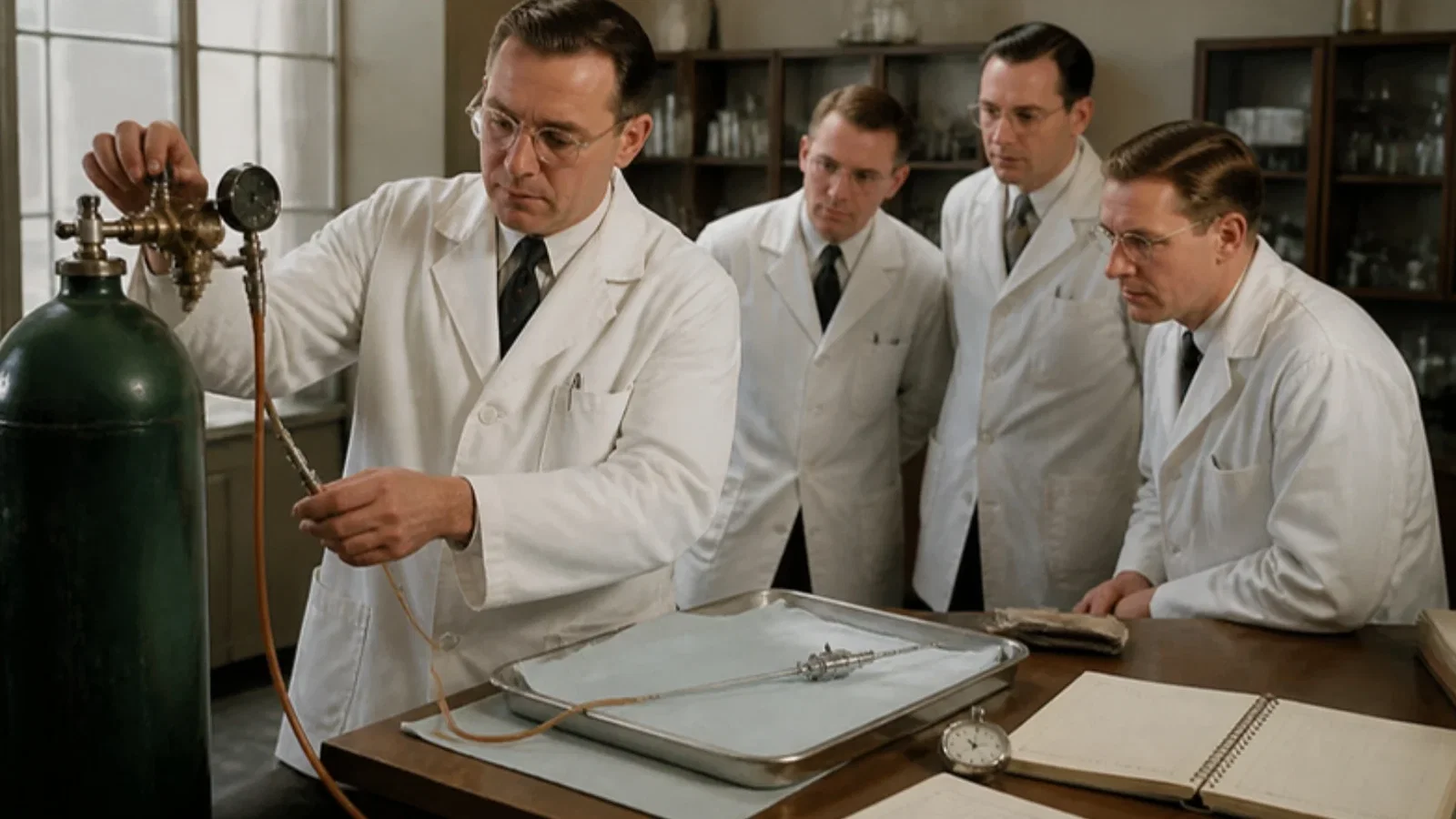
At Ohio State, oxygen blown through a needle in the trachea kept apnoeic dogs alive for thirty minutes, while carbon dioxide kept rising.
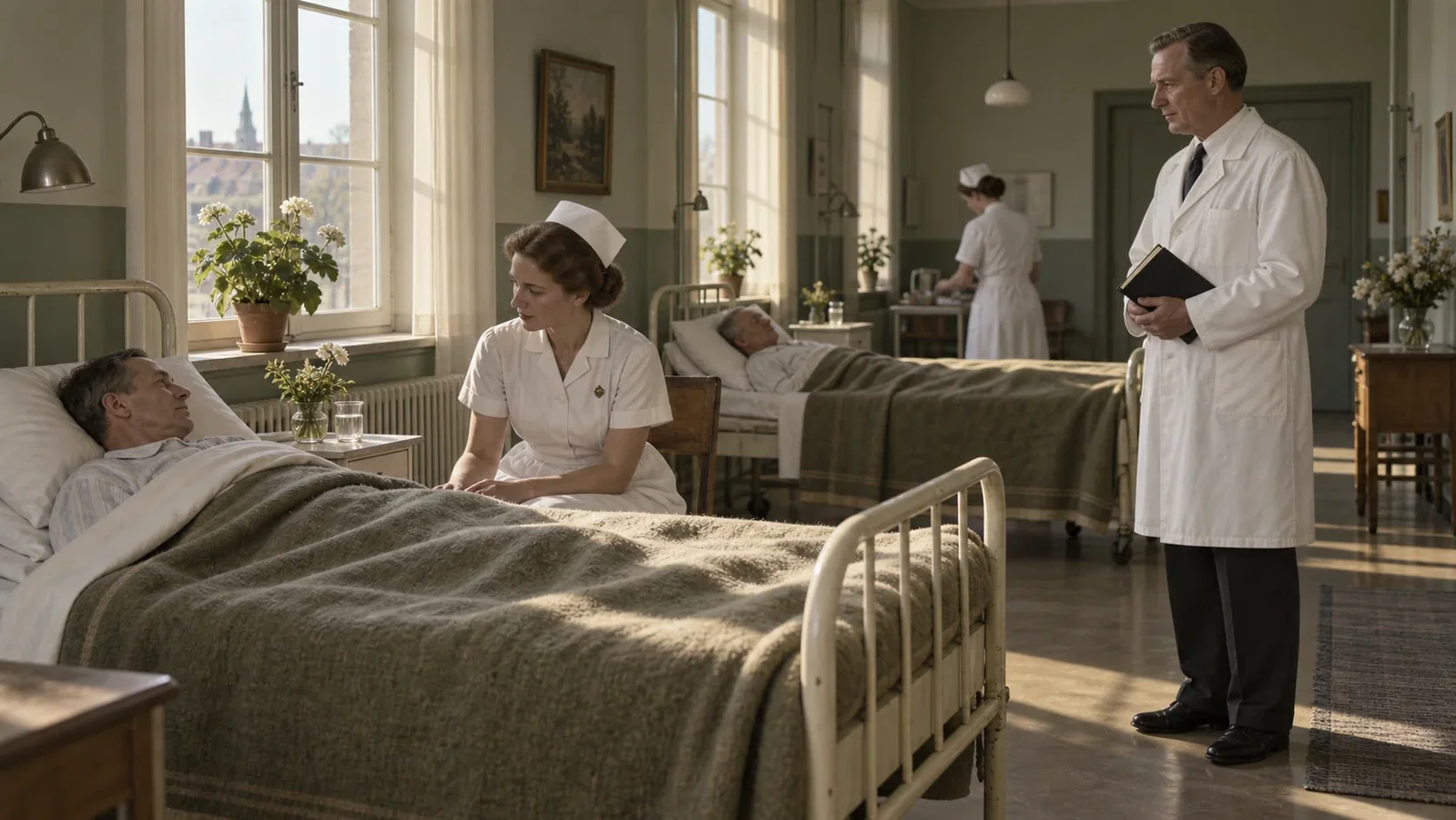
Bedside ventilation sustained by observation, staffing and shared care
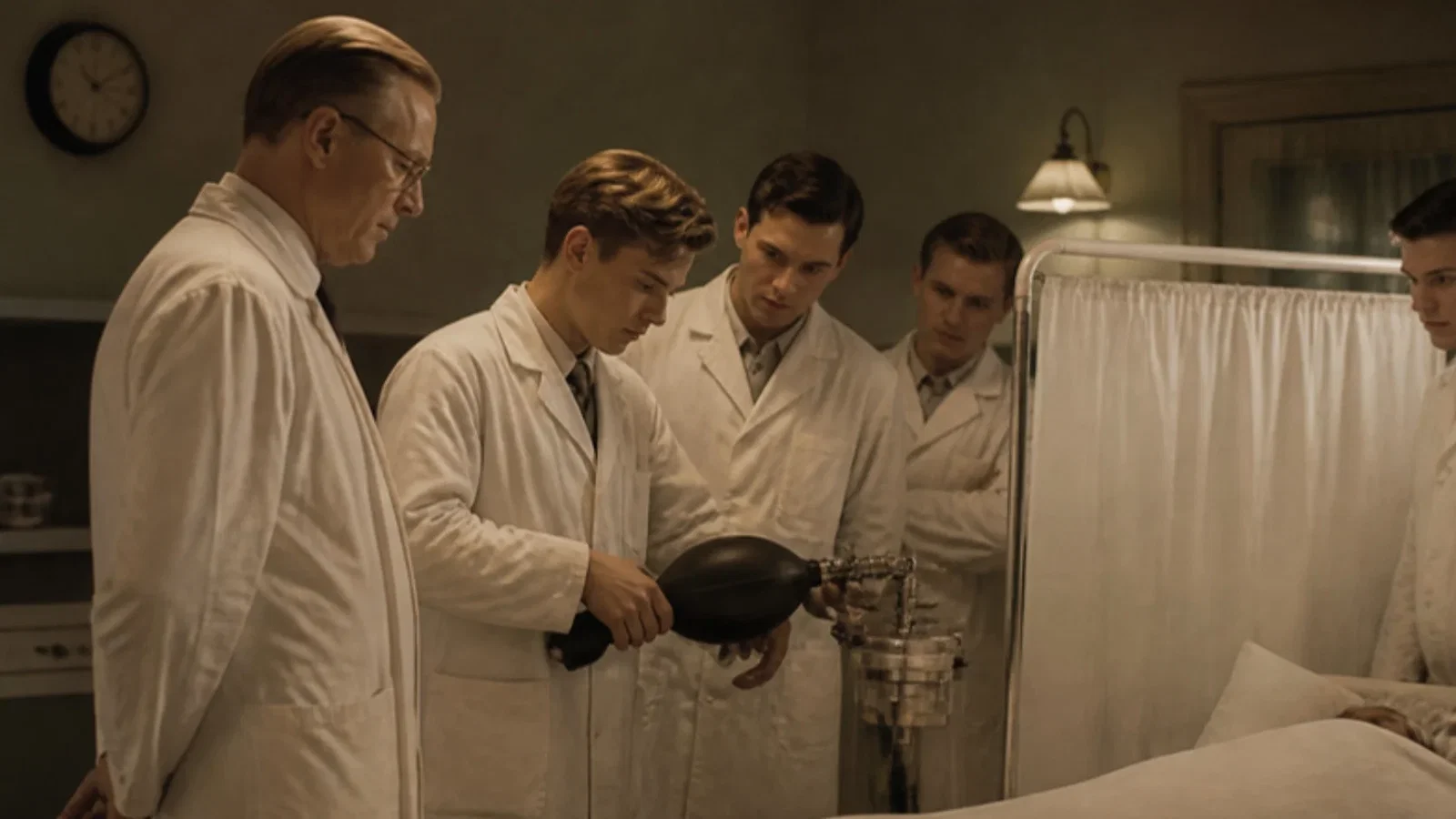
After the 1952 polio epidemic, Copenhagen's Blegdam Hospital fully curarised a boy with severe tetanus and ventilated the boy by hand through a tracheotomy.
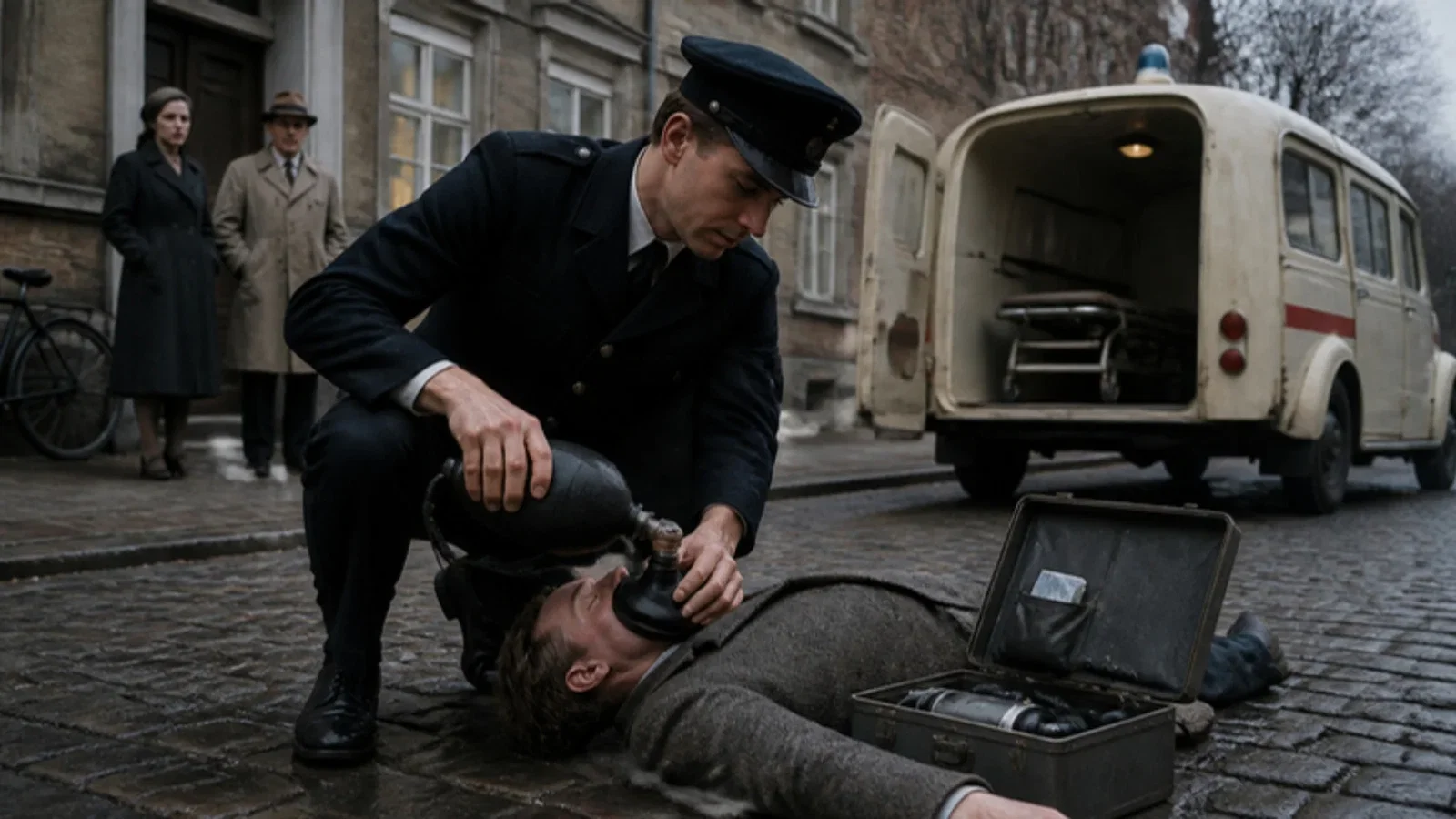
The ASA timeline credits Ruben with a 1954 bag that re-expanded by itself on sprung bicycle spokes, marketed from 1957 as the Ambu resuscitator.
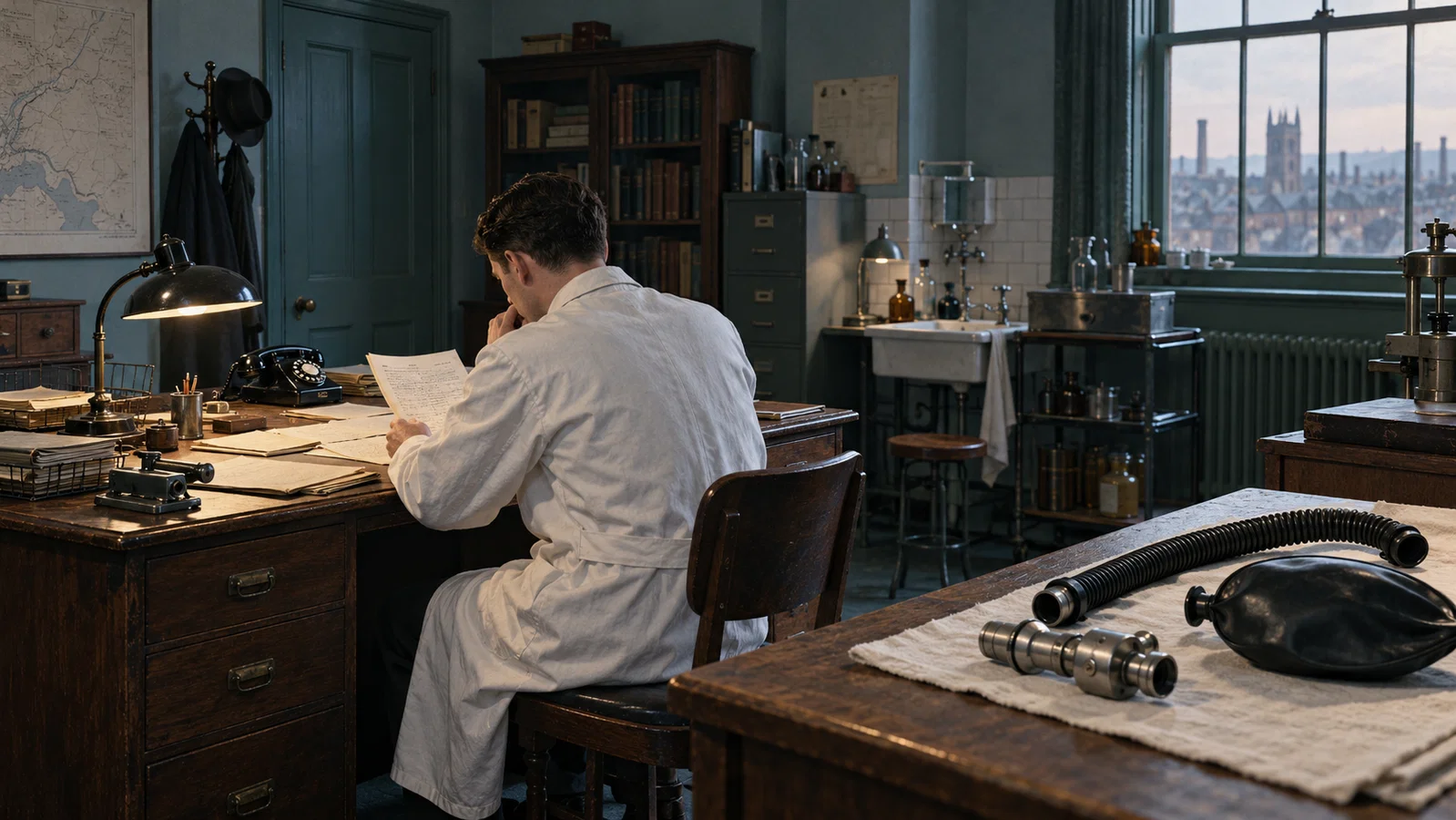
A theoretical comparison under spontaneous breathing
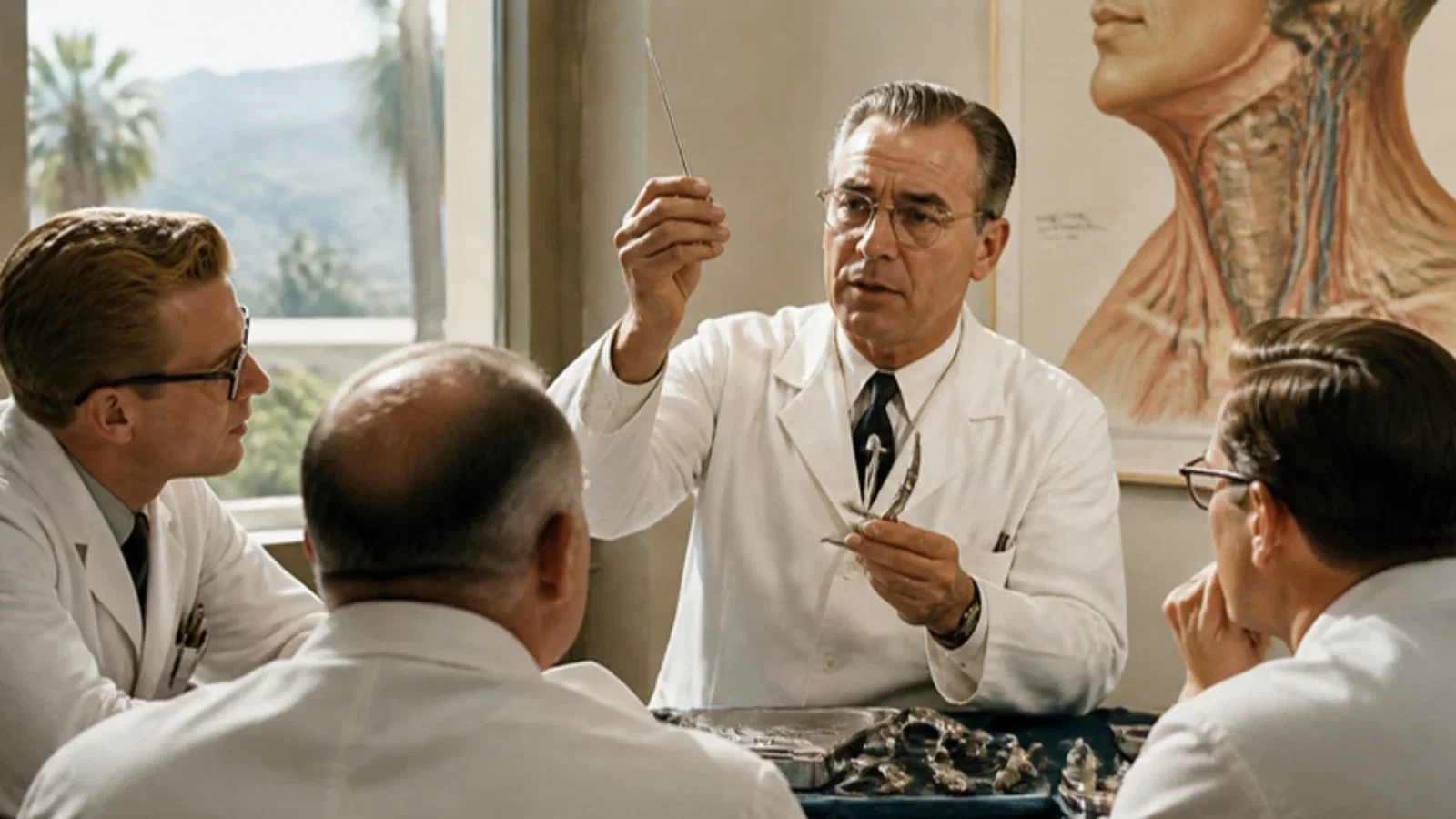
Shelden and colleagues in Pasadena guided a cutting blade and tube along a slotted needle passed into the trachea.
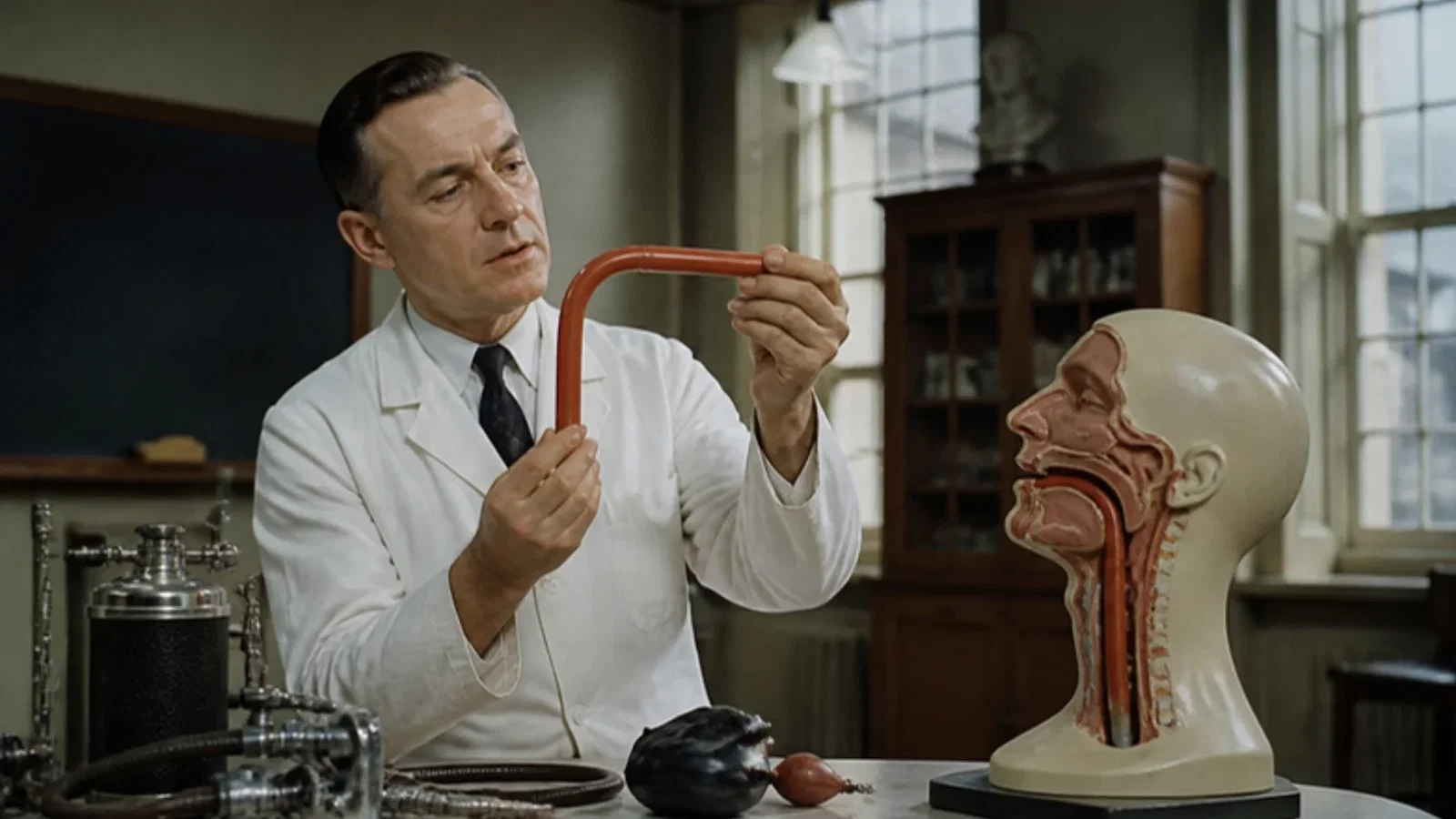
Alsop's inverted L-shaped rubber tube had a thick-walled oral limb so that no head position could kink it.
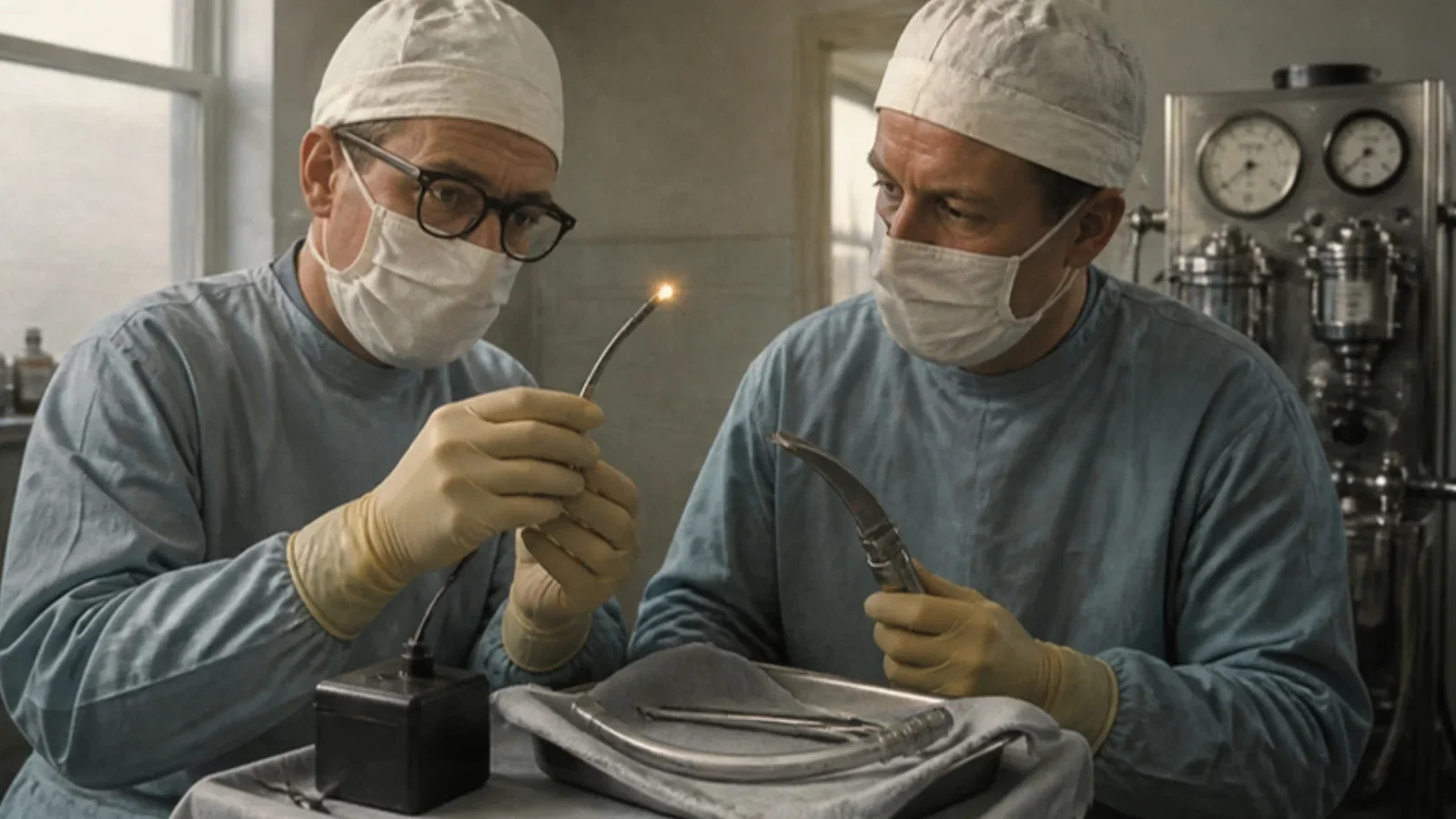
Their new invention combined the gum elastic introducer with a lamp at its tip to light the cords for direct vision.
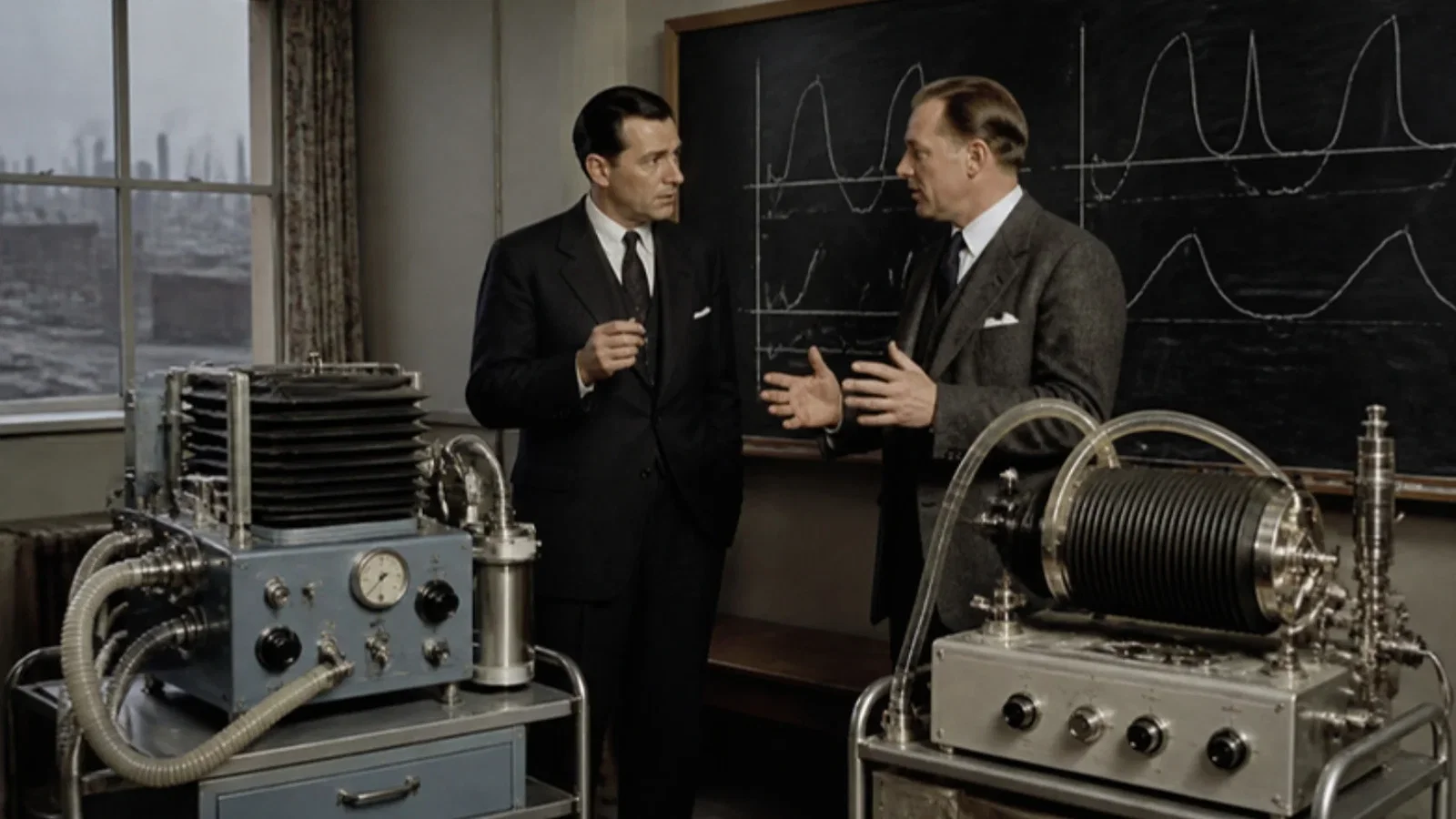
Hunter proposed classing ventilators as volume preset or pressure preset rather than by how they cycled; Mapleson replied with the exceptions.
A 1974 author history distinguishes regurgitation control from prevention of gastric inflation
Topic guide updated October 30, 2026.