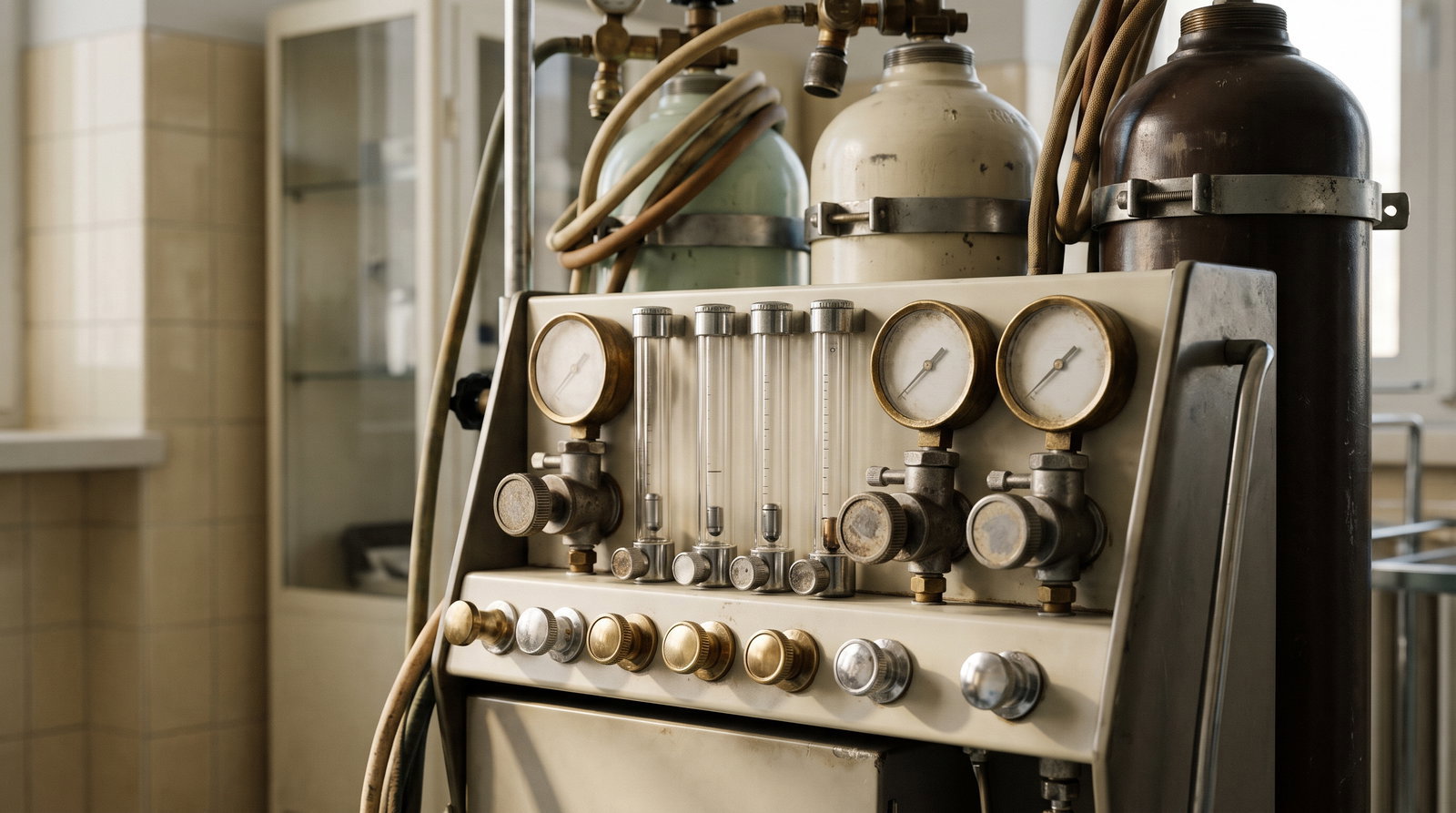
From instruments to models
Explore apparatus, delivery systems, automation and computational tools alongside the clinical work they support.
Reading Library · Explore the Connections
Explore this topic
Topics overlap. An essay may appear in more than one collection.

In Oxford around 1656, Christopher Wren helped inject opium dissolved in wine into a dog's vein; Boyle's 1663 account describes deep stupor and recovery, which opened a route into the blood but did not yet amount to a surgical anesthetic.
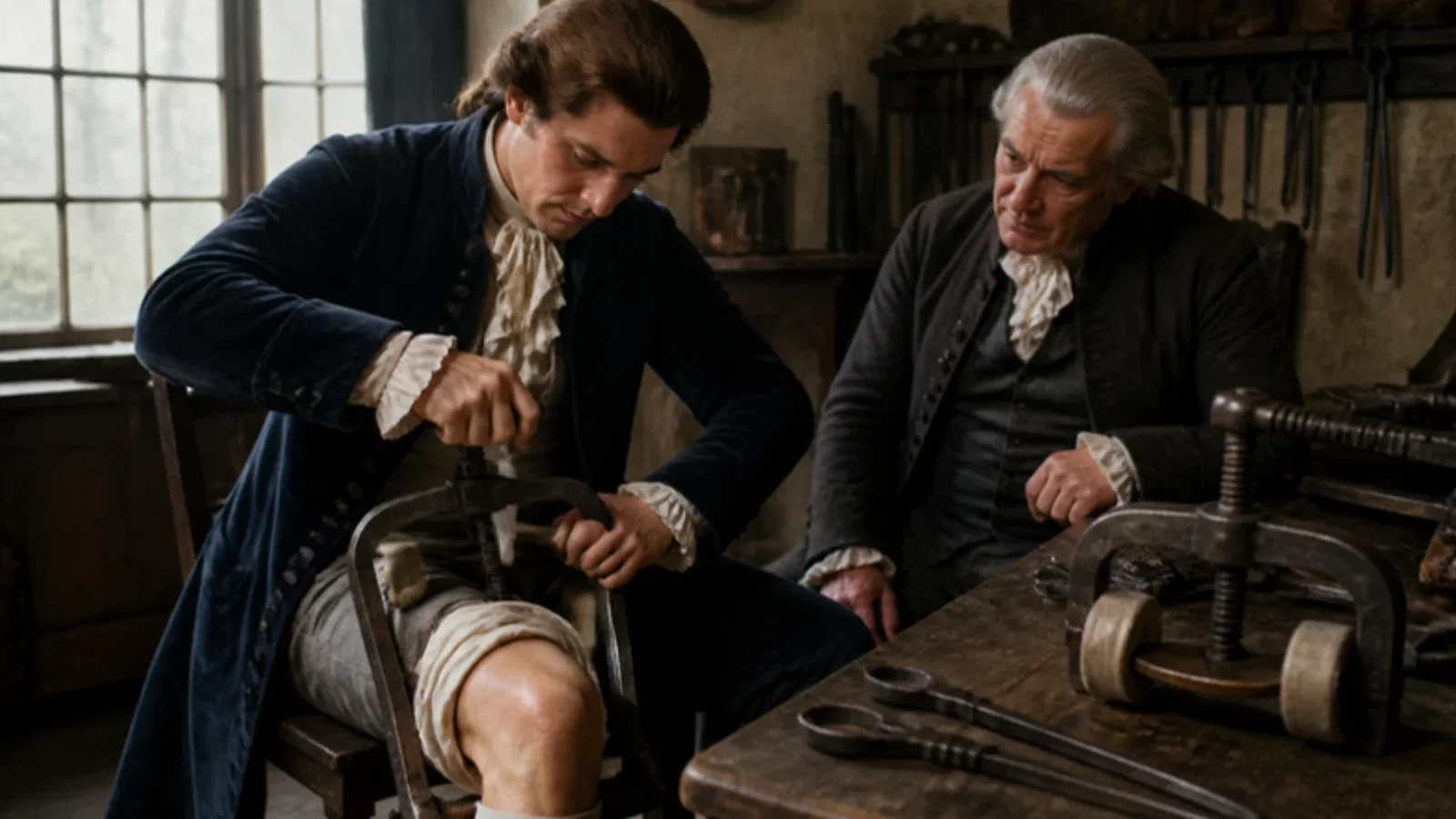
Moore numbed a limb by pressing on its nerves, tested the method on his own thigh, and watched John Hunter amputate a leg while the patient barely cried out.
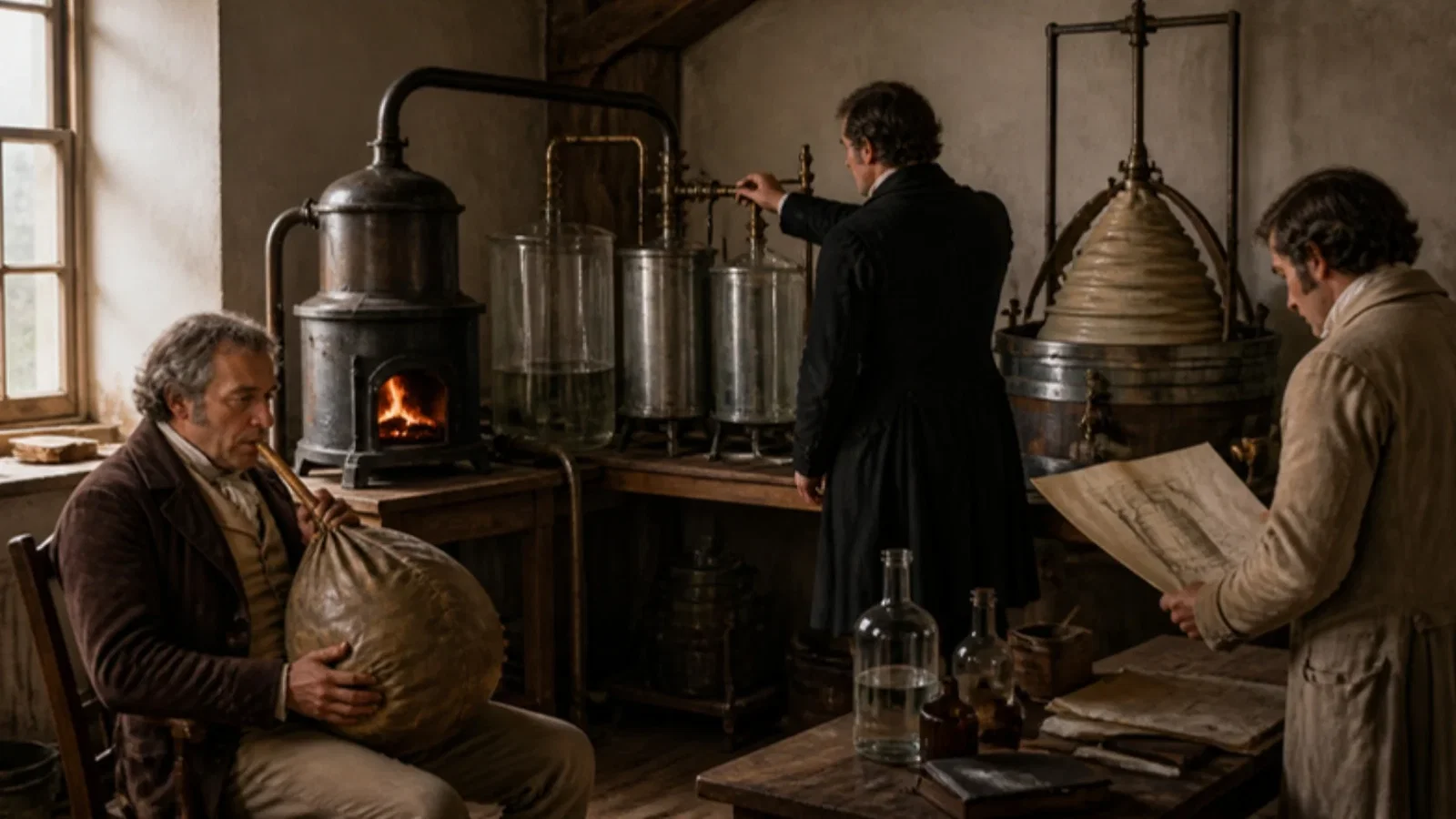
Watt sent Beddoes drawings of an apparatus that made a gas in a heated pot, washed and stored it, and passed it into bags for patients to breathe.
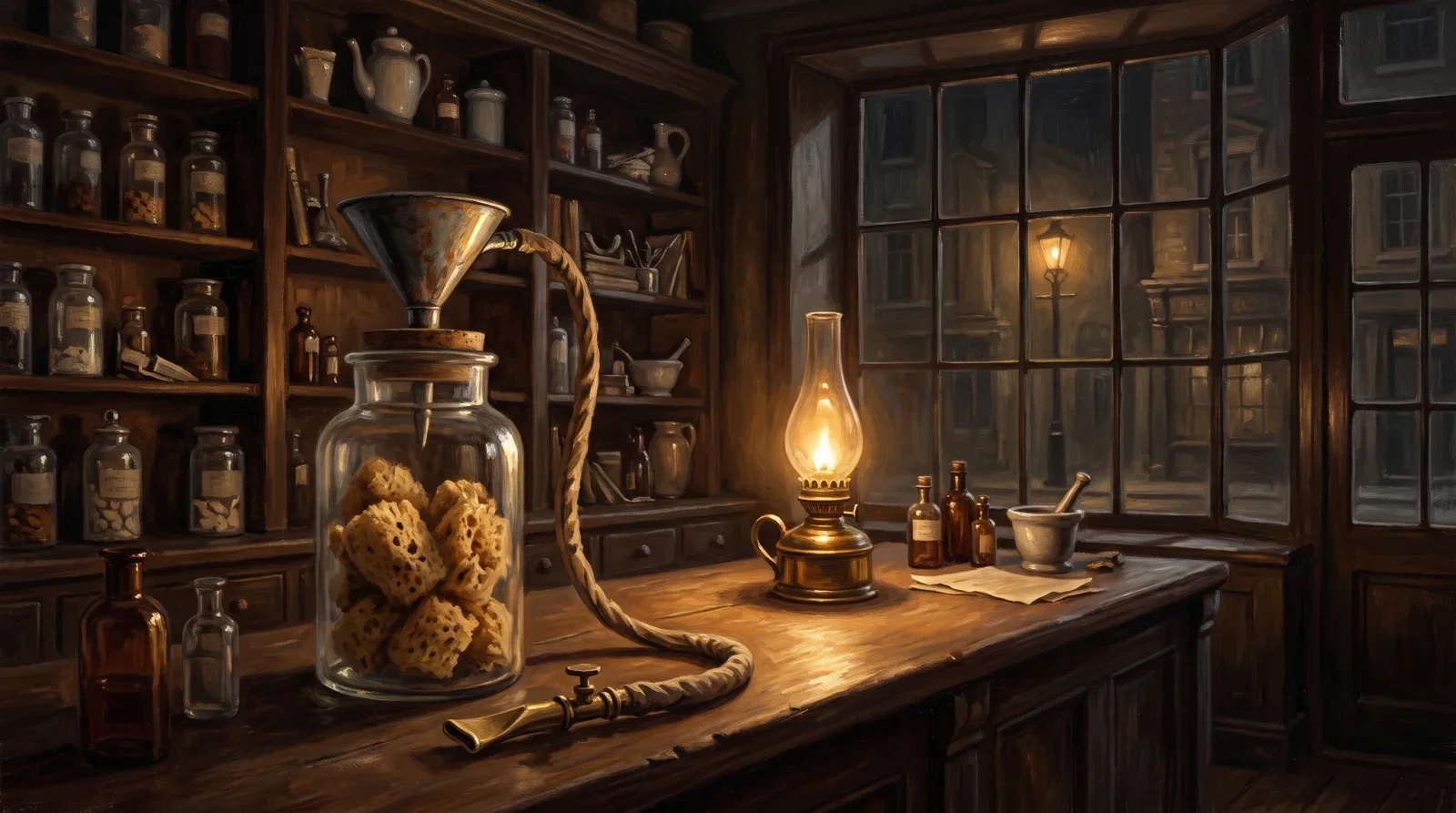
On 21 December 1846 Liston used ether for a thigh amputation with 'most perfect' results; Squire of Oxford Street had made the apparatus and later explained an improved version.
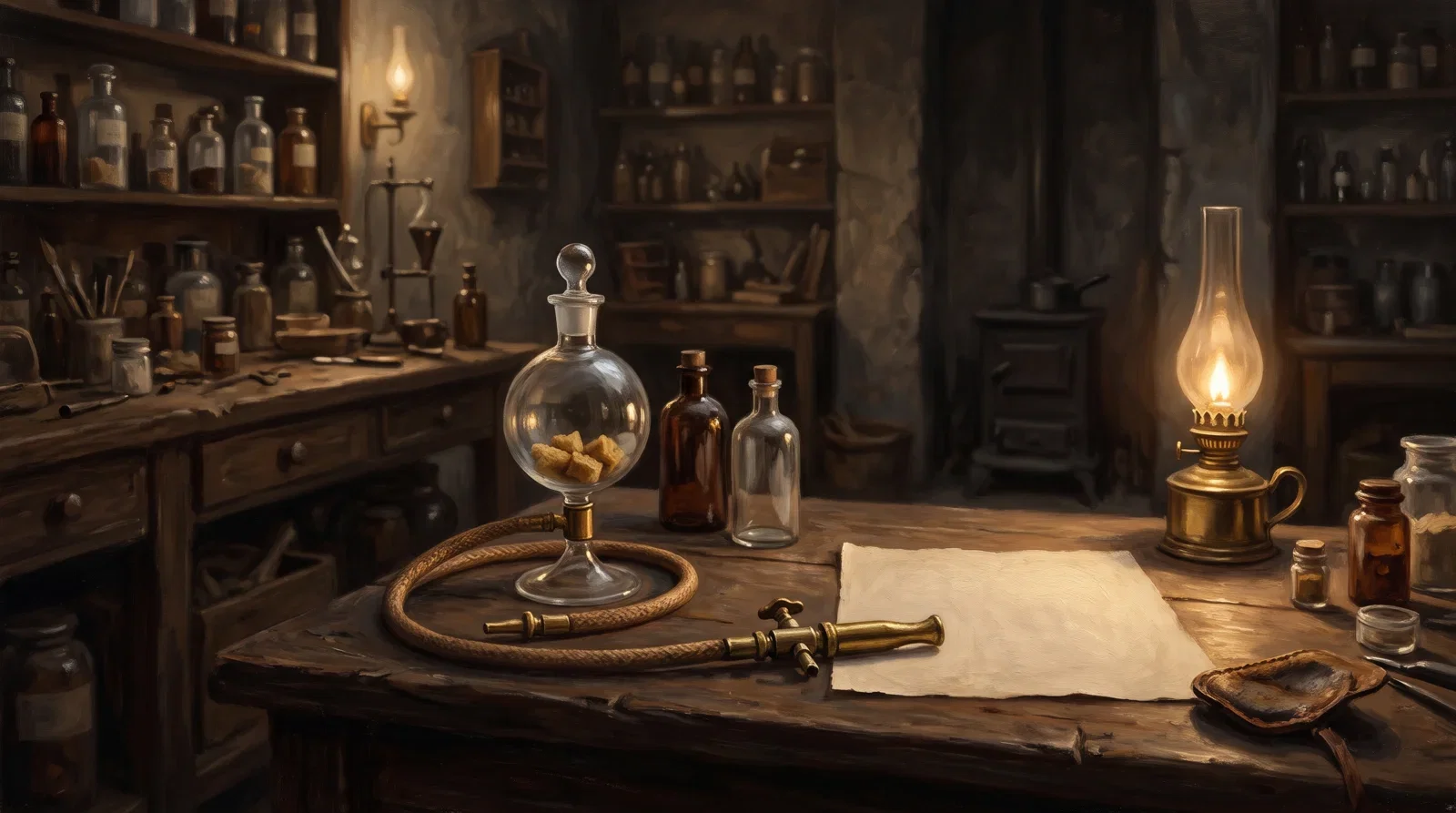
In January 1847 The Lancet printed an engraving of the ether inhaler that Hooper, a Pall Mall chemist, built to Boott and Robinson's instructions, with five requisites for its safe use.
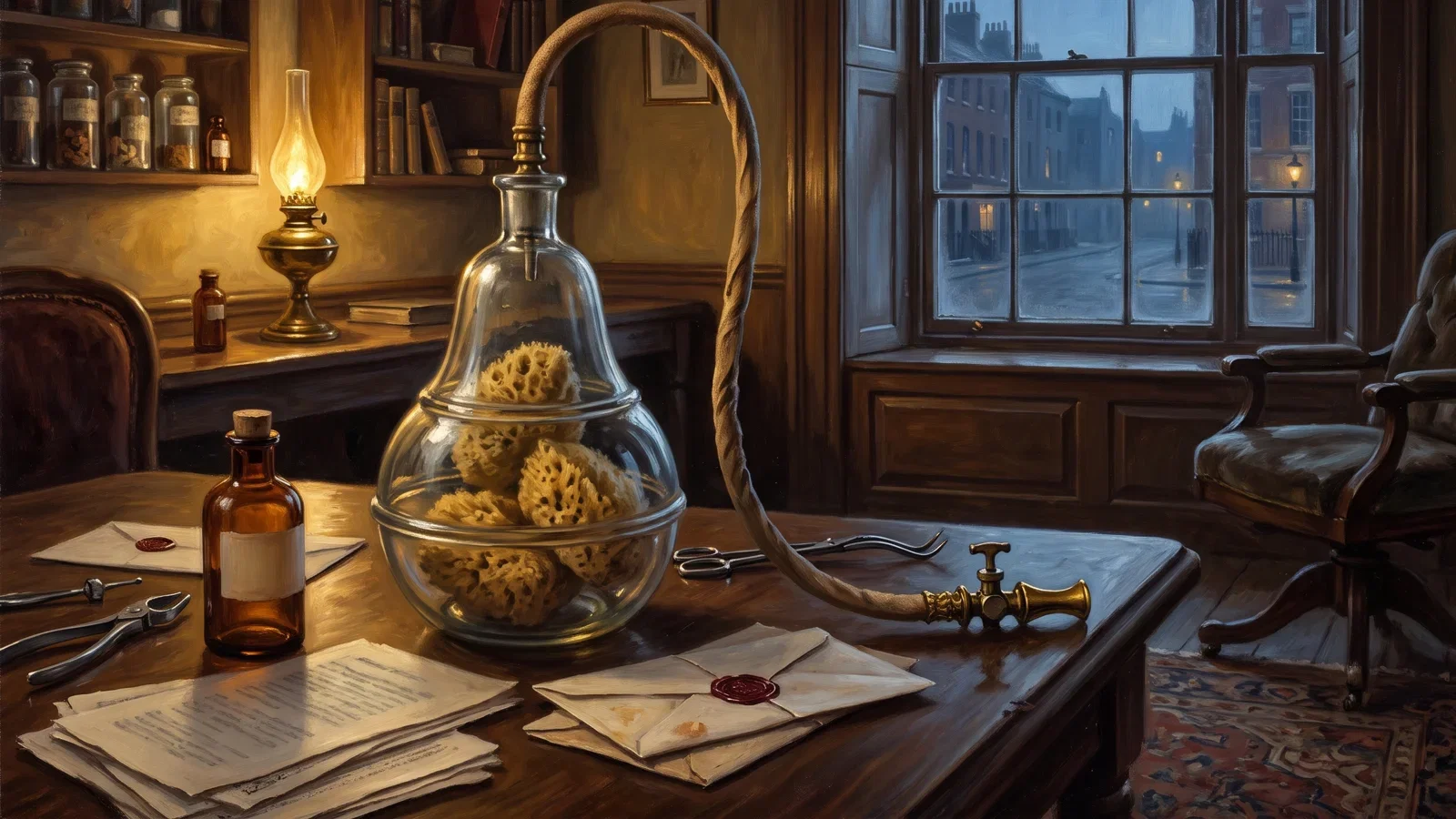
The London dentist James Robinson told of the trial at Boott's house in December 1846, the failures after it, and collected British cases with the operators' names.
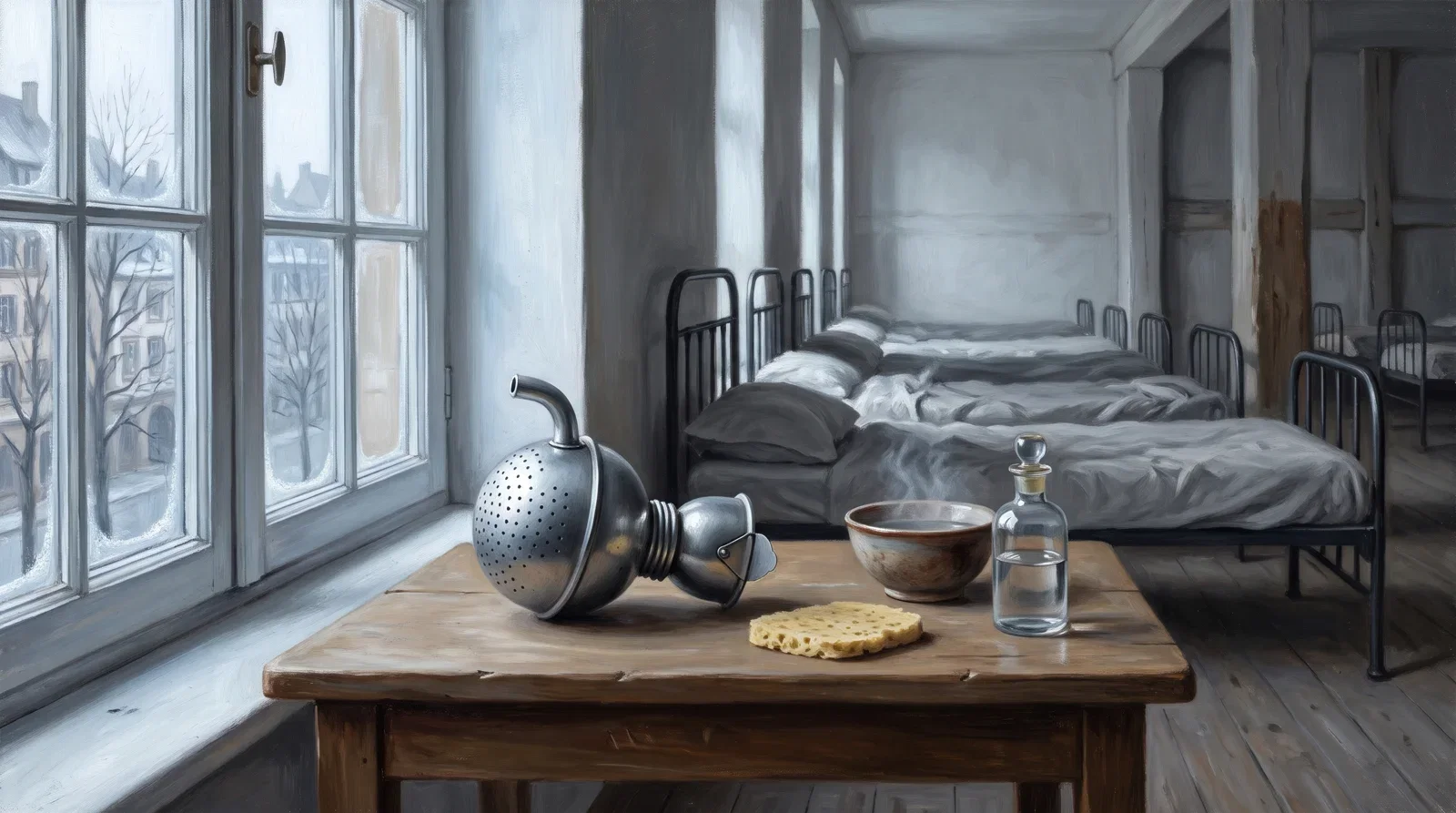
After trying other devices, Sédillot's Strasbourg clinic adopted a chloroform inhaler by the instrument maker Elser that covered both mouth and nose.
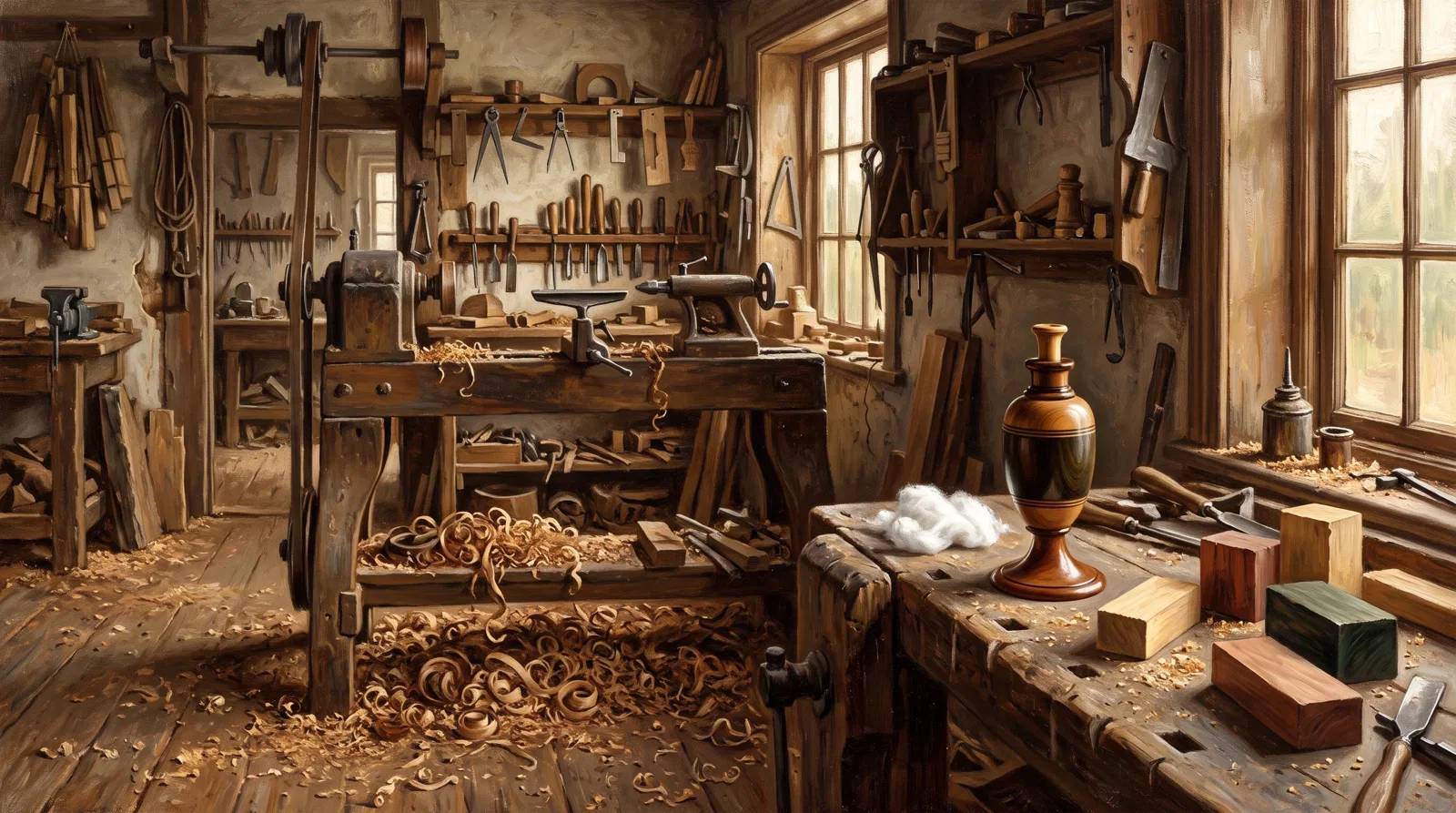
The Pharmaceutical Journal printed four portable ether inhalers, among them Hedley of Bedford's bottle made of boxwood, mahogany, cherry and lignum vitae.
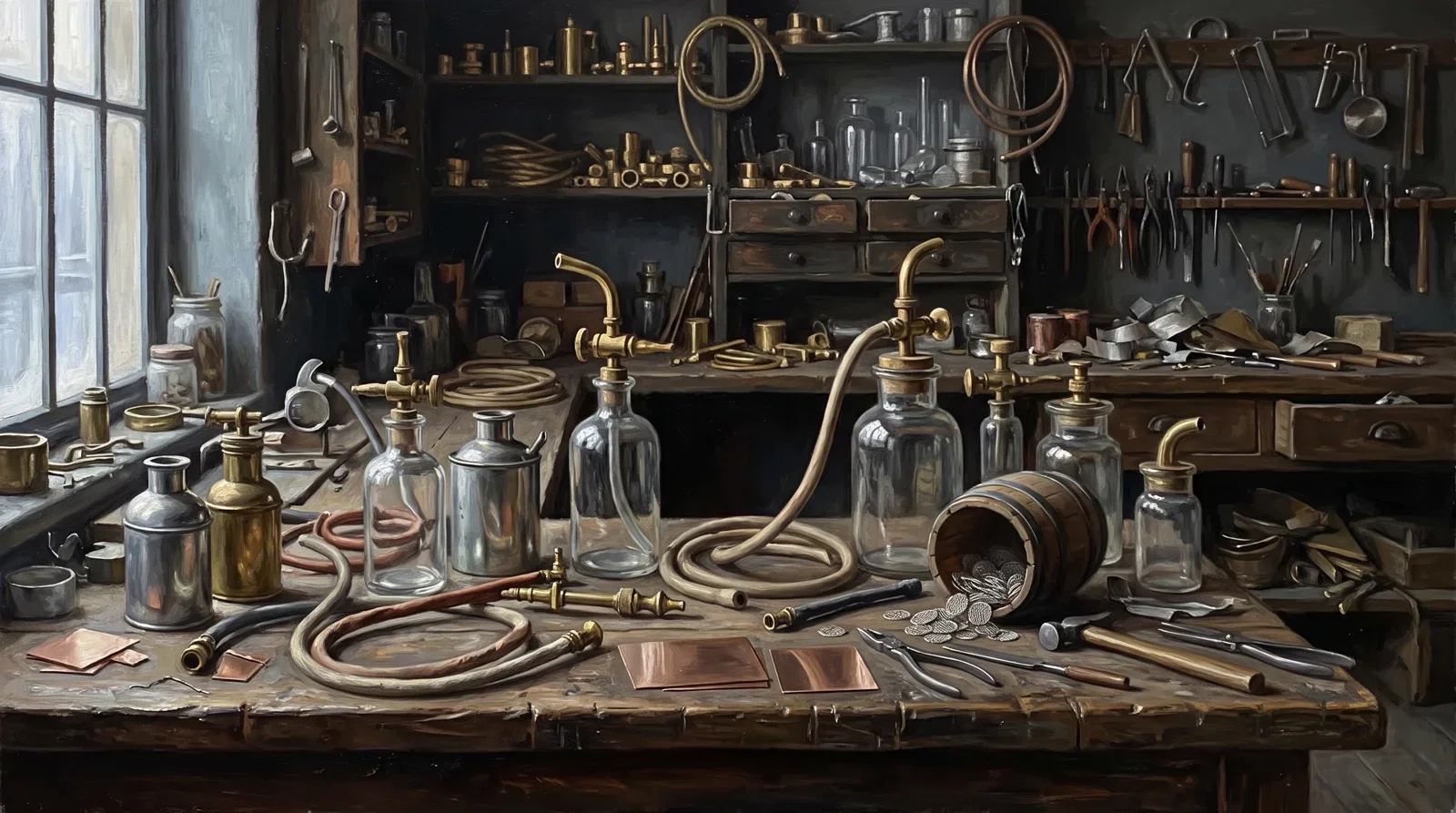
The Paris instrument maker Charrière recorded three months of inhalers built for the Paris hospitals and the changes surgeons asked for.
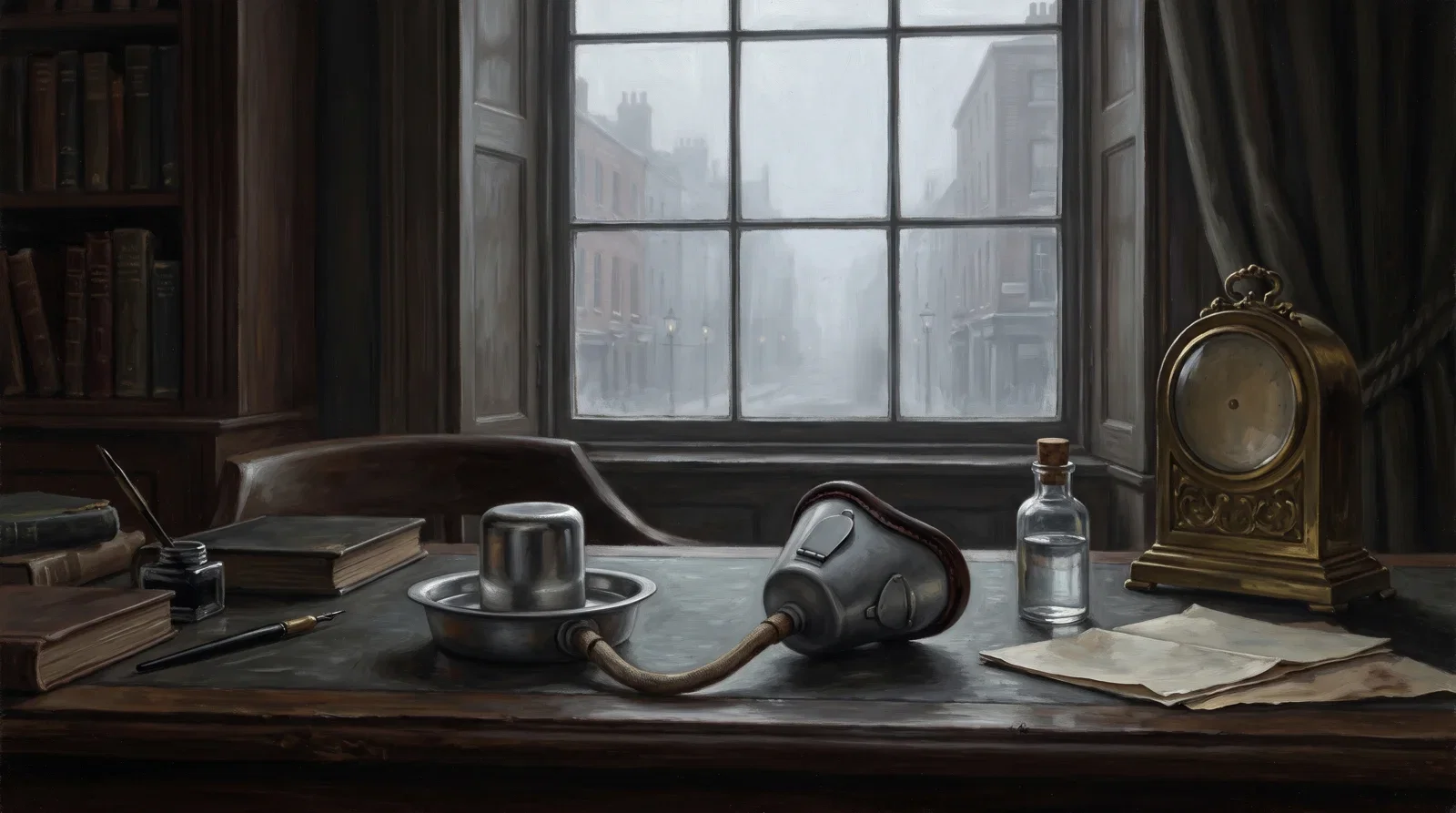
Snow told the Westminster Medical Society that chloroform's effect deepens after inhalation stops, urged plenty of air with the vapour, and described a portable inhaler.
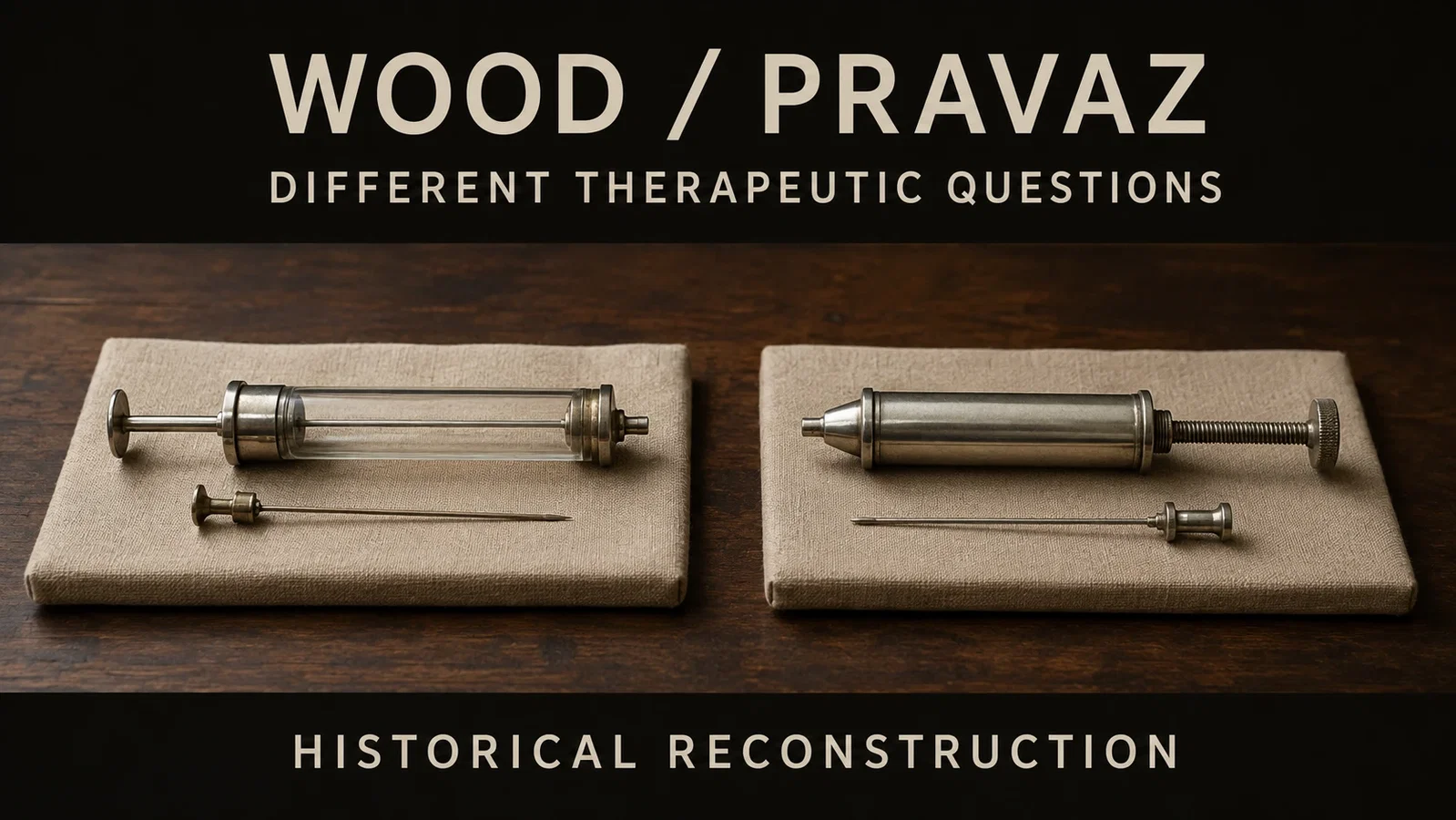
Two injection histories meet in 1853, but relief of neuralgia and experimental arterial coagulation were not the same clinical achievement.
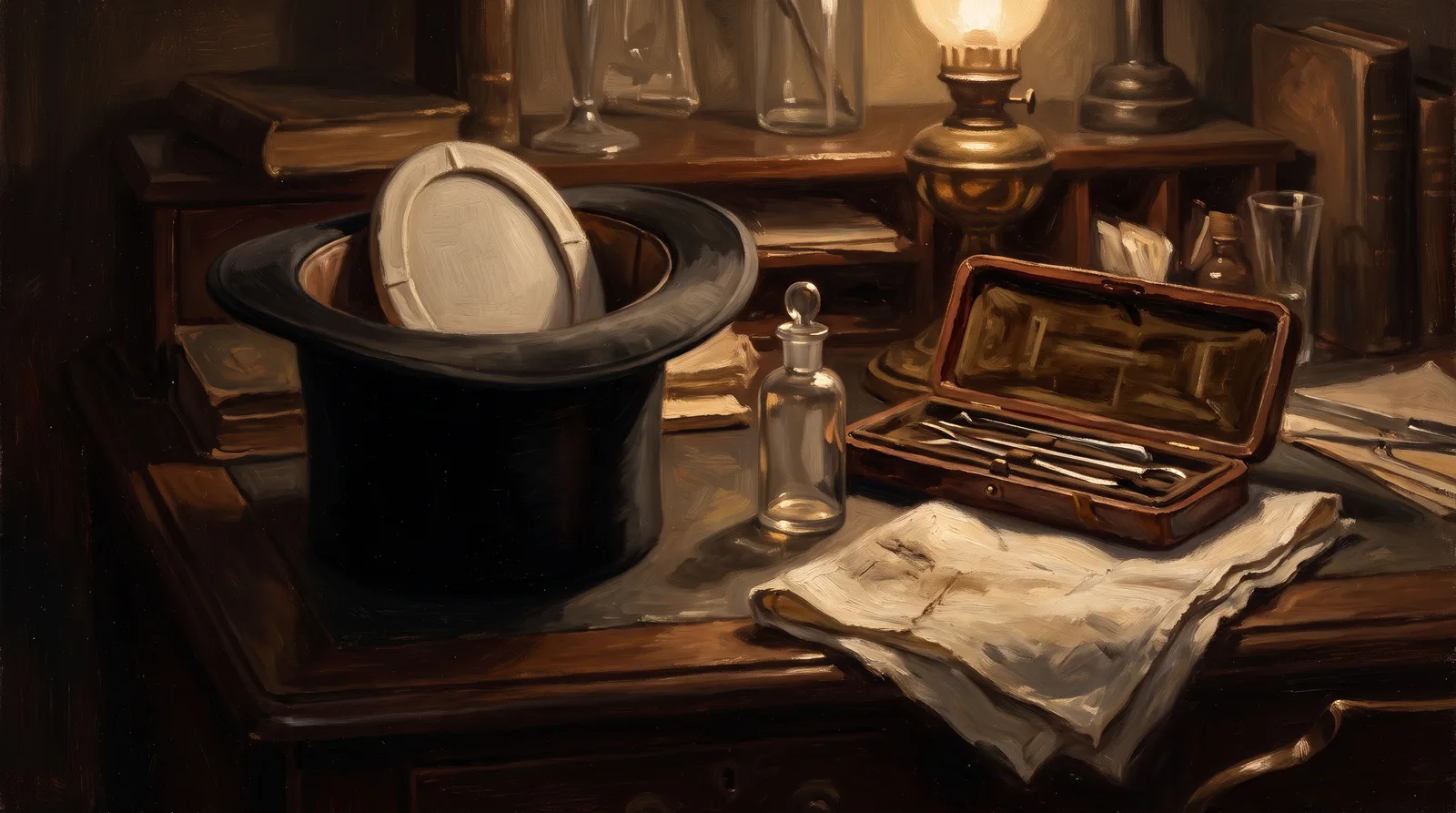
Skinner of Liverpool showed the Obstetrical Society a simple, economical chloroform apparatus for labour; Priestley found it ingenious but fragile.
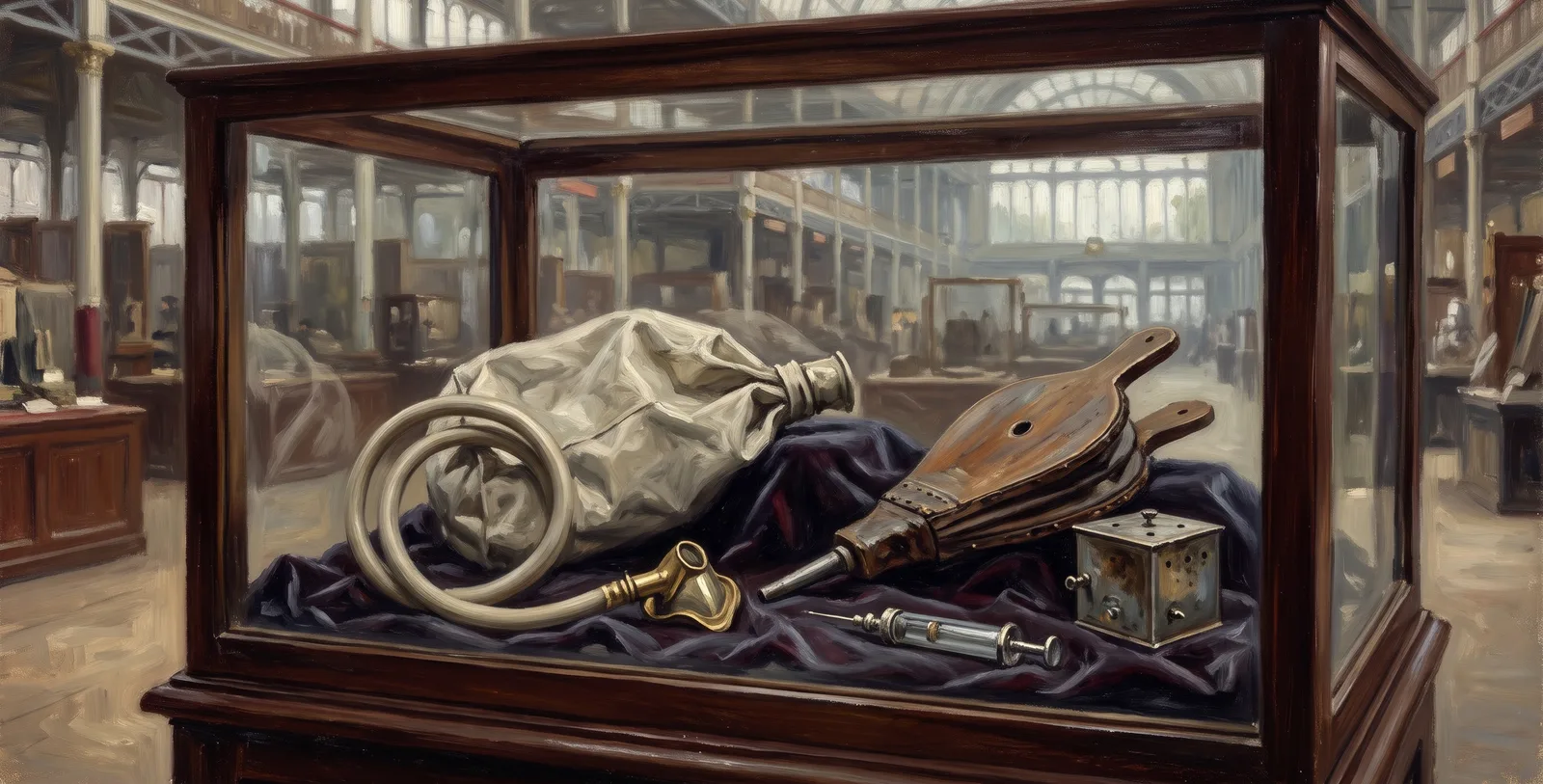
Clover's inhaler used bellows and a measured syringe of chloroform to fill a bag, hung from the administrator's collar, with a four and a half per cent mixture.
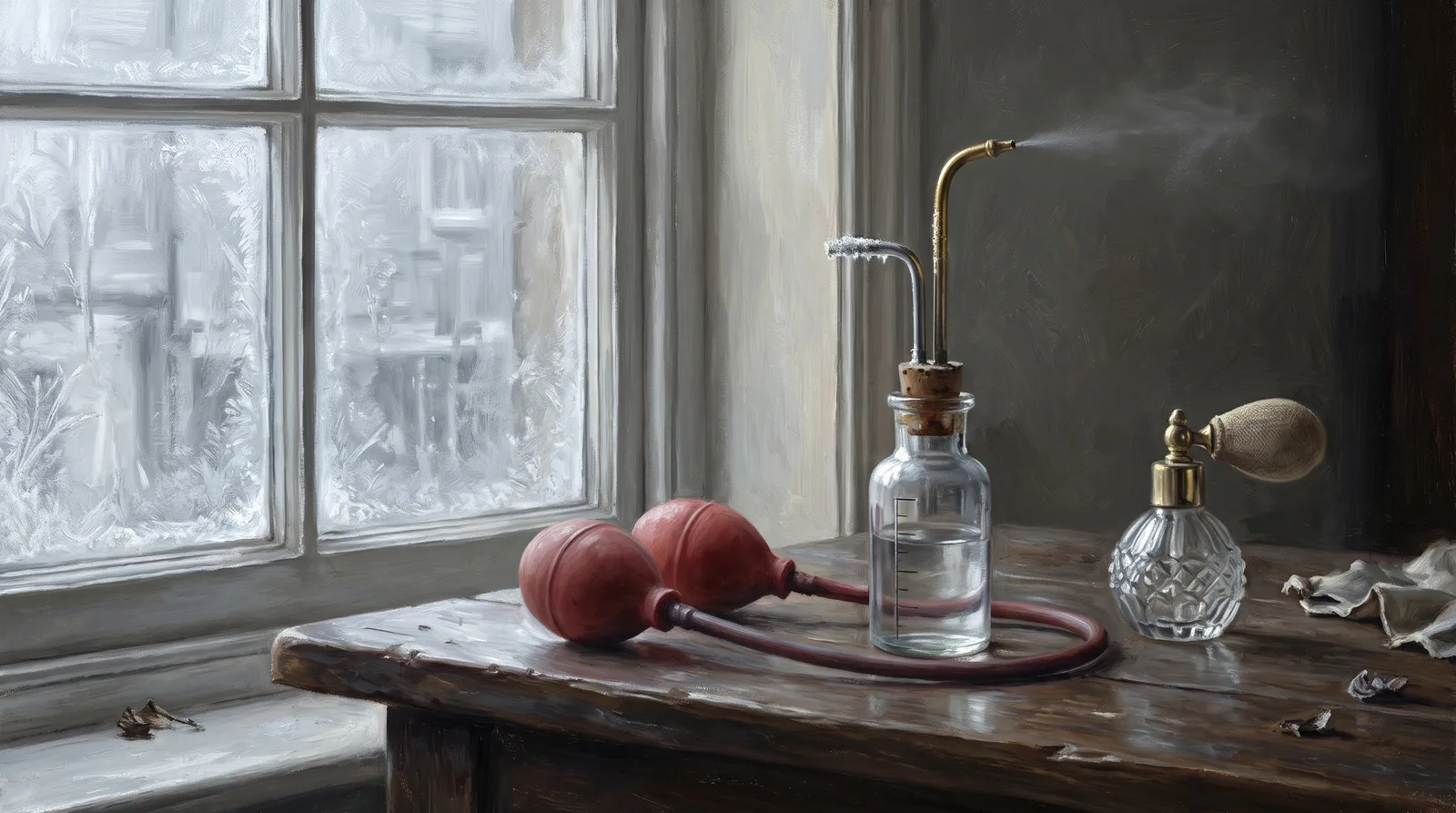
Richardson forced ether through a fine jet with hand bellows to freeze the skin for tooth extraction and incision, inspired by a toy perfume spray.
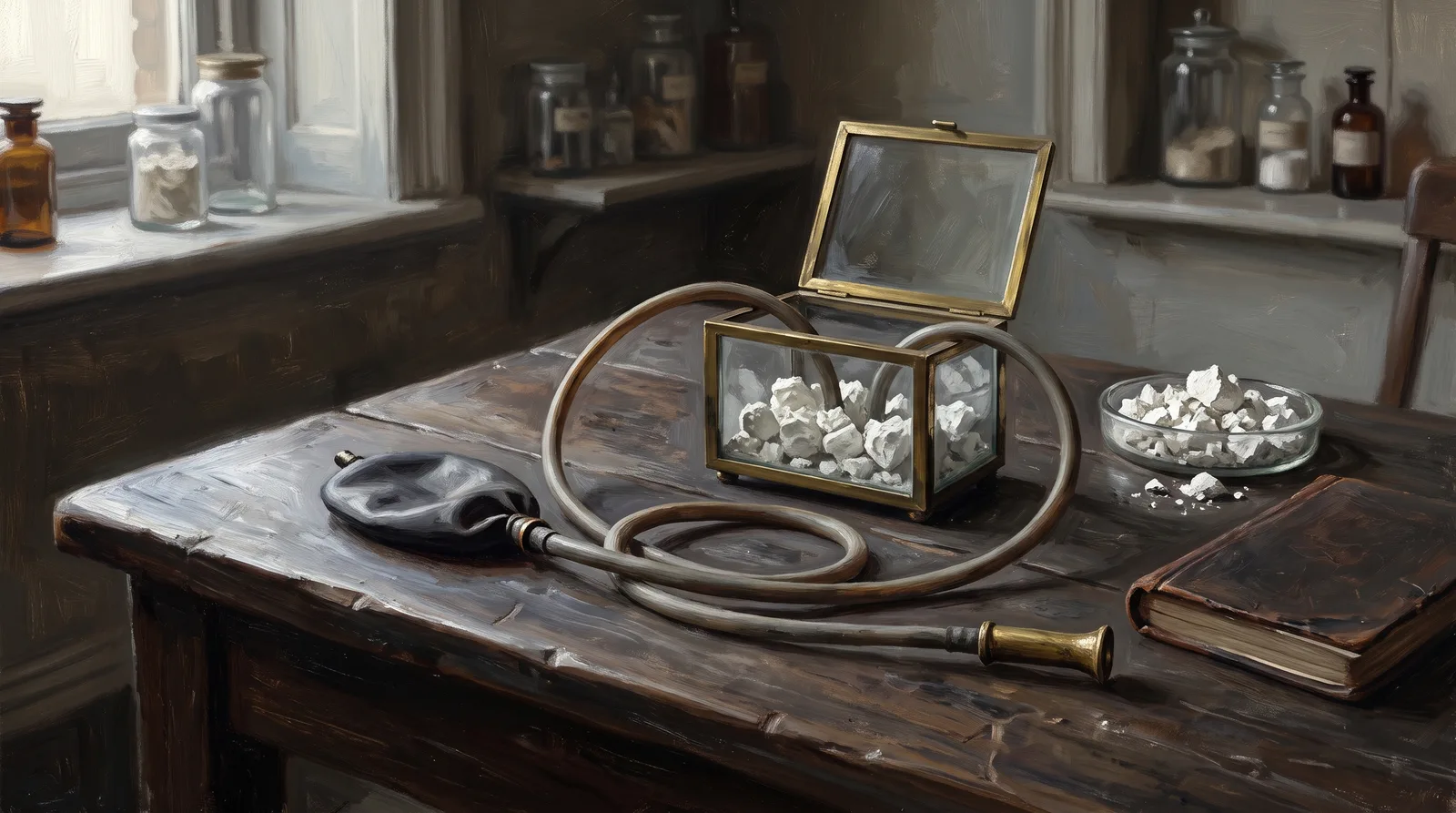
The dentist Alfred Coleman proposed cleaning expired nitrous oxide and breathing it again; in Coleman's early cases at the Dental Hospital the gas passed over slaked lime.
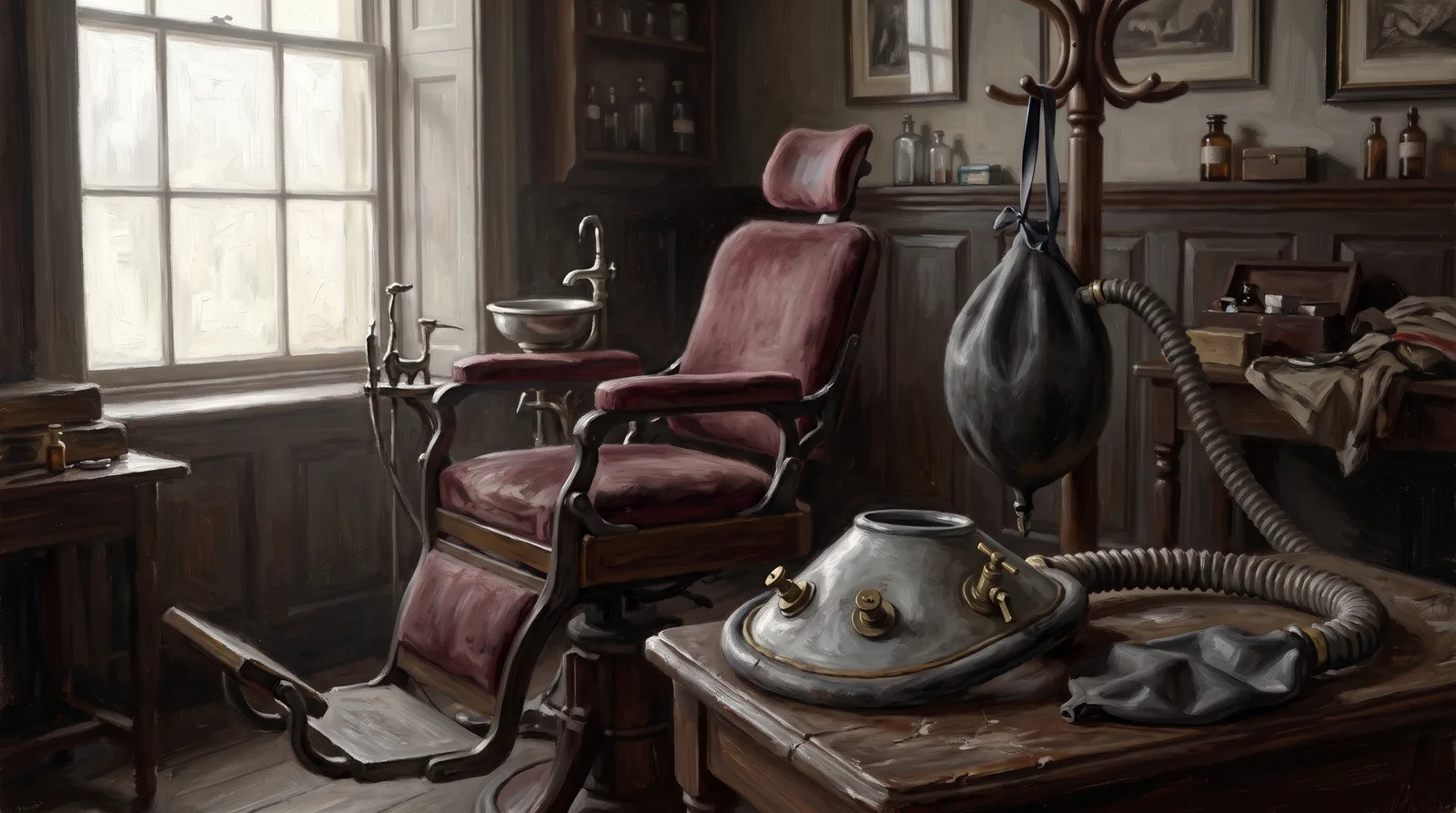
Clover's nitrous oxide apparatus had a sheet-lead face-piece moulded air-tight over nose and mouth, two valves against rebreathing and a bag hung at the side.
Charles James Fox's On Nitrous Oxide (1869) asks in its main text whether the gas could be made portable, and records in footnotes that Coxeter was supplying iron bottles of compressed gas.
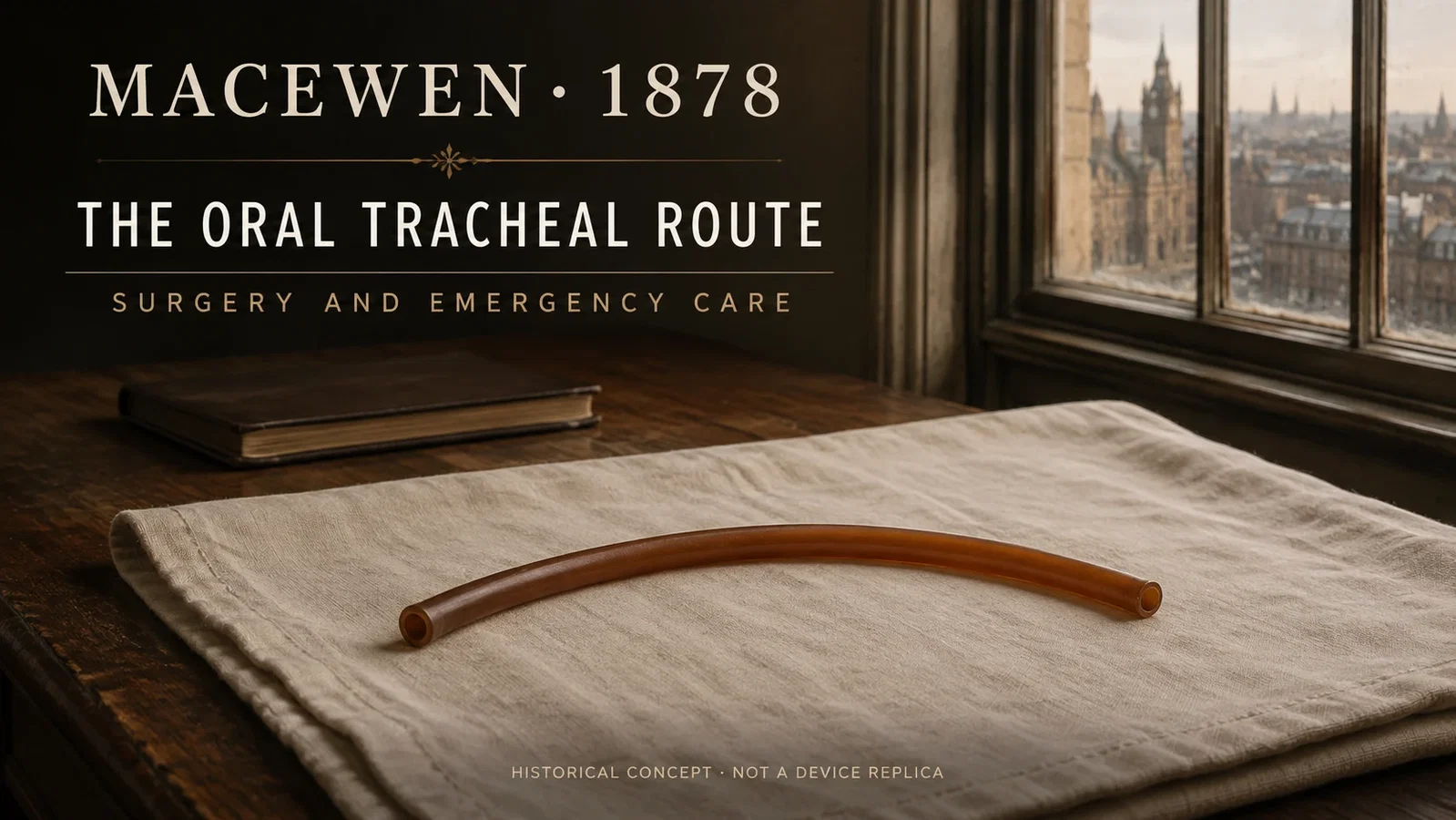
In 1878 William Macewen passed tubes through the mouth into the trachea for a mouth operation and for two cases of acute laryngeal swelling, and reported these and a fatal fourth case in the BMJ in July 1880.
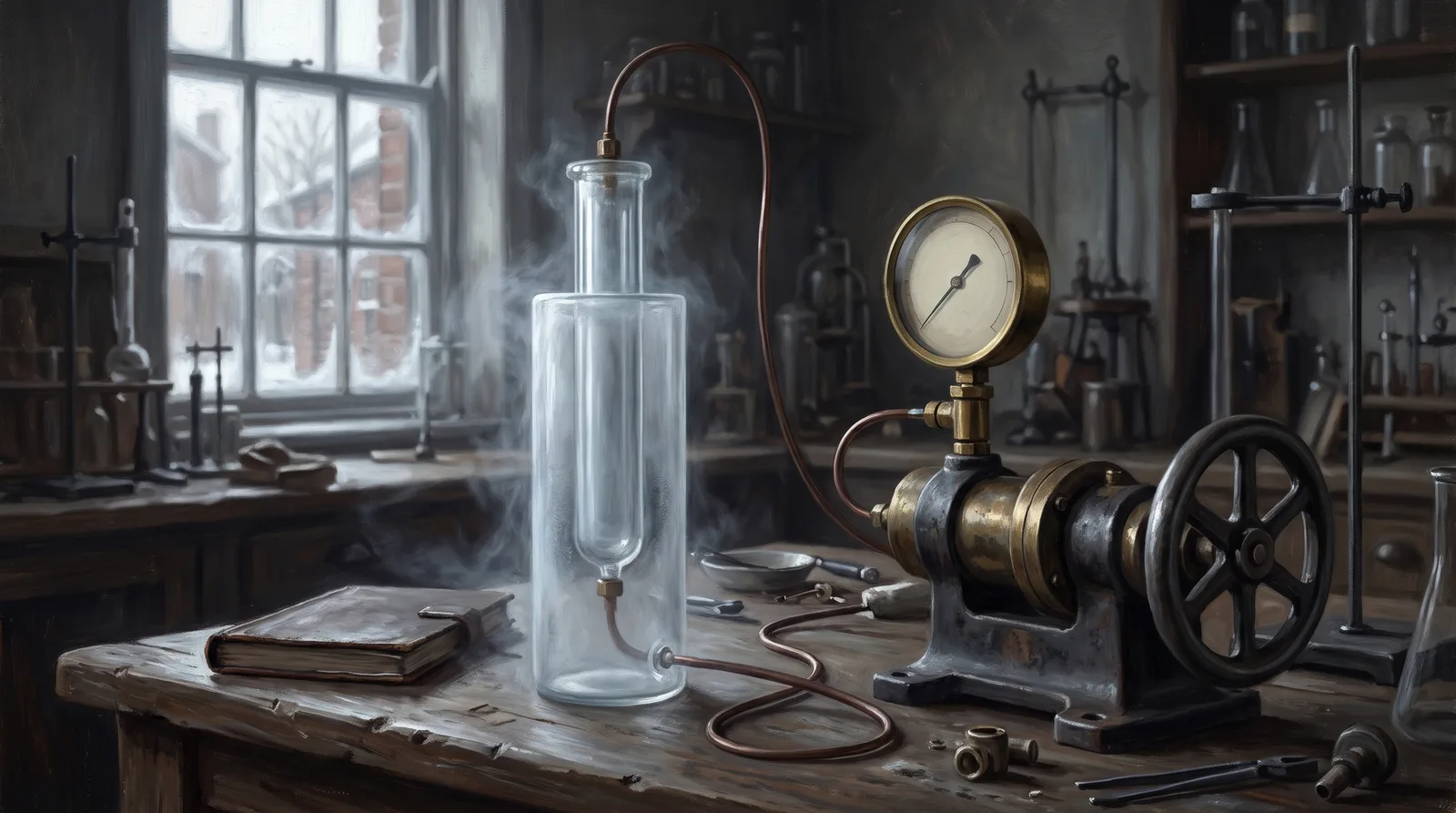
In April 1883 Wroblewski and Olszewski reported oxygen as a liquid with a clear meniscus, while nitrogen stayed liquid for only a few seconds.
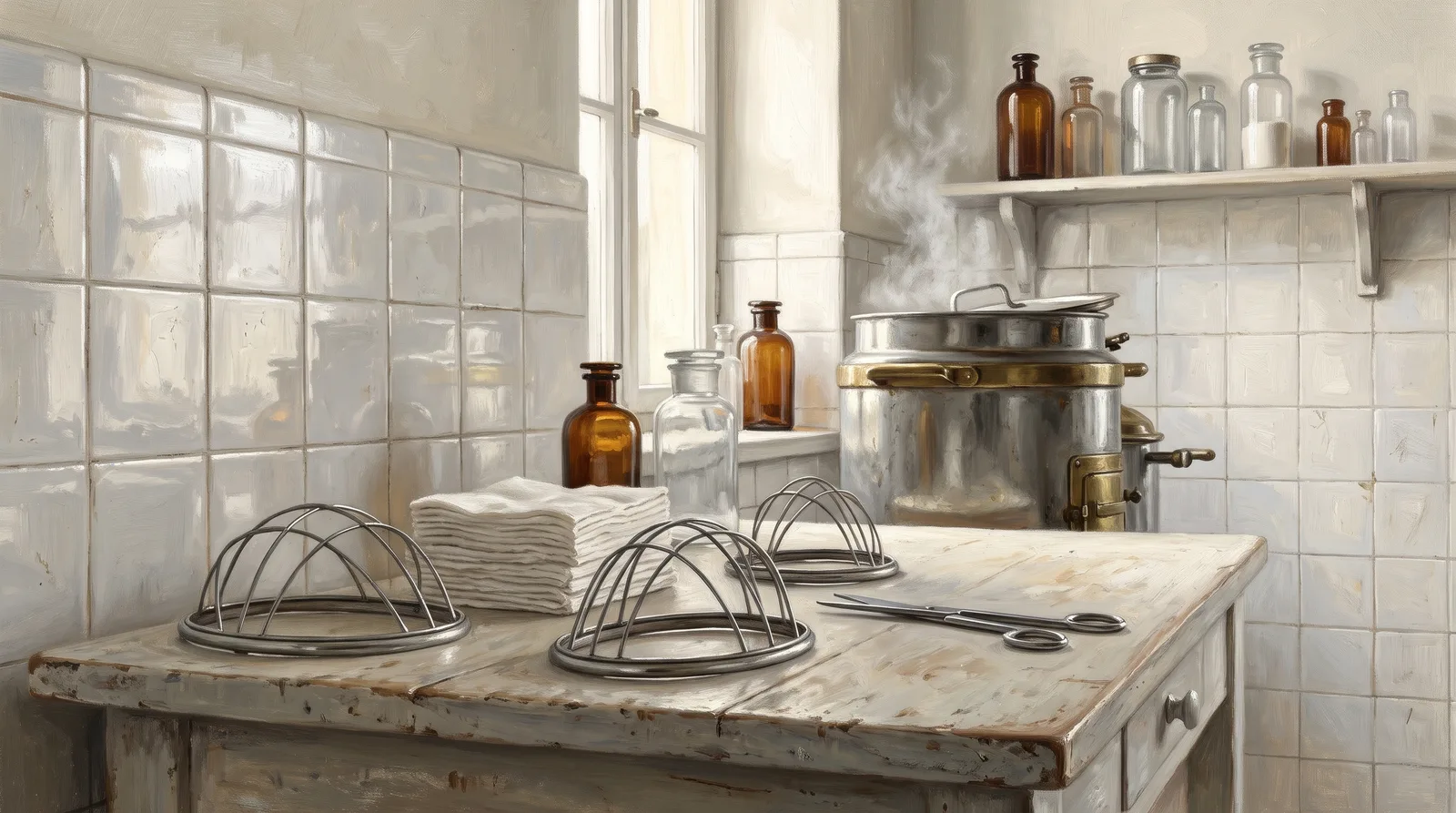
Schimmelbusch's patent mask clamped any air-pervious cloth into a grooved metal ring, so a fresh gauze could be used for every patient.
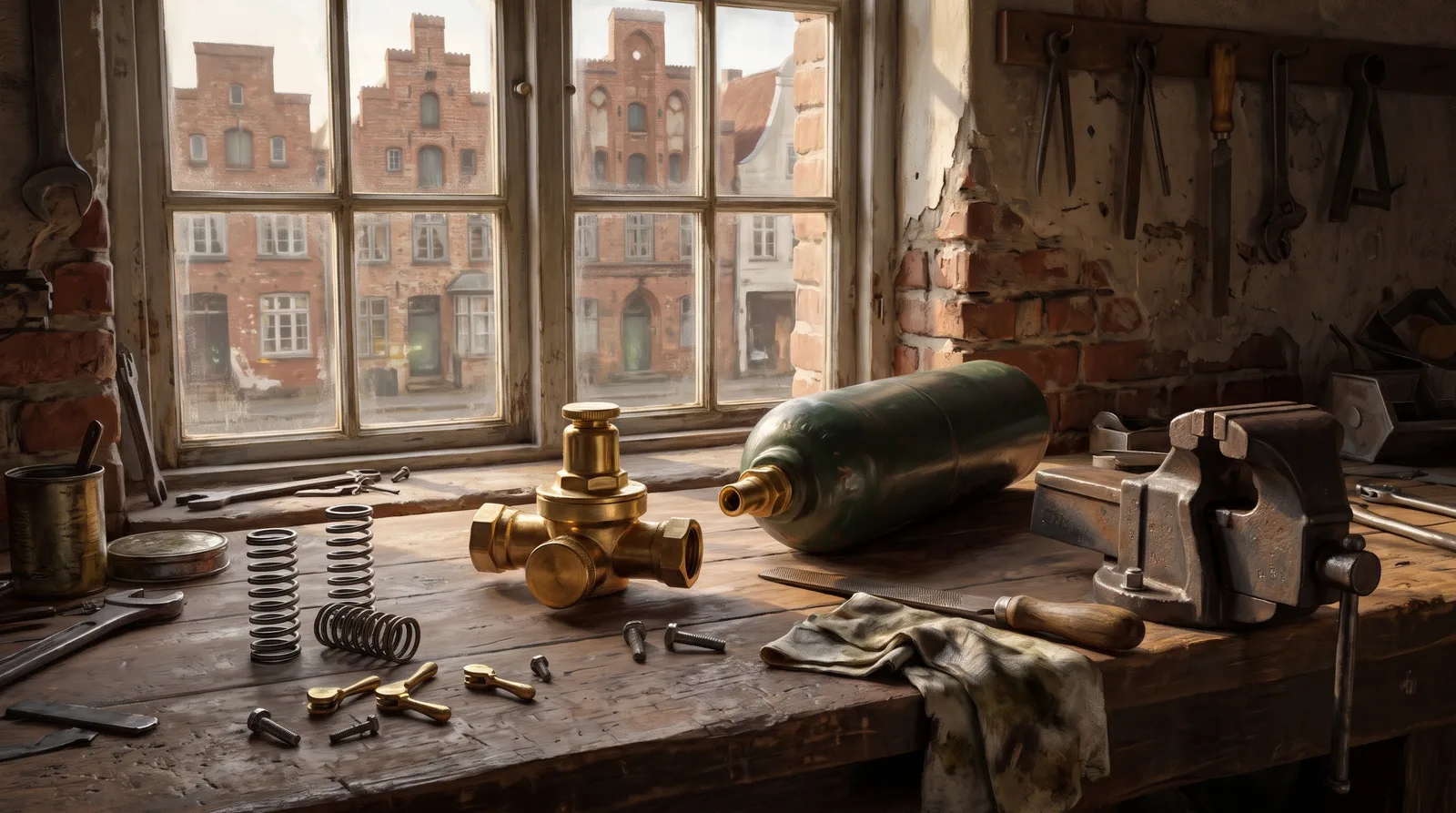
A German patent of 1889–1890 to Dräger & Gerling describes a valve in which downstream pressure helps close the gas inlet.
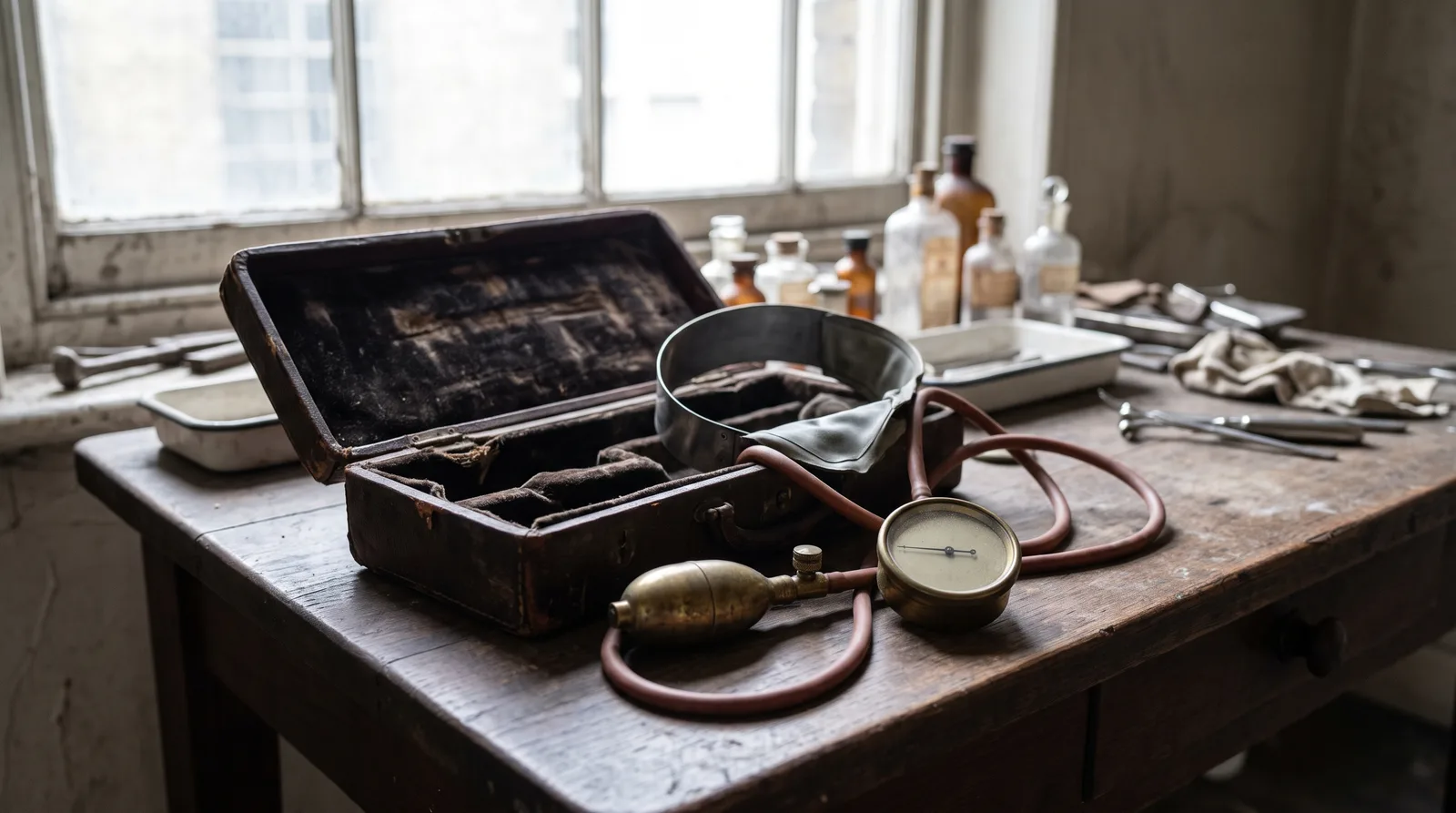
At the London Hospital, Hill and Barnard described a clinical sphygmometer: a steel armlet lined with a rubber bag, a small pump and a dial gauge.
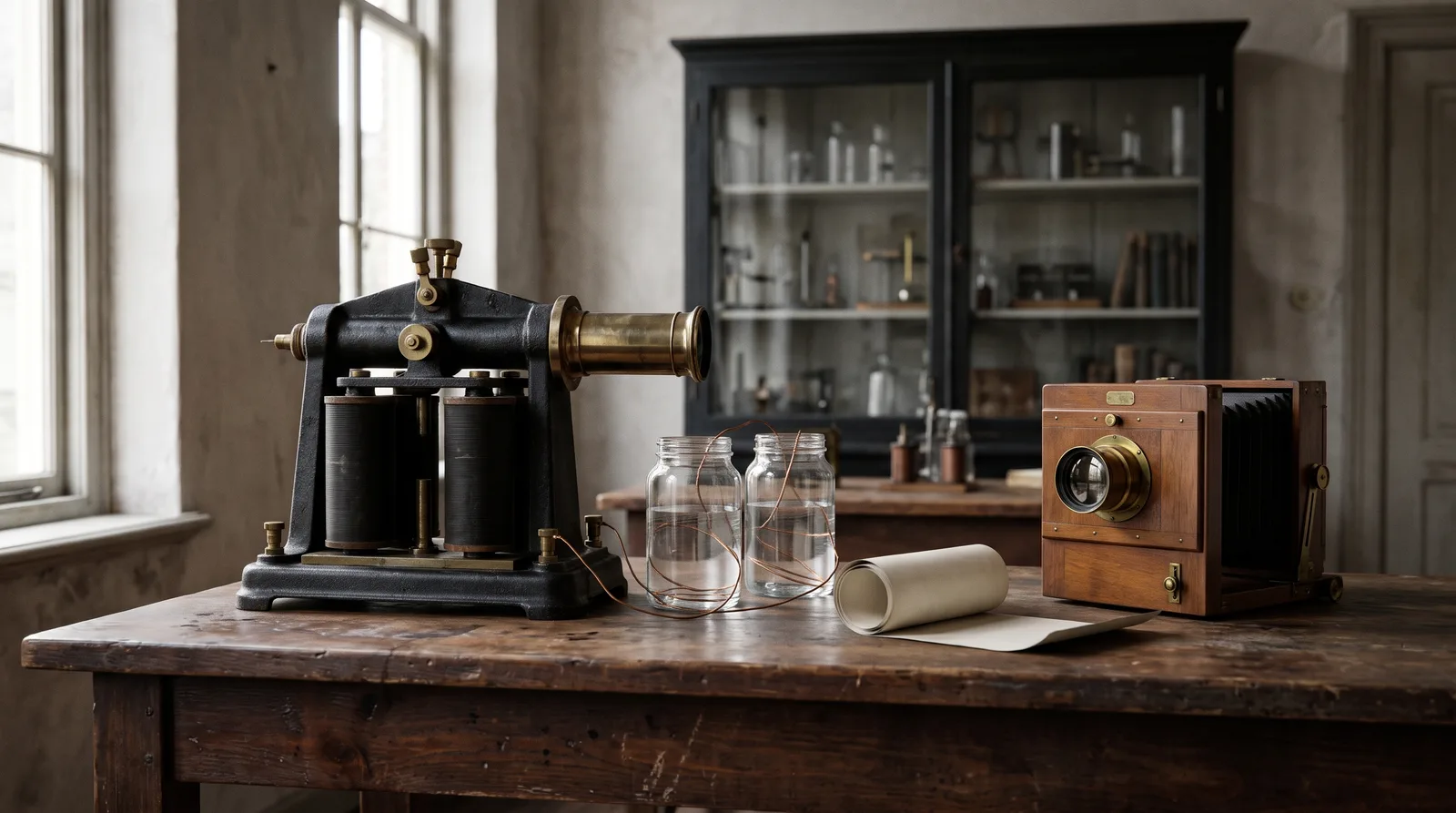
In 1903 Willem Einthoven of Leiden described in Pflügers Archiv a string galvanometer that wrote the human electrocardiogram directly, recorded at 25 mm per second with 1 mm equal to 0.0001 volt and waves labelled P, Q, R, S and T.
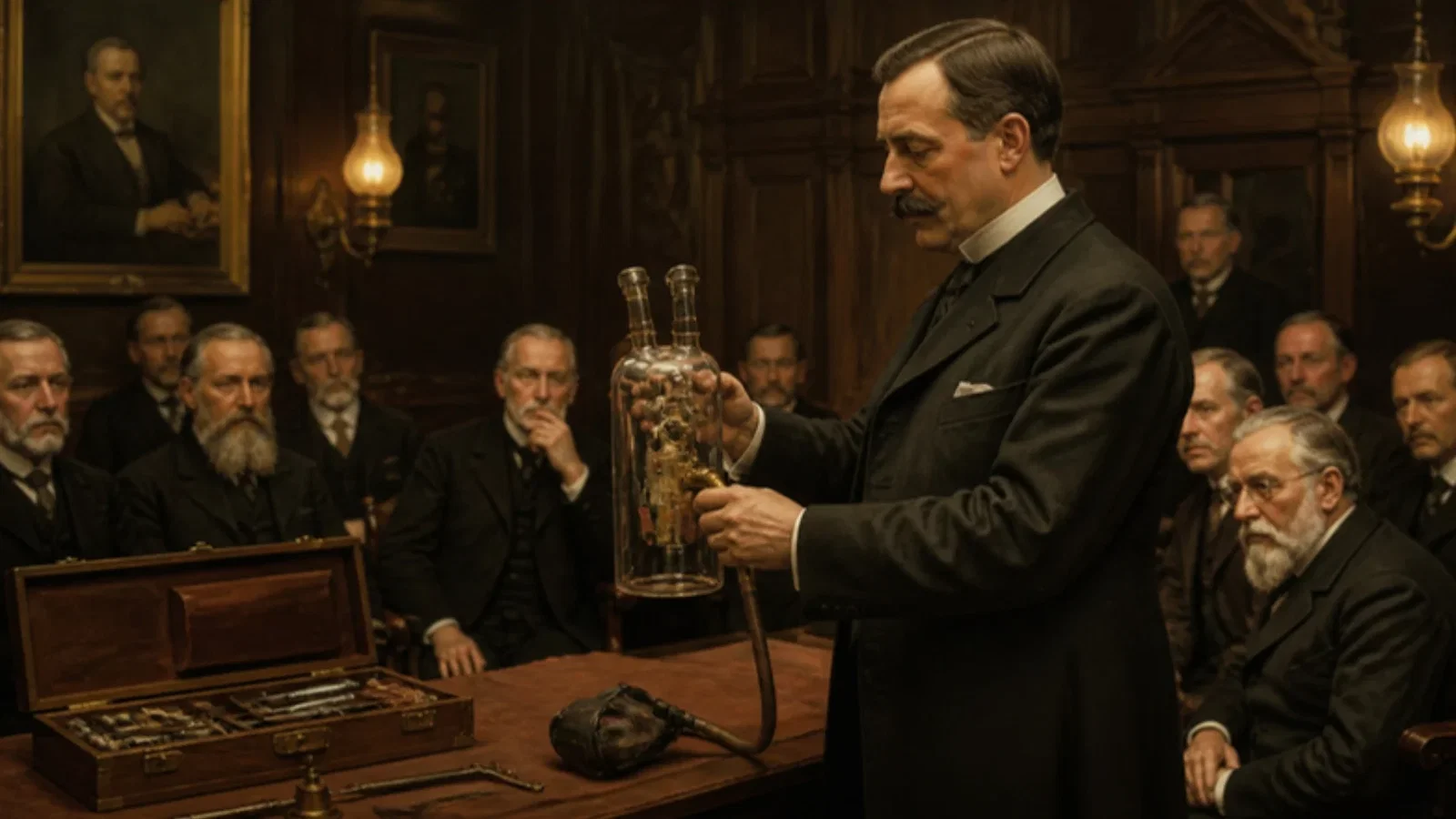
Vernon Harcourt's inhaler for the BMA Chloroform Committee could deliver no more than 2 per cent chloroform vapour, set by a pointer.
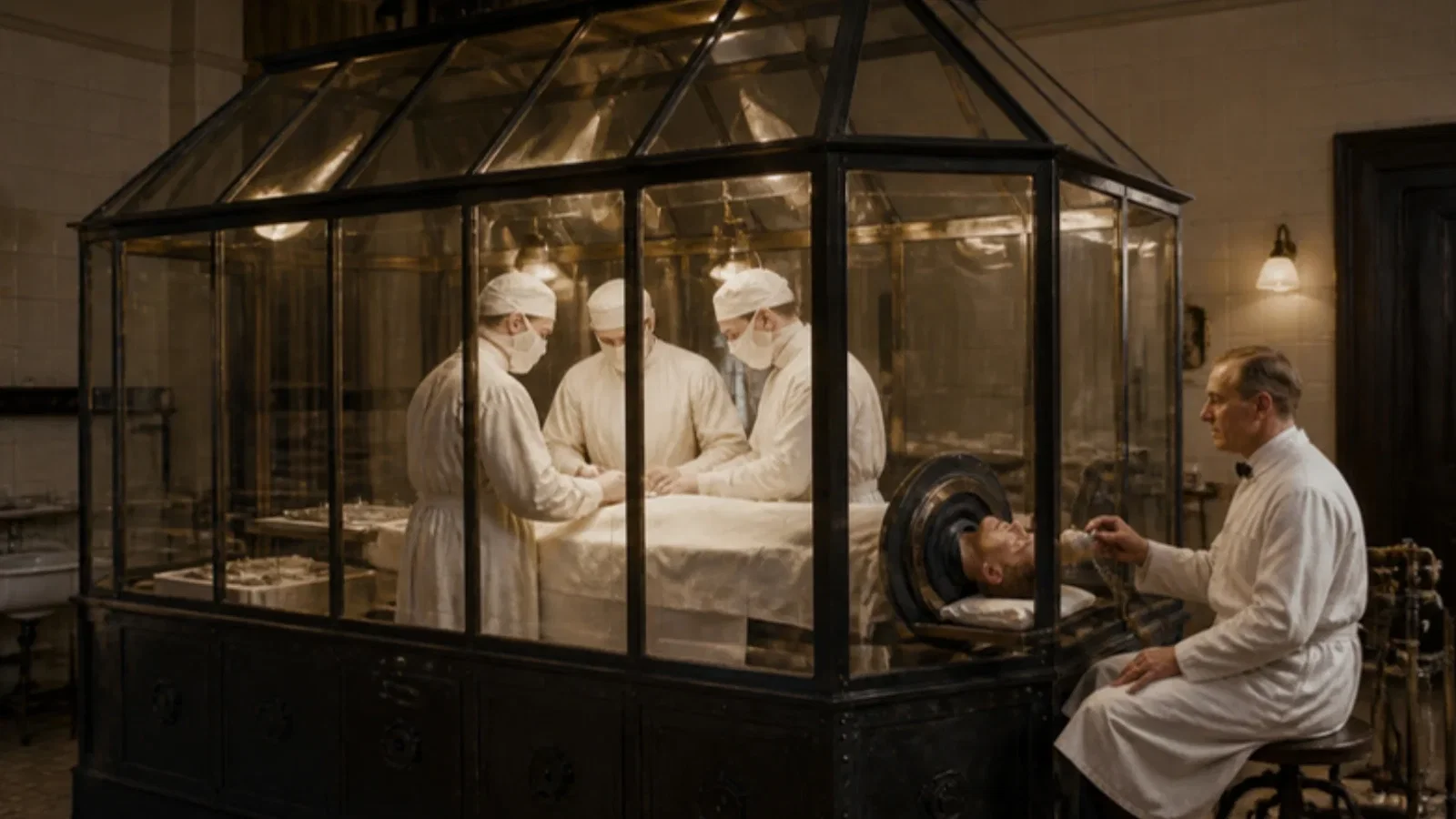
Moving the open chest into a low-pressure room kept the lungs up, and left the anaesthetist on the other side of the wall
A London surgeon gave repeated stovaine doses through a cannula left in the spine; in 1940 Lemmon of Philadelphia reported about 200 continuous spinals.
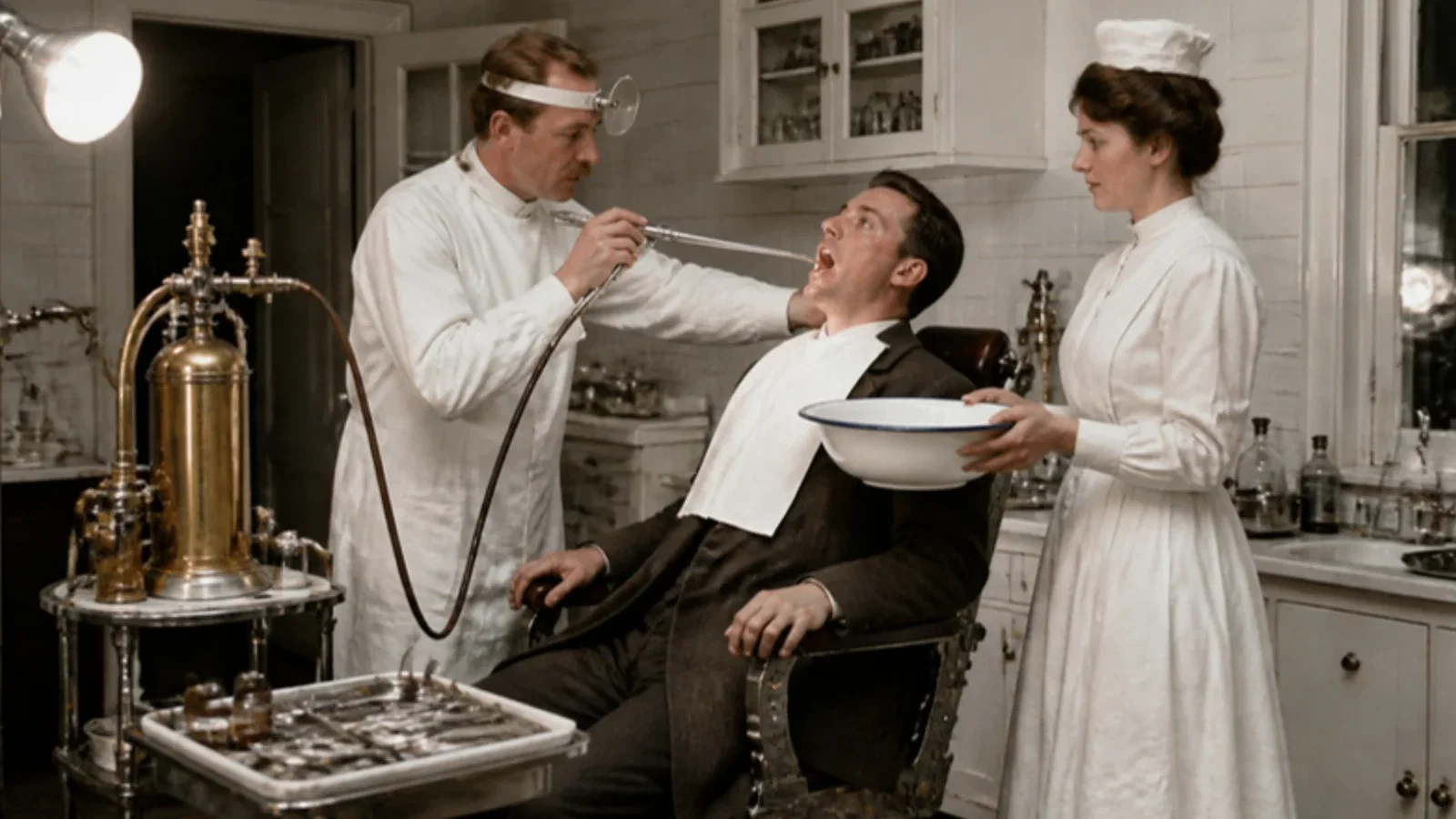
Yankauer's own description could not be found; a 1907 Laryngoscope paper records a compressed-air aspirator for removing blood during operations, with a cut-off designed by Yankauer.
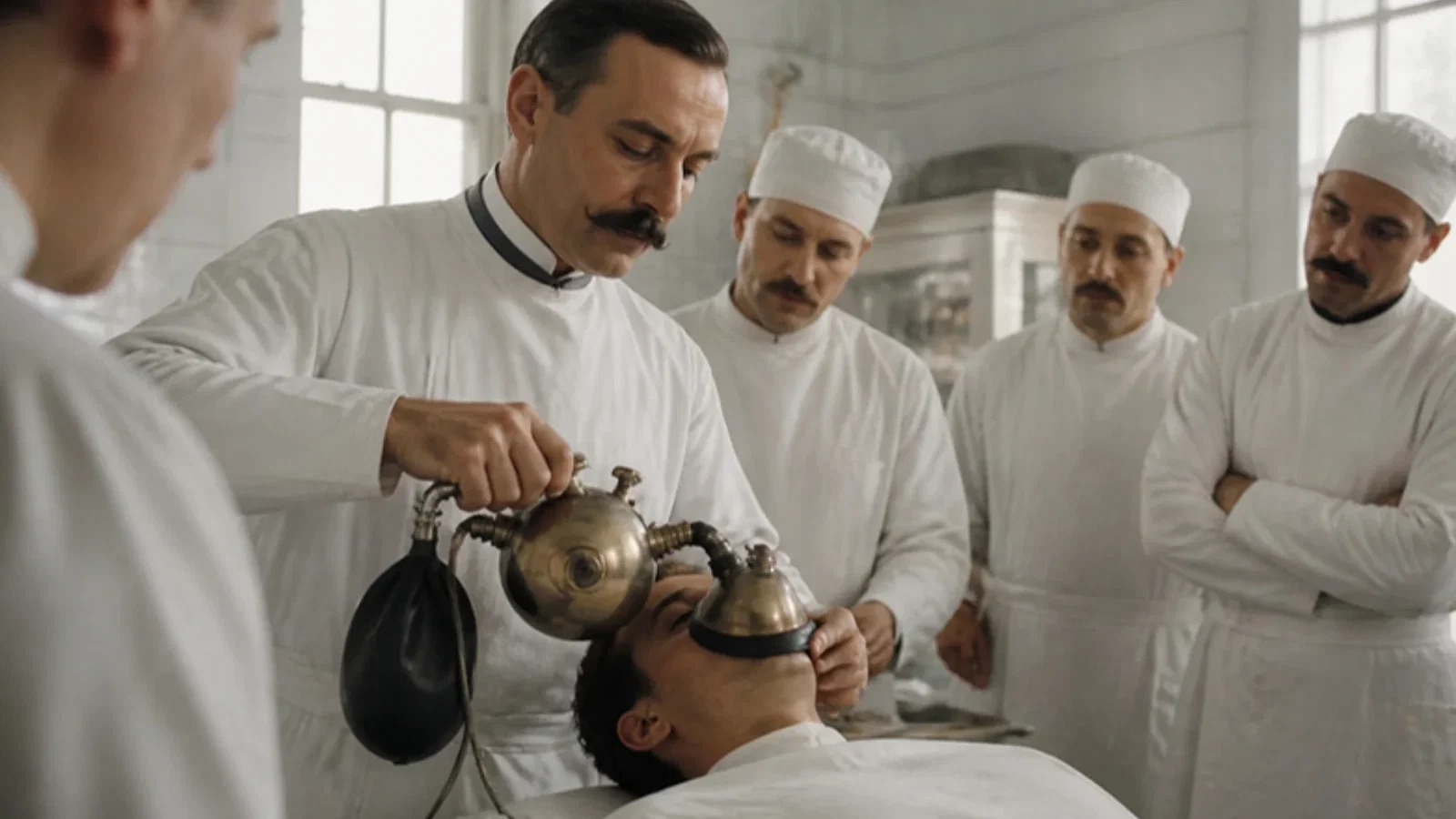
Ombrédanne's inhaler let patients breathe a confined atmosphere of air, ether vapour and their own expired carbon dioxide, in proportions varied at will.
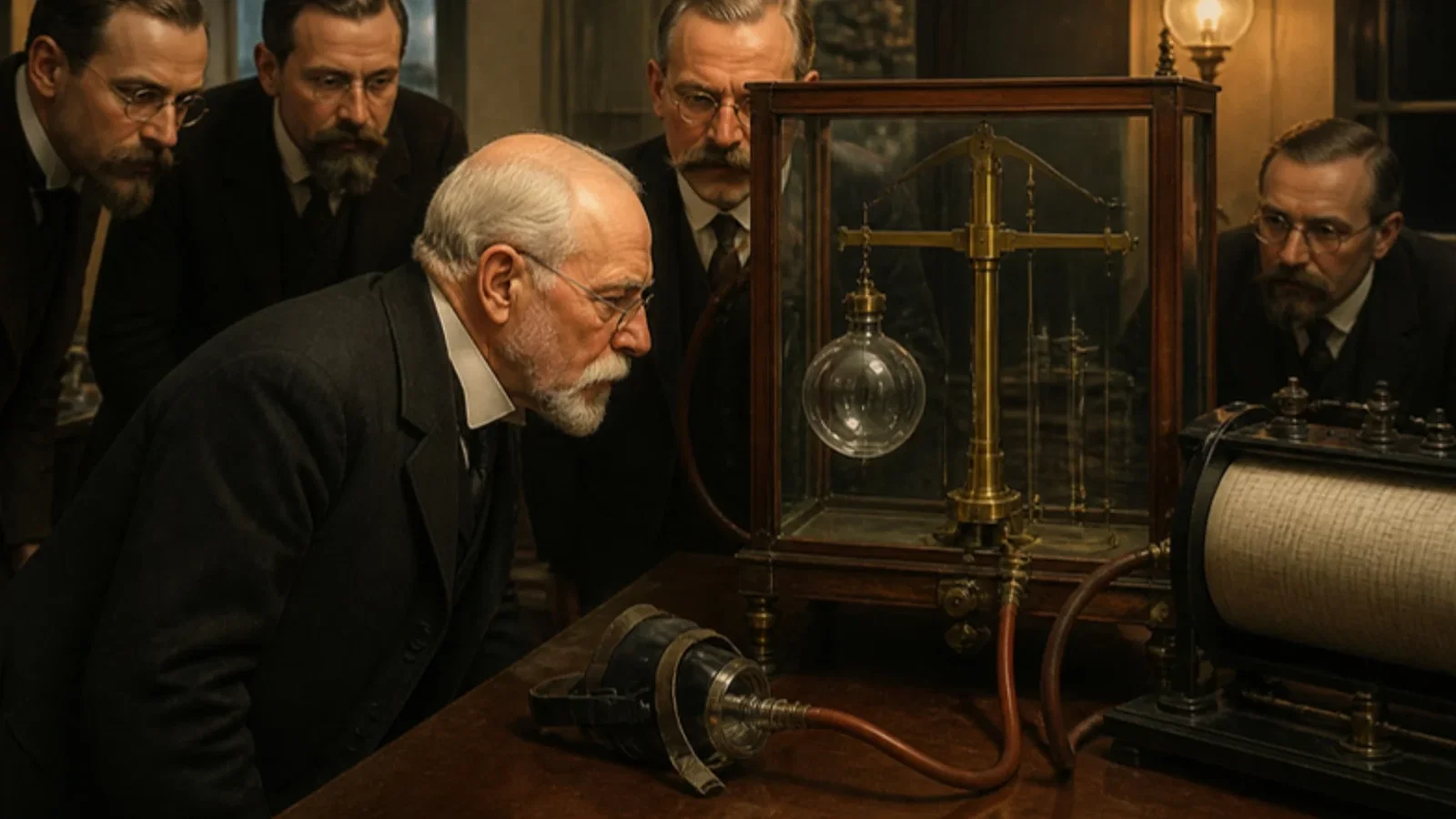
Waller hung a glass bulb from a balance in a case through which chloroform-laden air passed, so the beam read the percentage of chloroform vapour.
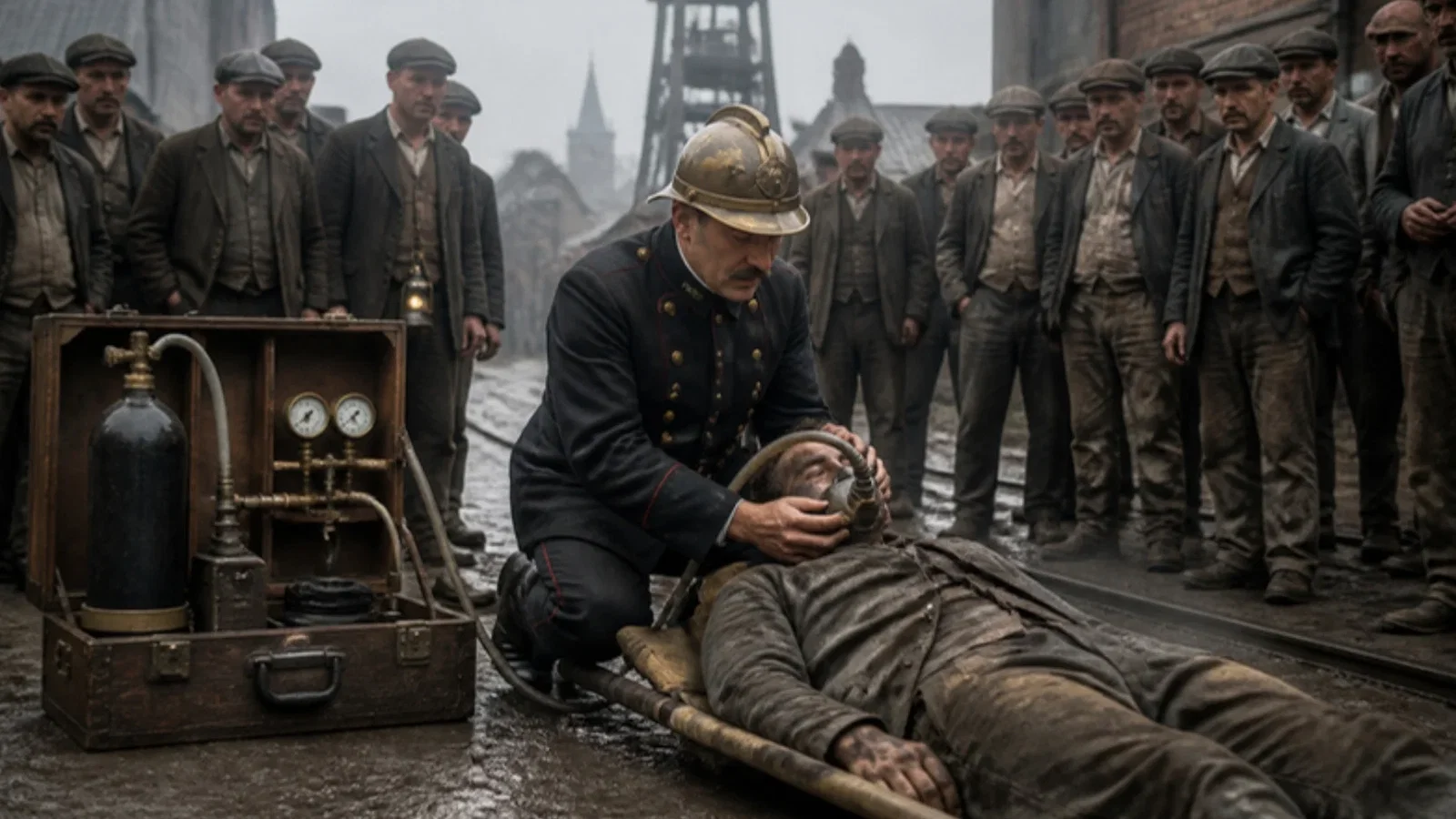
An oxygen cylinder drove the Pulmotor to blow oxygen-rich air into the lungs through a face mask, then reversed automatically to draw it out.
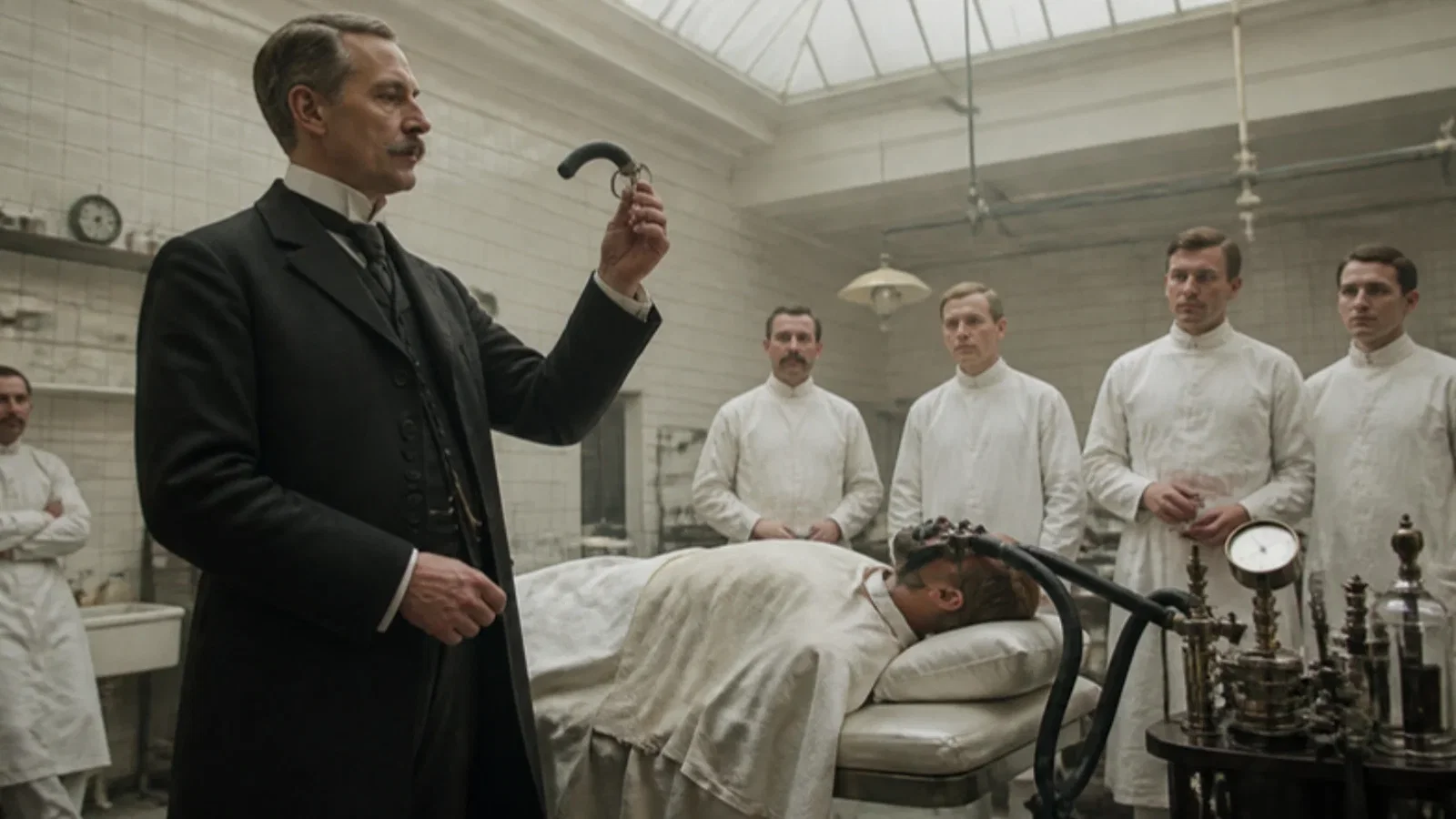
Hewitt described a metal ring held between the teeth carrying a short rubber tube, cut obliquely like a whistle, passed into the pharynx.
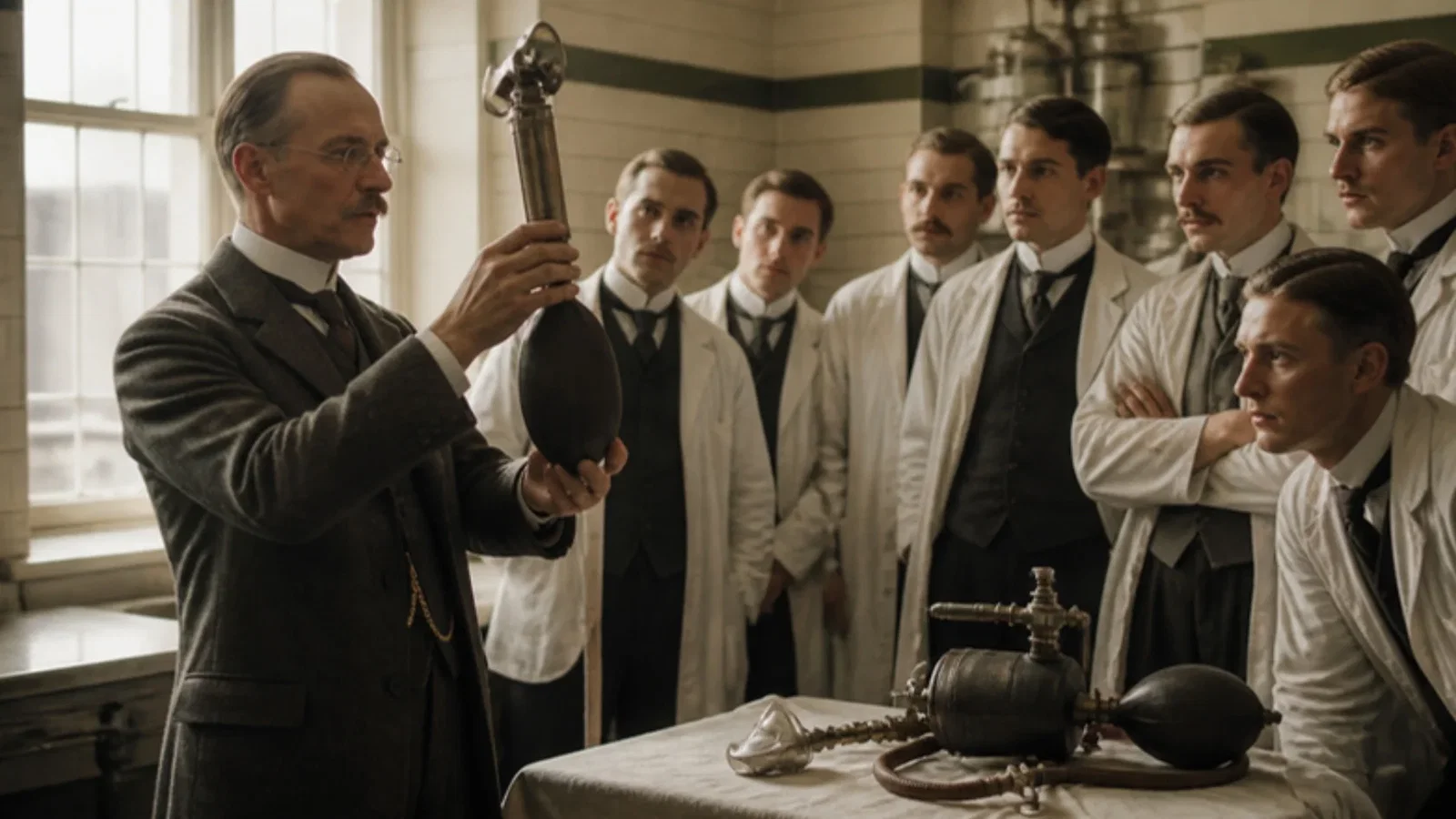
In a 1909 textbook, Probyn-Williams of the London Hospital described an ether inhaler breathed through a straight tube as wide as the trachea.
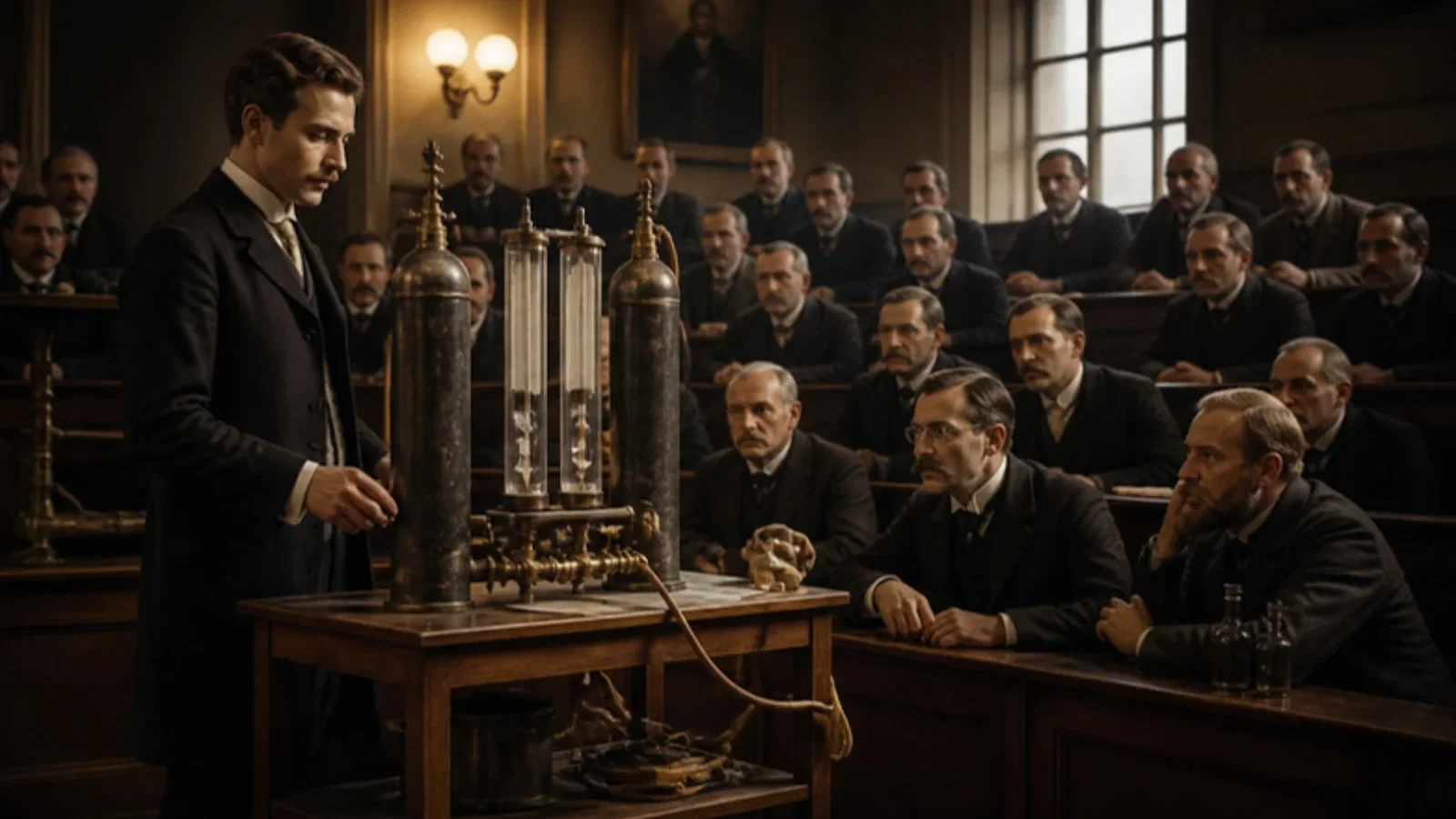
Because pre-mixed cylinders were unreliable, Neu of Heidelberg fed oxygen and nitrous oxide from separate cylinders through Küppers' Rotamesser flowmeters, mixing by volume per cent.
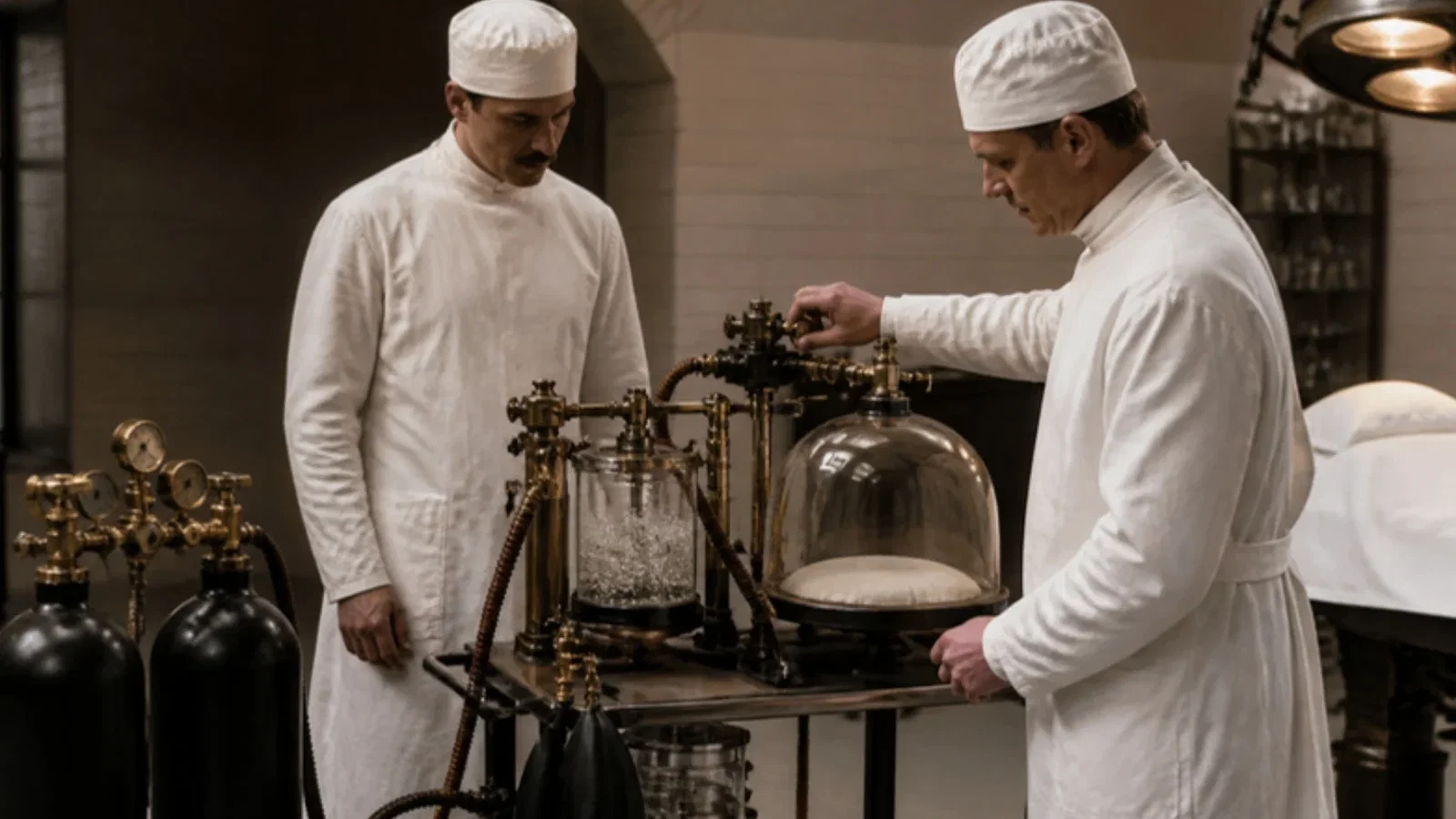
At Boston City Hospital, Cotton and Boothby described a machine with automatic reducing valves and gases bubbling visibly through water, replacing Hewitt's hard-to-balance bags.
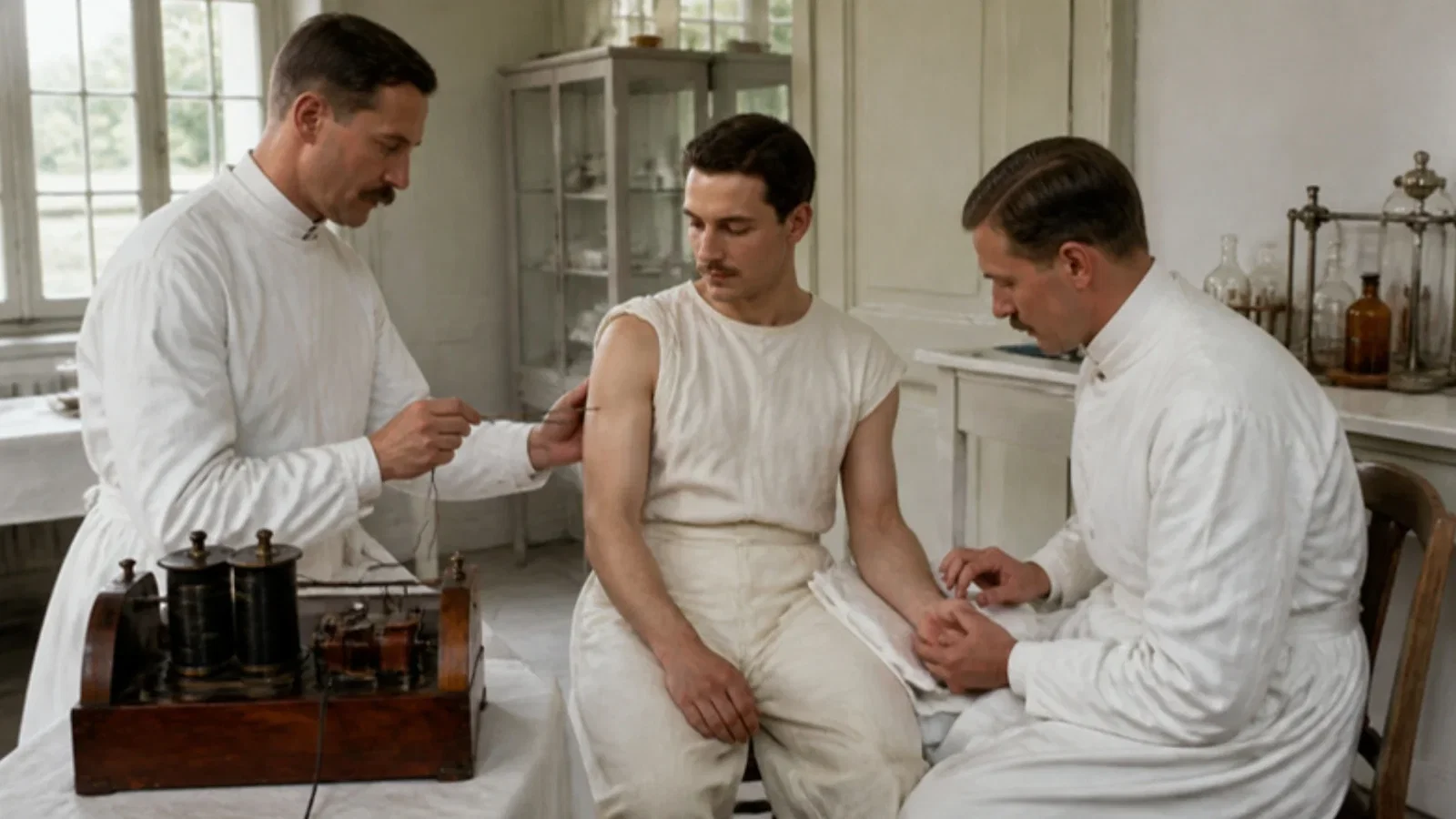
Perthes used a lacquered needle as the electrode of a weak current; when its tip touched a mixed nerve the muscles twitched, and the anaesthetic went in.
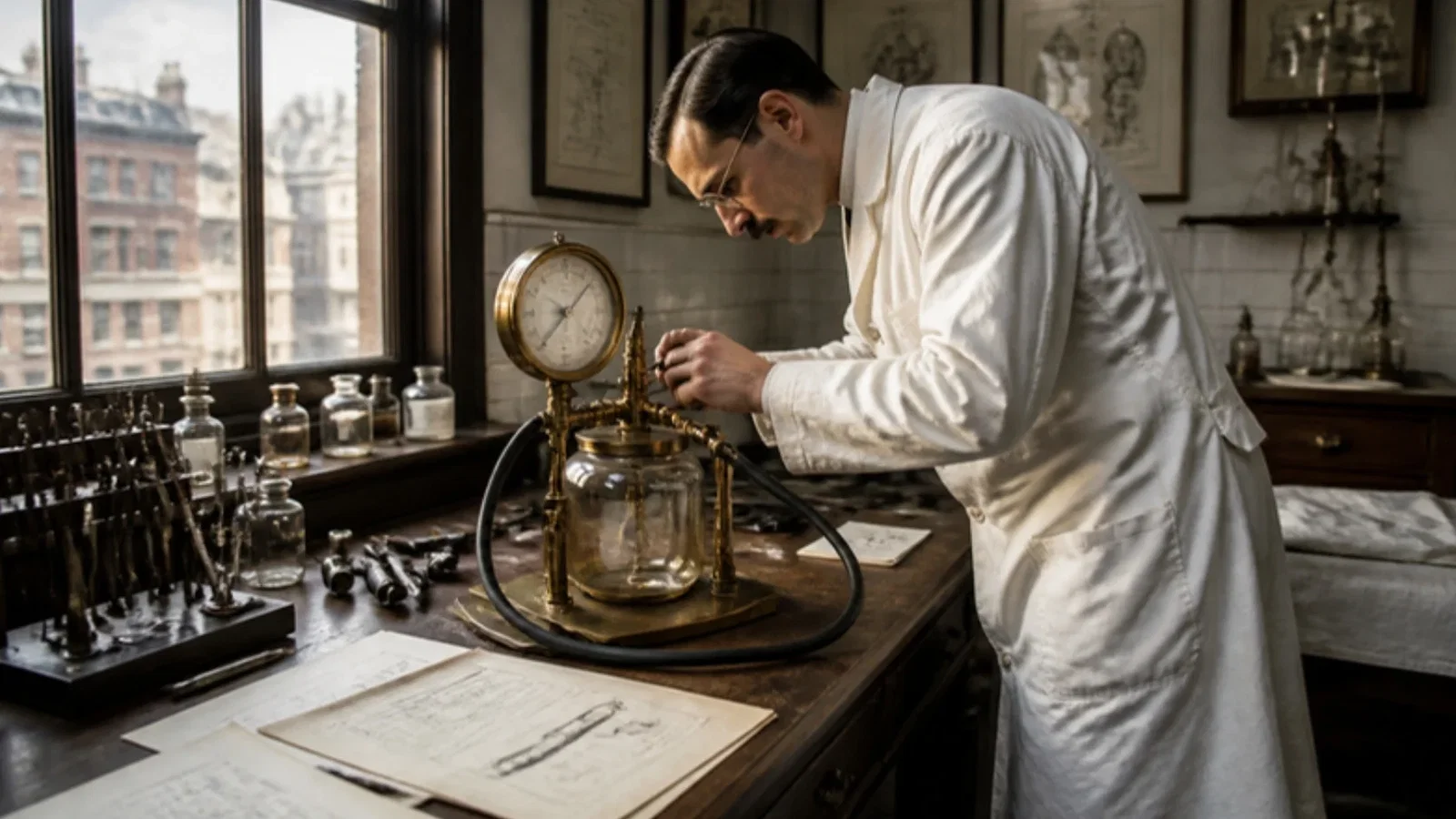
A Roosevelt Hospital surgeon coupled a gas meter to an ether pump so each litre of air carried a set percentage of ether, and called it an 'anaesthetometer'.
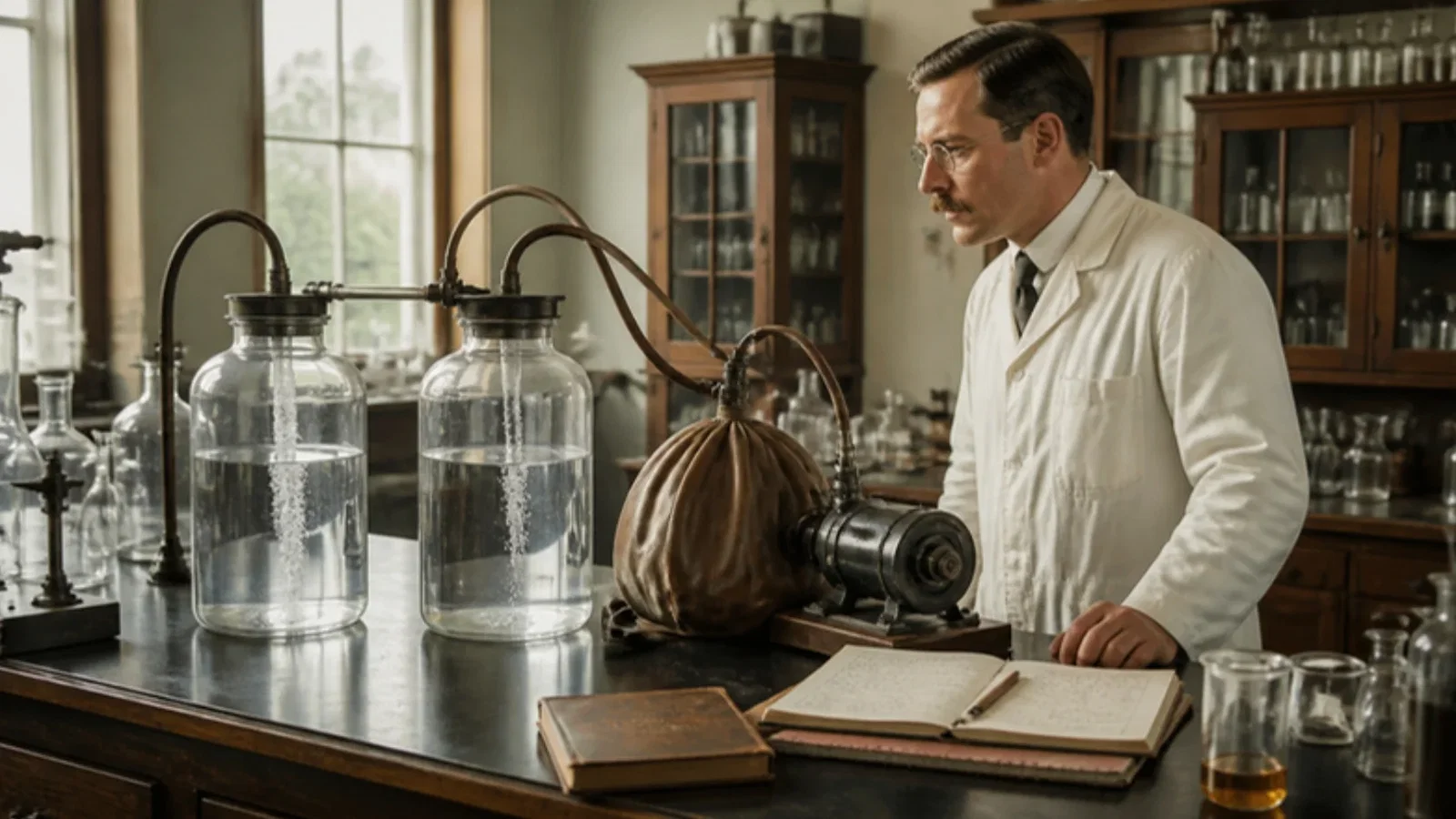
Jackson of St. Louis described a pump-driven closed circuit in which exhaled air passed through strong alkali to absorb carbon dioxide and the anaesthetic was rebreathed.
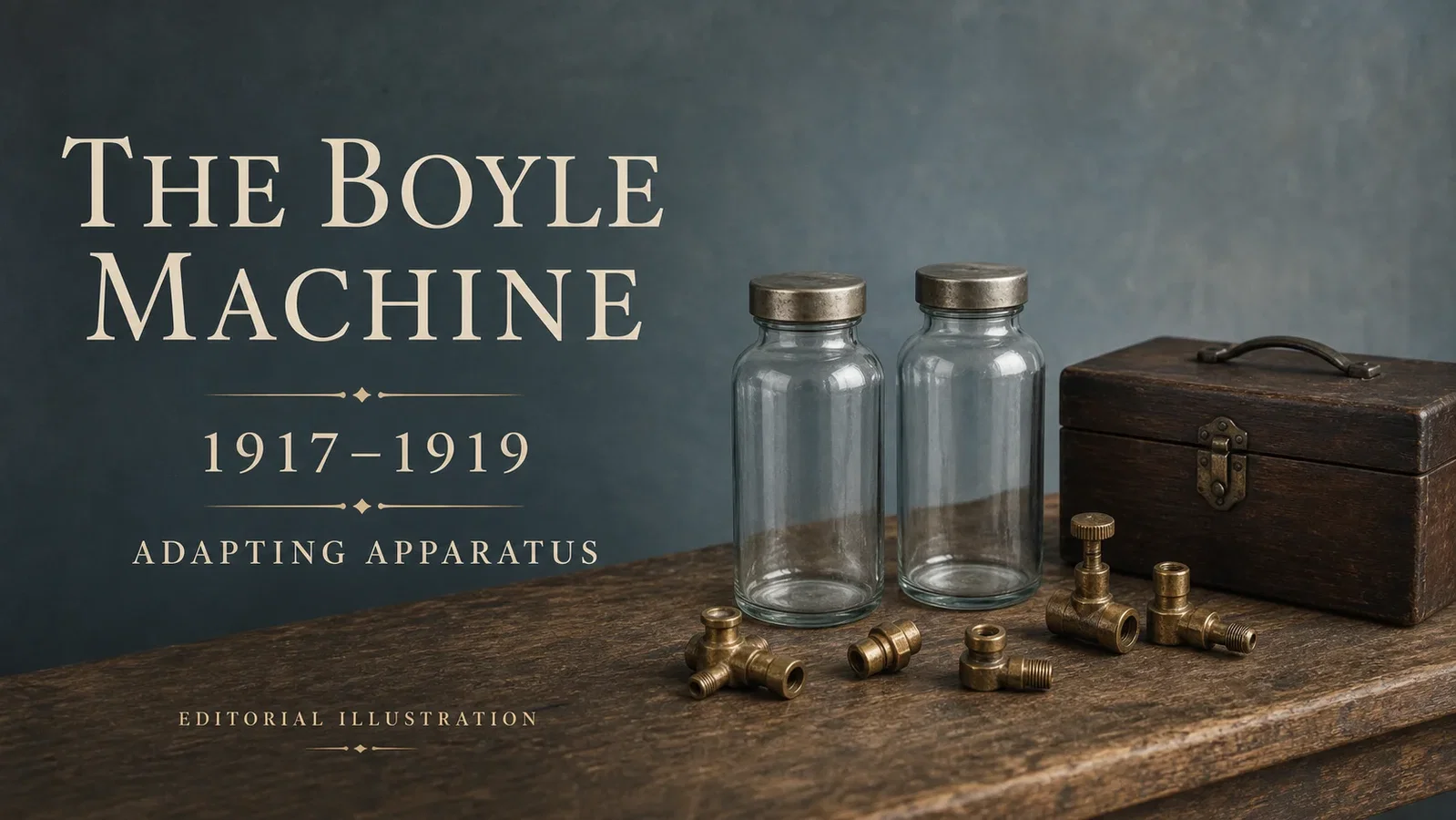
1917–1919: Earlier apparatus, British-cylinder adaptation and multiple configurations
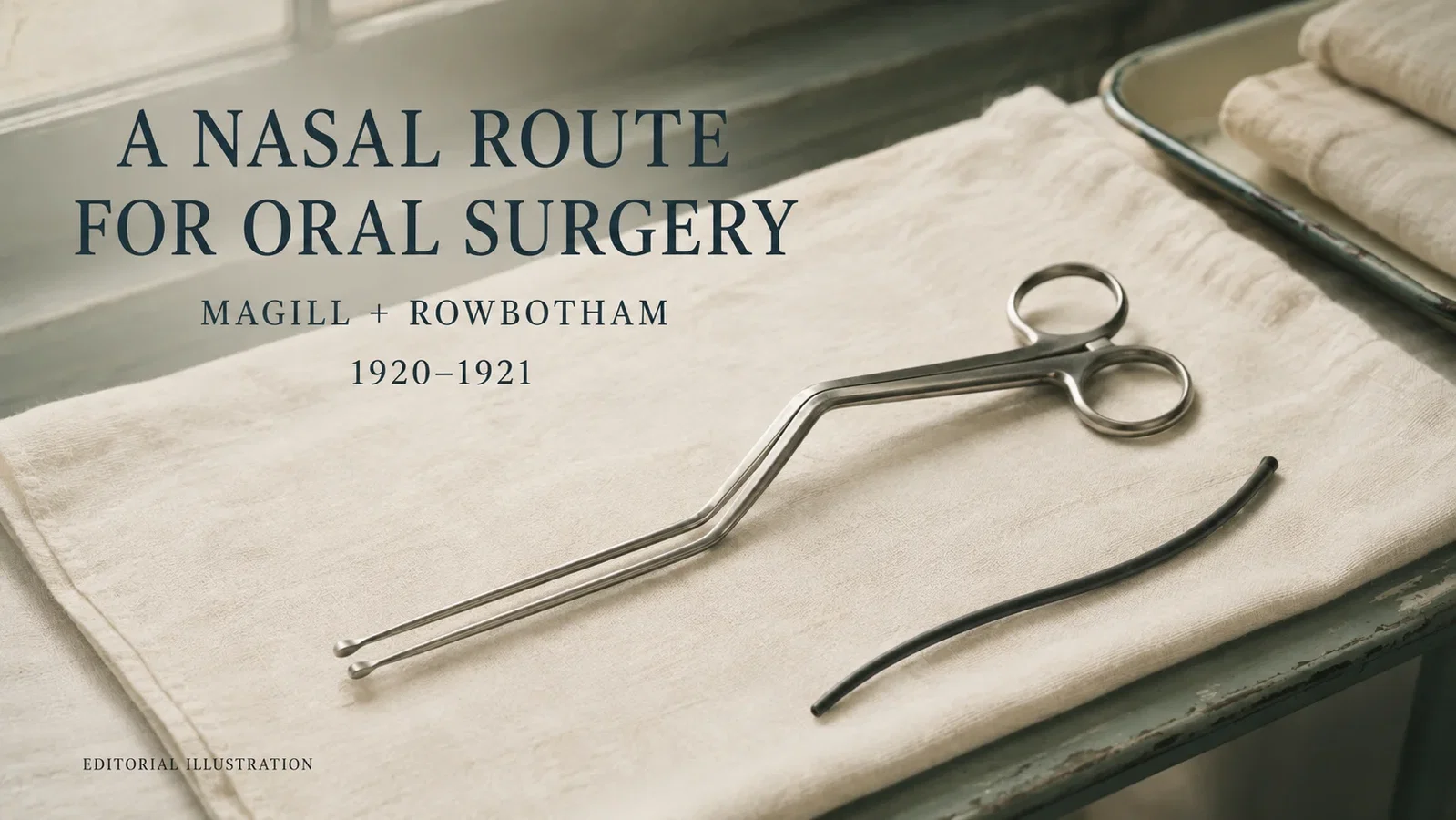
Nasal access, catheter guidance and an exit for gas in 1920–1921
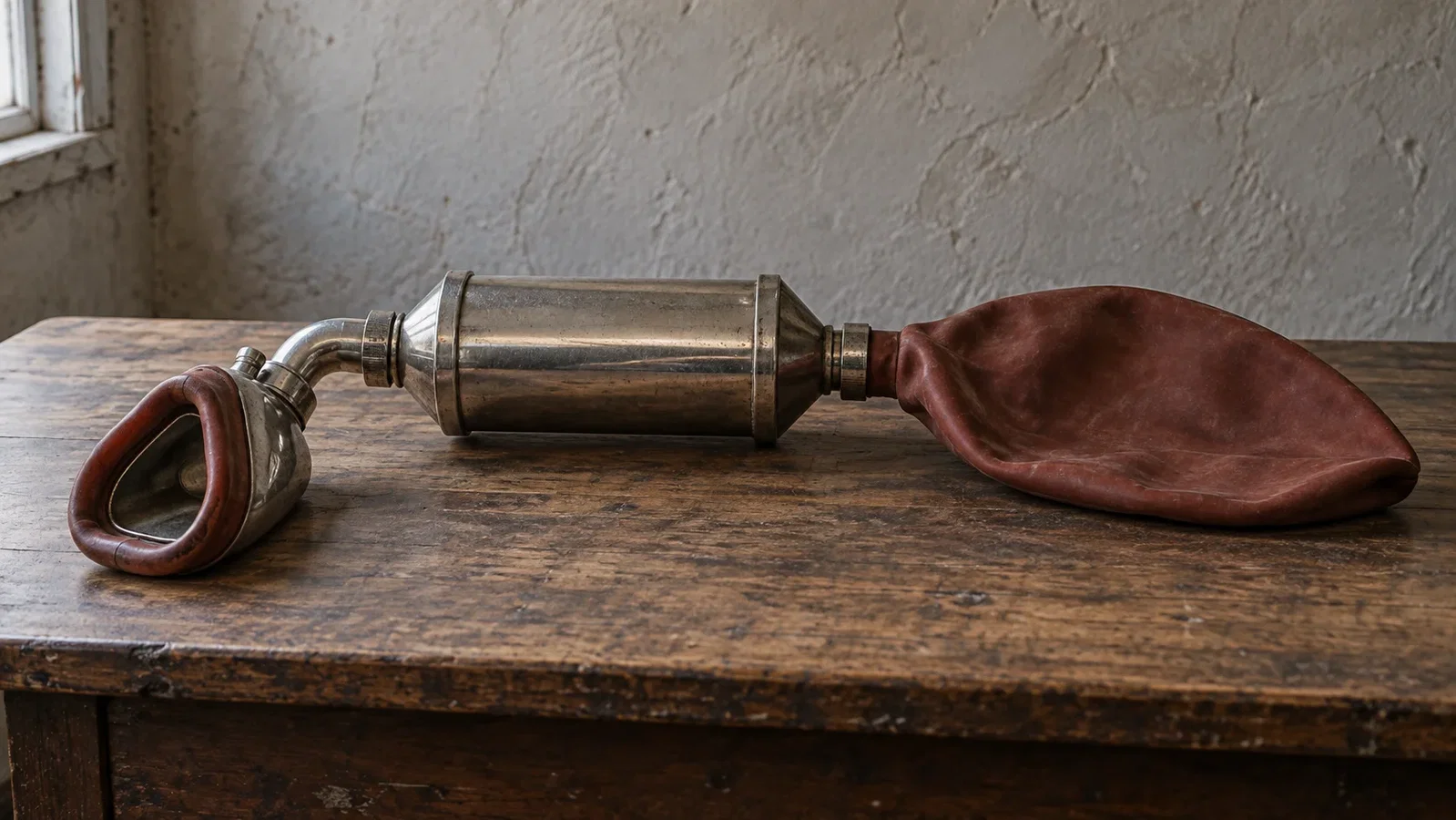
A simpler mask, absorber and bag—with oxygen supply and airtightness still essential
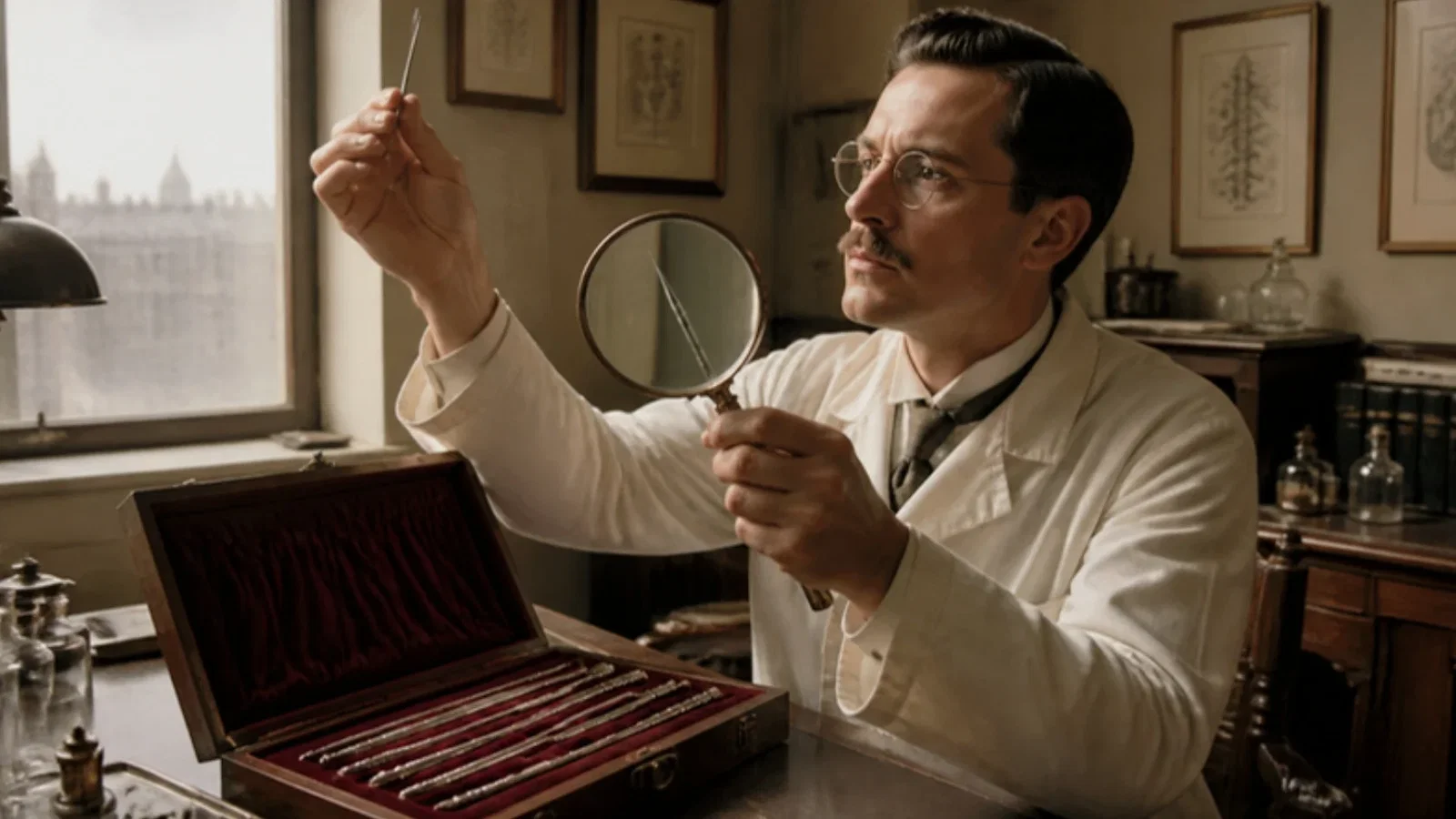
An idea of parting the dural fibres instead of cutting them, carried from office lumbar puncture to spinal anaesthesia
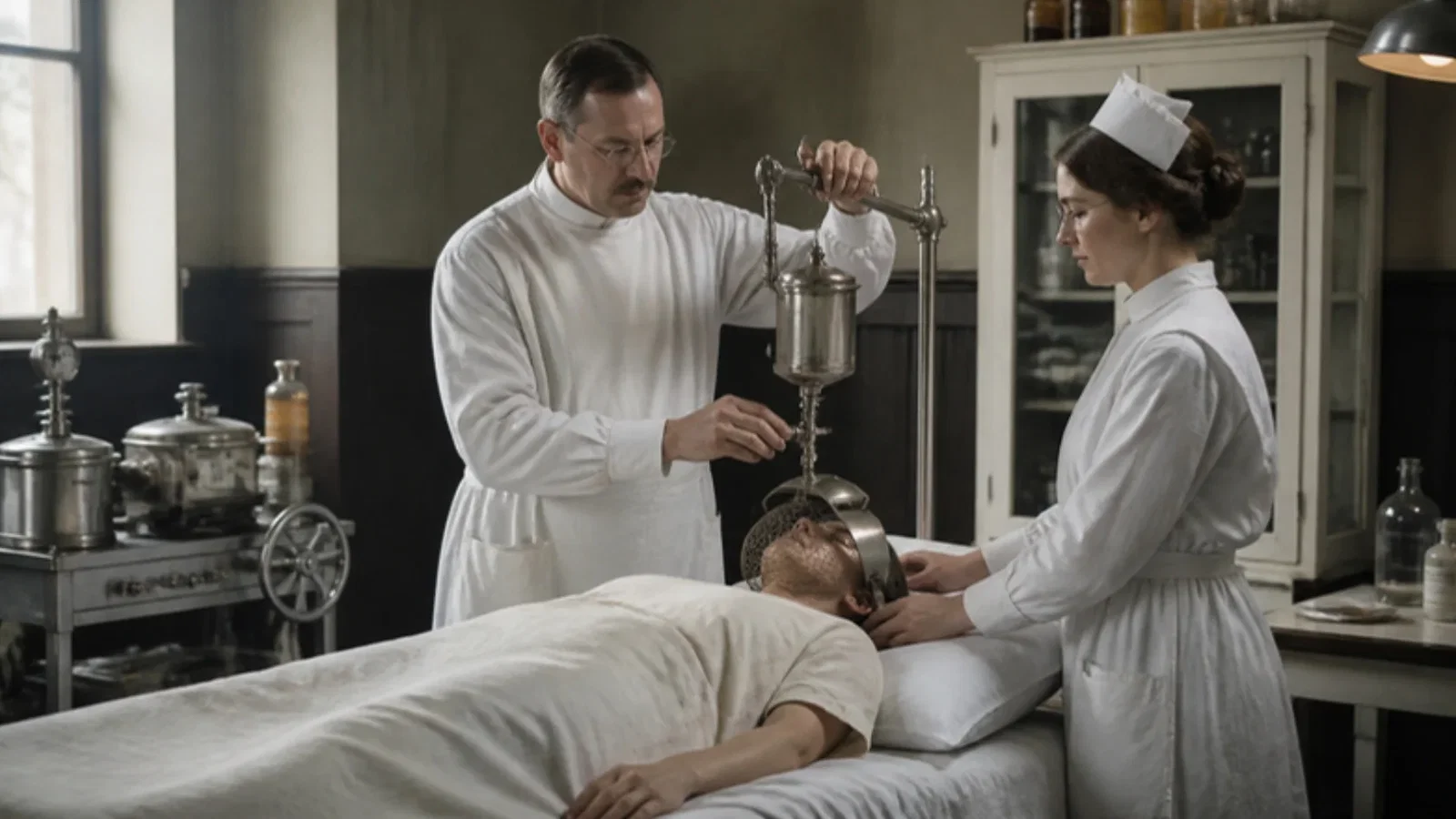
Finding the Yankauer mask too leaky for drop ether, the Ohio physician Waring fitted it with a metal hood to make a two-chambered inhaler.
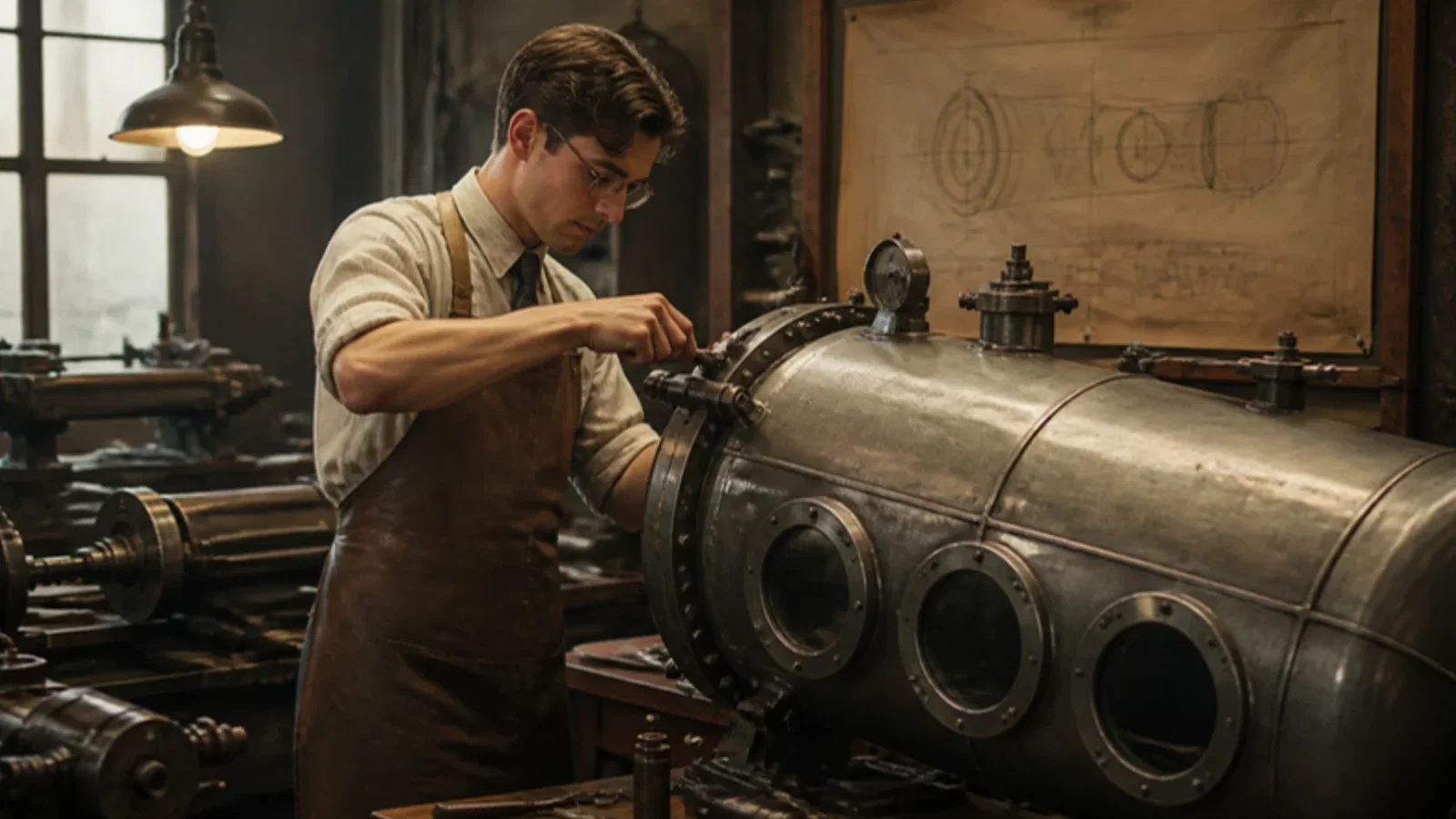
John Haven Emerson built a quieter, cheaper iron lung driven by a leather diaphragm, and was sued by the makers of the Drinker respirator.
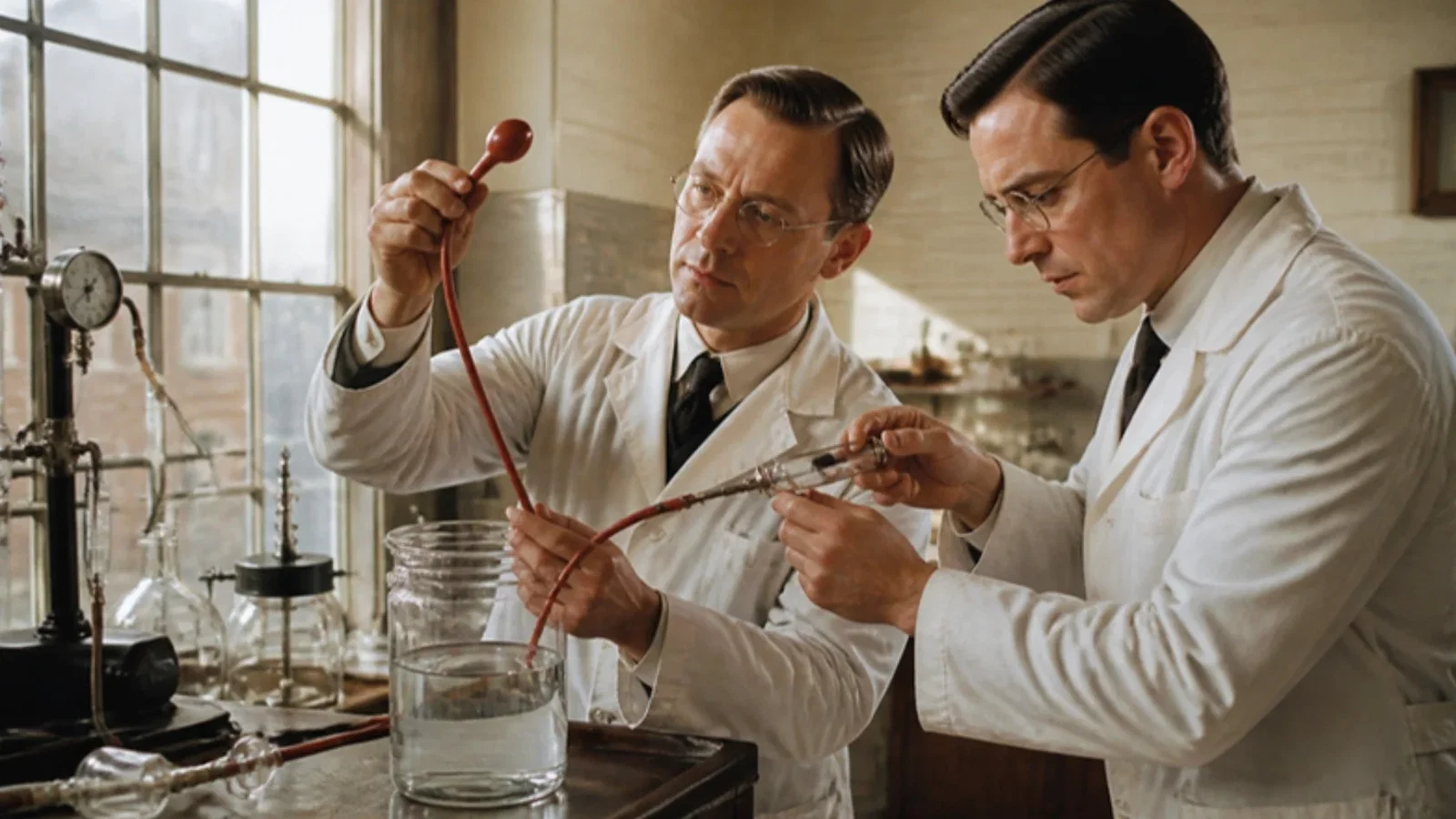
Guedel and Waters described a cuff of two Penrose tubes on a catheter, placed just below the cords and inflated to seal the trachea.
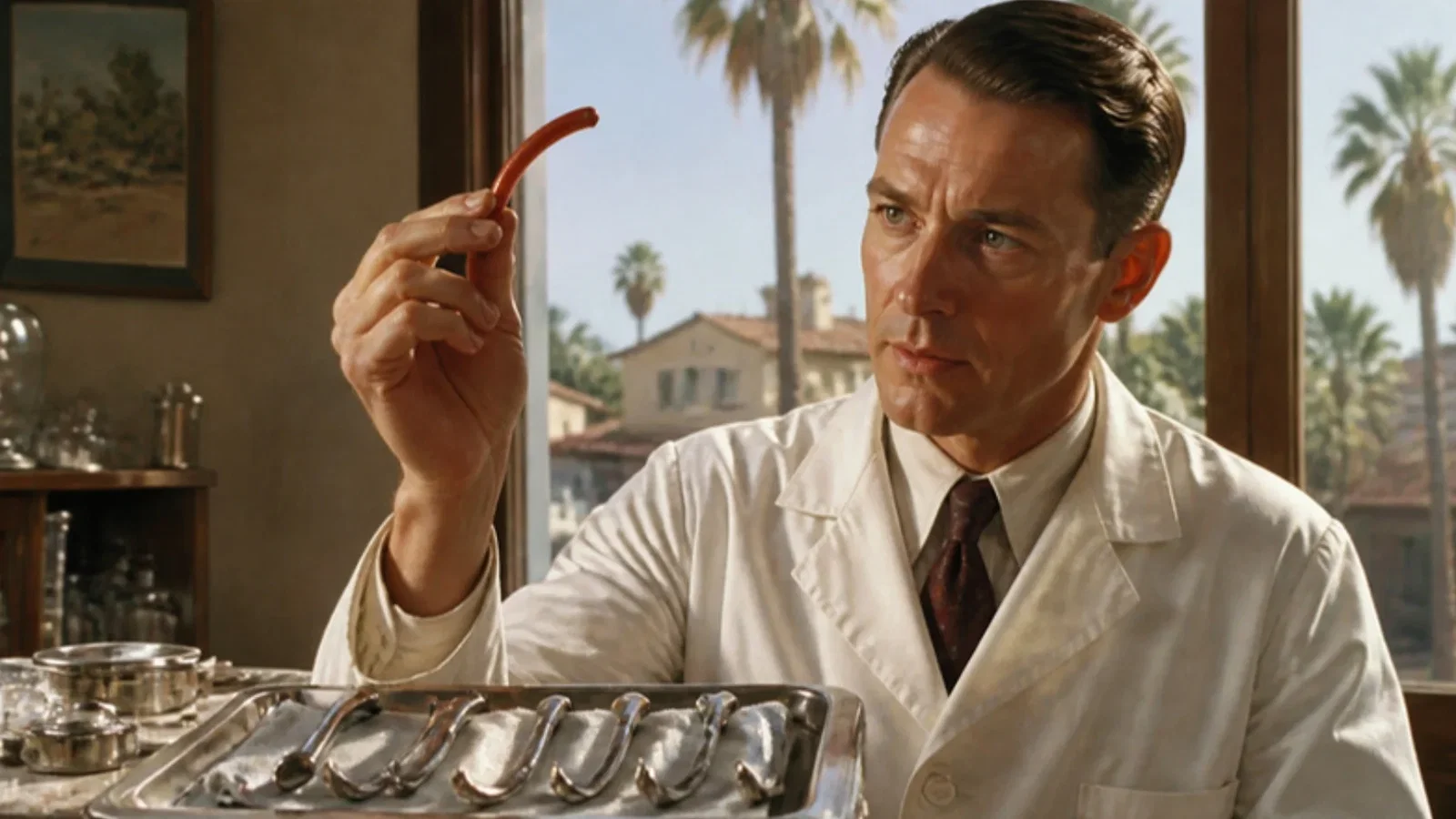
In less than a column of JAMA, Guedel described a rubber airway soft enough to spare teeth and pharynx yet firm enough to hold the airway open.
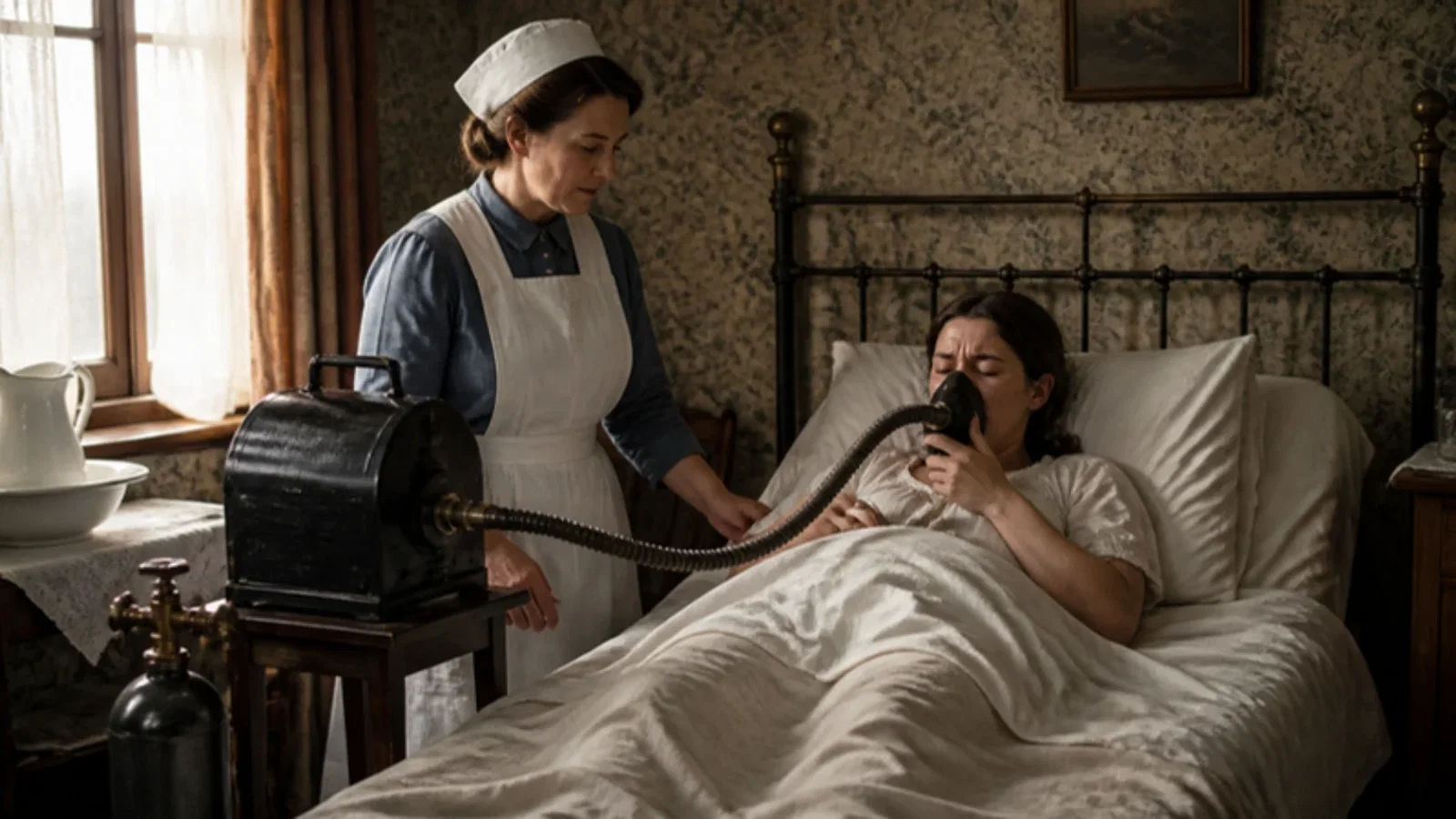
Minnitt of Liverpool adapted an oxygen apparatus so women in labour could draw nitrous oxide with each breath, bringing it within the midwife's reach.
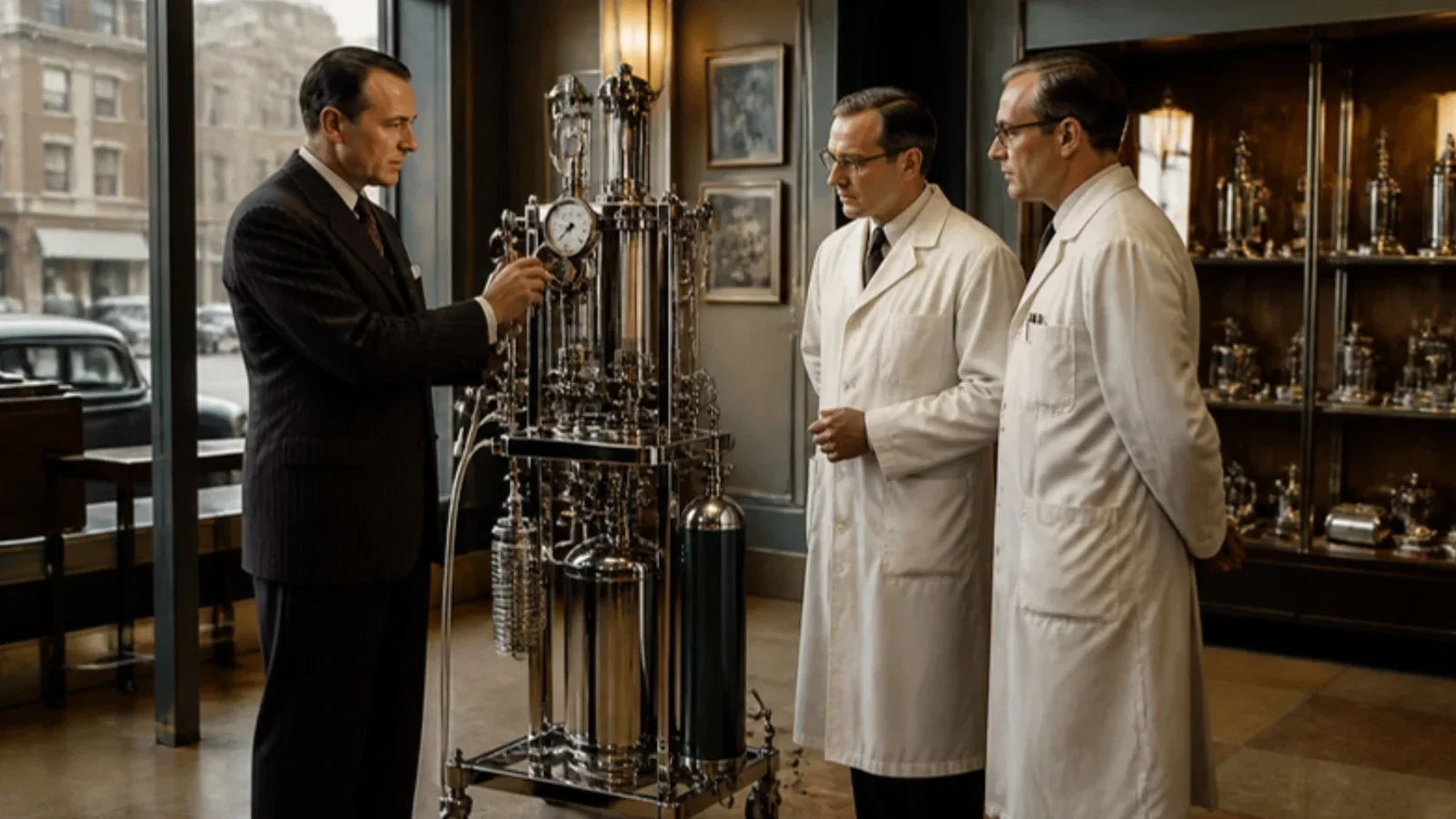
McKesson's Model L Nargraf could switch between fractional rebreathing and carbon dioxide absorption; a 1943 Army textbook explained its design.
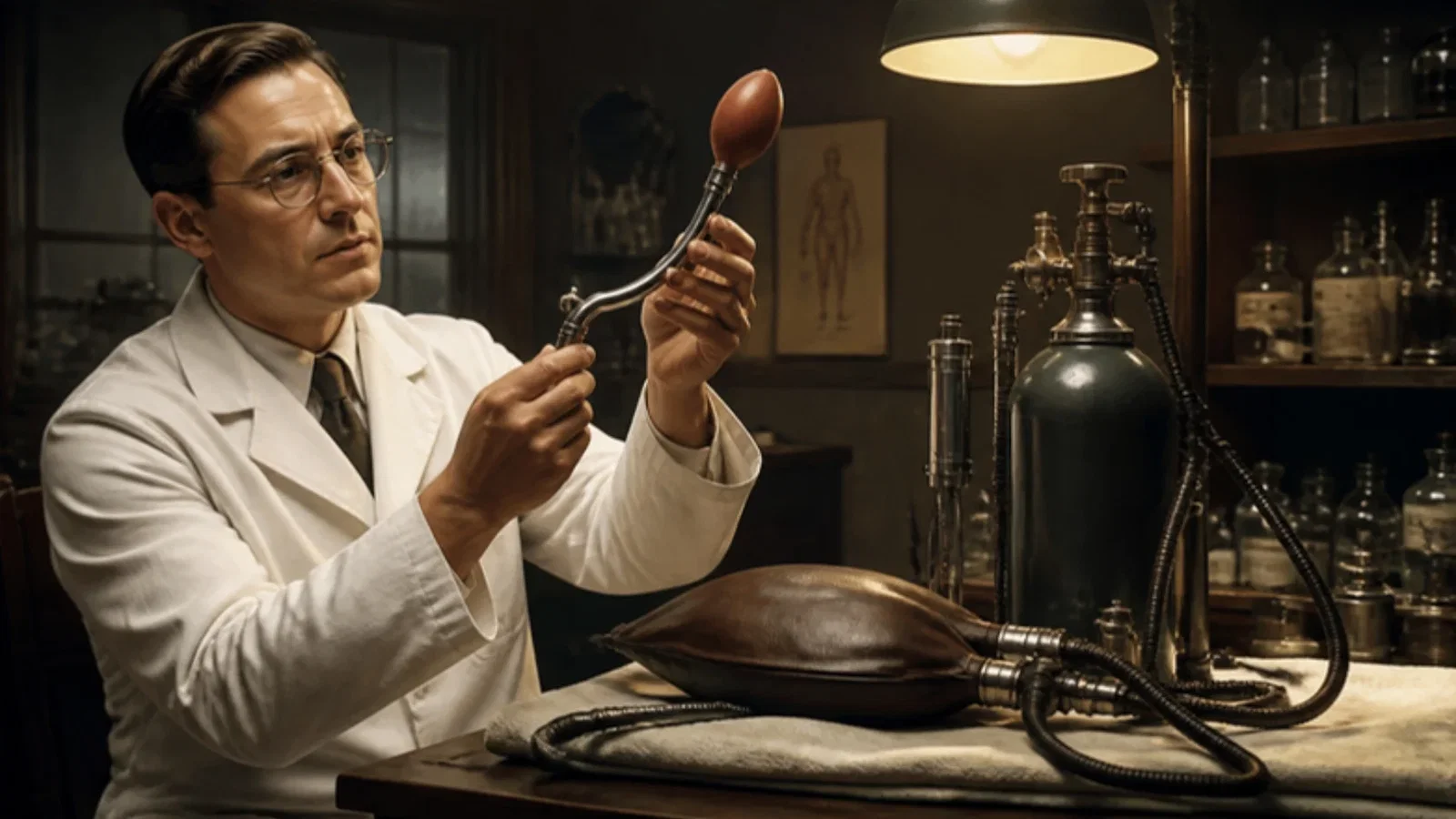
Leech of Regina's metal airway carried a rubber bulb that sealed the pharynx; Leech's paper could not be obtained, and letters of 1990 tell its later return.
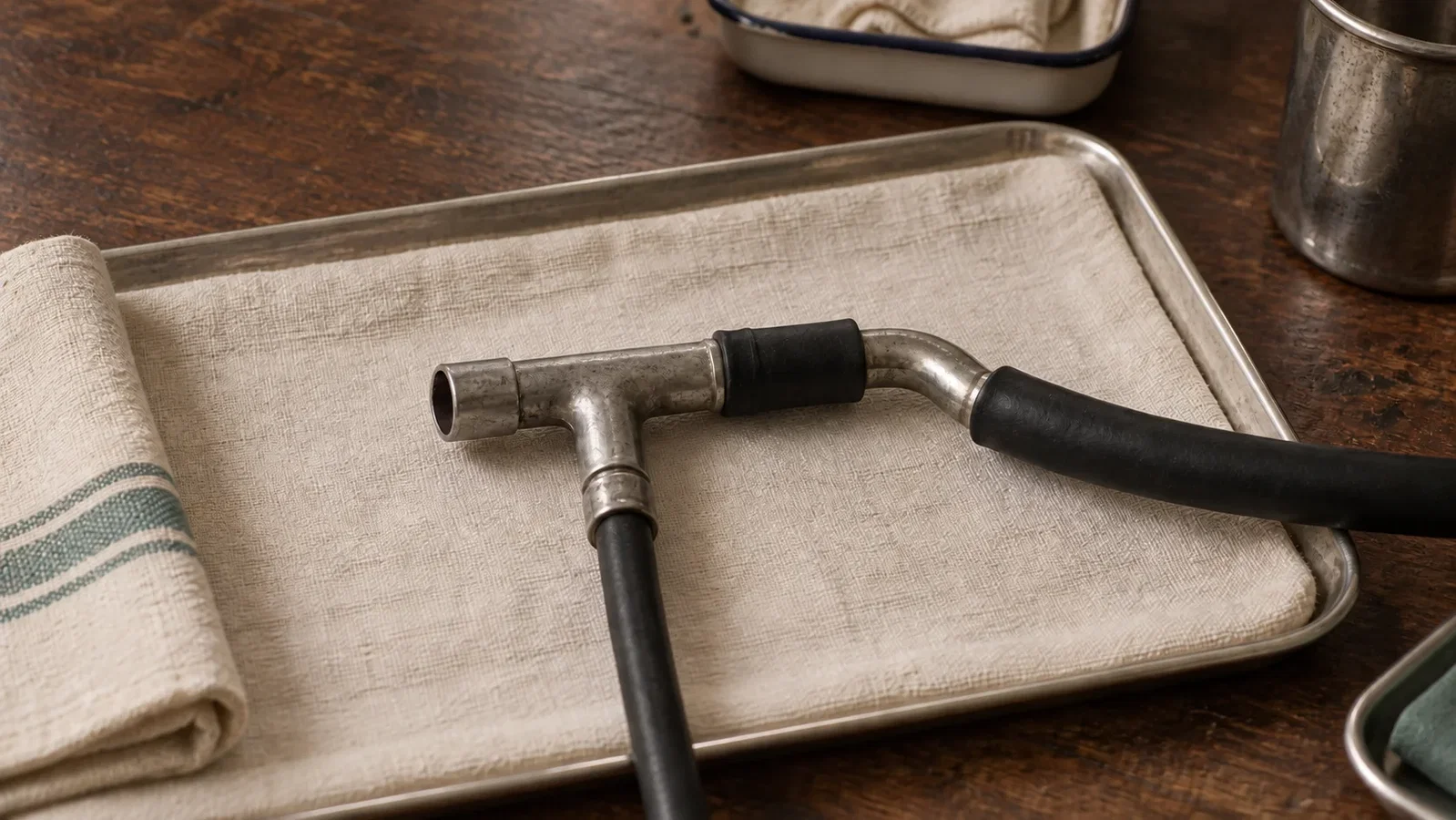
The open connection described in 1937 and the later work of revising and analyzing it
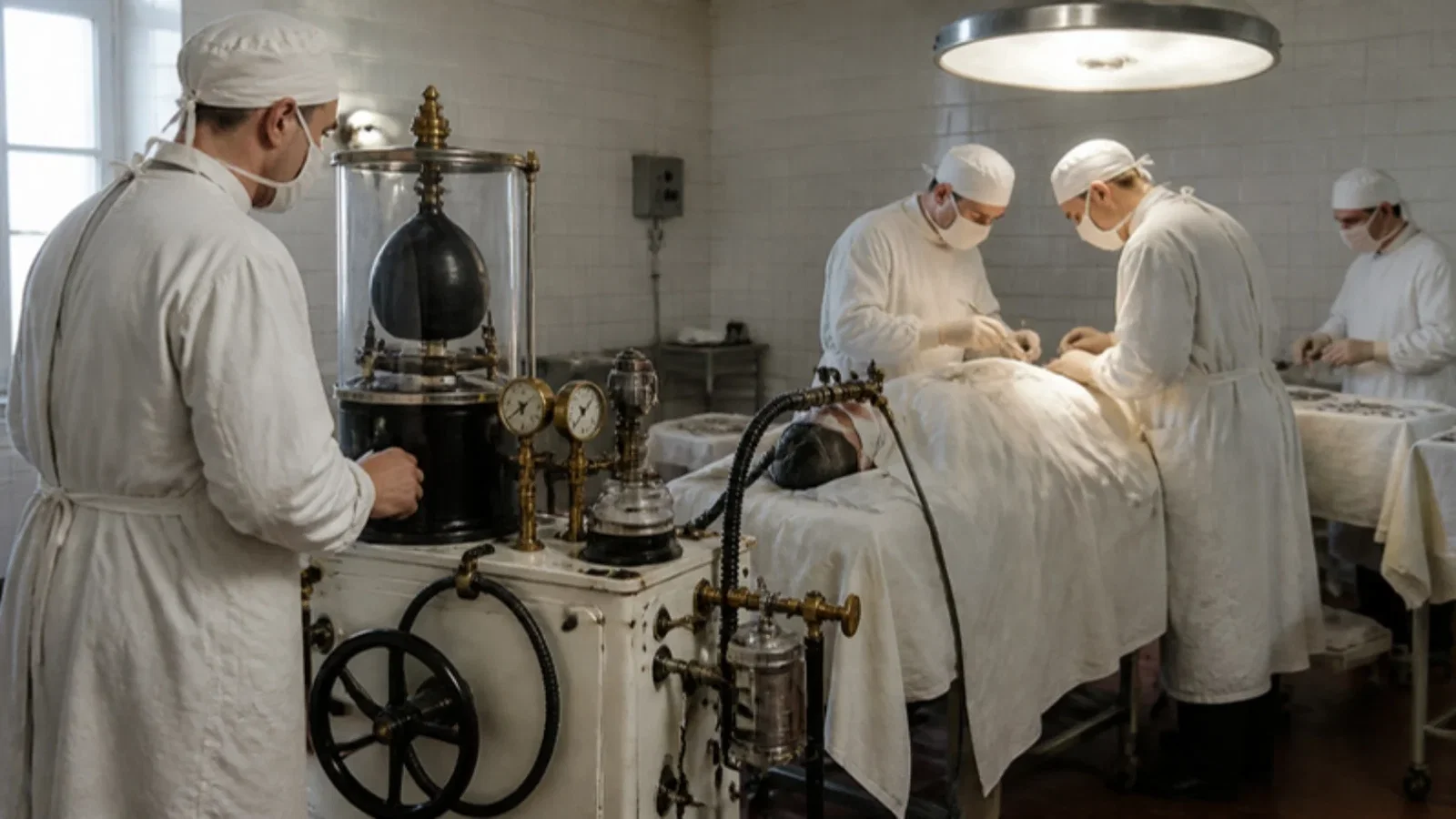
In Stockholm, Crafoord coupled Frenckner's spiropulsator to a nitrous oxide circuit, blowing gas in rhythmically and letting the lungs empty freely.
Topic guide updated October 30, 2026.