Following patients through care
Explore obstetric, pediatric, cardiac and geriatric anesthesia, recovery and the development of perioperative practice.
Reading Library · Explore the Connections
Explore this topic
Topics overlap. An essay may appear in more than one collection.
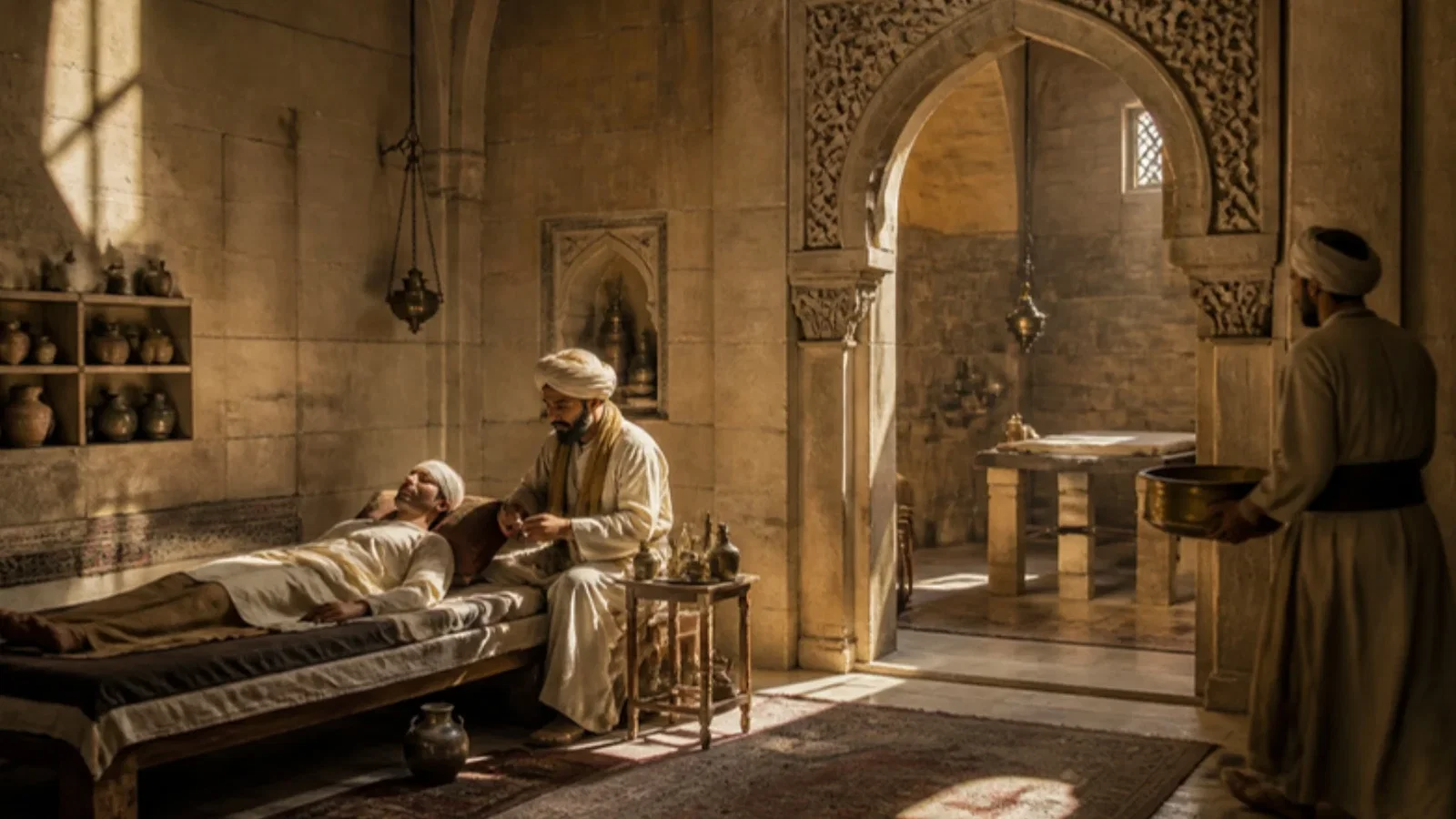
In a 2006 article, two anaesthesiologists pointed to a room labelled the induction room beside the operating room of a hospital built in Kayseri in 1206, and used it to argue for block rooms in modern practice.
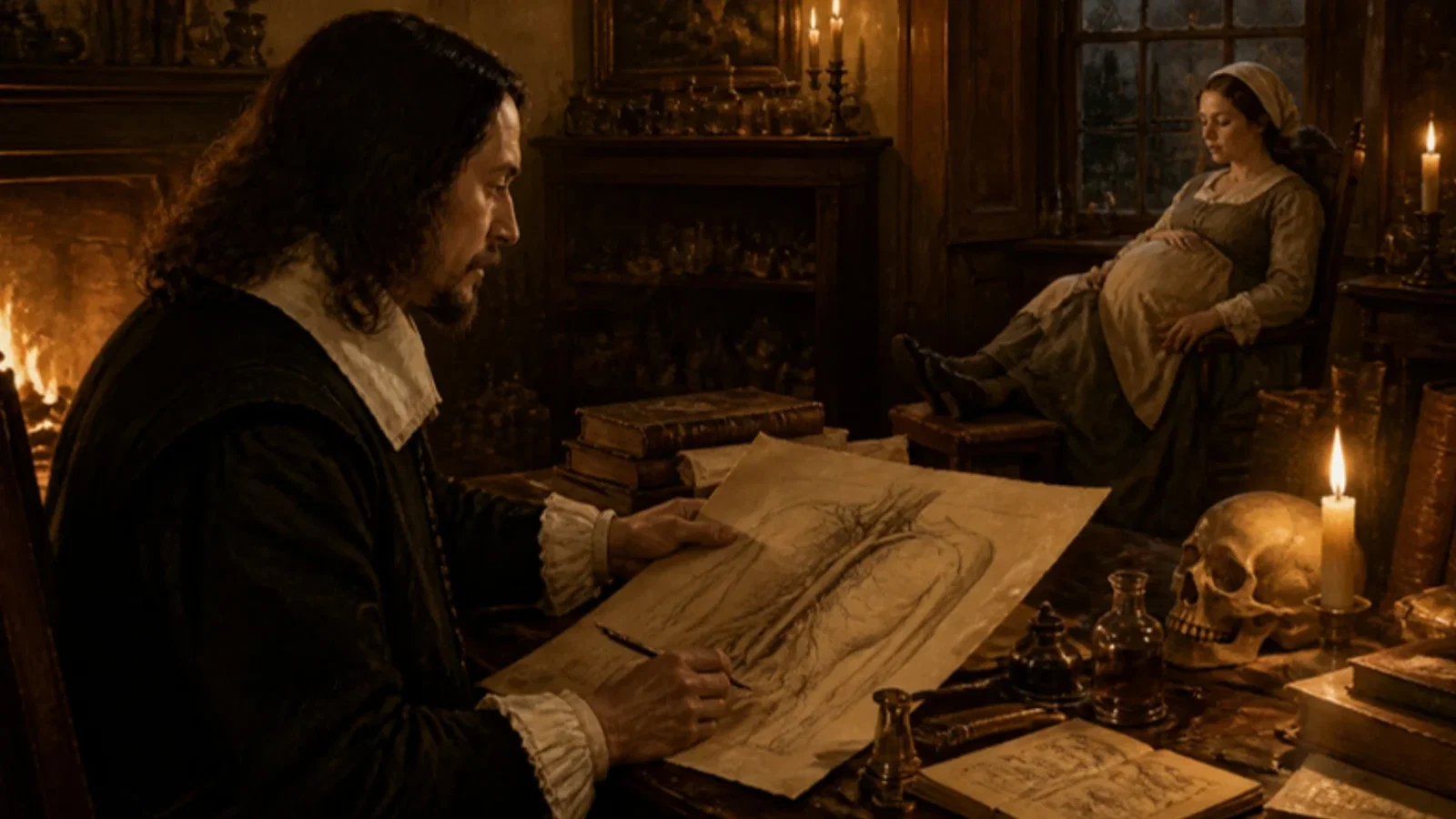
Lower explained the leg veins of pregnancy by uterine pressure on the vena cava; in 1961 the same compression caused supine hypotension under epidural block.
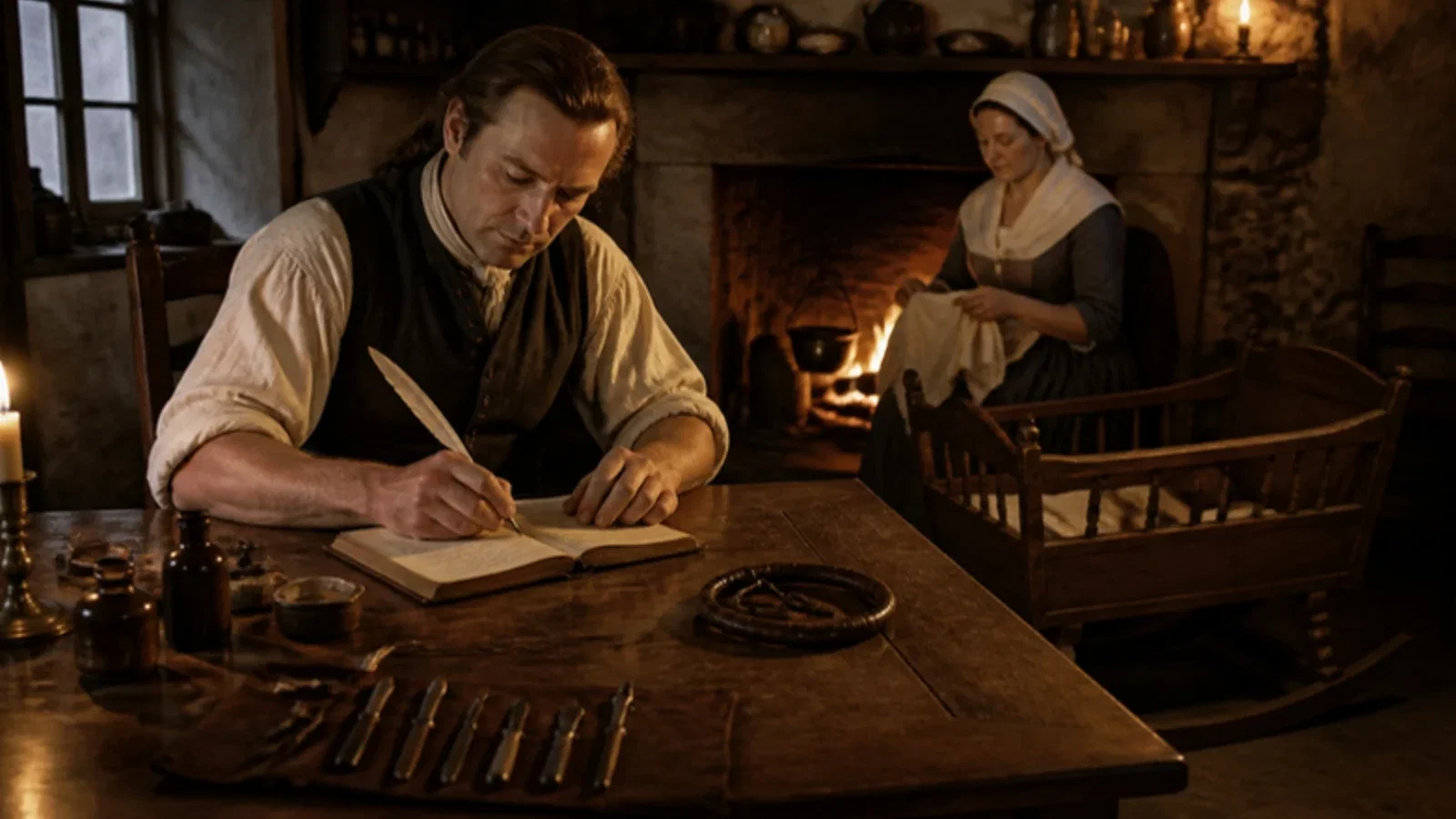
Pugh's 1754 midwifery treatise described passing a coiled-wire air-pipe towards a breech baby's larynx before the head was born, and mouth-to-mouth inflation if needed.

In 1804 Hanaoka Seishu gave a woman named Kan the oral preparation Mafutsusan and removed a mass from her left breast; his case record also follows her decision beforehand and the weeks of care until she went home.
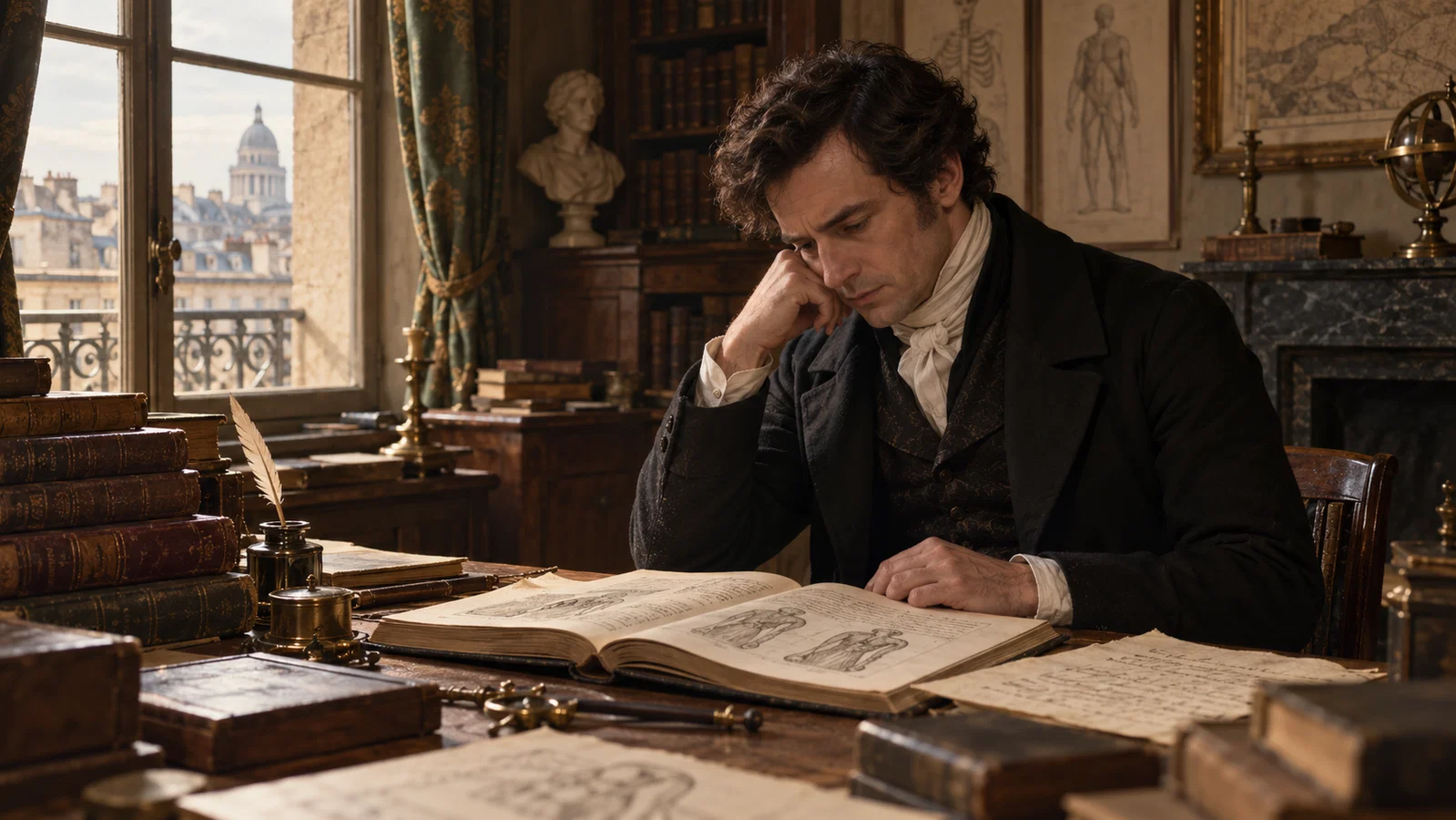
In April 1829 Cloquet reported removing a breast cancer while the patient talked calmly in 'magnetic sleep'; he offered no explanation, and she died nineteen days later.
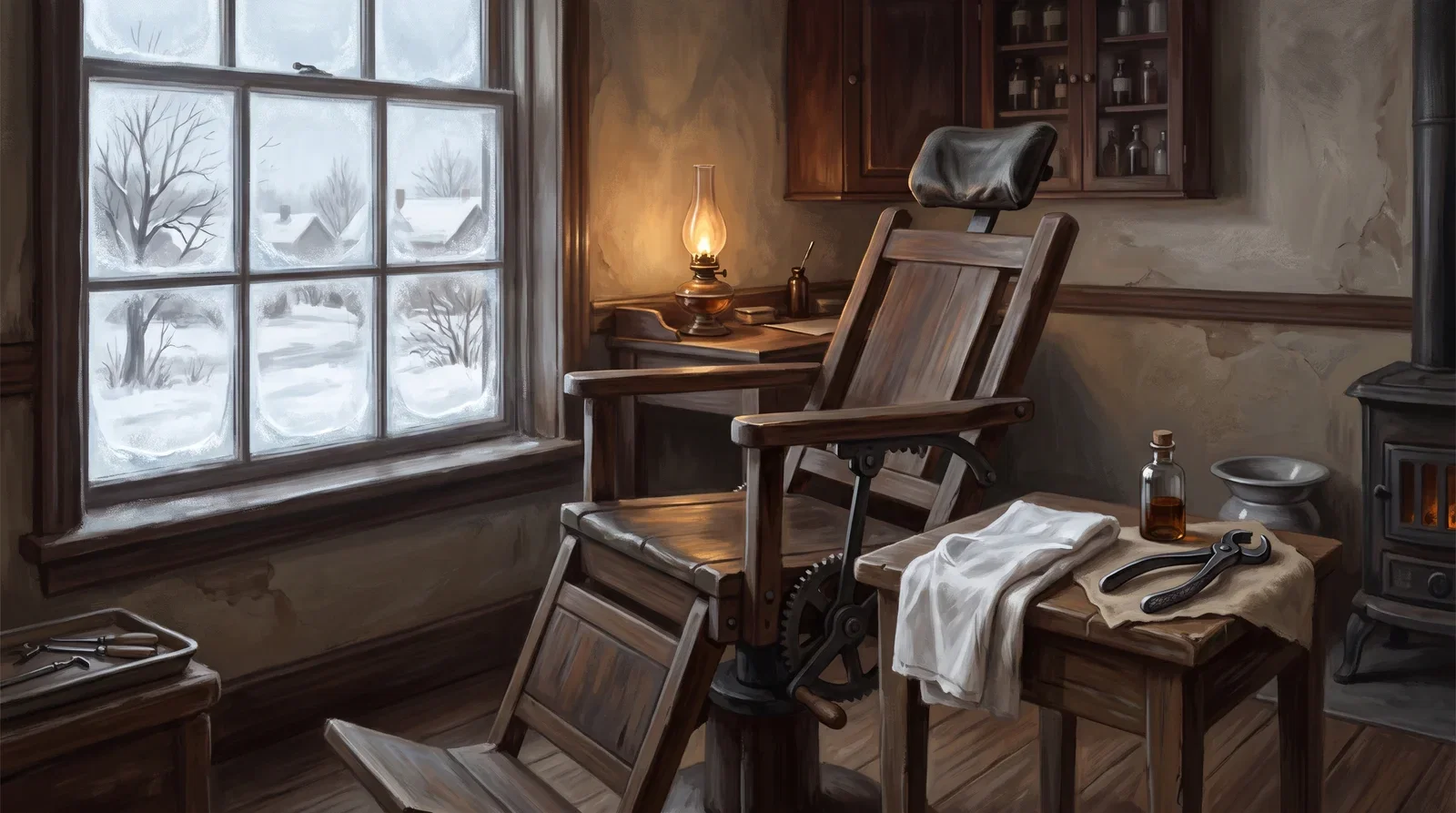
In 1881 Lyman wrote that student William E. Clarke gave ether on a towel while a dentist drew a tooth; Buxton in 1925 called it 'said to have been performed'.

Crawford Long removed two small tumours from James Venable under ether in 1842, the second not quite painlessly, but published the cases only in December 1849.
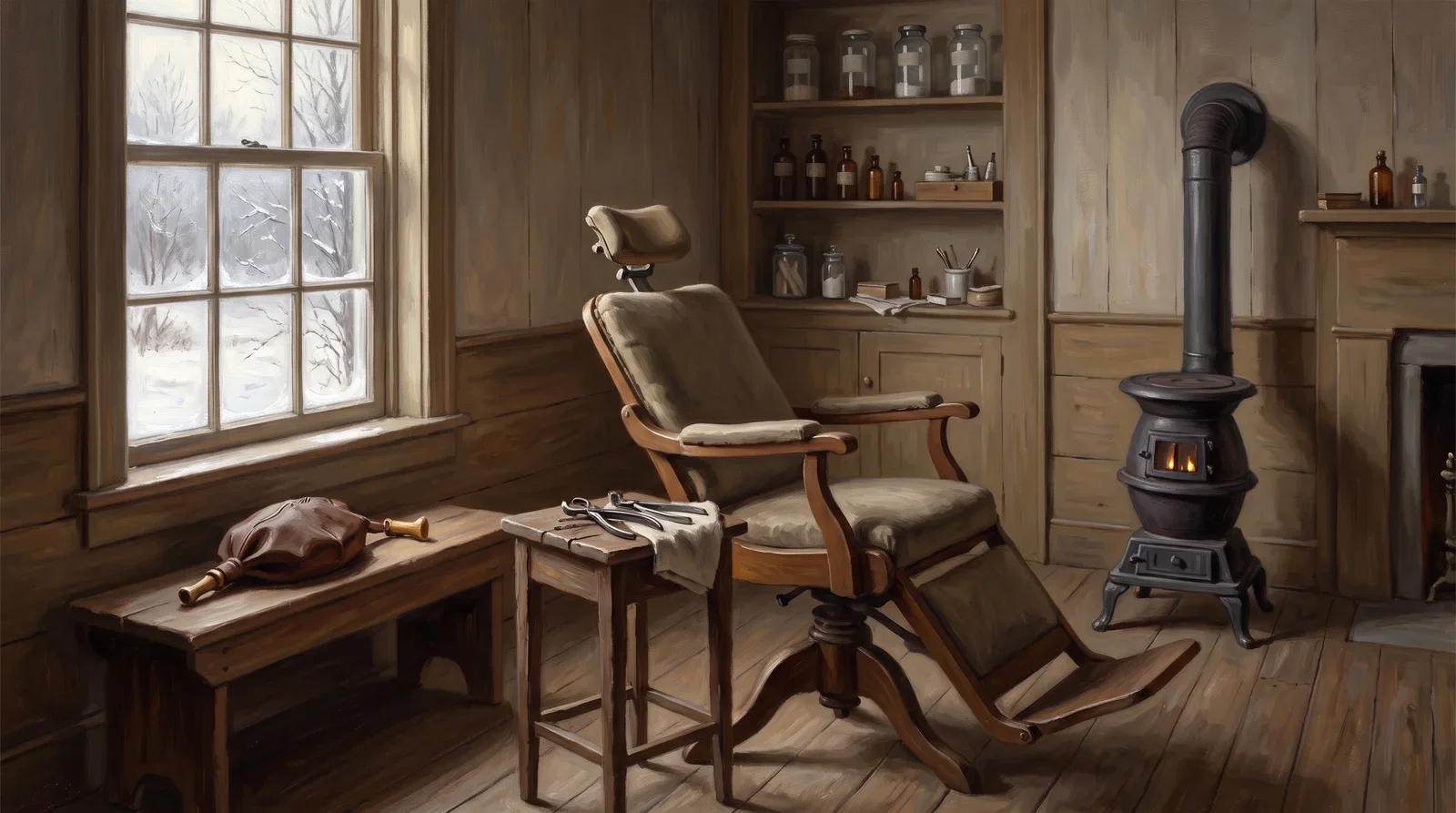
In Hartford in late 1844 the dentist Horace Wells became the patient: Colton gave him nitrous oxide, Riggs pulled his tooth, and Wells said he felt no pain.
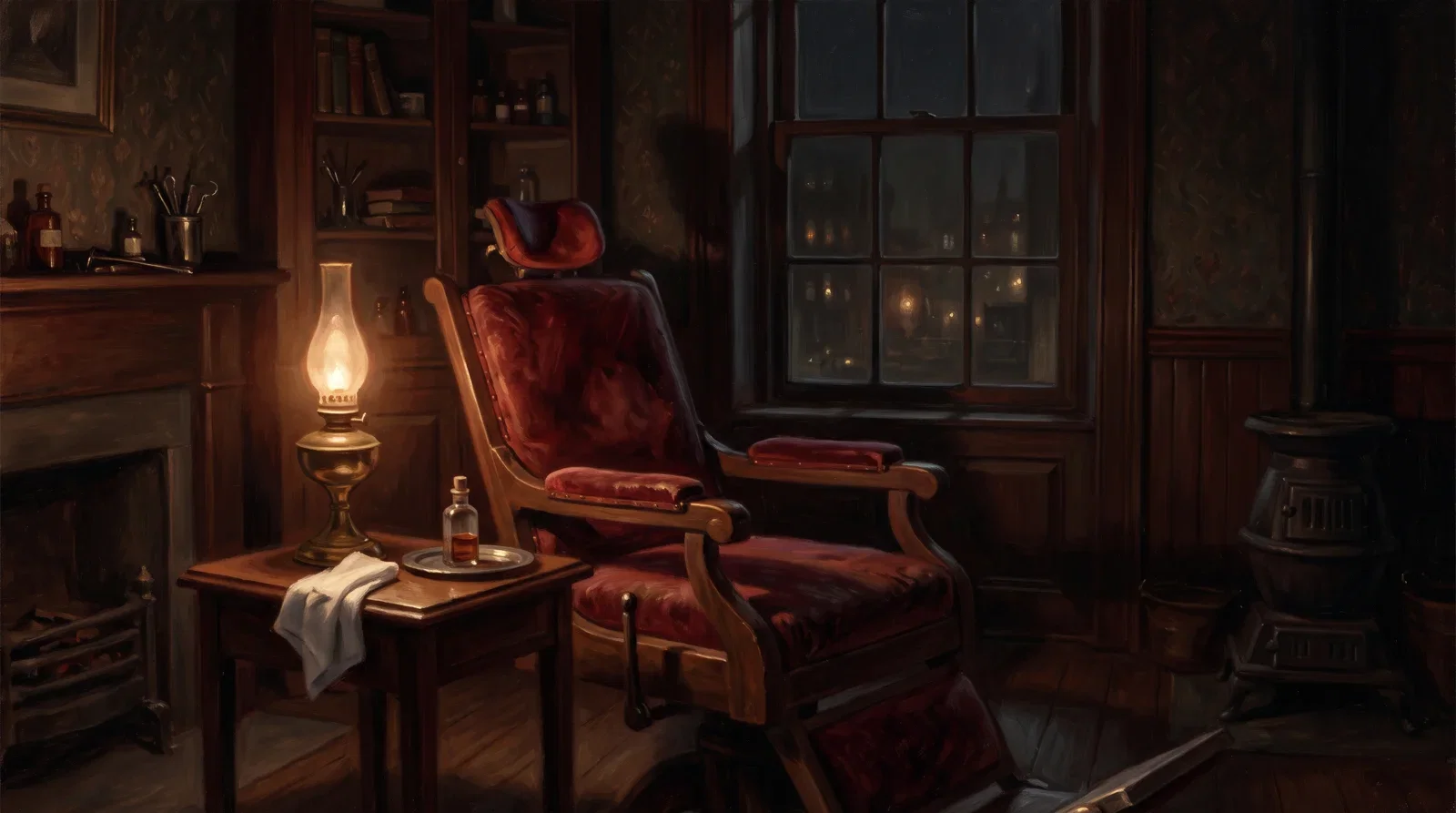
On 30 September 1846 Morton gave Eben Frost a preparation on a handkerchief; Frost woke to find the tooth out and signed a certificate with two witnesses that night.
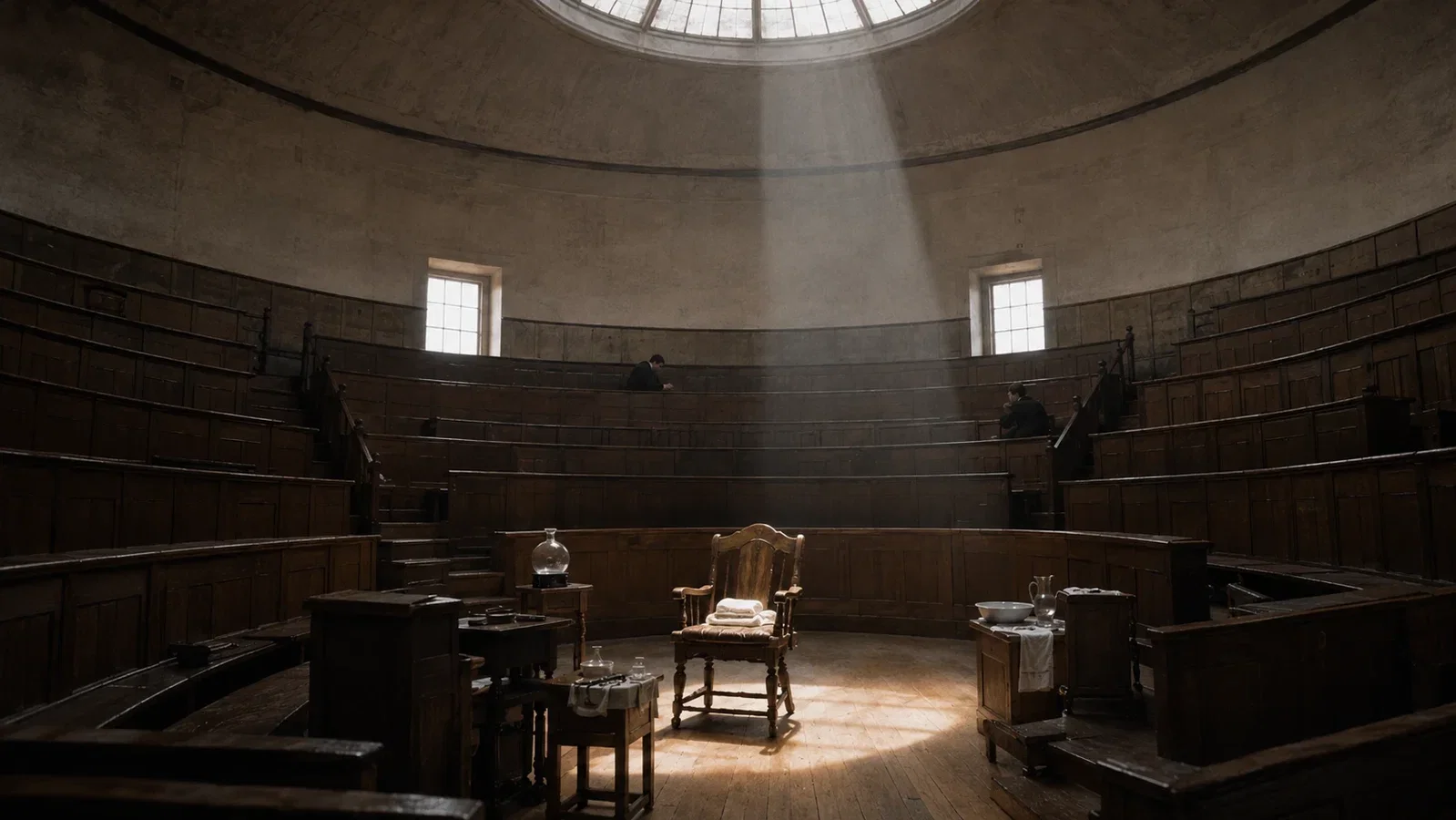
On 16 October 1846 Morton gave ether at Massachusetts General Hospital while Warren operated on Edward Gilbert Abbott, and the records give differing accounts of the pain.
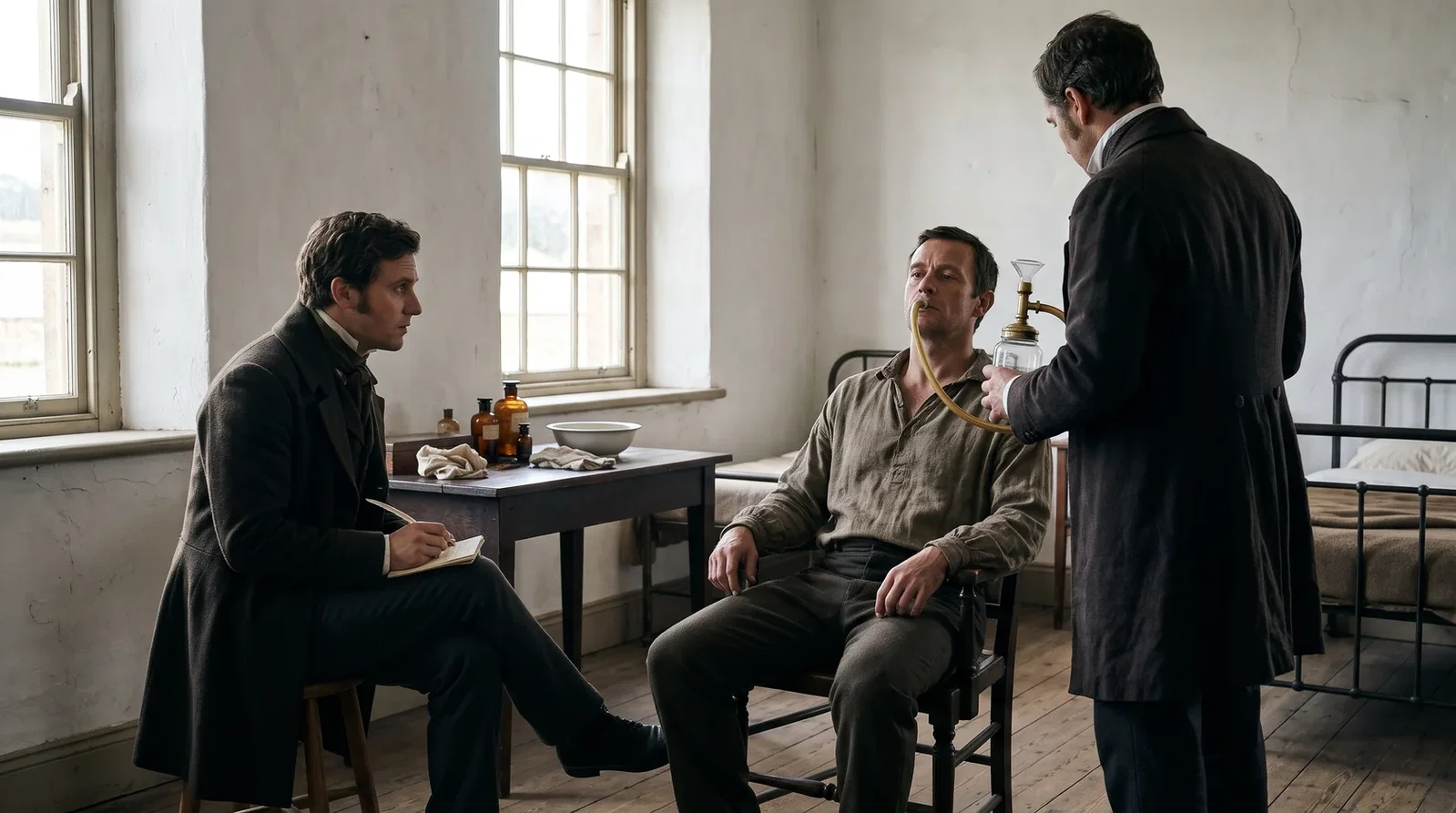
The Launceston Examiner described two operations under ether at St John's Hospital on 7 June 1847; Hobart and Sydney papers reprinted or matched it within a fortnight.
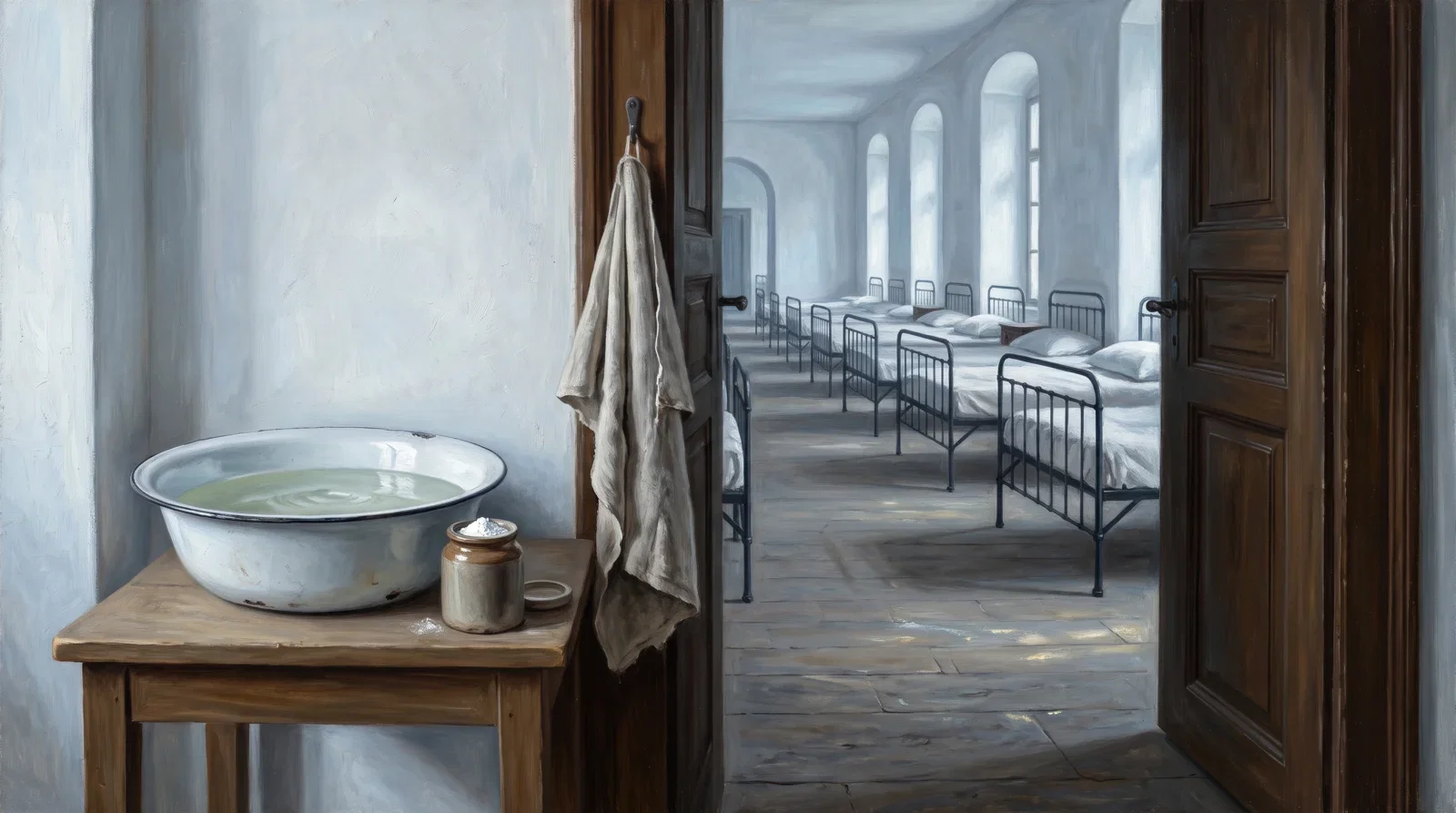
In an 1861 book Semmelweis recalled requiring students to wash in chlorine solution from mid-May 1847, after concluding that cadaveric matter on examiners' hands caused childbed fever.
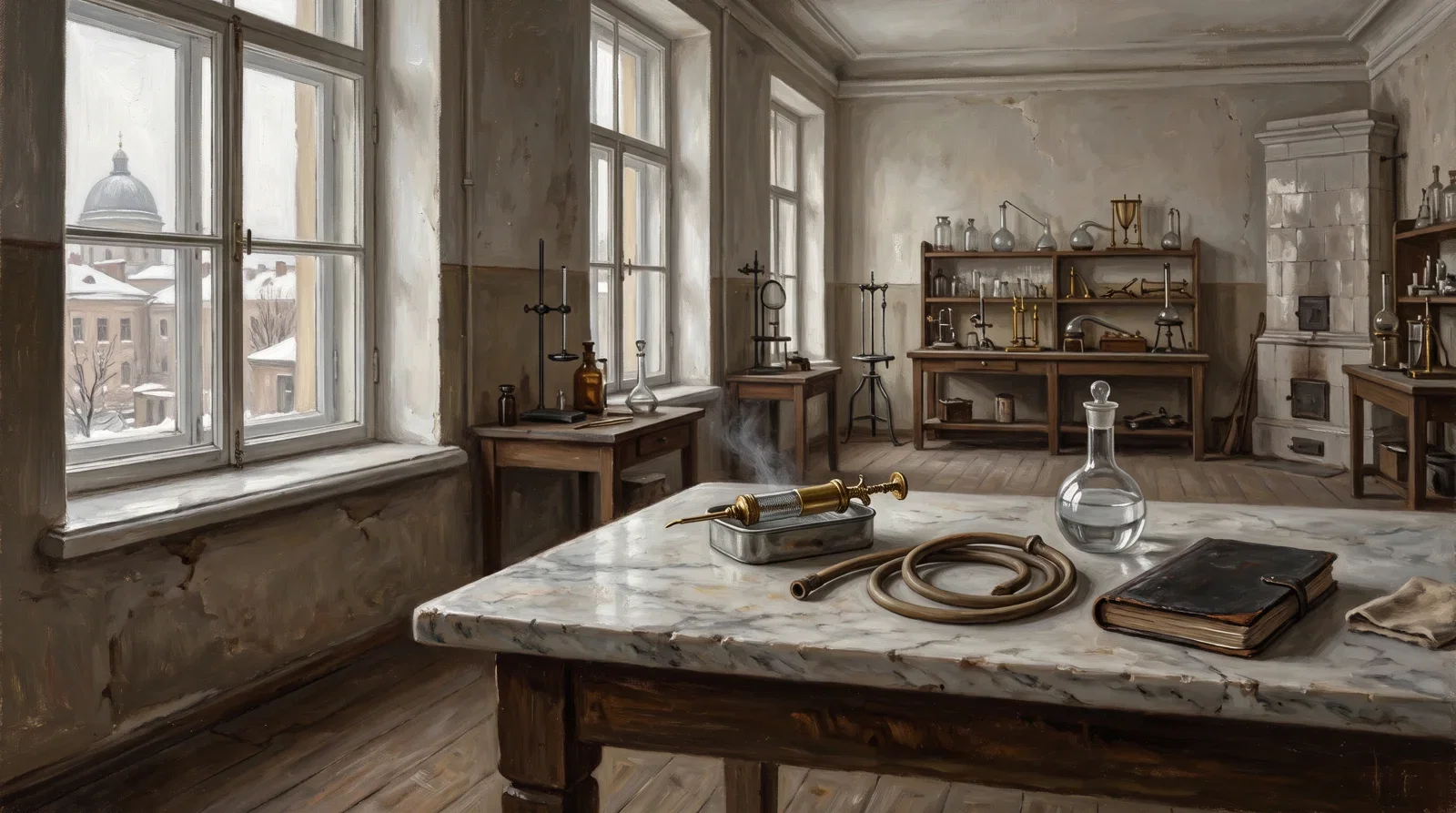
Pirogoff wrote from St Petersburg to the Paris Academy proposing rectal ether vapour for surgery, while animal reports that year disagreed about its safety.
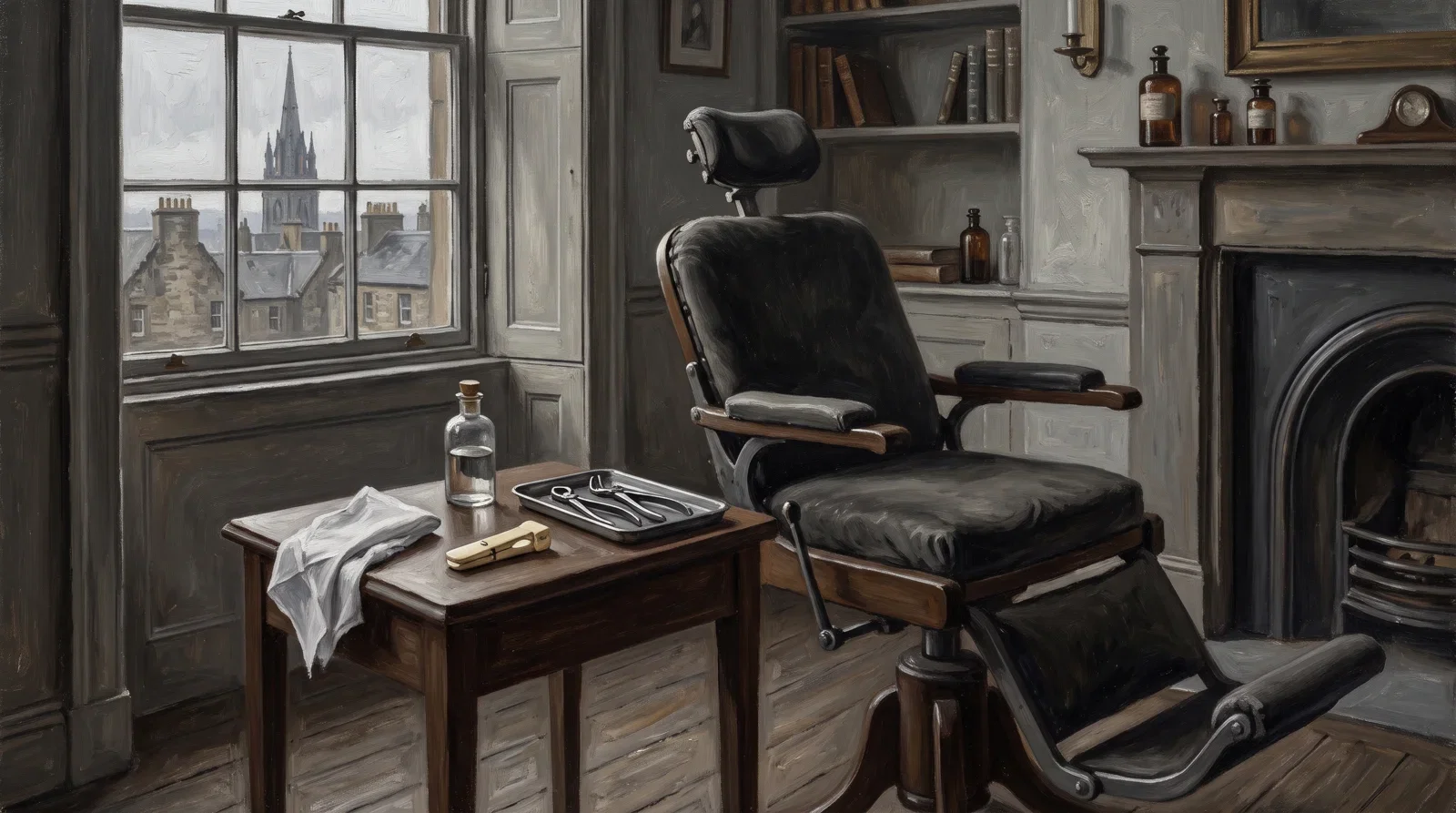
The Edinburgh dentist Imlach gave chloroform on a handkerchief with a gag placed beforehand, and in 1848 reported more than three hundred extractions.
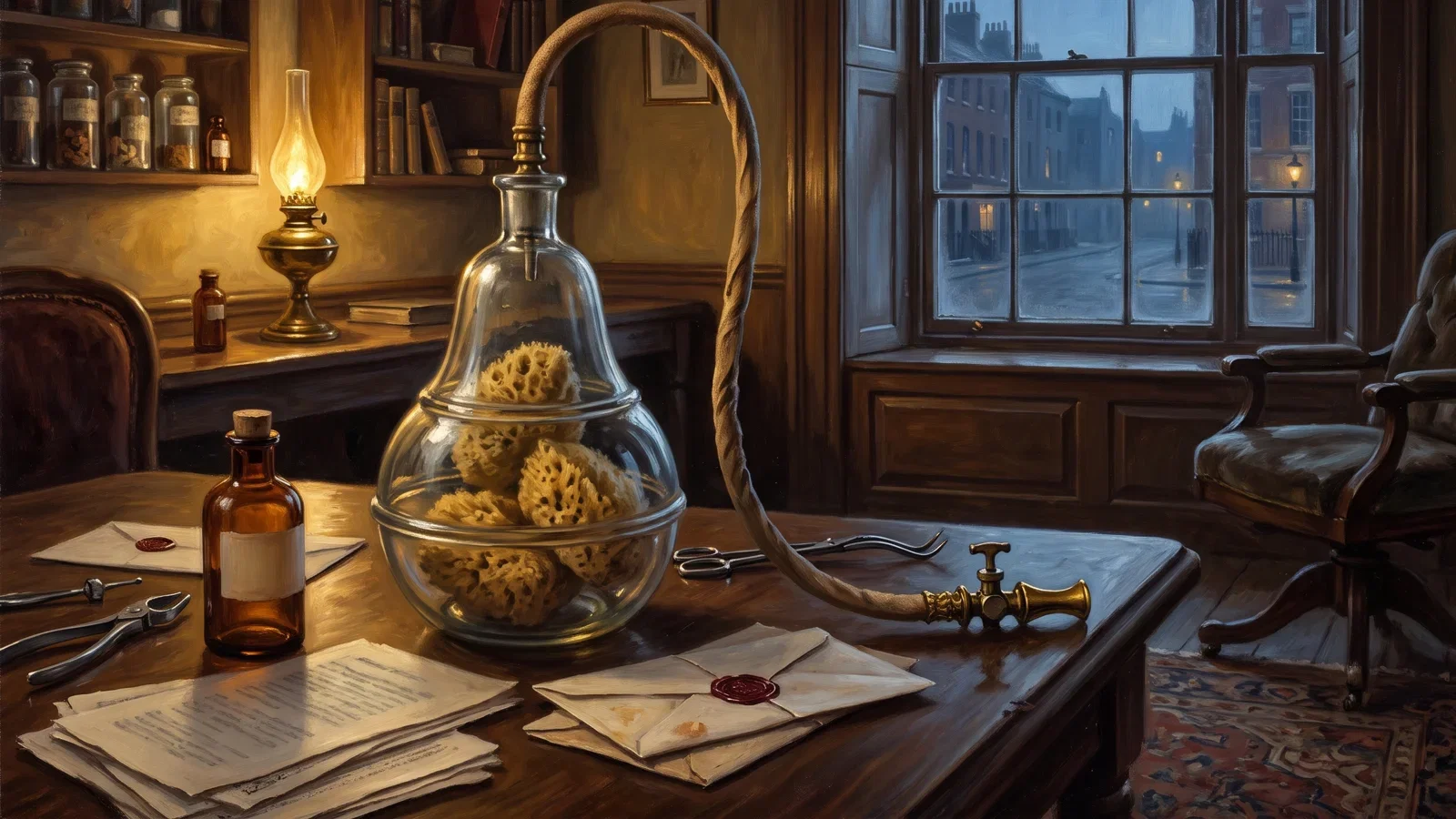
The London dentist James Robinson told of the trial at Boott's house in December 1846, the failures after it, and collected British cases with the operators' names.
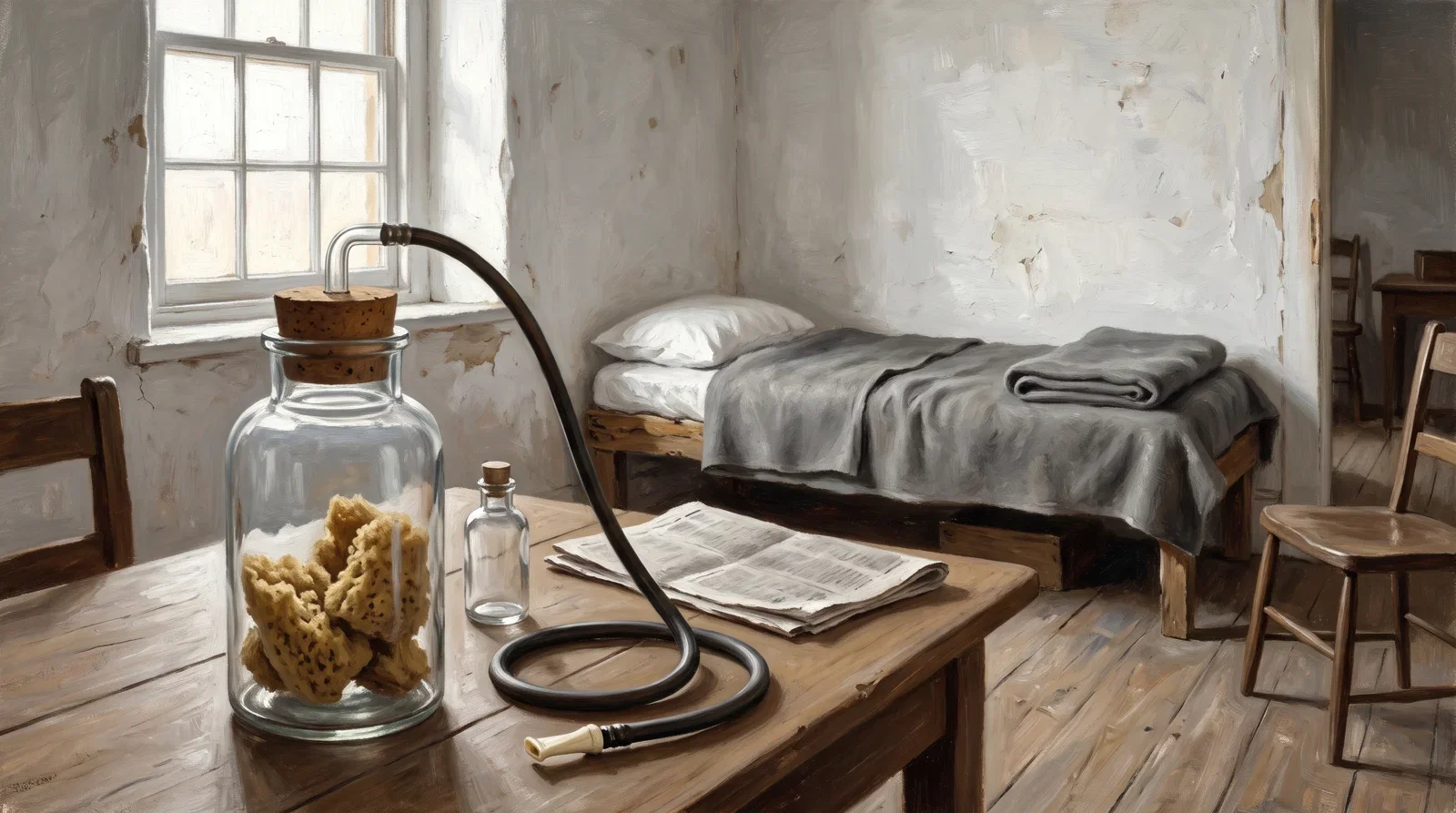
The Grahamstown Journal printed Atherstone's own report of a thigh amputation on a patient who inhaled ether from a wide-mouthed bottle.
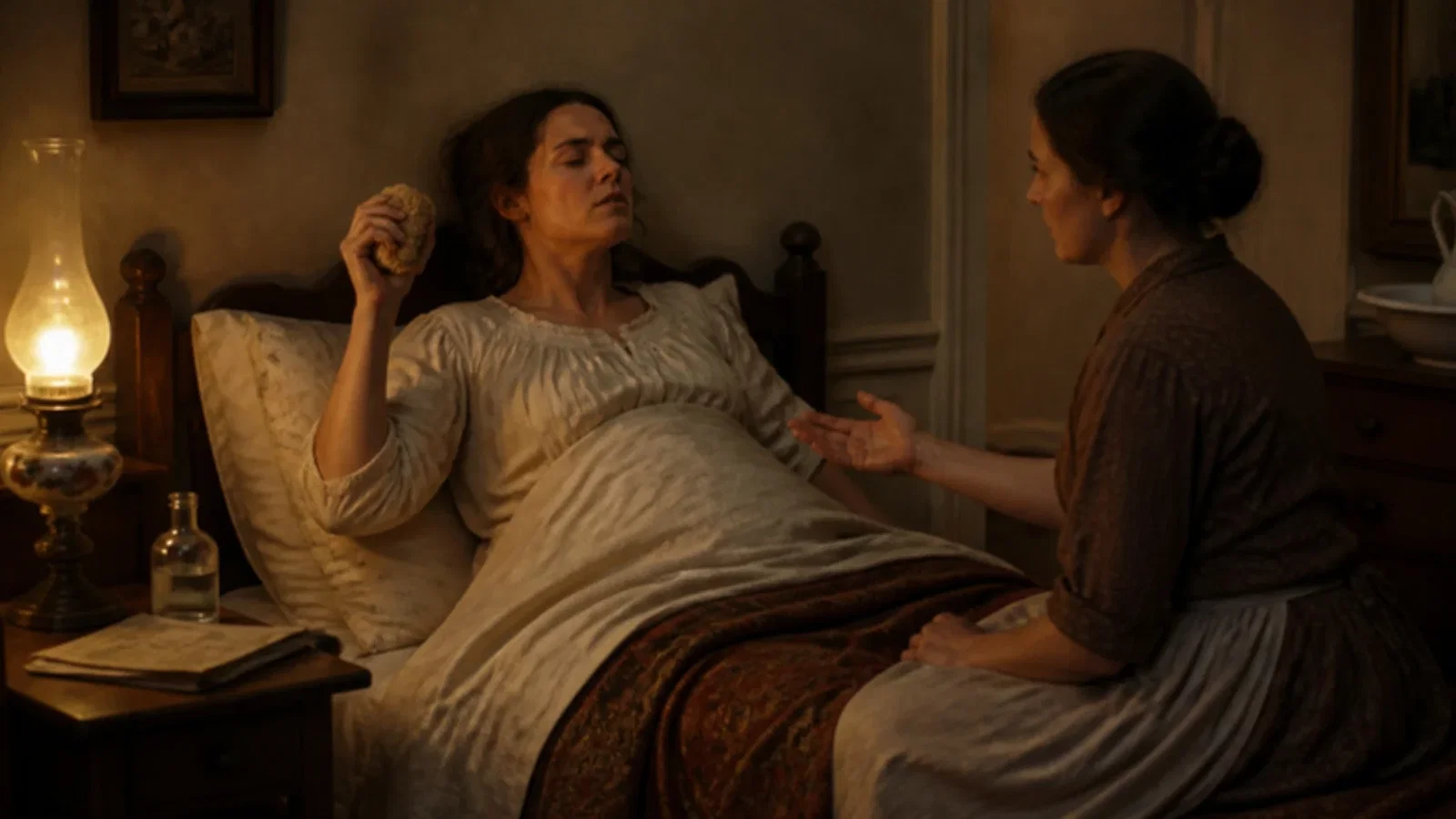
An 1847 Boston pamphlet under Morton's name advised letting the woman in labour hold the ether sponge, because the raised hand drops once enough ether has been inhaled.
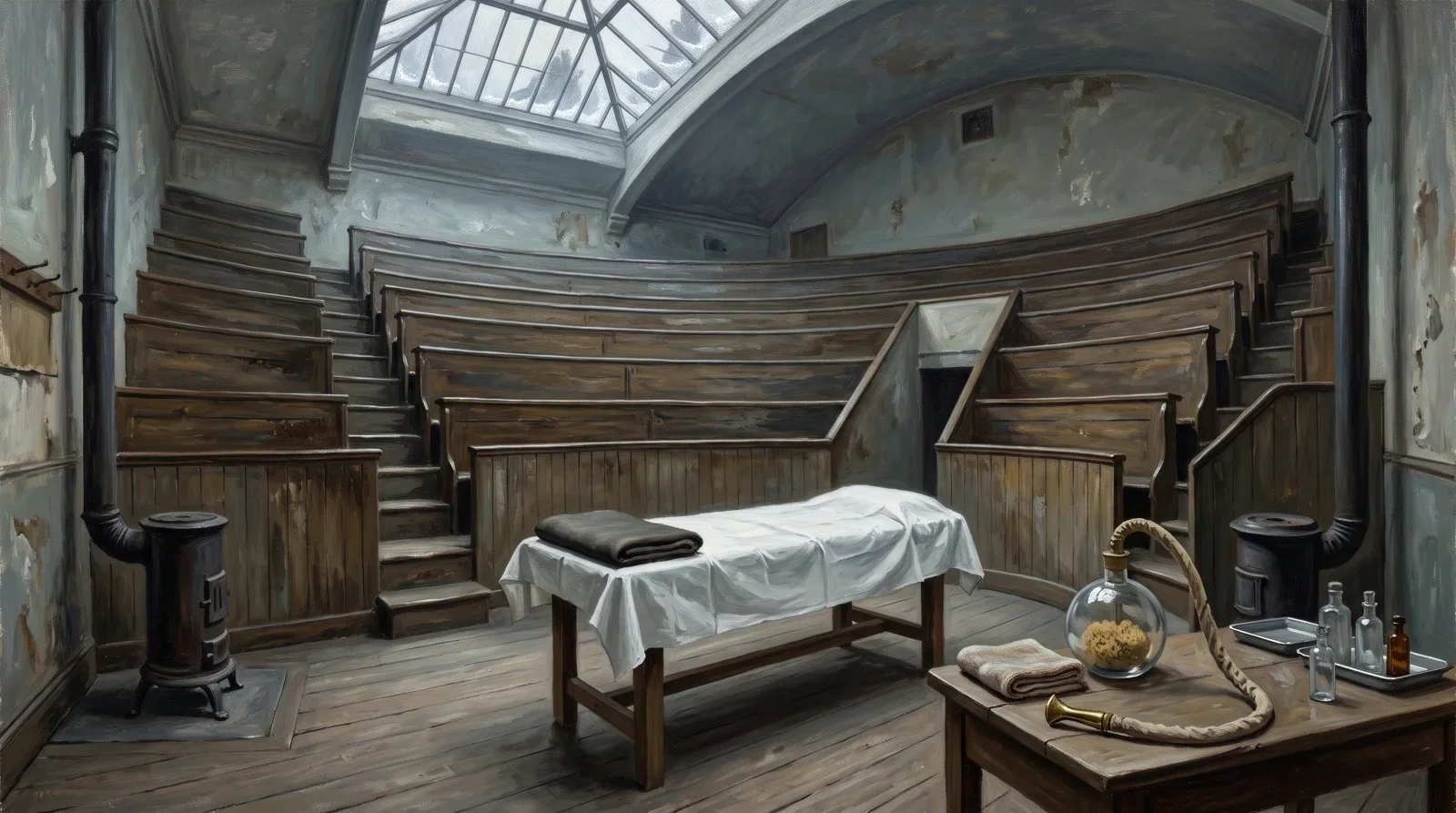
On 25 January 1847 Skey performed a caesarean section at St Bartholomew's while Tracy gave ether; the child lived, the mother died, and the ether never took full effect.
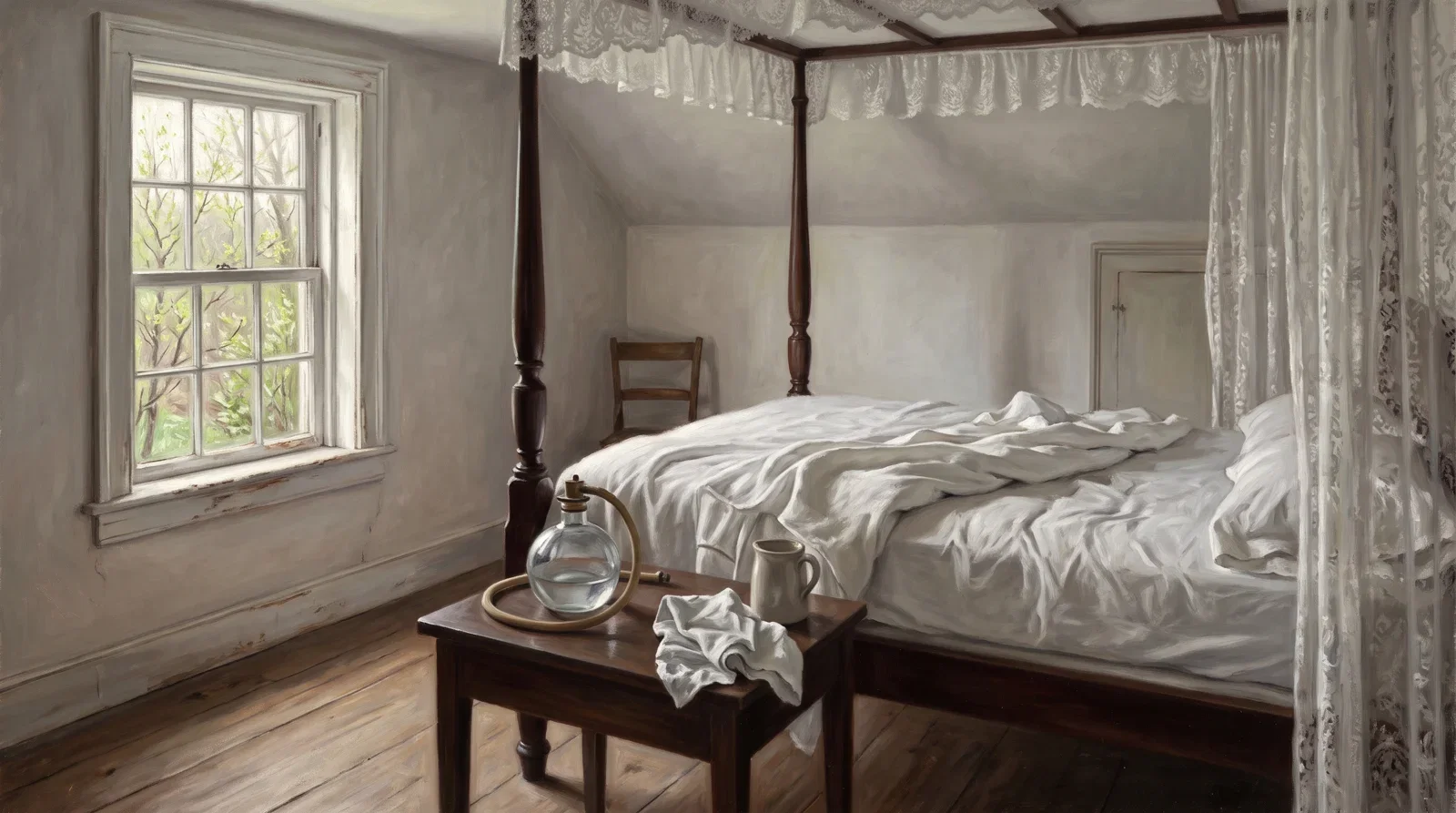
A dentist-physician gave ether during labour and reported it in five sentences; Fanny Longfellow wrote of never having got through a confinement so comfortably.

In September 1847 ether was tried in Wellington on a prisoner's tooth and on the chief Hiangarere's shoulder tumour; its effect wore off after the third incision.
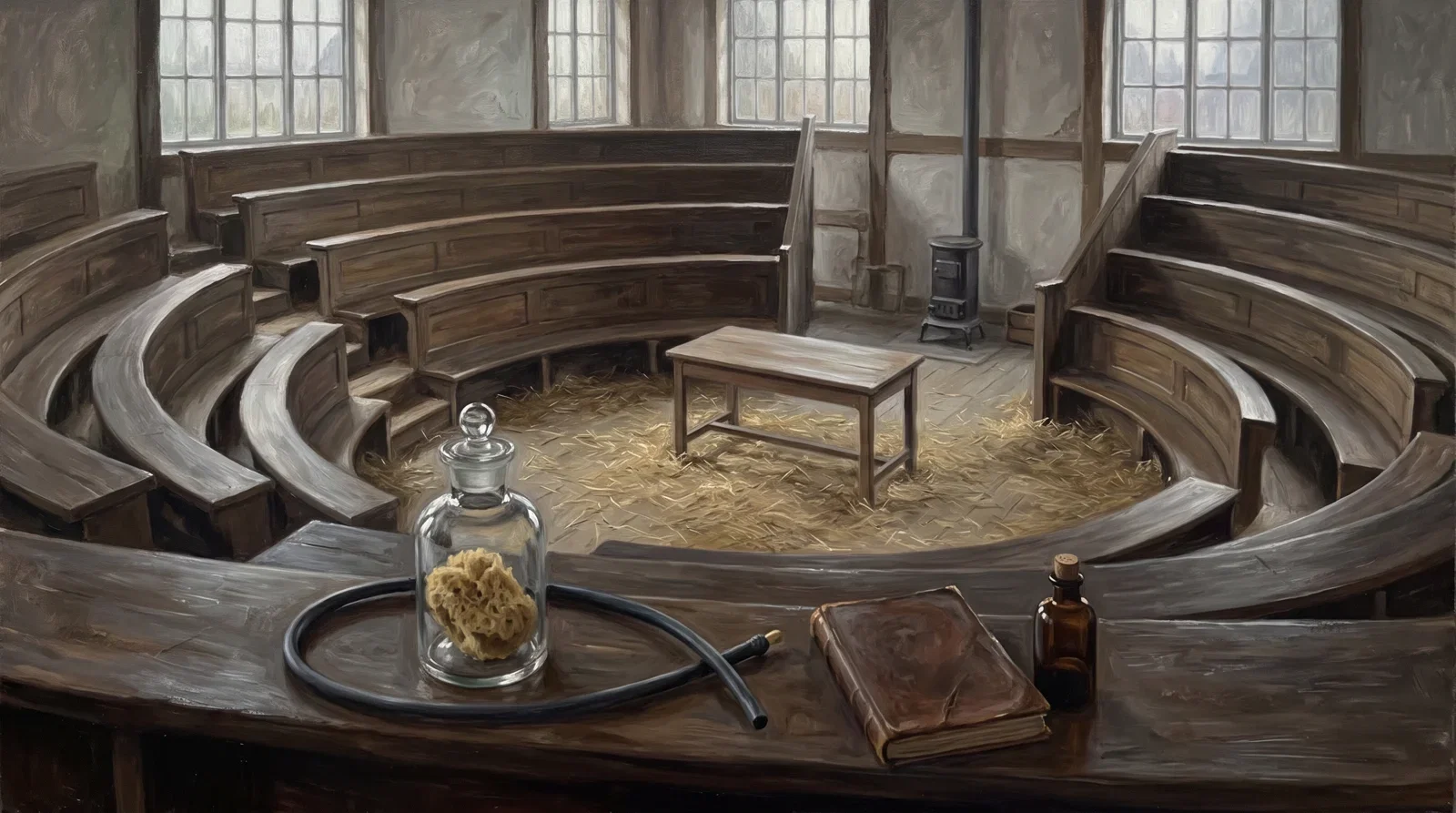
In March 1847 The Veterinarian reprinted reports of a horse given ether for neurotomy and a sheep given ether for amputation at the Royal Veterinary College.
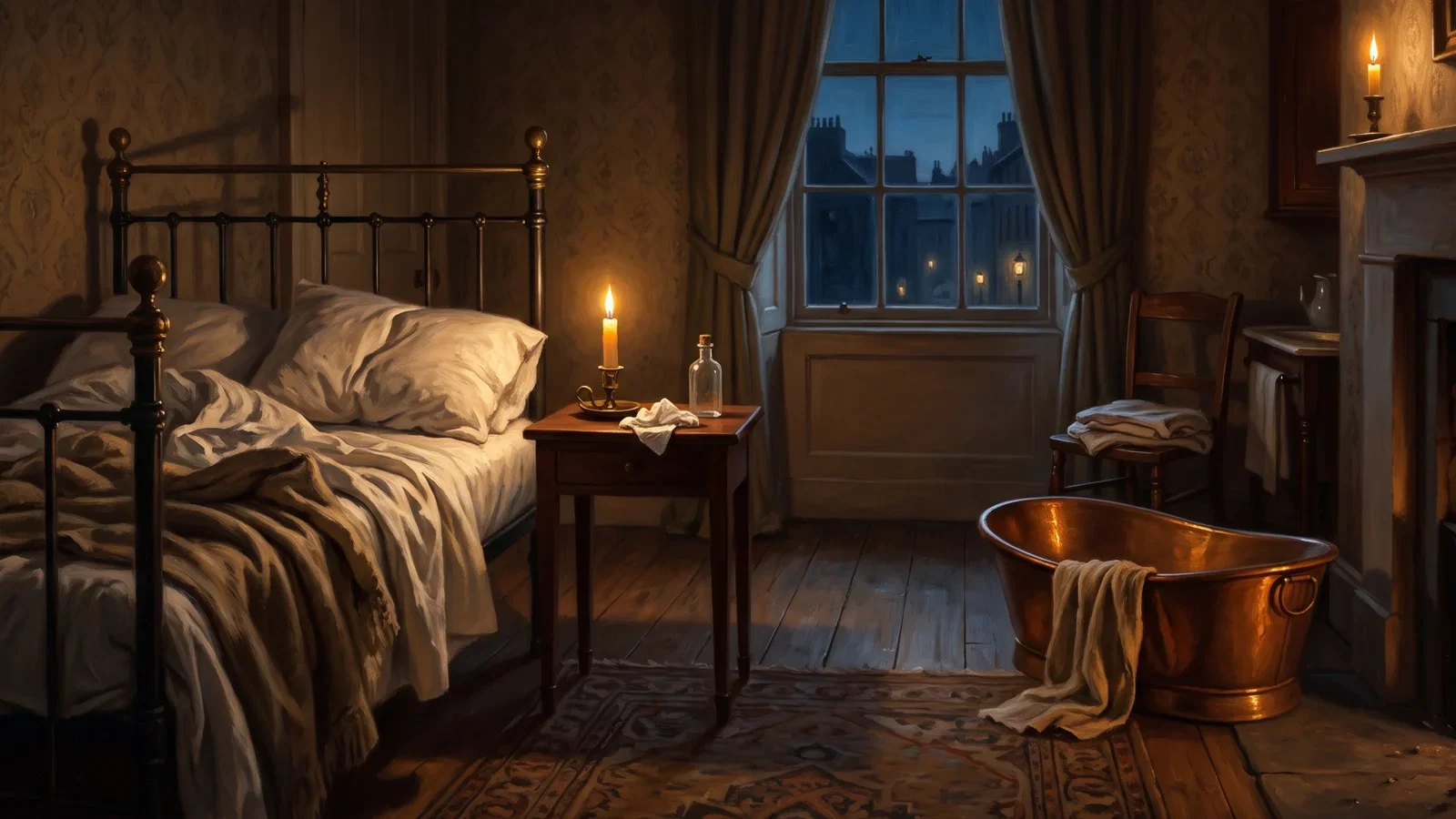
In March 1847 Simpson reported using ether in a difficult Edinburgh delivery and in later labours, separating the relief of pain from the action of the uterus while leaving safety an open question.
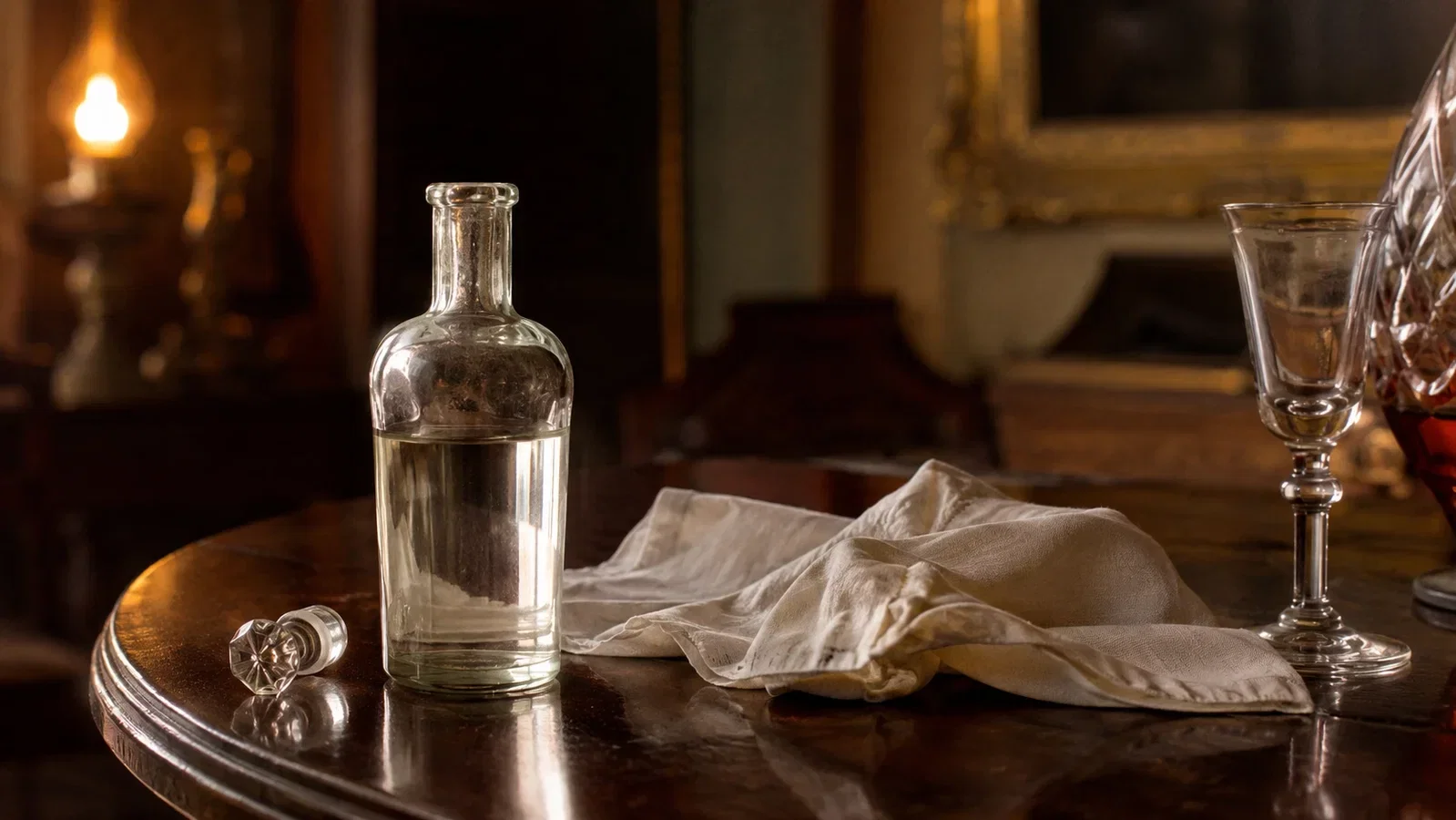
In November 1847 Simpson's pamphlet put forward chloroform as a substitute for ether, with experience that grew from about thirty to about fifty people before it was printed.
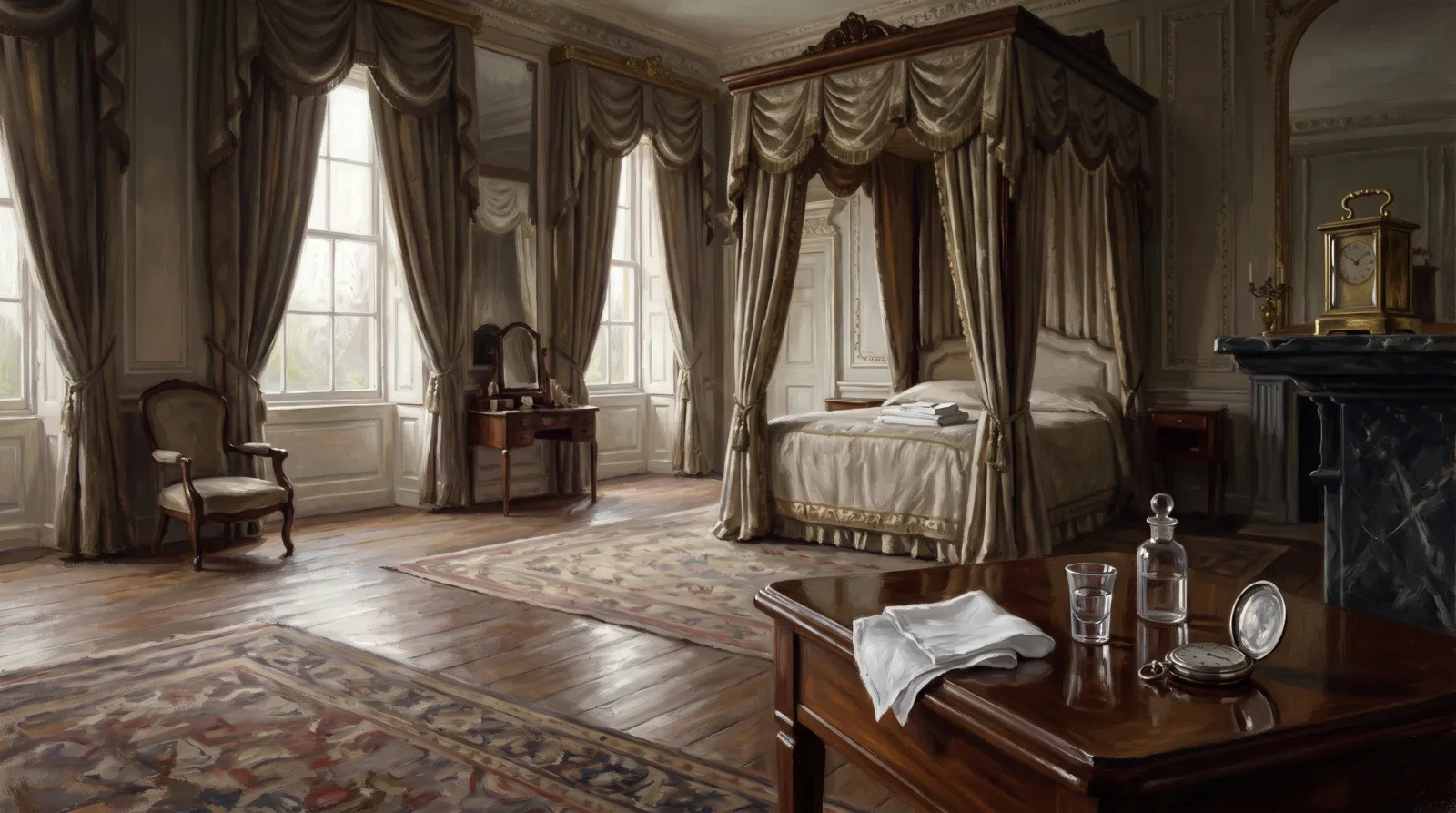
John Snow's case record of Queen Victoria's labour in April 1853 preserves both the relief chloroform gave and an observation that labour was somewhat slowed.
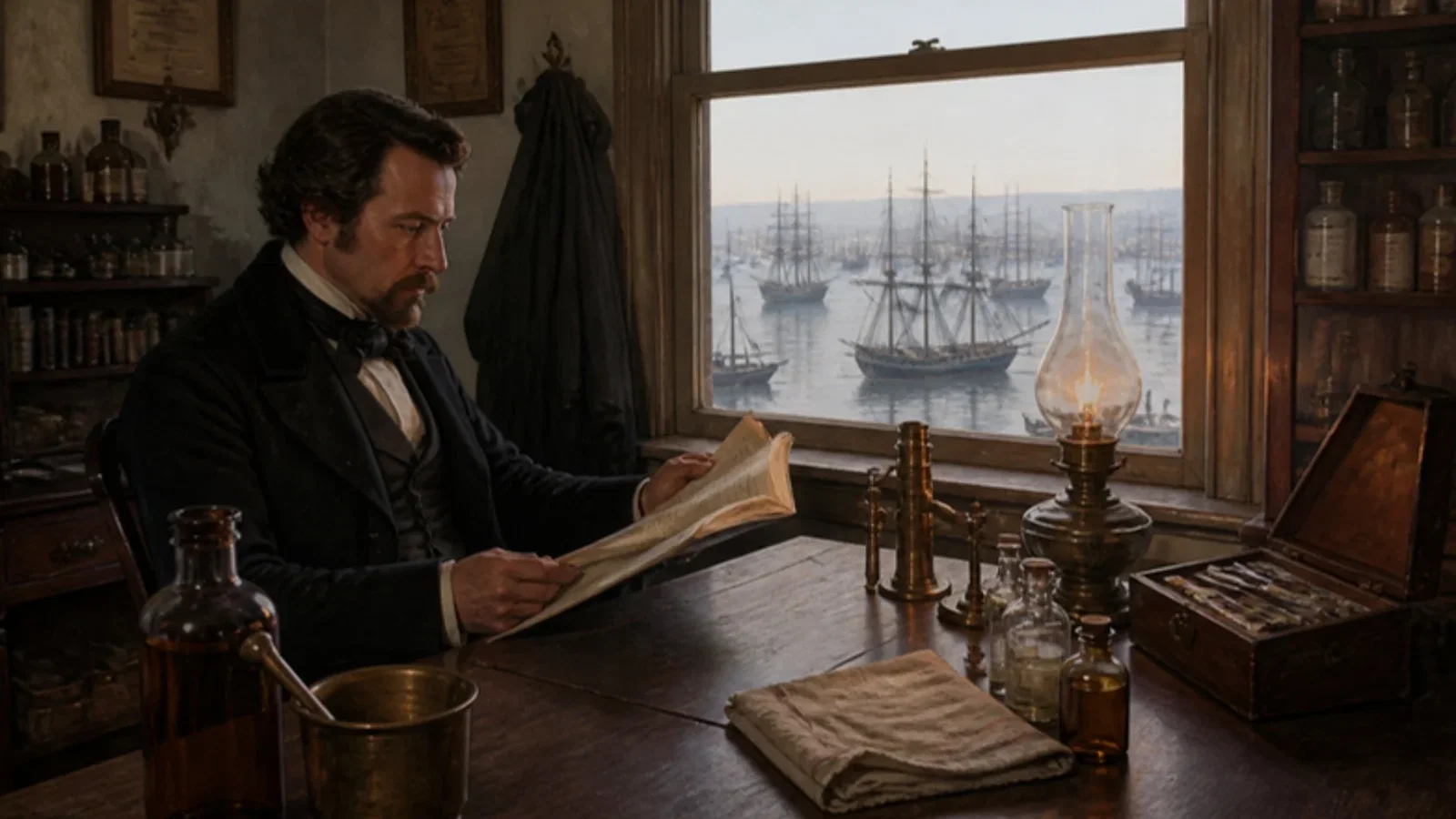
Writing in 1996, Calmes found that California's new state medical journal, in 1856, already reported anaesthesia in use and two anaesthetic deaths in its opening issue.
In 1863 Colton revived nitrous oxide for tooth extraction in New Haven and opened a dental service in New York; Colton's own accounts of its scale disagree.

In 1867 Lister argued that dressings which destroyed the minute organisms carried in the air could prevent decomposition in wounds without shutting the air out.

In Bordeaux in February 1874, Oré gave chloral hydrate into a vein to a man with tetanus and removed the nail of an injured finger without a complaint, while the outcome of the tetanus was left to be reported later.
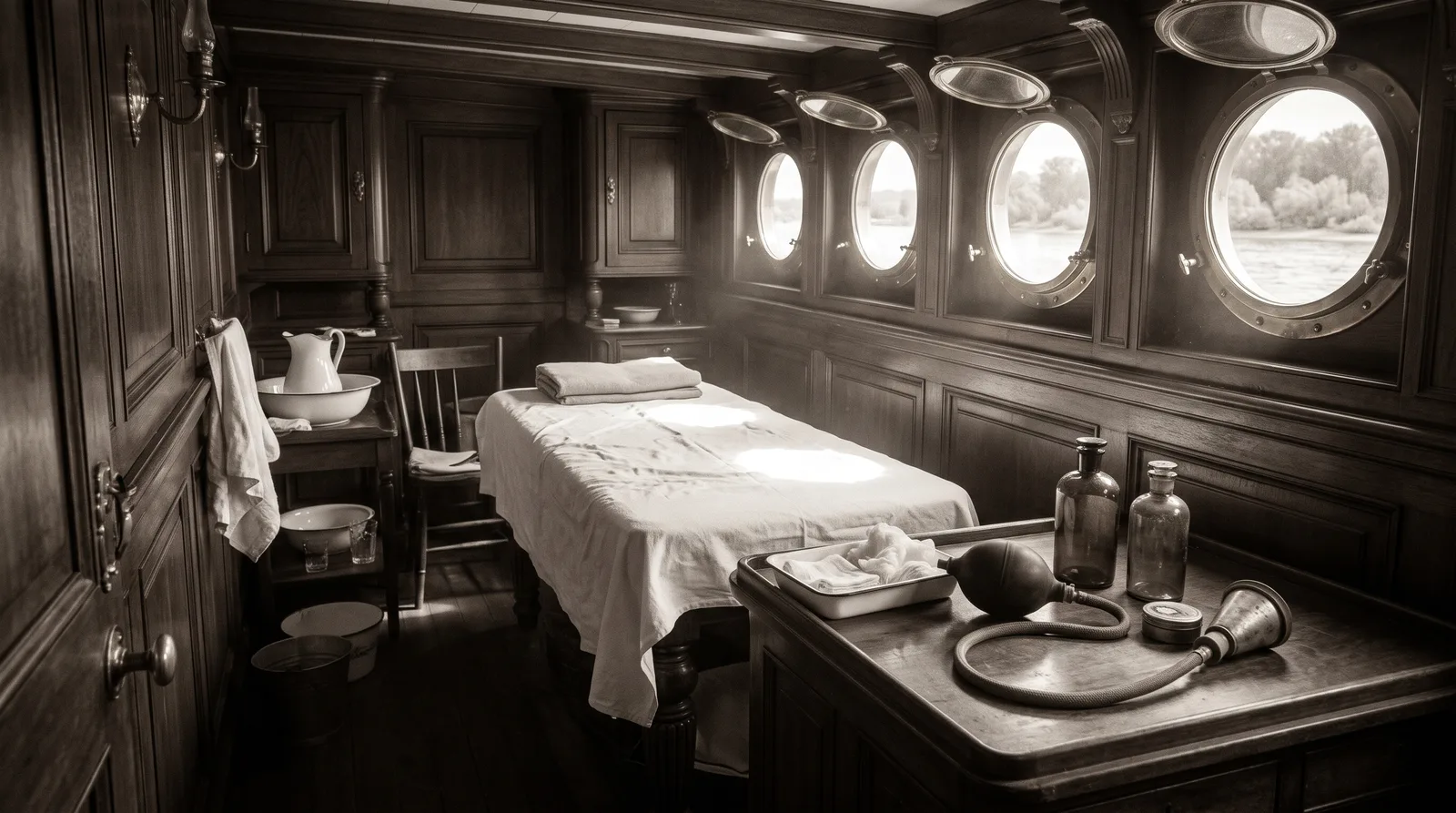
Cleveland's jaw tumour was removed aboard a yacht under nitrous oxide and then ether; the surgeon Keen revealed the secret only in 1917.
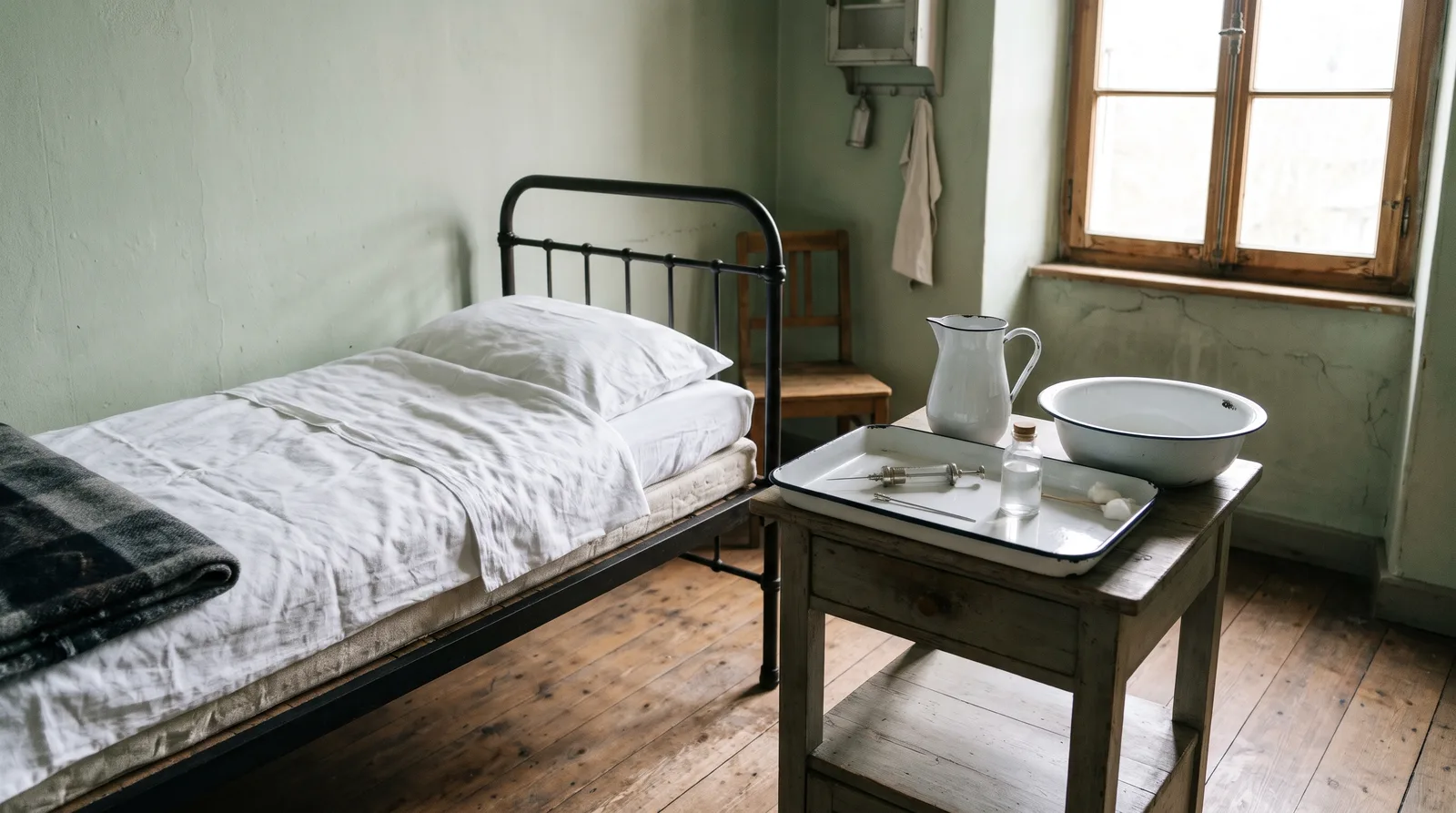
Kreis of Basel reported six labours under spinal analgesia; two theses record its effect and its drawback, the loss of the reflex urge to bear down.
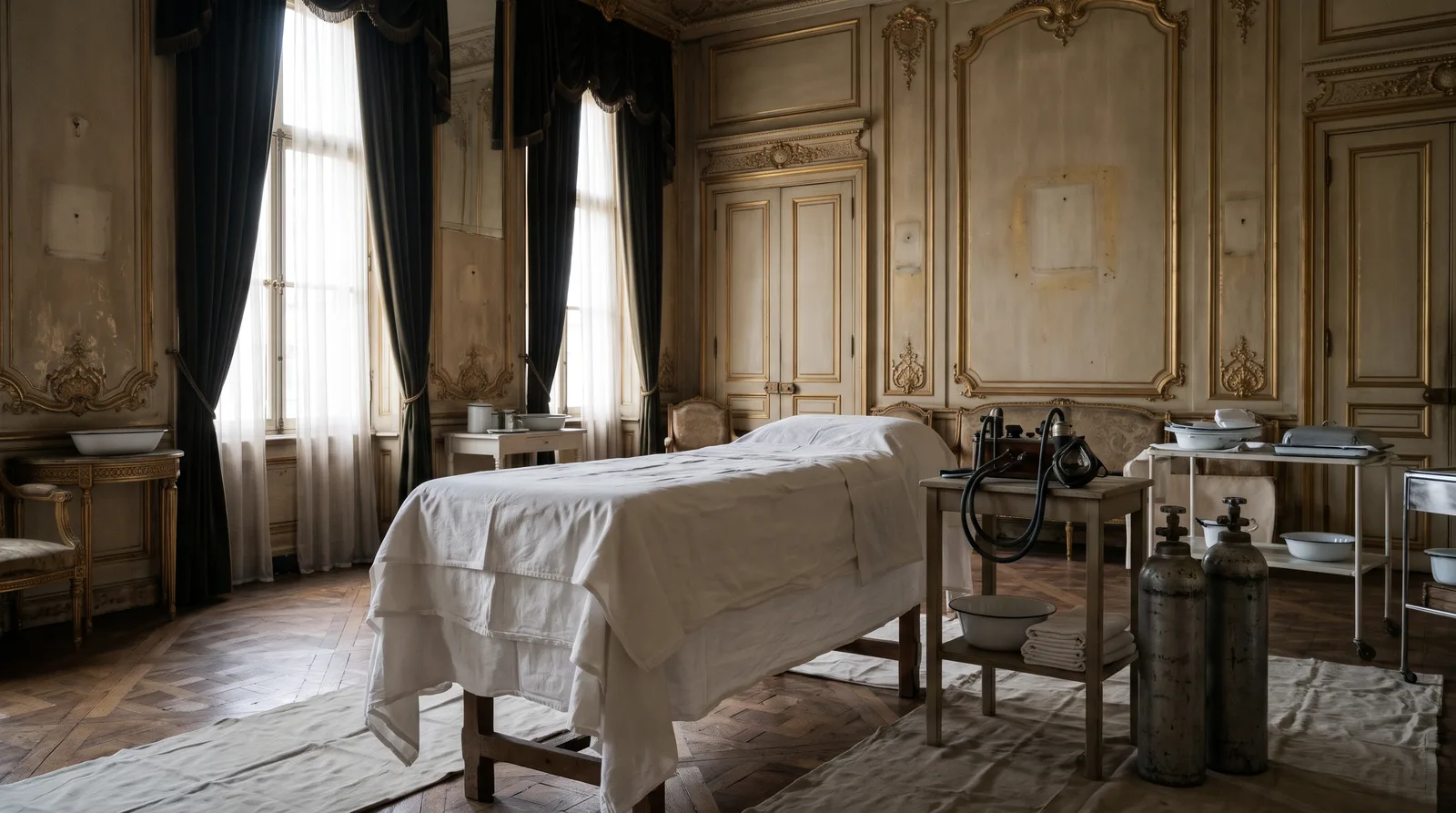
On 24 June 1902, two days before the planned coronation, Sir Frederick Treves drained an abdominal abscess in King Edward VII under an anaesthetic given by Frederic Hewitt, and the Lancet told its readers that the anaesthetic had been borne well.
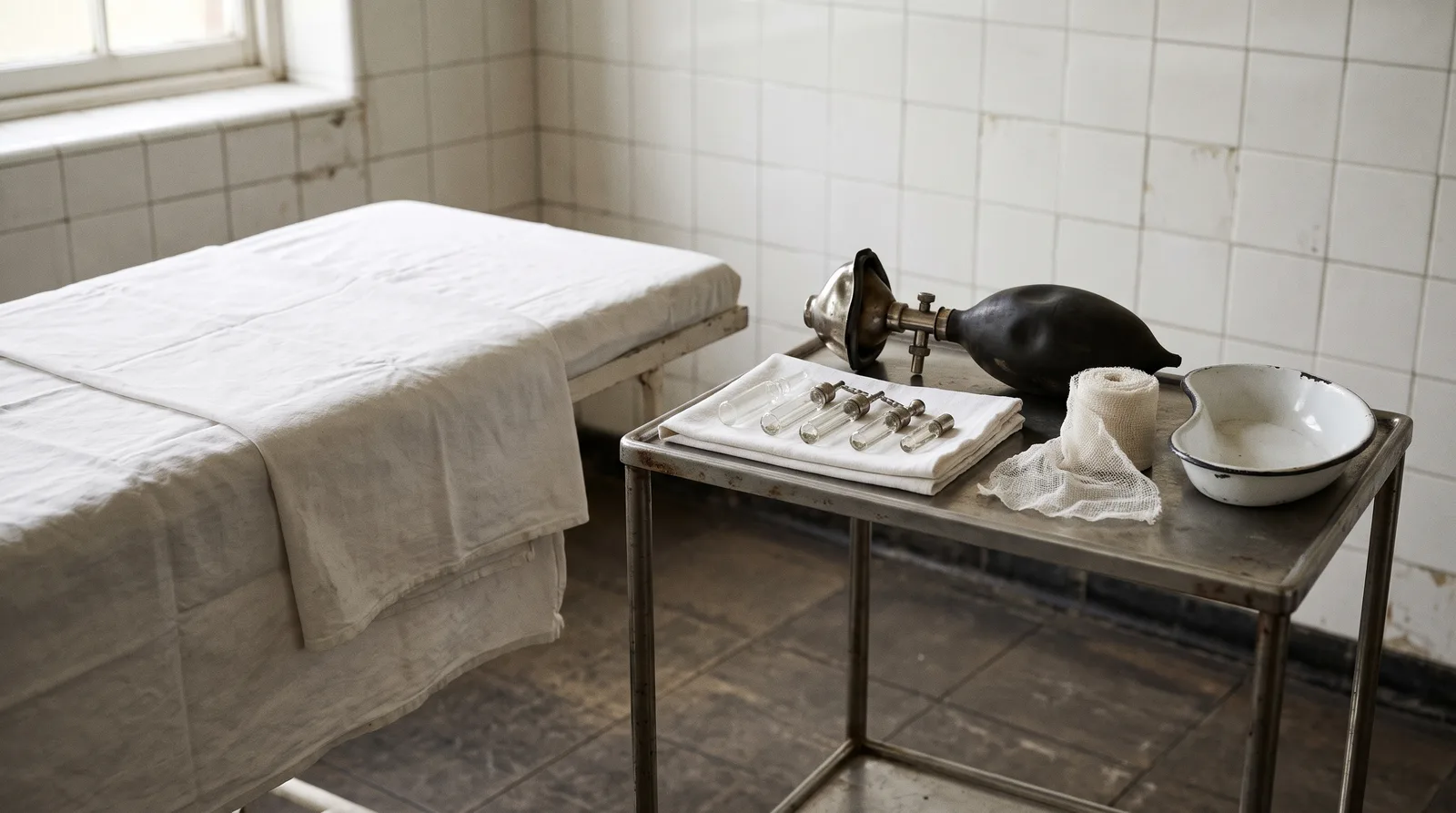
In the Lancet of April 1903 W. J. McCardie of Birmingham presented ethyl chloride, given from an Ormsby inhaler, as a quick and safe general anaesthetic for short operations, calling it a perfect anaesthetic for children's small operations.
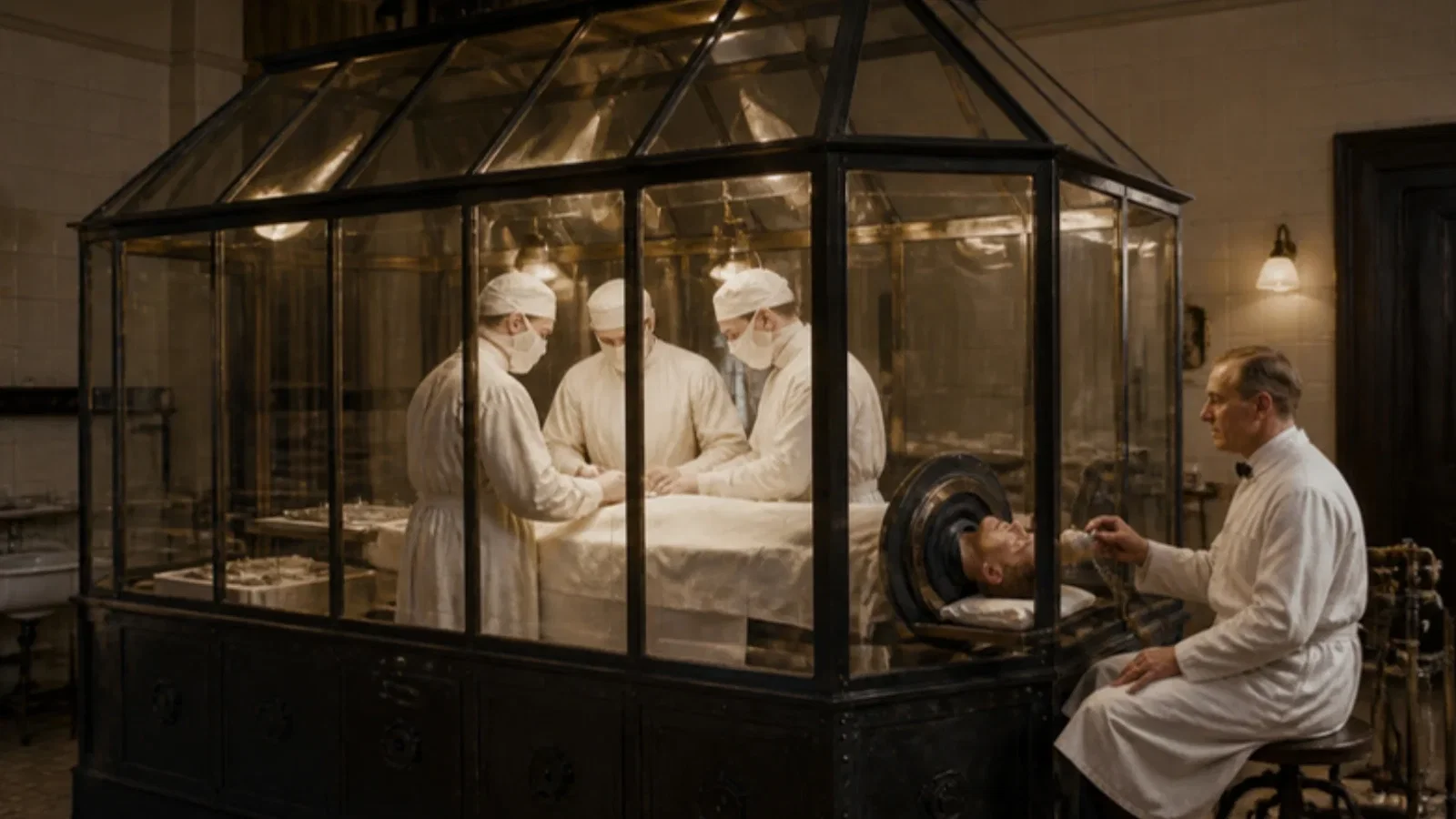
Moving the open chest into a low-pressure room kept the lungs up, and left the anaesthetist on the other side of the wall
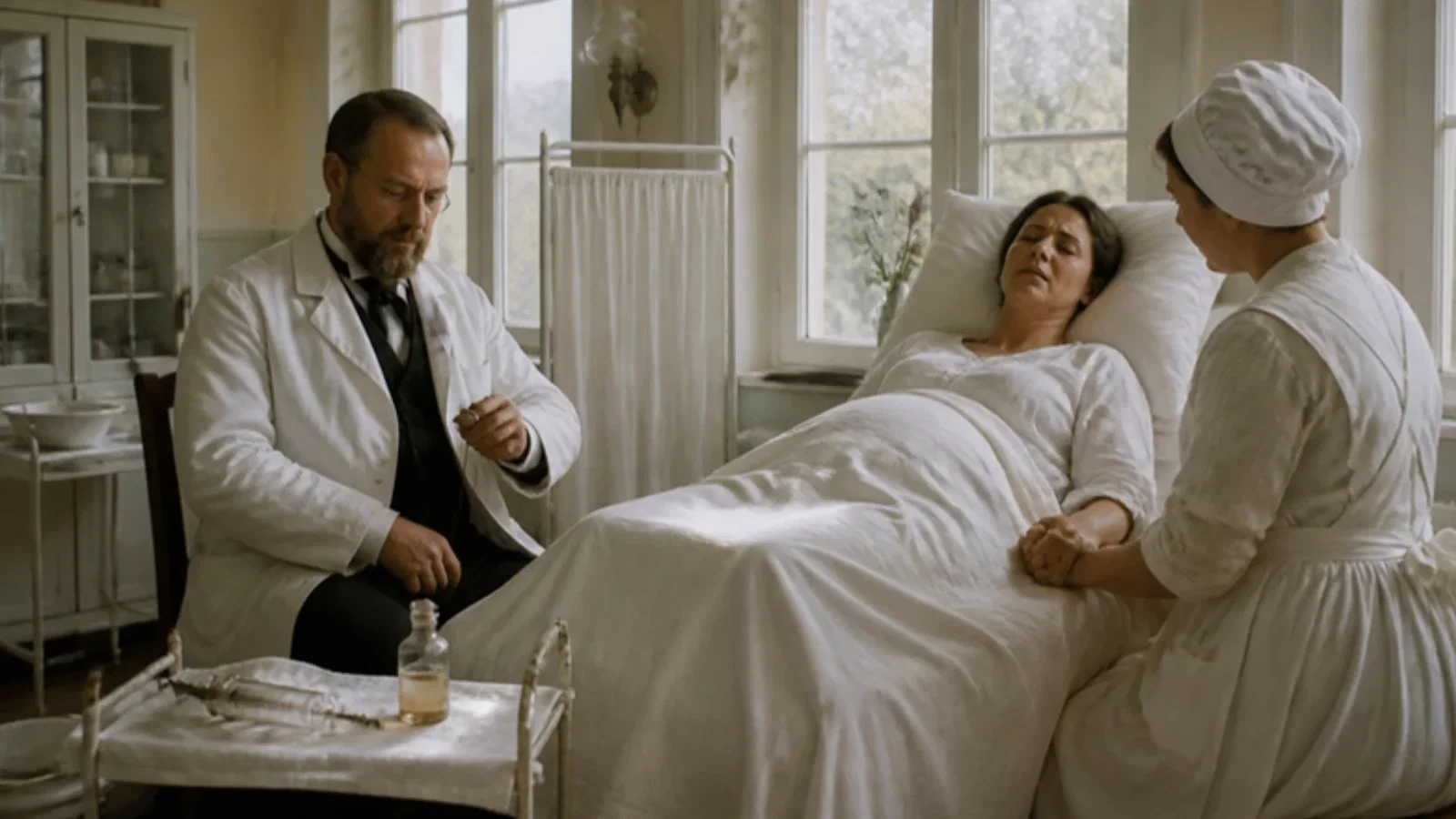
Stoeckel injected novocaine through the sacral hiatus in 141 labours; colleagues found the relief modest and the effect on contractions worrying.
Animal experiments, operative support and contemporary objections remain distinct
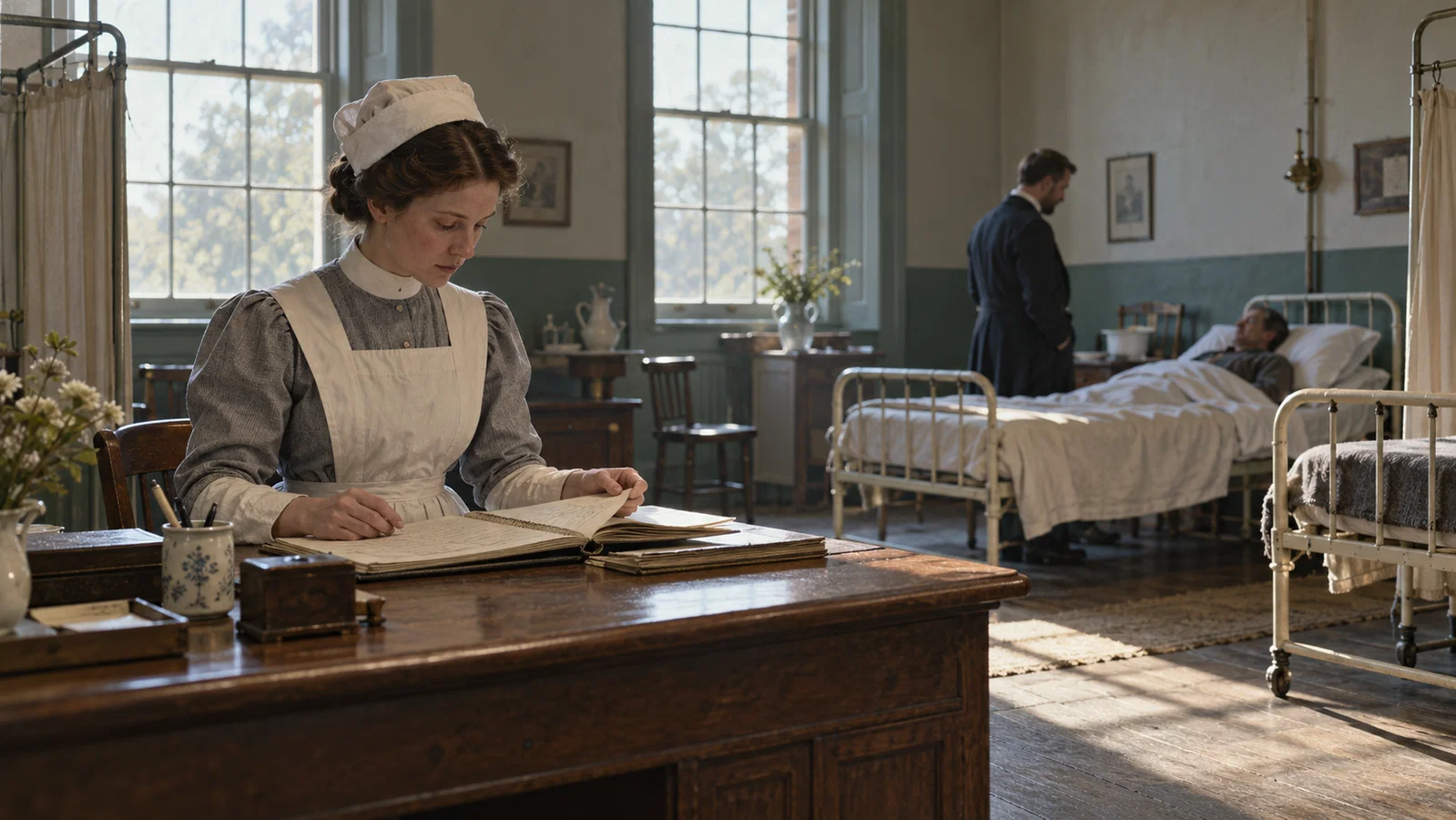
Reading recovery, attendance and attribution beyond the first 75 cases
1914–1918: Coexisting routes, constrained supplies and uneven professional authority
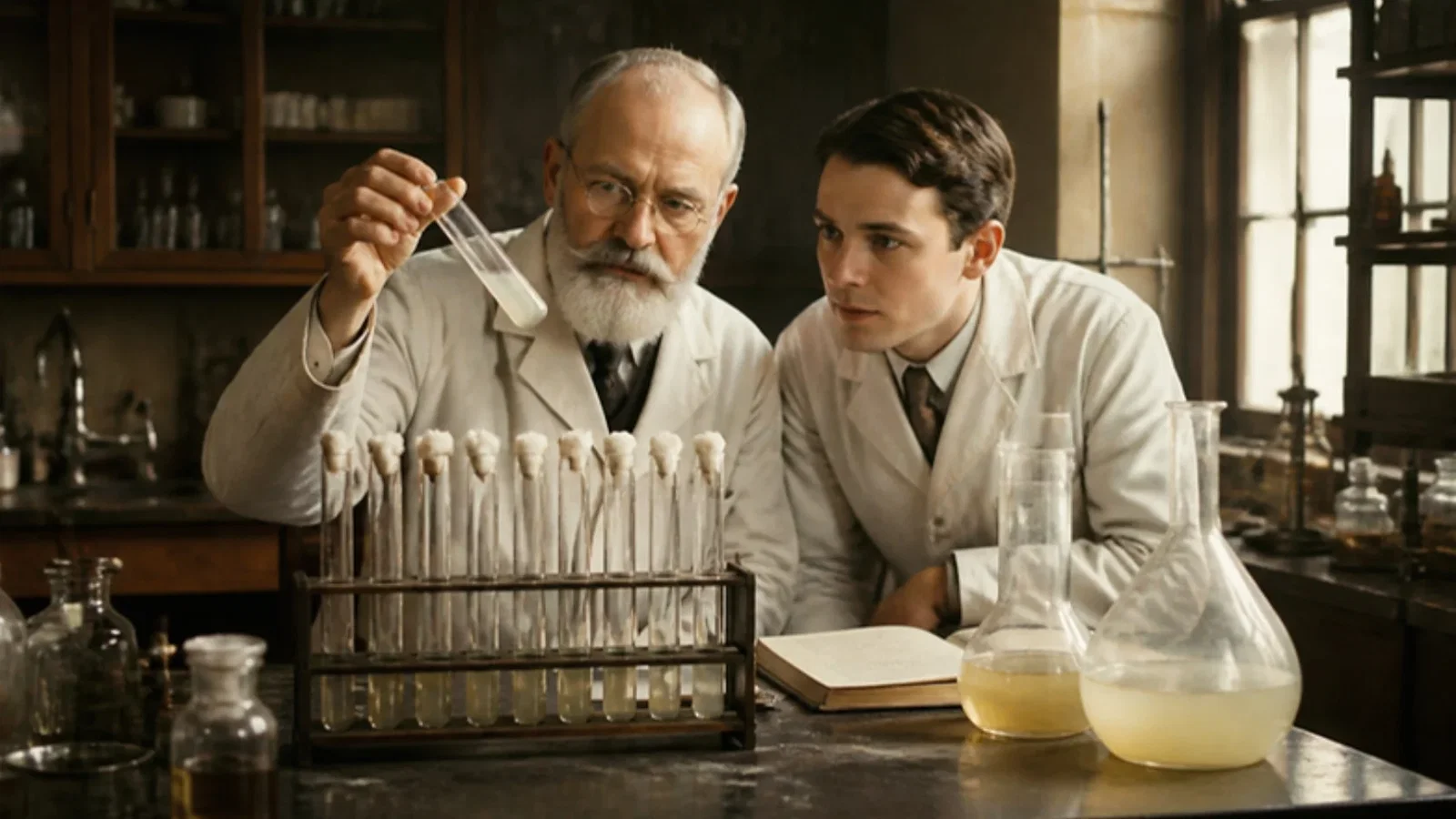
From McLean's 1916 promise to 'report upon later' to Chargaff and Olson's finding in 1937 that protamine stops it
A dedicated post in 1919, with institutional boundaries still changing
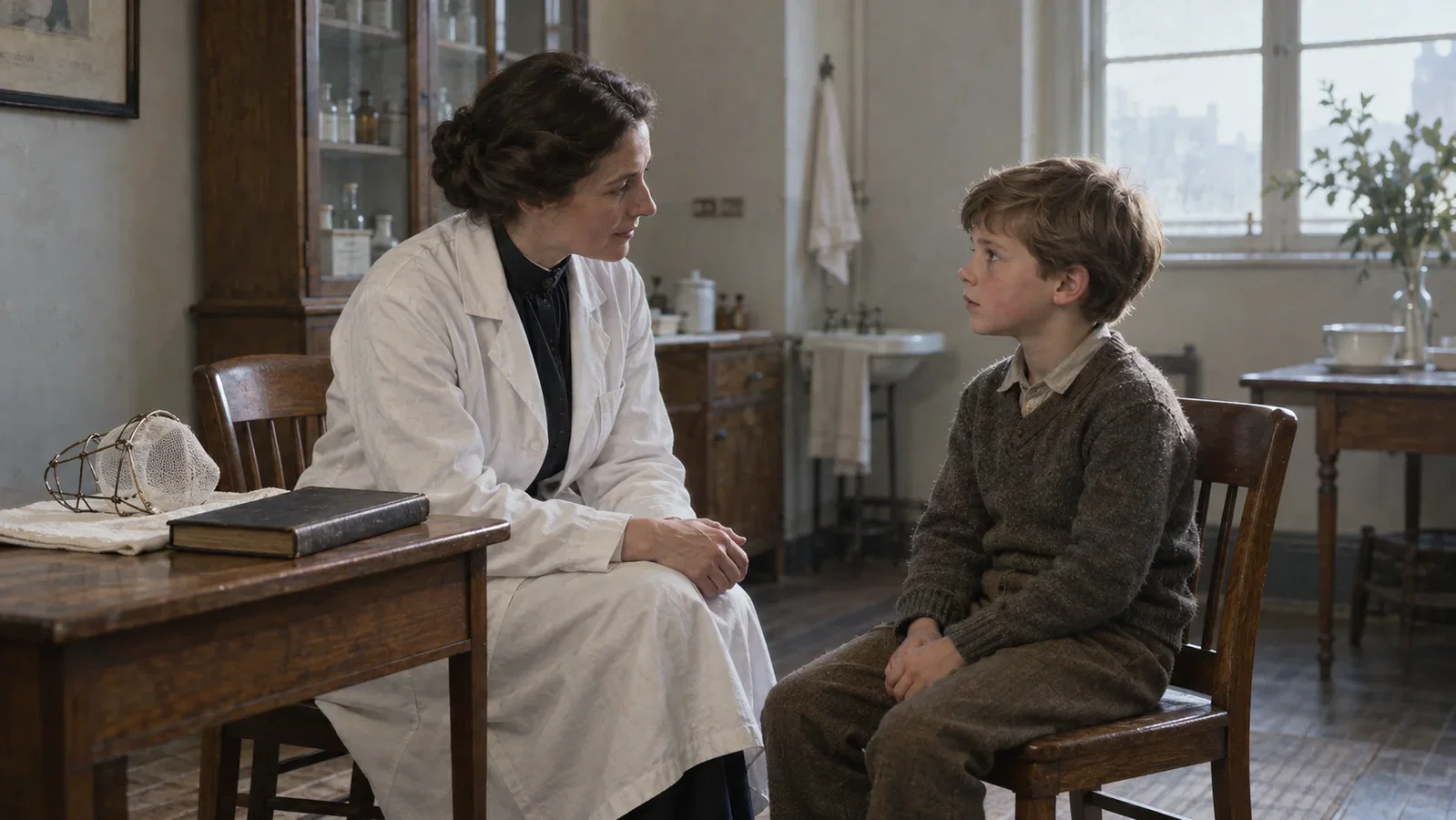
Two kinds of clinical experience, and a limit to what the records could show
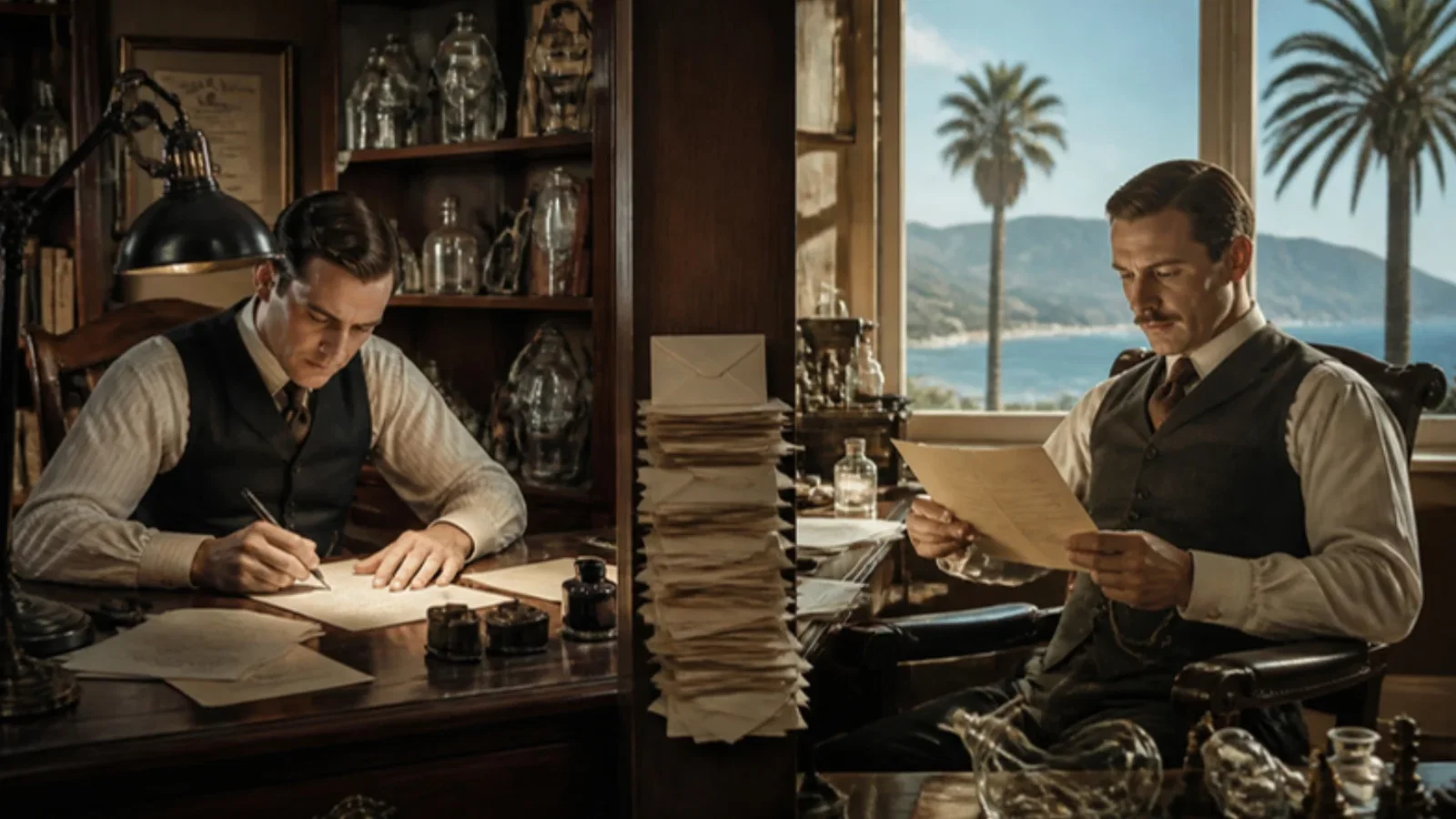
Re-reading their letters in 2002, Larson found Waters and Guedel showed little interest in preoperative assessment, and traced how long anaesthetists took to claim that role.
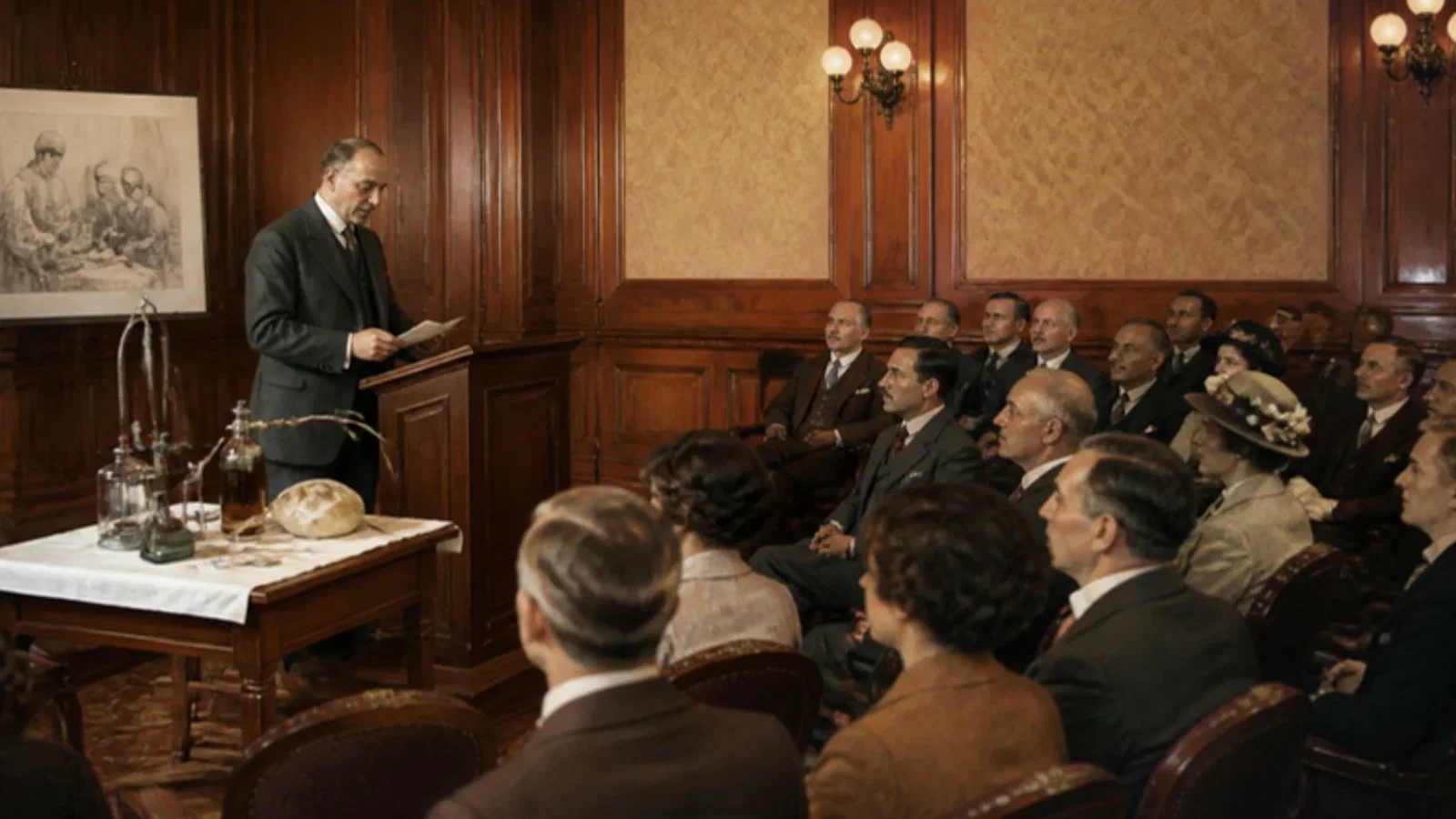
Calmes found little record of obstetric anaesthesia in California until 1928, when the obstetrician Frank W. Lynch addressed the state anesthesiology section.
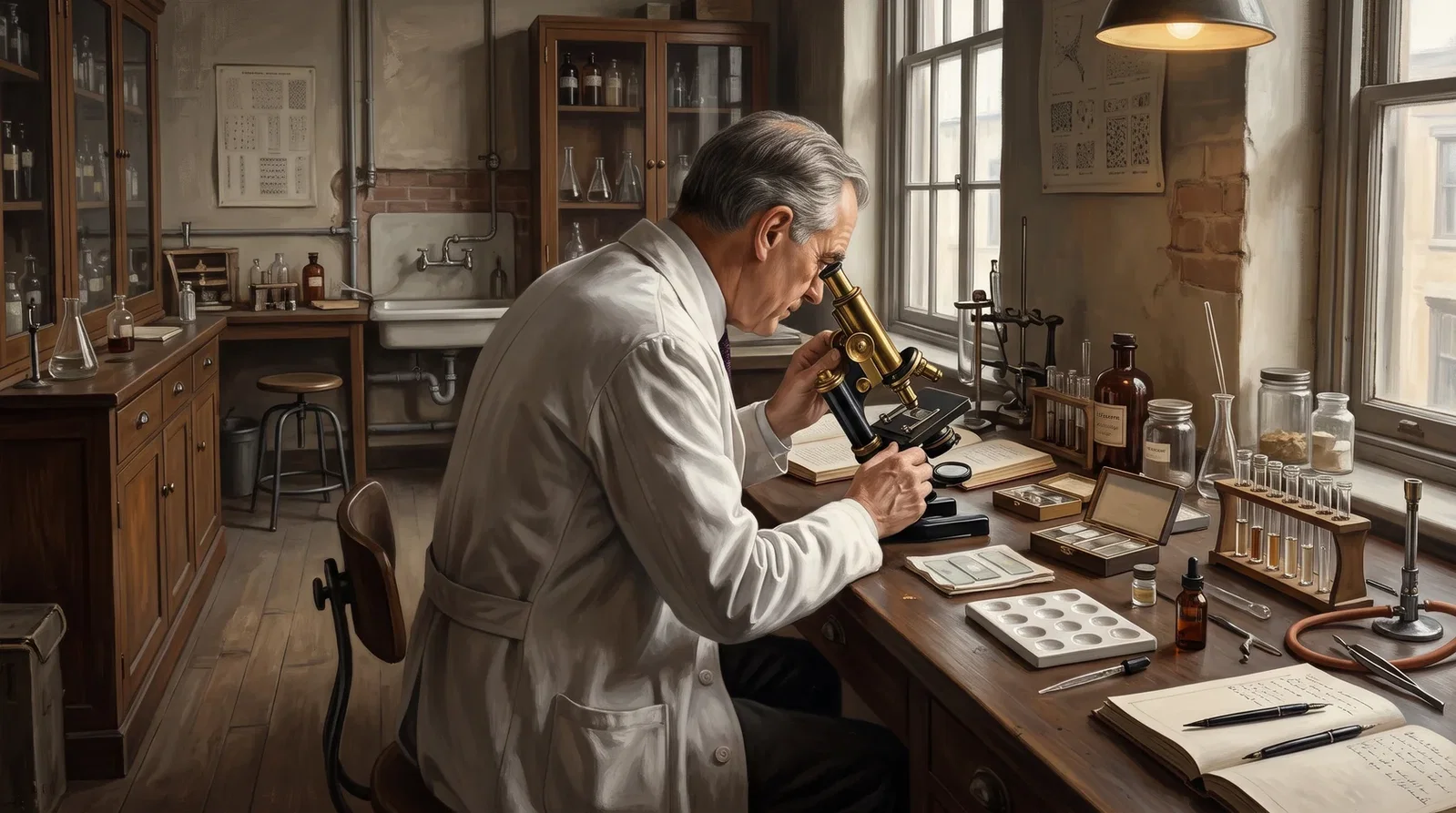
Landsteiner recalled discovering the human blood groups, explained why transfusion had sometimes killed, and described how matched transfusion became routine.
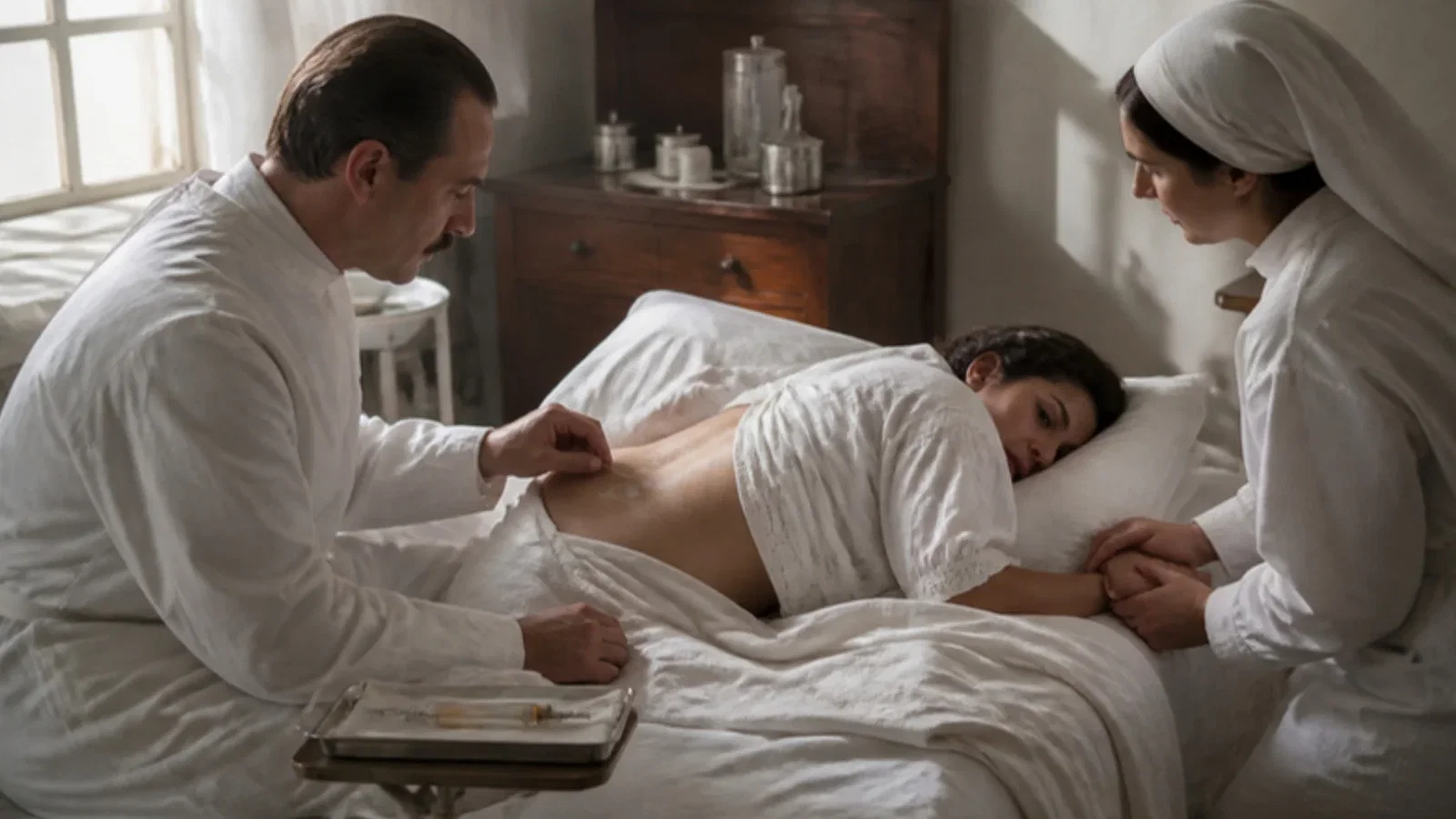
Aburel moved from skin injections and a plexus block to a thread-like catheter passed through a trocar and left in place for repeated doses.
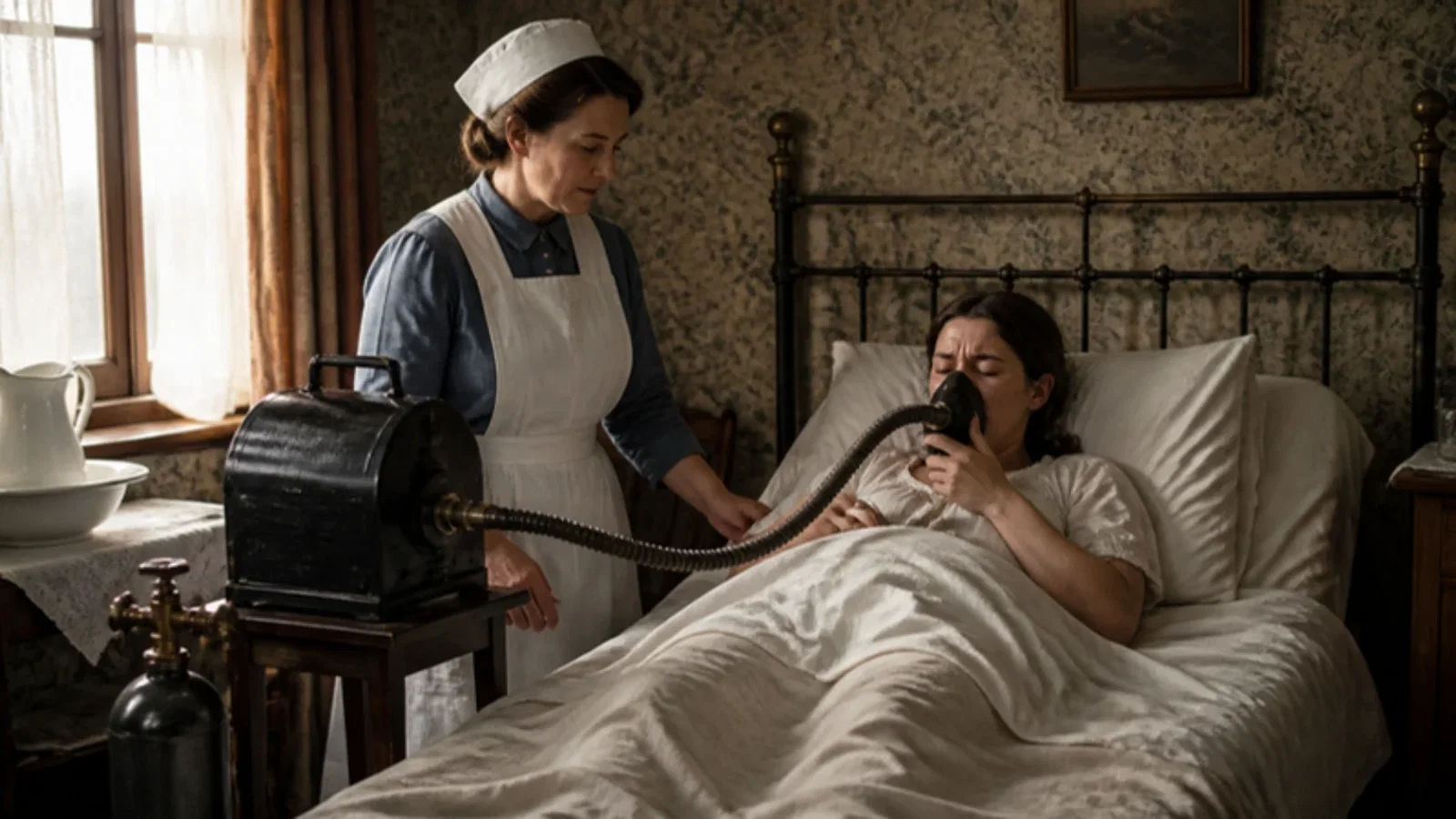
Minnitt of Liverpool adapted an oxygen apparatus so women in labour could draw nitrous oxide with each breath, bringing it within the midwife's reach.
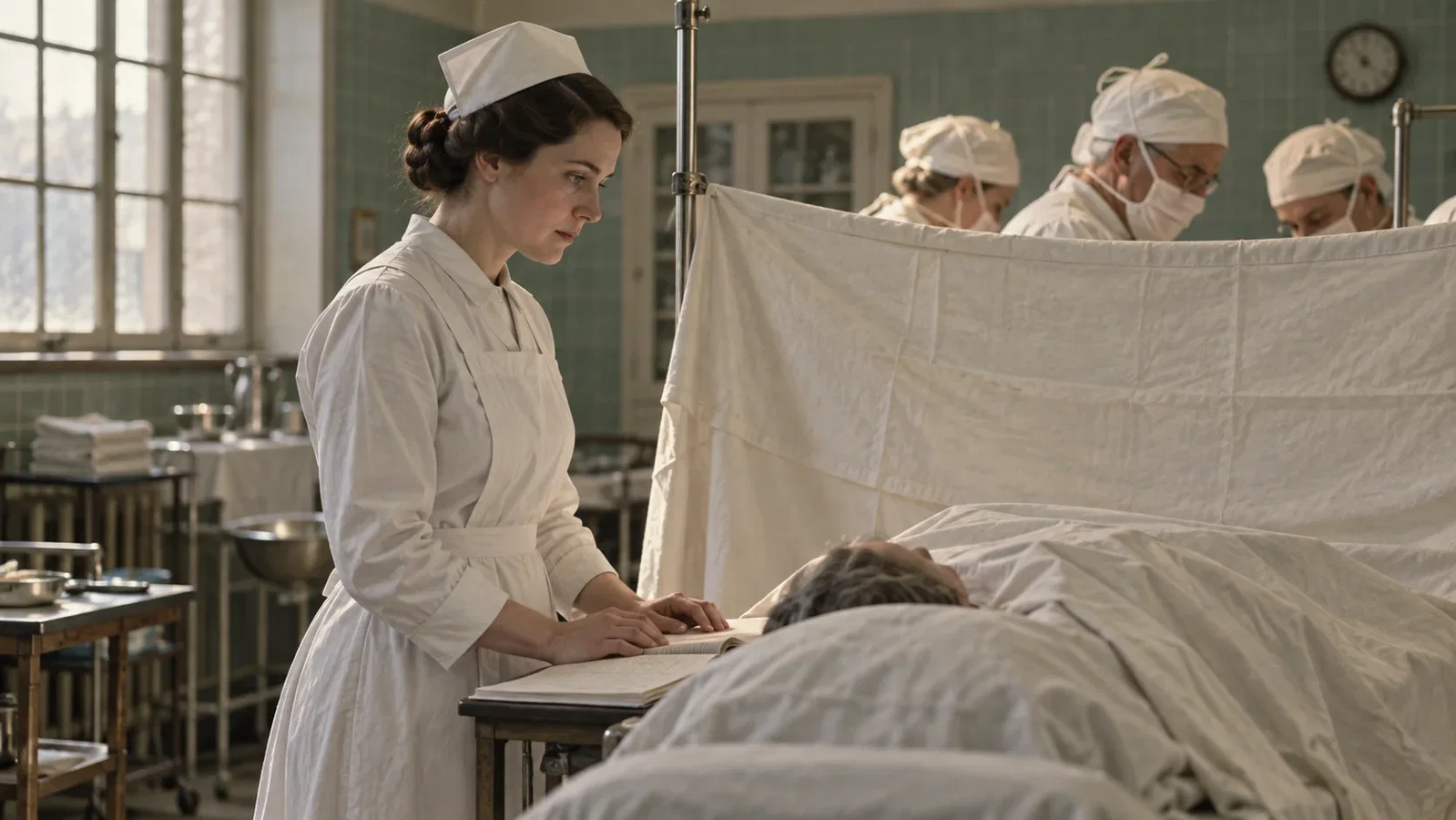
A one-stage cancer operation, intratracheal anesthesia and an educator in 1933
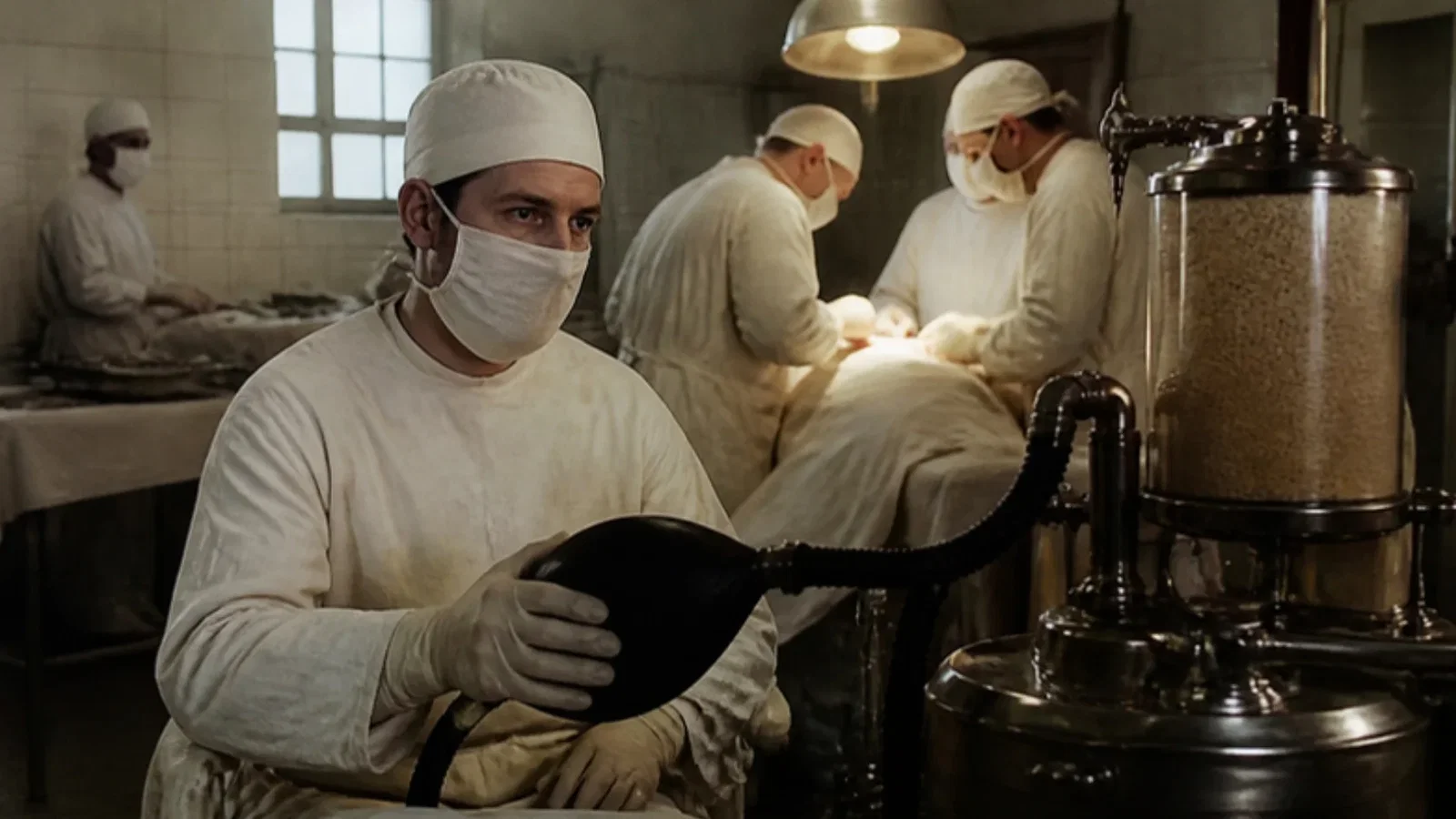
Rovenstine described a cuffed endotracheal tube sealing the airway, with the anaesthetist's hand on the bag controlling depth and minute volume during intrathoracic surgery.
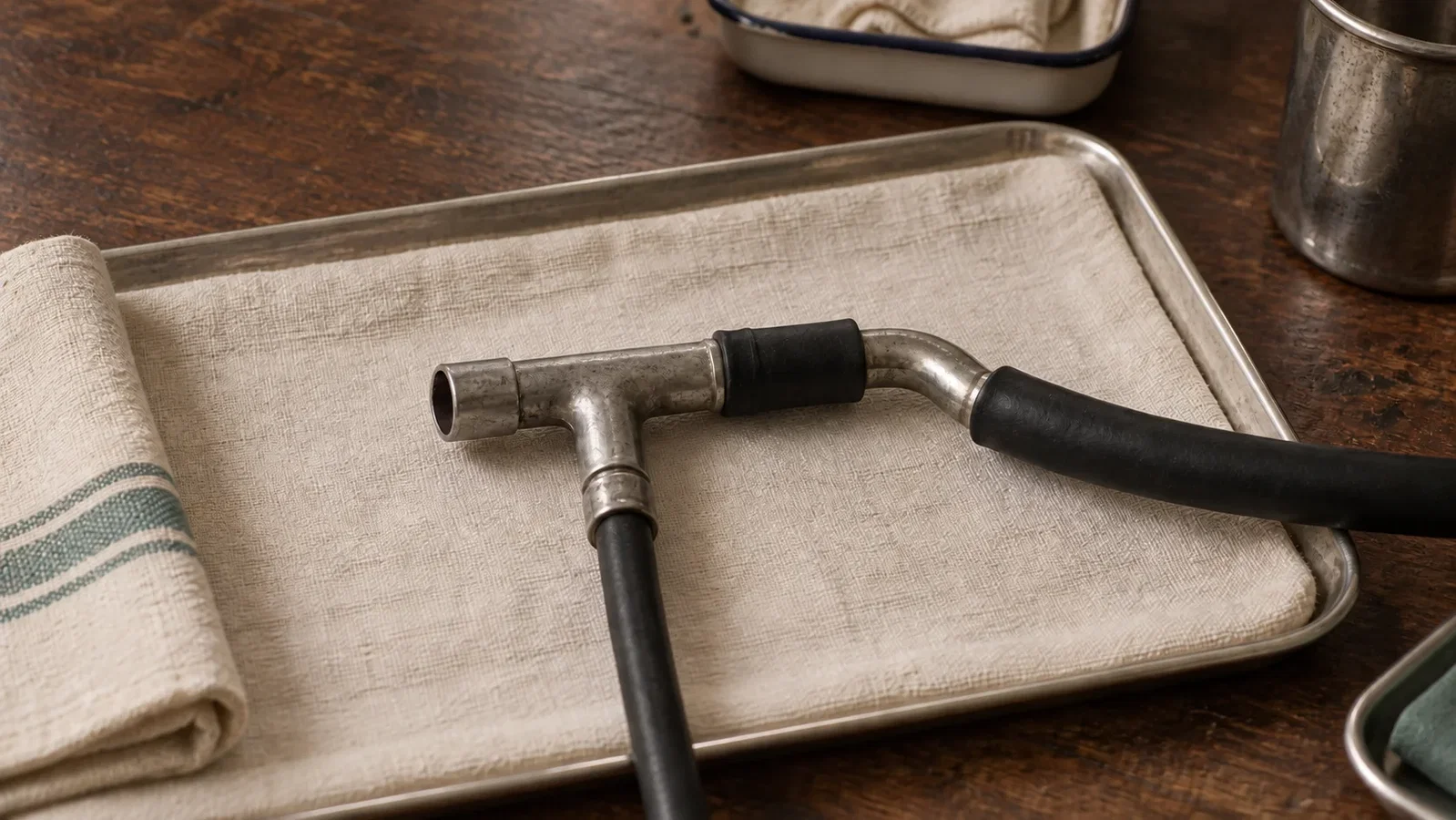
The open connection described in 1937 and the later work of revising and analyzing it
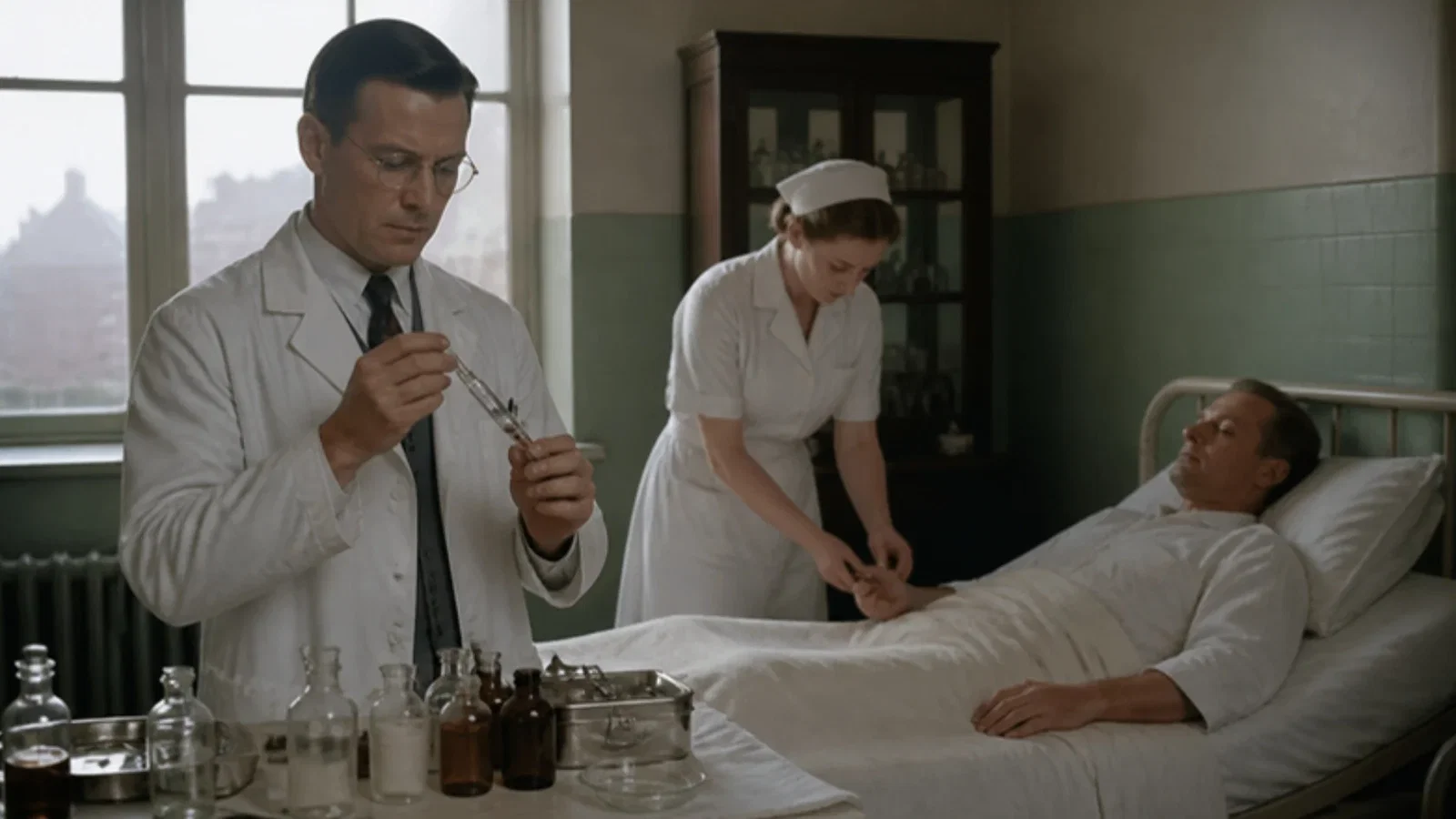
The Omaha psychiatrist Bennett gave curare to relax neck and back before metrazol convulsions, preventing the fractures of convulsive shock therapy.
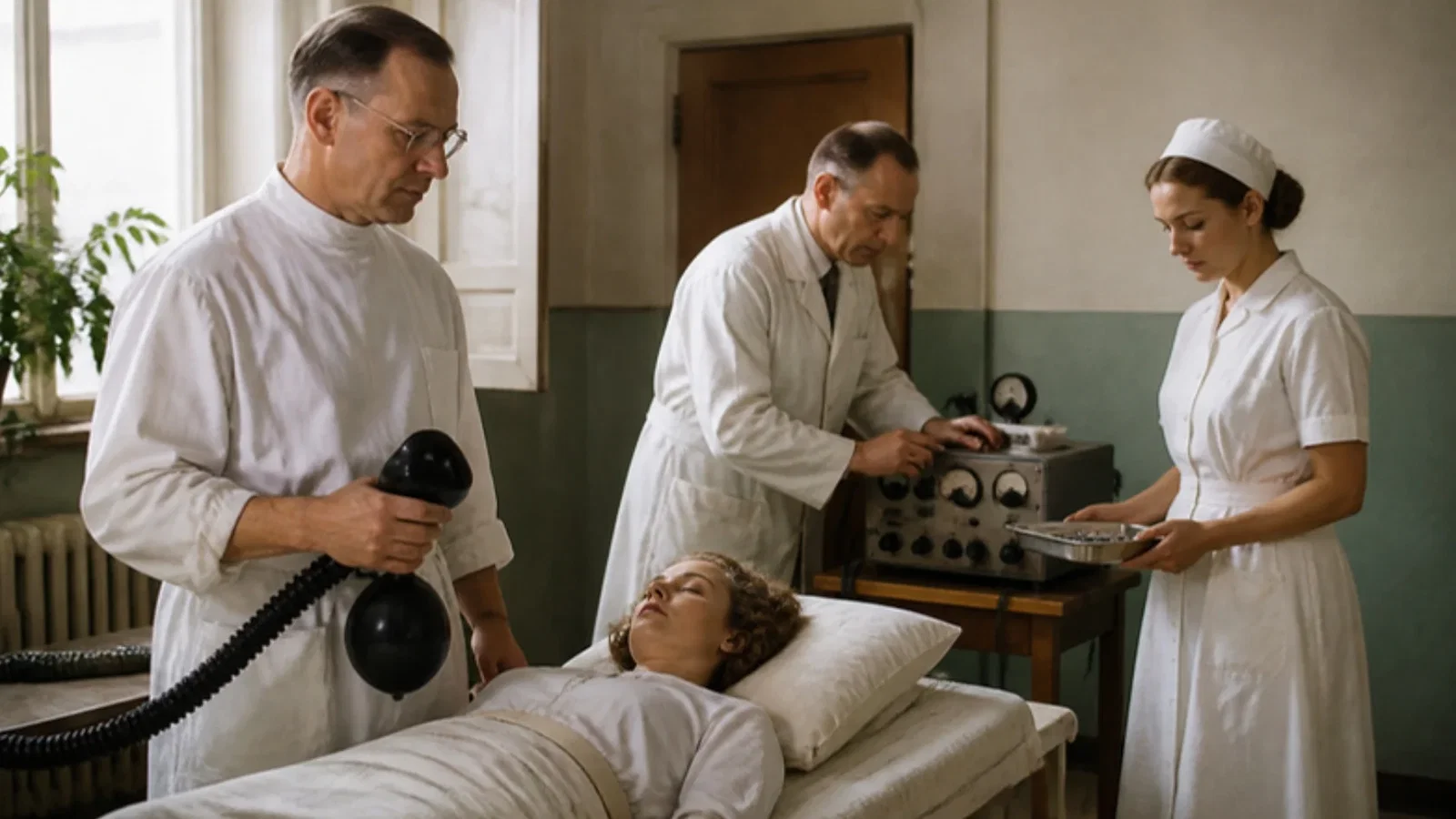
Bennett softened metrazol convulsions with curare in 1940; in 1952 Holmberg and Thesleff made electroshock a brief anaesthetic with succinylcholine, a barbiturate and oxygen.
Topic guide updated October 30, 2026.